Top Benefits of Using Fiberglass Furnace Filters for Your Home?

Time:2026-08-17 Author:Charlotte
0%

Fiberglass Furnace Filters are gaining popularity among homeowners for their efficiency and affordability. According to industry expert Dr. Sarah Thompson, "The right filter can significantly improve air quality.” Her insights emphasize the critical role these filters play in maintaining a healthy home environment.

Understanding how Fiberglass Furnace Filters work is essential. They are designed to trap dust, pollen, and other airborne particles. This can lead to cleaner air and reduced allergies. However, not all filters are created equal. Some homeowners may overlook their importance or delay changing them; this could lead to increased energy costs or respiratory issues.

Investing in high-quality Fiberglass Furnace Filters is crucial. They provide high airflow efficiency and are often more cost-effective. Yet, it is important to balance quality and frequency of replacement. Regular maintenance should not be underestimated. You may think it’s a simple task, but it can often be ignored until problems arise. A small investment in these filters can yield significant long-term benefits.
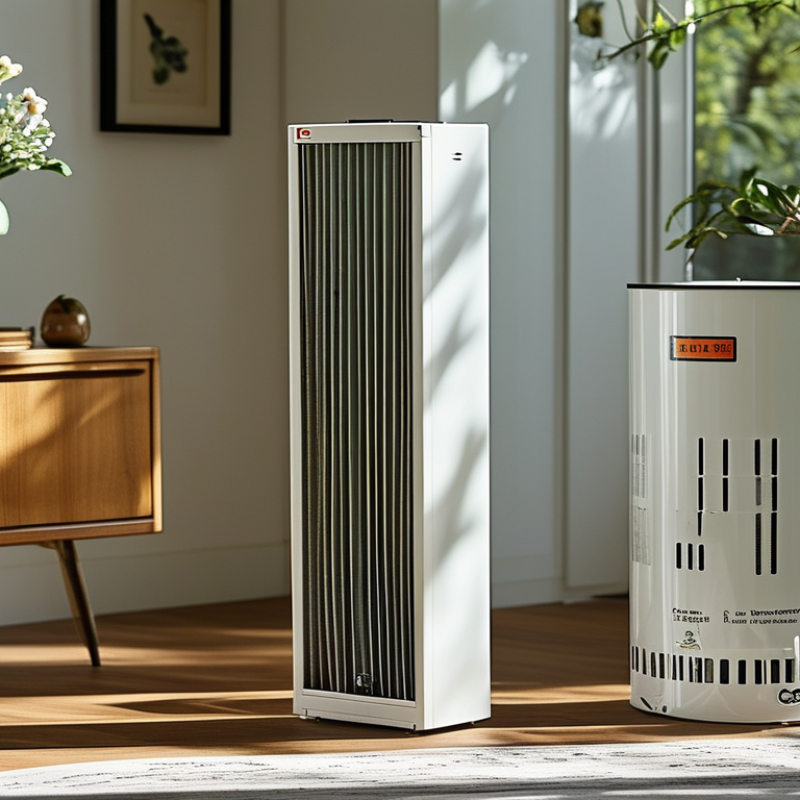
Top Benefits of Using Fiberglass Furnace Filters for Your Home?

Advantages of Fiberglass Filters Compared to Other Filter Types

Fiberglass furnace filters offer several advantages over other filter types. They effectively trap large particles like dust and pollen, improving indoor air quality. Their lightweight and low-cost design make them accessible for homeowners seeking efficient air filtration. However, they may not capture smaller particles, such as smoke or pet dander.

One key benefit is their high airflow rate. Fiberglass filters allow for better air circulation within your home. This can help maintain consistent temperatures and reduce energy costs. However, relying solely on fiberglass filters might lead to less effective cleaning of the air. It's essential to monitor their performance regularly and replace them as needed.

Another factor to consider is lifespan. Fiberglass filters typically need to be replaced every 30 days. This frequent change contributes to a more consistent air quality but may not be as convenient for some homeowners. Some might prefer filters with longer lifespans despite their higher costs. Balancing convenience and efficiency is crucial in choosing the right filter for your needs.

Top Benefits of Using Fiberglass Furnace Filters for Your Home

Benefit Description Comparison to Other Filters Estimated Cost
Cost-Effective Fiberglass filters are generally more affordable compared to other filter types. Lower initial investment than HEPA or pleated filters. $1 - $5 per filter
Easy to Install Lightweight and simple design allows for quick installation. No special tools required, unlike some other filter types. N/A
Improved Airflow Fiberglass filters do not restrict airflow, promoting better system efficiency. Better airflow than HEPA filters which can be restrictive. N/A
Low Maintenance Requires less frequent replacement compared to some other types. Longest lasting in standard conditions when compared to permanent filters. N/A
Basic Filtration Good for dust and particles, providing essential filtration. Not as efficient as HEPA filters for allergens. N/A

How Fiberglass Filters Improve Indoor Air Quality in Homes

Fiberglass furnace filters can play a significant role in improving indoor air quality at home. These filters are designed to capture dust, pollen, and pet dander. This helps reduce allergens that can lead to respiratory issues. An important detail is that they're often more affordable than other types of filters. However, their effectiveness can vary based on thickness and efficiency rating.

When you use fiberglass filters, you help maintain cleaner air. They prevent particulate matter from circulating through your HVAC system. It is beneficial to regularly change these filters every 1-3 months. Neglecting this task can lead to reduced airflow and increased energy costs. Over time, dirty filters can actually worsen air quality instead of improving it. Thus, it's essential to balance convenience and efficiency when choosing these products.

Some homeowners may overlook the impact of quality filters. It is easy to underestimate how much dust accumulates. A minor adjustment in maintaining filters can lead to noticeable improvements. While fiberglass filters capture larger particles, they may not hold smaller, harmful pollutants. Thus, a multi-layered approach might be worth considering.

Top Benefits of Using Fiberglass Furnace Filters for Your Home

This chart illustrates the top benefits of using fiberglass furnace filters in homes. Improved air quality, cost-effectiveness, ease of installation, low maintenance, and energy efficiency are key advantages that contribute to enhancing indoor living conditions.

Cost-Effectiveness of Fiberglass Filters in Home Maintenance

Fiberglass filters offer significant cost-effectiveness in home maintenance. According to data from the U.S. Department of Energy, using efficient filters can improve HVAC system performance by up to 15%. This increase translates to lower energy bills, making fiberglass filters an economical choice. Their affordable price point—often under $5—permits frequent changes. Regular filter replacements are vital for home air quality and system longevity.

Despite their initial low cost, many homeowners overlook their maintenance. Neglecting to change filters can lead to decreased air flow. This can cause systems to work harder, resulting in higher utility expenses. In fact, the American Society of Heating, Refrigerating and Air-Conditioning Engineers recommends changing filters every 30 to 90 days. A simple choice like fiberglass filters can prevent unnecessary strain on HVAC systems, providing an added layer of durability.

While fiberglass filters do not capture as many particles as HEPA filters, they still play an essential role. They filter out larger particles like dust and pollen. This helps maintain indoor air quality without straining budgets. Choosing fiberglass filters fosters a healthy home environment while ensuring cost savings. Remember, even small habits can lead to better air quality and system efficiency.

Installation and Maintenance of Fiberglass Furnace Filters

When it comes to installing fiberglass furnace filters, ease is one of the key advantages. These filters are lightweight and flexible, allowing for a snug fit in your furnace. You can quickly replace them every one to three months. Having a proper installation help prevents air leaks, which enhances efficiency. Make sure to check the manufacturer's instructions before starting, as some units may have specific requirements.

Maintenance is crucial for keeping these filters effective. Clean your furnace area regularly to avoid dust accumulation. While fiberglass filters do not need washing, they must be replaced as needed. Timely replacements can improve indoor air quality. Ignoring this can lead to insufficient filtration. As a result, allergens and dust may linger in your home.

It can be easy to forget about your filter, especially during busy months. Setting reminders on your phone can help ensure you don’t overlook it. Every small effort contributes to a healthier home environment. It's worth taking the time for regular checks. A proactive approach can save you from bigger problems down the line.

Understanding the Lifespan and Replacement Frequency of Fiberglass Filters

Fiberglass furnace filters are popular for many households due to their efficiency and affordability. However, understanding their lifespan and when to replace them is critical. Generally, these filters last about 30 to 90 days, depending on factors like usage and air quality. In environments with higher dust or allergens, the replacement frequency may increase significantly.

Data from the American Lung Association indicates that regular replacement of filters can enhance overall air quality by up to 40%. Neglecting to change a clogged filter can lead to increased energy costs as the furnace works harder to pull air through. This inefficiency can also lead to additional wear and reduced lifespan of the heating system.

Some households may forget to check their filters regularly. A visual inspection every month can prevent this issue. It's often recommended to schedule replacements based on seasons, particularly in high pollen months or winter. Relying solely on manufacturer guidelines can be misleading. Personal observation is key. Regular maintenance ensures optimal performance of your HVAC system and a healthier indoor environment.

FAQS

: How do fiberglass filters improve indoor air quality?

: They capture dust, pollen, and pet dander, reducing allergens and respiratory issues.

How often should I replace fiberglass filters?

Replace them every one to three months for optimal performance.

What happens if I neglect to change the filters?

It can lead to reduced airflow, higher energy costs, and worsened air quality.

Are fiberglass filters easy to install?

Yes, they are lightweight and flexible, allowing for a snug fit without hassle.

Do I need to wash fiberglass filters?

No, they must be replaced rather than washed to maintain effectiveness.

How can I remember to check my filters?

Set reminders on your phone to help you keep track of replacement schedules.

Can fiberglass filters capture all pollutants?

No, they may miss smaller harmful pollutants; consider a multi-layered approach.

What factors affect the lifespan of fiberglass filters?

Usage, air quality, and dust levels in your environment impact their lifespan.

Is it important to visually inspect filters regularly?

Yes, monthly inspections can help prevent clogged filters and inefficiencies.

Should I rely solely on manufacturer guidelines for maintenance?

No, personal observation is essential for maintaining optimal air quality and performance.

Conclusion

Fiberglass furnace filters offer numerous advantages that make them a popular choice for homeowners. Unlike other filter types, fiberglass filters provide excellent airflow while effectively capturing large particles, which enhances indoor air quality significantly. Their cost-effectiveness stands out, as they are generally more affordable and require less frequent replacement, making them an economical option for home maintenance.

Installing and maintaining fiberglass furnace filters is straightforward, making them accessible for many households. These filters typically have a lifespan of several months, depending on usage and environmental factors. Regular replacement is crucial to ensure optimal performance and air quality. Overall, fiberglass furnace filters are a reliable and efficient solution for improving air cleanliness and supporting HVAC systems in residential environments.


Charlotte

Charlotte

Charlotte is a seasoned marketing professional with a deep understanding of the company's portfolio and a passion for elevating its presence in the market. With a keen eye for detail and a commitment to excellence, she ensures that our professional blog is regularly updated with insightful articles......