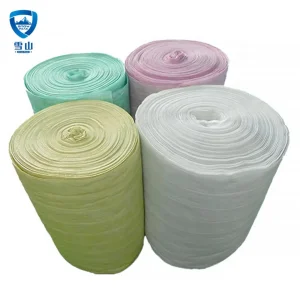
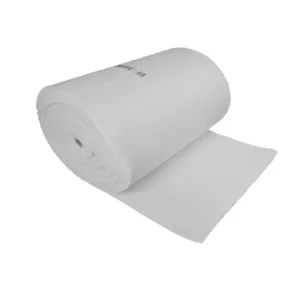
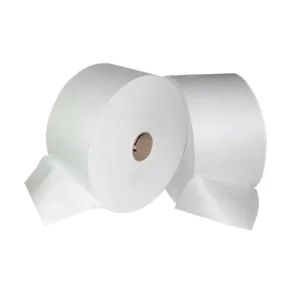
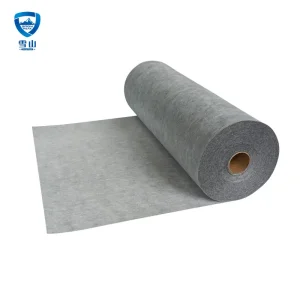
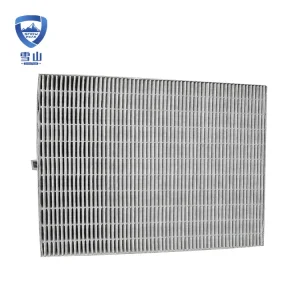
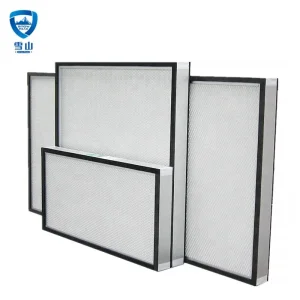
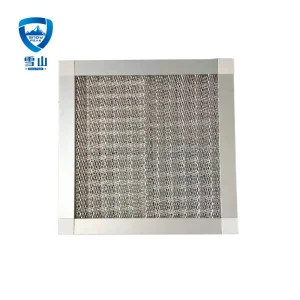
Explore our premium grade pre-filters, paint stop media, and pocket filters engineered to optimize HVAC lifecycles and cleanroom environments.
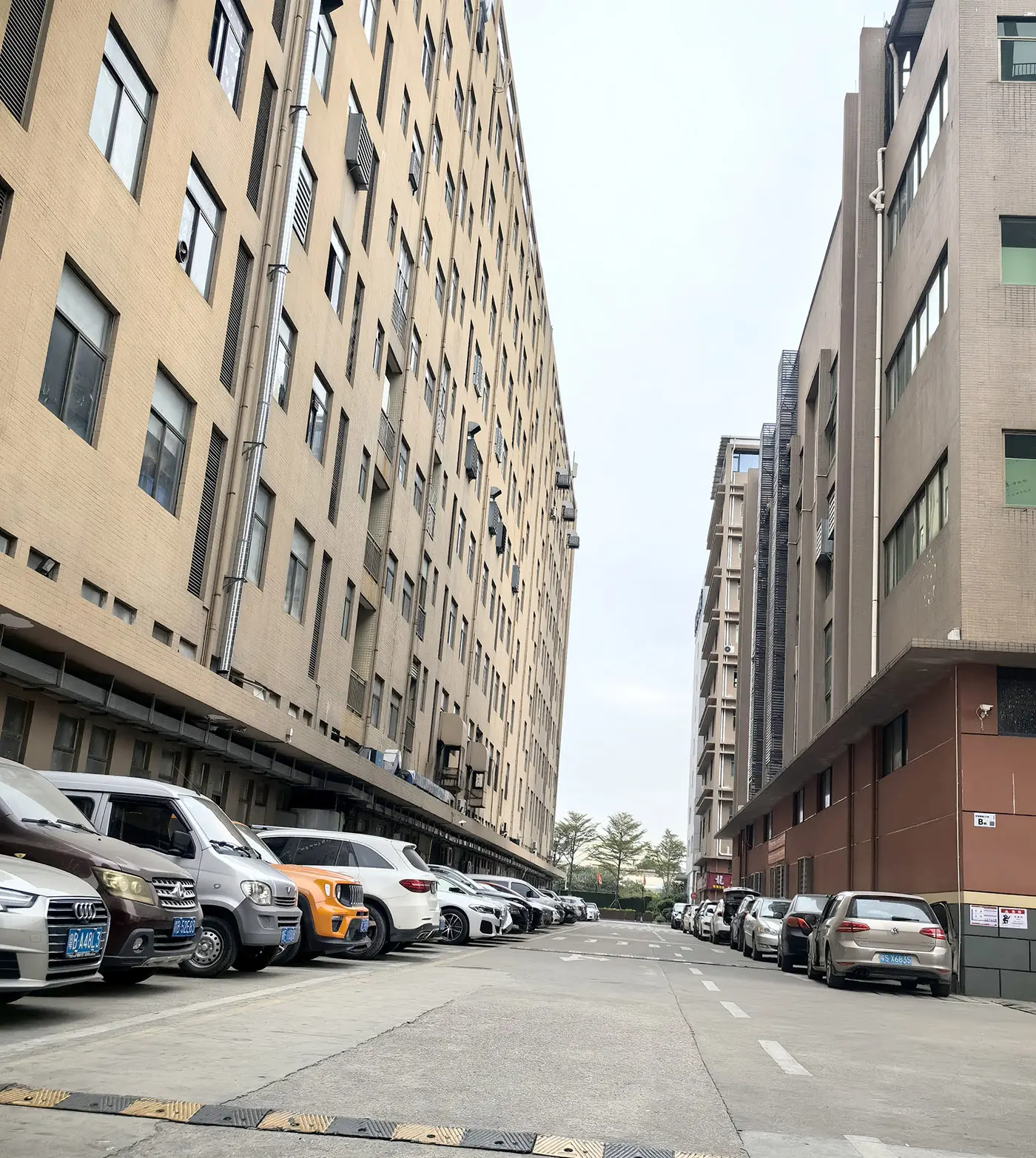
Shenzhen Snow Peak Clean Technology Co., Ltd. is a globally integrated high-tech enterprise at the forefront of cleanroom and air filtration sciences. We specialize in the R&D, production, international distribution, and trade of advanced filtration media. Our extensive product portfolio spans pre-filters, high-performance pocket filters, HEPA media, and chemical adsorbents designed to mitigate volatile organic compounds (VOCs) and particulates.
Our solutions cater directly to demanding microelectronics plants, sterile pharmaceutical facilities, laboratories, hospital isolation wards, and modern commercial building HVAC setups. Through proprietary material science, our signature antiviral HEPA filters achieve an exceptional sterilizing rate of 99.9%, capturing particulates down to PM2.5 with a target cleanroom concentration below 10 micrograms/m³—exceeding key global clean air standards while neutralizing viruses like H1N1 without secondary emissions.
Ensuring precision and batch-to-batch consistency with state-of-the-art cleanroom-level manufacturing and automated assembly machinery.
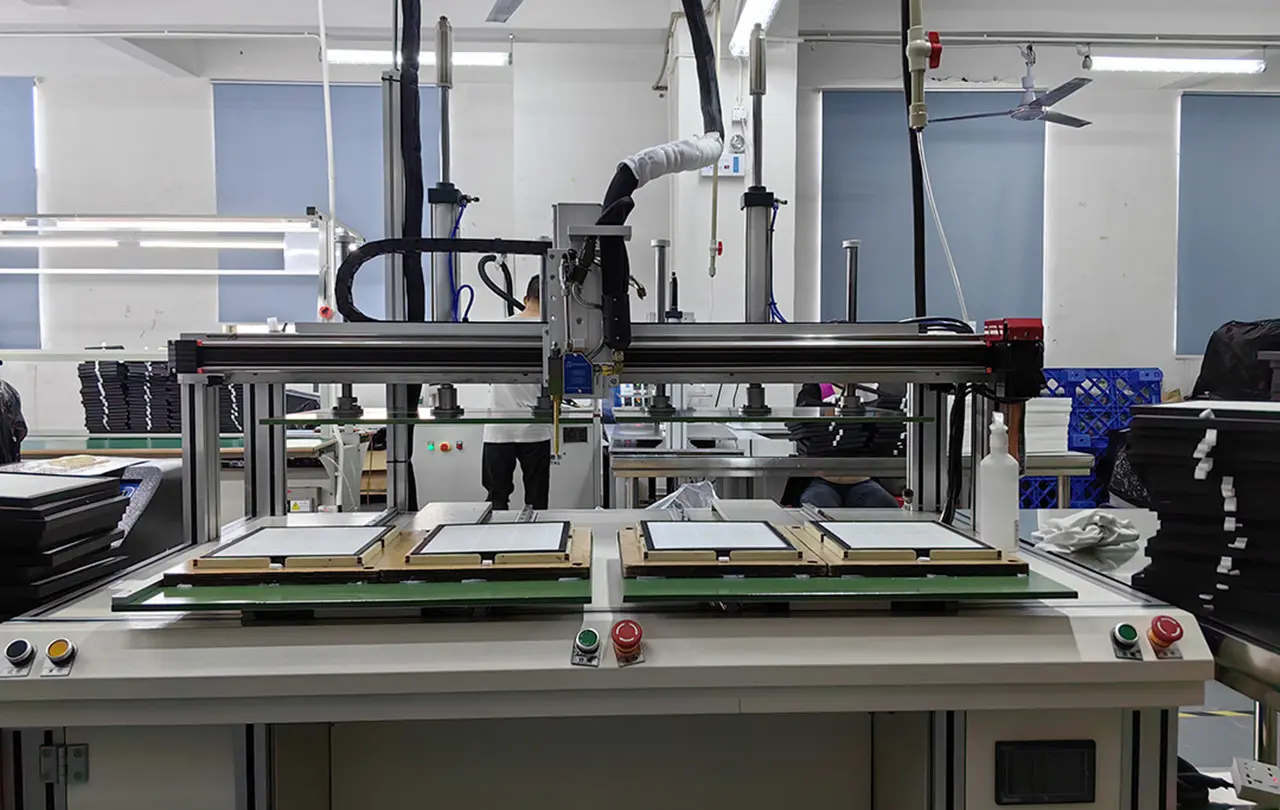
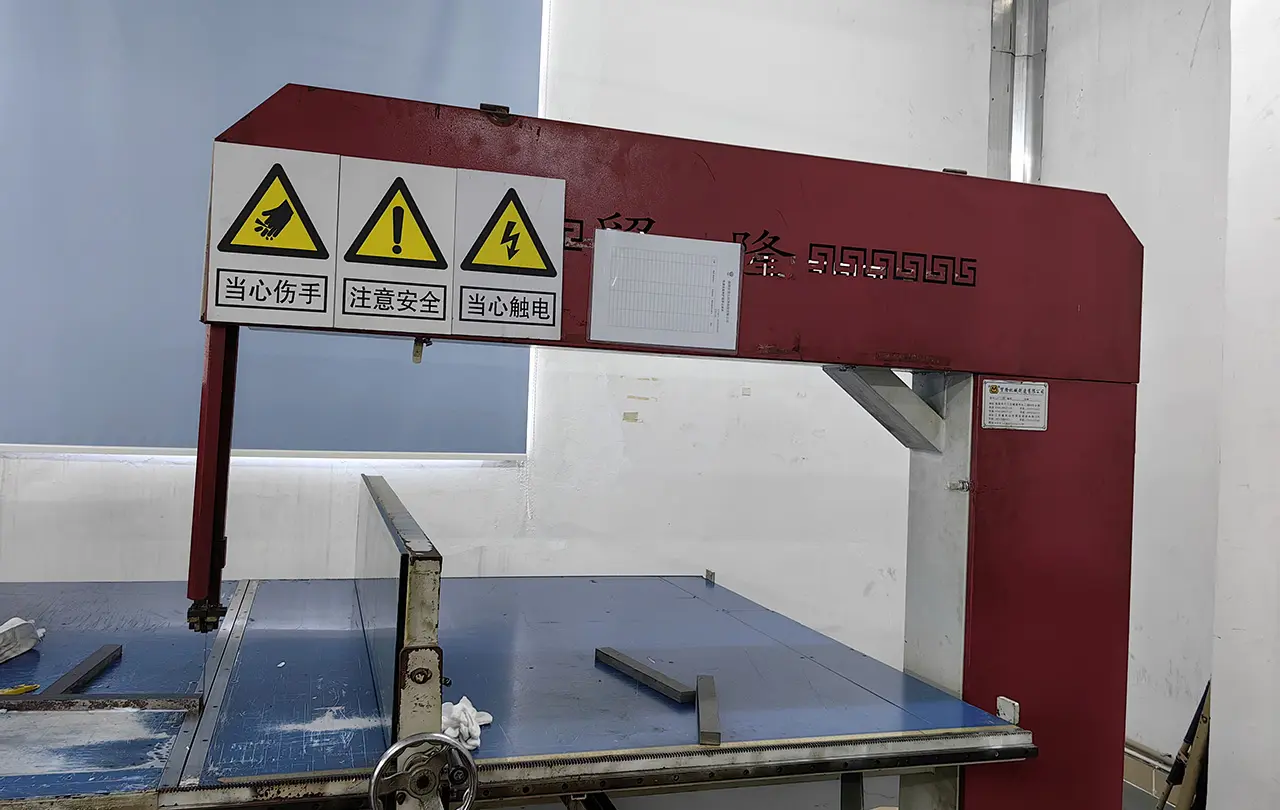
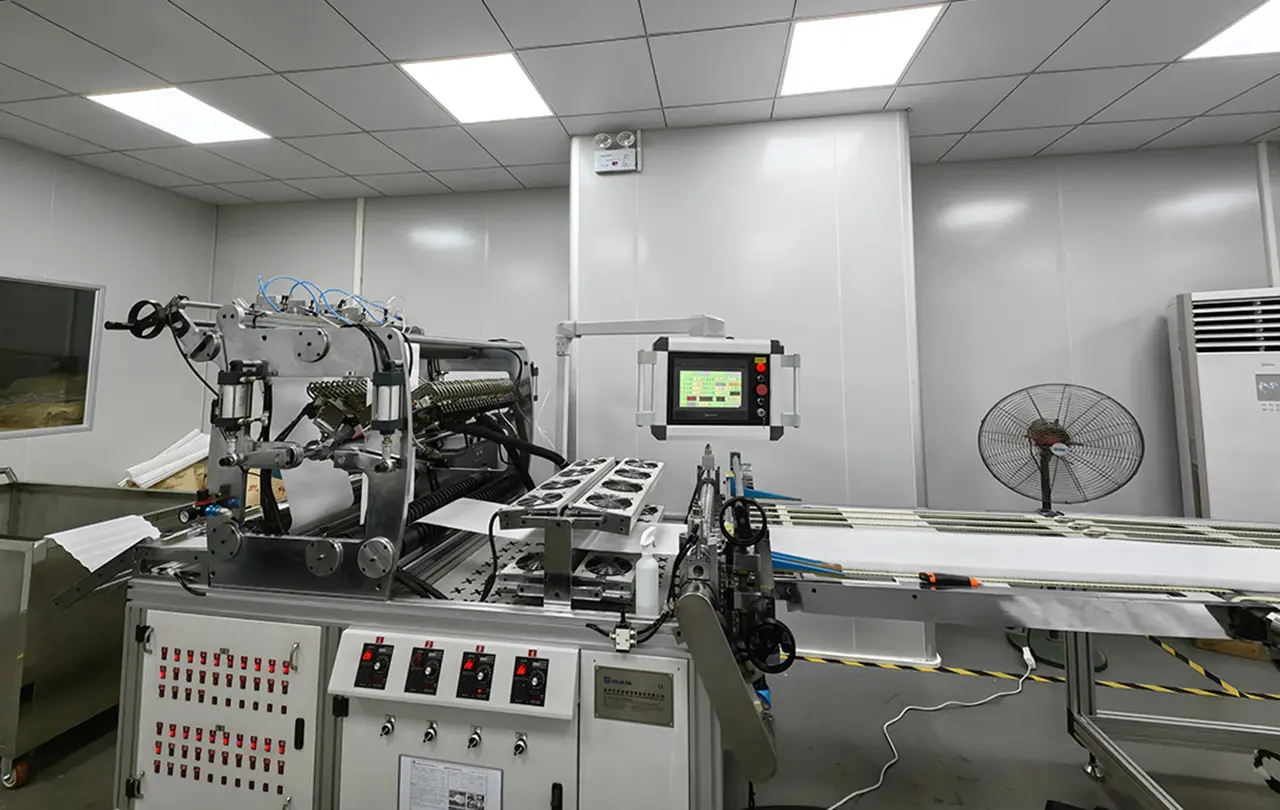
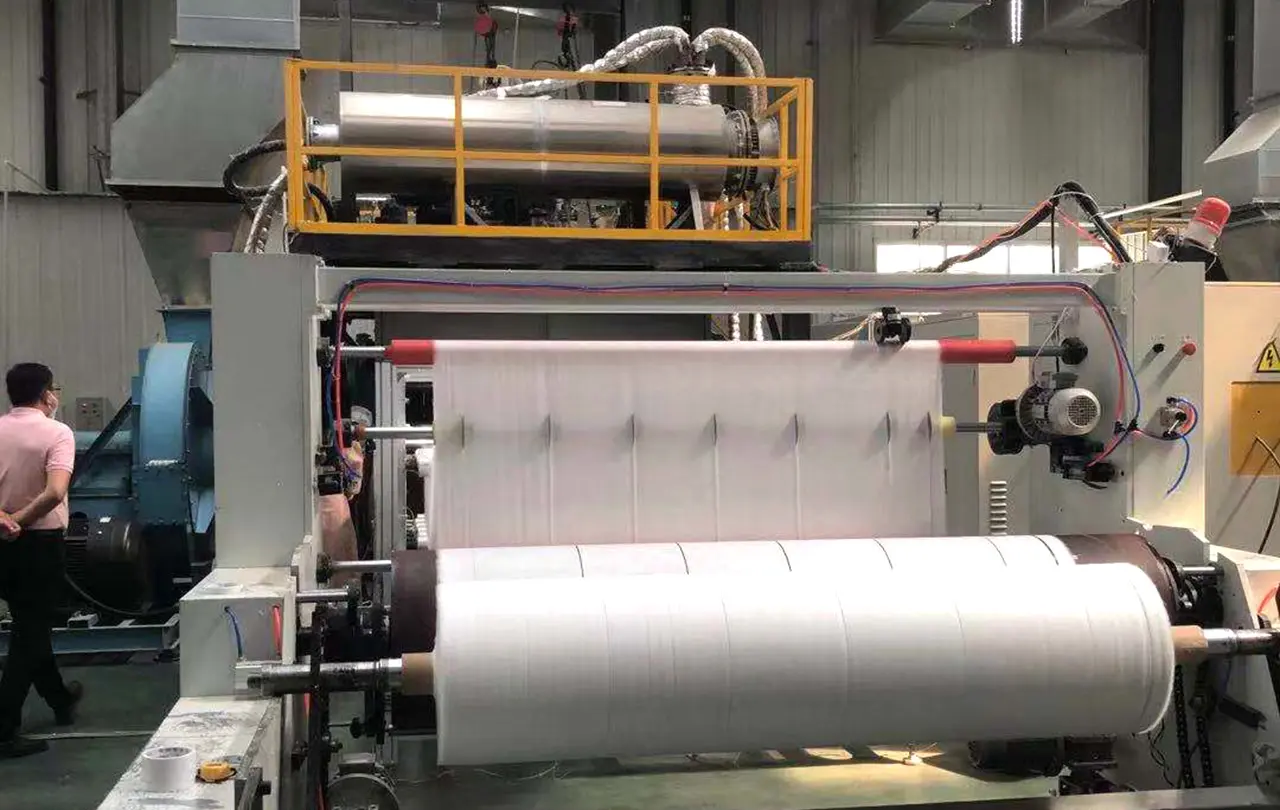
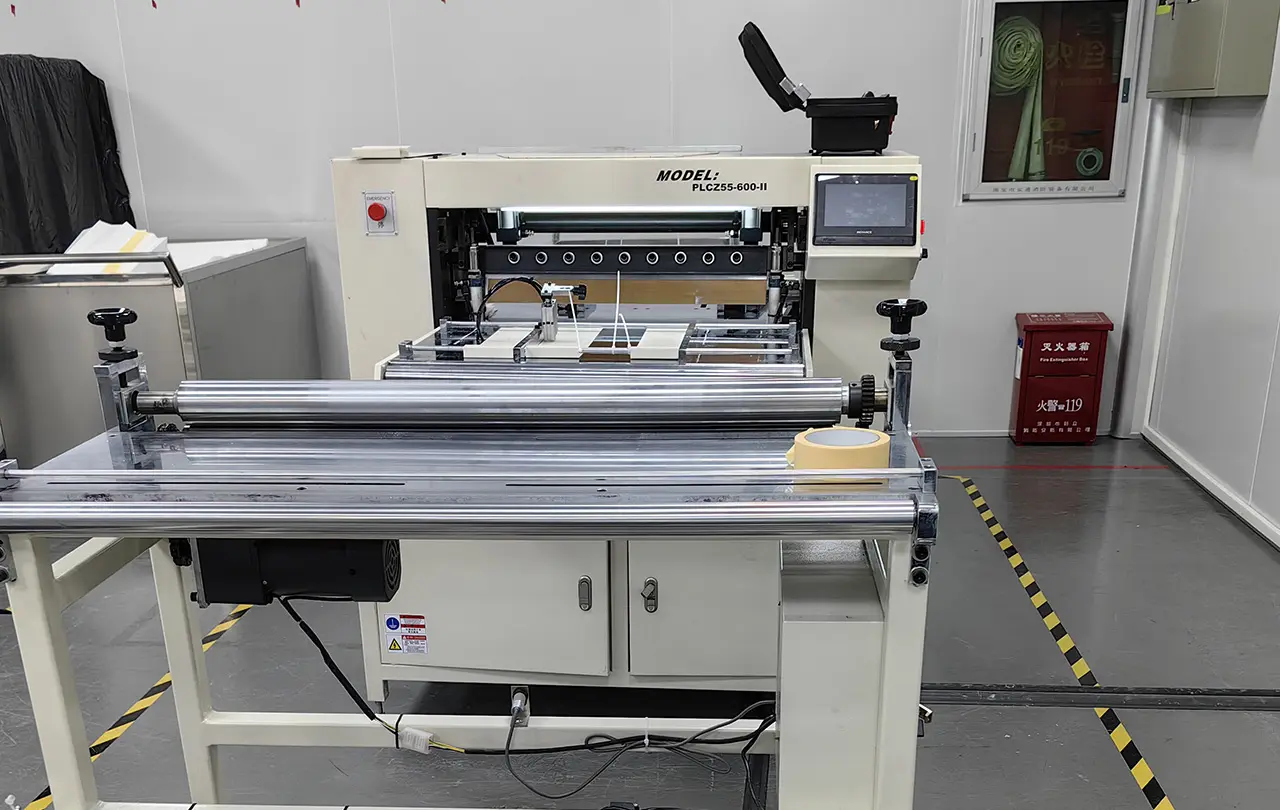
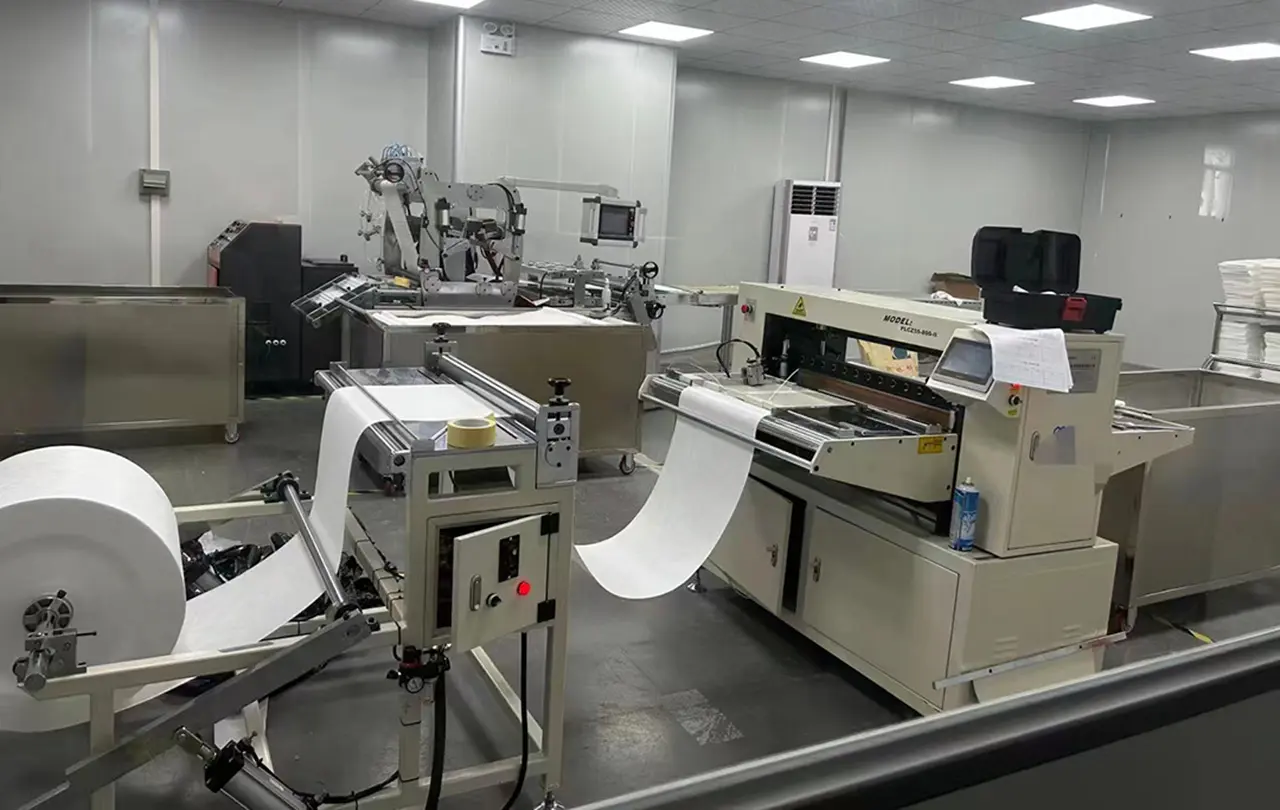
Combining 15 years of air purification expertise with high-end CNC fabrication to set new benchmarks in air filtration engineering.
Built upon a background of international research, we run a standardized, dust-free filter workshop. This guarantees that all pre-filters and HEPA components are synthesized, laminated, and tested under strict cleanroom conditions to prevent environmental cross-contamination.
Our structural production facility is equipped with Japanese AMADA CNC punch systems and CNC bending machines. This machinery enables us to craft customized, airtight stainless steel, aluminum, and galvanized frames with sub-millimeter tolerances for extreme-duty industrial housings.
By automating the entire pleating and meltblown composite lamination processes, we drastically reduce physical handling. This workflow ensures highly consistent pleat spacing, low air resistance, and cost efficiency, helping global buyers maximize their margins.
Understanding the micro-mechanics of particle capture and chemical adsorption across industrial applications.
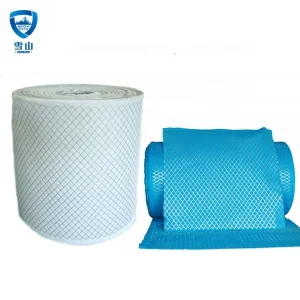
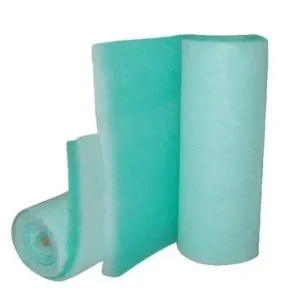
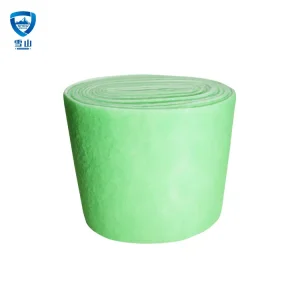
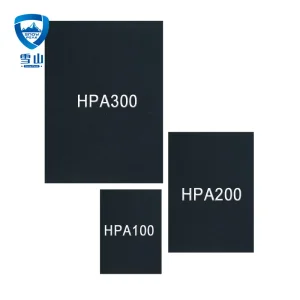
Pre-filtration materials act as the initial shield in complex air handling units (AHUs). Utilizing synthetic polyester and fiberglass media (such as our CE Certification pre-fiberglass paint stop rolls), these materials capture coarse dust particulates (>10 microns) via the mechanism of inertial impaction. By optimizing the fiber density and gradient structure, our G2 to G4 primary materials maximize dust-holding capacity (DHC) while maintaining a low initial pressure drop, which extends the operational life of downstream medium-efficiency and HEPA filters.
For fine dust filtration (PM10 and PM2.5), pocket air filter media (spanning classes M5, M6, F7, F8, and F9) are the industry standard. Their unique multi-pocket configuration distributes air velocity evenly across a massive surface area, reducing the local face velocity and minimizing energy consumption. Our synthetic pocket filter rolls are engineered to resist moisture and structural collapse, making them highly effective for localized industrial zones and pre-filtration in microelectronics factories.
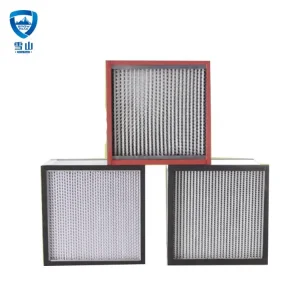
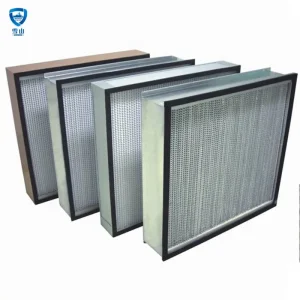
Meltblown (MB) fabrics with high electrostatic charge retention are the core of true HEPA filtration. Our custom high-efficiency, low-resistance meltblown materials capture sub-micron particles down to 0.3 microns through a combination of diffusion and electrostatic attraction. For extreme industrial applications, such as pharmaceutical cleanrooms or clean benches, our deep-pleat fiberglass HEPA filters feature aluminum foil or hot-melt separators to maintain precise air channels and prevent media bypass.
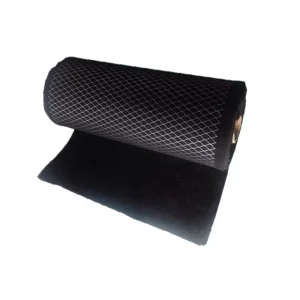
Odor, acid gas, and VOC (Volatile Organic Compound) control require chemical adsorption. Our sandwich-type activated carbon fabric and pleated carbon media laminated with wire mesh leverage high-porosity carbon particles. These materials adsorb hazardous gases via van der Waals forces, neutralizing odors and preventing molecular contamination in commercial office buildings, industrial paint booths, and municipal waste facilities.
How Snow Peak Clean Technology meets diverse global compliance standards and custom applications.
Modern manufacturing requires cleanroom environments tailored to specific industrial workflows. In the semiconductor and microelectronics industries, even minor molecular outgassing or sub-micron dust can compromise silicon wafer yields. Our high-temperature, separator-type HEPA filters maintain structural integrity in cleanrooms operating under constant laminar flow.
In automotive spray painting booths, paint craters and finish blemishes are often caused by paint mist and incoming atmospheric dust. Utilizing our 600G ceiling filter cotton and G2-G4 paint stop media ensures a laminar, particulate-free airflow, which protects the paint finish and helps meet strict environmental emissions standards.
Our filter materials conform to international testing and regulatory standards, including ISO 16890 (which classifies filters by PM1, PM2.5, and PM10 metrics), EN 779:2012, EN 1822 (for HEPA and ULPA classes H13 through U17), and ASHRAE 52.2 (MERV ratings).
Every shipment of pocket filter rolls, meltblown fabric, and replacement HEPA cartridges undergoes rigorous quality control. This includes DOP/DEHS aerosol challenges and pressure-drop profiling in our ISO-compliant testing laboratory, ensuring seamless integration into public HVAC networks and industrial air handling units (AHUs).
Investing in the future of air filtration materials science to drive sustainability and energy efficiency.
We are advancing the integration of electrospun nanofiber membranes onto synthetic backings. These ultra-thin fibers create a high slip-flow effect that significantly increases particulate capture while keeping air resistance low, paving the way for next-generation, low-energy HEPA media.
To support global carbon-reduction initiatives, our R&D team is developing polylactic acid (PLA) and other bio-based polymer filtration media. These materials aim to match the durability of standard synthetic polyester while offering a biodegradable end-of-life cycle.
We are developing embedded differential pressure sensors and active RFID tags within our industrial filters. This technology allows facility managers to monitor dust-loading levels in real time, helping prevent premature replacements and lowering total operating costs.
Get answers to common B2B procurement questions and technical queries about our air filter materials.
Under typical atmospheric dust loading and standard continuous HVAC operation, our primary G4 and medium M5/F7 pocket filters have an operational lifecycle of 6 to 9 months. Regular replacement of the pre-filter stage is key to maximizing this lifespan.
Our antiviral HEPA filters are treated with a proprietary, non-toxic antimicrobial coating that disrupts the lipid envelopes of airborne microbes and viruses (including H1N1) upon contact. This mechanical-chemical action prevents microbial growth on the media, avoiding secondary contamination.
Yes. We provide comprehensive OEM/ODM services. Using our high-precision AMADA CNC punch systems and automated cutting tools, we can customize frame dimensions, media pack depths, pleat ratios, and gasket configurations to match any system enclosure.
Fiberglass HEPA media offer excellent chemical stability and work well in high-temperature applications, though they are more fragile and have a slightly higher pressure drop. Meltblown synthetic media are highly durable, moisture-resistant, and feature an electrostatic charge that helps keep resistance low, though they are subject to static discharge over time.
Examine our range of commercial HEPA replacements, custom wet curtains, metal meshes, and high-efficiency particulate absorbers.
 Snow Peak