In the quest for clean indoor air, selecting the best HEPA filter for your furnace is crucial. According to HVAC specialist Dr. Emily Chen, “A quality HEPA filter captures microscopic particles and improves air quality significantly.” This makes HEPA filters essential for furnace systems.
When considering a HEPA filter for your furnace, understanding specifications is vital. Not all filters are created equal. Each model varies in efficiency, filtration capability, and longevity. The right choice can greatly reduce allergens and pollutants in your home environment.
While efficiency is important, price and accessibility shouldn’t be overlooked. Often, filters that seem cost-effective may lack the performance needed. Consider consulting with professionals who can provide guidance tailored to your specific needs. It's imperative to reflect on the air quality in your living space. What areas could be improved? By contemplating these factors, you can make an informed decision about the best HEPA filter for your furnace.
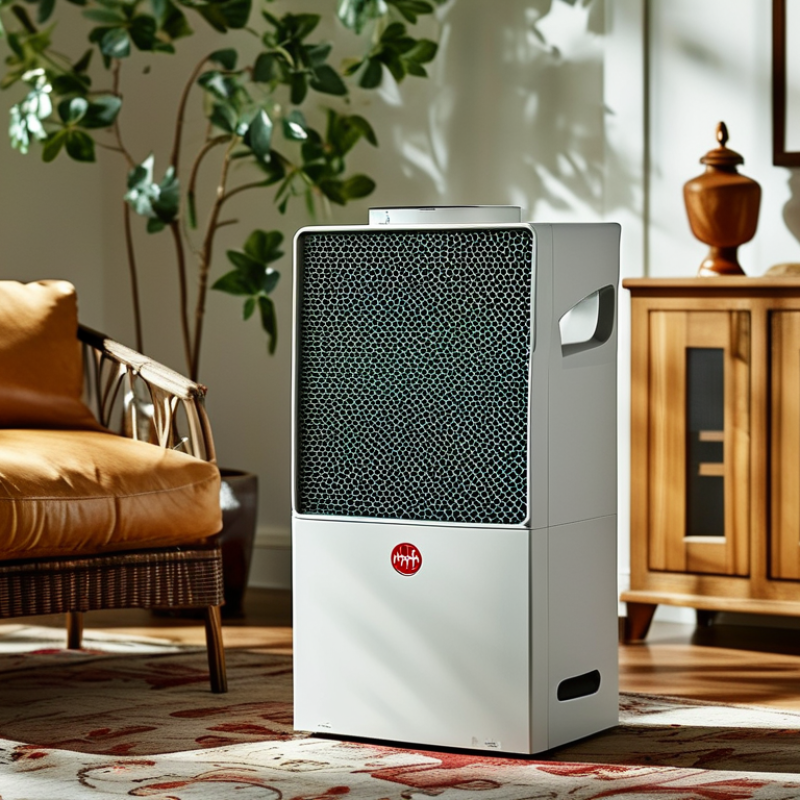
HEPA filters are essential for maintaining air quality in homes with furnaces. These filters trap up to 99.97% of particles as small as 0.3 microns, which includes dust, pollen, and even smoke. Studies by the Environmental Protection Agency highlight that improved air quality can significantly reduce respiratory issues. By using HEPA filters, homeowners can create a safer indoor environment, benefiting everyone, especially those with allergies or asthma.
It’s important to choose the right HEPA filter for your furnace. Not all filters are created equal. Some might not fit properly, or may cause airflow issues if the MERV rating is too high. A filter with a MERV rating of 11 to 13 is often recommended for residential use. However, higher ratings might stress your system, leading to inefficiencies.
Tip: Regularly check your filter every month, especially during heavy usage seasons. Replace it every three to six months for optimal performance. Additionally, consider pre-filters for larger particles that can prolong the life of your HEPA filter. Ensuring your furnace operates effectively is not just about heating; it’s about maintaining air quality.
Choosing the right HEPA filter for your furnace can greatly improve indoor air quality. HEPA filters capture 99.97% of particulates as small as 0.3 microns. This is crucial for removing allergens, dust, and pollen. Look for filters that meet ANSI/ASHRAE standards. Filters that meet these criteria are reliable and effective.
Consider the filter's MERV rating. A MERV rating of 13 or higher indicates superior performance. Studies reveal that higher MERV ratings correlate with effective allergen removal. However, higher ratings may also increase resistance. Ensure your furnace can handle the air flow.
Check for the filter's lifespan. Some filters last up to six months, while others need monthly replacement. Look for filters that offer a balance between longevity and performance. It's also worth reflecting on the installation process. Improper installation can lead to leaks, reducing efficiency. Always follow guidelines for best results.
When selecting a HEPA filter for your furnace, it’s essential to consider the top brands and models available. High-quality HEPA filters capture small particles, improving indoor air quality significantly. Look for filters that offer a Minimum Efficiency Reporting Value (MERV) rating of 13 or higher. This ensures you’re getting effective filtration for allergens like dust, pollen, and pet dander.
Understanding the size and fit for your furnace model is crucial. A poorly fitting filter won’t work effectively. Always check the manufacturer's specifications before making a purchase. Some popular models are designed for easy installation, allowing homeowners to replace filters quickly.
Tips for maintaining your HEPA filter include regularly checking and replacing it every three to six months. This prevents airflow blockage and maintains efficiency. Remember that a dirty filter can worsen air quality. You should also vacuum the surrounding area to reduce dust accumulation. Consider investing in a filter with a long lifespan; it can save you money in the long run. Keep in mind that no filter is perfect—some dust particles may still escape, so proactive cleaning is important.
Installing HEPA filters in furnaces is essential for maintaining air quality. According to the Environmental Protection Agency, indoor air pollution can be two to five times worse than outdoor air. Regular maintenance of HEPA filters ensures optimal performance. A proper installation can drastically improve filtration efficiency. Make sure the filter fits well, as gaps allow unfiltered air to pass.
Maintenance is equally crucial. These filters should typically be replaced every 6 to 12 months, depending on usage. A dirty filter can restrict airflow and strain the furnace. Monitoring air quality inside your home is essential. Changes in air pressure can indicate a clogged filter, requiring immediate attention.
Be aware of some common mistakes during installation. Not sealing the filter properly can lead to poor air filtration. Using the wrong size filter compromises its effectiveness. Regular inspections help catch these issues early. Remember, taking the time for proper care adds years to your furnace's life.
When comparing HEPA filters to standard filters in furnaces, it's crucial to recognize the differences in performance and effectiveness. HEPA filters are designed to capture at least 99.97% of particles that are 0.3 microns in diameter. In contrast, standard filters typically capture only about 50-65% of larger particles. This discrepancy can have a significant impact on air quality, especially for those with allergies or respiratory conditions.
Data from the Environmental Protection Agency (EPA) indicates that indoor air can be five times more polluted than outdoor air. Using HEPA filters can drastically reduce contaminants such as dust, pollen, and pet dander in your home. Moreover, studies show that HEPA filters can aid in reducing the spread of airborne viruses. However, it's important to note that not all systems can accommodate HEPA filters. They often require modifications due to their higher airflow resistance.
Cost is another factor worth considering. HEPA filters are generally more expensive than standard filters. Their lifespan also varies, typically lasting 6 to 12 months depending on usage and the environment. Households should reflect on their needs and resources. HEPA filters offer superior filtration but may be overkill for some homes. Balancing budget and air quality can present a challenge that requires honest assessment.
| Filter Type | Particle Capture Efficiency (%) | Lifespan (Months) | Price Range ($) | Noise Level (dB) |
|---|---|---|---|---|
| HEPA Filter | 99.97 | 12 | 40-100 | 30 |
| Pleated Filter | 80-90 | 6-12 | 15-40 | 28 |
| Standard Filter | 50-75 | 3-6 | 10-20 | 35 |
| Electrostatic Filter | 90-95 | 12-24 | 25-55 | 32 |
filter?
HEPA filters perform much better, capturing around 99.97% of tiny particles, while standard filters capture only 50-65% of larger ones.
The MERV rating indicates a filter's effectiveness. A rating of 13 or higher is preferable for superior performance.
Some HEPA filters last six months, while others require monthly replacement. Check specific guidelines for your filter.
Not all furnace systems can accommodate HEPA filters. Some may need modifications due to higher airflow resistance.
Yes, HEPA filters tend to be more costly than standard filters. Households must consider budget versus air quality needs.
Improper installation can lead to leaks, reducing filtering efficiency. Following installation guidelines is essential.
HEPA filters effectively reduce dust, pollen, pet dander, and even airborne viruses in your home environment.
Indoor air can be up to five times more polluted than outdoor air, making effective filtration crucial for health.
Not necessarily. Some homes may not need the high level of filtration a HEPA filter provides. Assess your specific needs.
In the pursuit of improved indoor air quality, selecting the right HEPA filter for furnace systems is crucial. HEPA filters are known for their exceptional ability to trap airborne particles, including allergens and pollutants, making them an essential component for any furnace. Understanding the key features such as filtration efficiency, size compatibility, and airflow resistance can guide users in making informed choices.
Moreover, maintaining these filters through regular installation and upkeep ensures optimal performance. This article offers insights on the advantages of HEPA filters compared to standard filters, highlighting their importance in creating a healthier living environment. With the right knowledge and preparation, homeowners can effectively enhance their heating systems while prioritizing air quality with a suitable HEPA filter for furnace use.
Snow Peak