Indoor air quality is a growing concern. According to the World Health Organization, around 4.3 million people die each year from exposure to indoor air pollution. This statistic highlights the critical importance of a reliable Home Purification System. Pollutants like dust, pollen, and volatile organic compounds can accumulate indoors. They significantly affect health, especially for sensitive individuals, such as children and the elderly.
A Home Purification System can help mitigate these risks. Recent studies show that high-efficiency particulate air (HEPA) filters capture at least 99.97% of particles. Such systems improve air quality significantly, reducing allergens and respiratory irritants. However, not all purification systems are equal. Some may not effectively filter certain toxins. This raises questions about choosing the right system for specific needs.
Investing in a Home Purification System is not just about comfort; it’s about wellbeing. Consumer Reports indicates that many systems fall short of industry standards. It is essential to research and select a system that meets credible benchmarks. Even the best systems can have limitations. Awareness of these shortcomings can lead to better decisions for cleaner, healthier air.
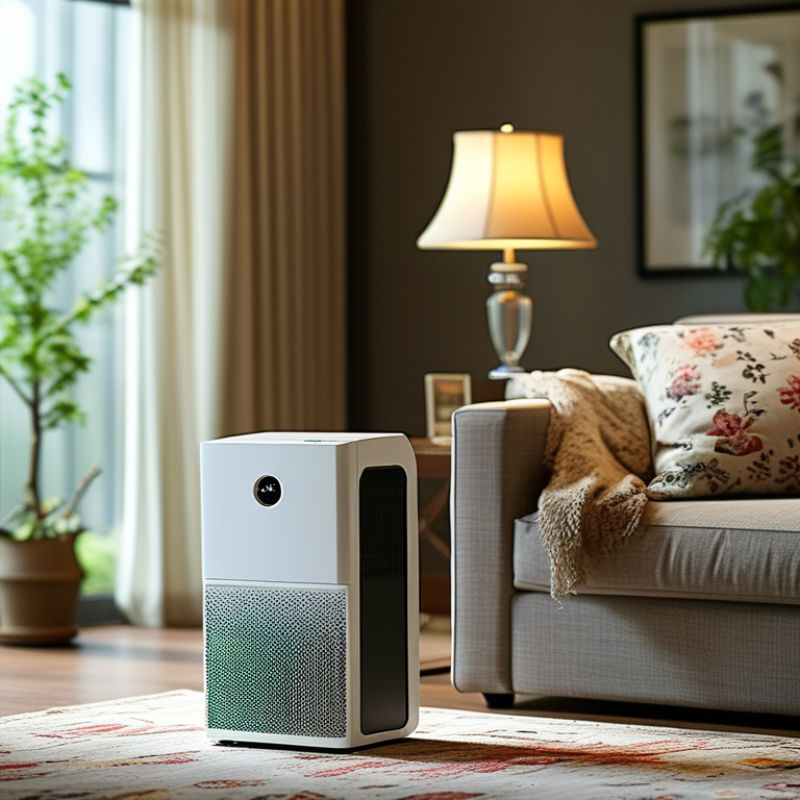
Air quality plays a vital role in our health. Understanding air quality standards is crucial when choosing a home purification system. These standards often focus on particulate matter, volatile organic compounds (VOCs), and specific pollutants. Regulations typically set limits for exposure levels of these harmful substances. Monitoring these levels can significantly impact our indoor environment.
Effective purification systems can filter out harmful particles and improve overall air quality. HEPA filters are designed to capture 99.97% of particles as small as 0.3 microns. However, relying solely on these systems may not be enough. Some pollutants, like VOCs, require additional filtration methods. Activated carbon filters can tackle these specific gases, enhancing performance.
Evaluating air quality is an ongoing process. Construction materials and household cleaners can introduce new pollutants. Regularly monitoring indoor air quality is key to understanding its effects on health. Adapting to these changes may involve improving ventilation and choosing low-emission products. Awareness and action are essential for maintaining a healthier home.
Air purifiers have become essential in maintaining a healthy indoor environment. Various types exist, including HEPA, activated carbon, and UV options. Each type targets specific pollutants, enhancing indoor air quality effectively.
HEPA filters capture 99.97% of particles, like dust and pollen. They are often recommended for those with allergies or respiratory issues. A report from the Environmental Protection Agency (EPA) states that proper air filtration can reduce indoor air pollution by up to 50%. However, these filters do not remove gases or odors.
Activated carbon filters use porous material to absorb gases and odors. They are effective against volatile organic compounds (VOCs) found in many household products. While they improve air freshness, they may need frequent replacement to maintain functionality. A study indicates that carbon filters can eliminate up to 80% of some indoor pollutants.
UV air purification offers an alternative by killing microorganisms. Some models utilize UV-C light to neutralize bacteria and viruses. However, they don’t help with particulate matter or gases. This type may serve as a complementary solution rather than a standalone option.
Tips: Regular maintenance is crucial for optimum performance. Change filters according to manufacturer’s guidelines. Consider a combination of purifiers to address various pollutants. Monitor indoor air quality with portable monitors for the best results. Remember, no single system can resolve all air quality issues.
Indoor air pollution poses significant risks to health. According to statistics, indoor air can be five times more polluted than outdoor air. Common pollutants include dust, mold, and volatile organic compounds. These harmful substances can lead to respiratory issues, allergies, and long-term health problems.
Children and the elderly are particularly vulnerable. Their developing lungs and weaker immune systems make them at greater risk. Poor indoor air quality can contribute to conditions like asthma and other chronic diseases. Many people overlook the air they breathe at home, unaware of its impact on health.
Improving indoor air quality requires awareness and action. Simple changes like regular cleaning and using effective purification systems can help. However, many systems may not address all types of pollutants. It’s crucial to research and choose the right approach. Personal responsibility plays a vital role in ensuring a healthier indoor environment.
When choosing a home purification system, several factors come into play. The effectiveness in removing pollutants is crucial. According to the Environmental Protection Agency (EPA), indoor air can be two to five times more polluted than outdoor air. It’s essential to identify what you need to filter out. Common culprits include dust, allergens, and VOCs (volatile organic compounds). Knowing the specific pollutants can help you select the right technology.
Another key aspect is the size of the system. The coverage area matters significantly. A system that is too small may not effectively clean the air in larger spaces. Look for models that offer a Clean Air Delivery Rate (CADR) rating. This rating indicates the system’s efficiency. Systems should ideally provide a CADR that matches or exceeds the size of the room for optimal performance.
Lastly, maintenance requirements are often overlooked. Some systems need frequent filter changes, while others may only require occasional cleaning. Regular maintenance ensures efficiency and prolongs the system’s lifespan. Assessing these factors will help in making a more informed choice, ensuring you invest in a unit that meets your home's unique needs.
Maintaining a home air purification system is vital to ensure optimal performance. Regular filter replacement is crucial. Clogged filters can dramatically decrease efficiency. Most purifiers require new filters every three to six months. However, the environment you live in can change this frequency. Homes in dusty areas may need more frequent replacements.
Additionally, the placement of your purifier matters. It should be situated in a central location, away from walls and obstructions. This allows for better airflow and maximizes efficiency. Moreover, keeping windows and doors closed while the purifier is running can trap allergens.
Monitoring air quality levels can also provide insight into your system's effectiveness. Invest in an air quality monitor to track changes. Awareness of fluctuating pollution levels helps determine maintenance needs. Reflecting on these aspects can lead to a cleaner, healthier living space.
: The main types include HEPA, activated carbon, and UV options. Each targets specific pollutants.
HEPA filters capture 99.97% of particles like dust and pollen. They are ideal for allergies.
No, HEPA filters do not remove gases or odors. They only filter out solid particles.
Activated carbon filters absorb gases and odors. They target volatile organic compounds found in products.
They can eliminate up to 80% of some indoor pollutants. However, they need frequent replacement.
UV air purification kills microorganisms. It uses UV-C light to neutralize bacteria and viruses.
No, UV purifiers do not help with particulate matter or gases. They are complementary solutions.
Consider effectiveness, coverage area, and maintenance needs. These factors are essential for a good choice.
Regular maintenance is crucial. It ensures efficiency and prolongs the lifespan of the system.
No, no single system solves all air quality problems. A combination may be necessary for best results.
A Home Purification System is essential for maintaining clean air and promoting health within living spaces. Understanding air quality standards is crucial, as poor indoor air can lead to significant health risks. This article explores various types of air purifiers, including HEPA filters, activated carbon, and UV options, each offering unique benefits in combating indoor pollutants.
Additionally, it addresses the impact of indoor air pollution through revealing statistics and health implications. Choosing the right system involves considering factors such as the size of your home, specific air quality issues, and maintenance requirements. Proper upkeep is vital for maximizing the efficiency and effectiveness of your home purification system, ensuring you breathe easier and live healthier.

Snow Peak