Choosing the right Mobile Home Furnace Filter can shape indoor comfort, airflow, and heating efficiency throughout the season. In a compact manufactured home, dust gathers quickly around return vents, bedrooms, and pet areas. A clogged filter may make the furnace work harder, increase noise, and leave some rooms feeling colder.
HVAC expert Richard Trethewey offers a practical reminder: “The filter is the first line of defense for your heating and cooling system.” That idea guides this buying overview. A filter is not merely a disposable rectangle. Its size, material, MERV rating, thickness, and replacement schedule all matter. A filter that captures more particles is not automatically the best choice. Excessive resistance can reduce airflow, especially in older mobile home systems.
Small details matter.
This guide compares popular filters for sale by fit, filtration performance, durability, and everyday value. It considers fiberglass, pleated, washable, and higher-efficiency options. It also explains how to measure the existing filter before ordering. That step sounds simple, yet many purchasing mistakes begin there.
Real homes are imperfect. Registers may be dusty, filter doors may leak, and manufacturer labels can be confusing. Therefore, the recommendations balance technical specifications with practical experience. Always check your furnace manual and existing filter size before installation. When airflow weakens or unusual furnace cycling appears, a qualified HVAC professional should inspect the system.
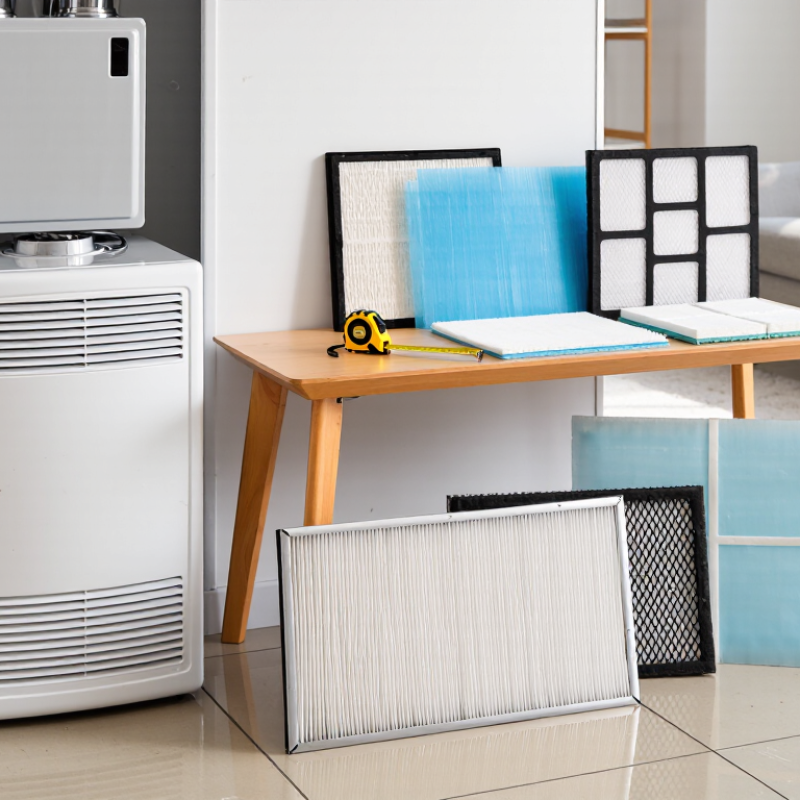
Mobile home furnace filters come in several types. Flat fiberglass filters are inexpensive and allow strong airflow, but they capture fewer fine particles. Pleated filters provide more surface area and usually improve dust control. Electrostatic filters can attract particles without adding much thickness. However, “better” is not always better. A highly restrictive filter may strain a compact furnace.
Filter size matters more than appearance. Measure the existing filter’s length, width, and depth, then check the furnace slot itself. Common nominal sizes include 14 by 20 inches and 16 by 20 inches, but actual dimensions can differ. A loose filter lets dust bypass the media. A crushed filter can block airflow. That small gap matters.
The MERV rating is tested under ASHRAE Standard 52.2. Higher ratings generally capture smaller particles, yet the furnace must support the added resistance. The U.S. Environmental Protection Agency recommends MERV 13, or the highest level the system can handle safely. The U.S. Department of Energy advises checking filters monthly and replacing them at least every three months. Homes with pets, smoke, or renovation dust may need earlier replacement. Look for a rigid frame, clear airflow direction, and a sealed fit. I have found that residents often focus on filtration claims and forget installation. That mistake is easy to repeat. Fresh filters cannot correct a poorly sealed return grille or a neglected blower.
Choosing a mobile home furnace filter starts with the cabinet, not the package label. Measure length, width, and depth with a tape measure. A filter that is slightly too thick can restrict airflow. A loose filter can let dust bypass the furnace.
The U.S. Environmental Protection Agency reports that indoor pollutant levels may be two to five times higher than outdoors. Some indoor pollutants can exceed outdoor levels by more than 100 times. That makes filtration important, but stronger is not always better. ASHRAE Standard 52.2 uses MERV ratings to measure particle removal performance. For many mobile home systems, MERV 8 to MERV 11 offers a practical balance. Check your furnace manual first. Older blowers may struggle with dense media.
Watch the airflow arrow.
I once replaced a filter by appearance alone. It looked cleaner than expected, yet airflow had already weakened. The real test was a dusty return grille and uneven room temperatures. Check the filter monthly during heavy heating use. The U.S. Department of Energy recommends regular inspection and replacement, commonly every one to three months, depending on dust and occupancy. Homes with pets, renovations, or nearby unpaved roads may need shorter intervals. Record the size and installation date on the cabinet. It is a small habit, but easy to forget.
Top Mobile Home Furnace Filters for Sale
Top Filter Materials for Airflow and Indoor Air Quality
Filter material affects both breathing comfort and furnace performance. Fiberglass filters are inexpensive and allow strong airflow, but they capture fewer fine particles. Pleated synthetic filters provide more surface area and usually improve dust removal. Their deeper folds help collect pollen, lint, and smaller airborne particles without immediately blocking the system.
EPA guidance reports that indoor pollutant levels can be two to five times higher than outdoor levels, and sometimes much higher. That makes filtration important in compact mobile homes. The EPA also commonly recommends MERV 13 filtration when the HVAC equipment can support it. However, higher efficiency can create greater resistance. ASHRAE Standard 52.2 evaluates particle capture, while real installations must also consider pressure drop and airflow.
A practical check matters. Hold the filter against a bright window and inspect its frame, seams, and airflow arrow. A pleated filter with synthetic media is often a balanced choice for everyday dust control. Electrostatic media can improve particle capture, but performance varies with loading and installation. Higher is not always better. That assumption needs checking.
Replace the filter when it looks visibly gray, or sooner during renovation and heavy dust. A tight filter slot prevents dirty air from bypassing the media. I would not choose a rating from its label alone. Furnace capacity, household dust, pets, and indoor humidity all change the result. Some recommendations remain imperfect because every mobile home has different airflow limits.
The chart compares common residential filter materials using typical MERV performance and initial pressure-drop midpoints at rated airflow. Lower pressure drop generally supports easier airflow, while a higher MERV rating can improve removal of smaller airborne particles. Actual performance varies by filter thickness, size, construction, and furnace design.
Finding mobile home furnace filters for sale is easier when you search by size, not appearance. Local heating suppliers often stock standard filters and can check your furnace model. Home improvement stores may carry them near return-air grilles. Online marketplaces provide more choices, especially for less common dimensions. However, product listings can be confusing. Measure the old filter’s length, width, and thickness before ordering.
In practice, I recommend comparing the printed size with the actual measurements. A filter marked 16 by 20 inches may measure slightly smaller. That difference can affect the seal. Check the furnace manual for the suggested filtration rating, too. A very restrictive filter may reduce airflow in some mobile home systems. A qualified HVAC technician can confirm the safe rating when the manual is missing. I still see people choosing the highest rating automatically. That is not always the best decision.
Tips: Keep the old filter nearby. Take a clear photo of its label. Check the return grille for dust gaps. Replace the filter on a regular schedule, especially with pets or renovation dust. If airflow becomes weak, pause and inspect the filter fit. Local advice can be worth more than a cheap multipack.
Turn off the thermostat before replacing a mobile home furnace filter. Locate the filter near the return-air grille or furnace cabinet. Some homes place it behind a narrow metal door. Remove the old filter carefully, because trapped dust may fall onto the floor. Check the size printed on its frame. Never guess. Slide the new filter into the slot with its airflow arrow pointing toward the furnace blower. A reversed filter can restrict airflow and reduce heating performance. The U.S. Department of Energy recommends checking disposable filters monthly and replacing them every one to three months. Homes with pets, smokers, or renovation dust may need shorter intervals.
Tips: Take a phone photo before removal. It helps you copy the filter direction. Choose a filter rating that your furnace can handle. EPA guidance supports MERV 13, when the system allows it, but a restrictive filter may strain an older blower. ASHRAE Standard 52.2 provides the industry method for measuring filter performance. Match the rating with the equipment manual, not marketing claims.
EPA indoor-air guidance reports that indoor pollutant levels can be two to five times higher than outdoor levels. That makes regular filter checks worthwhile, especially in compact mobile homes. Hold the filter toward a bright window. If the surface looks gray and packed, replace it.
I once waited too long and noticed weak airflow first. That was avoidable.
If the filter rattles, bends, or will not fit, stop and verify the dimensions before operating the furnace.
Pleated synthetic filters often balance dust control and airflow. Fiberglass filters cost less but capture fewer fine particles. Electrostatic filters may attract particles with little added thickness. The best choice depends on furnace airflow capacity.
Measure the existing filter’s length, width, and depth. Check the furnace slot too. Common sizes include 14 by 20 inches and 16 by 20 inches. Actual measurements may differ.
Gaps allow dusty air to bypass the filter. A crushed filter can restrict airflow. Check the frame and slot edges. Small gaps matter.
No. Higher ratings usually capture smaller particles. They can also increase airflow resistance. A compact furnace may struggle with a restrictive filter. Use the highest level the system safely supports.
A rating around MERV 13 is often recommended when the equipment can handle it. Lower levels may suit systems with limited airflow. The label alone cannot decide.
Check the filter monthly. Replace it at least every three months. Replace it earlier during renovations or heavy dust. Pets and smoke can shorten its useful life.
Hold it against a bright window. Examine the frame, seams, and airflow arrow. Look for crushed areas. Confirm the arrow points toward the furnace.
Not completely. Indoor pollutants may exceed outdoor levels several times. A sealed return grille and clean blower also matter. I sometimes focus too much on filter ratings. Installation deserves equal attention.
Choosing the right Mobile Home Furnace Filter is essential for maintaining efficient heating, clean airflow, and better indoor air quality. This guide explains the common filter types, sizes, and features available for mobile home furnaces, including disposable and reusable options, filtration ratings, and materials designed to capture dust, pollen, pet hair, and other airborne particles. It also highlights how to select a filter that fits your furnace correctly while balancing filtration performance with proper airflow.
Readers will learn where to find Mobile Home Furnace Filter products for sale, including home improvement stores, specialty suppliers, and online marketplaces. The guide also provides practical advice for checking filter dimensions, reviewing product specifications, and recognizing when a replacement is needed. Finally, it outlines simple installation and replacement steps, such as turning off the furnace, removing the old filter, confirming the airflow direction, and securing the new filter properly.

Snow Peak