China Top Air Duct Filters for Global Suppliers What to Know

Time:2026-08-02 Author:Liam
0%

Air duct filters play a crucial role in ensuring indoor air quality. According to a recent report by Markets and Markets, the global air filter market is projected to reach $21.8 billion by 2025, highlighting the growing demand for effective filtration solutions. In China, numerous suppliers are leading the way in innovation and efficiency, catering to both domestic and international markets.

As concerns around air quality rise, the importance of high-quality air duct filters cannot be understated. They not only capture dust and allergens but also improve HVAC system performance. A study from the American Society of Heating, Refrigerating and Air-Conditioning Engineers (ASHRAE) emphasizes that proper filtration can reduce energy costs by up to 15%. This makes selecting the right air duct filters vital for both health and economic reasons.

While many Chinese manufacturers offer competitive products, challenges remain in maintaining consistent quality standards. It is crucial for global suppliers to understand these dynamics. Investing in reliable relationships with established manufacturers can lead to better quality assurance. The evolving landscape of air duct filters in China presents both opportunities and risks for global suppliers searching for dependable partnerships.
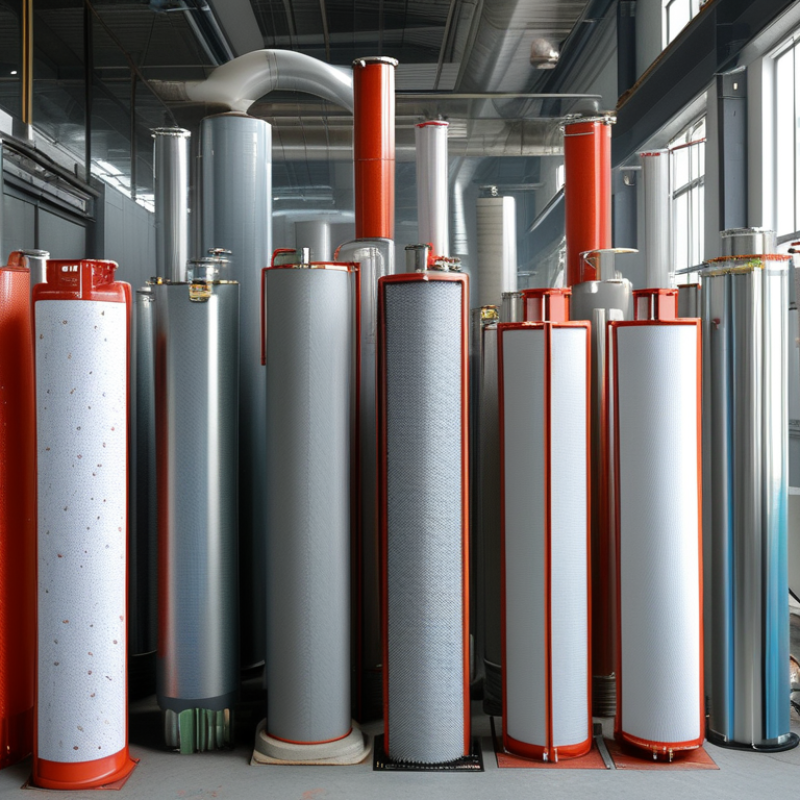
China Top Air Duct Filters for Global Suppliers What to Know

China's Dominance in the Global Air Duct Filter Market: An Overview

China has established a significant presence in the global air duct filter market. Its manufacturers produce a diverse range of filters that meet various international standards. This dominance is not merely based on volume; it also reflects advancements in technology and efficiency. Many companies in China are investing heavily in research and development to enhance product performance.

However, quality control remains a concern. While some products are top-tier, others may not meet the same stringent requirements. It is essential for global suppliers to conduct thorough audits before procurement. Understanding the production processes and material sourcing can help mitigate risks.

Additionally, market trends indicate increasing competition. Emerging markets are catching up, posing challenges to established manufacturers. This shift could prompt Chinese companies to innovate further. Keeping an eye on such trends is crucial for suppliers aiming to maintain an edge in the industry.

Key Materials Used in China’s Top Air Duct Filters and Their Impact on Efficiency

When selecting air duct filters, materials play a critical role in determining efficiency. Common options include fiberglass, polyester, and HEPA fibers. Each material has unique characteristics that can impact air quality and flow.

Fiberglass filters are often cost-effective. They capture larger particles but have limited efficiency in trapping small ones. Polyester filters provide better filtration, retaining smaller pollutants. However, they may not be as durable, leading to potential gaps over time. HEPA filters are superior for removing tiny particles. They are particularly effective against allergens and dust.

While these materials offer distinct advantages, there are trade-offs. HEPA filters, for instance, can restrict airflow if not designed properly. This may require additional energy use for HVAC systems. Understanding these aspects is vital. Filter selection should align with specific needs and system capabilities. Regular maintenance is also crucial, as neglected filters may compromise efficiency. Evaluating the right balance enhances overall air quality and performance.

Market Trends: Growth Predictions for Air Duct Filters in China and Worldwide

The global air duct filters market is experiencing notable growth, particularly in China. Increasing awareness of indoor air quality is driving demand. People want cleaner air for their homes and workplaces. This trend fosters innovation in filter technology.

Tips for suppliers: consider focusing on eco-friendly materials. Sustainable products resonate well with consumers. Keep an eye on emerging filtration techniques, such as HEPA and electrostatic filters. These technologies improve efficiency and cater to evolving market needs.

Many suppliers overlook localized regulations. Understanding these nuances can prevent costly mistakes. Quality control is another critical area. Ensuring consistent product performance builds trust with customers. Adapting to changing consumer preferences may also require flexibility in design and marketing strategies.

China Top Air Duct Filters for Global Suppliers

Region Market Size (Million USD) Growth Rate (CAGR %) Key Trends
China 1200 8.5 Increased demand for energy-efficient solutions
North America 900 6.2 Regulatory focus on air quality improvement
Europe 800 5.5 Rising consumer awareness of indoor air quality
Asia-Pacific (excluding China) 700 7.0 Urbanization and construction growth driving demand
Latin America 400 4.0 Increasing infrastructure investments

Sustainability Practices in China’s Air Duct Filter Manufacturing Industry

In recent years, sustainability has gained traction in China’s air duct filter manufacturing industry. Companies are increasingly aware of their environmental responsibilities. They strive to integrate eco-friendly materials and processes. This shift fosters a more sustainable future for both manufacturers and consumers.

Many manufacturers now utilize recycled materials in production. This practice reduces waste and minimizes resource consumption. Some also adopt energy-efficient techniques to lower their carbon footprint. While progress is evident, challenges remain. Not every manufacturer prioritizes these practices. Ensuring compliance with sustainability standards can be difficult.

Tips: Always research a supplier’s commitment to sustainability. Look for certifications that demonstrate eco-friendly practices. Consider the lifecycle of the products. Understanding how materials are sourced can make a difference. A focus on sustainability in your supply chain can lead to long-term benefits.

China's Air Duct Filter Manufacturing: Sustainability Practices Overview

Comparative Analysis: China vs. Global Competitors in Air Duct Filter Exports

China has emerged as a leading player in the air duct filter export market. Its competitive pricing and extensive manufacturing capabilities attract global suppliers. The country has invested heavily in technology and production processes. This has given Chinese manufacturers an edge in producing high-quality filters efficiently.

However, the landscape remains complex. While China excels in production, some global competitors focus on sustainability and innovation. European and American brands often emphasize advanced filtration technologies. They also prioritize eco-friendly materials. This creates a challenge for Chinese suppliers to adapt and evolve. The balance between cost-effectiveness and environmental responsibility is a pressing issue.

Quality control is another area of concern. Despite advancements, there are occasional lapses in standards. Some suppliers may overlook rigorous testing protocols. This can affect trust in Chinese products. Global partners must be diligent in vetting manufacturers. Certifications are vital for ensuring reliability. Suppliers need to reflect on these challenges to enhance their market position.

FAQS

: What materials are commonly used in air duct filters?

: Common materials include fiberglass, polyester, and HEPA fibers. Each has unique characteristics that affect air quality.

What are the benefits of fiberglass filters?

Fiberglass filters are cost-effective and capture larger particles. However, they have limited efficiency for smaller pollutants.

How do polyester filters perform compared to fiberglass?

Polyester filters provide better filtration for smaller pollutants. They might not be as durable over time, causing potential gaps.

Why are HEPA filters considered superior?

HEPA filters effectively remove tiny particles, allergens, and dust. They can improve air quality significantly when properly designed.

What is a downside of HEPA filters?

HEPA filters can restrict airflow if poorly designed. This may lead to increased energy use for HVAC systems.

How important is regular maintenance of air filters?

Regular maintenance is crucial for efficiency. Neglecting filters can compromise air quality and system performance over time.

What sustainability practices are emerging in filter manufacturing?

Many companies are using recycled materials and energy-efficient techniques to lower their carbon footprint, though challenges remain.

How can consumers ensure they are choosing sustainable products?

Research suppliers’ sustainability commitments and look for relevant certifications. Understanding material sourcing can also help.

What should I consider in the product lifecycle?

The lifecycle includes how materials are sourced, produced, and disposed of. This focus can lead to long-term benefits for the environment.

Why might some manufacturers struggle with sustainability?

Not every manufacturer prioritizes sustainability, and ensuring compliance with standards can be challenging. This varies greatly across the industry.

Conclusion

China has established itself as a dominant player in the global Air Duct Filters market, leveraging advanced manufacturing techniques and a variety of high-quality materials that enhance filter efficiency. Key components used in these filters significantly influence their performance, making them essential for improving indoor air quality and energy efficiency across various applications.

As market trends indicate robust growth predictions for both domestic and international sectors, China's air duct filter manufacturing industry is increasingly integrating sustainability practices, aiming for eco-friendly production methods. A comparative analysis reveals that while China excels in exports, it continually adapts to maintain competitiveness against global suppliers, underscoring its pivotal role in shaping the future of the Air Duct Filters market worldwide.


Liam

Liam

Liam is a dedicated marketing professional with a profound expertise in the industry, where he excels at highlighting the unique advantages of our core products. With a keen understanding of market trends and consumer needs, Liam frequently updates our company’s professional blog, providing......