Choosing the right Central Air Conditioner Filter is crucial for maintaining indoor air quality. A good filter ensures that dust, allergens, and other particles do not circulate in your home. With various options available, it's essential to understand what works best for your system.
When selecting a filter, consider the MERV rating, which indicates particle capture efficiency. Higher MERV ratings mean better filtration but may not be suitable for all systems. Too high of a rating can restrict airflow, leading to system strain.
Each type of filter has its own strengths and weaknesses. For instance, HEPA filters are excellent for trapping small particles, while pleated filters offer a balance of efficiency and airflow. It's important to reflect on your specific needs, whether that be reducing allergies or improving air flow. Trustworthy brands can guide you in making informed decisions that enhance air quality in your home.
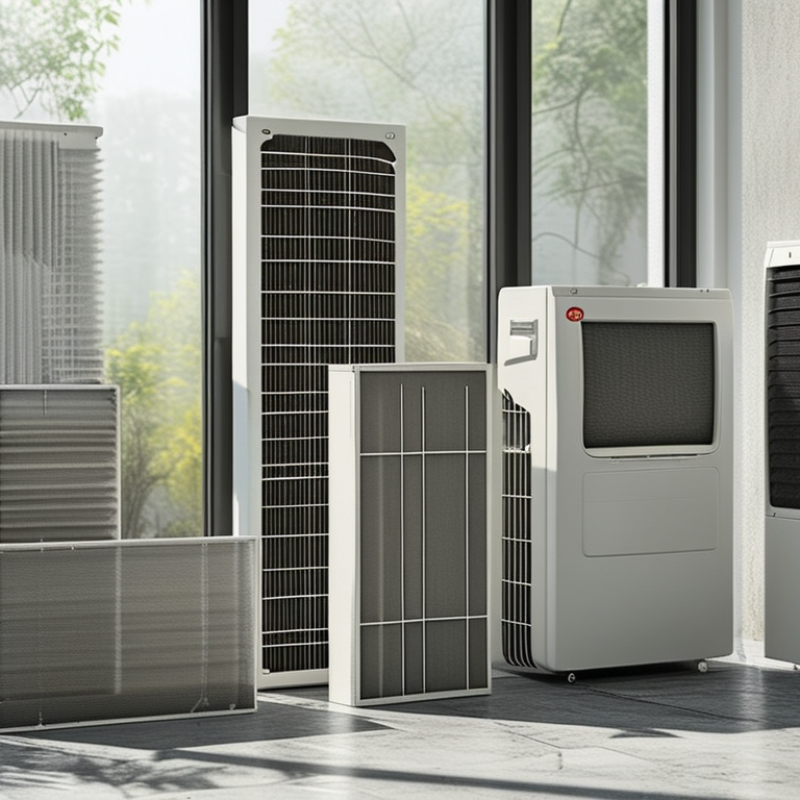
Understanding Different Types of Central Air Conditioner Filters
When selecting a central air conditioner filter, understanding the types is crucial. Filters can significantly impact air quality and system efficiency. The main categories include fiberglass, pleated, and HEPA filters. Fiberglass filters are affordable but provide basic protection. They capture larger particles but do not filter out finer dust and allergens effectively.
Pleated filters offer more surface area, enhancing air flow and capturing dust better than fiberglass. According to the U.S. Department of Energy, pleated filters can capture over 80% of particles in the air. They come in various MERV ratings, with higher ratings indicating better filtration efficiency. However, they may restrict airflow if not changed regularly, which could strain your system.
HEPA filters stand out with their high-efficiency ratings. They can eliminate 99.97% of particles as small as 0.3 microns. This makes them ideal for those with allergies. Yet, they can be costly and may require professional installation. Their dense structure can also lead to airflow issues if the system isn’t designed to handle them. Regular maintenance, including filter replacement, remains essential for optimal performance regardless of filter choice.
Types of Central Air Conditioner Filters and Their Popularity
Key Factors to Consider When Buying Air Conditioner Filters
When selecting air conditioner filters, several key factors come into play. Firstly, filter efficiency is crucial. The Minimum Efficiency Reporting Value (MERV) rating indicates how well a filter can trap particles. Filters with a MERV rating of 8 to 13 capture pollen, dust mites, and pet dander effectively. According to industry reports, using a filter with a MERV rating between 11 and 14 can reduce airborne allergens by over 85%.
Another important factor is filter type. There are primarily three types: fiberglass, pleated, and HEPA filters.
Fiberglass filters are inexpensive but less effective against small particles. Pleated filters offer better performance with a higher surface area, capturing more contaminants. HEPA filters are the gold standard, removing 99.97% of particles 0.3 microns or larger. However, their efficiency comes with higher costs and maintenance needs.
It’s also essential to consider the size and fit of the filters. An ill-fitting filter can allow air bypass, reducing effectiveness. Moreover, filter replacement frequency matters. Some users underestimate the need for regular changes, leading to reduced air quality. Studies suggest that changing filters every 1-3 months keeps HVAC systems running efficiently and improves indoor air quality. Ignoring these factors can result in lower comfort levels and increased energy expenses.
How to Determine the Right Size of Filter for Your System
Choosing the right size of filter for your central air conditioning system is crucial. An ill-fitting filter can reduce efficiency and air quality. It’s essential to measure the dimensions of your existing filter accurately. Use a tape measure to check the length, width, and depth. This ensures you select a filter that fits perfectly.
Not all filters are created equal. Different systems require different sizes, and the wrong choice may lead to air leaks. A filter that is too small will let dust and allergens pass through. Conversely, a filter that is too large might not fit into the slot, causing installation issues. It can be frustrating when you think you have the right size, only to discover it doesn't fit.
Consider the MERV rating as well. A higher rating means better filtration. However, some systems may struggle with higher-efficiency filters. Always consult your system's manual for specific recommendations. It may take time to find the ideal filter, but your indoor air quality will thank you for your efforts.
Evaluating Filter Efficiency Ratings: MERV and Beyond
When selecting a central air conditioner filter, understanding efficiency ratings is crucial. MERV, or Minimum Efficiency Reporting Value, is a standard used to measure filter effectiveness. The MERV scale ranges from 1 to 20, with higher values indicating better filtration. Filters rated between MERV 8 and 13 are ideal for home use. They efficiently capture pollen, dust, and pet dander.
However, choosing a filter with an excessively high MERV rating isn't always the best choice. Filters with very high ratings can restrict airflow in some systems. This may lead to decreased efficiency and potential system damage. Regular maintenance of your air conditioning system is vital. Inspecting and replacing filters regularly ensures optimal performance.
It’s essential to consider your specific needs. If allergies are a concern, a higher MERV rating might be beneficial. Conversely, for systems with limited airflow, a moderate rating could be more suitable. Evaluating your individual circumstances can guide you to the right choice. This personalized approach enhances comfort while maintaining system efficiency.
Maintenance Tips for Prolonging the Life of Your Filters
Maintaining the filters of your central air conditioning system is crucial for optimal performance. According to a report from the American Society of Heating, Refrigerating and Air-Conditioning Engineers (ASHRAE), proper filter maintenance can enhance efficiency by up to 15%-20%. Regularly changing or cleaning your filters can prevent dust and allergens from circulating indoors, improving air quality significantly.
Set a schedule for checking your filters. Most experts recommend inspecting them every month and replacing them every three months. If you have pets or live in a dusty environment, you may need to check them more often. This simple routine can help you avoid costly repairs down the line. A neglected filter can lead to system strain, raising energy bills by 5%-15%, as reported by the Department of Energy.
Don't overlook the importance of quality filters. While high-efficiency filters may seem expensive, they often last longer and perform better. Yet, even the best filters do not last forever. In fact, a common mistake is assuming that only monthly changes are necessary. Periodic deep cleaning is equally essential. This approach may extend the life of your filters and contribute to a healthier indoor atmosphere.
FAQS
: The main types are fiberglass, pleated, and HEPA filters.
Fiberglass filters capture larger particles but are not efficient for fine dust and allergens.
Pleated filters have more surface area, capturing over 80% of airborne particles effectively.
The MERV rating indicates a filter's efficiency in trapping particles. Higher ratings mean better filtration.
HEPA filters remove 99.97% of particles as small as 0.3 microns, making them ideal for allergy sufferers.
Yes, HEPA filters can restrict airflow if a system isn’t designed for their dense structure.
Filters should generally be changed every 1-3 months to maintain efficiency and air quality.
An ill-fitting filter allows air to bypass it, reducing the filter's effectiveness significantly.
Some underestimate the impact of regular changes, risking reduced air quality and system efficiency.
If not changed regularly, pleated filters can restrict airflow and strain the air conditioning system.
Conclusion
In the "China Top Central Air Conditioner Filter Buying Guide," the article provides essential insights into selecting the right Central Air Conditioner Filter for optimal performance. It begins by discussing the various types of filters available, highlighting their benefits and drawbacks. Key factors to consider when purchasing a filter include compatibility with your system, material quality, and filter efficiency ratings, such as MERV, which measure how effectively a filter captures airborne particles.
Additionally, the guide emphasizes the importance of determining the correct filter size to ensure proper airflow and efficiency. It also offers practical maintenance tips to extend the lifespan of your filters, ensuring that your central air conditioning system runs smoothly and efficiently over time. By following this comprehensive guide, homeowners can make informed decisions to maintain indoor air quality and system performance.

 Snow Peak