Choosing the right AC vent filter can significantly improve indoor air quality. An efficient AC vent filter captures dust, pollen, and other pollutants. This ensures that you breathe cleaner air, which is vital for your health. However, not all filters are created equal. Your specific needs will influence your decision.
When selecting an AC vent filter, it’s important to consider the filter's MERV rating. Higher ratings indicate better filtration. Some filters may be overly dense and restrict airflow, which can lead to system damage. Testing various filters can provide insight, but this can also be a trial-and-error process.
Consider the size and type of your AC unit. Compatibility is crucial for effectiveness. Consulting manufacturer guidelines can be beneficial. Yet, the filter industry is vast and sometimes confusing. It’s easy to get lost in technical jargon. Learning from personal experiences and expert reviews can guide your choice in the right direction. Ultimately, the best AC vent filter is one that meets your needs while ensuring a balance between air quality and system performance.
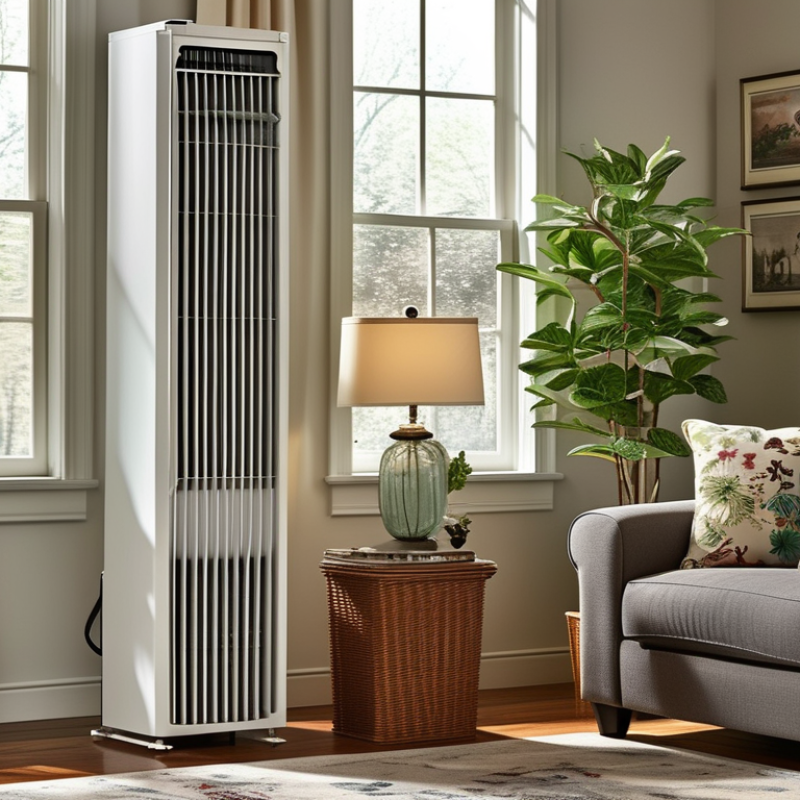
Understanding the Importance of AC Vent Filters in Air Quality
Air quality is a critical aspect of our daily lives. AC vent filters play a vital role in maintaining this quality. According to the Environmental Protection Agency (EPA), indoor air can be five times more polluted than outdoor air. Poor air quality can lead to health issues, including respiratory problems and allergies. Understanding the importance of AC vent filters is essential for creating a healthier indoor environment.
Filters capture dust, pet dander, pollen, and other airborne particles. A high-efficiency particulate air (HEPA) filter can trap at least 99.97% of particles that are 0.3 microns in size. Research indicates that proper filtration can reduce allergens by up to 50% in homes. However, many homeowners often overlook the need for regular replacement. Neglecting to change filters can lead to reduced efficiency and increased energy costs.
Choosing the right filter depends on your specific needs. For example, households with pets may require filters with a higher MERV rating to trap pet hair and dander effectively. Understanding these differences is crucial. Selecting a filter suited for your situation can significantly enhance air quality. However, if one size fits all were truly applicable, we wouldn’t see the range of filters available today. Balancing efficacy and preference is an ongoing challenge.
Types of AC Vent Filters and Their Applications
When selecting an AC vent filter, it’s crucial to understand the different types available. The most common options are fiberglass filters, pleated filters, and HEPA filters. Fiberglass filters are budget-friendly but less effective at trapping small particles. They suffice for basic dust filtration but might not suit allergy sufferers. Pleated filters have greater surface area. They capture finer particles, enhancing indoor air quality effectively. HEPA filters are the gold standard. They trap at least 99.97% of particles down to 0.3 micron. These filters are ideal for those with respiratory conditions.
Tips: Always check the MERV rating. A higher rating indicates better filtration. Consider your home’s specific needs and the sensitivities of family members. Ensure that the filter fits well. Poorly fitting filters can let unfiltered air bypass them, reducing efficiency.
Also, think about replacement frequency. Some filters need monthly changes, while others can last up to six months. Regular checks can help prevent issues. If you forget when to change, consider setting reminders in your calendar. It’s also wise to inspect filters for dirt buildup. Clogged filters can strain your AC unit and worsen air quality. Stay proactive in maintaining your home’s air comfort.
How to Choose the Best AC Vent Filter for Your Needs? - Types of AC Vent Filters and Their Applications
| Filter Type |
Efficiency Rating (MERV) |
Typical Use |
Lifespan |
Cost Range |
| Fiberglass Filter |
1-4 |
General Air Filtration |
1-3 months |
$1 - $5 |
| Pleated Filter |
5-10 |
Home HVAC Systems |
3-6 months |
$5 - $15 |
| HEPA Filter |
13-16 |
Allergy Relief, Medical Facilities |
6-12 months |
$30 - $150 |
| Activated Carbon Filter |
4-7 |
Odor Control |
3-6 months |
$10 - $50 |
| Washable Filter |
1-8 |
Reusable Solution |
Over 1 year |
$20 - $100 |
Key Features to Consider When Selecting an AC Vent Filter
When selecting an AC vent filter, several key features should be prioritized to ensure optimal performance. Look for filters that capture a high percentage of airborne particles. According to the American Society of Heating, Refrigerating and Air-Conditioning Engineers (ASHRAE), a good filter can capture up to 85% of dust and allergens. HEPA filters are especially effective, trapping particles as small as 0.3 microns, making them ideal for those with allergies or respiratory issues.
Consider the filter's MERV rating. MERV stands for Minimum Efficiency Reporting Value, and a higher rating indicates better filtration. Filters with a MERV rating of 8 to 13 are typical for residential use. However, some systems may struggle with higher-rated filters due to airflow restrictions. Balance filtration needs with your AC system’s efficiency. According to a report from the U.S. Department of Energy, 10% of HVAC energy costs come from pressure drops caused by inefficient filters. Choose wisely to maintain airflow while ensuring clean air.
The durability of the filter influences long-term costs. Some filters are washable and reusable, while others must be replaced frequently. Evaluating the lifespan of a filter against its efficiency can lead to better cost management. Reflect on your home’s air quality needs, and make a decision based on specific requirements and local environmental factors. Prioritize what works best for your living space.
Assessing Your HVAC System Requirements for Optimal Filter Choice
When assessing the needs of your HVAC system, the importance of selecting the right AC vent filter cannot be overstated. According to the U.S. Department of Energy, nearly 30% of energy use in buildings comes from heating, ventilation, and air conditioning. Filters play a critical role in keeping systems efficient. They help trap dust, pollen, and other contaminants. Choosing a filter that aligns with your system’s specifications boosts performance and reduces energy waste.
Evaluating your HVAC system requirements begins with understanding the MERV (Minimum Efficiency Reporting Value) rating. Filters range from MERV 1 to MERV 16. A higher rating captures smaller particles. However, a filter that’s too restrictive can strain your system. The American Society of Heating, Refrigerating and Air-Conditioning Engineers (ASHRAE) recommends filters that strike a balance between filtration efficiency and airflow. Oversized filters may clog faster, reducing airflow and causing increased wear on the unit.
Regular assessments can help you determine the best filter. Monitoring indoor air quality is essential. Industry data indicates that poor air quality can cause up to 50% of illnesses. You should replace filters at least every three months. Yet, many overlook this simple task. Tools like air quality meters can guide your filter choice and timing for replacements. Balancing efficiency, health, and maintenance is key to optimal performance.
Maintaining and Replacing Your AC Vent Filters for Efficiency
When it comes to maintaining your air conditioning system, AC vent filters play a crucial role. Regularly replacing these filters ensures that your system operates efficiently. Dirty filters can inhibit airflow and strain your AC unit, leading to higher energy costs. It's essential to check your filters every month.
One effective tip for filter maintenance is to mark your calendar. This can help you remember when to inspect and replace your filters. Clean filters improve indoor air quality by trapping dust, pollen, and other allergens. If you notice reduced airflow, it might be time for a quick check. Keeping track can save you from breakdowns and expensive repairs.
Remember, not all filters are created equal. Choose one that suits your home needs. Some may need more frequent replacements than others. Using the right type of filter can significantly enhance efficiency. Learn about different filter materials and sizes. Researching helps you make an informed decision. This process requires attention to detail; don’t overlook the specifics.
Efficiency of Different AC Vent Filters
Conclusion
Choosing the right AC vent filter is crucial for maintaining good air quality in your home. AC vent filters serve the important function of trapping dust, allergens, and other particles, enhancing the overall indoor environment. Understanding the various types of AC vent filters available is essential, as each type has specific applications suited for different HVAC systems and needs.
When selecting an AC vent filter, it's important to consider key features such as the filter's MERV rating, size, and material composition. Additionally, assessing the requirements of your HVAC system will help ensure optimal filter choice for efficient airflow and air purification. Regular maintenance and timely replacement of your AC vent filters are vital for ensuring they perform effectively, which in turn supports a healthier living space. By focusing on these aspects, you can successfully choose the best AC vent filter tailored to your specific requirements.

 Snow Peak