Choosing the right Permanent Hvac Filters can influence indoor comfort, equipment performance, and long-term maintenance costs. Unlike disposable filters, permanent options are washed, dried, and reused. Their value depends on more than price. Filter size, airflow resistance, cleaning habits, and filtration performance all matter.
A practical choice begins with your HVAC system’s specifications. Check the filter dimensions, recommended MERV rating, and manufacturer guidance before purchasing. A filter that traps more particles may also restrict airflow. That can increase fan strain and reduce heating or cooling efficiency. Look closely.
In real homes, dust often gathers around return grilles, pet hair collects near floor vents, and damp filters may develop unpleasant odors. These details affect performance more than product claims alone. Experienced technicians usually inspect the filter, blower compartment, duct condition, and pressure readings together. One product cannot solve every air-quality problem.
There is no perfect filter for every household. A washable filter may suit a careful owner who follows a regular cleaning schedule. It may disappoint someone who forgets maintenance for months. I have found that convenience is often underestimated. A filter that is technically excellent becomes ineffective when neglected.
Choose a durable model with clear cleaning instructions, a secure frame, and reliable airflow performance. Confirm its actual fit. Then monitor dust, noise, energy use, and comfort after installation. Small observations can reveal important problems. This guide explains how to compare Permanent Hvac Filters with greater confidence, while recognizing that proper maintenance remains essential.
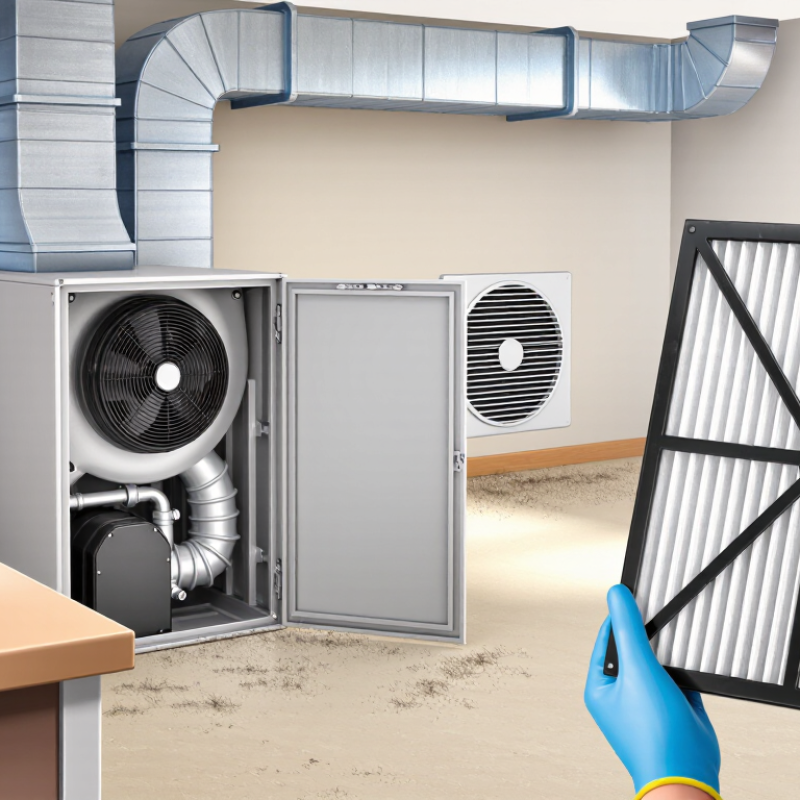
Permanent HVAC filters are not maintenance-free. They are designed for repeated cleaning and long-term use. Common media types include washable mesh, electrostatic fabric, pleated synthetic media, and metal screens. Mesh filters offer low airflow resistance but capture fewer fine particles. Electrostatic filters attract airborne dust and may improve filtration without excessive pressure loss. Pleated media can trap smaller particles, though they may restrict airflow more quickly.
MERV rating helps describe particle-capture performance. A higher rating is not automatically better for every system. Check the HVAC manufacturer’s airflow requirements first. An oversized MERV rating can make a blower work harder, raise energy use, and reduce comfort. In field inspections, I look for weak airflow, whistling grilles, and dust around supply vents. These details often reveal poor filter compatibility.
Service life depends on household dust, pets, construction activity, and cleaning habits. Wash reusable filters with water, then let them dry completely before reinstalling them. Damp media can encourage unpleasant odors and material damage. Inspect the filter every month during heavy-use seasons. Replace it when the frame bends, the media breaks down, or cleaning no longer restores airflow. I once assumed a reusable filter was still effective because it looked clean. Airflow testing showed otherwise. Visual checks alone can be misleading.
MERV 13 filtration is valuable, but compatibility must guide the decision. ASHRAE Standard 52.2 evaluates filter performance by particle size, not by marketing claims. Under its test method, MERV 13 filters must capture at least 50% of 0.30–1.0 micrometer particles, 85% of 1.0–3.0 micrometer particles, and 90% of 3.0–10 micrometer particles. These figures come from ASHRAE’s published efficiency requirements. However, laboratory efficiency does not guarantee equal household performance. Dust loading, moisture, and poor installation can change results.
Check the filter’s actual dimensions, airflow direction, and rated pressure drop. A filter may fit the slot but still restrict airflow. ASHRAE guidance recommends MERV 13 when the HVAC system can accommodate it. ACCA Manual D also treats external static pressure as a design limit. A technician should measure pressure before and after installation. Listen for whistling, inspect the blower, and watch for weak supply airflow. A higher rating is not automatically better. That detail is easy to miss.
Tips: Compare the filter’s pressure-drop data at your system’s airflow. Replace or clean the permanent filter according to loading, not only the calendar. Hold it toward a light; heavily blocked media needs attention. If airflow declines, reconsider the filter depth or MERV level. Real homes are imperfect, and one setting may not suit every season.
Choosing a permanent HVAC filter requires more than selecting the highest efficiency rating. Particle efficiency shows how well a filter captures dust, pollen, and fine particles. ASHRAE Standard 52.2 evaluates filters across three particle-size ranges, rather than using one overall percentage. A higher MERV rating usually improves capture, but the result depends on filter loading and airflow conditions.
Pressure drop matters just as much. A dense filter can restrict air like a partly closed window. The U.S. Department of Energy notes that restricted airflow can reduce HVAC performance and increase operating stress. Check the filter’s pressure drop at your system’s actual airflow, measured in inches of water gauge. A washable filter rated near 0.20 inches may perform better than a thicker filter rated near 0.40 inches in a small residential system.
The U.S. Environmental Protection Agency recommends MERV 13, or the highest level a system can accommodate, for improved particle removal. Its guidance reports that MERV 13 filters can capture at least 50% of particles between 0.3 and 1 micrometer. Still, permanent filters need regular washing and complete drying. Damp media can encourage unwanted growth. I have seen homeowners choose efficiency first, then discover weak supply-air flow and noisy grilles. That choice needs reconsideration. Measure airflow, inspect the filter cabinet, and compare efficiency with pressure drop before upgrading.
A washable HVAC filter should survive repeated cleaning without sagging or losing its shape. During maintenance checks, I look for clear washing instructions and sturdy pleats. A filter that needs delicate handling may become inconvenient quickly. Rinse it with water, remove visible dust, and let it dry completely before reinstalling. Never place a damp filter into the system. Moisture can encourage unpleasant odors and restrict airflow.
Frame material also matters. Aluminum frames resist moisture and usually remain rigid during regular cleaning. Plastic frames can be lighter, but heat and repeated handling may cause warping. Galvanized steel offers strength, although damaged coatings may eventually show corrosion. Check that the frame fits tightly. Small gaps can allow unfiltered air around the filter. That detail is easy to miss.
Read the manufacturer-specified lifespan carefully. It may be measured by months, cleaning cycles, or pressure-drop limits. A household with pets, renovations, or frequent cooking may need earlier cleaning. A pressure gauge gives better evidence than a calendar alone. If airflow weakens or the filter looks heavily loaded, inspect it sooner. I once trusted a stated lifespan too literally and overlooked a visibly clogged filter. That was a useful correction. Lifespan claims are starting points, not guarantees. Keep cleaning records, and replace the filter when the frame, mesh, or seal shows permanent damage.
Choosing a permanent HVAC filter starts with fit, not marketing claims.
Measure the existing filter’s length, width, and depth, then compare those dimensions with the equipment manual. A filter that bends, rattles, or leaves visible gaps can let dust bypass the media. That undermines indoor air control and may strain the blower.
Check the airflow arrow. It should point toward the furnace or air handler.
Maintenance frequency depends on filter loading, not a convenient calendar reminder.
In homes with pets, renovation dust, or frequent cooking, inspect the filter every 30 days. A cleaner household may need a 60- to 90-day inspection cycle. Hold the filter toward a bright window. If the surface looks gray and clogged, clean it according to the manufacturer’s instructions.
Washable filters must dry completely before reinstalling. Damp media is a poor experiment.
Whole-system energy use matters more than the filter’s isolated efficiency rating.
A highly restrictive filter can increase pressure drop, forcing the blower to work harder. Ask a qualified technician to measure airflow and static pressure when performance seems weak. Also check return grilles, supply registers, duct leaks, and thermostat settings.
A filter change alone cannot fix a poorly balanced system. I have seen clean filters paired with blocked returns; the result was still noisy, with uneven heating. That detail is easy to miss.
It is a reusable filter designed for repeated cleaning and long-term service. It is not maintenance-free. Dust still builds up inside the media.
Common types include washable mesh, electrostatic fabric, pleated synthetic media, and metal screens. Mesh allows easy airflow but captures fewer fine particles. Pleated media catches smaller particles but may restrict airflow sooner.
No. A higher rating can increase pressure drop and make the blower work harder. Check system airflow requirements before upgrading. Higher is not automatically better.
Under a standard laboratory test, MERV 13 captures at least 50% of 0.30–1.0 micrometer particles. It captures at least 85% of 1.0–3.0 micrometer particles and 90% of 3.0–10 micrometer particles.
Compare pressure-drop data at the system’s actual airflow. Watch for weak supply air, whistling grilles, and dust near vents. A dense filter can act like a partly closed window.
Inspect it monthly during heavy-use seasons. Household dust, pets, construction, and cleaning habits change its service life. The calendar alone is imperfect.
Rinse it with water, then let it dry completely before reinstalling it. Damp media may cause odors and material damage. Dry it fully.
Replace it when the frame bends, the media breaks down, or cleaning no longer restores airflow. A filter may look clean yet perform poorly. Visual checks can mislead.
Choosing the best Permanent Hvac Filters requires more than selecting a reusable option. Start by comparing the filter media, MERV rating, and expected service life. A MERV 13 filter can capture a high percentage of smaller airborne particles, but it must be compatible with the HVAC system under ASHRAE 52.2 testing principles. Higher filtration may increase resistance, so confirm that the equipment can maintain proper airflow without excessive strain or reduced performance.
Evaluate particle efficiency alongside pressure drop, airflow, and overall energy use. Washable media should be easy to clean, dry, and reinstall, while durable frame materials can improve long-term reliability. Always verify the filter’s exact dimensions and seal to prevent air bypass. Follow the manufacturer-specified cleaning and inspection schedule, adjusting maintenance frequency for dust, pets, occupancy, and indoor air quality needs. A well-fitted, properly maintained filter can support cleaner air, stable HVAC operation, and a longer service life without creating unnecessary energy consumption.

Snow Peak