Choosing the right pleated filters can significantly impact indoor air quality and HVAC efficiency. According to the American Society of Heating, Refrigerating and Air-Conditioning Engineers (ASHRAE), the effectiveness of air filters can affect energy consumption by up to 15%. This statistic underscores the importance of selecting filters that meet specific needs while optimizing system performance.
Pleated filters are known for their higher dust-holding capacity and longer lifespan compared to standard filters. Industry reports show that high-efficiency pleated filters can capture particles as small as 0.3 microns, offering excellent protection against allergens and pollutants. However, not all pleated filters are created equal. Factors such as MERV ratings and material composition play a crucial role in their performance.
It's essential to assess your indoor environment and operational requirements. A filter with a high MERV rating may not always be the best choice if it restricts airflow excessively. Striking the right balance between filtration strength and airflow is vital. Engaging with reliable sources and understanding product specifications can help make informed decisions.
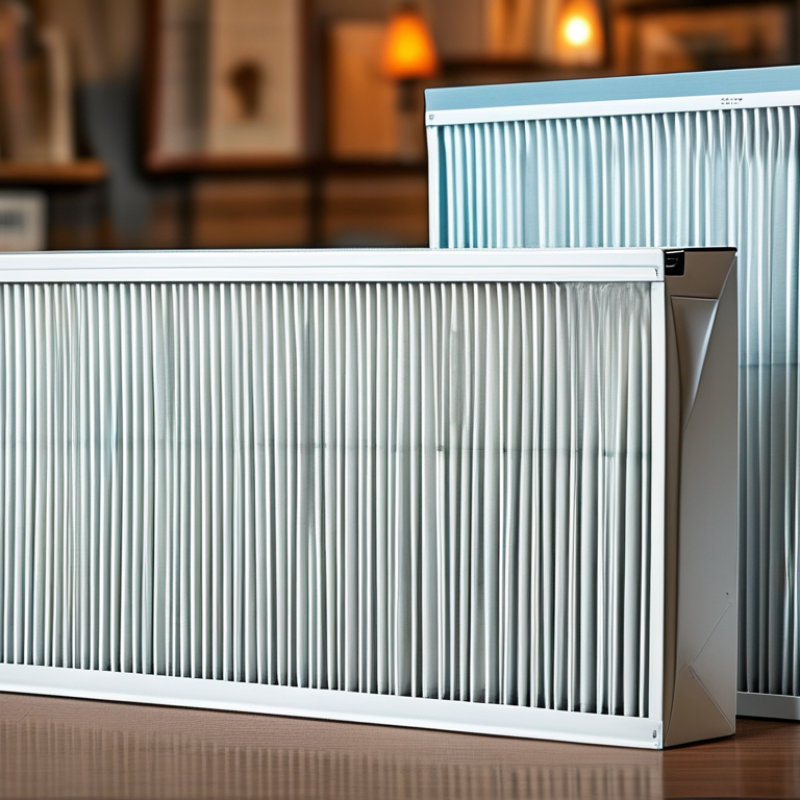
Understanding the Basics of Pleated Filters and Their Applications
Pleated filters are essential in various applications. They are widely used in HVAC systems, automotive industries, and industrial processes. Their design allows for a larger surface area, improving air and liquid filtration. According to the U.S. Department of Energy, pleated filters can enhance energy efficiency by up to 15%.
When selecting a pleated filter, consider particle size and type. Different filters target specific contaminants. For example, HEPA filters capture 99.97% of particles as small as 0.3 microns. Understanding your environment helps ensure the right choice. Keep in mind that maintenance is crucial; clogged filters decrease effectiveness and increase energy costs.
Tips: Check filter efficiency ratings. Higher ratings indicate better filtration. Look for filters that are easy to replace. This saves time and effort. Monitor performance regularly to avoid inefficiencies. The wrong choice can harm air quality. Choose wisely to meet your specific filtration needs.
Key Factors to Consider When Choosing Pleated Filters
When selecting pleated filters, consider their efficiency ratings. Look for filters with a MERV rating between 8 and 13 for optimal performance. Higher MERV ratings capture smaller particles. However, they can restrict airflow. This could impact HVAC system efficiency. Think about your specific needs when choosing.
Next, lifespan is crucial. Some pleated filters last a few months, while others can perform effectively for a year. Regular replacement is necessary for optimal air quality. Check your environment: allergies, dust levels, and pollutants may affect filter longevity. Evaluate how these factors play a role in your selection.
Another key factor is size. Make sure the pleated filter fits your system perfectly. Using the wrong size can lead to air leaks and reduced efficiency. Measure your filter slot accurately. Pay close attention to these details. Even minor errors can lead to bigger issues later on.
Types of Pleated Filters and Their Specific Uses
Pleated filters come in various types, each tailored for specific uses. Understanding these types is essential for making an informed choice. For example, HEPA filters are known for removing 99.97% of particles as small as 0.3 microns. This makes them ideal for environments like hospitals, where air quality is paramount. They ensure that airborne contaminants are minimized, thus safeguarding public health.
Another popular option is electrostatic filters. These filters use electrostatic charges to trap particles with high efficiency. Reports indicate that they can capture up to 80% of airborne allergens, making them suitable for homes with allergy sufferers. Additionally, these filters often require less frequent replacements, which can lead to cost savings over time.
Carbon filters are also noteworthy. They excel at removing odors and volatile organic compounds (VOCs). In spaces like kitchens or workshops, carbon filters can significantly improve air quality. However, their efficiency can diminish after time, requiring regular monitoring and timely replacement. Users should keep this in mind to ensure optimal performance. Ultimately, knowing the specific applications and limitations of each type of pleated filter can lead to better indoor air quality.
Evaluating Filter Efficiency and Performance Ratings
When selecting pleated filters, evaluating filter efficiency and performance ratings is crucial. The American Society of Heating, Refrigerating and Air-Conditioning Engineers (ASHRAE) defines efficiency using various metrics, including MERV ratings.
Filters with a MERV rating of 8 to 13 are typically effective at trapping dirt, pollen, and pet dander. However, higher ratings do not always mean better performance for all environments.
Consider the specific needs of your space. For example, a MERV 11 filter is suitable for residential areas, while hospitals may require MERV 14 or higher. Studies indicate that filters with higher efficiency ratings often restrict airflow, which can lead to increased energy costs. A filtration system's balance between efficiency and airflow is vital. You might need to assess the compatibility of your HVAC system and ensure it can handle the filter's resistance.
Monitoring your indoor air quality will help you make an informed choice. Filters should be replaced regularly to maintain their efficiency. Some reports suggest replacing them every three months, but your environment may need more frequent changes. Always be willing to reassess your choices based on the changing needs of your living or working space.
Maintenance Tips for Optimal Pleated Filter Longevity
Maintaining pleated filters is crucial for their longevity and optimal performance. Studies indicate that regular maintenance can extend the lifespan of filters up to 30%. A simple cleaning routine can help. Vacuuming the filter every month removes accumulated dust and particles. This practice prevents clogs that can hinder airflow and efficiency.
Proper installation also plays a key role. Filters should fit snugly without gaps. Gaps can allow unfiltered air to bypass the filter, reducing effectiveness. It's often overlooked, but regular inspections are vital. Examine filters every three months for signs of wear or damage. A worn-out filter can lead to increased energy costs, sometimes up to 15%, according to industry reports.
Humidity can significantly affect filter efficiency. High humidity levels promote mold growth, which can clog filters quickly. A dehumidifier can help in such environments. Not all users realize that storage conditions matter too. Keeping extra filters in a dry, cool place prevents damage before use. Small details can make a significant difference in the filter's performance. Regular maintenance not only enhances longevity but also assures better air quality in your space.
Air Filter Efficiency Comparison
FAQS
: Pleated filters are essential for HVAC systems, automotive industries, and industrial processes.
They can enhance energy efficiency by up to 15% due to their larger surface area.
HEPA filters capture 99.97% of particles as small as 0.3 microns.
Clogged filters decrease effectiveness and increase energy costs. Regular maintenance is essential.
Consider particle size and type, as well as your specific environmental needs.
They efficiently trap airborne allergens, capturing up to 80%, and require less frequent replacements.
Carbon filters excel at removing odors and volatile organic compounds (VOCs) in kitchens or workshops.
Yes, their efficiency can diminish over time, requiring monitoring and timely replacement.
Using the wrong filter can harm air quality and lead to inefficiencies.
Yes, look for filters that are easy to replace to save time and effort.
Conclusion
Pleated filters are an essential component in various applications, providing efficient air and fluid filtration solutions. Understanding their basic principles and uses is crucial when selecting the right pleated filters for specific needs. Key factors to consider include the filter material, micron rating, and the environment in which they will be utilized.
Different types of pleated filters serve distinct purposes, ranging from residential to industrial applications. Evaluating the efficiency and performance ratings helps ensure that the chosen filter meets the required standards. Additionally, regular maintenance is vital for prolonging the lifespan of pleated filters, ensuring optimal performance over time. By taking these aspects into account, you can make an informed decision when selecting pleated filters that best suit your requirements.

 Snow Peak