Indoor air quality significantly impacts health and well-being. Poor air quality can lead to respiratory issues and allergies. Custom HVAC air filters play a crucial role in maintaining optimal indoor environments. According to a report by ASHRAE, nearly 80% of Americans spend their time indoors. This emphasizes the need for effective filtration systems.
Dr. Jane Ellison, an expert in HVAC technology, states, "Custom HVAC air filters can be tailored to the unique needs of a space, ensuring cleaner air and improved comfort." Custom filters address specific contaminants based on an environment's requirements. They capture allergens, dust, and volatile organic compounds that standard filters may miss.
However, the focus on customization raises questions about installation and maintenance. Choosing the right materials and specifications can be challenging. A poorly fitted filter may lead to airflow issues or inadequate filtration. Therefore, understanding the unique needs of a space is vital. Further research and expert consultation can help maximize the benefits of custom HVAC air filters, enhancing overall indoor air quality.
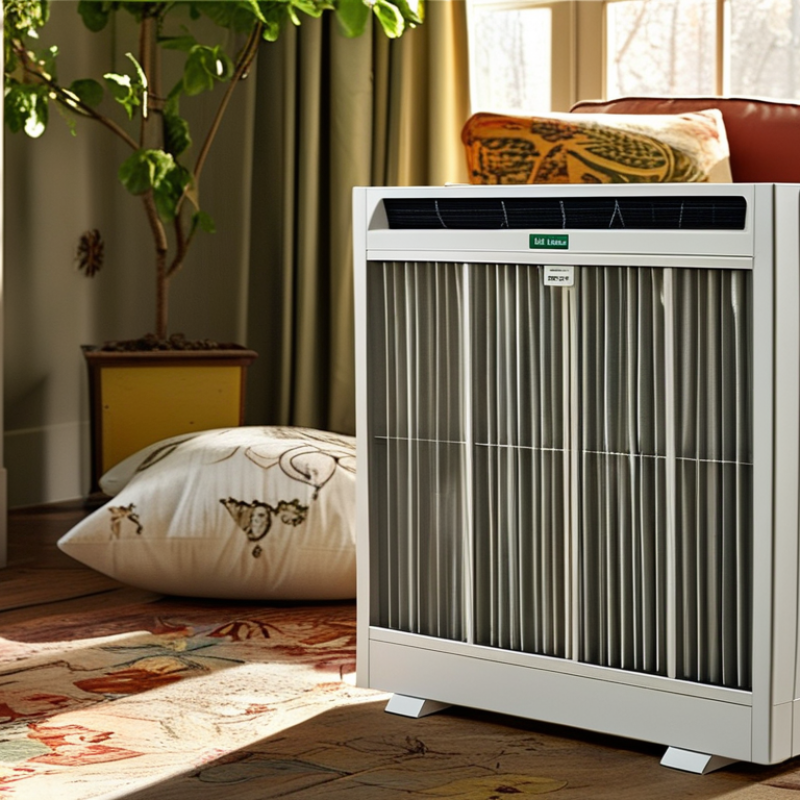
HVAC systems are crucial for achieving optimal indoor air quality. These systems control heating, ventilation, and air conditioning, ensuring a comfortable environment. A well-functioning HVAC system can reduce allergens, dust, and other pollutants in the air. It's important to understand how these systems operate to maintain their efficiency.
One often overlooked aspect is the air filters. Custom HVAC air filters can significantly improve air quality. Standard filters may not capture all airborne particles. Custom filters, designed for specific needs, can target particular pollutants. This ensures cleaner air and a healthier living space. Regularly changing these filters is essential, yet often neglected.
Another reality is that many homeowners aren’t aware of their HVAC system’s condition. Neglecting maintenance can lead to issues like reduced airflow and increased energy consumption. Regular inspections can identify potential problems early. However, not all technicians provide the same level of service. Researching qualified professionals is essential for reliable maintenance. Investing time in understanding HVAC can lead to long-term benefits for indoor air quality.
Air filters play a crucial role in HVAC systems. They impact indoor air quality significantly. Different types of air filters serve various functions. For example, some filters capture large particles, while others target smaller contaminants. Fiberglass filters are basic but may not be the best for health. Meanwhile, HEPA filters can trap 99.97% of particles, improving air quality substantially.
Choosing the right filter requires understanding these functions. Custom HVAC air filters can cater to specific needs, like allergies. Yet, not all custom solutions guarantee better results. It's essential to consider the filter's MERV rating, which indicates its efficiency. A higher rating often means better filtration but may restrict airflow. This can lead to inefficiencies in the system.
Regular replacement of air filters is vital. Clogged filters can breed mold and bacteria. This compromises the air you breathe. However, not everyone remembers to change filters regularly. Ignoring this can lead to higher energy bills and health consequences. Balancing filter choice and maintenance is key for optimal indoor air quality. The right approach promotes healthier living spaces and efficient HVAC performance.
The bar chart above illustrates the efficiency percentages of different types of HVAC air filters. HEPA filters provide the highest efficiency at 99%, making them the best choice for optimizing indoor air quality, while fiberglass filters are the least efficient at only 40%. Choosing the right filter type is crucial for effective air filtration in HVAC systems.
Custom HVAC air filters offer several significant advantages over standard options, particularly when it comes to indoor air quality. Standard filters may only capture larger particles, allowing smaller pollutants like dust, pollen, and pet dander to circulate. Custom filters are designed with specific needs in mind. They can capture a wider range of contaminants, directly improving the air quality in your space.
Additionally, custom filters can be tailored for specific environments. For example, homes with pets may benefit from filters that target pet hair and odors. In contrast, those with allergies may require higher efficiency filters to trap allergens effectively. This personalization enhances the overall effectiveness of your HVAC system.
Some drawbacks do exist with custom filters. They may require more frequent changes, leading to higher maintenance efforts. Also, not all systems can accommodate custom sizes, which may lead to complications. It's essential to evaluate your HVAC system before making the switch. Understanding these factors ensures that homeowners make informed decisions for better indoor air quality.
When choosing custom HVAC air filters, consider several critical factors. Filter efficiency is paramount. Look for filters with a high MERV rating. A higher rating means better filtration of dust, allergens, and pollutants. However, a very high MERV rating may restrict airflow. This could lead to strain on the HVAC system. Balance is key.
Material choice also matters. Different materials offer varying levels of filtration. Fiberglass filters are common, but they capture fewer particles. More advanced options include HEPA filters, which can trap tiny particles. However, they are also more expensive and may require more frequent changes. Reflect on your budget and maintenance routine.
Additionally, think about the filter's size and compatibility with your system. A poorly fitting filter won't work effectively. It can lead to increased energy bills and poor air quality. It’s wise to consult with a professional for precise measurements. Lastly, pay attention to your indoor environment. Tailor your choice to factors like pets, smokers, or allergies. Quality is crucial, but so is practicality in your daily life.
| Filter Type | MERV Rating | Efficiency (%) | Typical Lifespan (months) | Application |
|---|---|---|---|---|
| Fiberglass | 1-4 | 15-20% | 1 | Residential |
| Pleated | 5-13 | 30-50% | 3-6 | Residential & Commercial |
| Activated Carbon | 13-16 | 50-80% | 6-12 | Odor Control |
| HEPA | 17-20 | 99.97% | 12-24 | Medical & High-Performance |
| Ultra-Nanofiber | 16-20 | 95-99% | 12-18 | Residential & Commercial |
Maintaining custom HVAC air filters is essential for enhancing indoor air quality. Regular maintenance is key to ensuring that these filters function optimally. Clogged filters can restrict airflow, making your HVAC system work harder. This can lead to higher energy bills and increased wear on the system.
Cleaning or replacing filters should be a priority. For standard filters, a monthly check is recommended. If you have pets or chronic allergies, consider checking more frequently. When filters become discolored or dirty, it’s time for a replacement. Custom filters may have specific maintenance needs based on their material and design.
Replacing filters at the right intervals can prevent system breakdowns. A well-maintained HVAC unit ensures better air quality. However, remember that even the best HVAC systems require attention. Relying solely on filters without regular check-ups can lead to issues neglected over time. It's best to set reminders for maintenance tasks to foster a healthier living environment.
C system?
Air filters remove allergens and pollutants. Regular changes keep indoor air quality high and help prevent health issues.
Custom filters target specific pollutants. They can capture smaller particles that standard filters miss, improving air quality.
Regular maintenance is crucial. Ignoring it can lead to reduced airflow and higher energy bills over time.
It depends on usage and filter type, but regularly checking and changing filters is important for efficiency.
Custom filters improve air quality significantly. However, they may need more frequent changes and not fit all systems.
It’s possible, but ensuring proper fit is important. Misfitting filters can lead to ventilation issues and decreased effectiveness.
Common issues include poor airflow and increased energy consumption. Regular inspections can help catch these early.
Research local technicians, read reviews, and ask for recommendations. A knowledgeable technician can make a big difference.
Assess your HVAC system's compatibility. Consider your specific needs, like allergies or pets, to ensure the right choice.
Custom HVAC air filters play a crucial role in maintaining optimal indoor air quality by effectively trapping pollutants and allergens. Understanding the various types of HVAC systems and how they function is essential to appreciate the importance of these filters. Unlike standard options, custom HVAC air filters are tailored to meet specific needs, allowing for improved filtration efficiency and better overall air quality.
When selecting custom HVAC air filters, several factors must be considered, including material, size, and filtration capability, to ensure maximum performance. Regular maintenance and timely replacement of these filters are vital for sustaining their efficiency and prolonging the lifespan of the HVAC system. By prioritizing the use of custom HVAC air filters, homeowners can significantly enhance their indoor environment and promote healthier living spaces.

Snow Peak