Custom HVAC Filters for Optimal Air Quality Solutions?

Time:2026-06-24 Author:Isabella
0%

The quest for optimal air quality in residential and commercial spaces often hinges on the effectiveness of air filtration systems. Custom HVAC filters offer tailored solutions that cater to specific needs. According to the American Society of Heating, Refrigerating and Air-Conditioning Engineers (ASHRAE), proper filtration can remove up to 85% of airborne particles. This statistic underscores the importance of selecting the right filters.

Many businesses and homeowners overlook the substantial impact that custom HVAC filters can have on indoor air quality. Standard filters are not always adequate, leaving pollutants unchecked. The U.S. Environmental Protection Agency (EPA) estimates that indoor air can be two to five times more polluted than outdoor air. Custom solutions can effectively address this challenge, providing enhanced protection against dust, allergens, and even harmful microorganisms.

Despite these benefits, not all custom HVAC filters are created equal. Choosing the wrong type may lead to inefficiency and higher energy costs. Understanding the nuances of filter ratings and material types is essential for making informed decisions. There is a need for ongoing evaluation and adaptation of air filtration strategies, ensuring they meet the evolving demands of indoor environments.
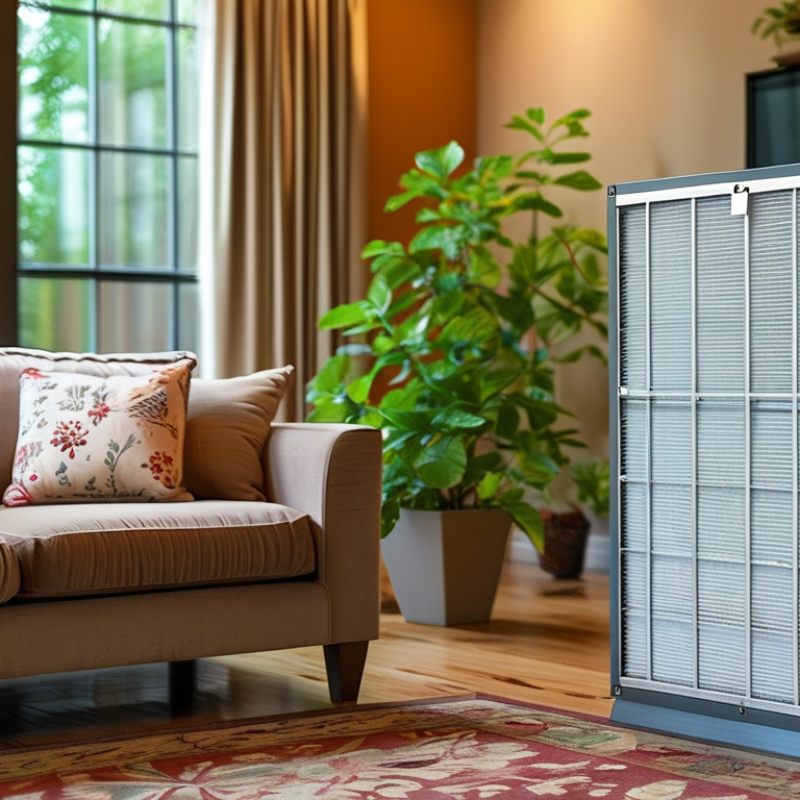
Custom HVAC Filters for Optimal Air Quality Solutions?

Understanding the Importance of Air Quality in Indoor Environments

Indoor air quality (IAQ) is a crucial aspect of health and wellness. Poor air quality contributes to various ailments, from allergies to respiratory issues. According to the Environmental Protection Agency (EPA), indoor air can be five times more polluted than outdoor air. In commercial buildings, studies show that better outdoor air ventilation can lead to a 20% increase in employee productivity.

Moreover, the types of HVAC filters used play a significant role in maintaining IAQ. Custom HVAC filters can effectively capture pollutants such as dust, pollen, and smoke. High-efficiency particulate air (HEPA) filters remove up to 99.97% of airborne particles. When installed in HVAC systems, they can significantly reduce symptoms of asthma and allergies. An analysis from the American Lung Association indicates that improving air quality can decrease healthcare costs related to chronic respiratory diseases.

Yet, many environments overlook filter maintenance. Changing filters regularly is often neglected. As a result, the buildup can worsen indoor air quality. Some filters may not be designed for specific environments, leading to ineffective filtration. Assessing the airflow needs of a space is essential. Custom solutions tailored to specific requirements can maximize IAQ benefits while ensuring efficient HVAC operation.

Custom HVAC Filters for Optimal Air Quality Solutions

Filter Type MERV Rating Particle Filtration Efficiency (%) Lifespan (Months) Recommended Applications
HEPA Filter 17 to 20 99.97% 6 to 12 Allergens, Smoke, Dust
Activated Carbon Filter 9 to 12 85% 3 to 6 Odors, VOCs
Pleated Filter 8 to 13 65-90% 4 to 6 General Dust, Pollen
HEGA Filter (High Efficiency Gas Adsorption) 14 to 16 90% 12 to 18 Chemical Fumes, Odors
Washable Filter 5 to 8 50% 12+ Dust, Pollen

Types of HVAC Filters and Their Impact on Air Quality

Choosing the right HVAC filter can significantly influence indoor air quality. Different types of filters serve various purposes and have unique features. For instance, HEPA filters capture tiny particles, like dust and pollen. They are effective but may restrict airflow if not changed regularly. This issue can lead to system strain and increased energy costs over time.

Electrostatic filters offer another option. They use static electricity to trap particles. These can be washable, providing a cost-effective solution. However, their effectiveness may diminish if not cleaned appropriately. On the other hand, activated carbon filters excel at absorbing odors and harmful chemicals. They shine in kitchens or areas with high cooking activity. Yet, they do not capture larger particles as efficiently.

Selecting a filter requires careful consideration of specific needs. The right choice is not merely about filtering efficiency. It’s also about maintenance and costs. While high-quality filters can enhance air quality, neglecting maintenance could counteract their benefits. Balancing effectiveness and upkeep is crucial for optimal air quality.

Benefits of Custom HVAC Filters for Specific Needs

Custom HVAC filters can significantly enhance air quality solutions. They are designed to meet specific needs, making them vital for various environments. For instance, a report by the American Society of Heating, Refrigerating and Air-Conditioning Engineers (ASHRAE) states that customized filters can reduce airborne particles by up to 95%. This is particularly beneficial for households with allergies or respiratory issues.

One key advantage of custom filters is their adaptability. Traditional filters may not capture all pollutants. Custom filters target particular allergens or pathogens, providing a more tailored solution. According to the Environmental Protection Agency (EPA), improved air quality can lead to a 30% increase in overall comfort and health. However, it's important to ensure that the chosen filter aligns with your HVAC system's capabilities.

Tip: Regularly inspect and replace filters to maintain optimal performance. Clean filters can improve airflow and efficiency. It’s worth noting that over-reliance on custom filters can lead to complacency in regular maintenance routines. Don't forget to assess other air quality factors, such as humidity and ventilation, as they play key roles in overall indoor air quality.

Benefits of Custom HVAC Filters for Specific Needs

How to Choose the Right Custom Filter for Your System

Choosing the right custom HVAC filter is essential for maintaining optimal air quality. A well-fitted filter not only enhances efficiency but also extends the lifespan of your system. When selecting, consider the filter's MERV rating. Higher ratings capture smaller particles. However, a too-high rating may restrict airflow, causing strain on your system.

Tip: Assess your indoor air quality needs. If allergens are a concern, filters that trap pollen and dust are critical. For homes with pets, consider filters designed for pet dander. Additionally, ensure the size matches your HVAC system. A mismatched filter can lead to reduced performance.

Filters should be checked regularly. Dirty filters don't just hinder airflow but can also harbor bacteria. A good practice is to set reminders for regular replacement based on usage. Reflect on your filter choices periodically. Are they effectively improving air quality? Taking the time to evaluate and refine your choices can lead to healthier living spaces.

Maintaining and Replacing HVAC Filters for Optimal Performance

Maintaining HVAC filters is crucial for optimal air quality. Regular replacement can greatly enhance the efficiency of your heating and cooling systems. Over time, filters accumulate dust and allergens, reducing airflow and putting strain on the system. This can lead to higher energy bills and poor indoor air quality.

Many homeowners forget to check their filters. This oversight can result in various issues, such as increased allergens and respiratory problems. It’s essential to establish a maintenance routine. Set reminders for inspections and replacements. This small step can lead to significant health benefits.

Choosing the right filters matters too. Different environments require different types of filters. For instance, homes with pets might need more frequent changes due to hair and dander. Understanding your specific needs can make a huge difference. Take the time to research what works best for your space.

FAQS

: What are custom HV

C filters?

How can custom filters improve air quality?

They can reduce airborne particles by up to 95%, benefiting those with allergies or respiratory issues.

Why is adaptability important in HVAC filters?

Custom filters can target specific allergens, unlike traditional filters, providing more effective air purification.

How do MERV ratings affect filter selection?

Higher MERV ratings capture smaller particles but can restrict airflow if too high for your system.

How can I maintain my HVAC filters?

Regularly inspect and replace filters to avoid reduced airflow and enhanced efficiency.

What should I consider before choosing a filter?

Assess your indoor air quality needs, including allergens and specific living conditions like pets.

What happens if filters are not replaced regularly?

Dirty filters can lead to increased allergens, respiratory problems, and higher energy bills.

Are there other factors to consider for air quality?

Yes, humidity and ventilation also play significant roles in overall indoor air quality.

How often should I check my HVAC filters?

Establish a routine to inspect filters regularly, setting reminders based on usage can help.

What if I'm not satisfied with my current filters?

Reflect on your choices regularly. Are they truly improving your air quality? Adjust as necessary.

Conclusion

Custom HVAC filters play a crucial role in enhancing indoor air quality by addressing specific environmental needs. Understanding the importance of air quality in indoor spaces is the first step toward recognizing how various types of HVAC filters can significantly impact the atmosphere. Custom filters can cater to individual requirements, ensuring that they effectively remove contaminants and allergens, which is especially beneficial for those with allergies or respiratory issues.

Selecting the right custom HVAC filter involves assessing your system's specifications and the unique air quality challenges of your space. Regular maintenance and timely replacement of these filters are essential for maintaining optimal performance, ensuring that your indoor environment remains healthy and comfortable. By investing in custom HVAC filters, you can achieve tailored solutions for air quality, ultimately leading to a better living and working atmosphere.


Isabella

Isabella

Isabella is a dedicated marketing professional with a sharp focus on driving brand growth and engagement through strategic content creation. With an extensive background in digital marketing, she combines her passion for storytelling with her keen understanding of industry trends to deliver......