Top 5 Air Return Filter Options for Your HVAC Needs?

Time:2026-07-28 Author:Sophia
0%

In the realm of HVAC systems, the importance of selecting the right Air Return Filter cannot be overstated. According to a report by the American Society of Heating, Refrigerating and Air-Conditioning Engineers (ASHRAE), proper air filtration can enhance system efficiency by up to 15%. This statistic highlights the critical role filters play in maintaining air quality and energy savings.

Expert Mike Johnson, a leading figure in indoor air quality research, emphasizes, “The right filter can dramatically change your HVAC system’s performance.” A well-chosen Air Return Filter is vital not just for efficiency but also for the health of occupants. Poor air quality can lead to respiratory issues and other health problems, further underscoring the need for quality filtration.

As HVAC technology evolves, the variety of available Air Return Filters continues to grow. While some filters are designed for maximum airflow, others focus on capturing microscopic particles. Choosing wisely is essential but can be challenging due to the overwhelming options. Many homeowners remain unclear about which type suits their needs best. Addressing these questions and uncertainties will help guide selections that truly enhance comfort and safety.
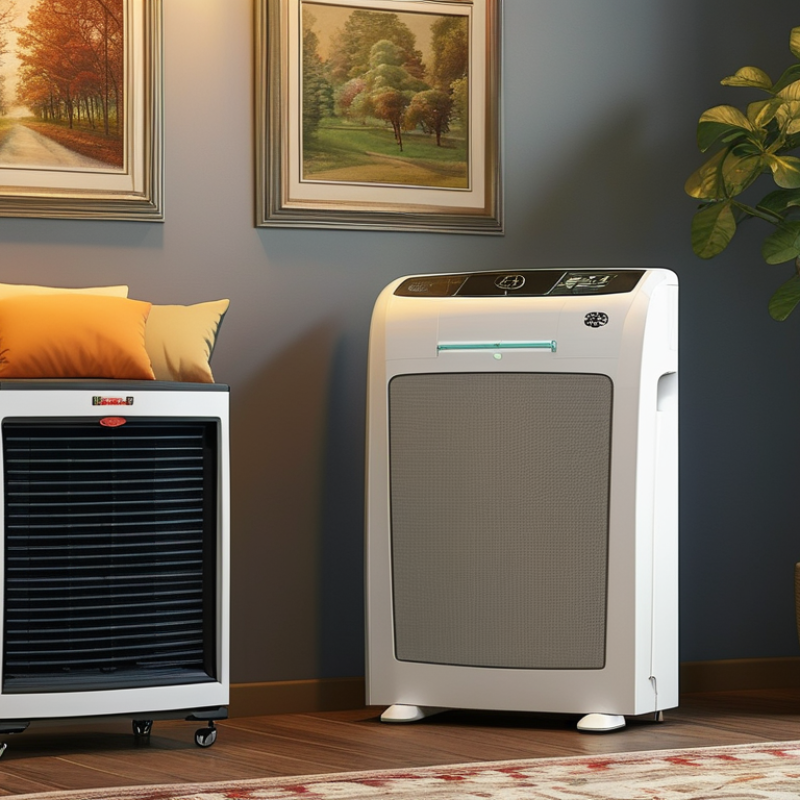
Top 5 Air Return Filter Options for Your HVAC Needs?

Understanding Air Return Filters: Importance and Functionality

Air return filters play a crucial role in the functionality of your HVAC system. They collect dust, allergens, and particles, ensuring the air quality in your home remains clean. A well-maintained air return filter can significantly enhance your heating and cooling efficiency. This reduces energy consumption and extends the life of your HVAC equipment.

When choosing air return filters, consider factors like material, size, and MERV rating. A higher MERV rating captures smaller particles but may restrict airflow, which can create strain on your system. Regular inspection is key. Filters should be changed or cleaned every few months, depending on usage and air quality.

Tip: Always examine your filters visually. If they're heavily soiled or damaged, it's time for a replacement.

Another tip is to ensure you have the correct size. Filters that are too small compromise efficiency and safety. It’s also worth noting that environmental conditions can require more frequent filter changes.

Keep in mind that while some DIY cleaning methods exist, they may not always be effective. Investing in quality filters and regular maintenance pays off in the long run.

Types of Air Return Filters: A Comprehensive Overview

When it comes to air return filters, understanding the different types is essential for optimizing your HVAC system. The most common types include fiberglass filters, pleated filters, electrostatic filters, and HEPA filters. Each type has its unique features and effectiveness levels. Fiberglass filters are the most basic option, capturing large particles while allowing air to flow freely. Pleated filters offer better efficiency and can trap smaller particles due to their greater surface area.

Electrostatic filters use static electricity to attract particles, providing strong filtration without sacrificing airflow. HEPA filters are the gold standard and can trap 99.97% of particles down to 0.3 microns. However, they can create more resistance, impacting your HVAC’s efficiency.

Tips: Regularly check and replace your filters based on usage. If your home has pets or allergies, consider more efficient options. Remember that while HEPA filters are effective, they may require additional maintenance due to their design.

Choosing the right filter impacts not just air quality but also energy costs. Some filters are designed for specific conditions, such as high dust levels or allergens. It’s important to align your choice with your home environment. Reflecting on your filter choice can lead to better performance and health benefits.

Key Features to Consider for Selecting Air Return Filters

When selecting air return filters for your HVAC system, several key features should be prioritized. Filter efficiency is crucial. Look for filters that can capture a significant percentage of airborne particles. MERV ratings indicate how well a filter performs. Higher ratings mean better filtration. Aim for filters with MERV ratings between 8 and 13 for most residential needs.


Another important factor is the size of the filter. Filters need to fit your system correctly. A poorly sized filter can lead to leaks and reduced efficiency. Always measure your existing filter dimensions before making a purchase. Additionally, consider the filter's lifespan. Some filters need replacement every month, while others can last up to six months or even a year. Longer-lasting filters may be more cost-effective in the long run.


Lastly, assess the material of the filter. Options include fiberglass, pleated, and electrostatic filters. Each material presents its pros and cons. For instance, fiberglass filters are inexpensive but have limited filtering capabilities. Pleated filters trap more dust but can restrict airflow if not maintained. Weigh these aspects carefully. Choosing the right filter can significantly impact your HVAC performance and air quality.

Top 5 Recommended Air Return Filters for HVAC Systems

When selecting air return filters for HVAC systems, several factors come into play. Efficiency is paramount. According to the U.S. Department of Energy, effective filtration systems can enhance indoor air quality by as much as 95%. This statistic highlights the importance of choosing the right air return filter. Maintaining clean air is not just a comfort issue; it impacts health, particularly for those with allergies or respiratory conditions.

HEPA filters stand out as one of the best options. Their ability to capture particles as small as 0.3 microns makes them invaluable. They are particularly effective in reducing allergens from the air. However, they're not perfect. HEPA filters can restrict airflow if not maintained properly. This might strain your HVAC system, leading to increased energy consumption. Therefore, regular maintenance and timely replacements are essential for optimal performance.

MERV ratings help in distinguishing filter efficiency. A filter with a MERV rating of 8 to 13 strikes a balance between airflow and particle capture. While these filters are efficient, they often require periodic changes. Neglecting this can lead to dust and debris accumulation. This can also reduce system efficiency. The need for an efficient air return filter is clear, yet it's crucial to reflect on the maintenance requirements to avoid performance pitfalls.

Top 5 Air Return Filter Options for Your HVAC Needs

Filter Type MERV Rating Lifespan (Months) Efficiency (%) Cost (USD)
Pleated Filter 11 3-6 85 15
HEPA Filter 17 6-12 99.97 50
Electrostatic Filter 10 2-5 90 20
Carbon Filter 9 3-4 80 25
Washable Filter 6 12-24 75 40

Maintenance Tips for Prolonging the Life of Air Return Filters

Maintaining your air return filters is crucial for optimal HVAC performance. Regular upkeep not only improves air quality but also extends the lifespan of your system. Here are some essential tips.

Regularly inspect filters. Dust and debris build-up can obstruct airflow and strain the HVAC system. A clean filter allows for efficient operation and reduces energy consumption. Change or clean reusable filters at least once a month. This simple action can make a significant difference in performance.

Consider the environment. Homes with pets or high dust levels may require more frequent changes. Users might overlook these details, impacting air quality. Keep an eye on filter indicators and remember, a neglected filter can lead to costly repairs.

Lastly, document your maintenance routine. Keeping track helps identify patterns over time. Small changes can produce big results. Paying attention to these details enhances reliability and keeps your HVAC system running smoothly.

FAQS

: What are the common types of air return filters?

: The common types include fiberglass, pleated, electrostatic, and HEPA filters. Each has unique effectiveness.

How do fiberglass filters perform?

Fiberglass filters capture large particles and allow good airflow. They're basic but not very efficient.

What is the advantage of pleated filters?

Pleated filters have a larger surface area, trapping smaller particles better than fiberglass filters.

Why are HEPA filters highly regarded?

HEPA filters can trap 99.97% of particles down to 0.3 microns. However, they may restrict airflow if not maintained.

How important is filter efficiency?

Filter efficiency impacts both air quality and energy costs. Higher MERV ratings mean better filtration.

What should I consider regarding filter size?

Filters must fit your HVAC system properly. Poorly sized filters can cause leaks and lower efficiency.

How often should filters be replaced?

Replacement frequency varies. Some filters last a month, while others can last six months or a year.

What materials are used in air return filters?

Common materials include fiberglass, pleated, and electrostatic filters. Each option has its pros and cons.

What happens if I neglect filter maintenance?

Neglecting maintenance can lead to dust accumulation and reduced system efficiency. Perform regular checks to avoid issues.

How can filter choice affect my home?

The right filter choice improves air quality and efficiency. Reflect on your specific home needs when selecting a filter.

Conclusion

In the article "Top 5 Air Return Filter Options for Your HVAC Needs," the significance and functionality of Air Return Filters are thoroughly examined. These filters play a crucial role in maintaining indoor air quality and ensuring the efficiency of HVAC systems by trapping dust, allergens, and other pollutants before they circulate through the home. A comprehensive overview of the types of Air Return Filters available helps readers understand which options best fit their specific needs.

Additionally, the article highlights key features to consider when selecting an Air Return Filter, such as filter size, material, and MERV rating, which can significantly impact performance and air quality. The top five recommended Air Return Filters for HVAC systems are discussed, providing insights into their benefits and suitability for various environments. Finally, the article offers maintenance tips aimed at prolonging the life of Air Return Filters, ensuring optimal operation and cost-effectiveness.


Sophia

Sophia

Sophia is a dedicated marketing professional with an exceptional depth of knowledge about her company's products and services. With a keen understanding of market trends and customer needs, she crafts insightful blog posts that not only inform but also engage readers, enriching the company’s online......