A technical assessment of airflow kinetics, media optimization, and structural framing inside high-demand filtration setups.
In B2B industrial air filtration sourcing, the 18x20 air filter is standard for cleanroom configurations, HVAC systems, commercial facilities, and specialized manufacturing environments. Because of its unique aspect ratio, maintaining high structural stability under heavy airflow loads is critical. If the frame flexes or the pleat configuration collapses, bypass leaks occur, lowering cleanroom efficiency and letting particulates bypass the primary filtration barrier.
The performance of an 18x20 air filter is determined by three variables: media composition, mechanical pleat design, and frame integrity. Standard fiberglass filters offer low flow resistance but do not capture sub-micron particles effectively. Modern HVAC standards require synthetic composite materials or nanofiber-laminated media. These materials use electrostatic forces to attract and retain fine particulates (such as PM2.5, pollen, and microscopic mold spores) while maintaining low initial resistance to airflow.
When selecting filters, engineers focus on the relation between face velocity and pressure drop. Measured in pascals (Pa) or inches of water column (in. w.g.), initial resistance directly affects the energy consumption of supply fans. High-quality 18x20 air filters optimize pleat density—often targeting between 10 to 18 pleats per linear foot. This increases the active media area, lowering local face velocity across the filter fabric and reducing overall pressure drop. As a result, systems require less energy to move air, lowering operating costs.
| Performance Indicator | MERV 8 (Standard duty) | MERV 11 (High Performance) | MERV 13 (LEED & Green Building) | HEPA H13 (Critical Filtration) |
|---|---|---|---|---|
| Target Particulate Range | Pollen, Dust Mites, Lint (>10.0 μm) | Pet Dander, Auto Emissions (1.0 - 3.0 μm) | Bacteria, Carrier Droplets (0.3 - 1.0 μm) | Viruses, Combustion Smoke (<0.3 μm) |
| Initial Resistance (at 500 FPM) | 0.20" w.g. (50 Pa) | 0.28" w.g. (70 Pa) | 0.35" w.g. (87 Pa) | 1.0" w.g. (249 Pa) |
| Dust Holding Capacity (DHC) | 120g / sq.m | 180g / sq.m | 240g / sq.m | Over 450g / sq.m |
| Primary Application | Residential / Light Commercial | Commercial Offices, Retail Areas | Hospitals, High-End HVAC Systems | Microelectronics, Cleanroom Operations |
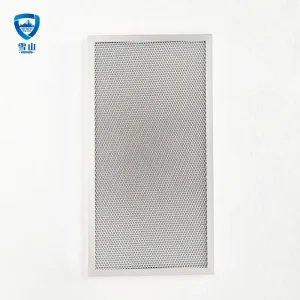
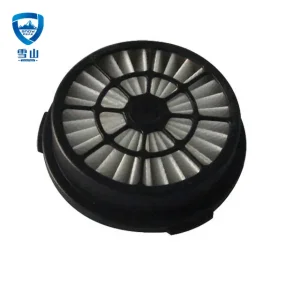
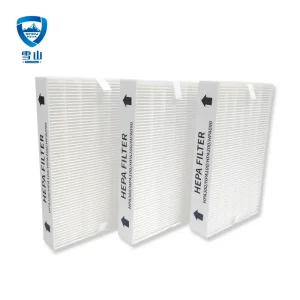
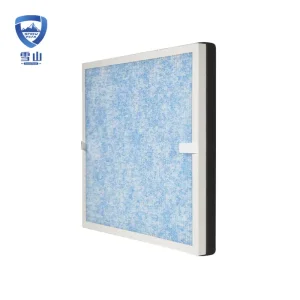
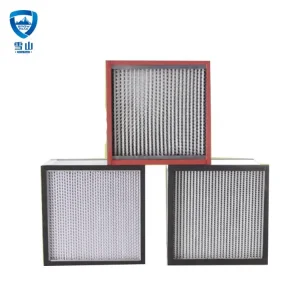
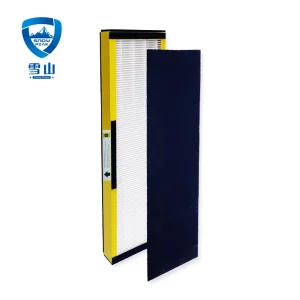
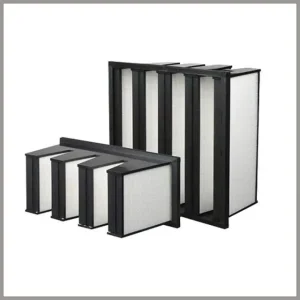
Explore our engineering line of air purification filters, built for home comfort systems, commercial buildings, and industrial cleanrooms.
For international buyers procuring 18x20 filters, manufacturing logistics and quality control are essential factors. Standard supply chains often face challenges: dimensional variations in actual versus nominal size, degradation of synthetic charges during marine transit, and package compression that damages pleat configurations.
By sourcing from specialized Chinese manufacturers like Shenzhen Snow Peak Clean Technology Co., Ltd., buyers can mitigate these risks. High-capacity operations use precise automated tooling to keep size tolerances within +/- 0.5mm, ensuring a tight fit in HVAC housings. Electrostatic media are formulated to resist heat and humidity, preserving dust retention properties during long container shipments.
Our transport strategy uses double-wall corrugated shipping boxes and moisture-resistant barrier liners. This keeps the filtration media dry and maintains its static charge from factory production to site installation.
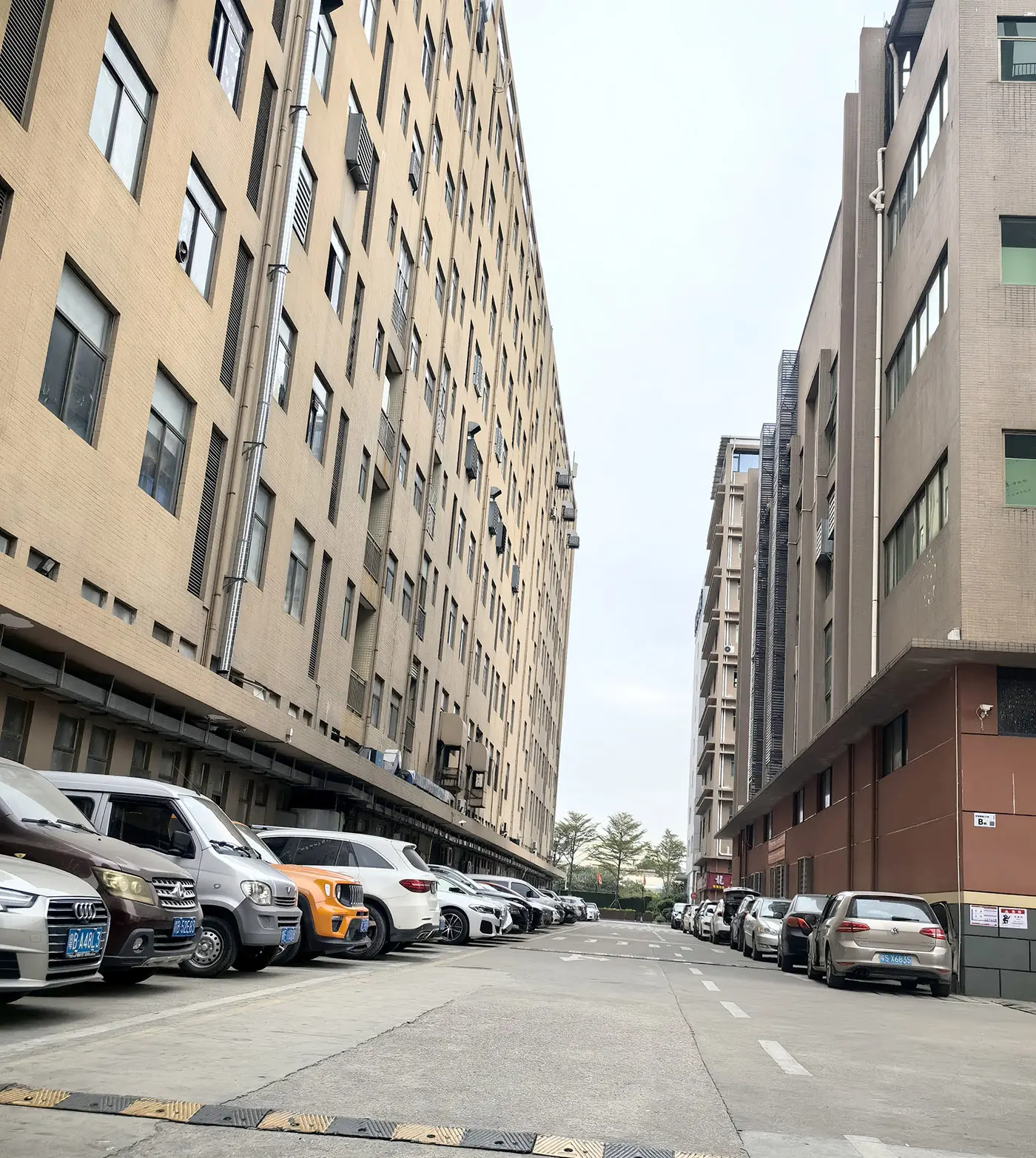
Authorized capacities and manufacturing technologies of Shenzhen Snow Peak Clean Technology Co., Ltd.
Shenzhen Snow Peak Clean Technology Co., Ltd. is an integrated high-tech enterprise, specialized in air filtration products research and development, production, sales, import and export trade. We produce and supply: Pre-filter, pocket filter, HEPA filter, chemical filter; replacement HEPA filter, car cabin air filter, humidifier filter; pocket filter media, melt-blown composite filter media, and other high-performance filter materials; provide high quality air purification solutions and products for indoor air pollution control and air conditioning systems of civil and industrial buildings, microelectronics, pharmaceutical, laboratory, school, hospital clean room etc.
Combined with self-developed patented technology, our sterilizing antiviral HEPA filter can effectively filtrate fine particles, so that PM2.5 concentration down to 10 micrograms/m3, 5 times better than national standard; effectively inhibit the breeding of microorganisms, sterilization rate up to 99.9%, and no secondary pollution, removal of H1N1 virus efficiency as high as 99.99%.
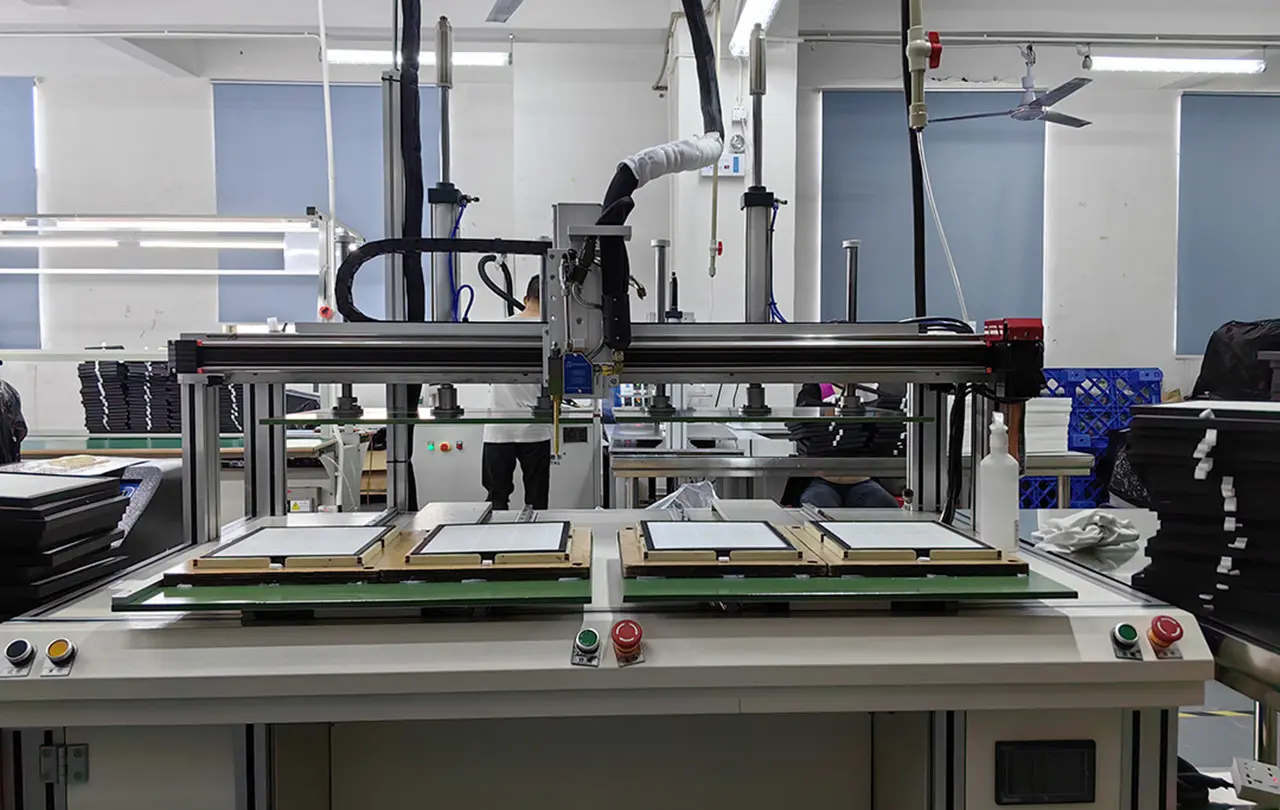
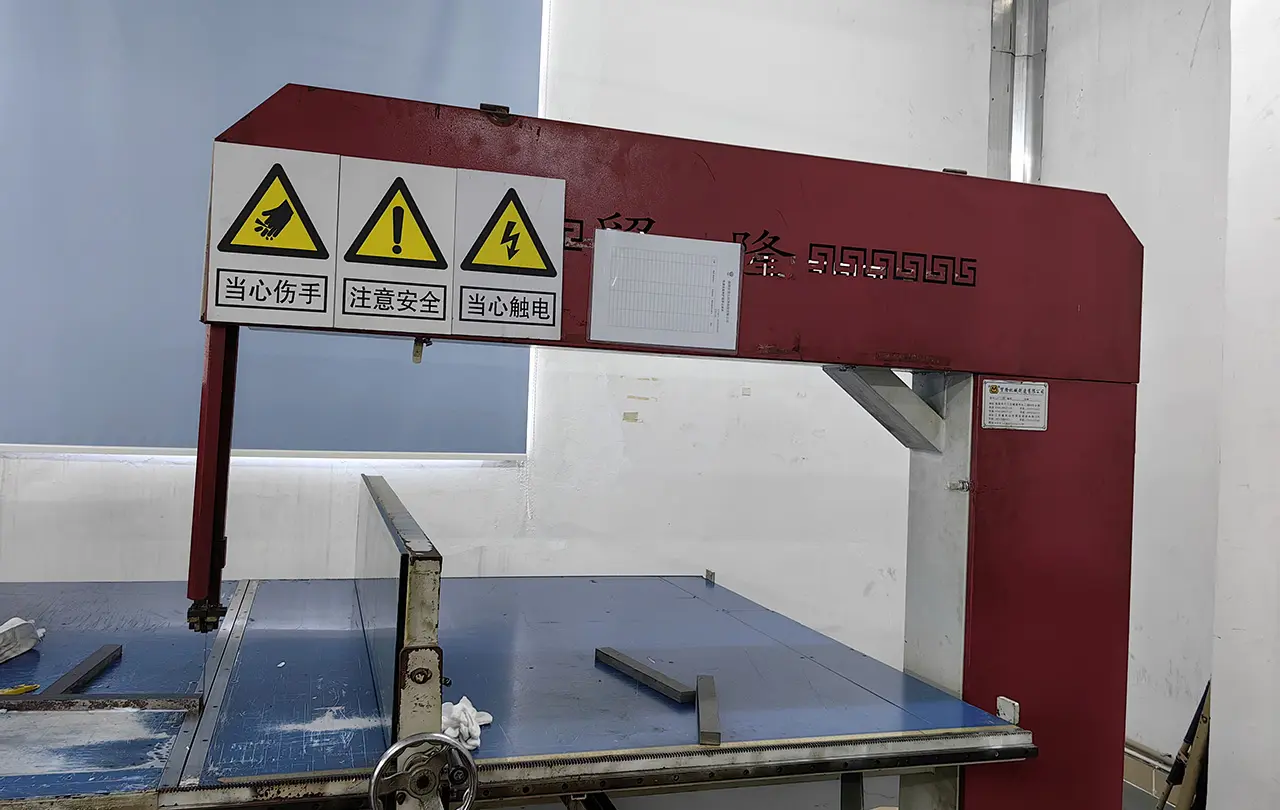
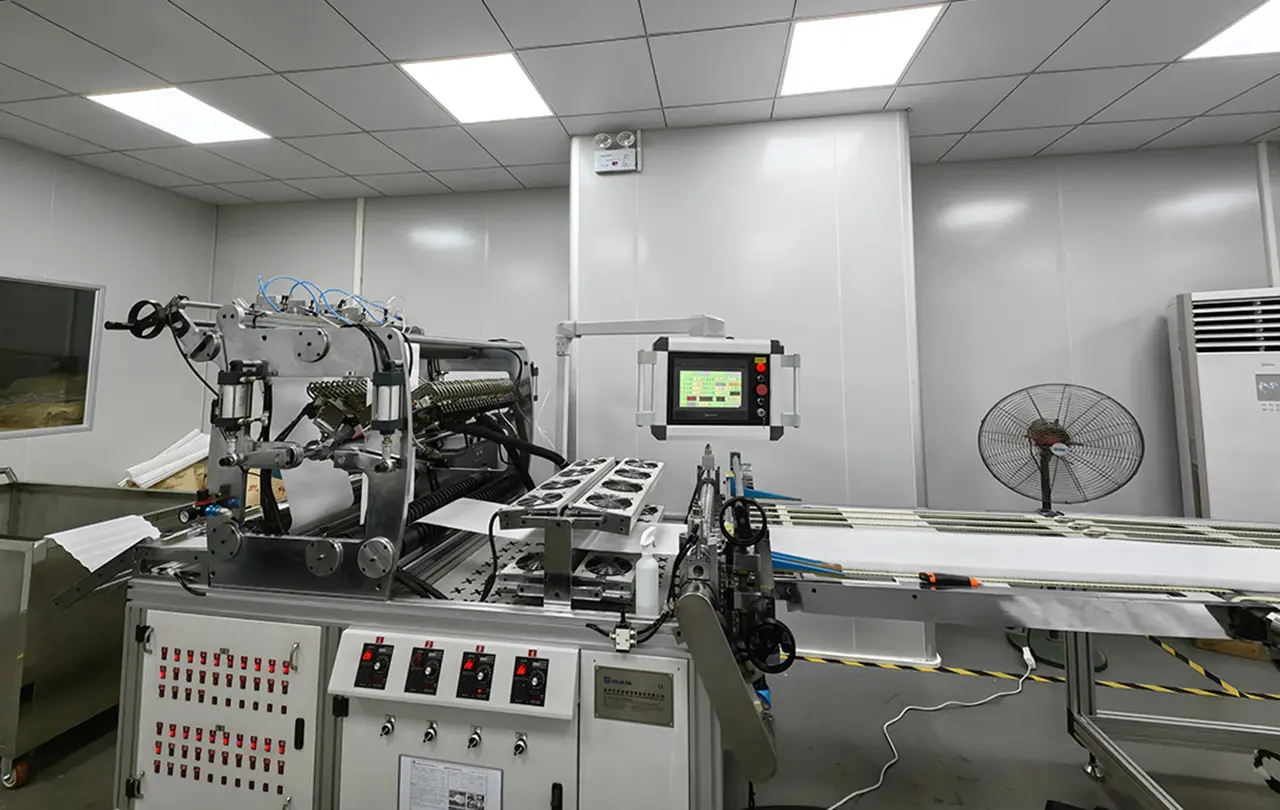
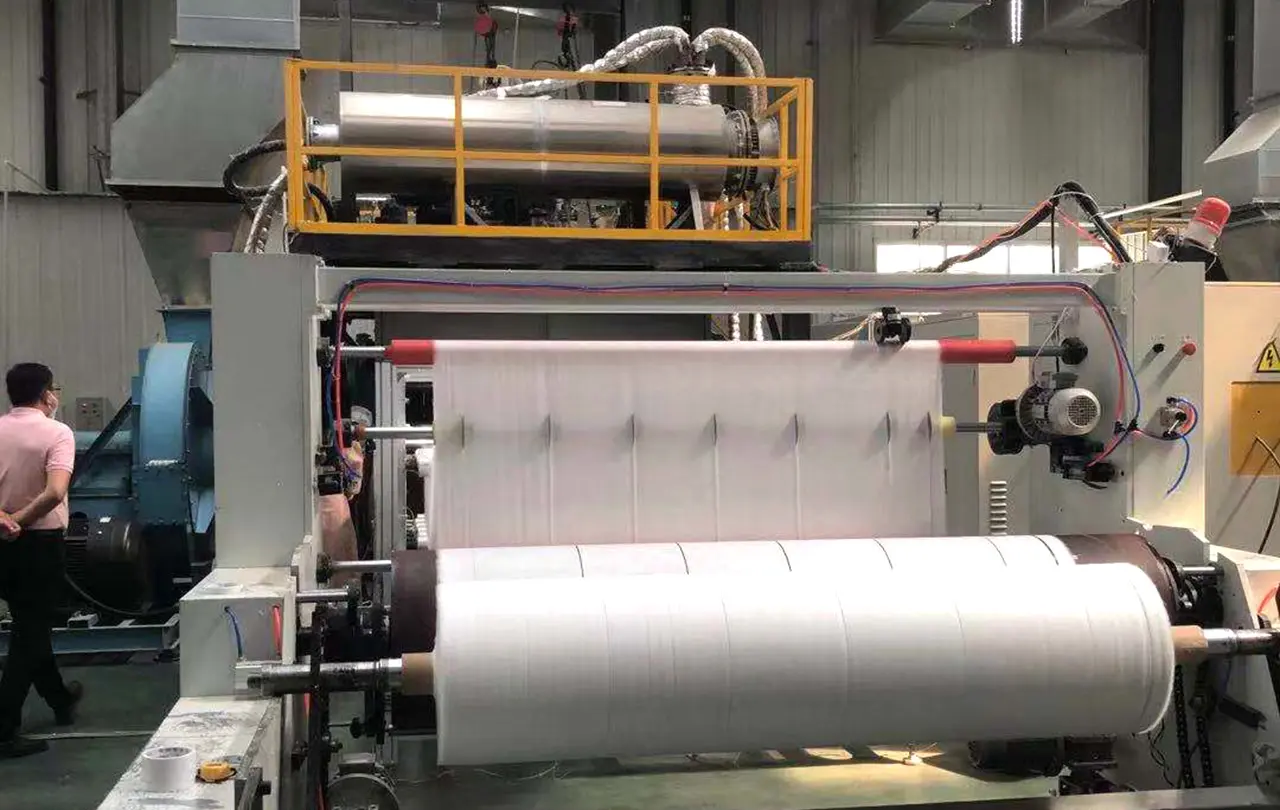
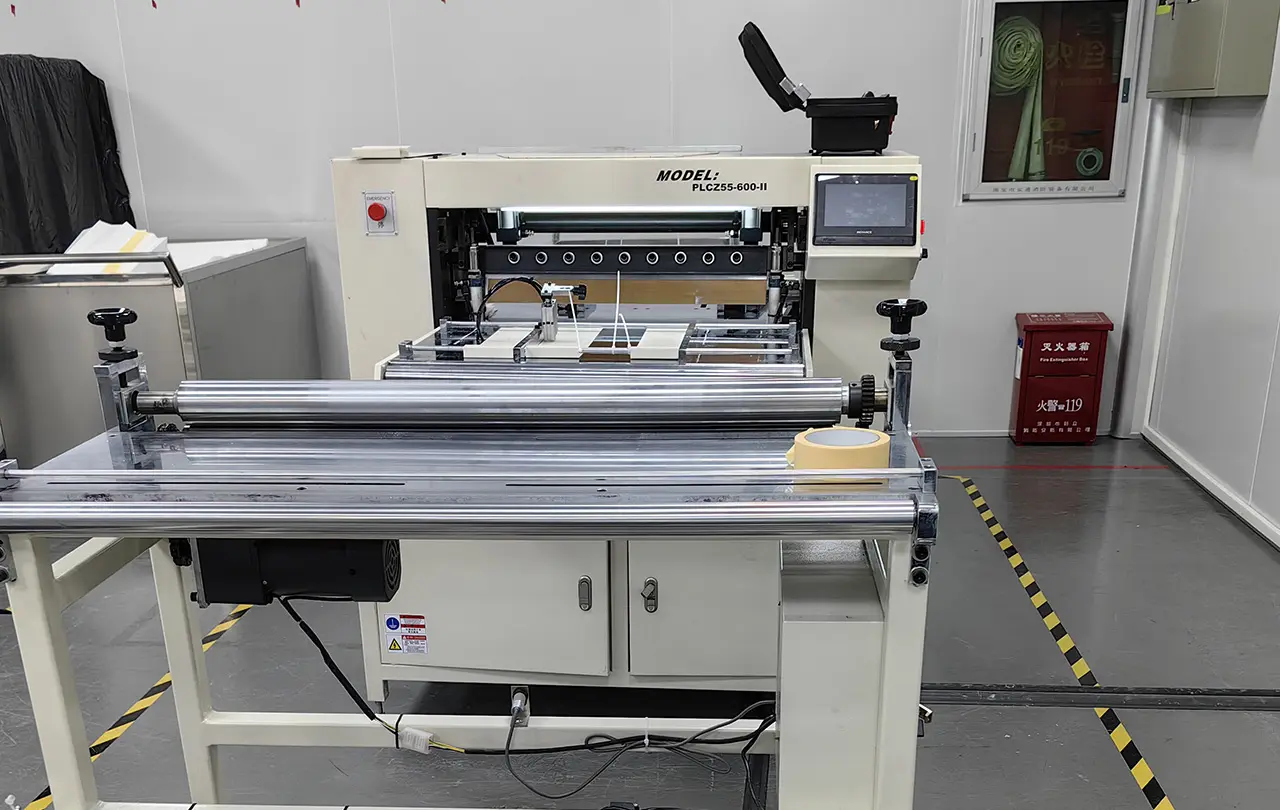
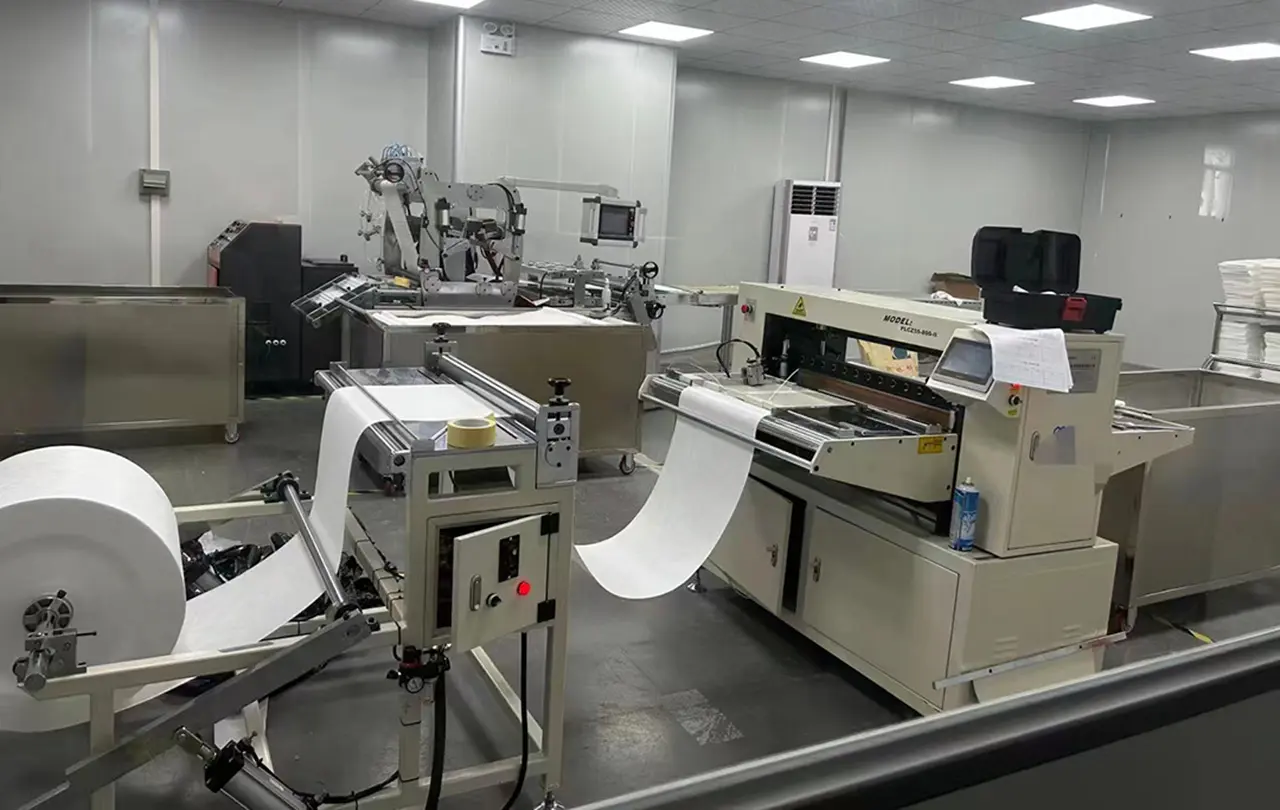
Having 15 years of international air purification technology experience as the background, our company has standardized production workshop, dust-free filter workshop and first-class technology of HEPA filters production line and inspection line, independent research and development of fully automatic air filter production line, equipped with AMADA CNC punch and CNC bending machine as well as many other advanced high-end equipment, provide a strong guarantee for production and quality of air filtration and purification products.
Step-by-step visualization of our production line, showcasing automated assembly, precision pleating, and high-efficiency material fabrication.
How next-generation filter designs, environmental regulations, and material sciences are changing B2B air filtration.
The industrial filtration market is moving toward lower carbon footprints and higher energy efficiency. Traditional HVAC filters contribute significantly to a building's overall energy consumption due to air resistance. Next-generation 18x20 filters address this issue by using advanced nanofiber structures and low-drag composite media. These innovations allow the filters to maintain high particle capture efficiency with lower air resistance, helping reduce commercial energy costs.
At the same time, safety standards are shifting from simple dust capturing to active biological sanitization. Our R&D team works on embedding safe antimicrobial agents directly into the synthetic matrix of the fibers. This process neutralizes captured bacteria and viral particles without releasing harmful ozone or chemical pollutants into the airstream. Our specialized antiviral HEPA filters achieve a 99.99% elimination rate for common airborne pathogens, making them suitable for hospital and cleanroom applications.
Additionally, the industry is transitioning toward fully recyclable materials. Historically, air filters with cardboard frames or mixed-metal reinforcement grids were difficult to recycle and ended up in landfills. Our engineering team is developing fully incinerable or biodegradable frames and synthetic media options. These developments help global clients meet strict environmental regulations and support zero-waste corporate initiatives.
Expert answers addressing the technical, operational, and financial questions of international buyers.
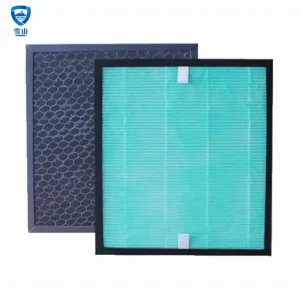
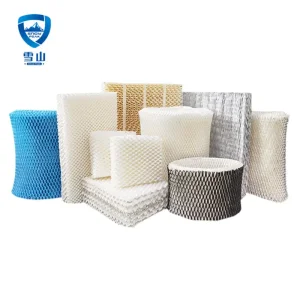
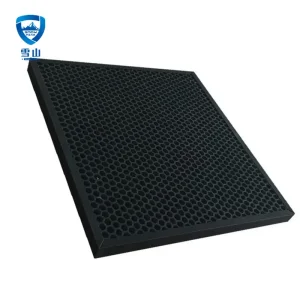
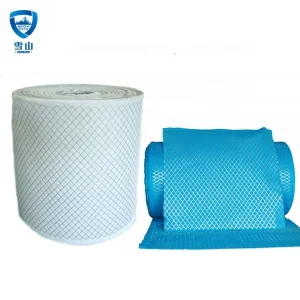
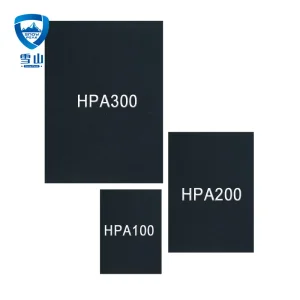
Explore our second selection of technical filtration components, featuring high-efficiency composite media, specialty cabin designs, and custom HEPA products.
 Snow Peak