Shenzhen Snow Peak Clean Technology Co., Ltd. stands as a vanguard, integrated high-tech enterprise, specialized in air filtration products research and development, production, sales, import and export trade. Over our developmental history, we have established ourselves as a benchmark manufacturer, delivering high-performance molecular filtration systems and comprehensive particulate capture media.
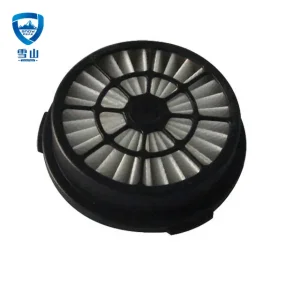
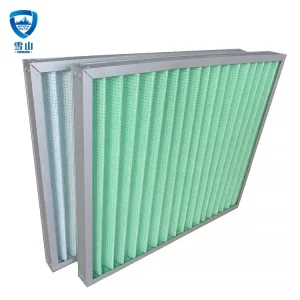
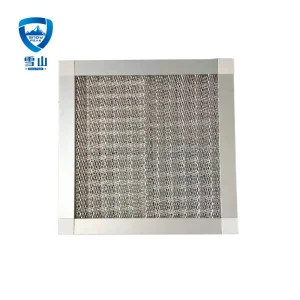
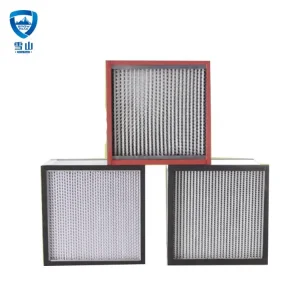
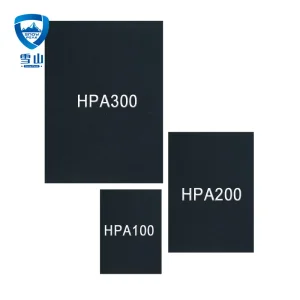
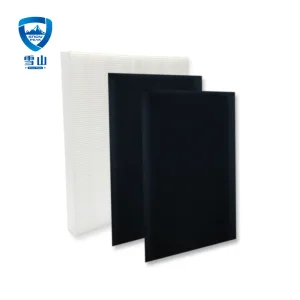
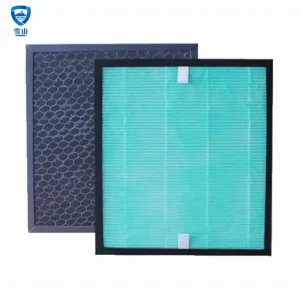
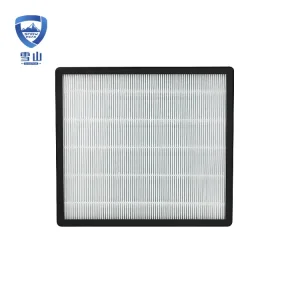
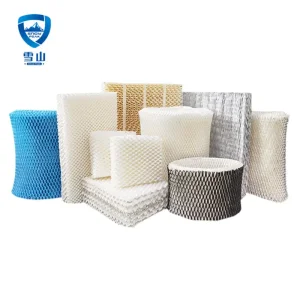
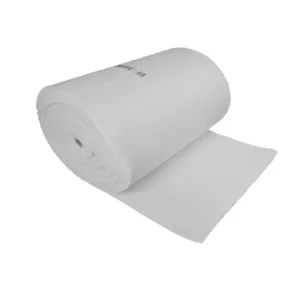
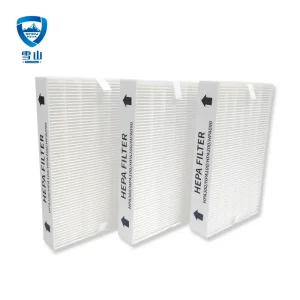
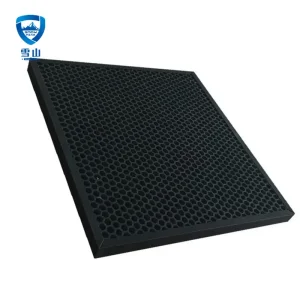
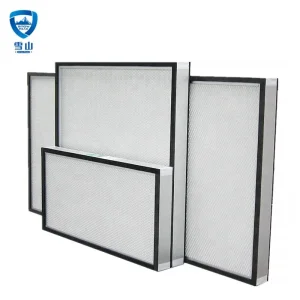
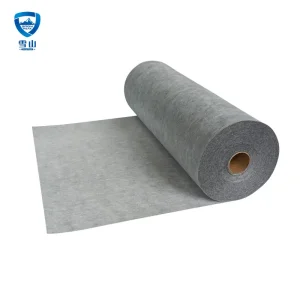
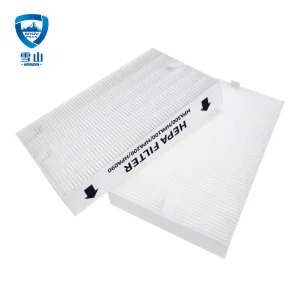
Our comprehensive production matrix encompasses: Pre-filters, pocket filters, high-efficiency HEPA filters, chemical gas filters, replacement HEPA assemblies, cabin filters, humidifier pads, pocket filter media, and melt-blown composite filter substrates. By bridging advanced polymer physics with chemical adsorption, we supply customized air purification solutions tailored for civil commercial HVAC systems, high-specification microelectronics fabs, pharmaceutical cleanrooms, medical facilities, biological containment structures, and academic labs.
Leveraging our proprietary intellectual property, our state-of-the-art sterilizing antiviral HEPA filter delivers dramatic performance upgrades over legacy media. The system suppresses micro-particulates, maintaining ambient PM2.5 concentrations below 10 micrograms per cubic meter (surpassing national air quality benchmarks by a factor of five). Simultaneously, the bio-active matrix eliminates microbial cultivation pathways, yielding a 99.9% bacterial sterilization rate and a 99.99% neutralization efficiency against H1N1 viruses—completely eliminating secondary toxic release or downstream bypass contamination.
Industrial gas-phase air filtration relies on the physical and chemical properties of activated carbon. Understanding the parameters of molecular adsorption is critical for process engineers designing ventilation systems for volatile organic compounds (VOCs), acidic gases, alkaline vapor leaks, or airborne molecular contamination (AMC).
Selecting raw material bases (virgin coconut shell, anthracite coal, or wood) determines the micro-, meso-, and macropore ratio. Virgin coconut shell carbon features micropores (< 2nm) optimized for small molecule VOCs and light gaseous compounds.
To target low boiling-point inorganic gases, carbon matrices are chemically modified. Impregnation with potassium hydroxide (KOH) targets hydrogen sulfide (H2S) and sulfur oxides (SOx). Phosphoric acid (H3PO4) modifications target basic contaminants like ammonia (NH3).
We evaluate quality using the Iodine Number (mg/g) and Carbon Tetrachloride (CTC) rating. Our carbon medias achieve an Iodine Number > 1050 mg/g and CTC > 60%, ensuring high adsorption capacities and extended operational lifetimes.
In combined particulate and gas filtration systems, pressure drop, velocity, and residence time are critically balanced. The breakthrough curve determines when the active sites of a carbon bed are saturated, requiring replacement. Our design teams compute target volumetric flow rates to ensure sufficient contact times, optimizing structural geometries for maximum VOC capture.
Sourcing industrial-grade air filters requires alignment on international testing certifications, fabrication tolerances, and mechanical standards. Shenzhen Snow Peak supports procurement managers globally by providing transparent technical data and end-to-end quality validation.
Our products undergo testing to conform to EN 1822 (classification from H13 to U17 ultra-low penetration air levels) and ISO 16890 (evaluating ePM1, ePM2.5, and ePM10 ratings). Our chemical filters are tested under ISO 10121, providing verified performance data for gas-phase filtration media.
We adapt designs for custom structural frameworks and mechanical housings:
Different manufacturing settings require specific filtration strategies. Our engineering catalog meets these requirements through tailored application systems:
Modern chip manufacturing requires cleanrooms free of airborne molecular contamination (AMC) that can deposit onto wafers, causing sub-micron defects. Our chemical carbon filters scrub amines, organophosphates, siloxanes, and acid vapors down to parts-per-trillion (ppt) levels, protecting lithography systems and cleanroom supply fans.
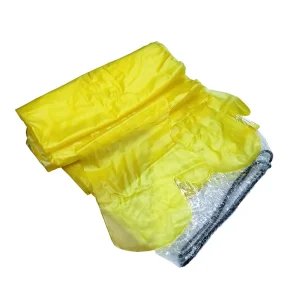
Biosafety containment relies on bag-in-bag-out (BIBO) housings for high-efficiency filtration of hazardous materials. We supply heavy-duty PVC BIBO replacement bags alongside chemical filters designed for continuous exposure to vaporized hydrogen peroxide (VHP) sterilization cycles.
Preventing paint defects requires clean intake air and VOC capture. Combining our G4 and M5 primary filter materials with 600G ceiling filter cotton prevents paint craters. The exhaust air is routed through high-efficiency carbon beds to capture solvent odors and aromatic hydrocarbons.
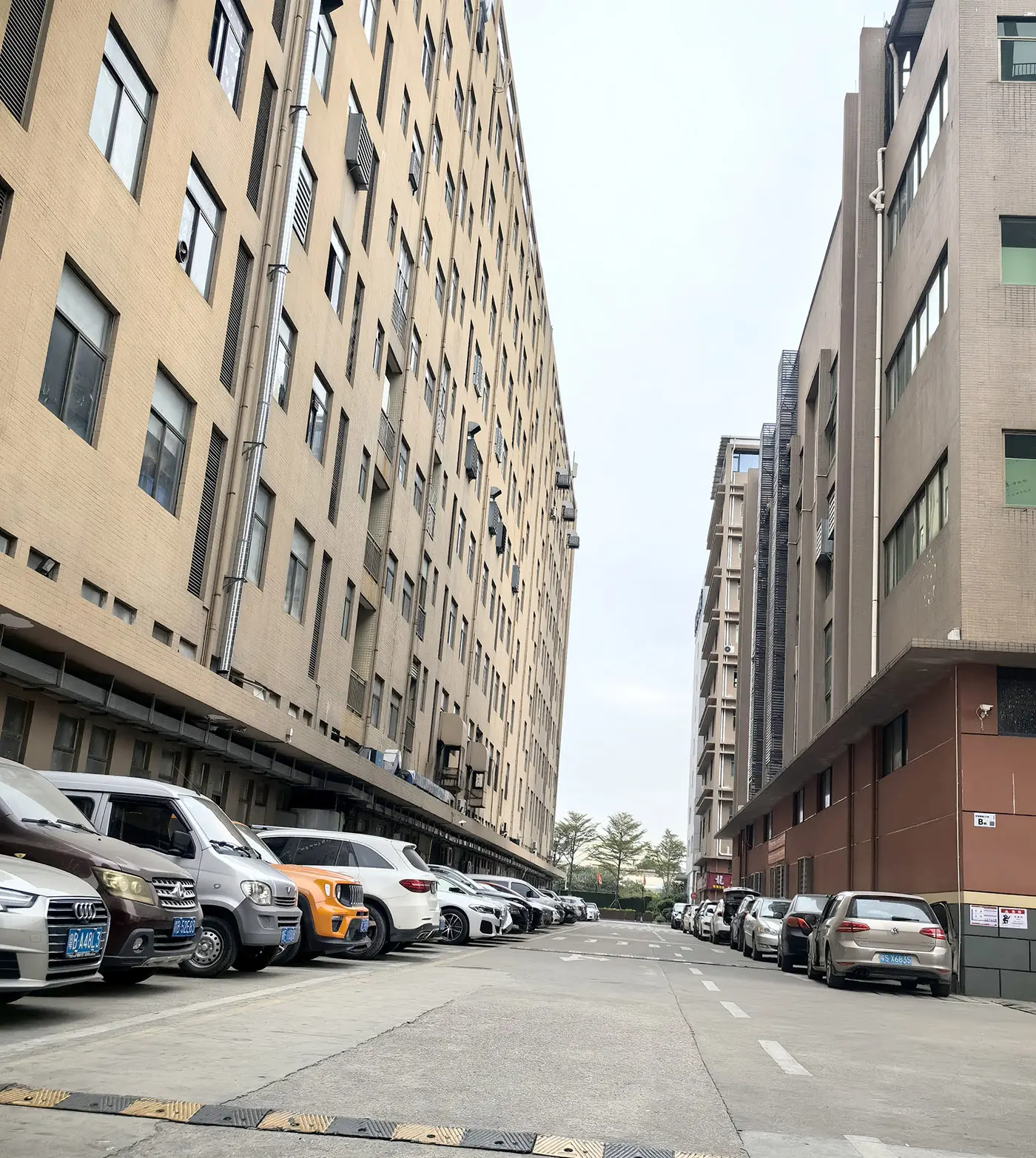
Our facility features automated assembly lines, high-precision metalworking machinery, and dedicated testing equipment, ensuring high quality control from raw materials to final packaging.
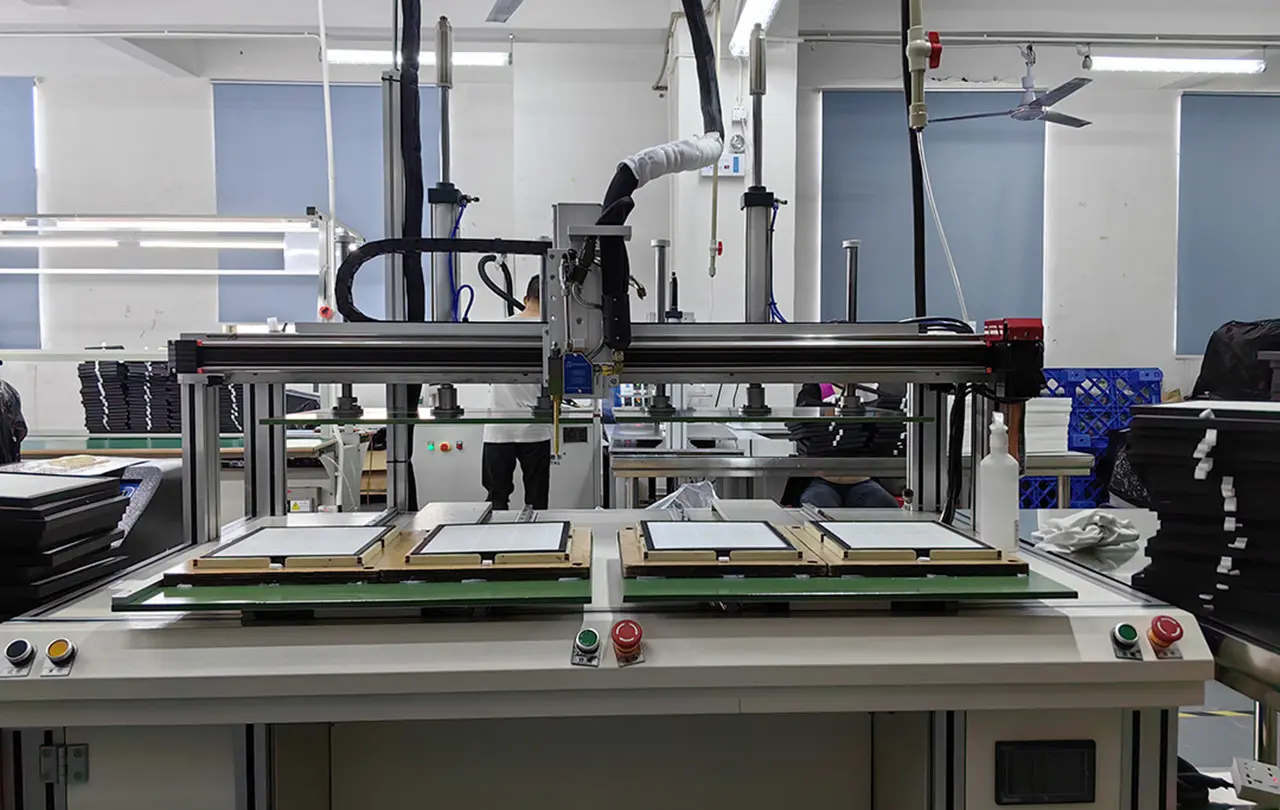
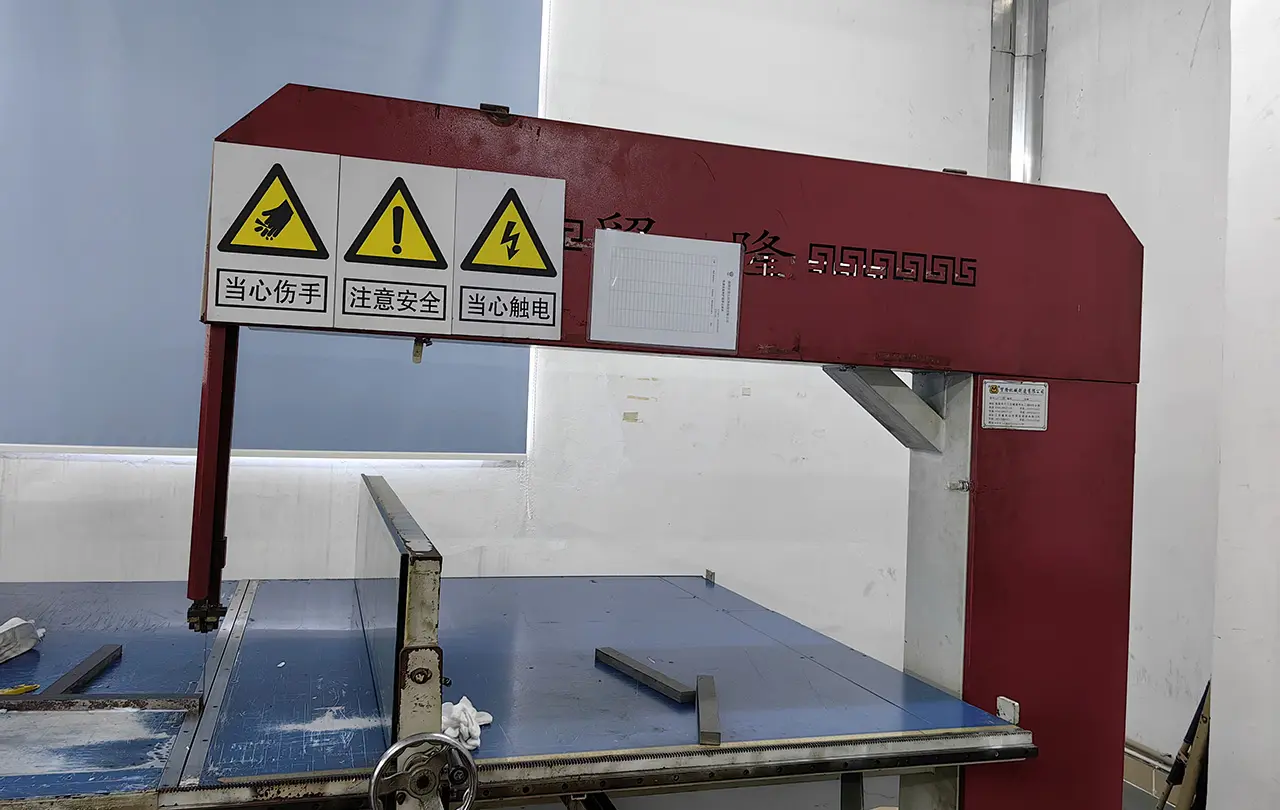
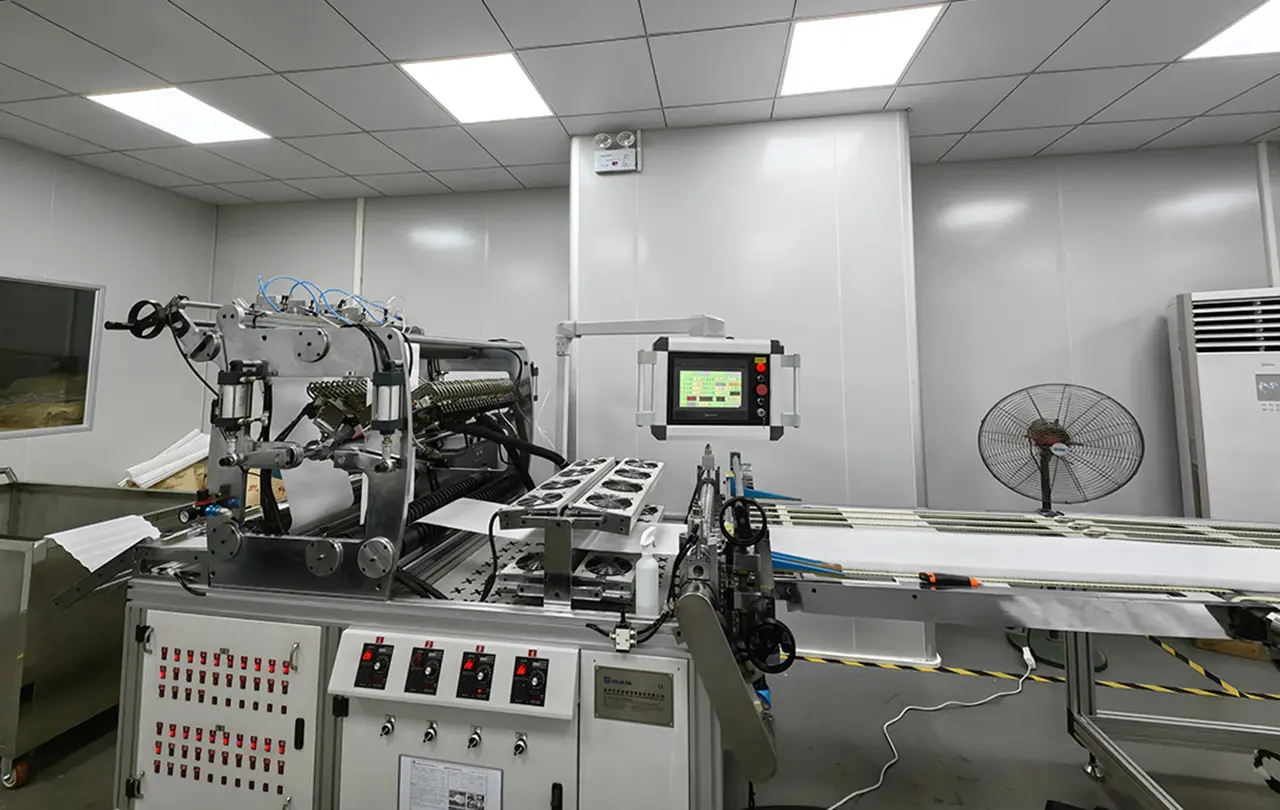
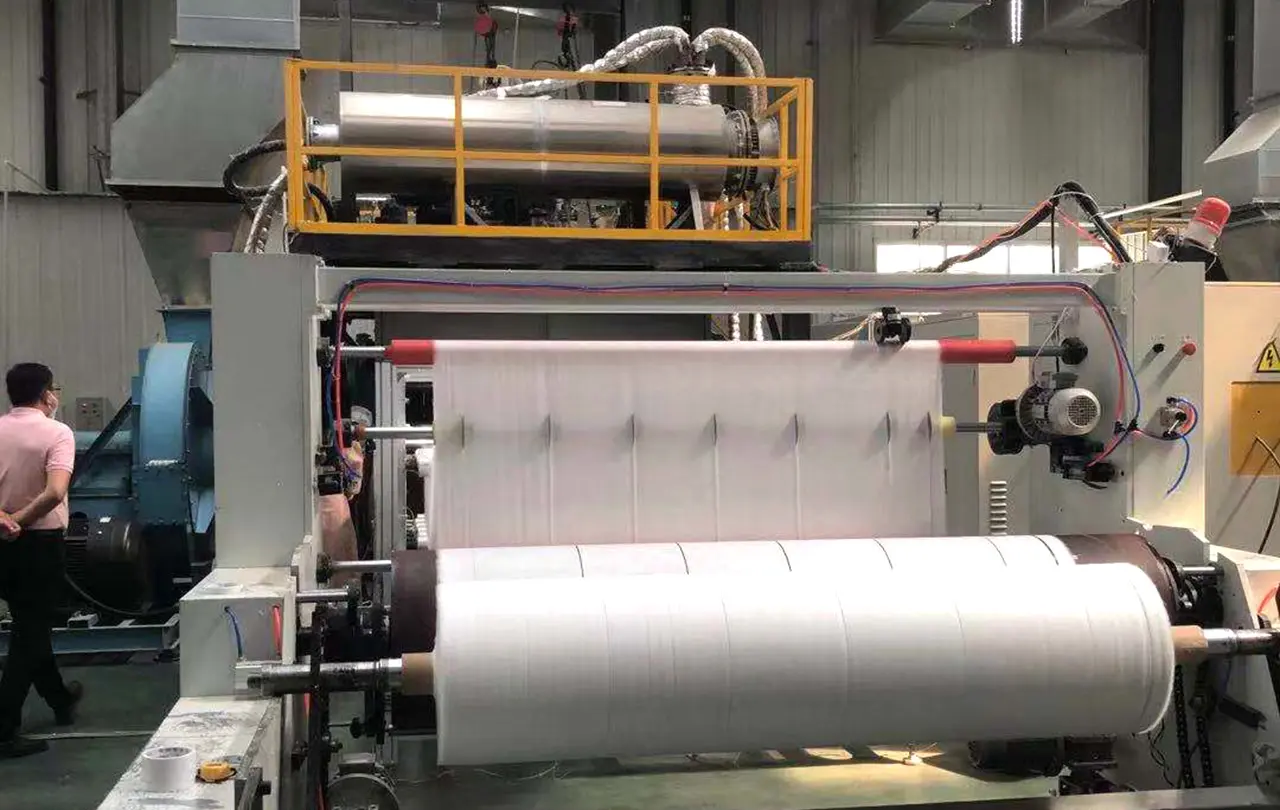
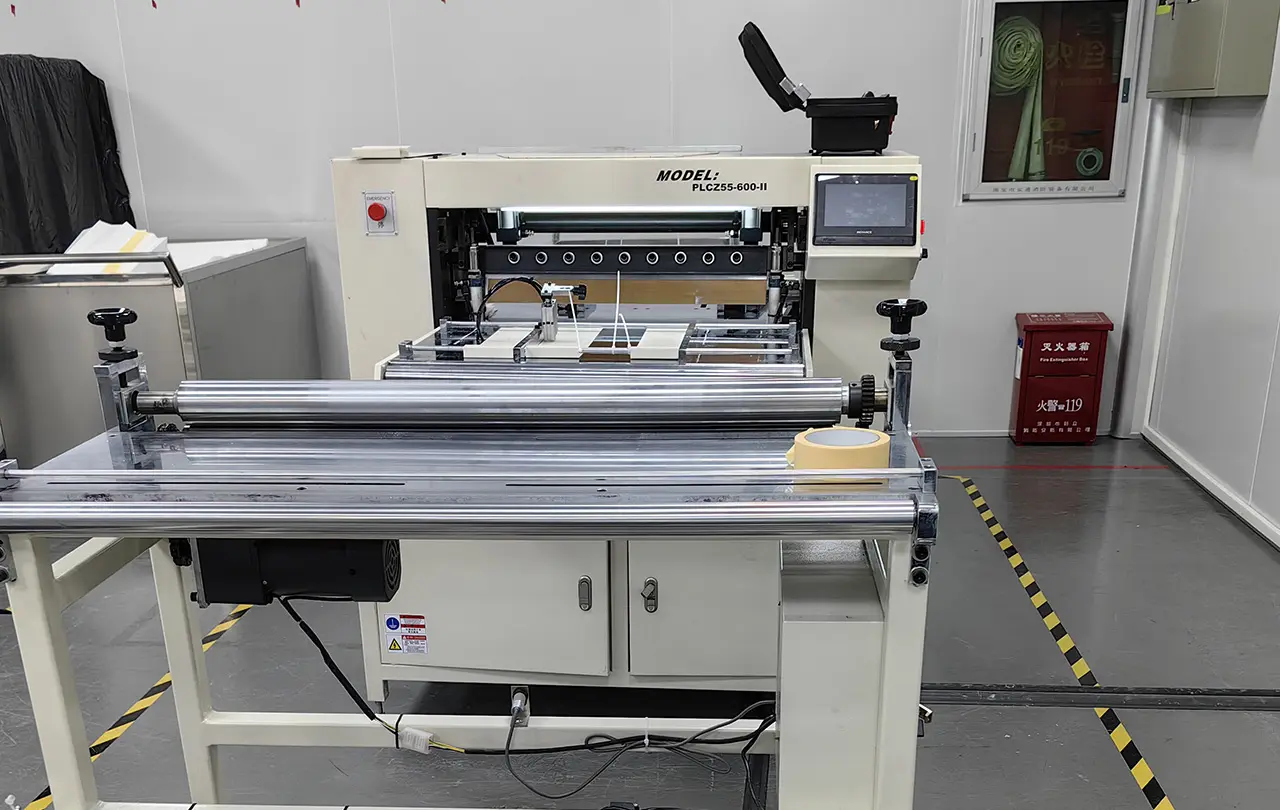
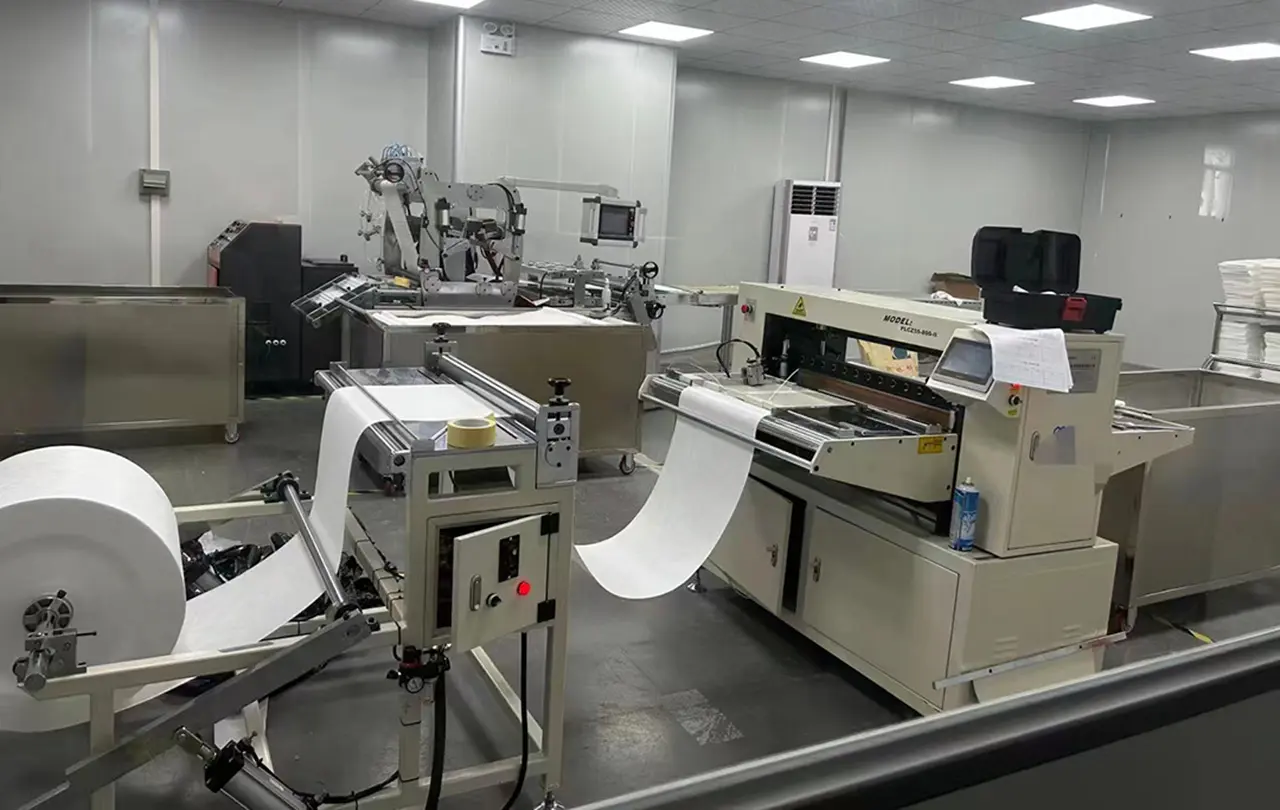
Operating with 15 years of international air purification technology experience, our facility features standardized clean manufacturing areas, specialized dust-free filter assembly lines, and high-performance testing setups. Our CNC fabrication division employs AMADA CNC punches and CNC bending machines to manufacture durable filter housings and frames.
Conventional activated carbon systems are passive, storing VOCs until saturation. Our R&D division is developing hybrid catalytic media that chemically convert captured VOCs like formaldehyde into water and carbon dioxide at room temperature. This technology helps extend the service life of the filter and prevents desorption risks.
We are working to reduce the carbon footprint of our products by researching bio-based frames (such as compostable polymers and recycled wood fibers) alongside sustainably sourced coconut shell carbon matrices. These designs aim to match the structural strength of traditional designs while simplifying waste management.
Relative humidity (RH) above 60% can reduce physical adsorption efficiency. Water vapor competes for the same micropore adsorption sites as target VOCs. In areas with high humidity, we recommend installing dehumidifiers or using chemically impregnated carbon designed for wet environments.
Physical adsorption (physisorption) is a reversible process driven by weak van der Waals forces, ideal for capturing large VOC molecules. Chemisorption involves a chemical reaction between the gas contaminant and an impregnating agent bonded to the carbon surface, which is ideal for neutralising hazardous gases like ammonia or formaldehyde.
The breakthrough point is calculated based on system air volume, pollutant concentrations, gas contact time, and the carbon mass inside the filter. Real-time differential pressure gauges and periodic chemical testing help engineers monitor saturation levels.
For temperatures exceeding 100°C, we supply frames made from 304 or 316 stainless steel combined with high-temperature glass fiber media, cleanroom-grade silicone, or mechanical gaskets. Our high-temperature HEPA filters are designed to withstand temperatures up to 250°C.
Every filter undergoes testing prior to shipping. High-efficiency HEPA filters are scanned using particle counters and photometers to verify filtration rates and check for media or frame bypass leaks.
 Snow Peak