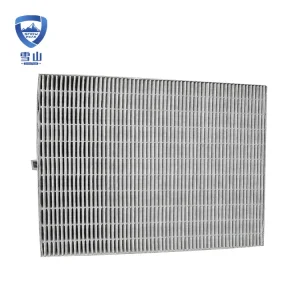
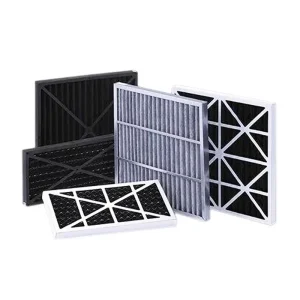
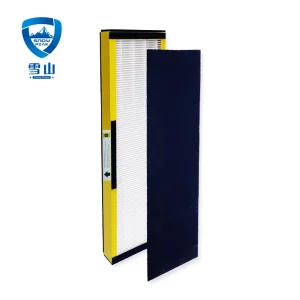
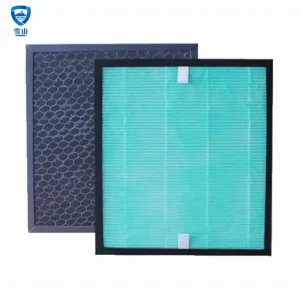
Explore our highly engineered range of performance-tested replacement filters and core filter media, manufactured to strict global tolerances.
An in-depth perspective on modern mechanical filtration, particulate capturing mechanics, and macro industrial specifications.
Standard HEPA filters are governed by four distinct physical mechanisms: Inertial Impaction, Interception, Diffusion, and Electrostatic Attraction. Diffusion controls particles below 0.1 microns, while interception and impaction govern larger particulate streams. Understanding this relationship is key to choosing proper fiber diameters and packing densities for target efficiency profiles.
Filters do not capture particles in a simple linear scale. At roughly 0.3 microns, air filtration encounters the MPPS, where the combined efficiency of diffusion and interception reaches its lowest point. Performance testing according to EN 1822 and ISO 29463 demands that HEPA certification measures this worst-case scenario explicitly.
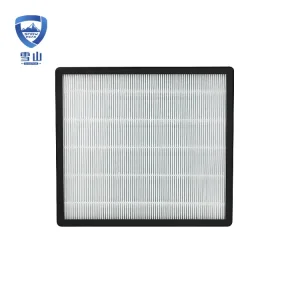
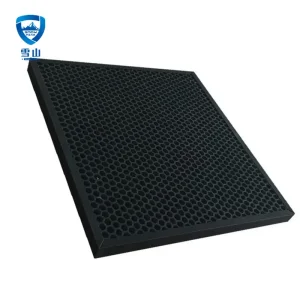
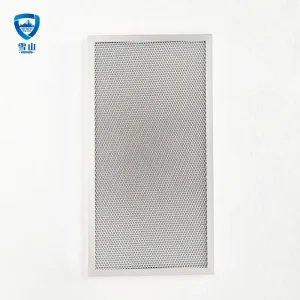
While particulate filters arrest dust and pathogens, gas-phase contamination requires physical adsorption. Modern multi-stage configurations use sandwich activated carbon fabrics or honeycomb matrices. When laminated to mini-pleat HEPA filters, they deliver dual-action capture of fine PM2.5 and volatile organic compounds (VOCs).
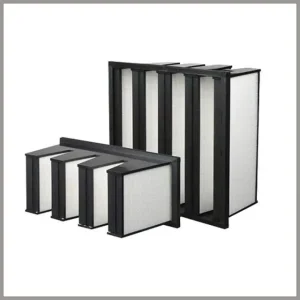
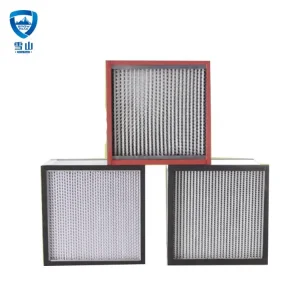
Minimizing initial pressure drop directly dictates system energy consumption. V-bank structural designs (using 2V to 6V plastic frame architectures) drastically increase surface area, reducing local velocity profiles and extending service lifetimes in industrial HVAC and intake ventilation assemblies.
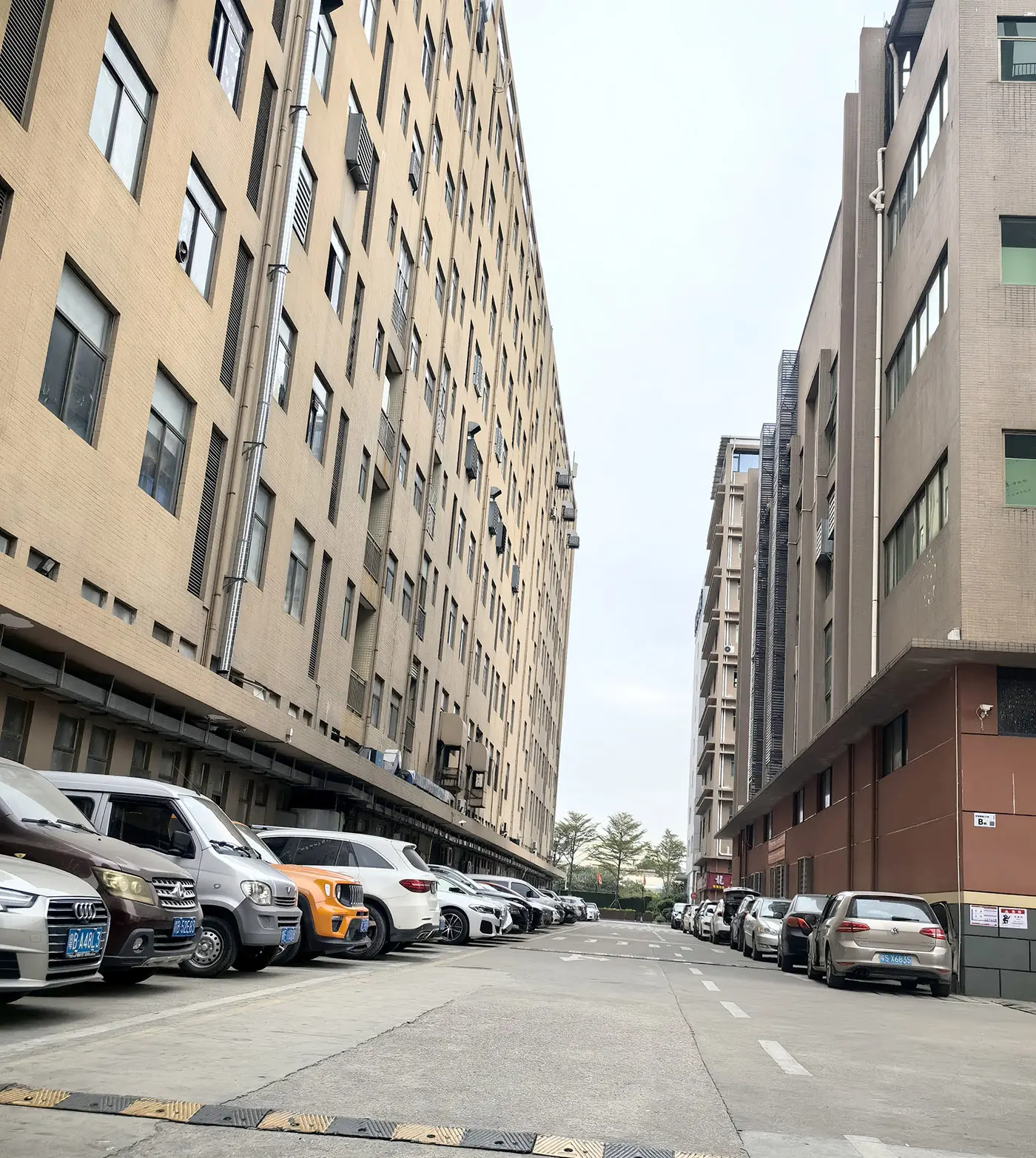
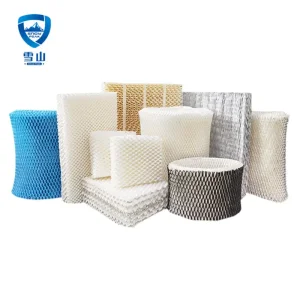
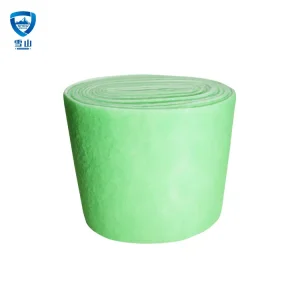
Shenzhen Snow Peak Clean Technology Co., Ltd. is an integrated high-tech enterprise, specialized in air filtration products research and development, production, sales, import and export trade. We produce and supply: Pre-filter, pocket filter, HEPA filter, chemical filter; replacement HEPA filter, car cabin air filter, humidifier filter; pocket filter media, melt-blown composite filter media, and other high-performance filter materials.
We provide high-quality air purification solutions and products for indoor air pollution control and air conditioning systems of civil and industrial buildings, microelectronics, pharmaceuticals, laboratories, schools, and hospital clean rooms. Combined with self-developed patented technology, our sterilizing antiviral HEPA filter can effectively filtrate fine particles, so that PM2.5 concentration is kept down to 10 micrograms/m³, which is 5 times better than the national standard. It effectively inhibits the breeding of microorganisms, yielding a sterilization rate up to 99.9% with zero secondary pollution and an H1N1 virus removal efficiency as high as 99.99%.
Operational metrics validating our position as an authorized China HEPA filter exporter and OEM partner.
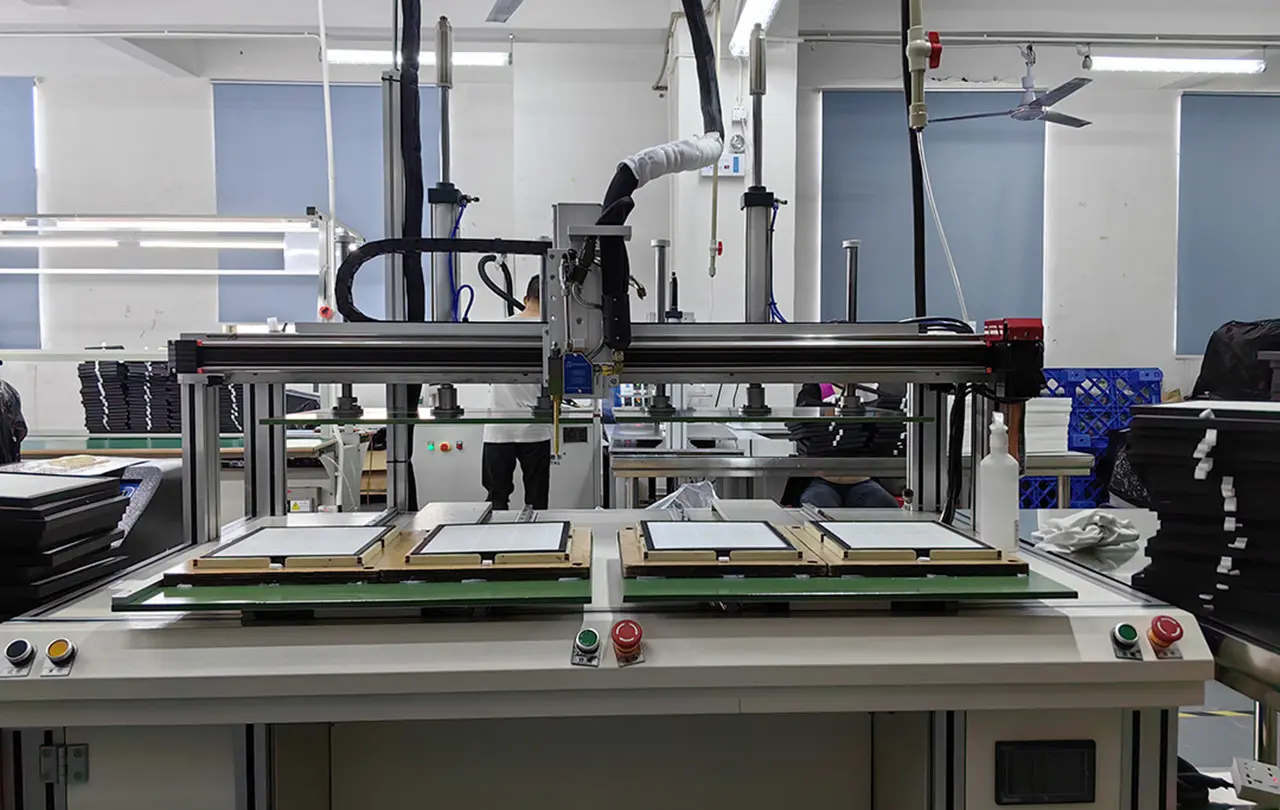
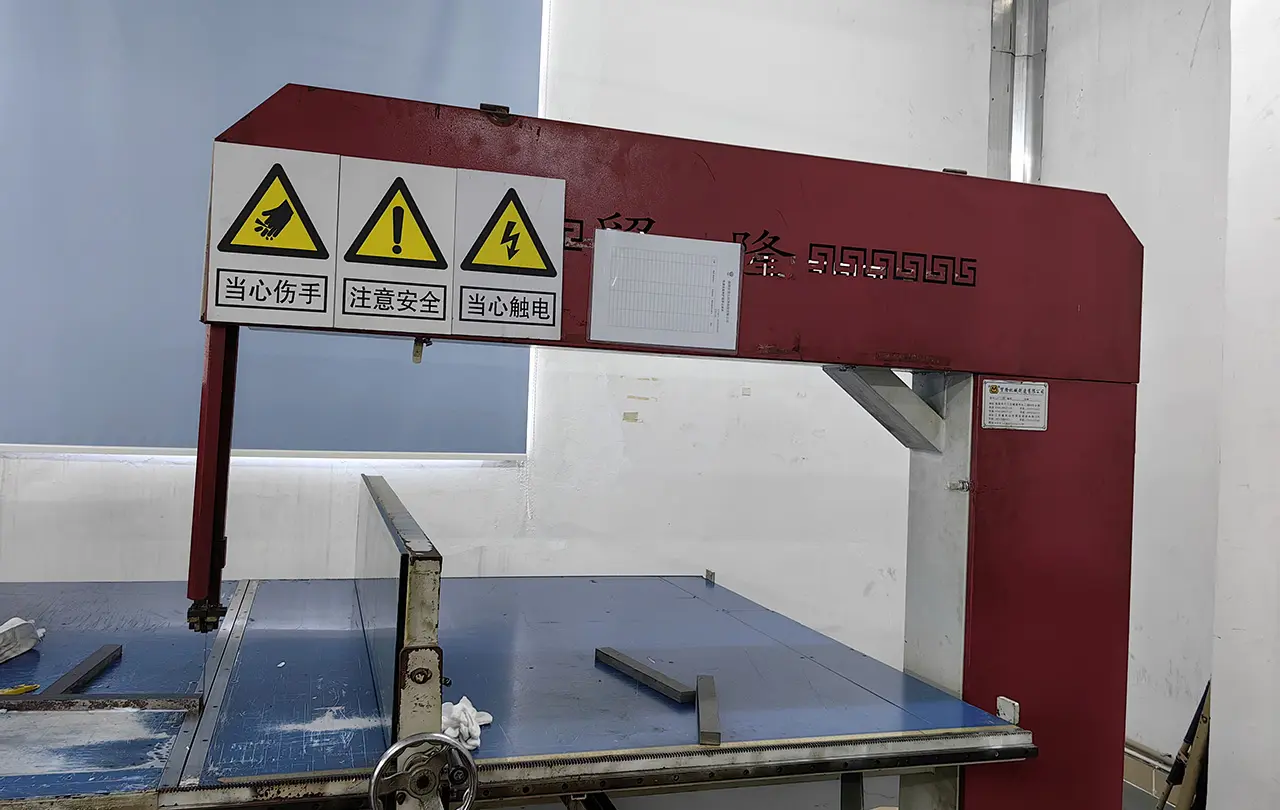
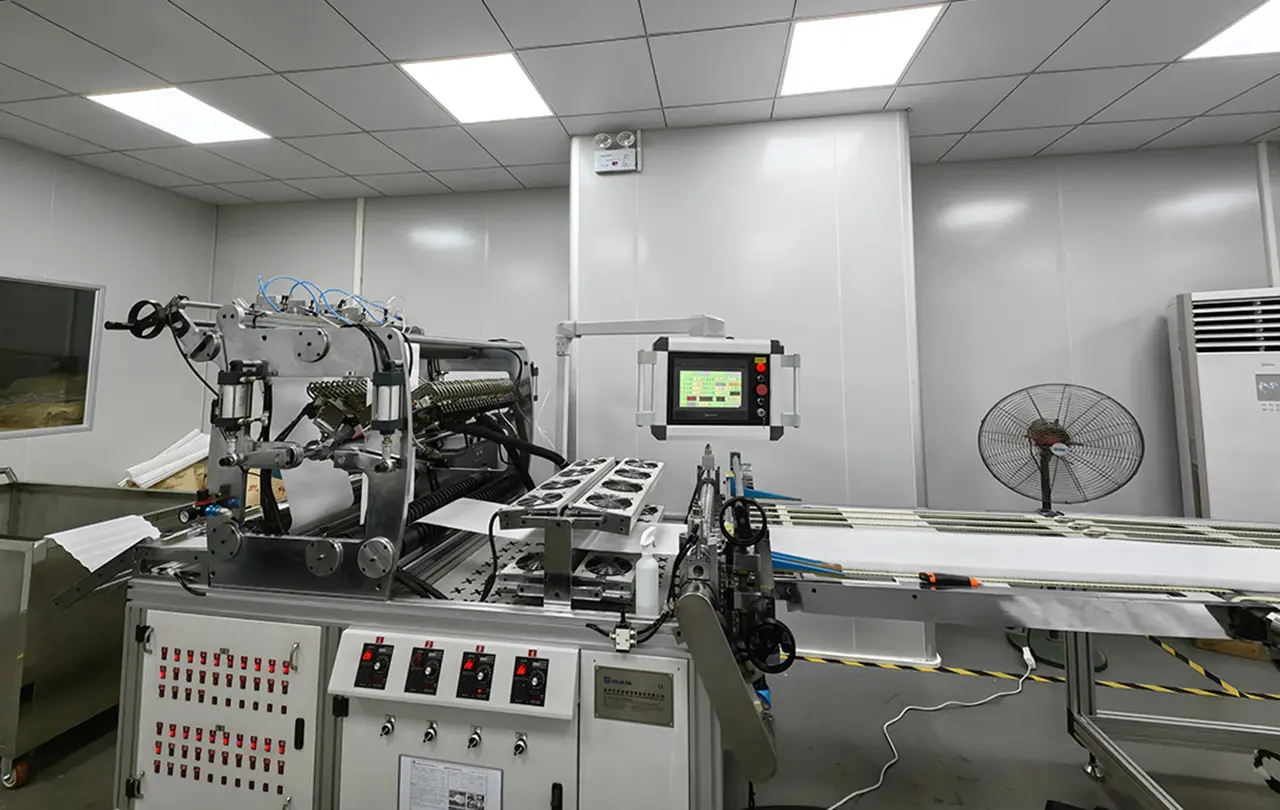
Having 15 years of international air purification technology experience as the background, our company has standardized production workshops, dust-free filter workshops, and first-class technology of HEPA filters production line and inspection line. Independent research and development of fully automatic air filter production lines, equipped with AMADA CNC punch and CNC bending machines as well as many other advanced high-end equipment, provide a strong guarantee for production and quality.
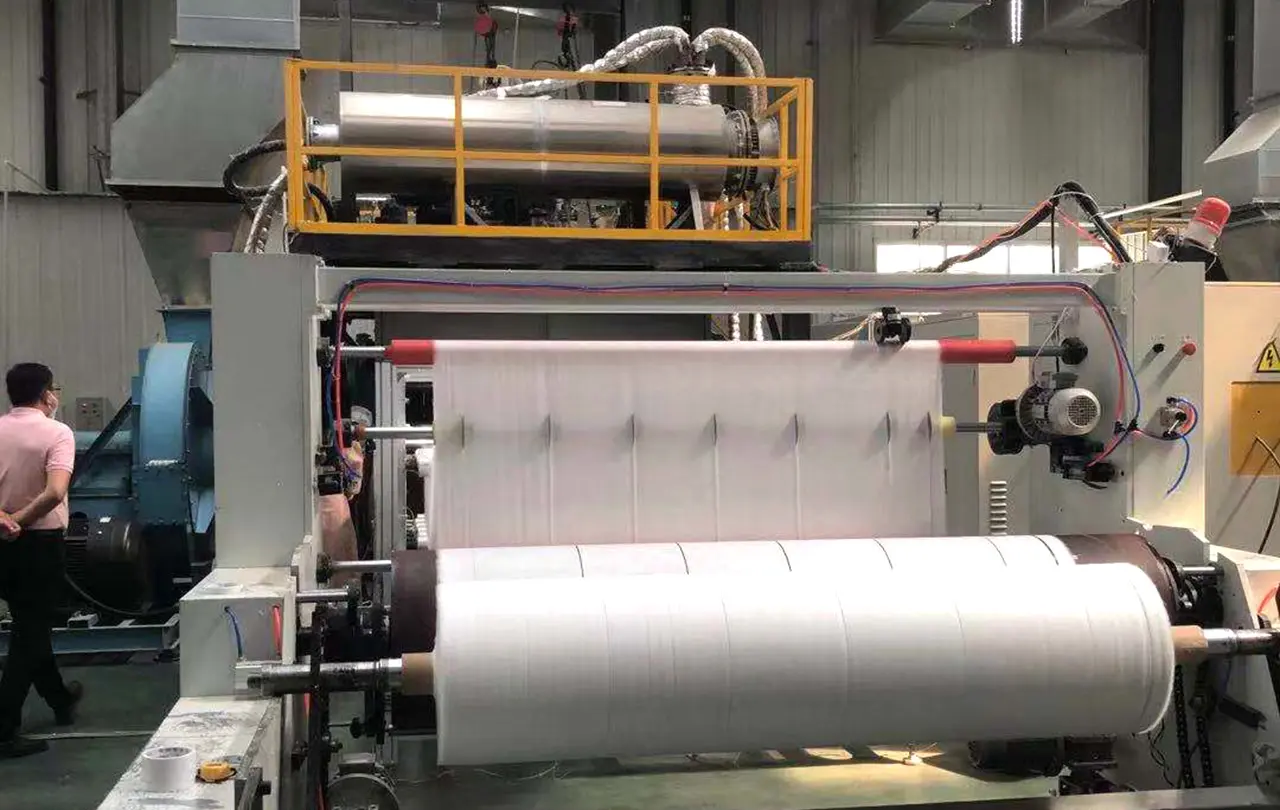
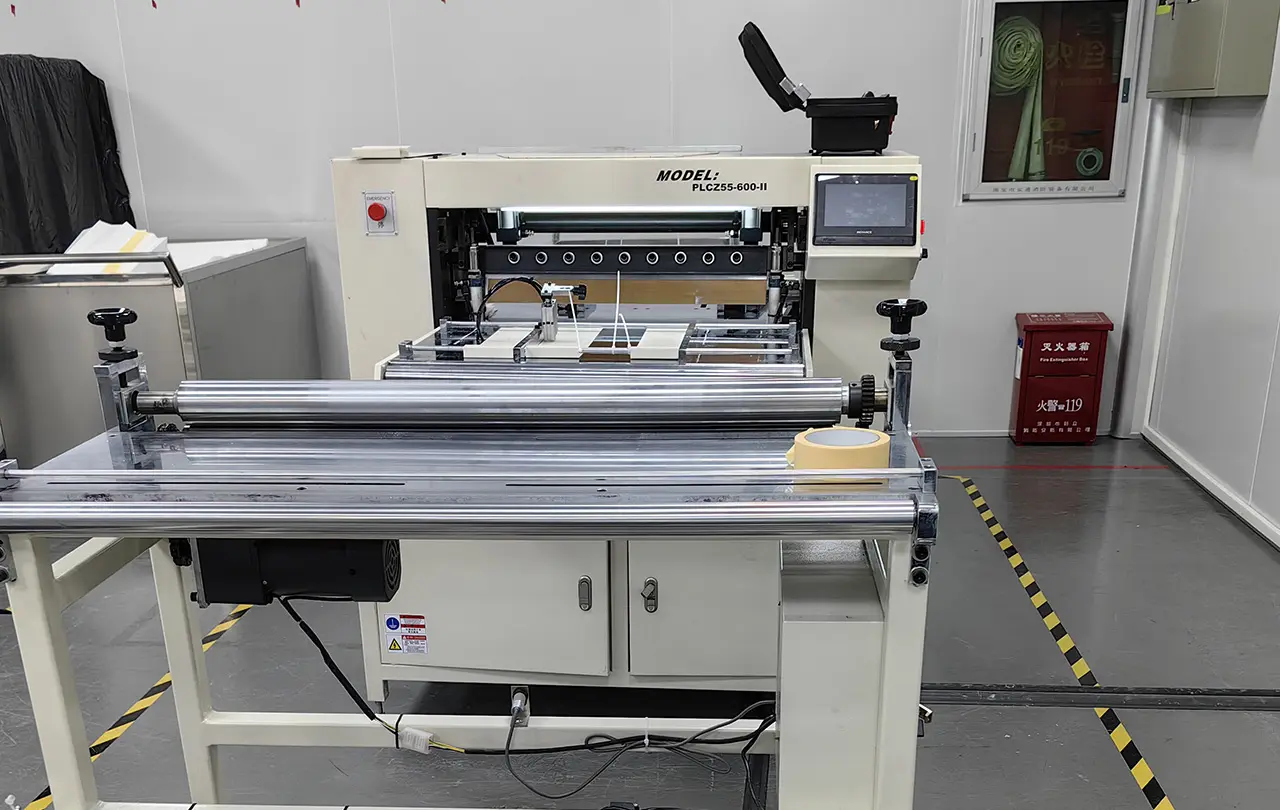
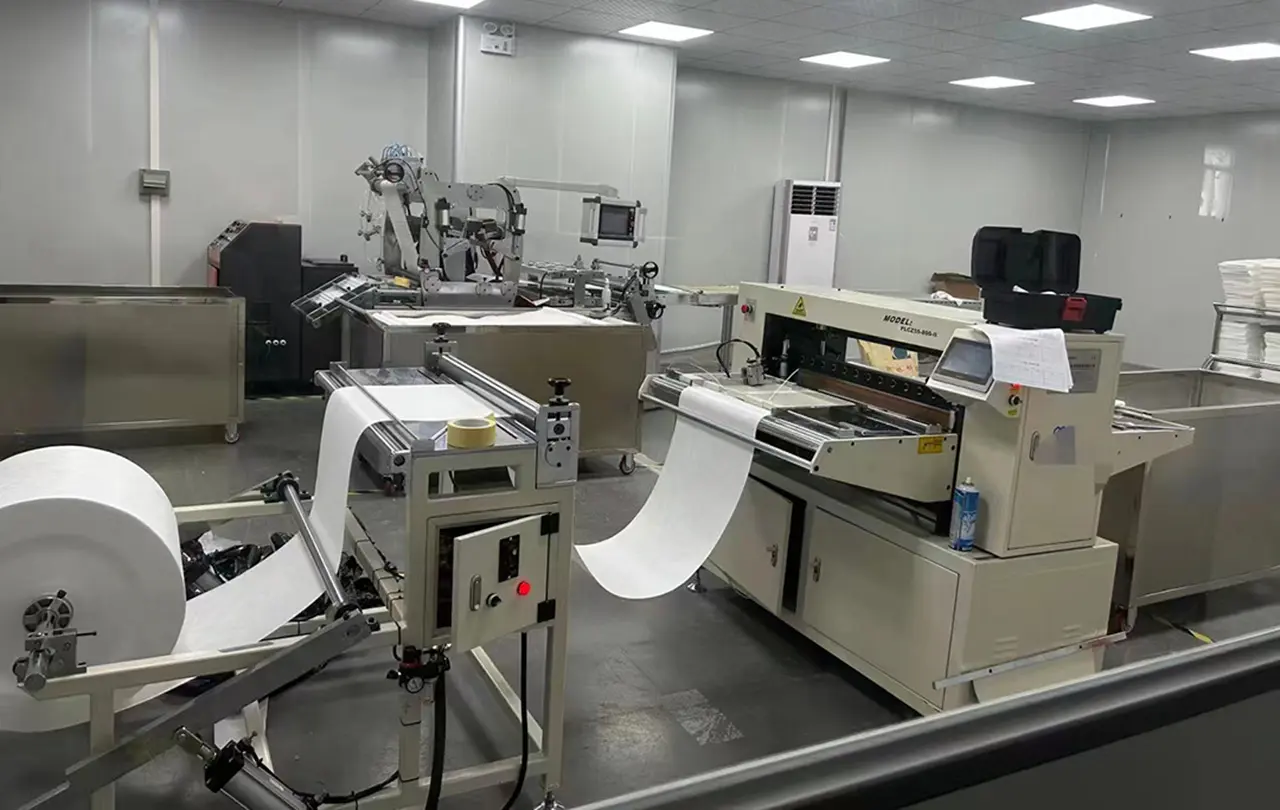
Why modern global corporations leverage Chinese advanced cleanroom manufacturing ecosystems for strategic supply chain security.
By producing raw materials like pocket media, melt-blown composites, and structured frames in-house, Chinese companies dramatically lower production costs. These savings are passed on to industrial buyers without compromising material standards.
With proprietary tooling, automatic pleating paths, and CNC metal processing units (AMADA), manufacturers support fast turnaround on customized frames. This includes liquid seal/gel channels, unique mini-pleat pack depths, and complex combined activated-carbon matrices.
Reputable Chinese suppliers deploy automated test ducts utilizing photometer scanning to verify zero leaks and measure actual differential pressure. This ensures that every shipped item matches its target filtration efficiency class.
Engineered for mission-critical sectors demanding absolute air sterility and particulate isolation.
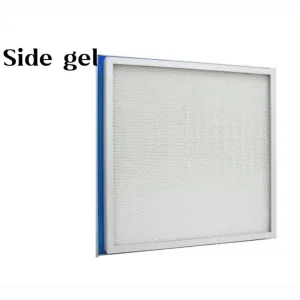
Semiconductor manufacturing demands ultra-clean, dust-free environments to prevent wafer contamination. Our liquid gel-seal mini-pleat HEPA filters are custom-designed for cleanroom ceilings, providing a highly secure air seal and uniform air velocities to maintain ISO Class 1 to Class 5 environments.
Microbial control is vital in vaccine formulation, surgeries, and high-consequence containment zones. Our patented sterilizing antiviral filters destroy pathogen structures directly, neutralizing H1N1 viruses by up to 99.99% and removing the risks of secondary biological growth on filter pleats.
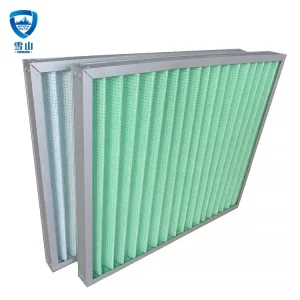
For standard building ventilation and demanding industrial processes, our V-Bank HEPA configurations and G3/G4 pleated panel pre-filters optimize dust holding capacity. This ensures high volumetric airflow with minimal resistance, extending the operational lifespan of more expensive downstream filtration elements.
Critical considerations and solutions for technical sourcing managers buying HEPA systems from China.
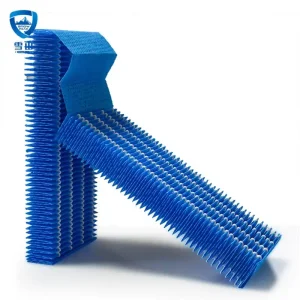
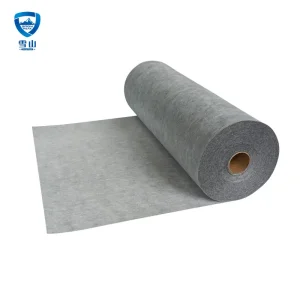
High-capacity evaporative components, raw media rolls, and specialized chemical containment filters.
 Snow Peak