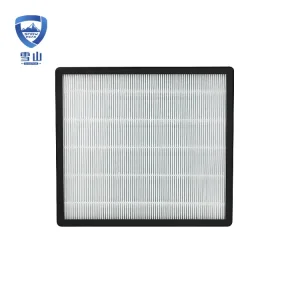
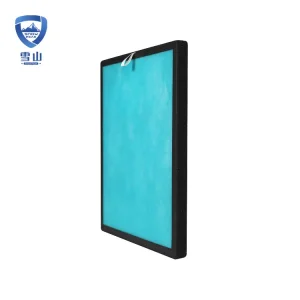
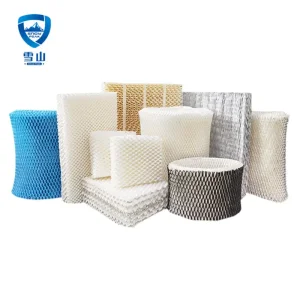
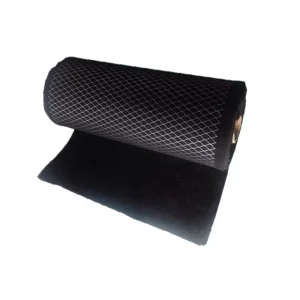
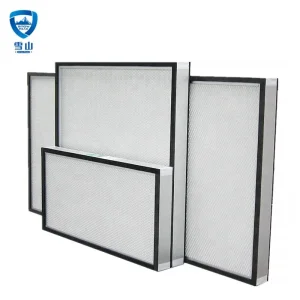
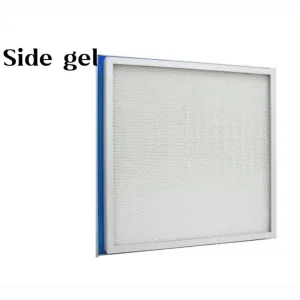
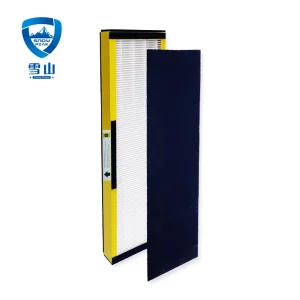
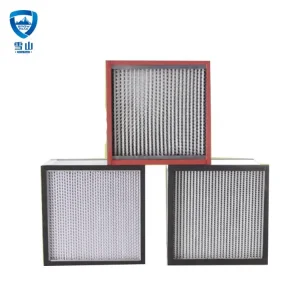
Explore our premium product portfolio designed for high efficiency, durability, and customized applications across diverse clean air environments.
Shenzhen Snow Peak Clean Technology Co., Ltd. is a globally recognized, integrated high-tech enterprise dedicated to the research, development, production, and international trade of advanced air filtration systems. Our comprehensive line of purification products meets the highest operational standards in civil, medical, pharmaceutical, and microelectronic clean rooms.
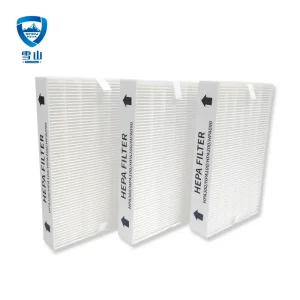
By leveraging self-developed, patented technologies, our sterilizing and antiviral HEPA filtration mechanisms achieve unparalleled particulate capture profiles. We maintain indoor PM2.5 concentrations below 10 micrograms per cubic meter—outperforming competitive standards by five times. Our active antiviral solutions effectively inhibit microbial reproduction, yielding a sterilization rate of 99.9% and a target H1N1 virus clearance rate of 99.99%, completely eliminating the risks associated with secondary contaminant release.
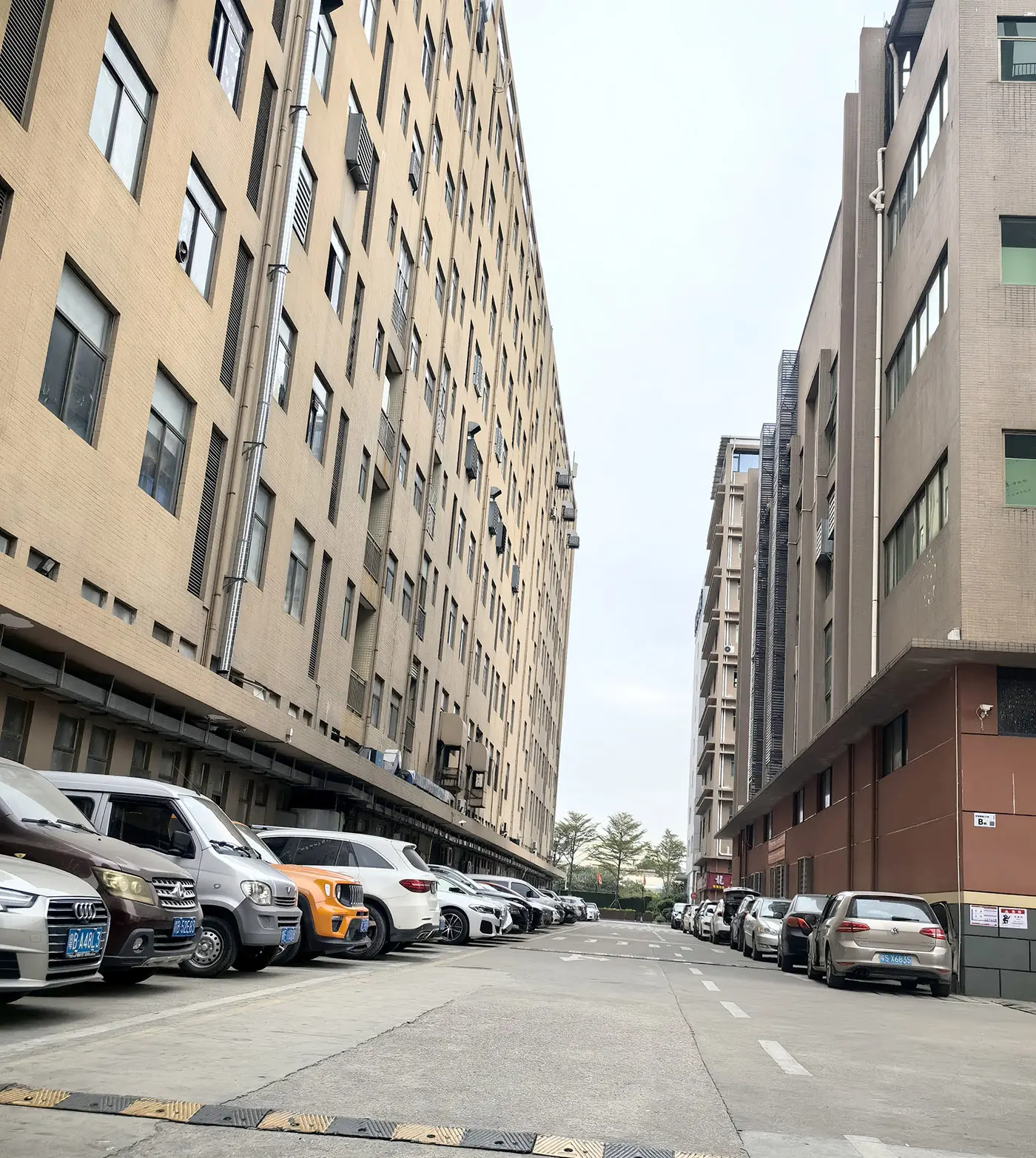
Our competitive advantage lies in our state-of-the-art machinery, rigorous quality protocols, and deep expertise in molecular filtration science.
Drawing upon over 15 years of international air purification engineering expertise, our production facilities are optimized to deliver high-volume, defect-free products. Our standardized workshops incorporate dedicated cleanrooms for HEPA and molecular filter assembly. Production is backed by advanced fabrication machinery, including AMADA CNC punches and CNC bending machines. These high-precision manufacturing platforms enable us to maintain strict tolerances, deliver robust structural housings, and optimize airflow pathways.
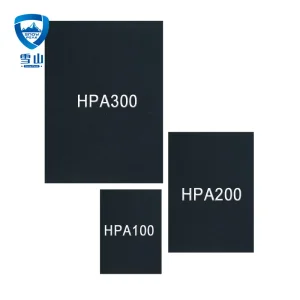
We modify base active carbons using tailored catalysts (including KOH, KI, H3PO4, and KMnO4) to optimize the chemisorption of highly volatile compounds like ammonia, hydrogen sulfide, and formaldehyde.
Our filters use high-grade activated carbon substrates with Carbon Tetrachloride (CTC) adsorption values up to 80%. This guarantees a high micro-pore volume for superior volatile gas containment.
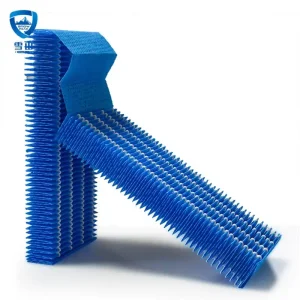
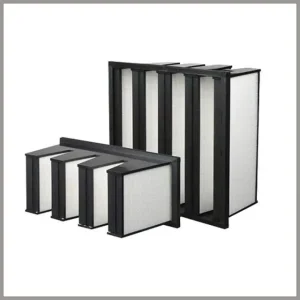
Our pleated structures and honeycomb geometries maximize contact surface area, maintaining high air flow rates while minimizing energy consumption in HVAC systems.
Deep molecular science insights detailing gas-phase filtration mechanisms and evolving environmental compliance standards.
Industrial odor control is not a simple mechanical filtration process; it relies on molecular interaction. Physical adsorption (physisorption) occurs when volatile organic compounds (VOCs) are trapped within the carbon's pore structure by weak Van der Waals forces. To capture lighter, highly polar molecules (such as ammonia, sulfur dioxide, and low-molecular-weight organic acids), we utilize chemisorption. By impregnating the carbon with specific chemical agents, we initiate surface chemical reactions that transform harmful volatile gases into stable, non-volatile compounds, preventing desorption back into the clean air stream.
Global engineering teams now demand rigorous carbon quality verification. Sourcing decisions are driven by strict international standards, including ISO 10121 and ASHRAE 145.2, which evaluate the life-cycle and dynamic efficiency of gas-phase air cleaning media. In response to rising energy costs, procurement requirements have shifted toward filters that combine low initial resistance with high holding capacity. Standardizing on raw materials like premium coconut shell activated carbon ensures high mechanical hardness, minimizing carbon dust release in cleanroom applications.
The industry is transitioning toward hybrid filtration. By combining particulate and molecular capture, modern filtration networks utilize synthetic, melt-blown composite media laminated directly with fine activated carbon powder. Additionally, real-time life-cycle monitoring is replacing scheduled replacement intervals. Differential pressure sensors and inline VOC monitoring detect breakthrough points, maximizing filter utilization and preventing contaminant bypass.
Our automated production floor features high-precision machinery, ensuring uniform assembly, consistent pleat geometry, and leak-free performance.
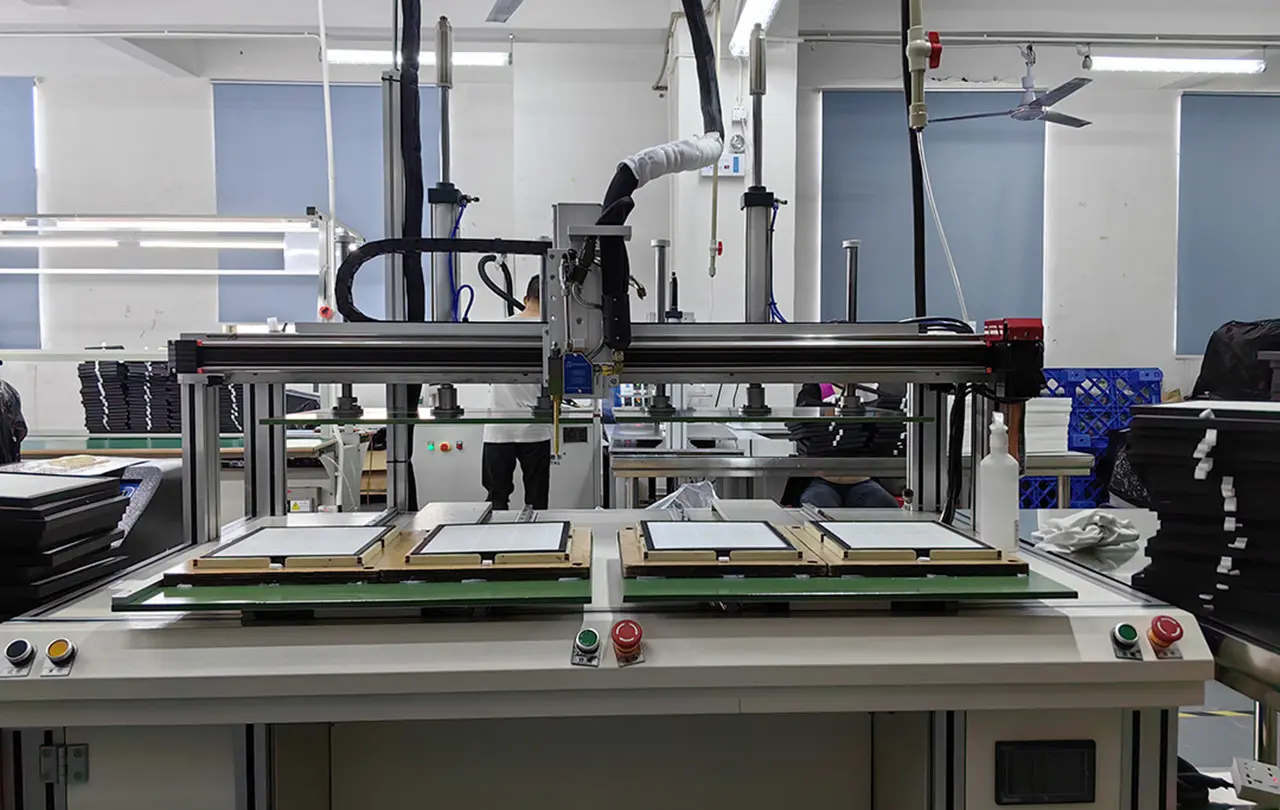
Applies hot-melt adhesive beads uniformly across the filter frame, guaranteeing leak-free perimeter seals and structural integrity.
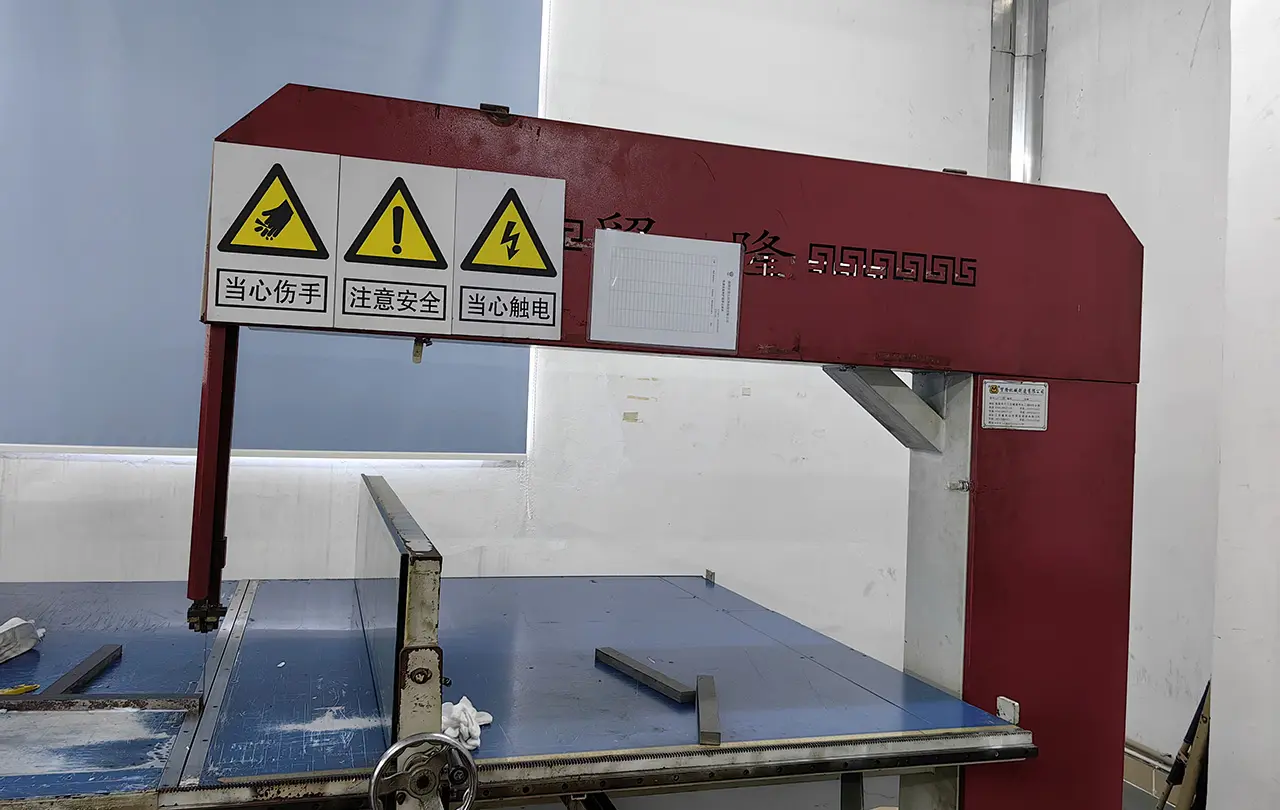
Delivers high-precision dimension cuts for custom framed and cylindrical filters, eliminating loose threads and structural variations.
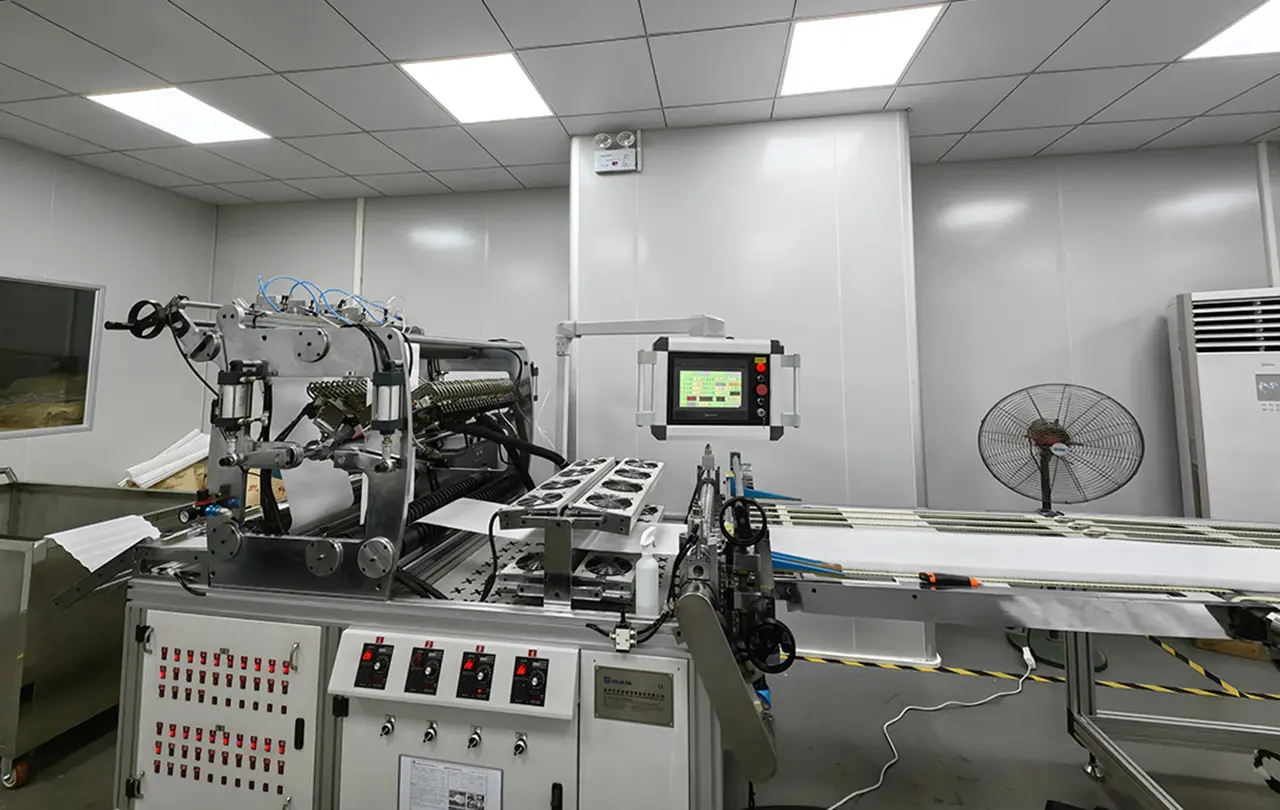
Dual-stage bonding processes ensure that every structural seam is reinforced against high pressure and dynamic air velocities.
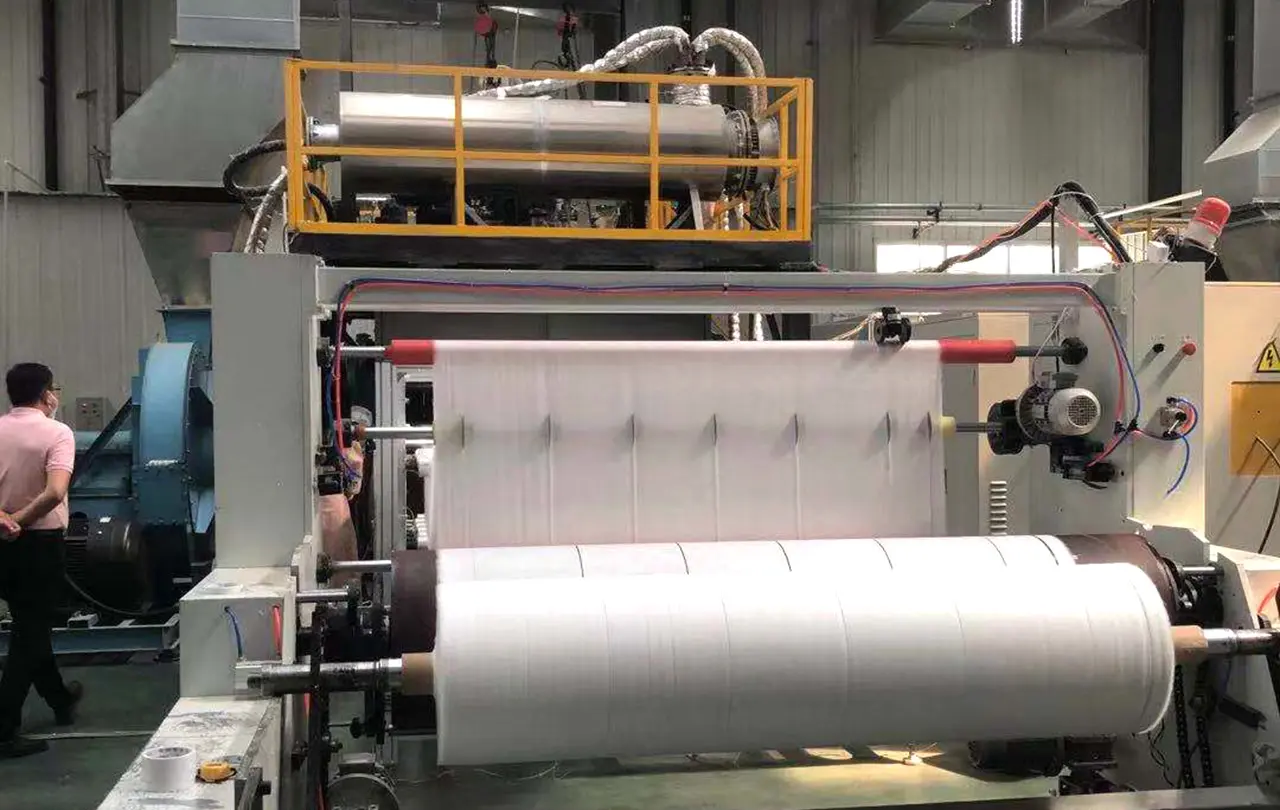
Integrates multilayer mechanical substrates with fine-grain activated carbon particles to achieve dual-action filtration.
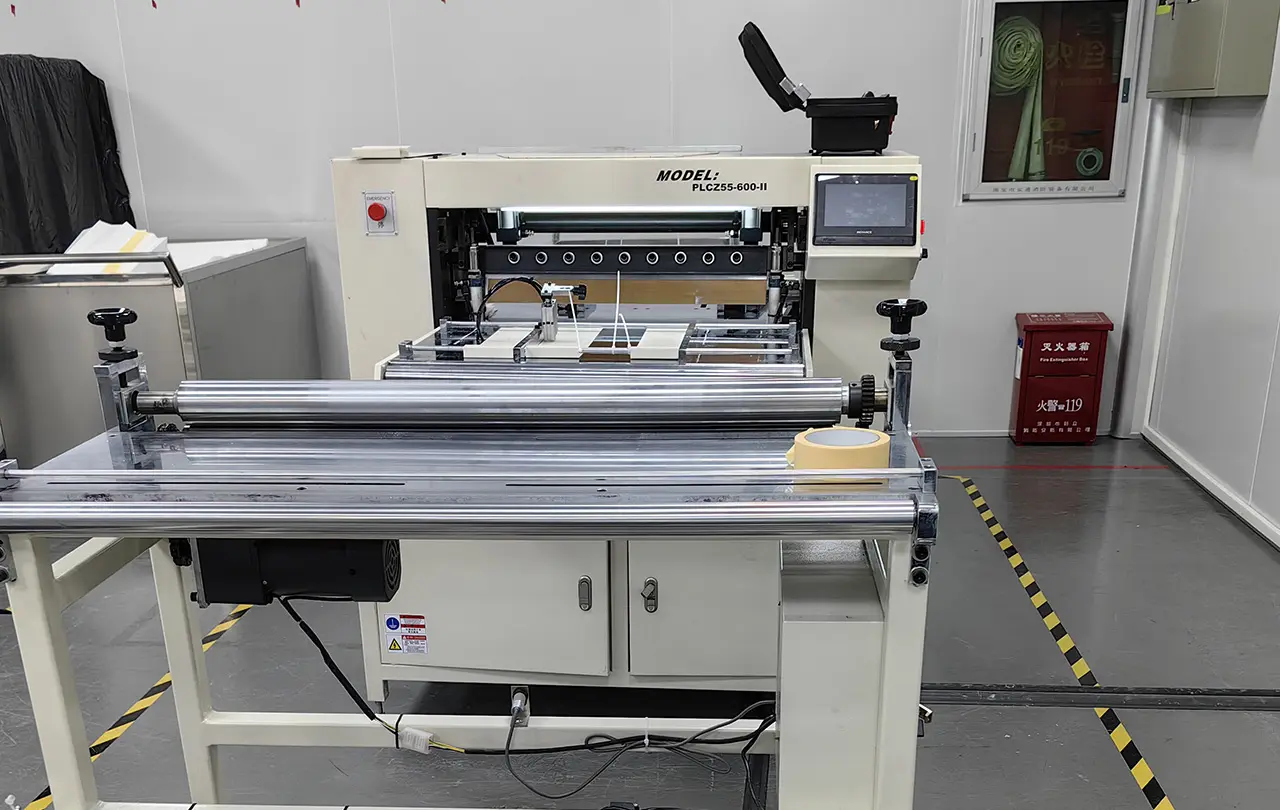
Accurately structures pleat depths and spacing to maximize effective filtration area and lower initial air resistance.
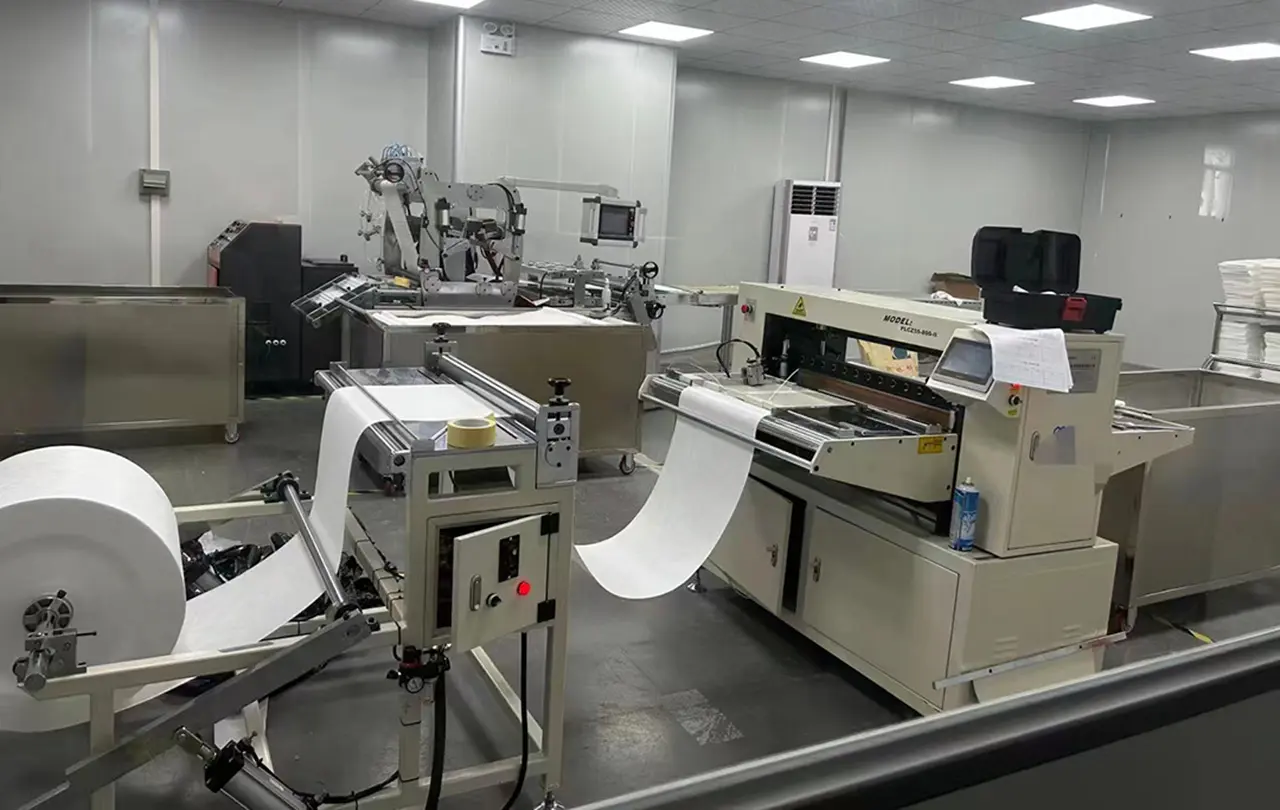
Maintains consistent spacing, prevents media damage, and guarantees optimal air bypass prevention.
Industrial facility operators face unique environmental challenges. The section below outlines standard treatment methodologies engineered for target applications:
Our composite HEPA and carbon systems remove common office VOCs (such as formaldehyde from furniture adhesives) and tobacco smoke. We design these filters to fit existing commercial HVAC air handlers without requiring expensive system modifications.
In containment zones, containment-level containment (Bag-In/Bag-Out or BIBO systems) prevents cross-contamination. Our activated carbon structures work alongside high-efficiency particle arrestors to extract hazardous aerosolized chemicals and toxic off-gasses.
Airborne Molecular Contaminants (AMCs) can corrode silicon wafers and damage optical lithography systems. Our gas-adsorption filters utilize ultra-pure carbon with low outgassing characteristics to remove traces of acid, basic, and condensable organic vapors.
High-odor agricultural facilities require continuous single-pass air scrubbing. We manufacture extra-thick carbon beds (offering up to a 2-inch carbon bed depth) to guarantee complete odor control under high humidity conditions.
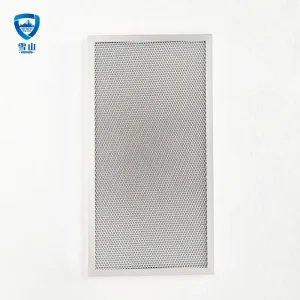
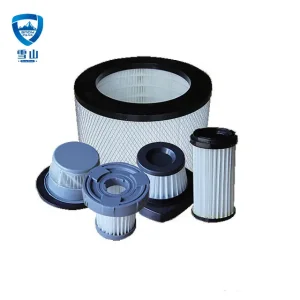
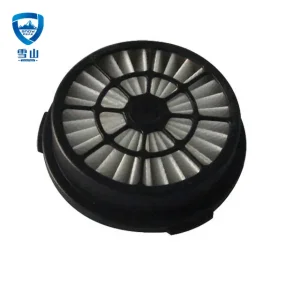
Explore our specialized range, including high-temperature HEPA filters, HVAC replacement modules, and custom cylindrical dust collector configurations.
Find answers to common questions about carbon filter specifications, dynamic performance, and installation requirements.
CTC (Carbon Tetrachloride) activity is the standard metric used to define the loading capacity of activated carbon. It measures the weight percentage of carbon tetrachloride vapor adsorbed at saturation. A higher CTC rating (such as 60% to 80%) indicates a denser microporous network. This translates to higher overall capacity and a longer operating lifetime for gas-phase VOC containment systems.
Standard activated carbon relies on physical adsorption, which is less effective for light or highly polar molecules. Chemically impregnated carbon uses catalysts like acids, bases, or oxidizers to chemically bind and neutralize these compounds. It is recommended for environments containing low-molecular-weight contaminants, including sulfur dioxide (SO2), hydrogen sulfide (H2S), ammonia (NH3), and formaldehyde.
Relative humidity (RH) above 60% can reduce physical adsorption efficiency. Water molecules compete with VOCs for adsorption sites within the micropores, which can lead to premature breakthrough. To maintain odor control in high-humidity applications, we recommend installing high-efficiency mechanical demisters or pre-filters upstream to regulate moisture levels.
Airflow resistance is a function of media density, pleat configuration, carbon particle size, and face velocity. We optimize these factors during development by matching pleat heights and spacing to our automated pleating line capabilities. This approach maintains optimal dwell time while minimizing initial static pressure drop across the filter media.
 Snow Peak