Engineered air filtration systems compatible with leading industrial, commercial, and cleanroom air handling standards.
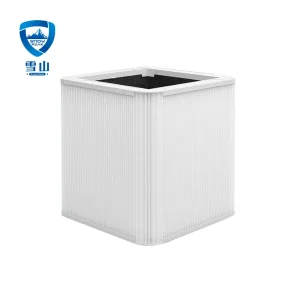
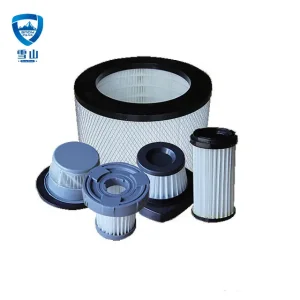
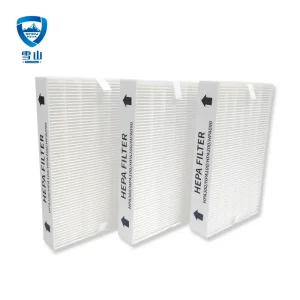
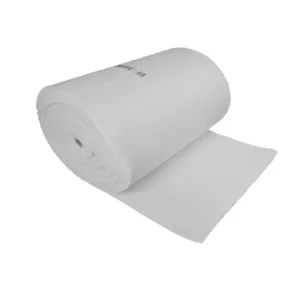
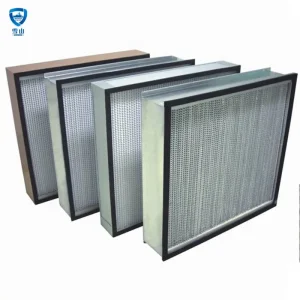
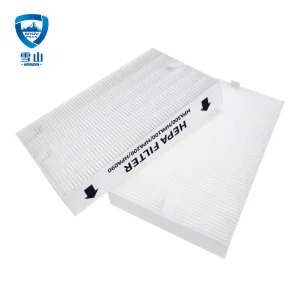
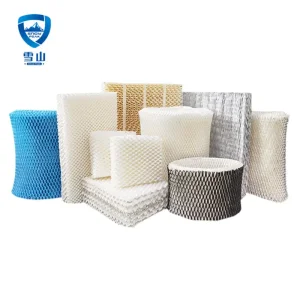
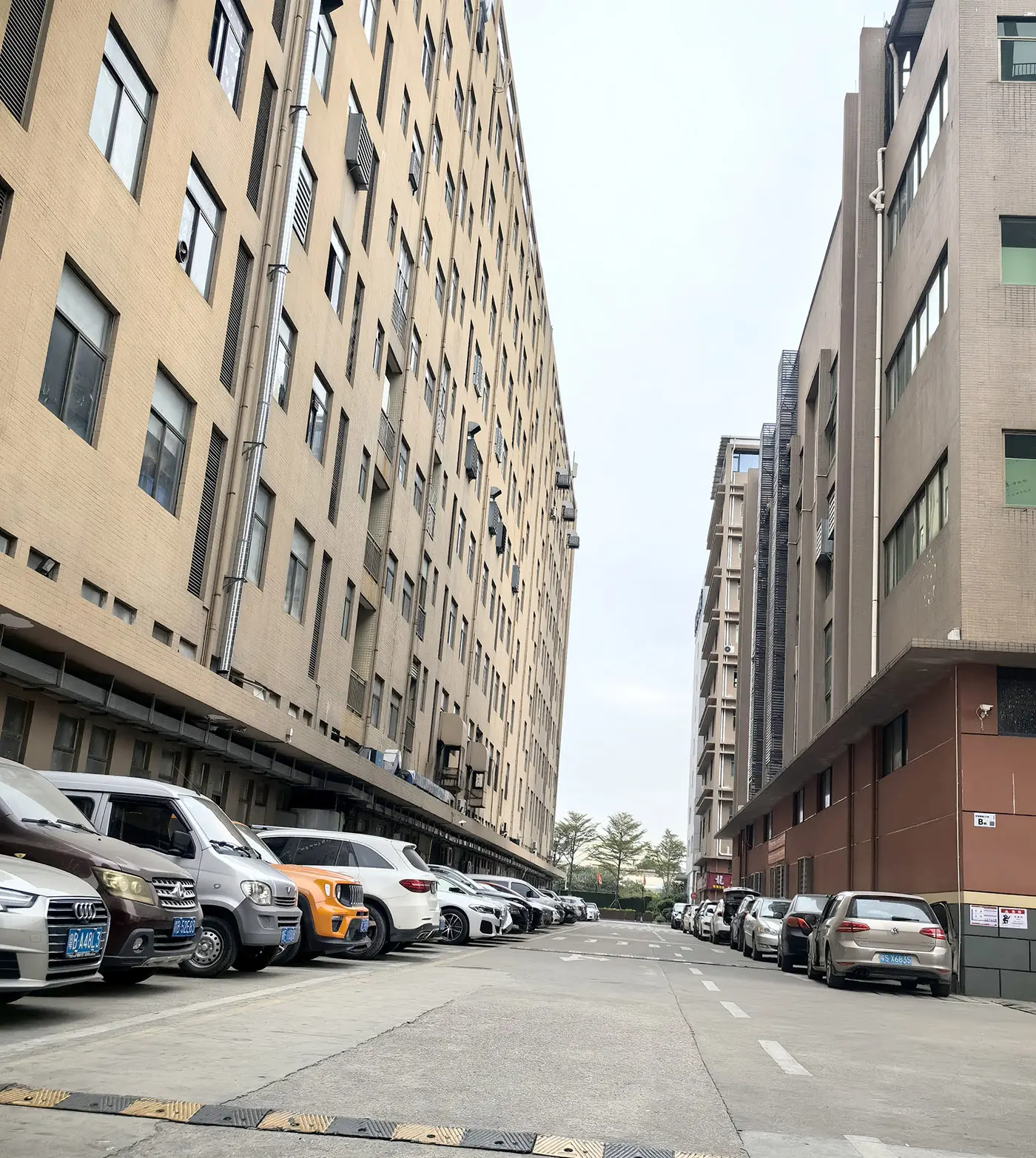
Shenzhen Snow Peak Clean Technology Co., Ltd. is an integrated high-tech enterprise, specialized in air filtration products research and development, production, sales, import and export trade. We produce and supply: Pre-filter, pocket filter, HEPA filter, chemical filter; replacement HEPA filter, car cabin air filter, humidifier filter; pocket filter media, melt-blown composite filter media, and other high-performance filter materials; provide high quality air purification solutions and products for indoor air pollution control and air conditioning systems of civil and industrial buildings, microelectronics, pharmaceutical, laboratory, school, hospital clean room etc.
Combined with self-developed patented technology, our sterilizing antiviral HEPA filter can effectively filtrate fine particles, so that PM2.5 concentration down to 10 micrograms/m3, 5 times better than national standard; effectively inhibit the breeding of microorganisms, sterilization rate up to 99.9%, and no secondary pollution, removal of H1N1 virus efficiency as high as 99.99%.
Understanding the critical compliance requirements for gas-phase and particulate emission mitigation.
In modern industrial manufacturing, the control of airborne contaminants has shifted from a basic health and safety recommendation to a critical compliance and process protection absolute. Industrial environments demand highly specialized air filtration architectures to capture volatile organic compounds (VOCs), acidic vapor emissions, bases, and gaseous hydrocarbons. A custom carbon filter box serves as the frontline containment housing for these molecular pollutants, neutralizing hazardous emissions before they can jeopardize product yield, discharge into the atmosphere, or harm facility personnel.
Global procurement networks face complex challenges when sourcing filtration modules. They must balance initial pressure drop metrics against long-term adsorption capacities, chemical compatibility of housing substrates, and compliance with stringent environmental standards. Cleanrooms for semiconductor fabrication, sterile pharmaceutical suites, and toxic compound exhaust channels require high-integrity air purification containment enclosures. By sourcing customized systems, industrial engineers ensure that the carbon volumes, residence times, and physical frames are engineered precisely to match the airflow dynamic of their specific air handling units (AHUs) or extraction fans.
Utilizing high-grade AMADA CNC punch systems and advanced bending machines to manufacture heavy-duty housings from galvanized steel, SUS304, or SUS316 stainless steel to eliminate structural bypass.
Custom-formulated activated carbon medias tailored with chemical impregnations (such as KOH, KI, or H3PO4) to actively chemisorb specific acid gases, basic amines, hydrogen sulfide, and low-molecular-weight VOCs.
Every filter chamber is dynamically engineered to ensure optimal contact time (typically 0.1 to 2.0 seconds) between the gas stream and the carbon bed, maximizing adsorption efficiency and preventing breakthrough.
Customized gas-phase purification architectures optimized for demanding operating environments.
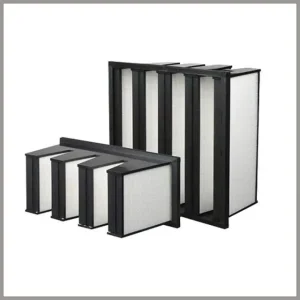
In microelectronics fabrication, trace levels of organic chemicals, acids, and dopants can deposit on silicon wafers, causing irreparable defects. Our customized W-shaped V-Bank activated carbon filtration systems and chemical carbon boxes are designed for integration within Fan Filter Units (FFUs) and make-up air handlers. They efficiently strip out cleanroom-level contaminants like siloxanes, phthalates, and nitrogen dioxide, keeping the environment within ISO Class 1 limit standards.
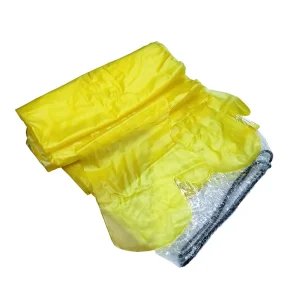
Biological safety laboratories and pharmaceutical manufacturing facilities often handle highly toxic or active compounds. For these facilities, we supply advanced custom Bag-In-Bag-Out (BIBO) carbon containment boxes. The inclusion of heavy-duty, multi-layered PVC change bags allows maintenance engineers to replace saturated carbon modules and particulate HEPA filters safely without exposing themselves or the external environment to hazardous materials.
High-volume printing lines and paint booths emit concentrated streams of solvent vapors, including toluene, xylene, and various esters. Our multi-stage custom carbon filter housings combine synthetic polyester G4 pre-filtration with deep-pleated activated carbon beds to handle high dust loads and VOC concentrations simultaneously. This configuration prevents premature carbon pore clogging, prolonging molecular filter lifespan and lowering operational costs.
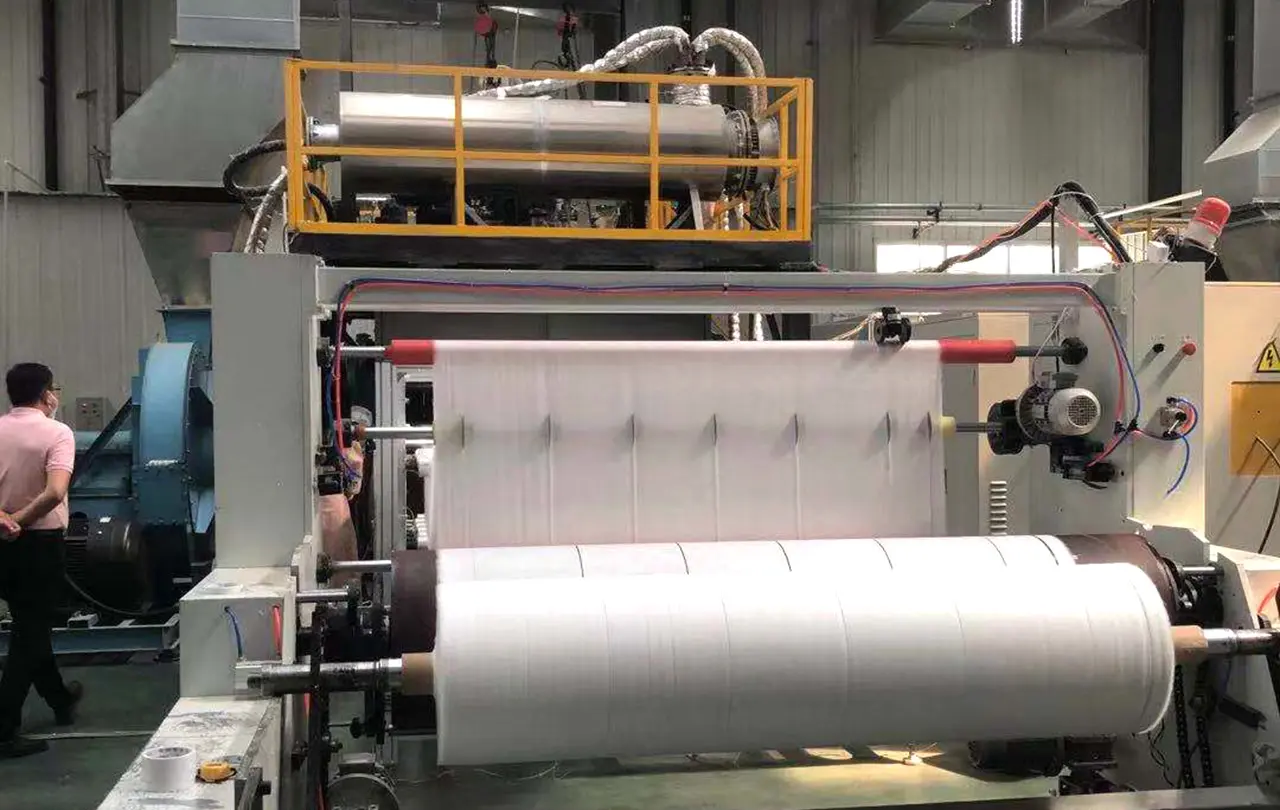
Inside our standardized production facilities utilizing high-end automated machinery.
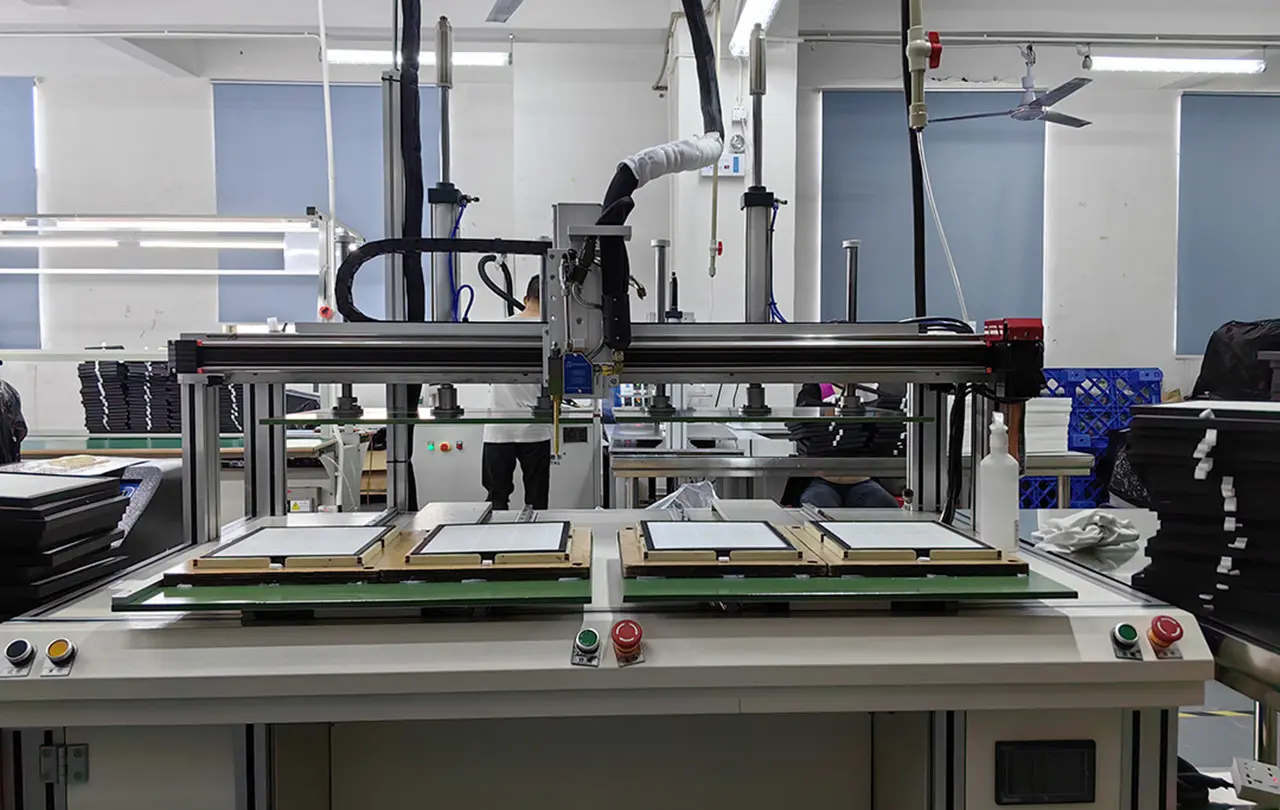
Computer-controlled hot-melt polyurethane dispensing units ensure absolute frame bonding and eliminate potential bypass leak paths around the filter pack.
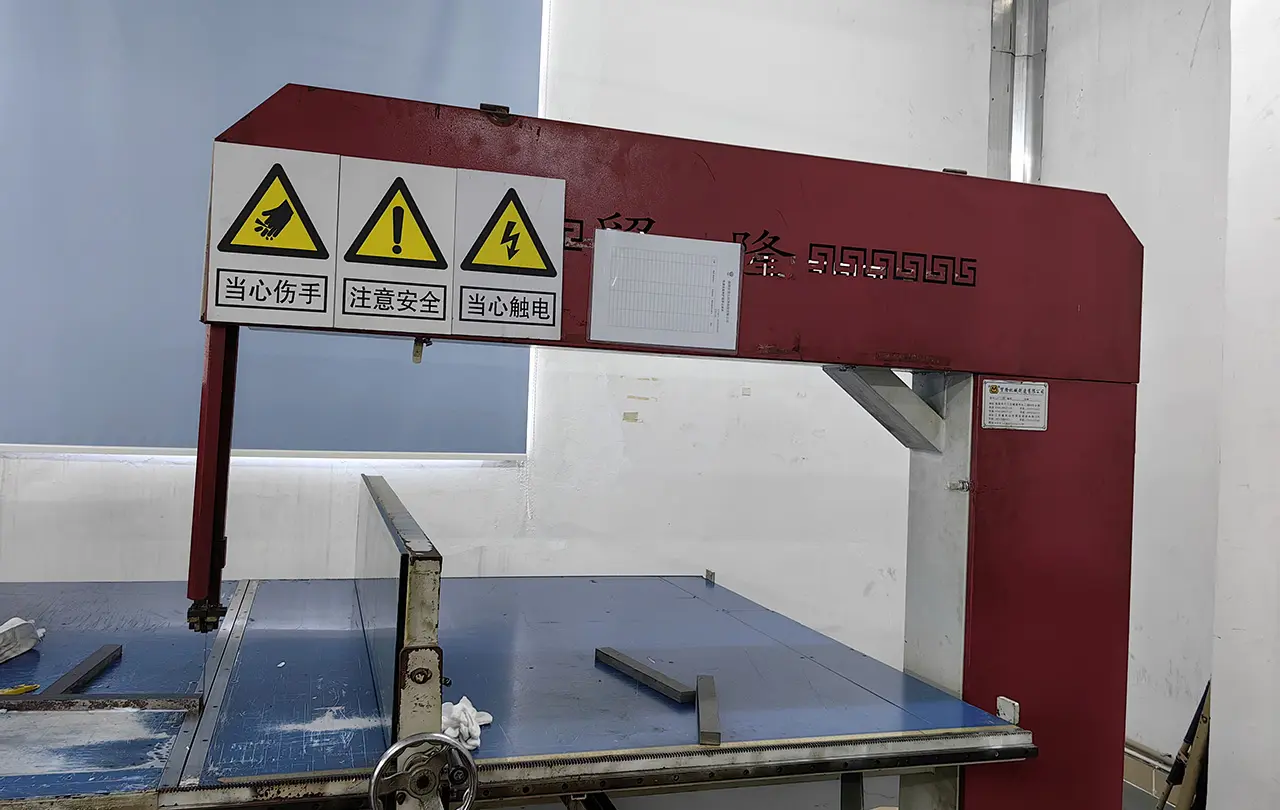
Automated cutting equipment maintains dimensional tolerances within ±0.5mm, ensuring a tight seal inside HVAC tracks and filter housings.
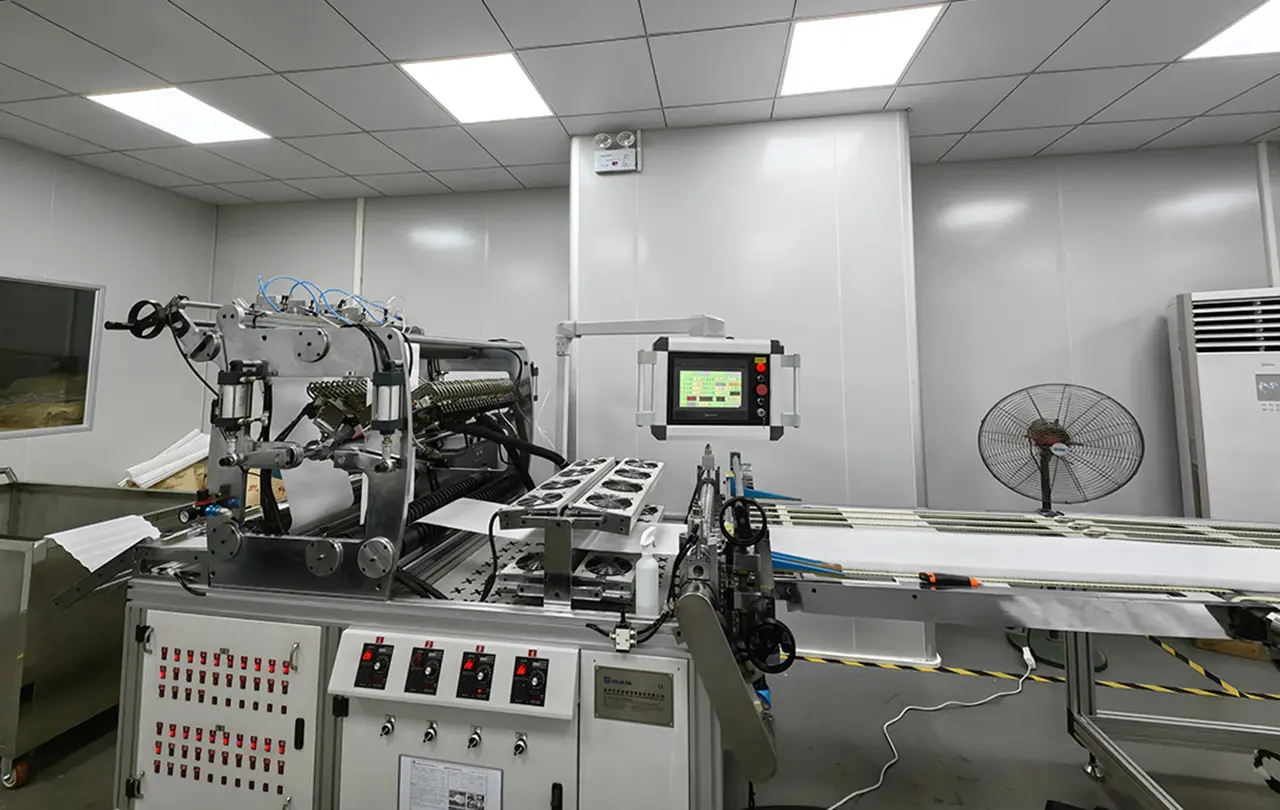
Liquid polyurethane is directly injected onto the filter frames, forming a continuous, soft, joint-free seal that resists pressure-induced air bypass.
Co-processing of premium melt-blown synthetic structures with granular or fibrous carbon layers to manufacture dual-stage particulate and gas filters.
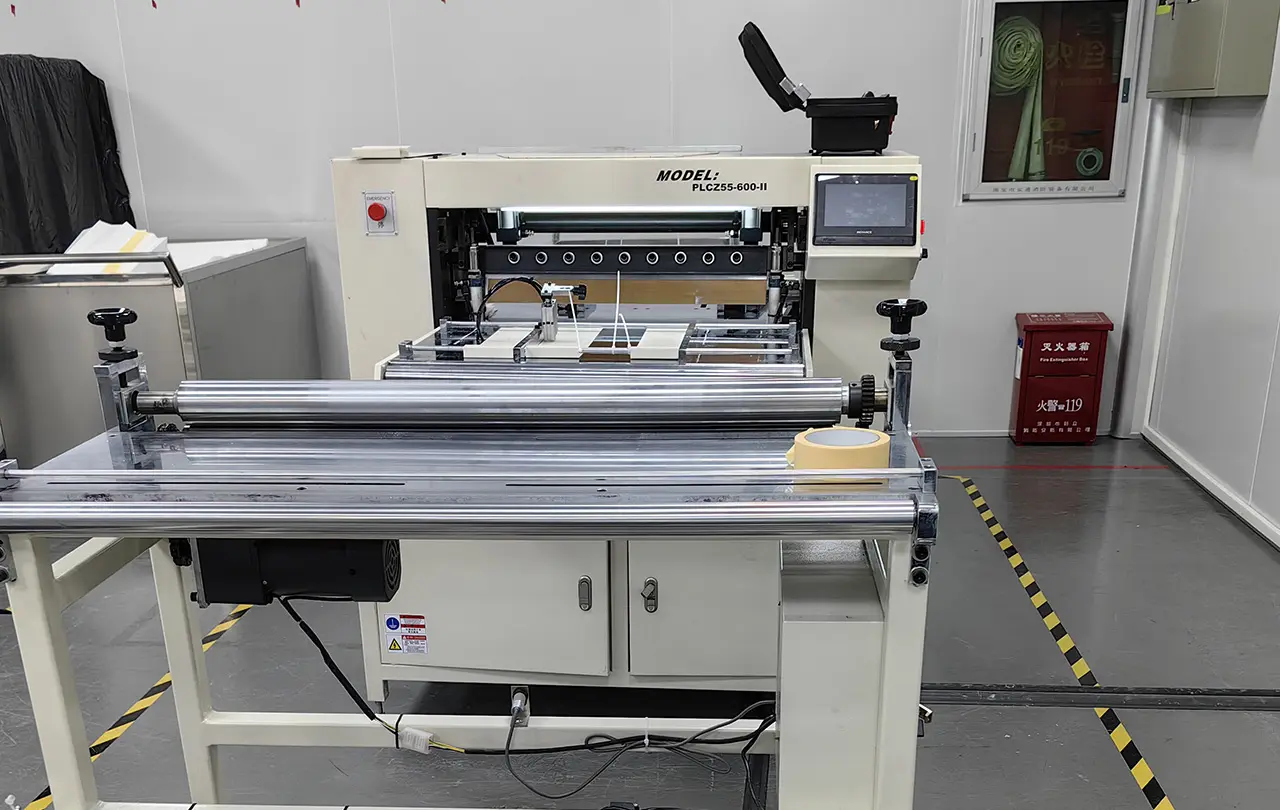
Controlled blade and roller pleaters fold synthetic and fiberglass medias to exact pleat heights, optimizing the surface area-to-volume ratio.
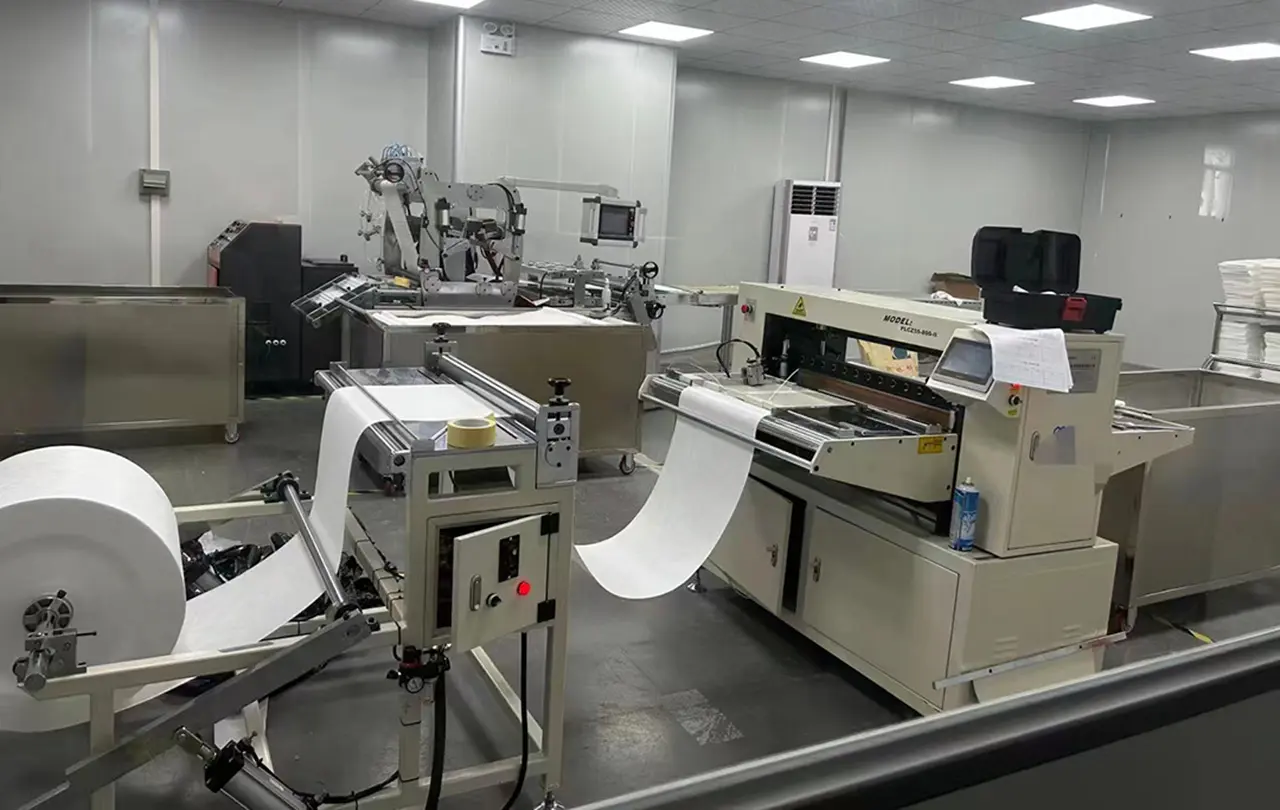
Precision comb guides maintain uniform spacing across the filter pack, preventing pleat collapse under high air volume conditions.
Next-generation advancements in molecular filtration and environmental compliance engineering.
Development of ultra-lightweight composite filter media combining nanofiber membranes with highly distributed microporous carbon crystals. This achieves high adsorption rates while reducing resistance by up to 30%, lowering energy consumption in continuous-duty HVAC installations.
Transitioning from basic impregnated carbon to advanced mixed-metal oxide catalysts (MMO). These catalysts chemically neutralize toxic process exhaust gases without releasing captured molecules back into the air stream during thermal load spikes.
Integration of differential pressure sensors and micro-VOC monitoring arrays directly inside carbon box frames. These sensors provide automated data streams to building management systems, notifying personnel of charcoal saturation before breakthrough occurs.
Uncompromising compliance and testing protocols to ensure system reliability.
Selecting the correct carbon filter box manufacturer requires verifying compliance with international industrial codes. Shenzhen Snow Peak Clean Technology Co., Ltd. builds and tests all systems according to international guidelines. Every carbon enclosure, V-bank system, and custom module undergoes rigorous leak path and pressure verification to guarantee performance in critical environments.
Addressing engineering, procurement, and design queries from global industry professionals.
To design an efficient custom carbon filter box, our engineering team needs the following parameters: 1. Airflow volume (CFM or m³/h) to calculate proper face velocity. 2. Target contaminants (e.g., VOCs, acid vapors, hydrogen sulfide, chlorine) to select the correct carbon type and chemical impregnation. 3. Concentration levels (PPM or mg/m³) to determine the required carbon bed depth and weight. 4. Available space/footprint for external sizing. 5. System static pressure limitations to avoid overloading the ventilation blower.
Physical adsorption (physisorption) relies on weak intermolecular van der Waals forces to trap hydrocarbon compounds within the micropores of activated carbon. This process works well for high-molecular-weight organic solvents with boiling points above 50°C. Chemisorption utilizes chemical reagents impregnated into the carbon structure to react with and neutralize inorganic gases, low-molecular-weight compounds, or highly volatile chemicals (such as formaldehyde, sulfur dioxide, and ammonia). This chemical bond is permanent and prevents the desorption of captured gases.
Bypass is prevented through three primary design measures: 1. High-tolerance CNC manufacturing: CNC metal cutting and bending eliminate gaps along seams. 2. Rigid clamping mechanisms: Compression clamps apply even pressure to the filter gaskets. 3. Seamless liquid gasket technology: Dispensing continuous polyurethane gaskets directly onto the filter frames eliminates joints where air could bypass the media.
A BIBO housing is required whenever the carbon filter box handles hazardous, biological, radioactive, or highly toxic contaminants (such as cytostatic compounds, pathogenic bacteria, or toxic process chemicals). The BIBO design uses heavy PVC change bags secured to the access ports. This allows technicians to replace filters without exposing themselves or the facility to contaminated media.
Carbon lifespan depends on contaminant concentration, operating hours, humidity, and temperature. Under normal industrial loading conditions with pre-filtration, a carbon bed can last between 6 to 18 months. We recommend monitoring differential pressure and testing gas concentrations downstream to determine saturation and prevent breakthrough.
Yes. Relative humidity above 60-70% reduces physical adsorption performance because water vapor competes for active pore sites. Elevated temperatures (typically above 40°C) also reduce efficiency by increasing the kinetic energy of captured gas molecules, which can cause them to desorb from the carbon pores. For these conditions, we recommend cooling or dehumidifying the airstream before it enters the carbon bed.
Explore our complete range of certified replacement filters and heavy-duty industrial components.
 Snow Peak