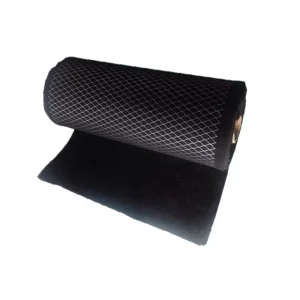
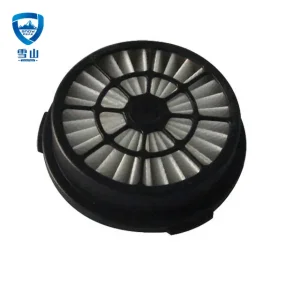
Explore our precision-engineered particulate control and photocatalytic filtration catalog designed for global enterprise procurement.
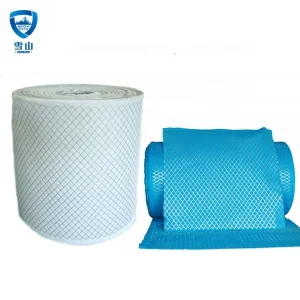
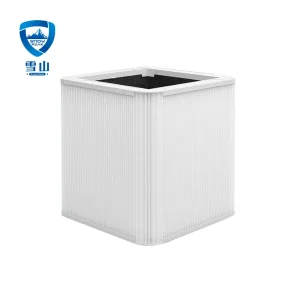

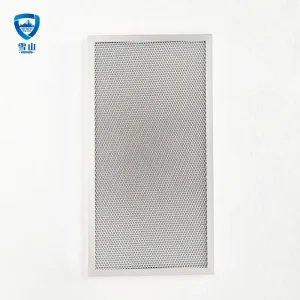
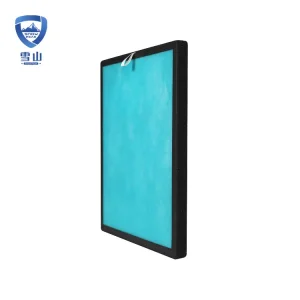
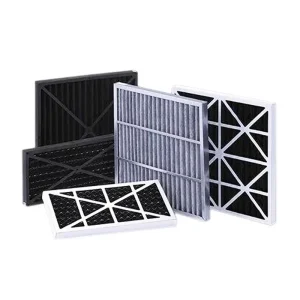
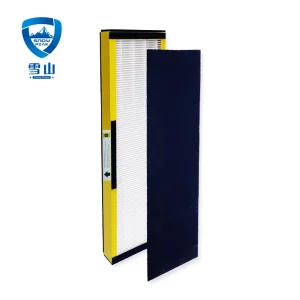
Shenzhen Snow Peak Clean Technology Co., Ltd. is a premier, integrated high-tech enterprise specialized in air filtration products research, development, state-of-the-art production, domestic distribution, and global import-export trade. We serve as a cornerstone supply partner for complex cleanroom environments, HVAC systems, and consumer air purifying brands globally.
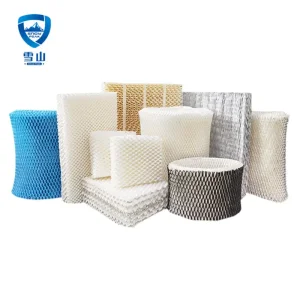
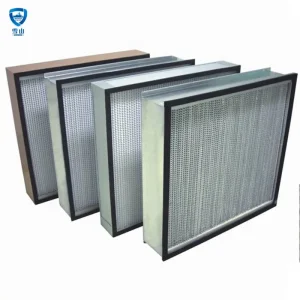
Our expansive product catalog spans multi-layered pre-filters, high-capacity pocket filters, absolute HEPA filters, specialized chemical filters, and direct OEM replacement elements such as car cabin air filters, humidifier wicks, and cabin comfort filters. With a relentless focus on material science, we produce premium melt-blown composite media and high-performance synthetic materials that set industry benchmarks for dust-holding capacity and aerodynamic efficiency.
Leveraging our proprietary patented technologies, our flagship sterilizing antiviral HEPA filters achieve sub-micron efficiency that brings ambient PM2.5 concentrations down below 10 micrograms per cubic meter—exceeding major international standards by fivefold. By integrating localized active catalysts, these filters neutralize up to 99.9% of microbial growth while destroying target aerosol pathogens like H1N1 influenza with verified efficiencies reaching 99.99%, ensuring absolute purification without secondary off-gassing.
How advanced titanium dioxide ($TiO_2$) chemistry and light interaction deliver active molecular decomposition for industrial clean air applications.
Photocatalytic Oxidation (PCO) occurs when semi-conductive Titanium Dioxide ($TiO_2$) is exposed to specific wavelengths of ultraviolet (UV) irradiation, typically UV-A (365nm) or UV-C (254nm). This photon exposure excites electrons ($e^-$) from the catalyst’s valence band to its conduction band, generating highly reactive electron-hole pairs ($h^+$).
These energetic holes interact with localized moisture ($H_2O$) and ambient oxygen ($O_2$) molecules on the substrate’s boundary layer. The resulting chemical cleavage yields Hydroxyl Radicals ($·OH$) and Superoxide Anions ($·O_2^-$)—incredibly strong oxidizers that instantly break down complex hydrocarbon structures into harmless water vapor ($H_2O$) and carbon dioxide ($CO_2$).
Traditional cleanroom methods rely heavily on physical adsorption filters like granulated or bonded activated carbon. While carbon captures VOCs, it inevitably reaches chemical saturation, risking breakthrough release and necessitating frequent replacement. Photocatalyst filters provide a dynamic, self-regenerating catalytic action.
Because the $TiO_2$ catalyst functions purely to facilitate the reaction without being consumed, the filter remains active over long duty cycles. This design offers a sustainable, low-maintenance solution for continuous gas-phase chemical destruction.
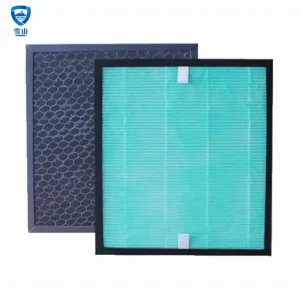
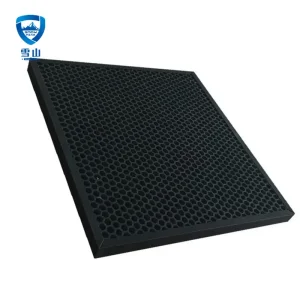
To maximize catalyst contact surface area while maintaining minimal system pressure drops, Snow Peak implements high-precision aluminum honeycomb and nickel foam cores. The three-dimensional structure of honeycomb channels ensures laminar airflow with optimized contact times.
Applying uniform nanometer-level $TiO_2$ coatings prevents catalyst shedding while optimizing light penetration across the honeycomb walls. This careful design reduces resistance to airflow, lowering energy consumption in high-volume commercial HVAC fans.
Analyzing procurement standards, sustainability mandates, and the shift toward active purification systems across major global markets.
Modern commercial buildings targeting LEED, WELL, or ASHRAE 62.1 Indoor Air Quality certifications are moving beyond MERV 13 particle capture. High-density urban zones require active degradation systems to control incoming nitrogen dioxide ($NO_x$), ozone ($O_3$), and diesel particulates. Industrial buyers look for durable photocatalyst modules that interface with UV sanitization fixtures to achieve chemical neutralization and bio-burden management without generating ozone byproducts.
In wafer fabrication and sterile pharmaceutical packaging, Airborne Molecular Contamination (AMC) poses a risk to yields. Traces of solvents, outgassing siloxanes, and biological spores escape standard HEPA filtration. Integrating photocatalytic filters within cleanroom FFU (Fan Filter Units) creates a sterile barrier that breaks down gaseous contaminants at the molecular level, protecting product integrity and meeting cleanroom class requirements.
Global supply chain managers are focusing on long-term filter operating costs. High-quality photocatalytic filters offer low resistance to airflow, reducing the load on fan motors. By breaking down captured organic material, the catalyst surface remains clean, reducing maintenance needs and filter replacements. This design lowers disposal volume, helping companies meet their corporate environmental targets.
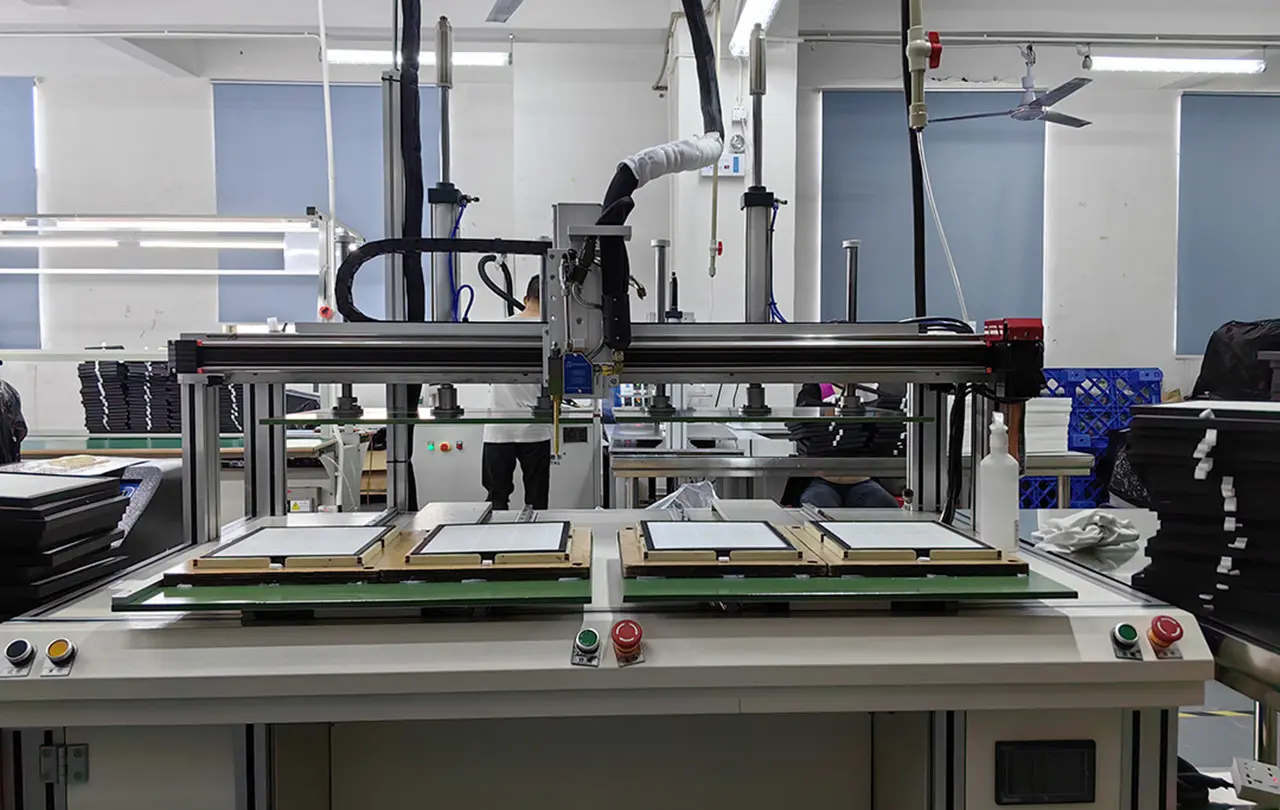
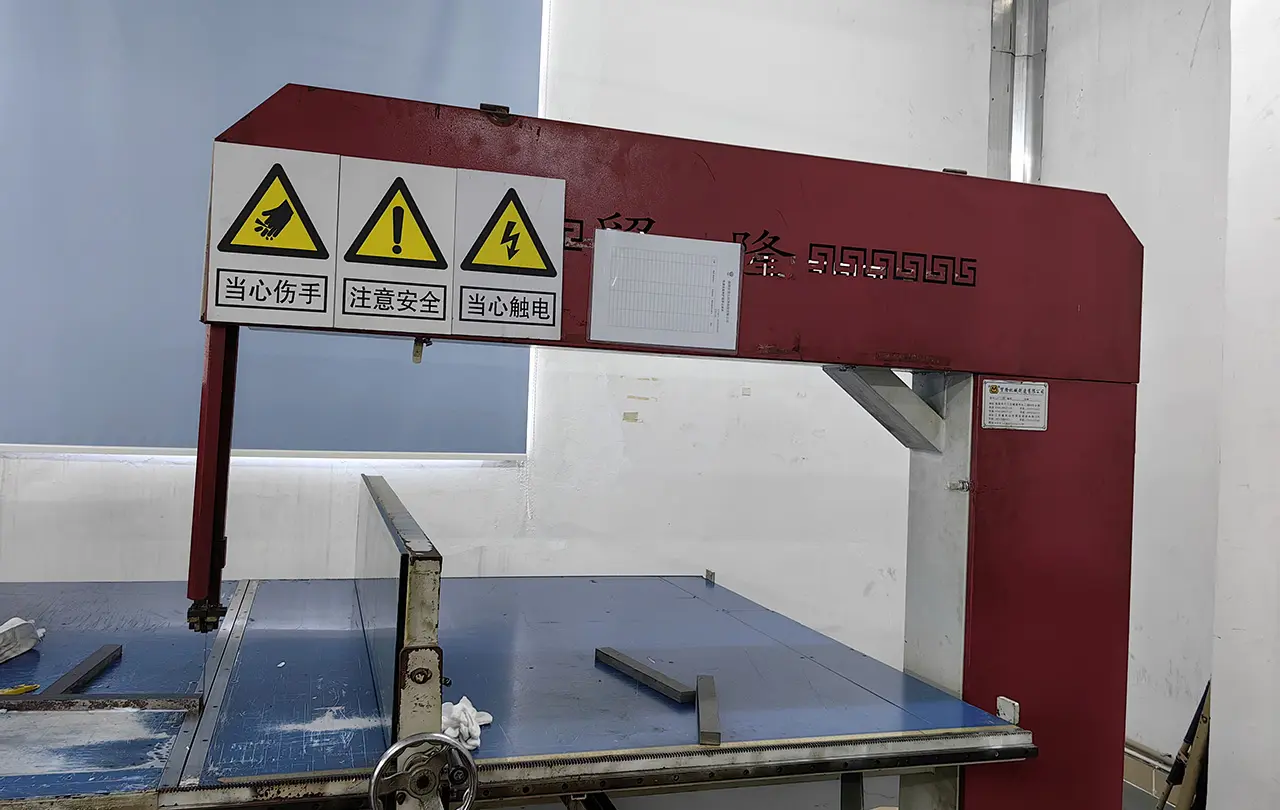
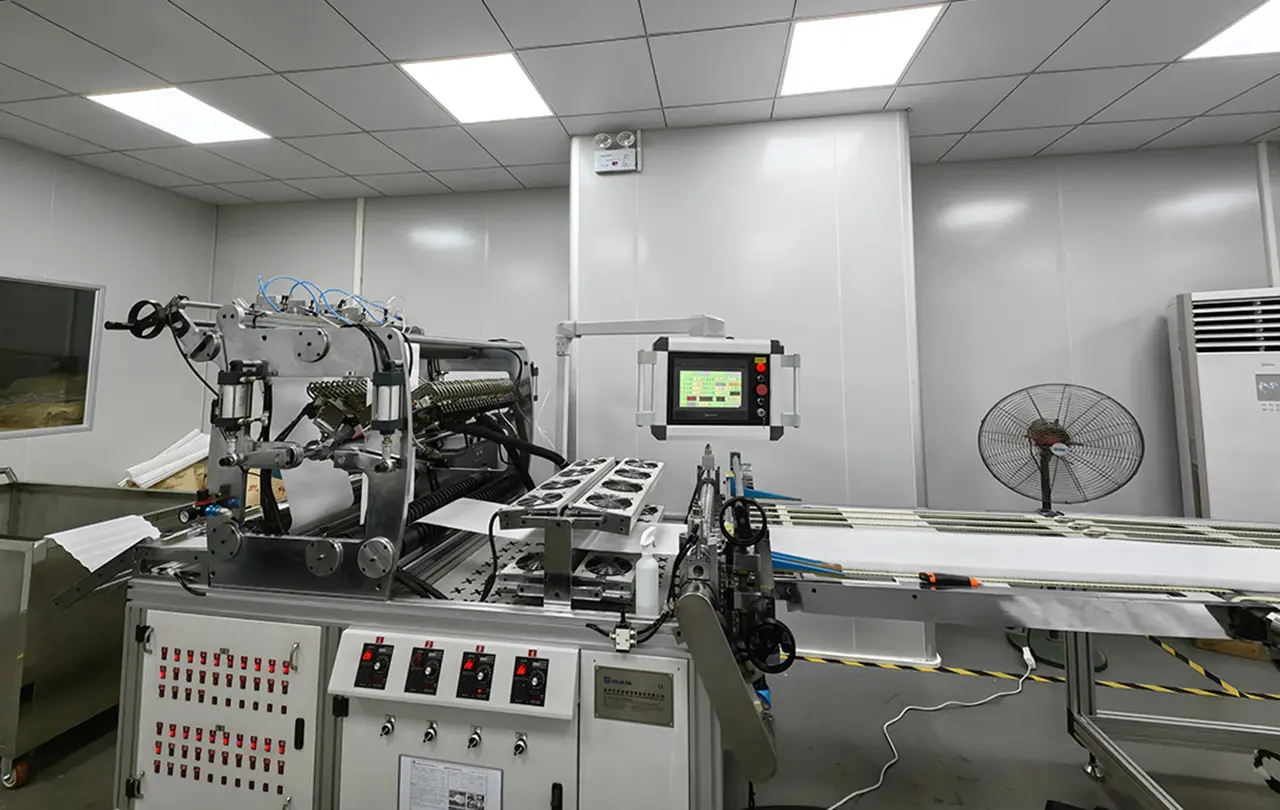
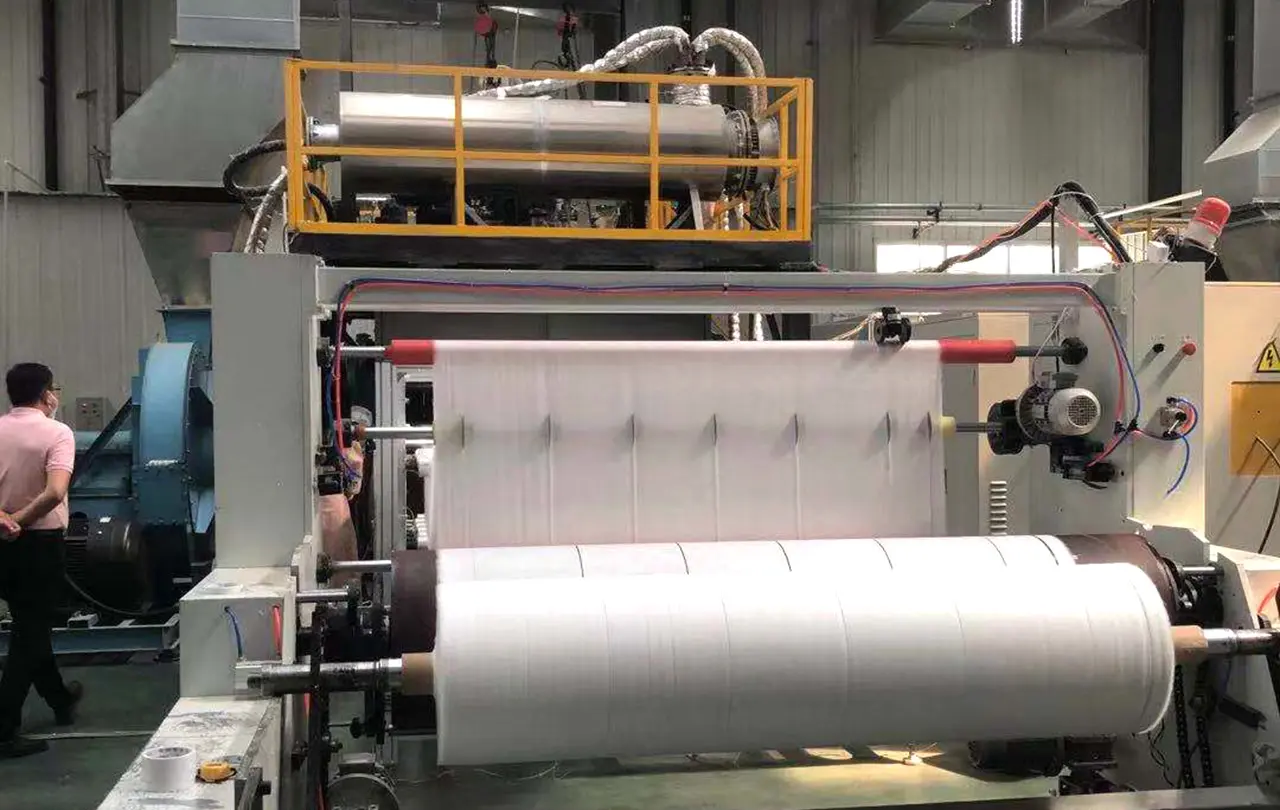
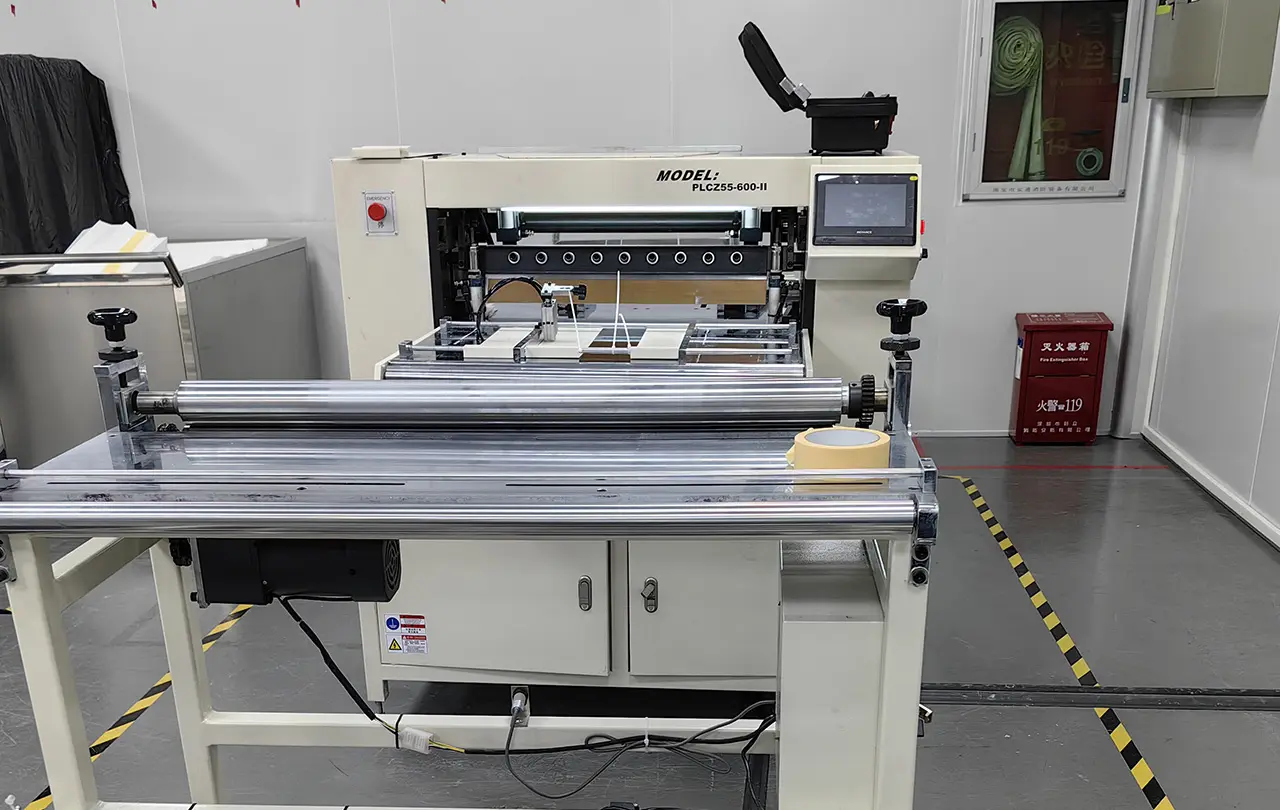
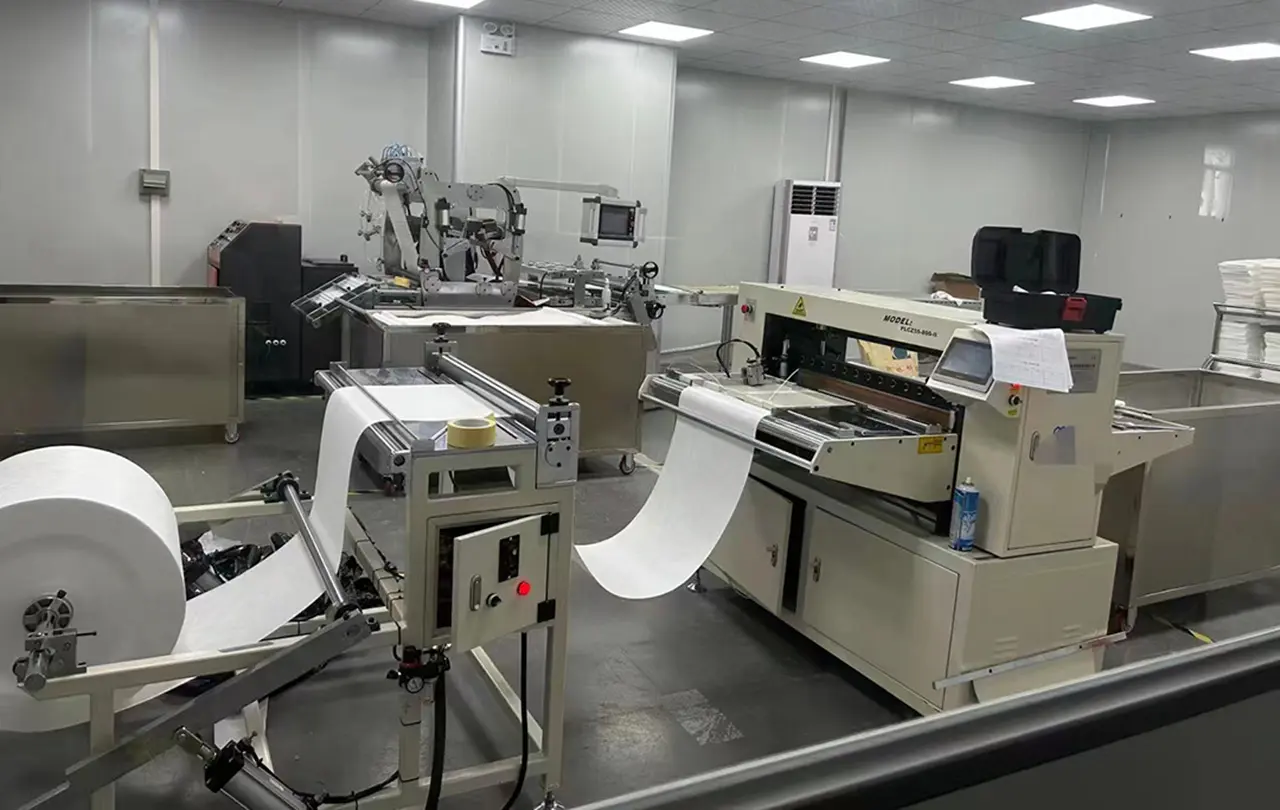
Inside Shenzhen Snow Peak's advanced manufacturing facility—leveraging precision machinery and strict quality control.
Our commitment to quality is supported by a standardized production workshop, dust-free filter assembly lines, and specialized testing laboratories. With 15 years of air purification expertise, we have developed automated production lines that keep cell structures consistent and adhesive applications precise.
Our facility is equipped with precision fabrication tools, including AMADA CNC punch systems and high-precision CNC bending machines. This allows us to manufacture durable, dimensionally stable metal frames from galvanized sheet, aluminum profile, and stainless steel, meeting exact cabinet tolerances for our industrial clients.
A visual look at our automated production stages, showing our commitment to manufacturing consistency.
How our custom photocatalytic oxidation systems solve specific air contamination challenges in various environments.
Medical environments require continuous bio-aerosol control. High-efficiency particle filters collect physical spores, while photocatalytic filters actively destroy viruses and bacteria caught on the filter media. The photocatalytic oxidation process helps neutralize pathogenetic microbes without releasing toxic chemicals, keeping indoor air safe for vulnerable patients.
High-density office towers deal with ambient traffic pollutants, such as nitrogen dioxide ($NO_2$) and volatile organic compounds (VOCs). Installing honeycomb photocatalyst filters into main HVAC units allows facility managers to clean recirculated air. This reduces the need for raw outdoor air exchange, which lowers energy consumption for heating and cooling.
Transit hubs experience rapid shifts in passenger density and intermittent exposure to jet engine exhaust fumes (SOx, NOx, kerosene vapors). Integrating large-scale honeycomb PCO filters within public air handling systems removes heavy kerosene odors and limits the spread of airborne viruses, creating a more comfortable environment for travelers.
Detailed answers to common engineering, procurement, and installation questions about photocatalyst filter systems.
Explore our selection of specialized particulate filters, replacement packs, and custom-structured molecular media.
 Snow Peak