Engineered cleanroom and consumer-grade filtration solutions manufactured to strict international quality standards.
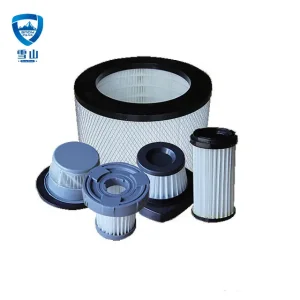
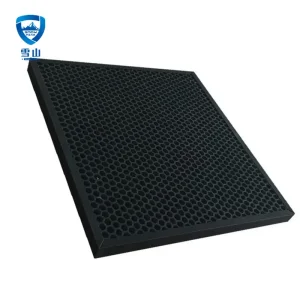
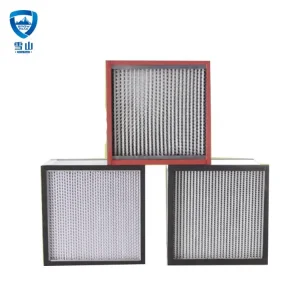
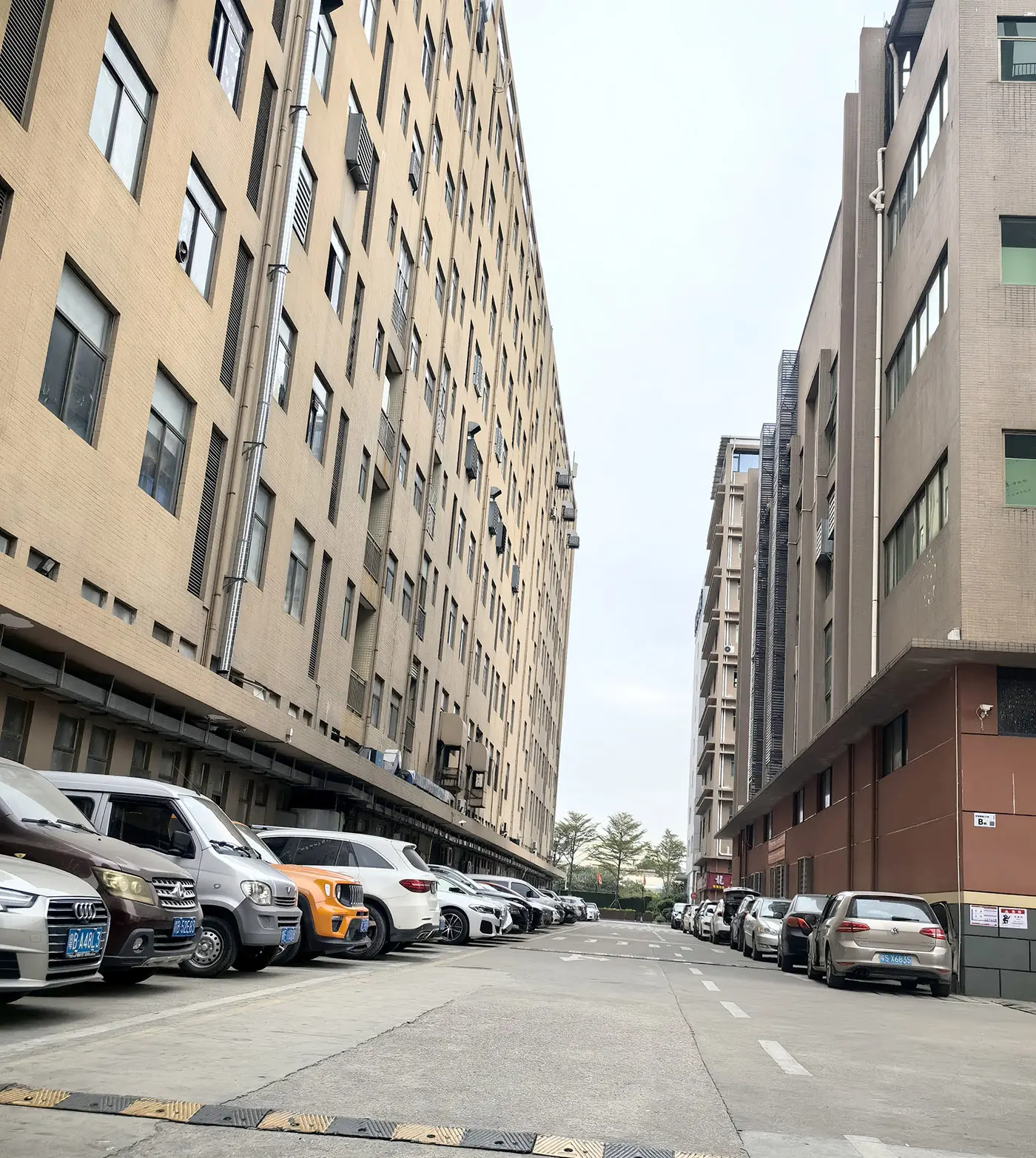
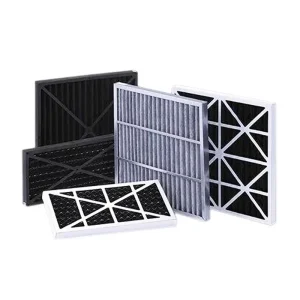
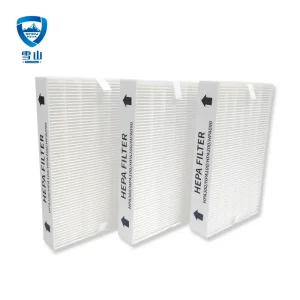
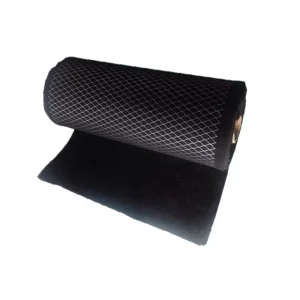
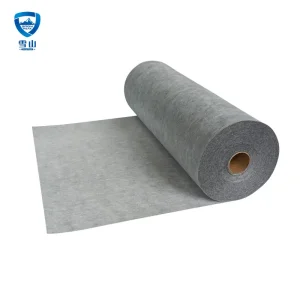
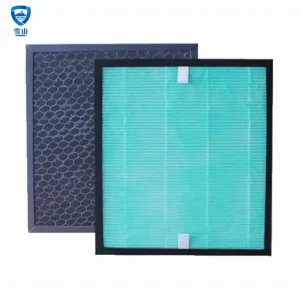
We are an integrated high-tech enterprise, specialized in air filtration products research and development, production, sales, import and export trade. We produce and supply: Pre-filter, pocket filter, HEPA filter, chemical filter; replacement HEPA filter, car cabin air filter, humidifier filter; pocket filter media, melt-blown composite filter media, and other high-performance filter materials; provide high quality air purification solutions and products for indoor air pollution control and air conditioning systems of civil and industrial buildings, microelectronics, pharmaceutical, laboratory, school, hospital clean room etc.
Combined with self-developed patented technology, our sterilizing antiviral HEPA filter can effectively filtrate fine particles, so that PM2.5 concentration down to 10 micrograms/m3, 5 times better than national standard; effectively inhibit the breeding of microorganisms, sterilization rate up to 99.9%, and no secondary pollution, removal of H1N1 virus efficiency as high as 99.99%.
Having 15 years of international air purification technology experience as the background, our company has standardized production workshop, dust-free filter workshop and first-class technology of HEPA filters production line and inspection line, independent research and development of fully automatic air filter production line, equipped with AMADA CNC punch and CNC bending machine as well as many other advanced high-end equipment, provide a strong guarantee for production and quality of air filtration and purification products.
Cleanrooms play an essential role in high-tech manufacturing, pharmaceuticals, biotechnology, and medical device fabrication. Central to these environments is the 2x4 HEPA filter (nominally 24 inches by 48 inches, or 610 mm x 1220 mm). This size profile acts as the universal standard for ceiling grids in Fan Filter Units (FFUs) and modular terminal housings globally.
Understanding the selection criteria, manufacturing tolerances, sealing dynamics, and physical performance limits of these filters is crucial for HVAC engineers, plant managers, and facility design offices. This comprehensive technical guide analyzes how high-performance 2x4 HEPA systems prevent contamination, reduce system operating costs, and satisfy global standards (ISO 14644-1, EN 1822, and IEST-RP-CC001).
A high-efficiency particulate air (HEPA) filter is more than just a media sheet inside a frame; it is a meticulously engineered system. The 2x4 size profile demands strict geometric stability to prevent bypass leaks and structural sagging over time.
Filter Media: The industry relies on two primary material architectures:
Pleat Design and Hot Melt Separation: Traditional deep-pleat designs used corrugated aluminum separators. Modern 2x4 units utilize mini-pleat technology. Using computer-controlled mini-pleat machinery, the media is folded with tight, shallow pleats (typically 50mm to 96mm deep) separated by thermoplastic hot-melt adhesive ribbons. This structure maximizes the filtration surface area within the 2x4 footprint, ensuring uniform airflow velocity and minimizing initial resistance.
The interface between the filter frame and the cleanroom ceiling grid is a critical bypass risk zone. Manufacturers utilize two distinct sealing technologies:
1. Knife-Edge Gel Seal (Fluid Seal): The filter frame features an outer channel filled with a non-flowing, self-healing polyurethane or silicone gel. During installation, the knife-edge of the ceiling grid penetrates this gel, creating a zero-bypass airtight seal. This is the standard for ISO Class 1 to Class 5 environments.
2. EPDM/Neoprene Gaskets: A closed-cell elastomeric gasket is adhered to the flange of the filter frame. While cost-effective and easy to replace, it requires uniform mechanical compression force to prevent bypass leakage, rendering it more suitable for ISO Class 6 through Class 9 environments.
China has transitioned from a low-cost parts producer to a hub for high-precision cleanroom component manufacturing. Factories like Shenzhen Snow Peak Clean Technology Co., Ltd. lead this shift by integrating research, development, and vertical supply chains.
Several key factors distinguish premium Chinese exporters in the 2x4 HEPA market:
Choosing the correct efficiency class directly impacts both cleanroom classification and air handling energy costs. Below is a comparative analysis of the standard filtration media profiles used in 2x4 configurations:
| Filter Class (EN 1822) | MPPS Efficiency (%) | Nominal Airflow Velocity | Typical Initial Resistance | Primary Applications |
|---|---|---|---|---|
| H13 HEPA | ≥ 99.95% | 0.45 m/s (90 fpm) | 80 - 100 Pa | Hospitals, Commercial HVAC, Pre-filtration, Food Packaging |
| H14 HEPA | ≥ 99.995% | 0.45 m/s (90 fpm) | 110 - 130 Pa | Pharmaceutical Formulation, Aseptic Fill Suites, Medical Devices |
| U15 ULPA | ≥ 99.9995% | 0.45 m/s (90 fpm) | 140 - 170 Pa | Semiconductor Fabrication, Advanced Photolithography, Microelectronics |
The 2x4 layout is utilized across various specialized industries, each presenting unique engineering demands:
Requires absolute microbial containment. The combination of H14 mini-pleat 2x4 HEPA filters with liquid gel seals prevents bypass leaks of viruses, bacteria, and fungal spores. Our antiviral coating adds an extra layer of active protection.
In Class 1 (ISO 3) wafer processing rooms, the presence of a single 0.1-micron particle can ruin silicon wafers. Plant designs integrate hundreds of U15/U16 2x4 ULPA filters with PTFE membranes to maintain ultra-low pressure drops and chemical stability.
Continuous-flow packaging lines require sterile air zones to prevent product spoilage without adding chemicals. High-efficiency 2x4 H13 HEPA modules ensure continuous clean zone pressurization.
Modern cleanroom facilities are major energy consumers. Cleanroom fans running 24/7 can account for up to 50% of a high-tech facility's electricity draw. As a result, current technological trends focus on green building compliance:
Our manufacturing processes adhere to the highest global testing and verification requirements:
A transparent look inside our cleanroom filter production line, showcasing our automated and high-precision assembly.
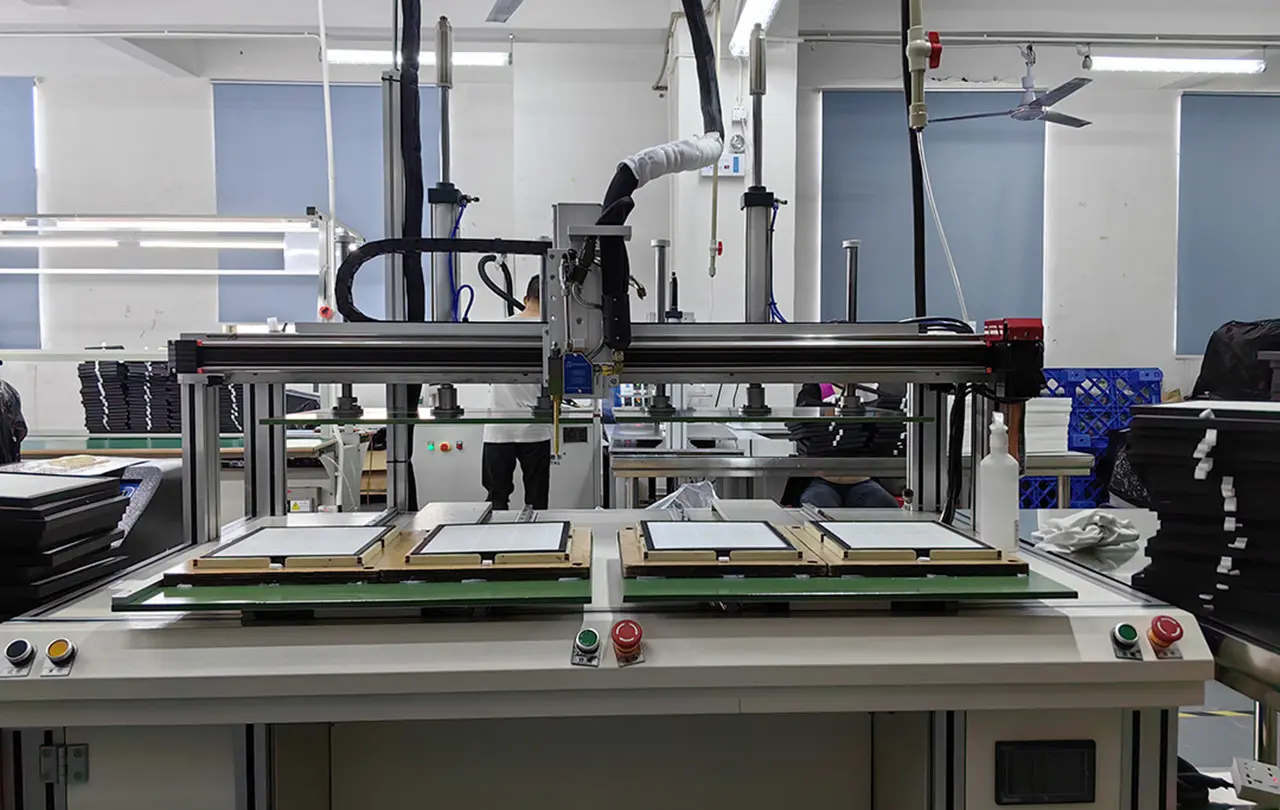
Our computer-controlled frame gluing machinery applies a uniform adhesive bead to prevent bypass leaks between the frame and filter media.
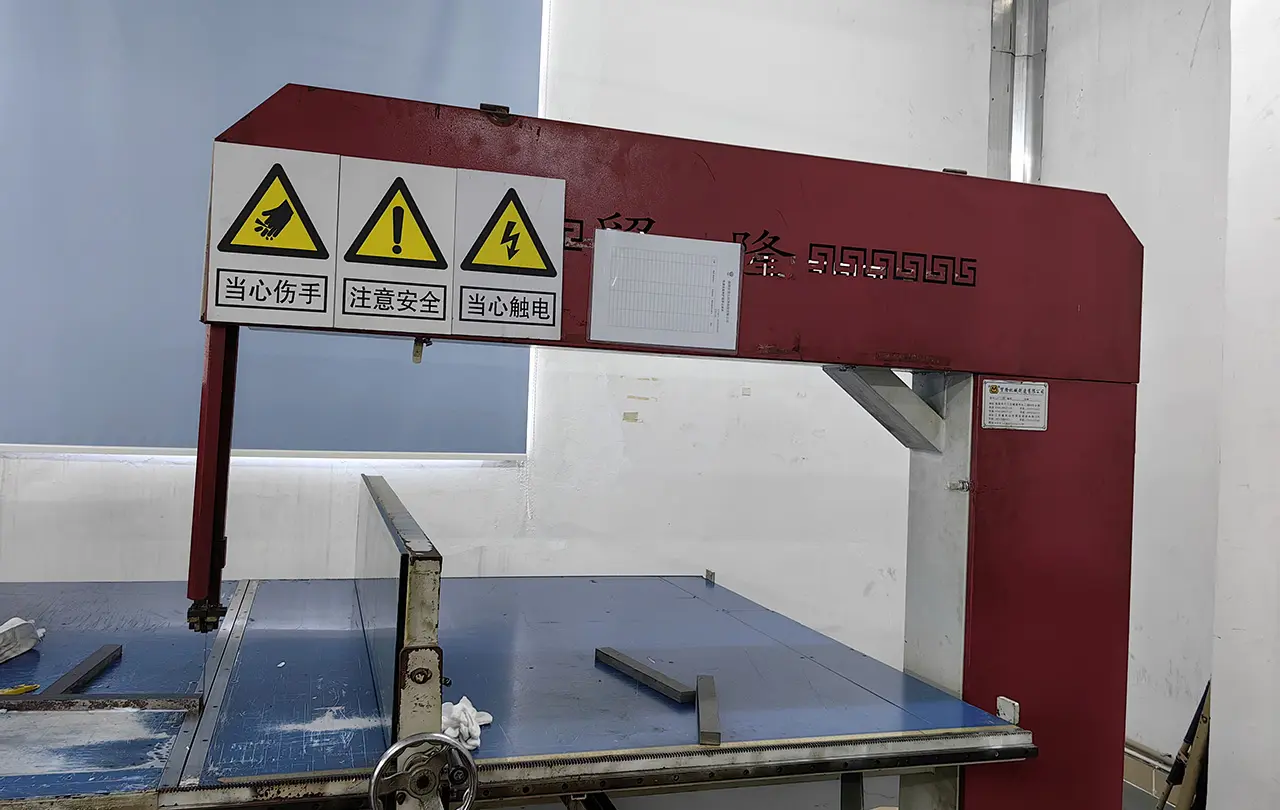
Advanced CNC cutting systems ensure frame profiles are cut with millimeter-level precision, preventing installation issues in cleanroom grids.
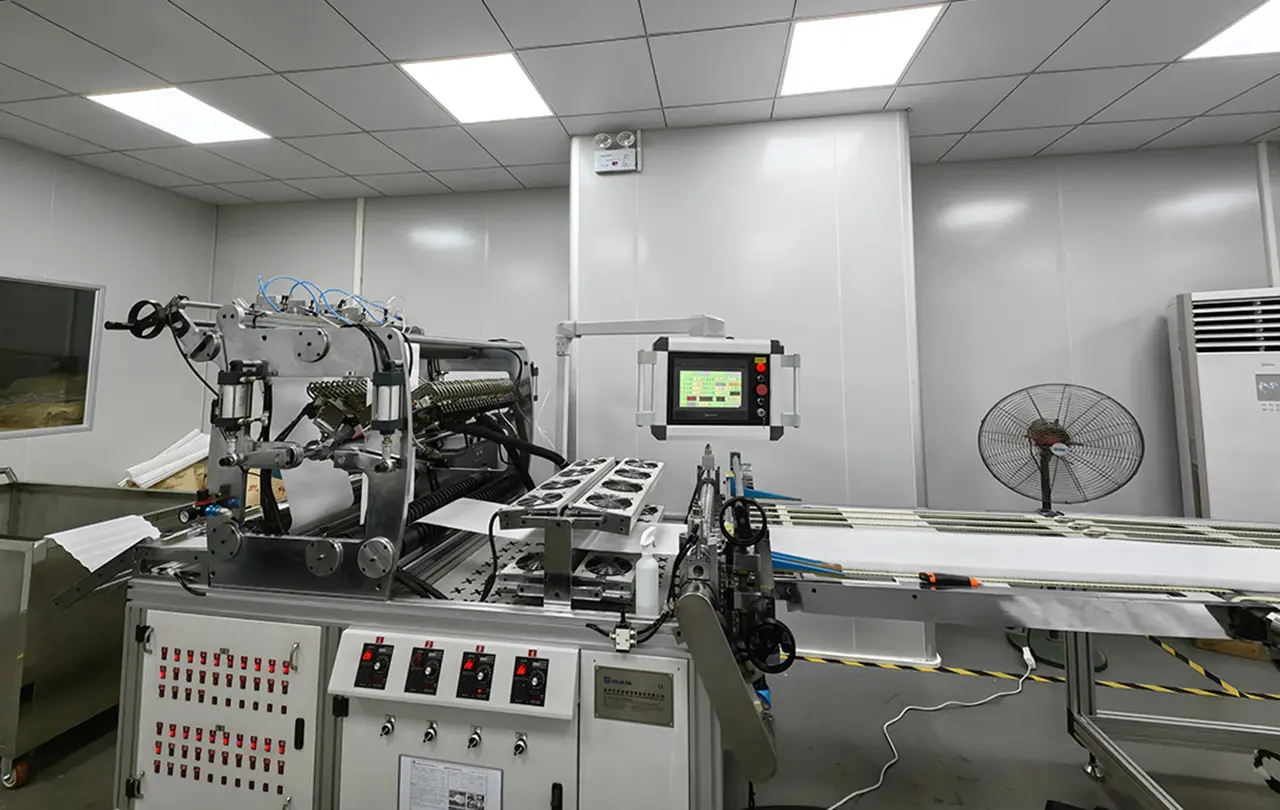
Manual and automated double-check grouting ensures that all filter components are securely bonded and free of micro-crevices.
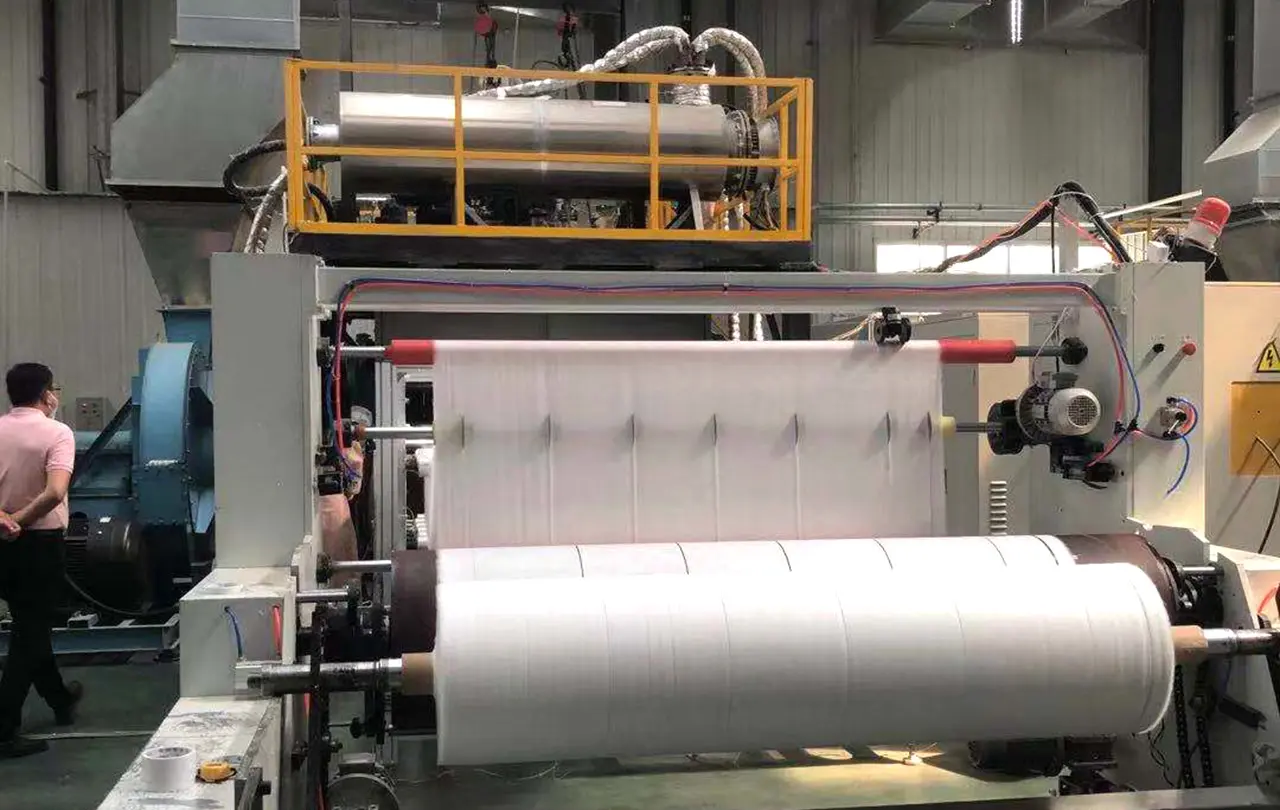
We compound cleanroom-grade meltblown layers with structural backings to optimize structural rigidity and dust loading.
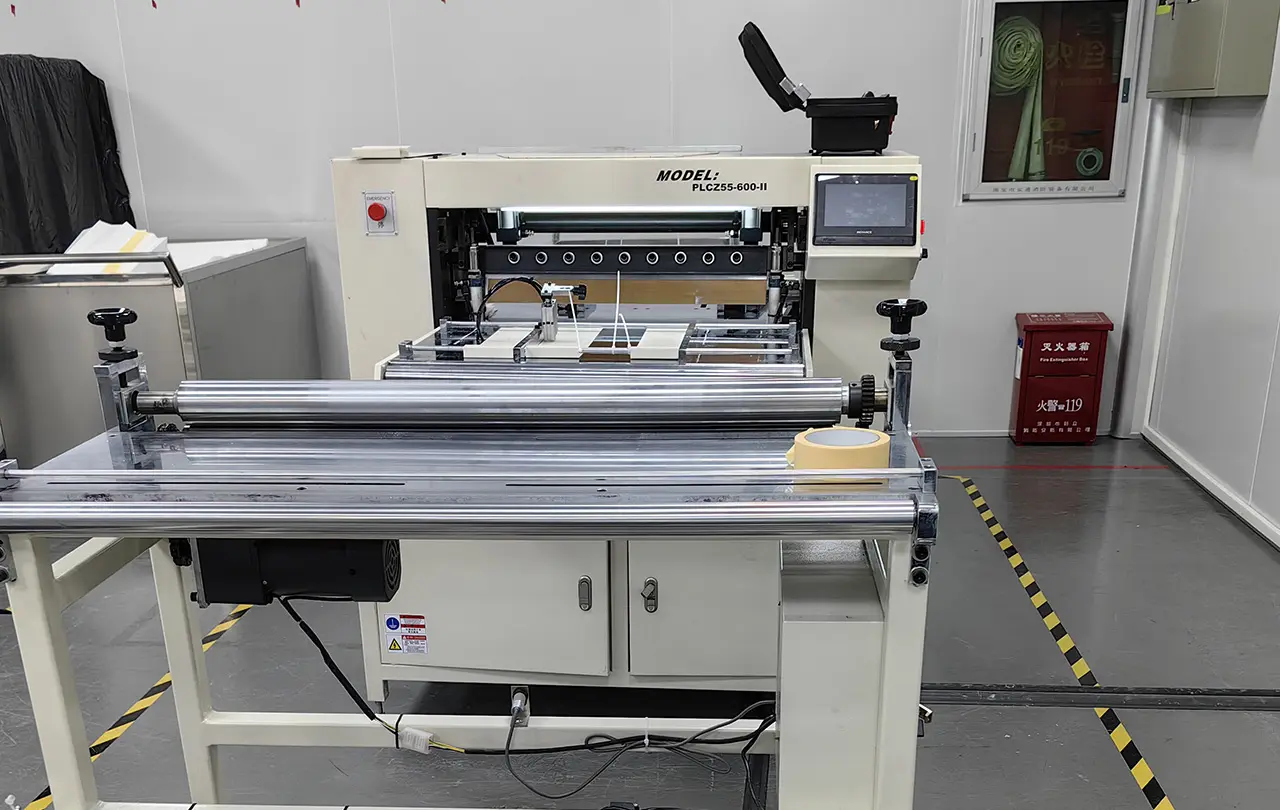
Our pleating lines shape the media with uniform spacing using hot-melt ribbons to maintain optimal laminar airflow.
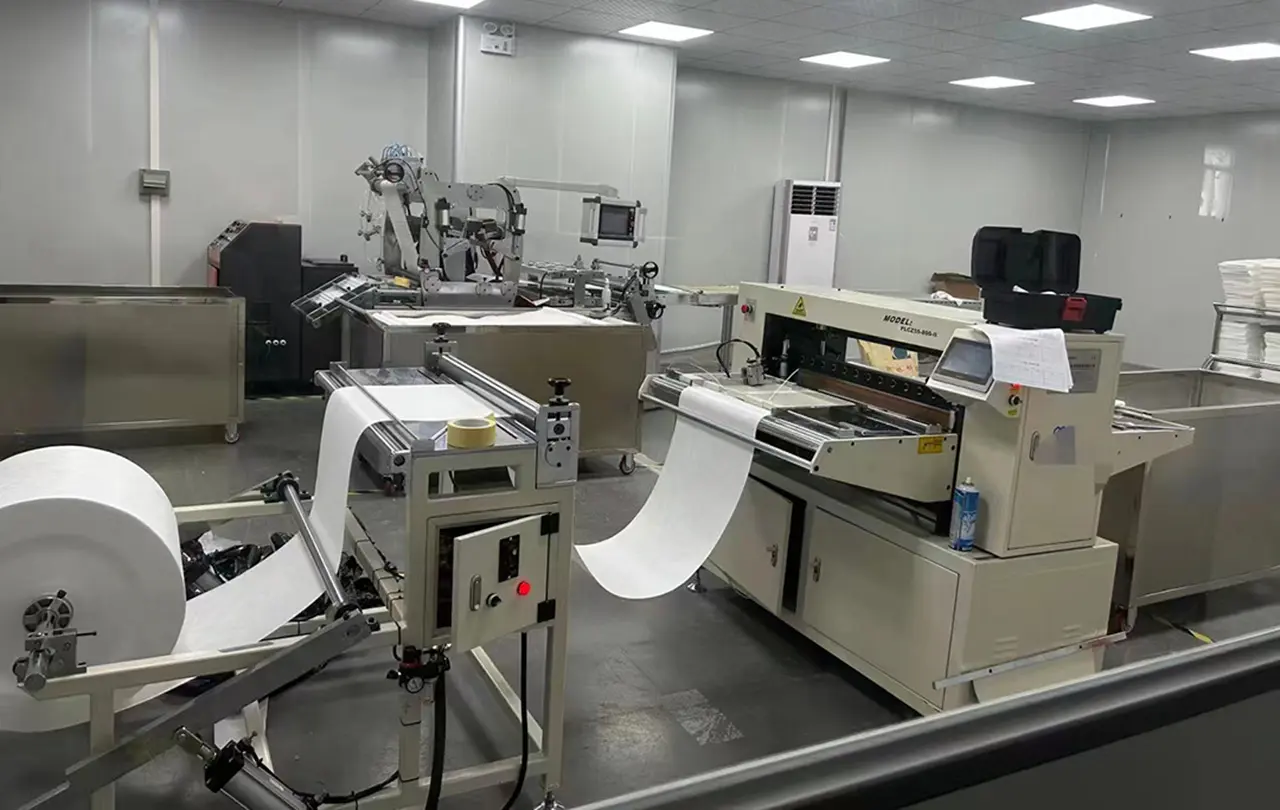
Each filter element undergoes strict quality inspection to ensure uniform density before final frame assembly.
Get professional answers regarding specifications, supply chains, and maintenance of cleanroom filters.
Although termed "2x4" (feet), the exact dimensions depend on the grid system. For a standard T-bar grid, the actual size of the filter is typically 570 mm x 1170 mm or 1170 mm x 570 mm (with depths ranging from 69mm to 150mm). Standard 24" x 48" grid filters are sized slightly smaller than the nominal grid opening to accommodate structural supports and seals.
Fluid gel seals (silicone or polyurethane) utilize a knife-edge grid component that sinks into a gel-filled channel on the filter frame, forming a zero-bypass airtight seal. Dry gasket seals rely on compressed neoprene or EPDM rubber. For pharmaceutical facilities, sterile compounding, and semiconductor labs (Class 100/ISO 5 or cleaner), gel seals are the standard choice because they eliminate pressure-loss leaks.
In standard cleanrooms with multi-stage pre-filtration (such as MERV 8 and MERV 14 pocket filters), a terminal 2x4 HEPA filter will typically last between 3 to 5 years. Lifespan is determined by pressure drop; the filter should be replaced when the pressure drop reaches twice its initial value (commonly around 250 Pa to 300 Pa), or if it fails a DOP leak test.
Yes, PTFE membranes are highly recommended for microelectronics and semiconductor fabs. They offer high mechanical strength, lower chemical outgassing, and up to 40% lower initial resistance compared to borosilicate glass fiber. This reduction in pressure drop lowers fan energy consumption, making it ideal for facilities with hundreds of Fan Filter Units (FFUs).
Every filter we manufacture undergoes individual testing before packaging. We challenge the filters with an upstream aerosol (PAO or DOP) and use automated scanning photometers or discrete particle counters to scan the face and frame joints. Filters are only shipped if they demonstrate a zero-leak profile, complying with EN 1822 and IEST standards.
Yes. As a dedicated ODM/OEM exporter, we specialize in custom manufacturing. We supply filters with customized frame depths, specialized gel seal geometries, custom faceguards, private labeling, and drop-shipping packaging designed to withstand long ocean transits.
Explore our range of consumer, industrial, and specialized filters designed for international brands and systems.
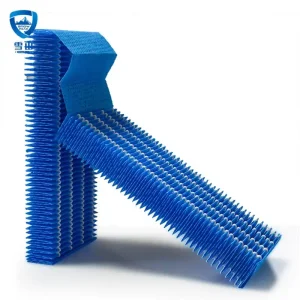
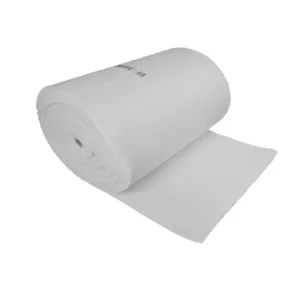
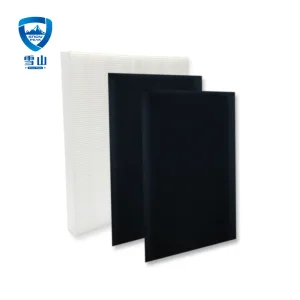
Optimize your cleanroom HVAC system with low-resistance, high-reliability H13, H14, and U15 filters. Contact our engineering team for custom sizes, fluid seals, and bulk pricing.
Request Technical Consult Snow Peak