 Snow Peak
Industry Whitepaper: The Evolution and Strategic Integration of MERV 13 Filtration Materials
1. Global Market Landscape & Industrial Demand for MERV 13 Air Filter Materials
In the contemporary HVAC and indoor air quality (IAQ) sector, the designation MERV 13 (Minimum Efficiency Reporting Value 13) has transitioned from a specialized industrial benchmark to a global regulatory and commercial necessity. Driven by updated building codes, post-pandemic indoor wellness initiatives, and increased public awareness of airborne pathogens and particulate matter (PM2.5), commercial and residential systems alike are standardizing on MERV 13 rated materials.
Under the ASHRAE 52.2 testing standard, MERV 13 media is required to capture at least 90% of large particles (3.0 to 10.0 microns), at least 85% of medium-sized particles (1.0 to 3.0 microns), and at least 50% of fine particles (0.3 to 1.0 microns). This fractional collection efficiency makes it exceptionally effective at removing bacteria, microscopic allergens, smoke, and carriers of viruses from circulating airstreams without causing the extreme static pressure drops associated with medical-grade HEPA filters.
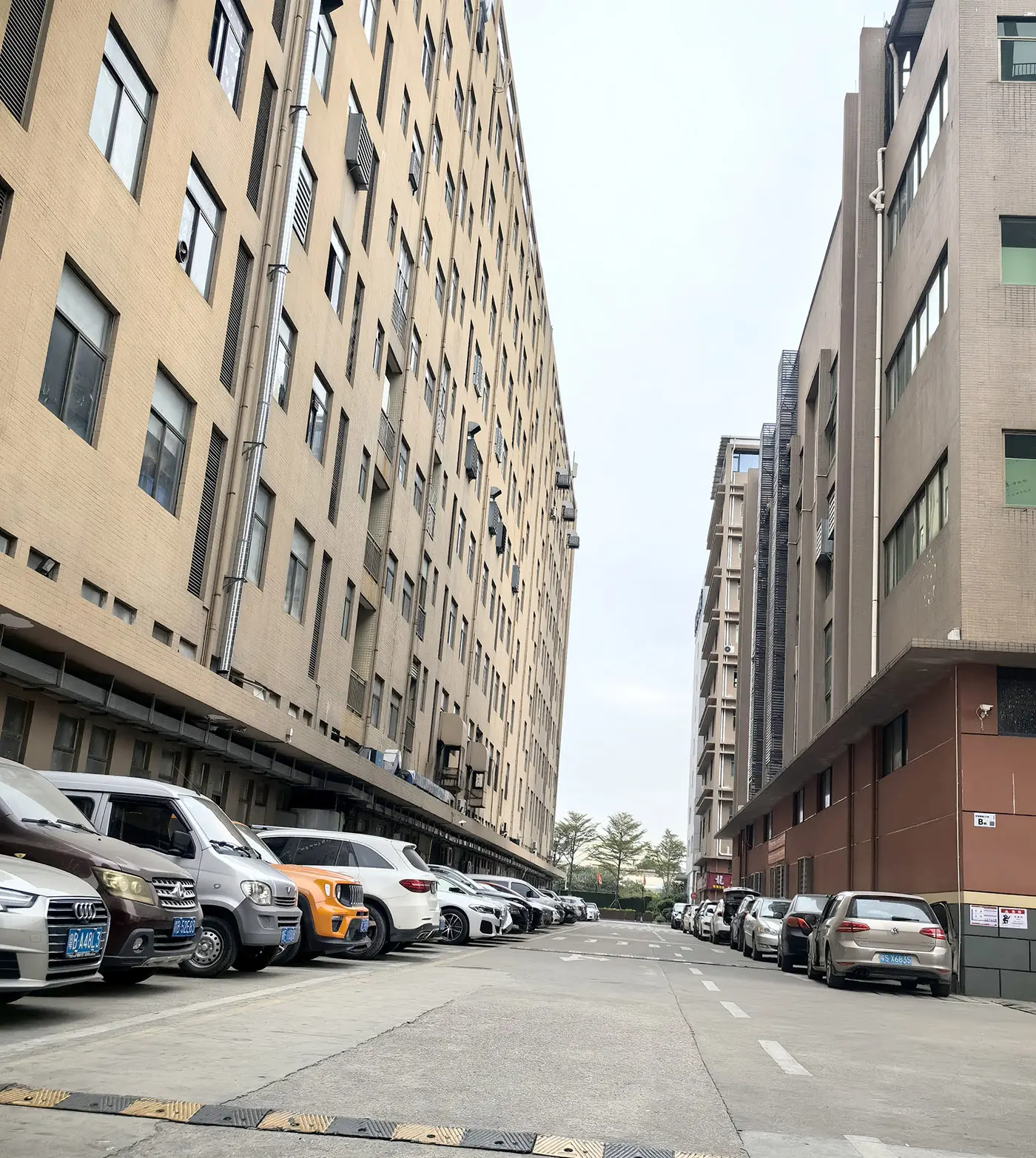
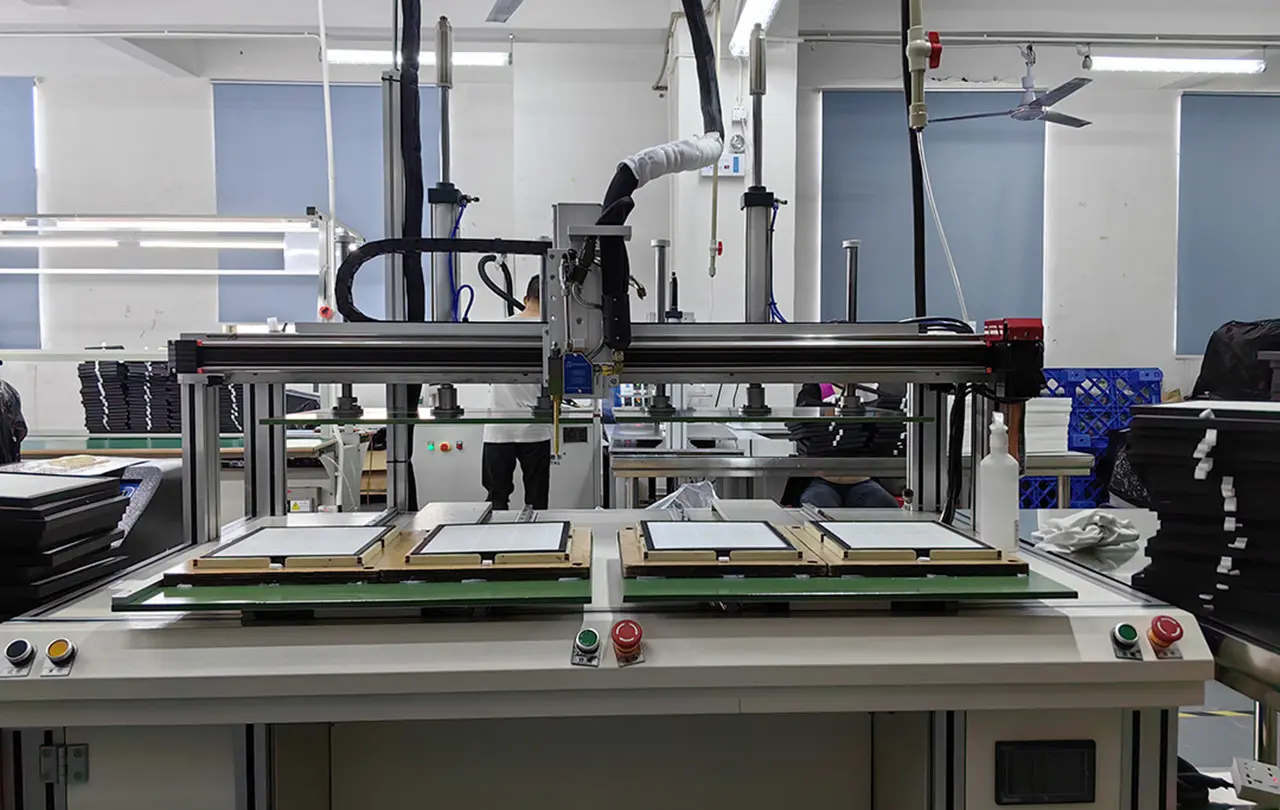
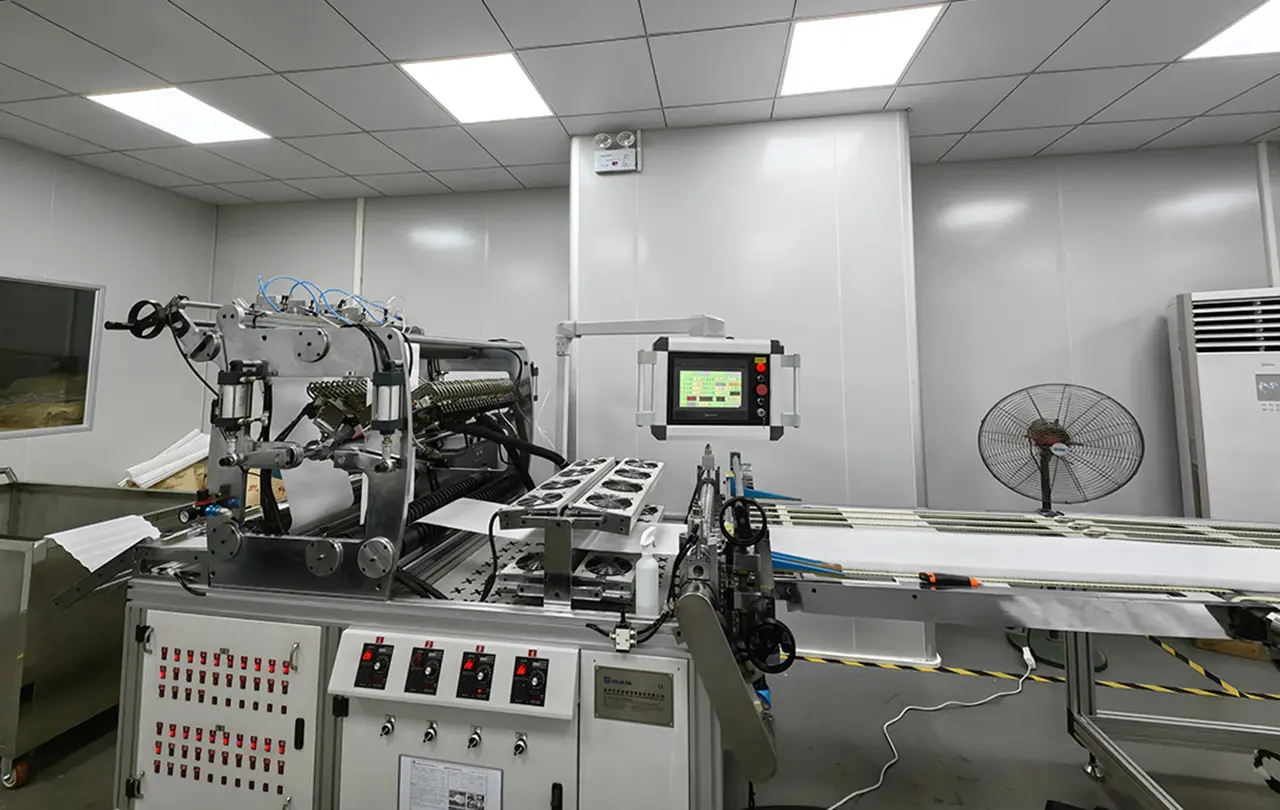
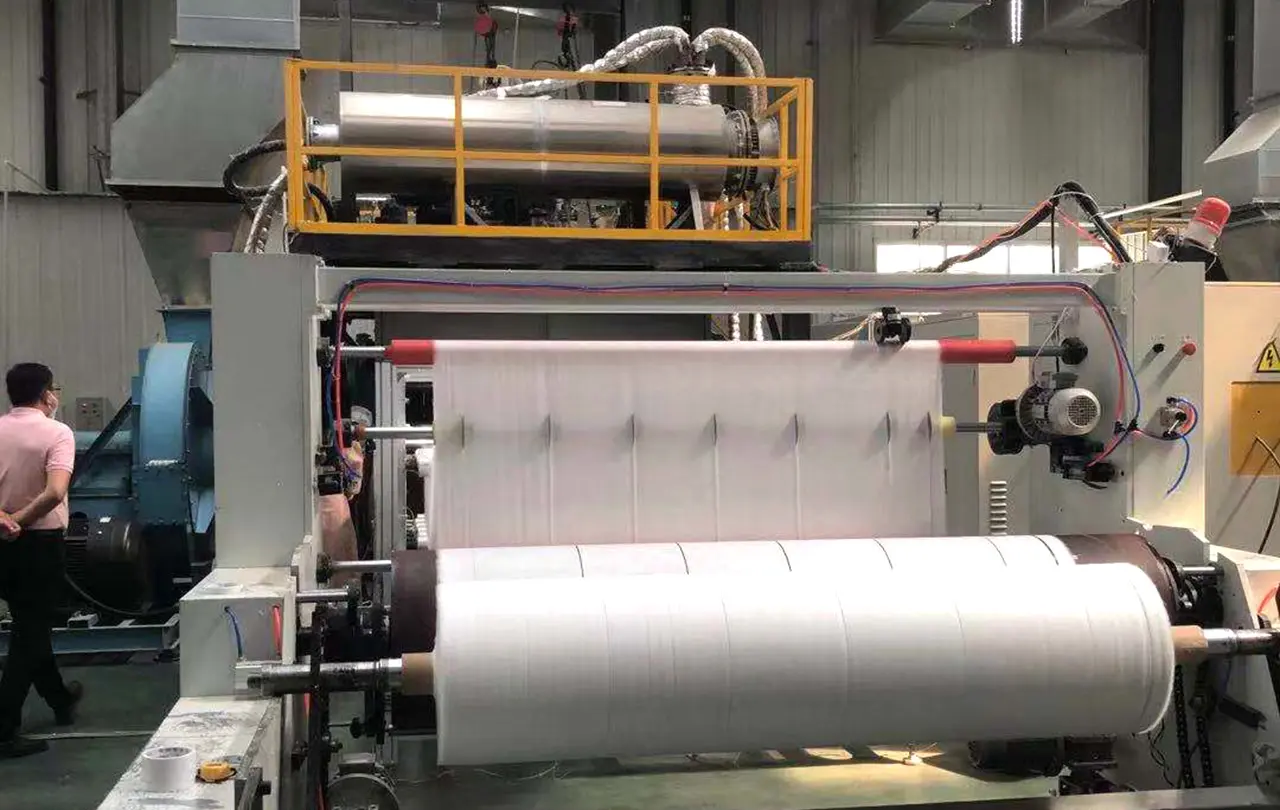
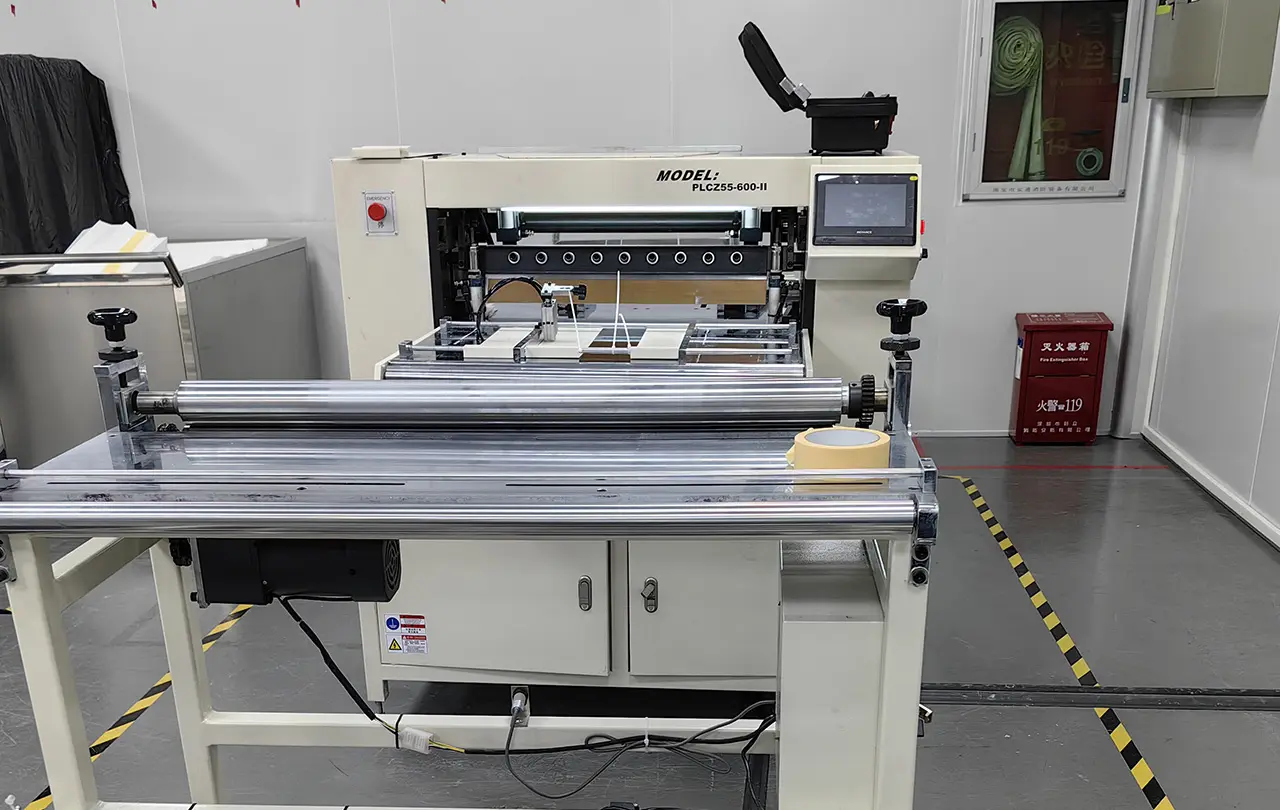
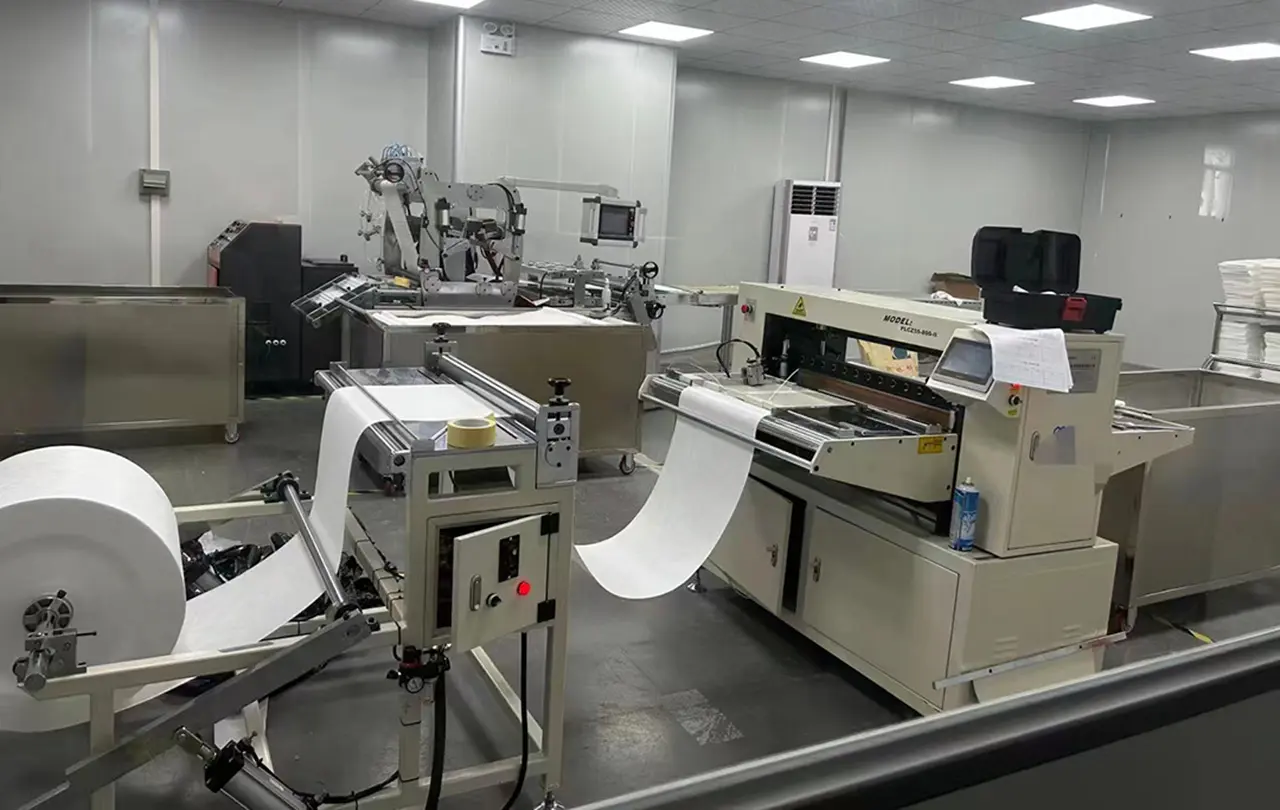
From a manufacturing standpoint, achieving this precise performance metric requires sophisticated control over the fiber diameter distribution in the non-woven web. Melt-blown composite filter media, electrostatically charged to attract sub-micron particulates, represents the pinnacle of modern AC filter material technology. Shenzhen Snow Peak Clean Technology Co., Ltd. has established itself at the forefront of this production technology, integrating composite structures that guarantee longevity, low airflow resistance, and certified particulate arrestance.
2. Technical Architecture of MERV 13 Filter Material
The structural composition of MERV 13 filter material determines its physical resistance and dust-holding capacity. Traditional mechanical filtration relies strictly on interception, inertial impaction, and diffusion. However, to meet the strict pressure drop limits of standard HVAC blowers, modern factories utilize electrostatic charging (electret treatment). This process imparts a semi-permanent electric charge to the polypropylene melt-blown microfibers, enabling them to capture sub-micron particles with minimal physical density.
- Melt-Blown Core: The functional layer consisting of ultrafine fibers (1-5 microns in diameter) that create a high-density matrix for optimal particulate capture.
- Spunbond Protective Layer: Provides mechanical strength and rigidity, protecting the delicate melt-blown fibers from high velocity air currents and physical wear during pleating.
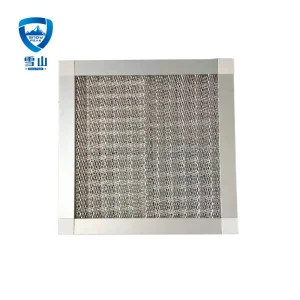
- Composite Structured Media: Integrating carbon-infused webs or wire meshes for multi-functional systems that require both gas-phase and particulate-phase removal.