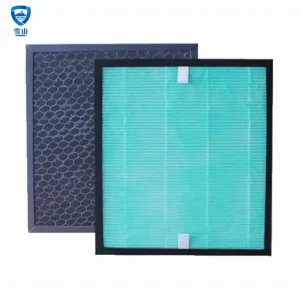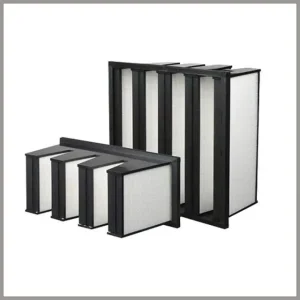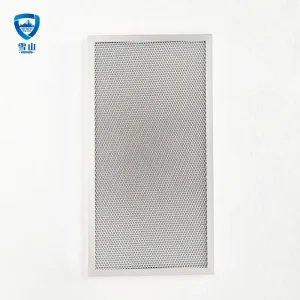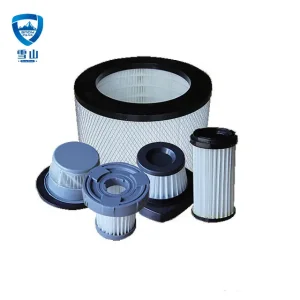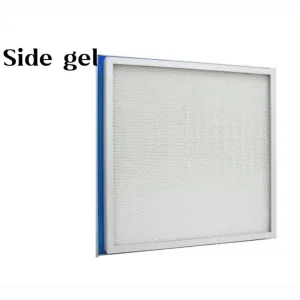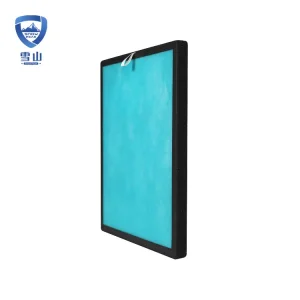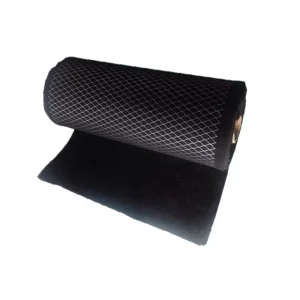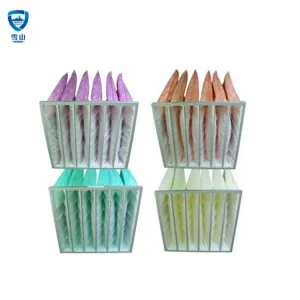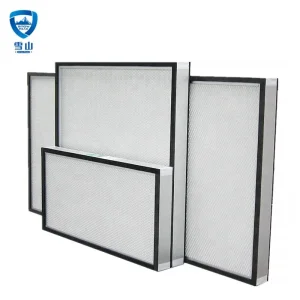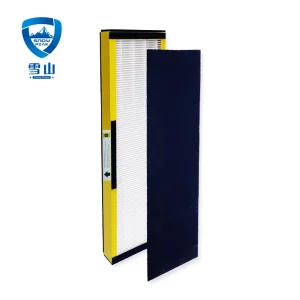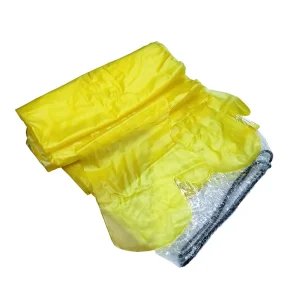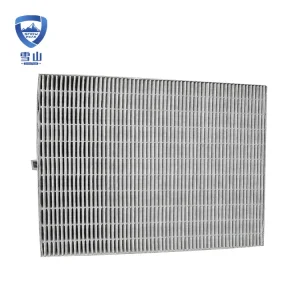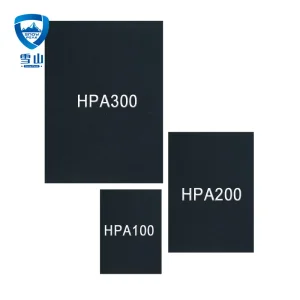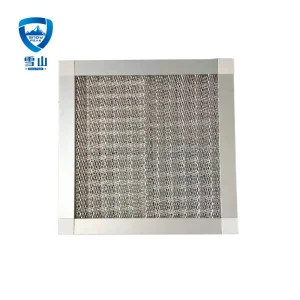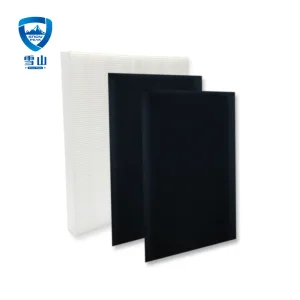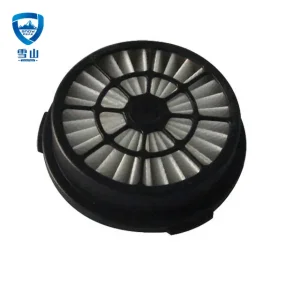
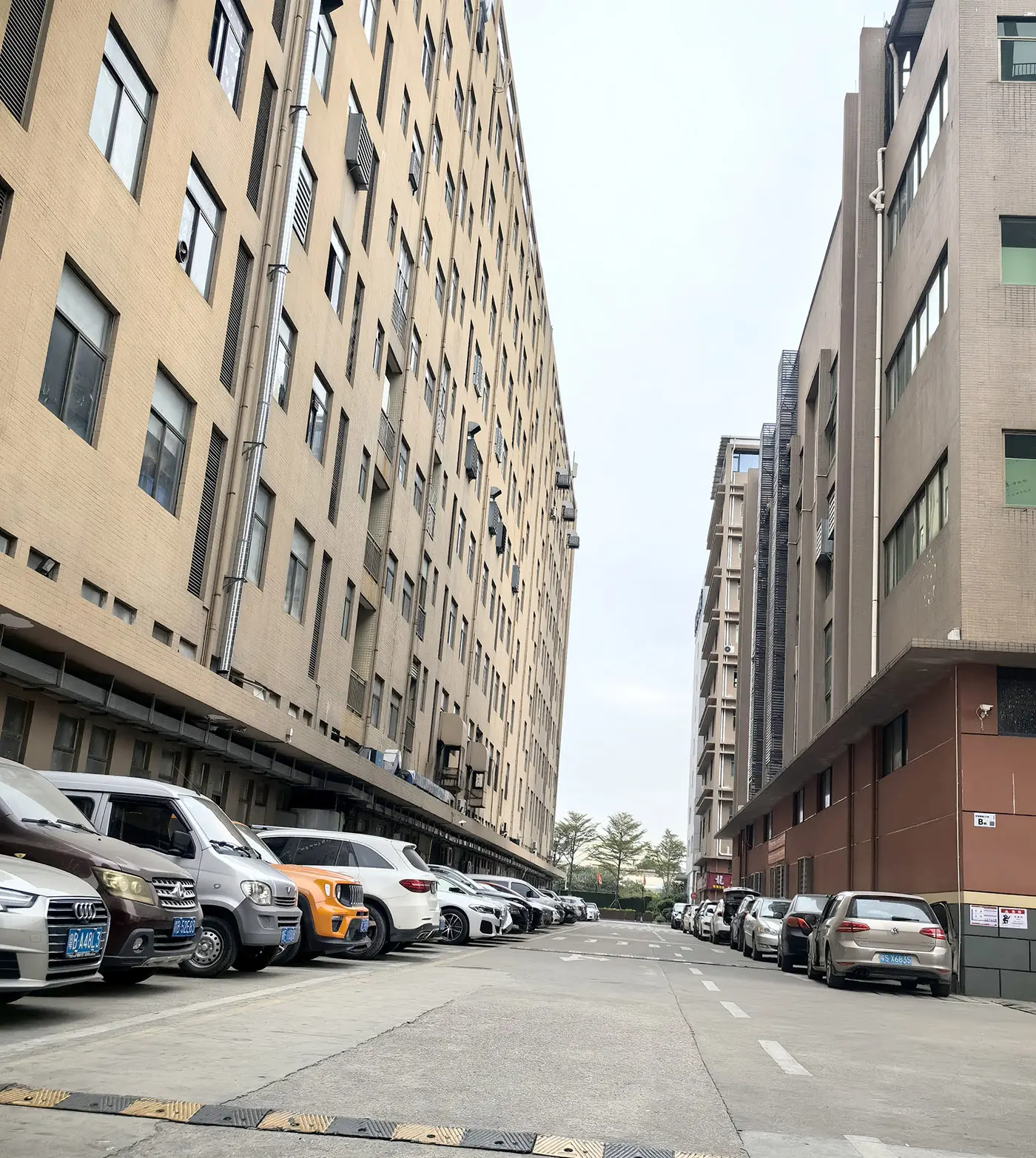
Shenzhen Snow Peak Clean Technology Co., Ltd. is a globally recognized, integrated high-tech enterprise specializing in the comprehensive research, development, manufacture, and sales of high-performance air filtration and molecular gas purification systems. Founded upon a bedrock of advanced scientific materials engineering, we manufacture and supply premium Pre-filters, pocket filters, HEPA filters, chemical filters, replacement HEPA filters, car cabin air filters, and humidifier filters.
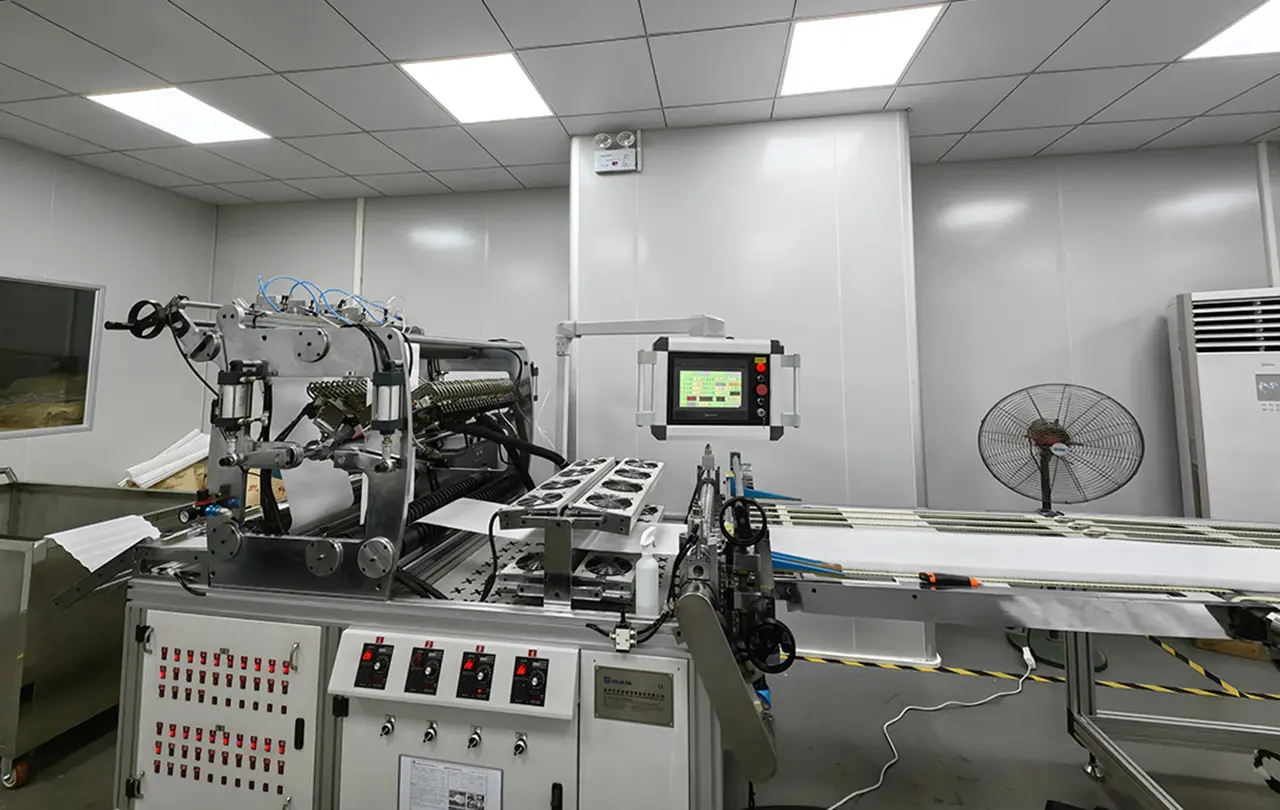
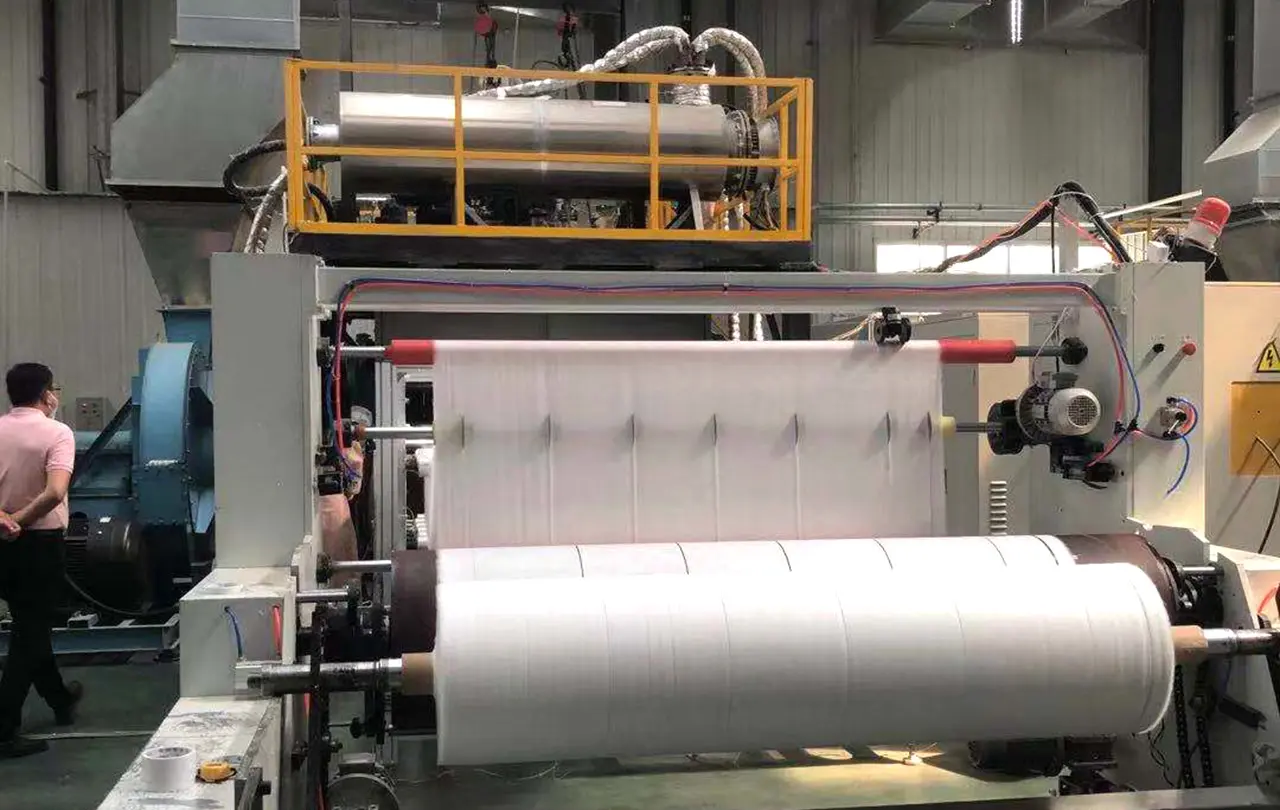
Through our proprietary pocket filter media and melt-blown composite filter lines, we deliver robust solutions for critical environmental control. Our applications serve commercial HVAC systems, high-precision microelectronics cleanrooms, pharmaceuticals, biosafety laboratories, and healthcare facilities. Our patented technology yields antiviral and sterilizing HEPA filters capable of suppressing microbial growth by 99.9%, achieving H1N1 virus filtration efficiencies exceeding 99.99%, and reducing PM2.5 levels to under 10 micrograms/m³, which is 5 times cleaner than standard requirements.
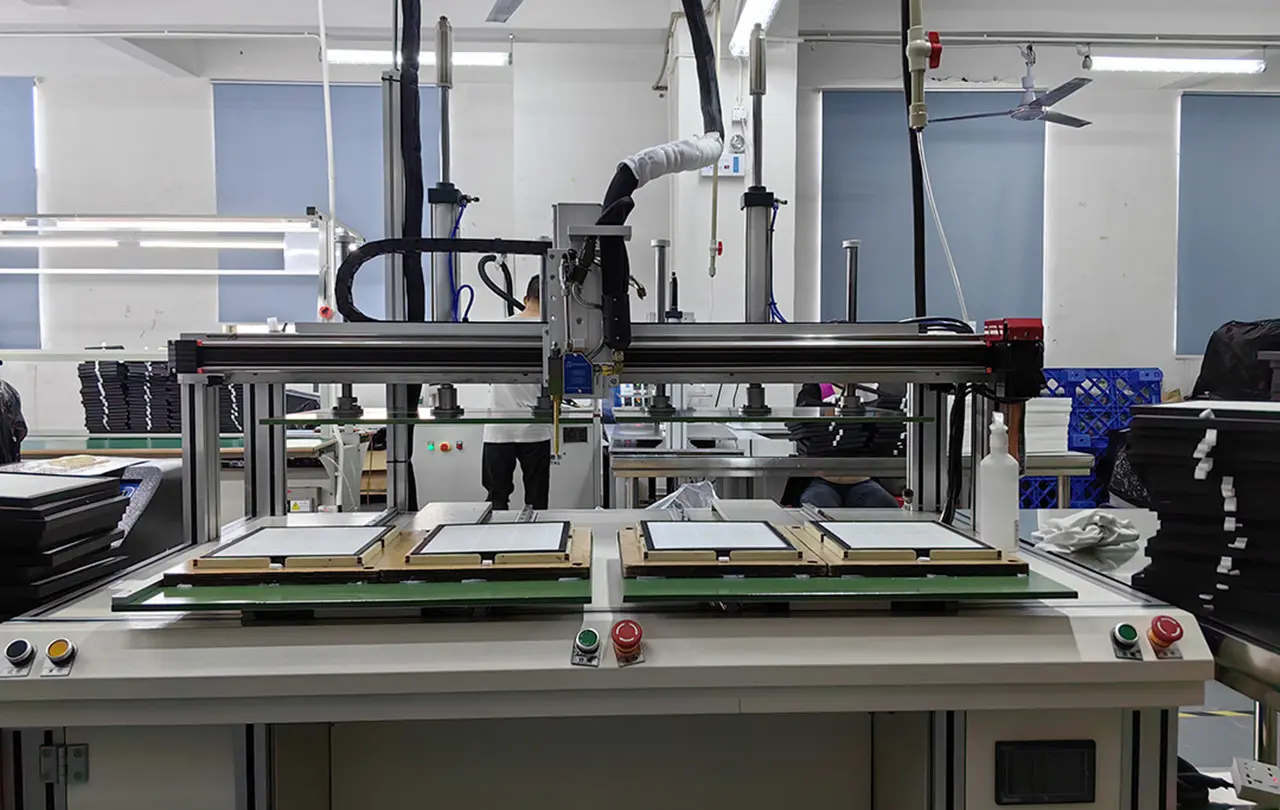
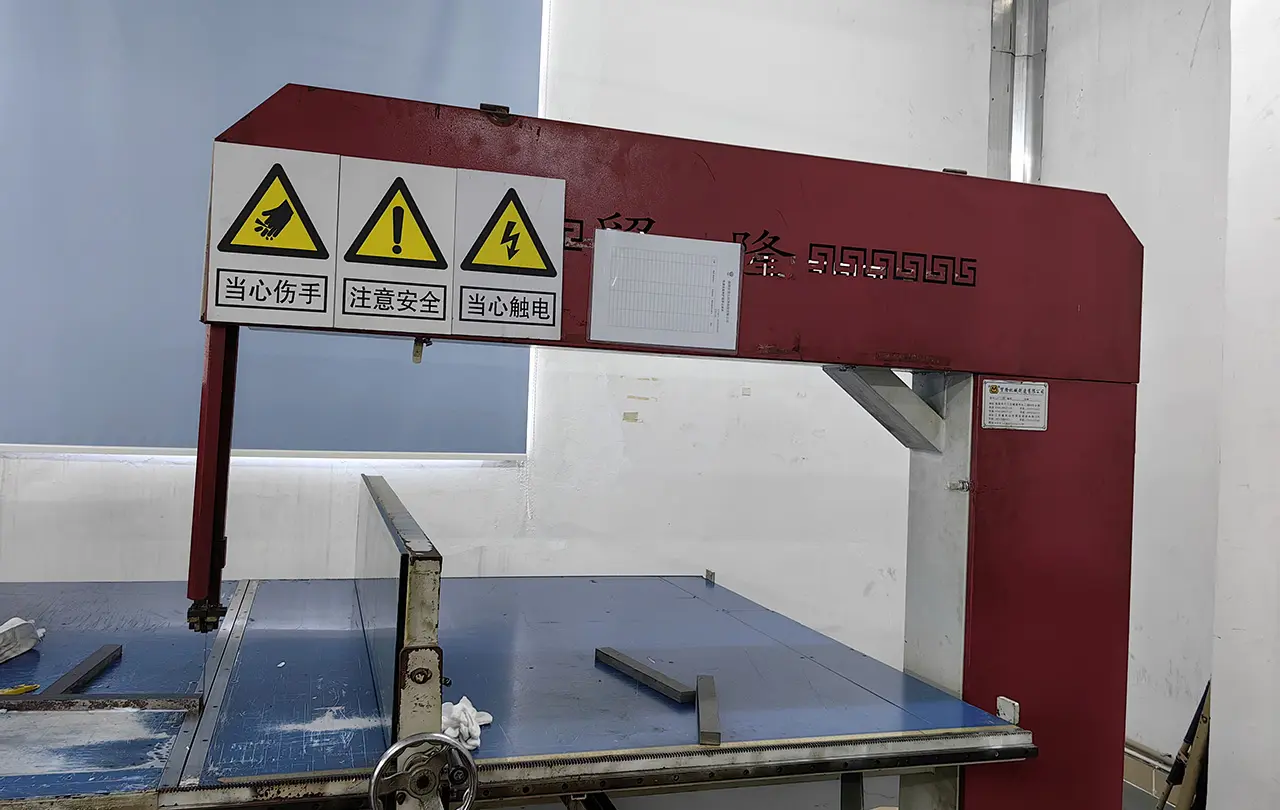
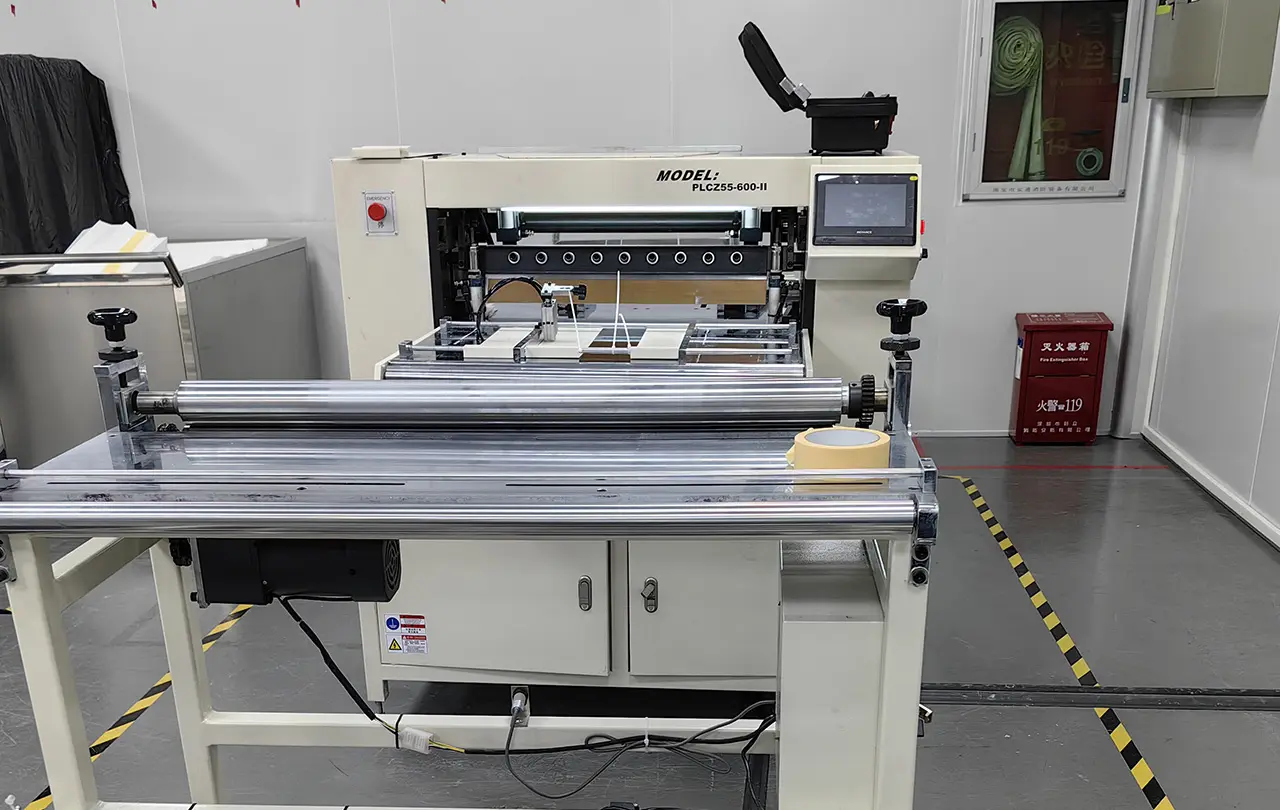
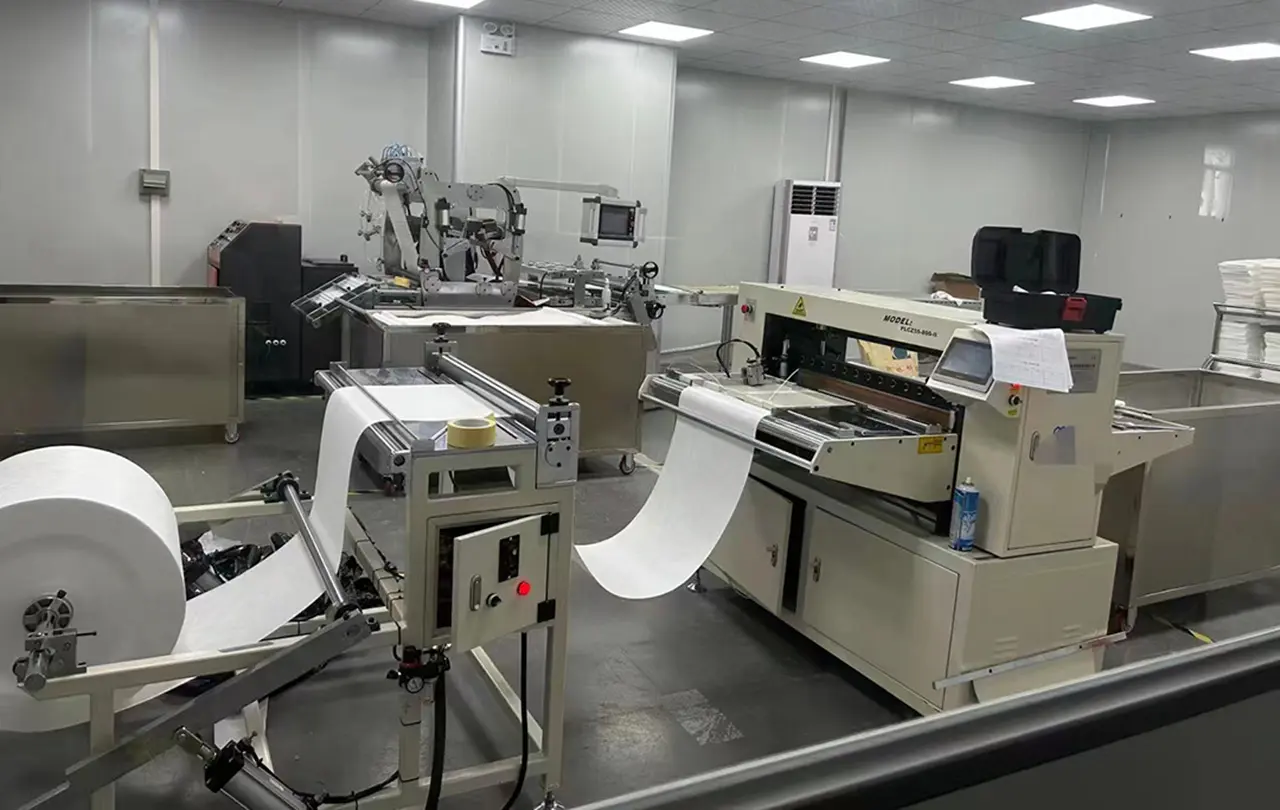
Our standardized dust-free assembly plants feature fully automated manufacturing corridors. Backed by industry-leading Japanese AMADA CNC punches and CNC bending equipment, we enforce absolute tolerance controls across every production batch.
The global industrial filtration market is undergoing a transition from basic particulate capture to molecular-level gas-phase contaminant mitigation. Volatile Organic Compounds (VOCs), including benzene, toluene, xylene, and formaldehyde, present significant hazards in high-tech fabrication, chemical synthesis, and public spaces. International environmental mandates such as the European Green Deal, EPA Clean Air Act, and localized occupational health standards are driving the demand for specialized molecular filtration systems.
Modern high-end semiconductor manufacturing (Fabs) requires cleanrooms free of Airborne Molecular Contamination (AMC) to prevent wafers from defecting during nanometer-scale lithography. Similarly, pharmaceutical processing plants demand systems that can scrub toxic vapors while maintaining sterility. This convergence of requirements has made ODM-customized activated carbon solutions essential for multinational engineering operations.
As a dedicated ODM exporter, Shenzhen Snow Peak addresses these requirements through custom-engineered filter media. Procurement agents look for key metrics such as high carbon loading, low initial pressure drop, and predictable breakthrough curves. By optimizing the pore-size distribution of our activated carbon, we ensure long-term filtration stability and a lower total cost of ownership.
Furthermore, global supply chains require local regulatory compliance. Environmental systems must withstand varying climates and operating pressures while remaining structurally sound. Our filters use robust containment designs, including galvanized steel, aluminum, and high-strength plastic frames, to ensure structural integrity in high-humidity and high-velocity systems.
Gas-phase filtration is governed by physical adsorption (physisorption) and chemical adsorption (chemisorption). Understanding the molecular interaction between the adsorbent carbon matrix and VOC molecules is essential to maximizing filter life.
Our activated carbon media is thermally activated to produce high BET surface areas (exceeding 1000 m²/g). We optimize the distribution of micropores (under 2nm) for light VOC capture, and mesopores (2nm to 50nm) to facilitate transport diffusion and prevent premature surface clogging.
For low-molecular-weight compounds like formaldehyde, hydrogen sulfide, and ammonia that resist physical capture, we chemically treat the carbon substrate. Acidic or alkaline impregnants chemically bind these targeted pollutants, converting them into stable compounds.
By laminating particulate-activated carbon between synthetic non-woven layers or bonding it to honeycomb substrates, we maintain low resistance. This structure minimizes pressure drop, reducing the energy consumption of your facility's air handling systems.
Every industry presents distinct air quality challenges. We engineer tailor-made molecular filtration systems configured for high-demand, low-tolerance applications.
We supply ultra-low-outgassing chemical filters designed to arrest condensable organic compounds, dopants, and acids. These filters prevent contamination on wafers and optics, helping protect yield rates in semiconductor manufacturing.
We provide heavy-duty activated carbon systems combined with biological-grade HEPA filters. This dual-action design adsorbs chemical solvent fumes, controls odors, and filters microbiological particles to protect laboratory technicians and maintain product sterility.
Our V-Bank, pocket, and high-efficiency carbon panel filters integrate into standard air handling units. They remove common urban pollutants such as ozone, nitrogen dioxide, and diesel fumes from incoming air, improving indoor air quality.
Our research focuses on reducing energy consumption, improving gas adsorption kinetics, and developing sustainable, eco-friendly materials.
Developing dual-function, single-stage media that integrates electrostatically charged polymeric fibers with fine-mesh activated carbon. This design targets both fine PM2.5 particulates and gas-phase VOCs simultaneously, reducing the space required for filtration stages.
Incorporating titanium dioxide (TiO2) and nano-catalysts onto cellular ceramic and aluminum honeycomb structures. When paired with UV radiation, these systems oxidize VOCs into carbon dioxide and water, reducing chemical waste by regenerating the filter surface in-situ.
Testing and qualifying coconut shell and agricultural residues activated via high-pressure clean steam. This process minimizes chemical residues and provides carbon substrates that help facilities meet environmental and sustainability standards.
Browse detailed technical answers covering molecular adsorption kinetics, filter longevity, and installation guidelines.
The breakthrough point is calculated using the Wheeler-Jonas equation, factoring in carbon weight, adsorption capacity, gas flow rate, entering concentration, and relative humidity. We offer testing services to simulate real-world concentrations, helping you establish reliable maintenance schedules before contaminant breakthrough occurs.
Standard physical activated carbon has low affinity for highly polar, low molecular weight gases like H2S, SO2, or NH3. For these applications, we supply chemically impregnated carbon media. Acidic impregnants target ammonia, while basic chemical impregnants (such as KOH) target sulfurous and acidic vapors.
Our particulate filters are tested to EN1822:2019 and ISO 16890 standards. They carry CE certification to ensure compliance with European Union directives. For AMC control in semiconductor cleanrooms, we offer outgassing certification using Gas Chromatography-Mass Spectrometry (GC-MS).
Relative humidity (RH) levels above 60% can reduce adsorption efficiency for physical VOC filters. Water molecules compete with organic compounds for active pore sites. We solve this by using hydrophobic carbon formulations or recommending pre-dehumidification systems upstream of the filters.
 Snow Peak