Engineered for high filtration efficiency, low pressure drop, and long service life. Explore our core OEM/ODM catalog.
Analytical breakdown of industrial demands, regulatory frameworks, and key market trends in clean air engineering.
With the rapid expansion of Electric Vehicles (EVs), cabin air conditioning systems face novel constraints. Without engine noise masking, HVAC blower noise must be minimized. This requires filter materials with an ultra-low pressure drop while matching or exceeding the particulate containment threshold of traditional systems.
Standard particulate filters no longer suffice for highly urbanized centers. Global regulatory standards increasingly monitor harmful gases like NOx, SOx, ozone, and toxic VOCs entering the vehicle cabin. Multi-layer activated carbon composites with customized impregnations are now mandatory for top-tier OEM automotive platforms.
Post-pandemic user behavior has driven consumer interest toward wellness-oriented mobility. Cabin filter media functionalized with anti-viral and anti-microbial treatments prevent the colonization of bacteria and mold within the dark, moist cooling coil pathways of the HVAC assembly, preventing secondary contamination.
To deliver true Information Gain for global sourcing managers, we analyze the structural physics of modern filtration media. An effective cabin filter is an assembly of optimized material layers, each targeted at a specific aerodynamic or chemical contaminant range.
The core particulate capture mechanism relies on meltblown polypropylene fibers. By applying a high-voltage electrostatic charging process (corona charging), the fibers acquire a quasi-permanent electrical dipole. This electret charge enables the capture of sub-micron particles (PM2.5, PM1.0) via electrostatic attraction without increasing physical flow resistance, retaining a high flow rate.
Meltblown fibers are mechanically fragile. They are laminated to high-tensile spunbond or thermal-bonded carrier materials. This structure prevents media deflection under pressure, ensures the stability of the pleats during processing on high-speed gluing machines, and maintains structural integrity during high-humidity operation.
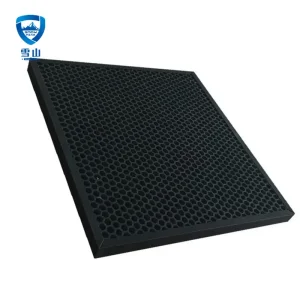
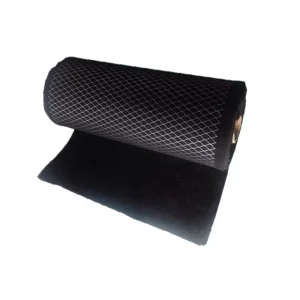
For gas phase purification, coconut-shell or coal-based active carbon granules are dispersed uniformly between carrier layers. By controlling the pore size distribution (mesoporous and microporous), the media can target specific molecules. Impregnated carbon media targeting organic amines, aldehydes, and sour gases are critical for high-end applications.
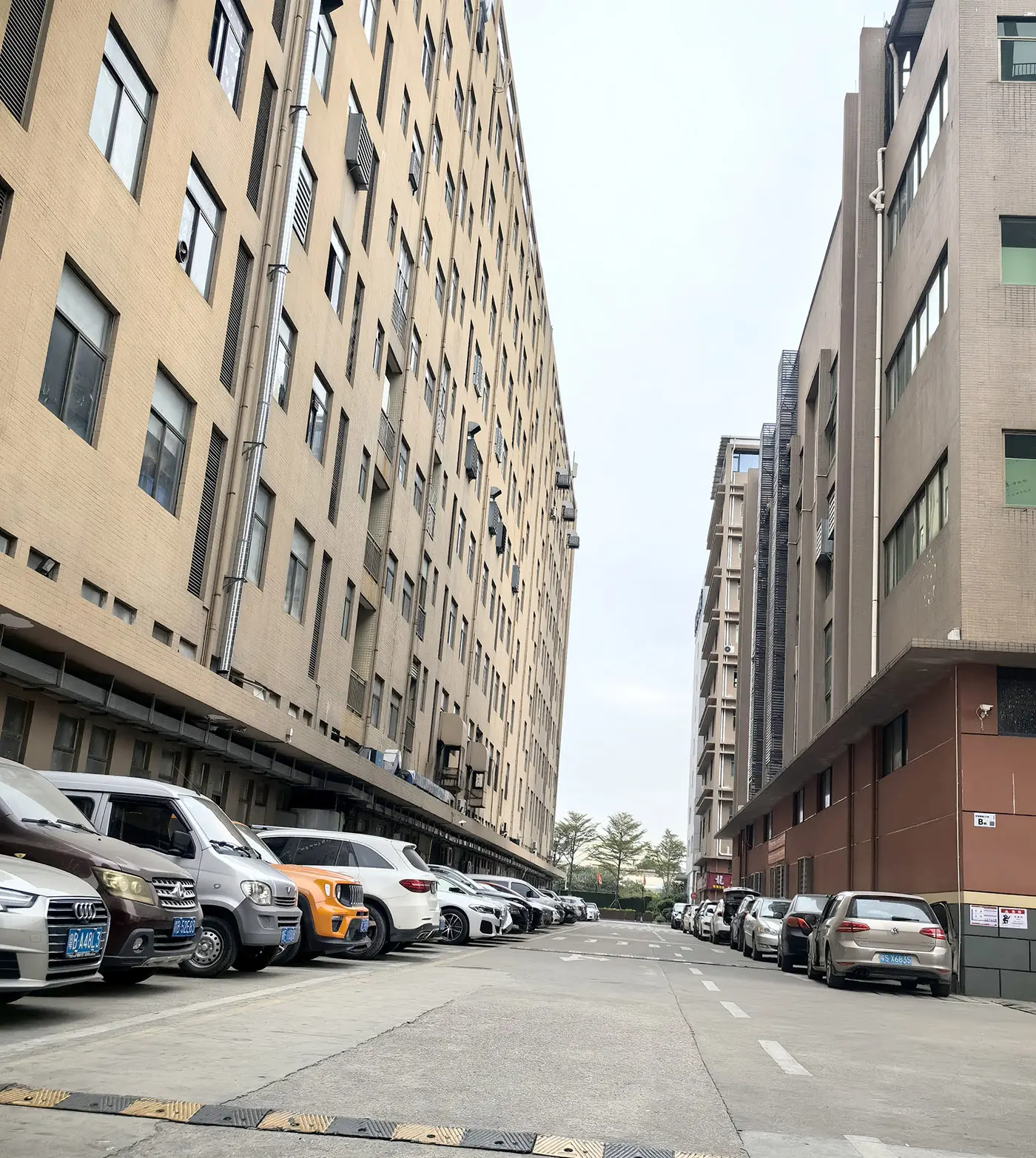
A leading integrated high-tech enterprise specializing in R&D, production, sales, import and export of advanced air filtration systems.
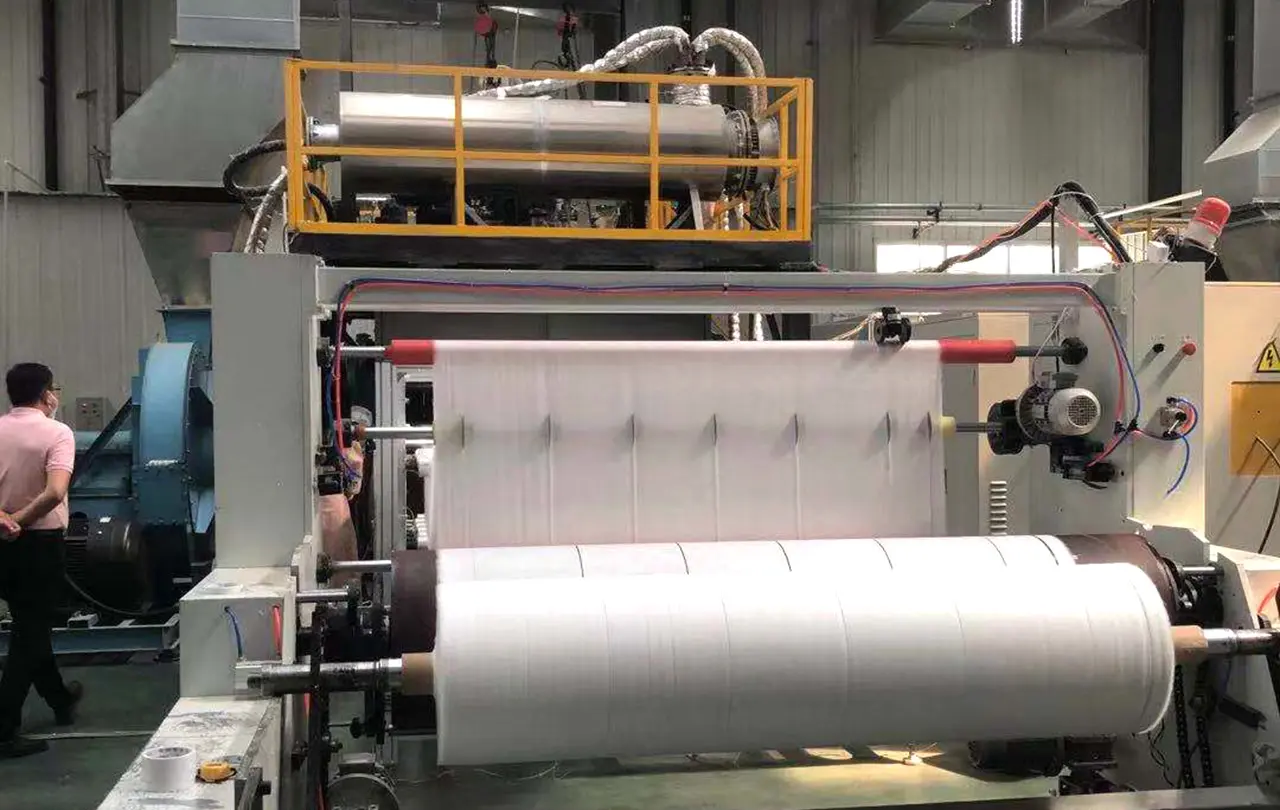
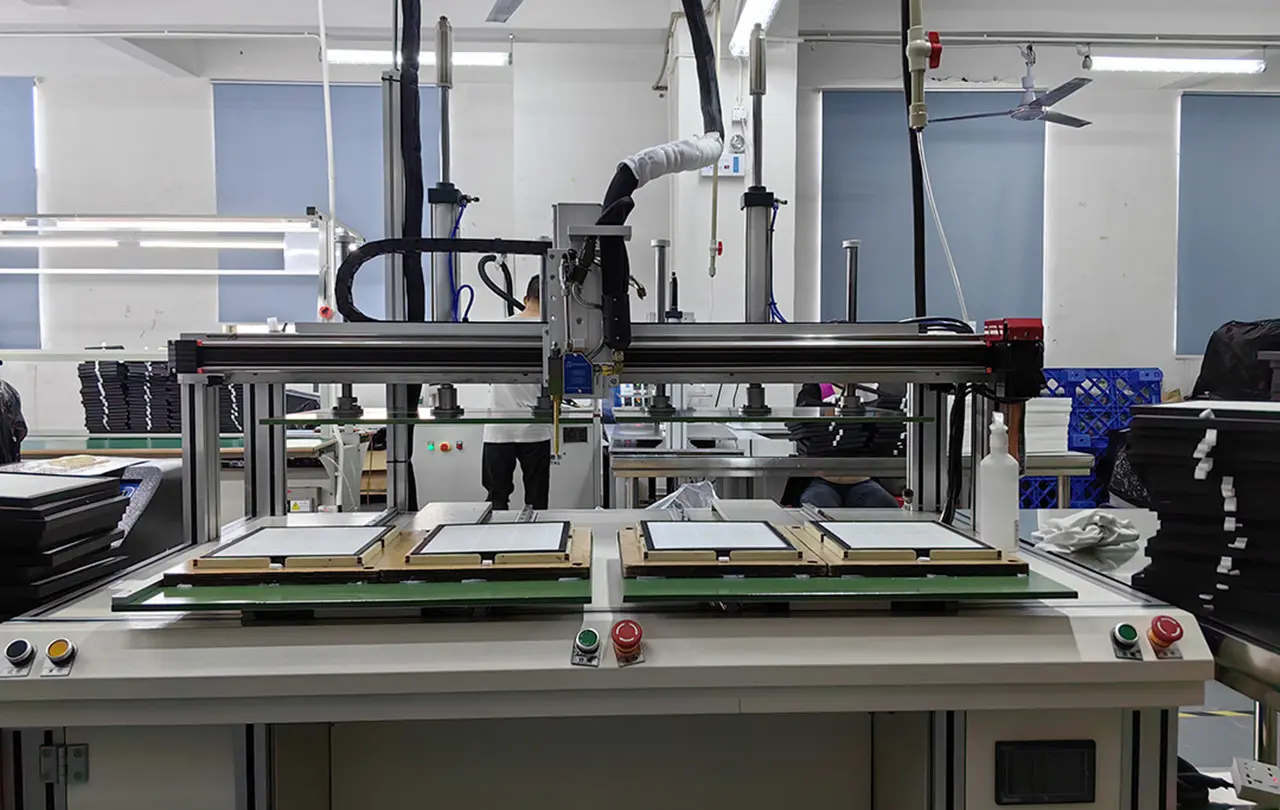
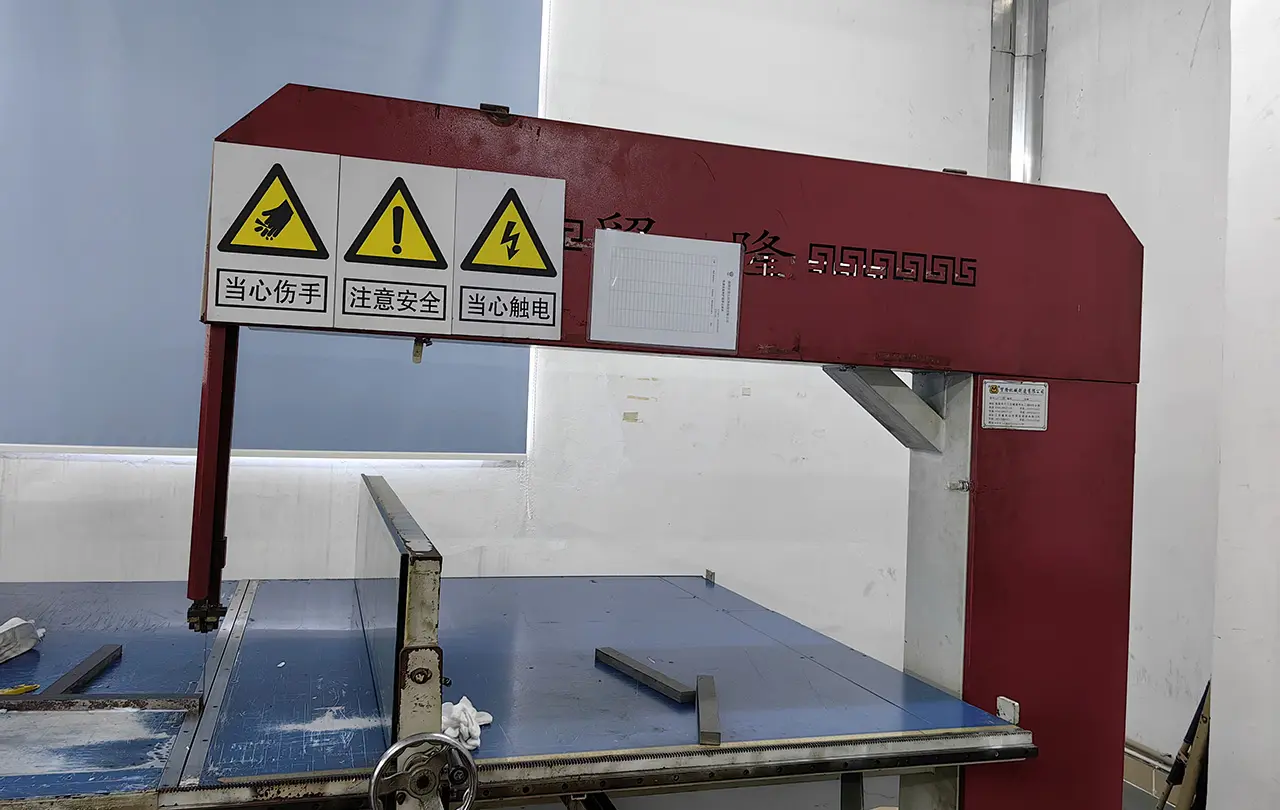
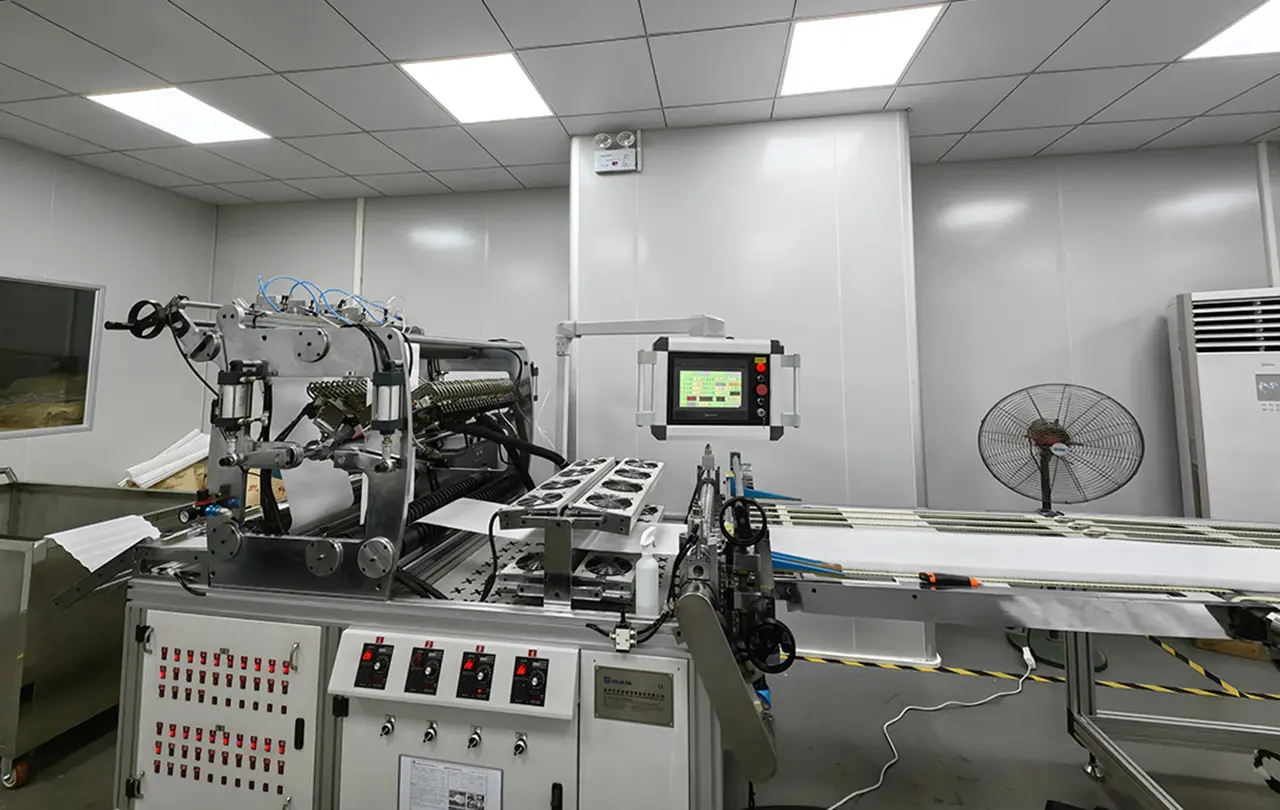
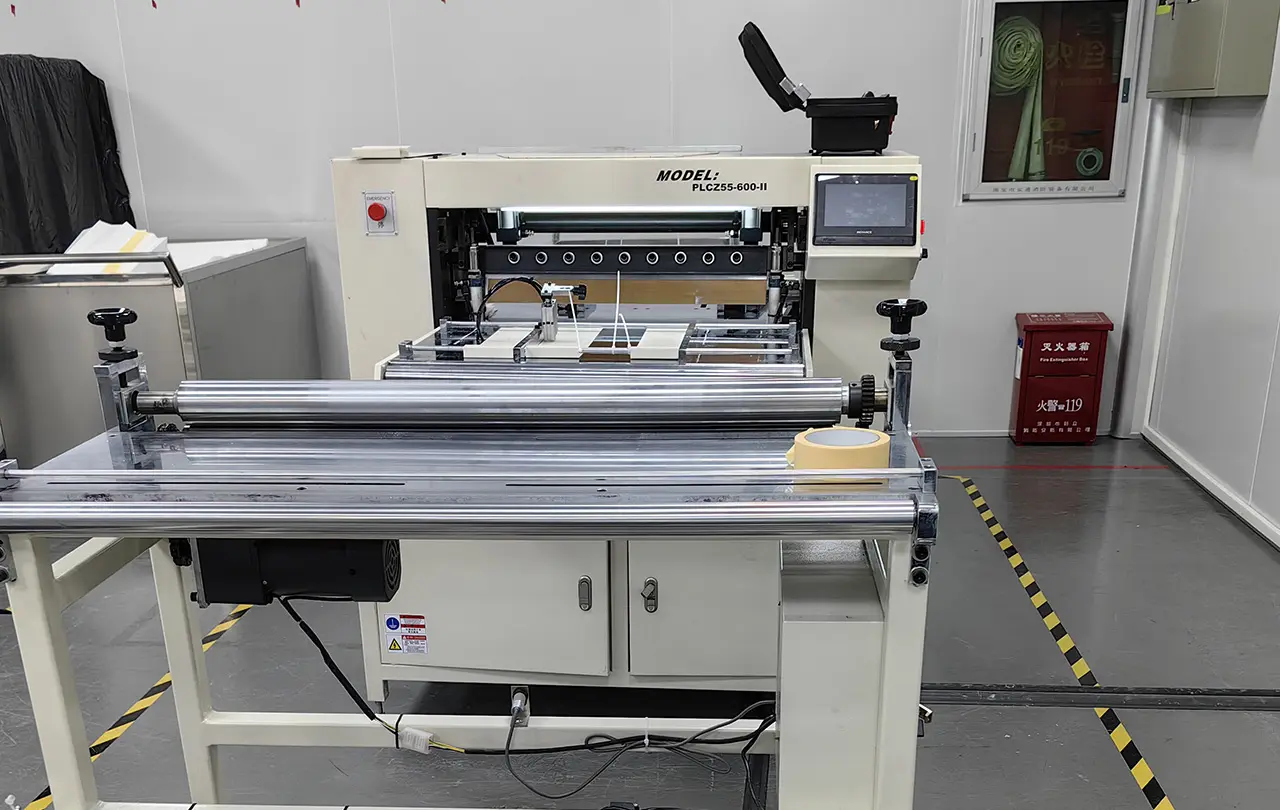
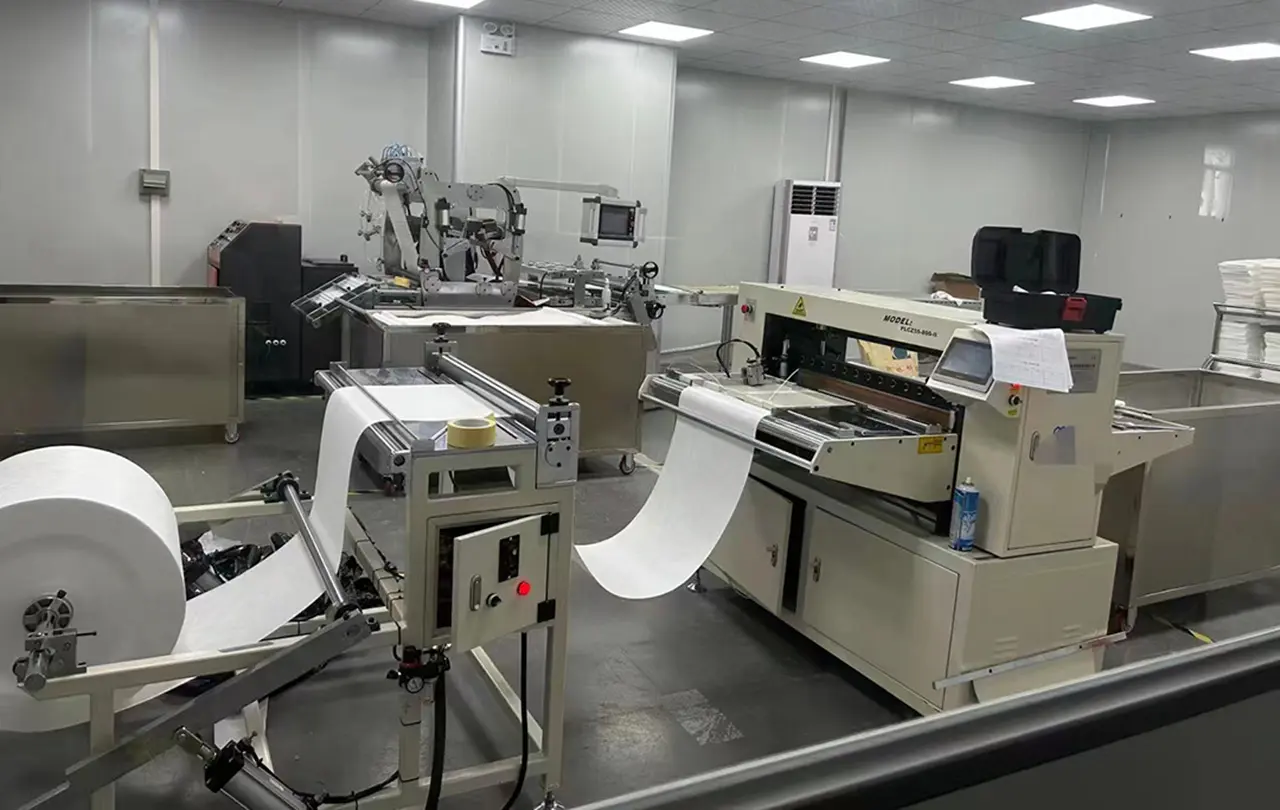
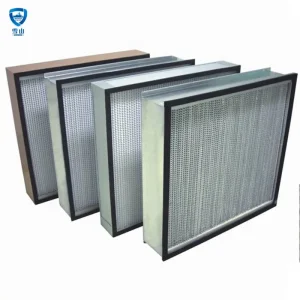
With a solid foundation of 15 years of international air purification technology experience, Shenzhen Snow Peak has built standard production workshops, dust-free filter cleanrooms, and top-tier HEPA manufacturing lines. We operate independent, self-developed automated production lines equipped with advanced metalworking machinery including AMADA CNC punches and CNC bending machines, giving us total structural control from frame building to media folding.
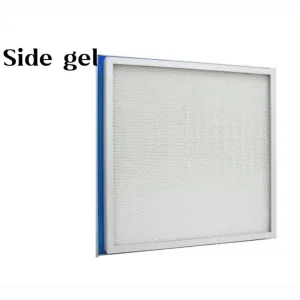
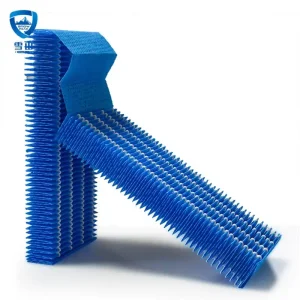
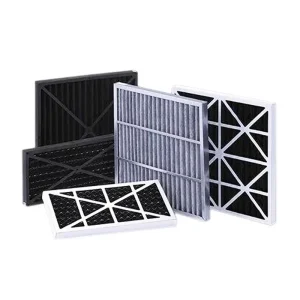
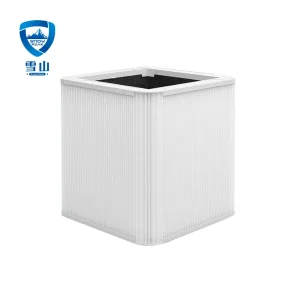
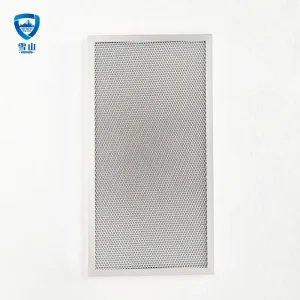
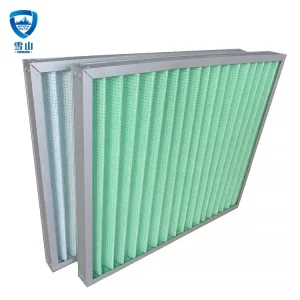
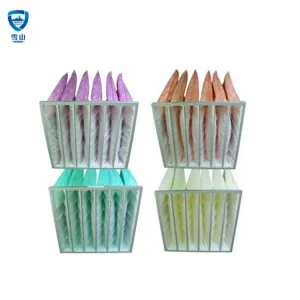
Our product portfolio spans across various high-end filtration sectors, including: pre-filters, pocket filters, chemical gas filters, humidifier pads, and premium melt-blown composite filter media for cleanroom applications (pharmaceuticals, microelectronics, laboratories, and clinical facilities).
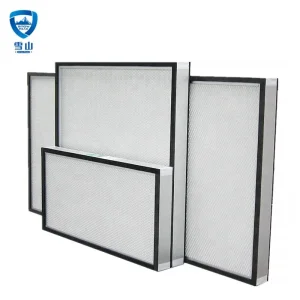
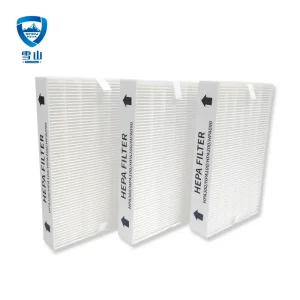
Scientific Performance Highlight: Our proprietary sterilizing antiviral HEPA filter line incorporates patented technologies to capture fine particulates, driving PM2.5 concentrations down to 10 micrograms/m3 (5 times superior to typical standards) while neutralizing microorganisms with a 99.9% sterilization rate. Critically, it shows a documented removal efficiency of 99.99% against H1N1 viruses without causing secondary pollutant bypass.
How cabin filter materials are customized to meet extreme environmental and commercial conditions worldwide.
For regions experiencing frequent sandstorms and high concentrations of coarse mineral dust, standard filters clog rapidly. We optimize the media with a progressive-density structure: a coarse non-woven pre-filter layer captures particles >10μm, protecting the inner electrostatic meltblown layer. This maximizes dust holding capacity (DHC) and extends service intervals.
High relative humidity can accelerate the decay of electrostatic charges on electret fibers, leading to a drop in efficiency. In these climates, we utilize special fluorocarbon-treated synthetic fibers that repel moisture and resist bio-growth. This prevents water condensation from creating liquid bridges between fibers, maintaining electret charge stability.
Urban vehicles operate in heavy stop-and-go traffic, exposed directly to diesel exhaust particles (DEP) and high levels of NOx. Our urban-adapted composite filters integrate fine-grade coconut shell carbon with catalytic chemical agents to convert nitrogen dioxide (NO2) into harmless compounds, keeping the cabin air safe.
Mining, agriculture, and construction cabins require compliance with ISO 23875. The air filtration system must maintain positive pressure inside the cab to prevent dust ingress. We supply heavy-duty glass fiber media or reinforced synthetic composite structures designed to handle high mechanical loads and cleanroom-level filtration standards.
How Shenzhen Snow Peak leverages localized clusters and vertical integration to secure global supply lines.
Operating in Shenzhen, China's premier industrial and technological hub, gives us proximity to key raw material suppliers—including petrochemical polymer manufacturers, functional carbon extruders, and logistics networks. This proximity simplifies the sourcing process, minimizes transit times, and protects our operations against international supply line disruptions.
Our vertical integration, combining automated raw media pleating and custom structural stamping (via CNC sheet metal processing) under one roof, removes intermediate processing steps. This allows us to supply certified, export-grade media to European, American, and Asian OEM buyers at competitive pricing with stable lead times.
Where cabin filtration materials are heading over the next five years. Staying ahead of global trends.
Developing plant-based polylactic acid (PLA) meltblown media to replace traditional polypropylene, reducing carbon footprints without sacrificing efficiency.
Integrating electrospun layer overlays with fiber diameters down to 100nm, enabling pure mechanical capture of viruses and soot at low resistance.
Embedding conductive graphite tracks within the filter pleats to measure real-time dust loading and pressure drops, communicating with the vehicle ECU.
Transitioning from standard physical adsorption (carbon) to continuous chemical decomposition of greenhouse gases and ozone at ambient temperatures.
Essential technical answers addressing compliance, manufacturing limits, and ODM selection criteria.
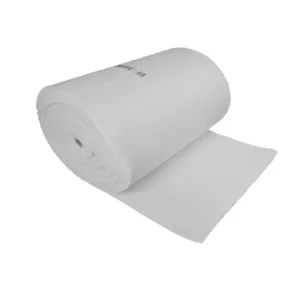
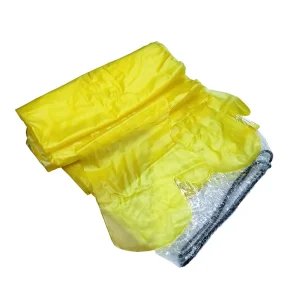
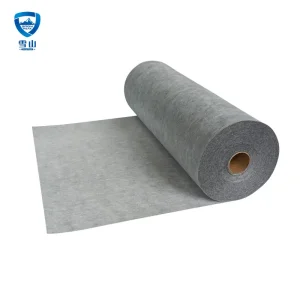
Extended technical products, industrial replacement filters, and raw roll materials manufactured by Shenzhen Snow Peak.
 Snow Peak