Engineered for extreme reliability, maximum gas adsorption, and absolute compliance with international EN1822 & CE certification frameworks.
In an era defined by rapid urbanization, climate change, and increasingly stringent cleanroom guidelines, managing gaseous pollutants has shifted from a secondary luxury to a critical operational priority. Shenzhen Snow Peak Clean Technology Co., Ltd. stands at the global frontier of this transition, operating as a fully integrated high-tech enterprise dedicated to the research, development, production, and international trade of advanced air filtration systems.
Elevated levels of Carbon Dioxide (CO₂) and Airborne Molecular Contaminants (AMCs) pose a dual threat to cognitive performance in institutional environments and process yield in microelectronics and pharmaceutical manufacturing. Standard particulate filters are physically incapable of intercepting gas-phase molecules. Addressing this requires a specialized combination of physical adsorption, chemisorption, and ultra-high-efficiency mechanical filtration.
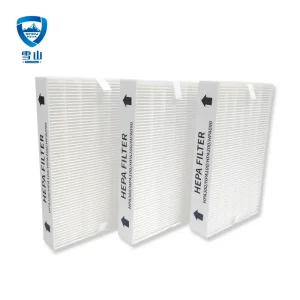
By leveraging our proprietary, self-developed patented technology, Snow Peak designs systems that not only control carbon dioxide concentration paths but also deliver sterilizing, antiviral HEPA filters that achieve a 99.9% biological sterilization rate. We successfully lower PM2.5 concentrations down to 10 micrograms per cubic meter—outperforming many global regulatory baselines by a factor of five. Our solutions prevent secondary biological degradation while neutralizing target pathogens, including the H1N1 virus, with an efficiency rate of 99.99%.
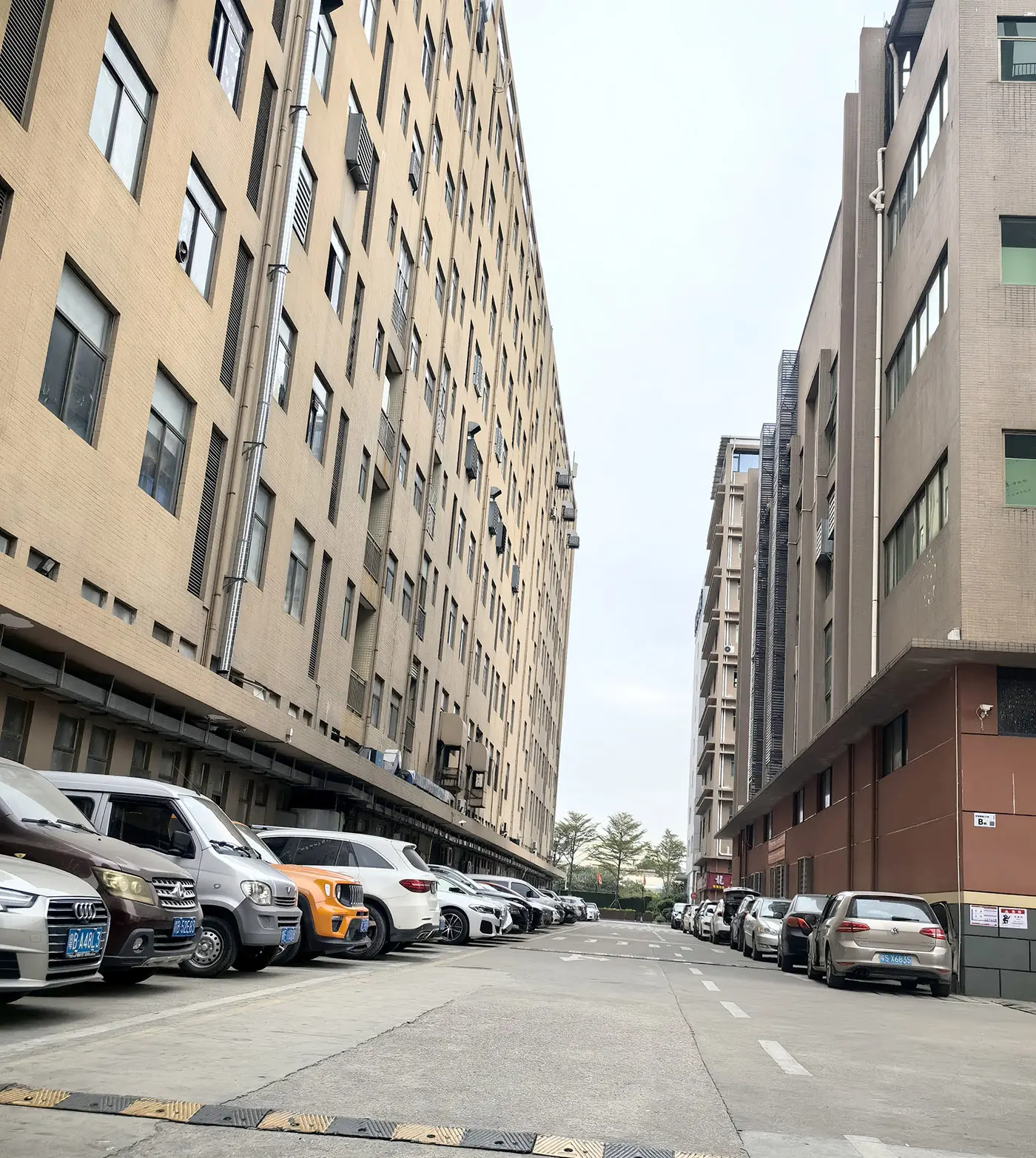
Understanding the technical necessity of carbon dioxide gas mitigation across key global supply sectors.
Across Europe, North America, and East Asia, modern building envelopes are constructed to be highly airtight to conserve thermal energy. However, this creates a major side effect: the accumulation of metabolic CO₂ and chemical outgassing. In workspaces and classrooms, CO₂ levels often spike beyond 1,200 ppm, drastically impairing cognitive capacity, executive decision-making, and general well-being.
In the industrial sector, the requirements are even more precise. In sub-micron semiconductor lithography, amines and trace acidic gases can fog optics or corrupt silicon wafers. In vertical farming, controlled CO₂ enrichment is vital for crop yields, yet it requires precise recirculating filtration loops to prevent the accumulation of mold, pathogens, and VOCs.
| Contaminant Class | Common Sources | Filtration Technology Required | Impact of Non-Mitigation |
|---|---|---|---|
| Carbon Dioxide (CO₂) | Metabolic respiration, industrial combustion | Solid-state adsorption, customized amine-modified media | Cognitive decline, HVAC energy inefficiencies |
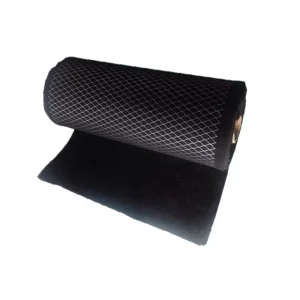
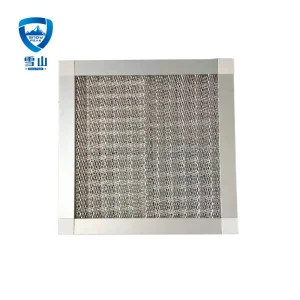
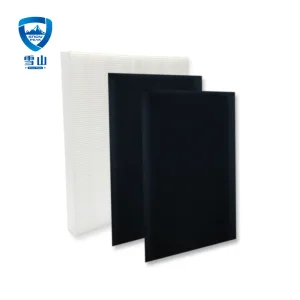
| Volatile Organic Compounds (VOCs) | Adhesives, carpets, paint, process solvents | Impregnated activated carbon, Sandwich-type fabric HEPA | Occupational health issues, photo-resist defects in fabs |
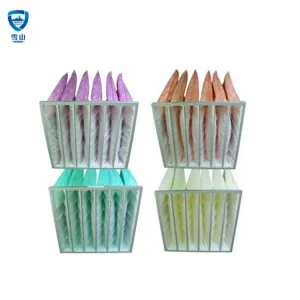
| Airborne Molecular Contaminants (AMCs) | Outdoor intake, chemical reactions | V-Bank chemical filters, specialty chemisorptive media | Wafer degradation, optical fogging, sensor corruption |
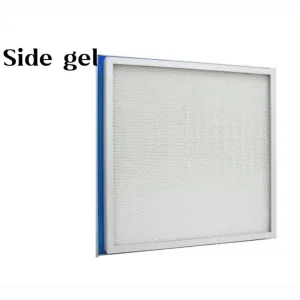
| Microbial / Biological Agents | Standing water, HVAC condensation, human vector | Antiviral/Sterilizing HEPA, Gel Seal cleanroom filters | Cross-contamination, product recall, secondary biological growth |
How material science and structured engineering drive the next generation of gas-phase adsorption filters.
Developing a robust ODM Carbon Dioxide or gas-phase filtration solution requires meticulous control over the media structure. Standard carbon filters rely on physical adsorption (physisorption) through van der Waals forces. While highly effective for heavy hydrocarbons, physisorption is inefficient for light, polarizable gas molecules like CO₂.
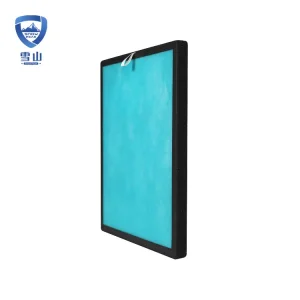
Shenzhen Snow Peak resolves this through chemisorptive surface modifications. By impregnating micro-porous carbon frameworks with basic nitrogen-containing functional groups (such as primary and secondary amines), we induce a reversible chemical reaction that traps CO₂ molecules even at parts-per-million (ppm) levels.
Moving beyond simple physical carbon loading to active chemical impregnation. Amine-doped porous matrices bind CO₂ molecules dynamically under standard ambient temperature and pressure.
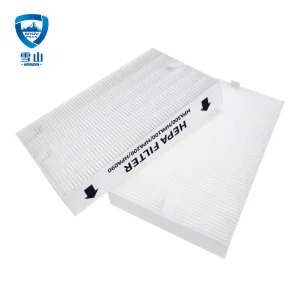
Integrating physical particulate capture (HEPA class up to 99.995% efficiency) directly with gas-phase sandwich carbon fabric. This achieves dual-action air purification within a singular, low-pressure-drop frame.
Developing future-ready Metal-Organic Frameworks (MOFs) and high-surface-area engineered zeolites designed specifically for Direct Air Capture (DAC) and low-energy regeneration cycles.
Leveraging automated production, robust quality controls, and unmatched industrial engineering scale.
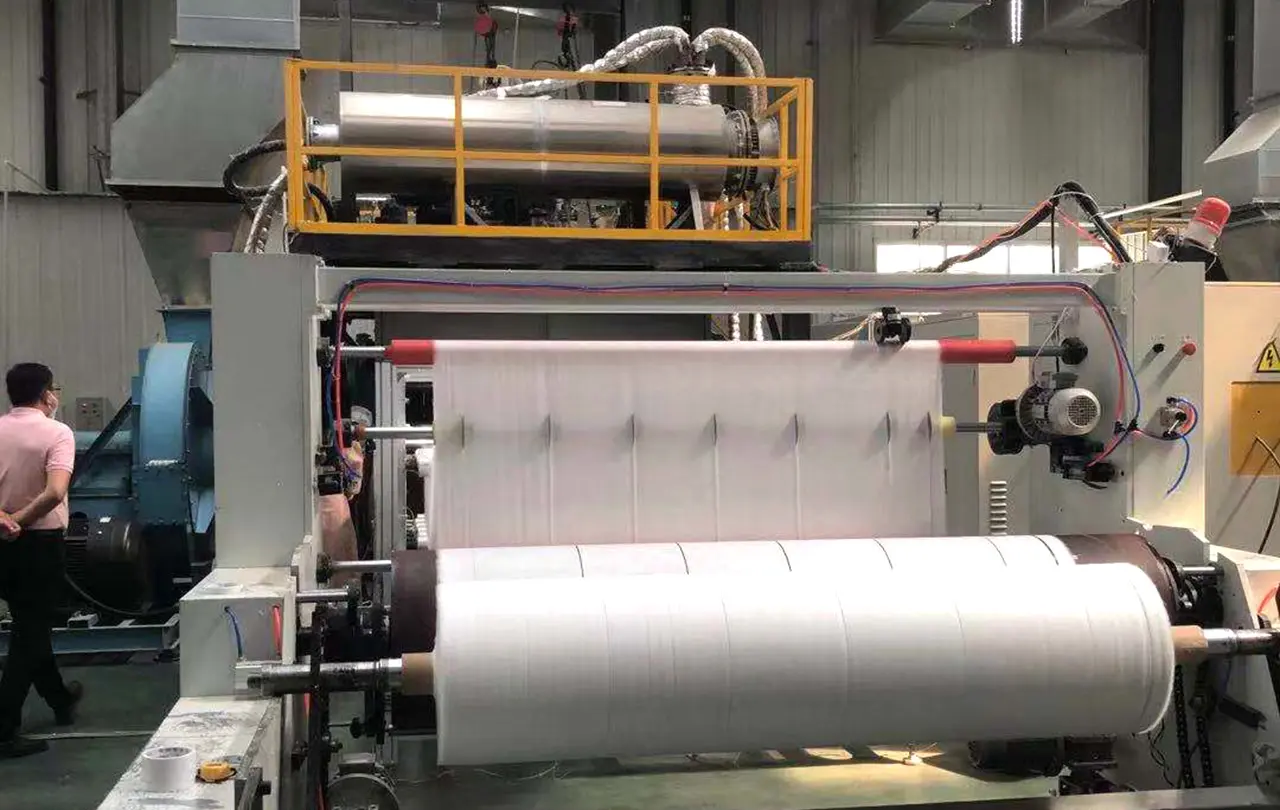
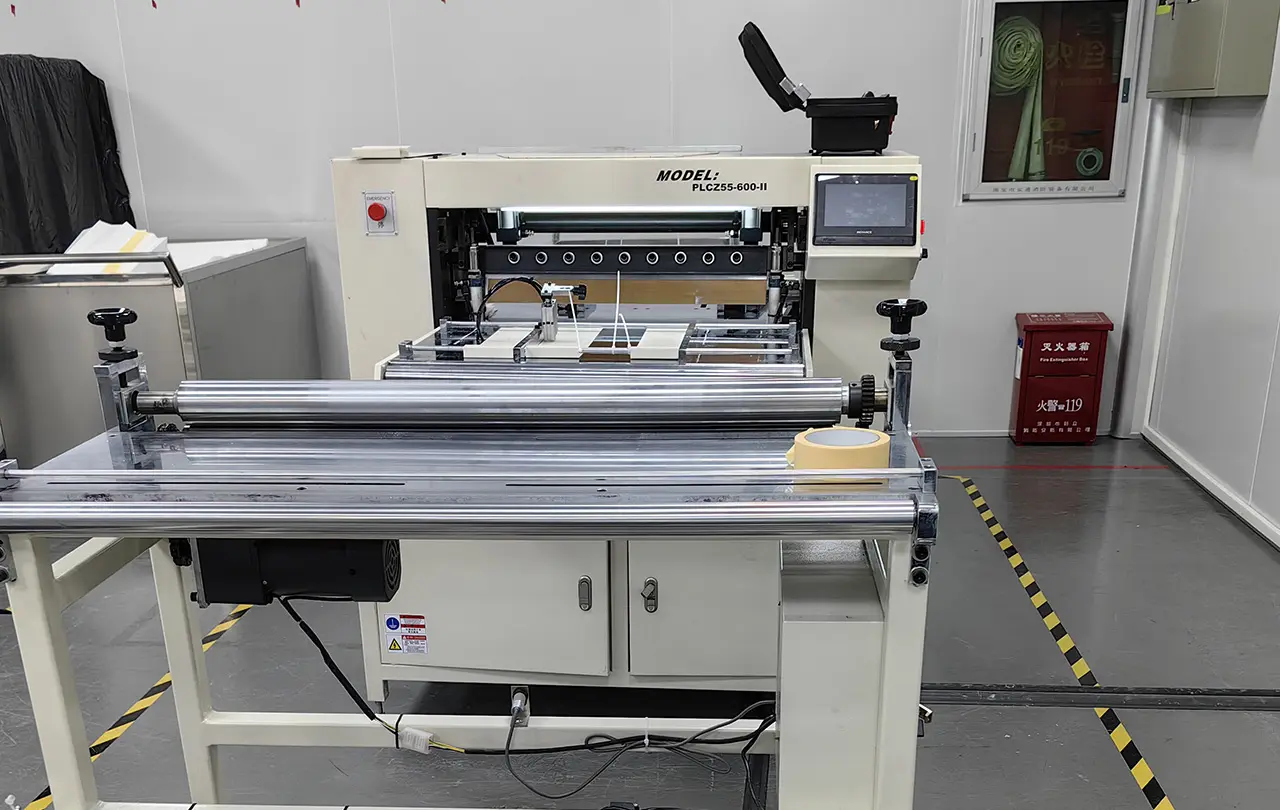
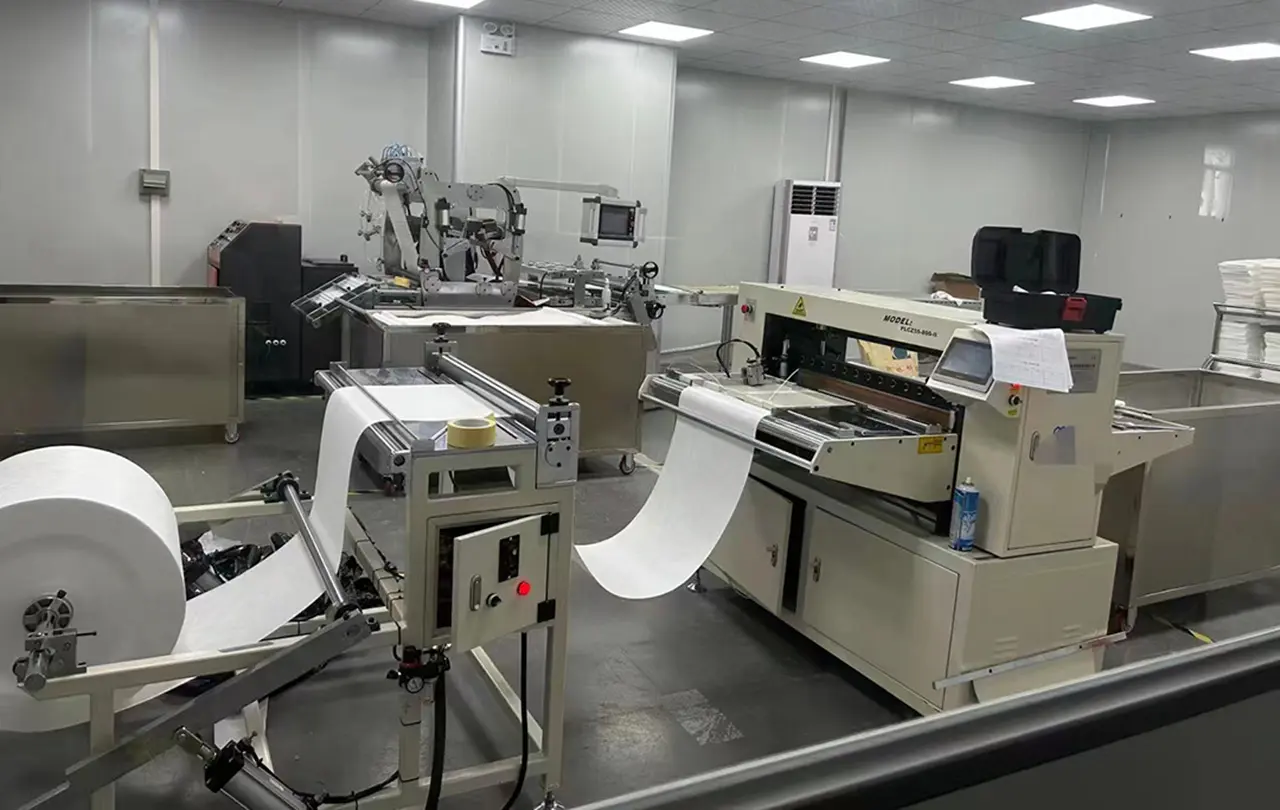
Our manufacturing facility features fully standardized production halls, cleanrooms dedicated to particulate-free filter assembly, and advanced quality inspection systems. Shenzhen Snow Peak Clean Technology Co., Ltd. has developed and patented fully automatic high-precision air filter production lines. Equipped with world-class AMADA CNC punch systems and CNC bending machinery, we maintain tight tolerances and design consistency.
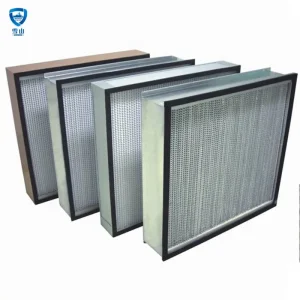
This high level of industrial automation ensures complete control over the pleat density, sealant application, and frame integrity of our products—crucial factors when fabricating V-bank, gel seal, and high-temperature HEPA filters. Below are the actual production stages and automated equipment utilized in our facilities to guarantee high quality and rapid manufacturing turnaround.
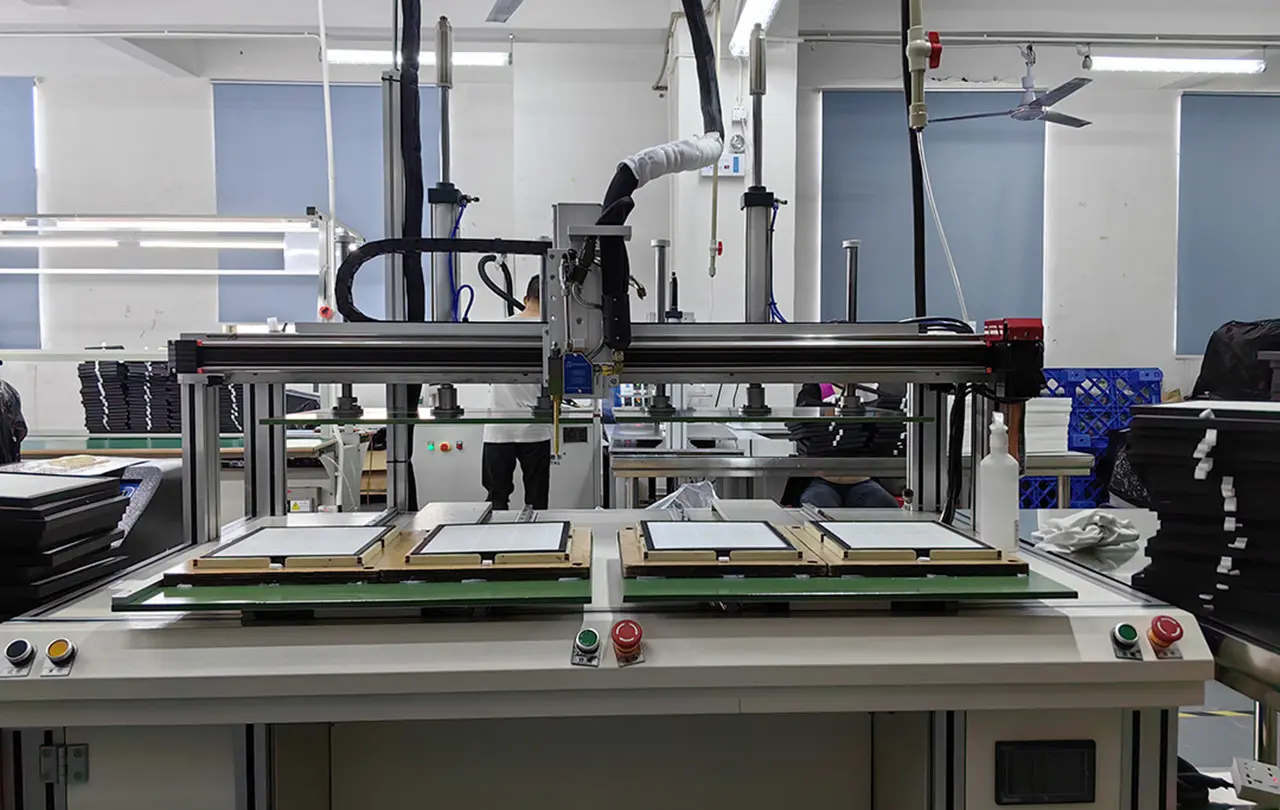
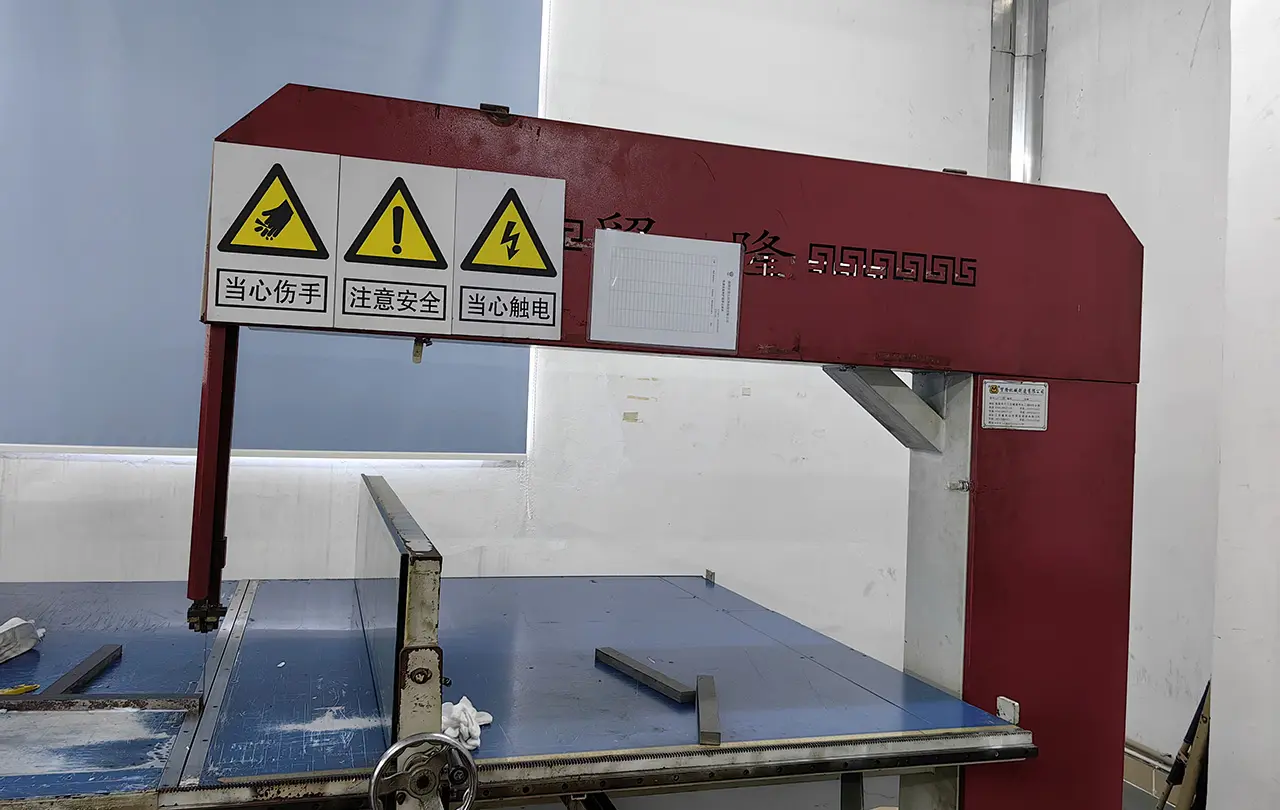
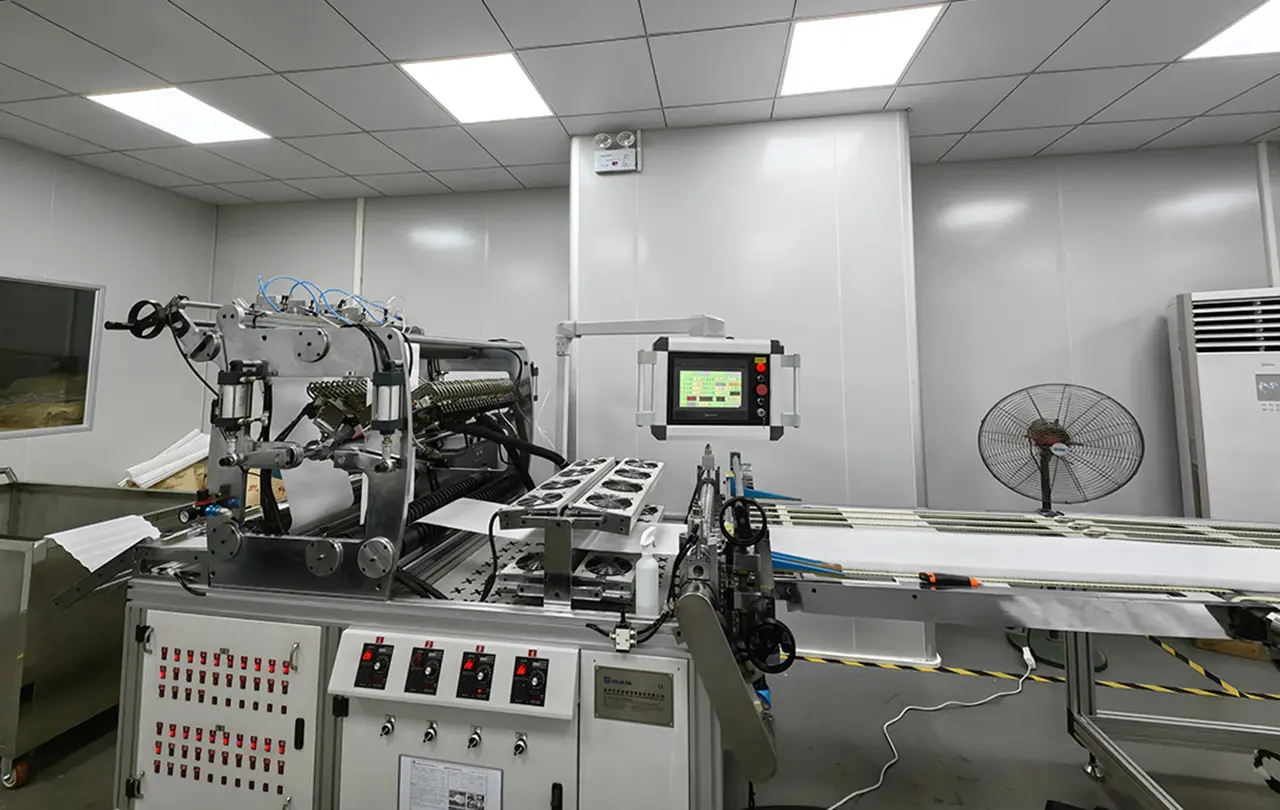
Customized configurations designed to solve environmental issues across diverse geographies and climates.
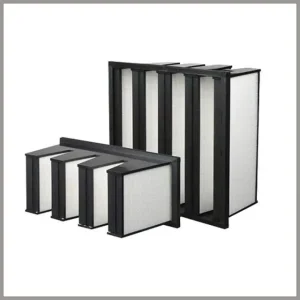
Modern office buildings in major cities rely on high recirculated air rates to save heating and cooling energy. Incorporating V-Bank activated carbon filtration systems helps maintain CO₂ and VOC concentrations within healthy comfort zones without overdrawing unconditioned outdoor air.
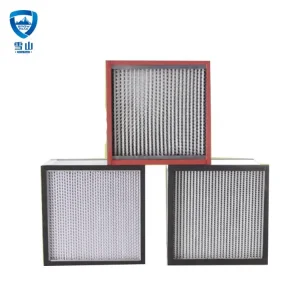
Sterile manufacturing lines require zero ambient pathogens. Our patented sterilizing antiviral HEPA filters, paired with liquid gel seals, provide absolute sealing and neutralize viruses like H1N1 (99.99% effectiveness) to eliminate the risk of product contamination.
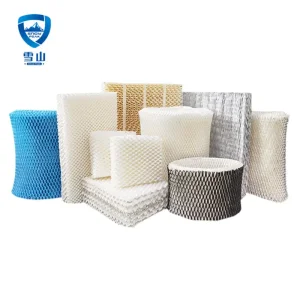
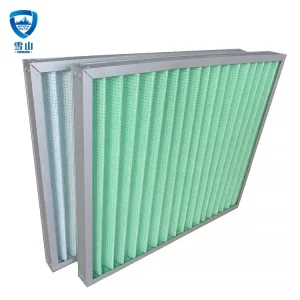
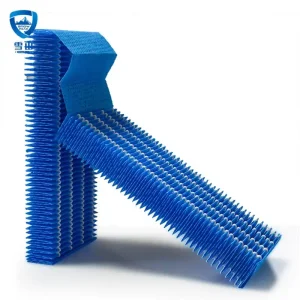
Indoor farming operations enrich their spaces with CO₂ to accelerate crop growth. Using wet non-woven humidifier media pads and mini-pleated HVAC HEPA loops ensures that this humid, carbon-dense air remains free of mold spores, particulate dust, and organic crop pathogens.
Simplifying cross-border engineering validation with certified quality processes.
Different regions present unique challenges for filtration. European markets require compliance with EN 779, ISO 16890, and EN 1822 classification standards, while North American customers specify MERV ratings under ASHRAE 52.2 guidelines. Shenzhen Snow Peak supports localized certification and regulatory alignment.
Our ODM services provide customized sizing, chemical media formulations, and specialized containment enclosures, such as PVC bag-in-bag-out (BIBO) systems for biosafety labs. We trace and test every high-efficiency filter, providing full compliance documentation to support smooth shipping and local regulatory audits.
Expert insights for procurement officers, HVAC engineers, and cleanroom managers.
Explore our diverse catalog of replacement elements, high-temperature units, and HVAC air purification accessories.
 Snow Peak