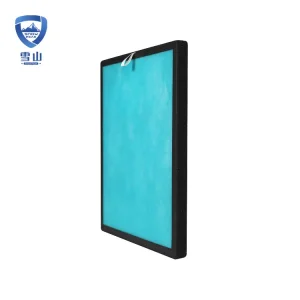
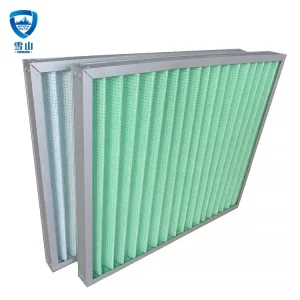
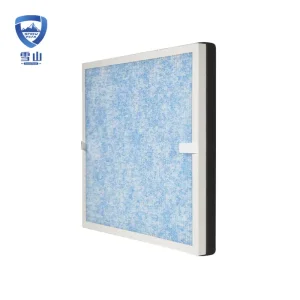
High-efficiency, certified particulate and molecular air purification components engineered to meet global standards.
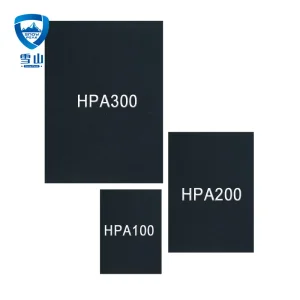
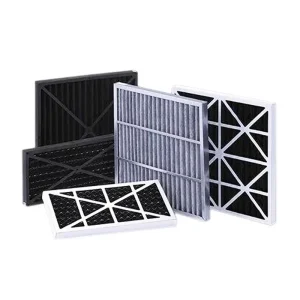
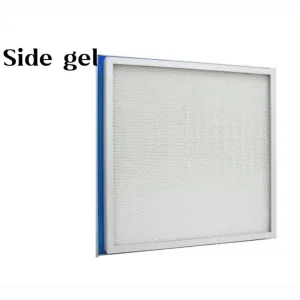
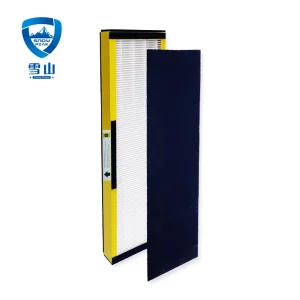
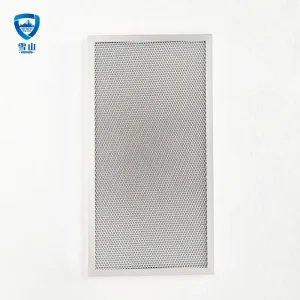
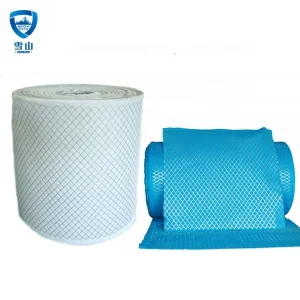
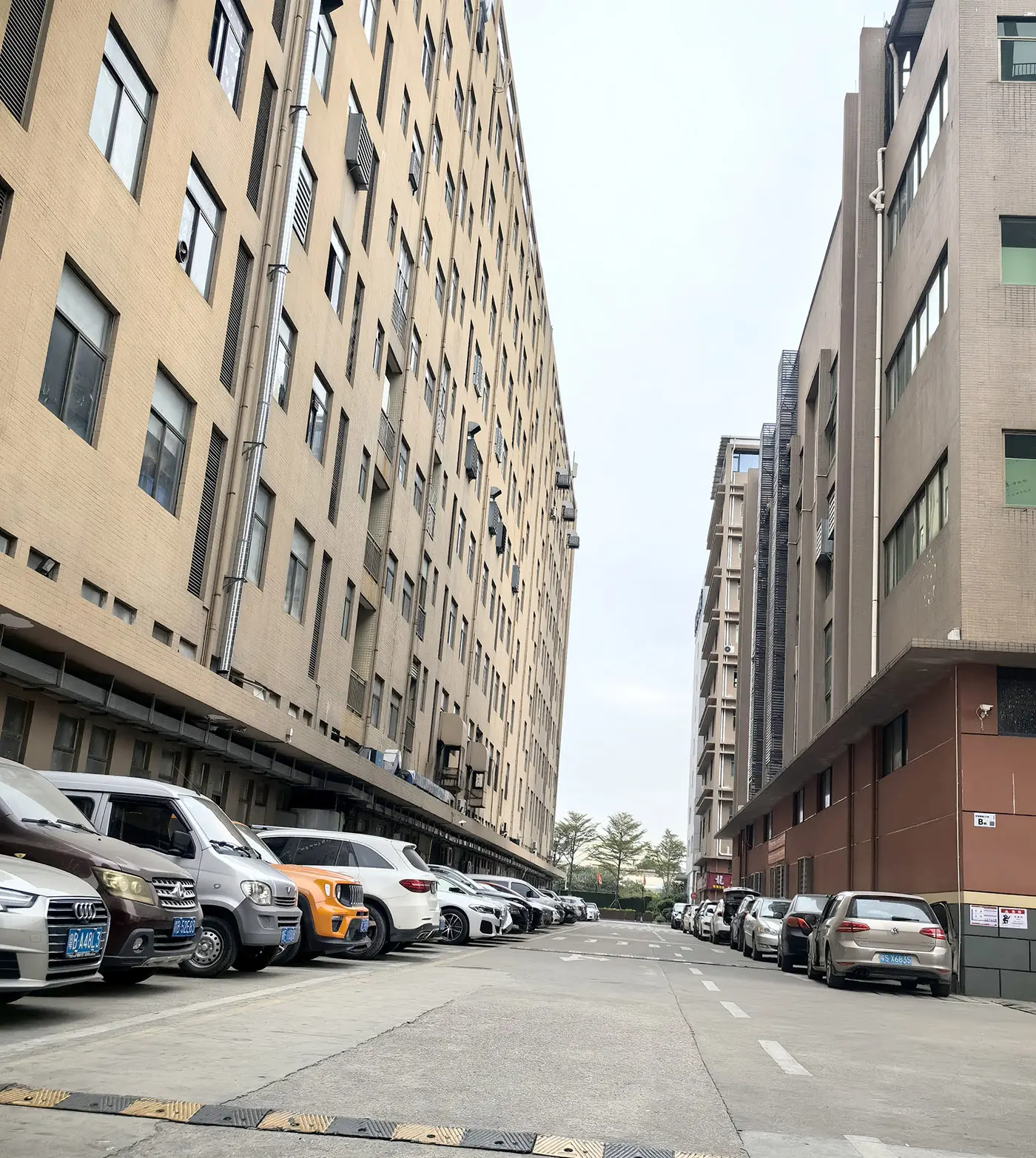
As a pioneer in advanced molecular adsorption and particulate interception, Shenzhen Snow Peak Clean Technology Co., Ltd. operates as a fully integrated high-tech enterprise. We are dedicated to the end-to-end research, engineering development, production, and global distribution of elite air filtration systems. Our expansive product portfolio serves critical infrastructure, including Pre-filters, pocket filters, HEPA filters, chemical gas-phase filters, car cabin air filtration, wet-curtain humidifier pads, and melt-blown composite media.
Through decades of commitment to material science, we provide bespoke, high-efficiency clean air solutions for HVAC units, commercial complexes, and highly regulated industries such as microelectronics, aerospace fabrication, cleanrooms, and pharmaceutical labs.
How molecular adsorption science is keeping pace with stricter global indoor air quality regulations.
The effectiveness of activated charcoal air filter material depends on its internal micro-pore structure. Modern systems utilize advanced thermochemical activation processes to create a highly optimized distribution of micropores (under 2nm for volatile organic compounds) and mesopores (2 to 50nm for large organic molecules and odors). This ensures stable adsorption isotherms even in high relative humidity.
To target gaseous pollutants like ammonia, formaldehyde, sulfur dioxide, and hydrogen sulfide, the carbon media is chemically impregnated with reactive agents (like KI, KOH, or phosphoric acid). This triggers chemisorption, turning volatile gases into harmless, stable chemical compounds trapped within the carbon matrix.
Combining activated carbon with synthetic non-woven layers or melt-blown media prevents the release of carbon dust. Our sandwich-structured carbon fabric combines the physical filtration of PM2.5 with molecular adsorption, resulting in a low pressure drop and long service life.
Assessing regulatory alignment and technical specifications for cross-border clean air projects.
Global supply networks require compliance with ISO 16890 (which categorizes filters based on ePM1, ePM2.5, and ePM10 fractional efficiency) and the older EN 779 standard (G3 to F9 ratings). When choosing an ODM partner, verify that the media matches the pressure drop, efficiency, and dust-holding capacity (DHC) required for your target market.
The operational lifespan of a charcoal air filter is directly related to its carbon loading rate (g/m²). For B2B buyers in municipal air filtration and cleanroom systems, high CTC (carbon tetrachloride) adsorption rates (typically >60%) and iodine numbers above 1000 mg/g are crucial indicators of long-term performance and lower replacement costs.
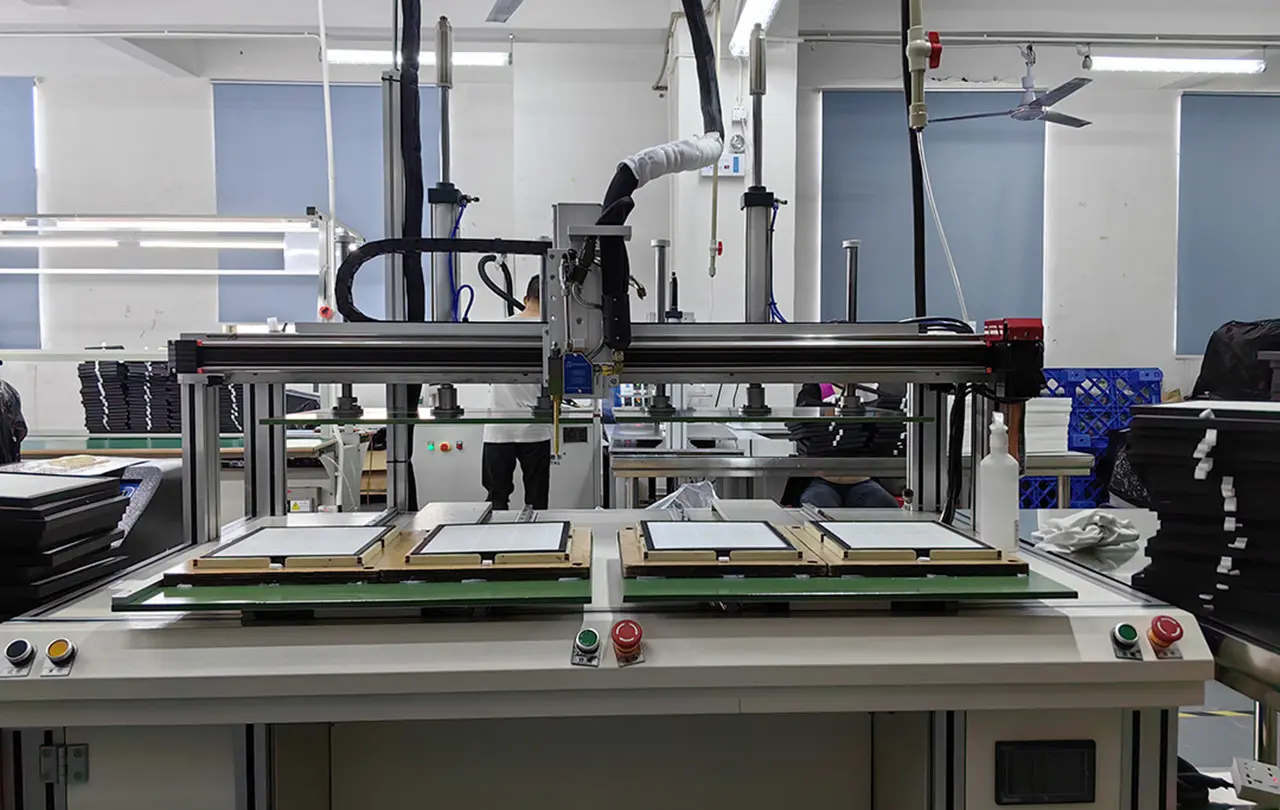
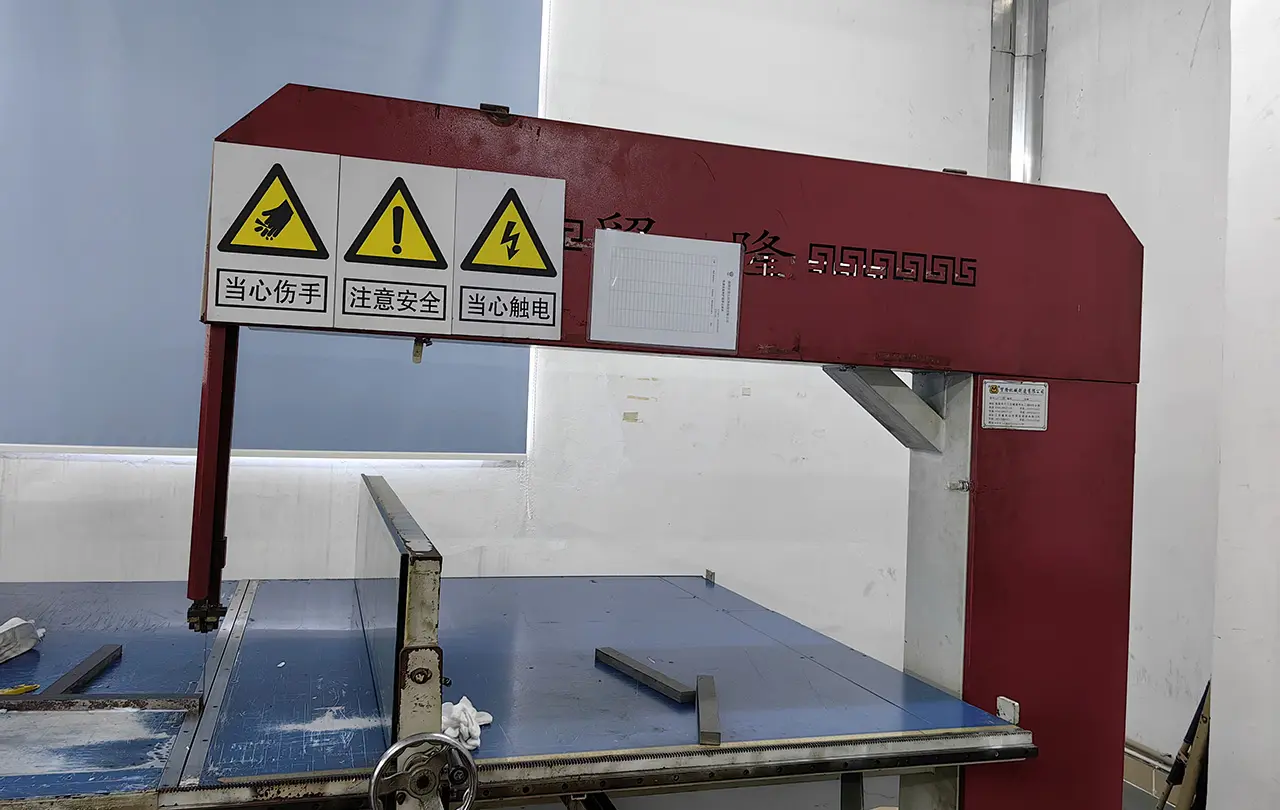
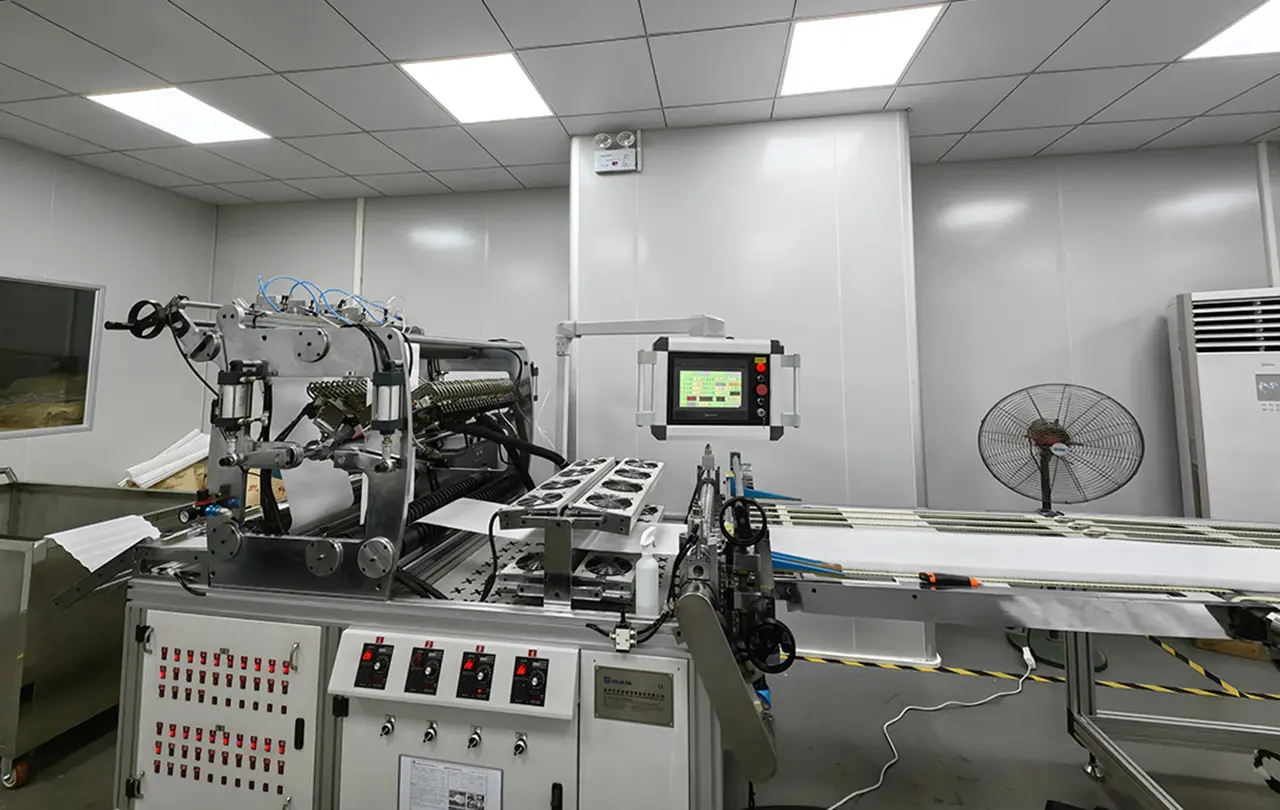
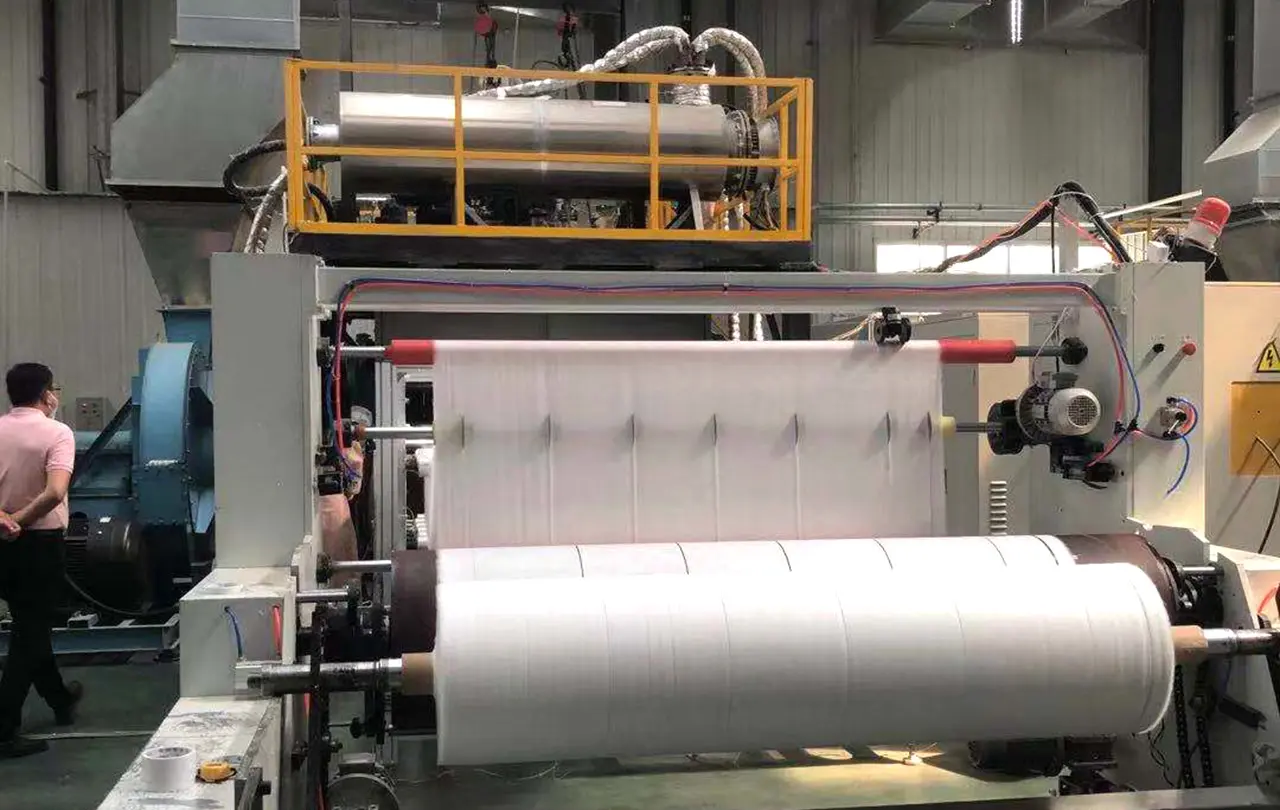
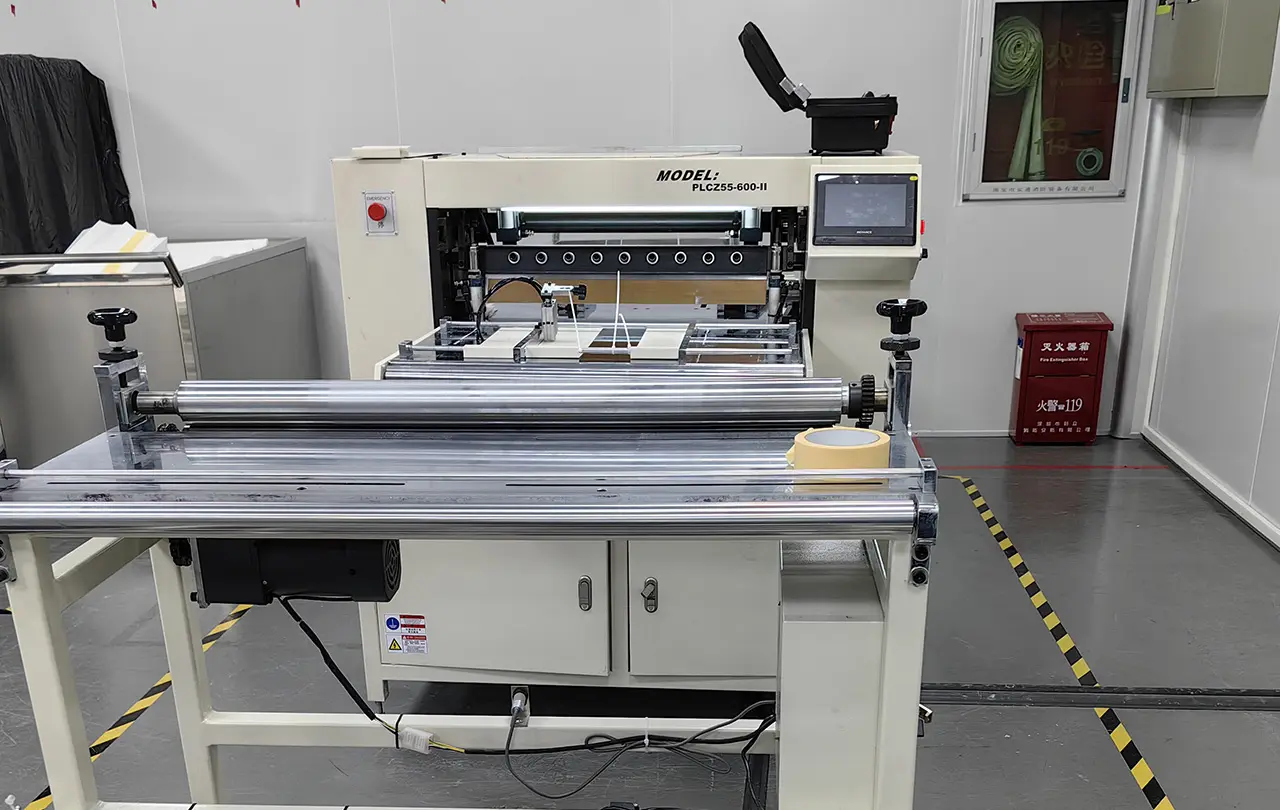
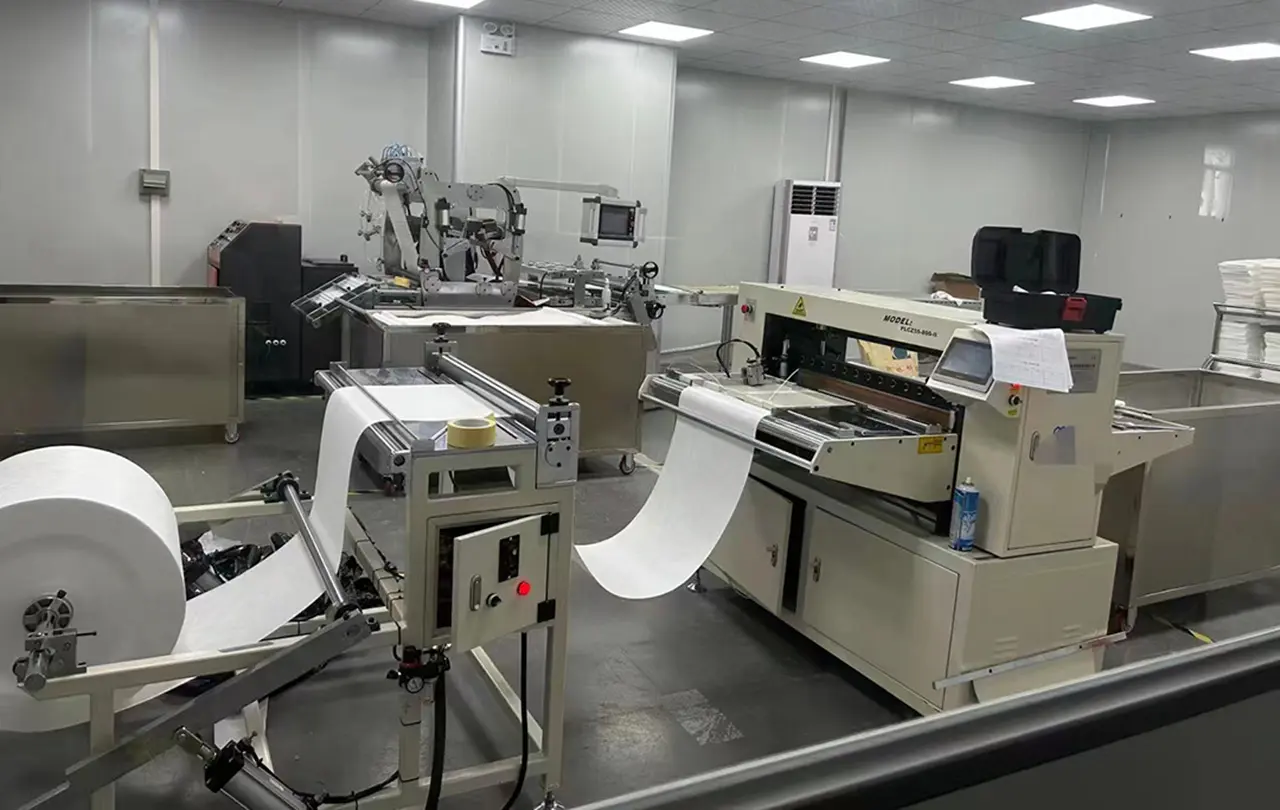
Inside Shenzhen Snow Peak Clean Technology's advanced manufacturing and fabrication facility.
Our automated production line integrates advanced structural engineering and material processing to guarantee consistent performance across large production volumes. Supported by an AMADA CNC punch, CNC bending machines, and certified dust-free production zones, our manufacturing process ensures long-term reliability and precise tolerances.
Customized molecular air purification systems for demanding industrial settings.
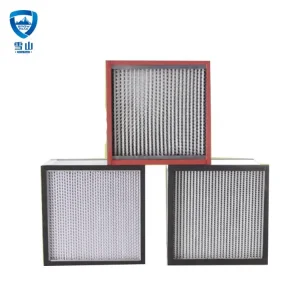
Semiconductor manufacturing requires cleanrooms that are free from both airborne particles and Airborne Molecular Contamination (AMC). Even trace concentrations of acid gases or organic vapors can etch silicon wafers. Our custom gel-seal HEPA and chemical filters provide dual defense to keep cleanrooms running smoothly.
Vehicle occupants are frequently exposed to traffic emissions, including nitrogen dioxide, ozone, and benzene. Laminated charcoal composite media in cabin filters removes these harmful gases, ensuring clean air for passengers.
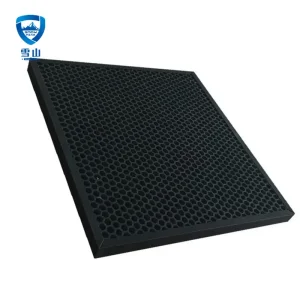
Urban commercial spaces must handle both outdoor smog and indoor emissions from building materials, electronics, and human activity. Installing honeycomb carbon media in central HVAC systems helps reduce volatile organic compounds (VOCs) and improves overall indoor air quality.
Technical answers to help buyers evaluate charcoal and activated carbon filtration media.
Physical adsorption relies on weak van der Waals forces to trap gaseous molecules in the micropores of activated carbon. It is highly effective for heavy volatile organic compounds (VOCs). Chemisorption, on the other hand, involves a chemical reaction between the gas molecules and a chemical reagent impregnated into the carbon. This process is necessary for capturing small, light gas molecules like formaldehyde, hydrogen sulfide, and ammonia, which do not stick to untreated carbon.
High relative humidity (typically above 60%) can significantly reduce the performance of physically adsorbing activated carbon. Water molecules can compete with organic gases for active sites within the micropores, causing the pore structure to fill with water and reducing the filter's capacity for organic molecules. Under high-humidity conditions, hydrophobic synthetic carbon carriers or specialized chemical impregnations are used to maintain filtration efficiency.
We use a proprietary hot-melt laminating process that secures the activated carbon granules between non-woven polyester or polyurethane carrier layers. This design prevents carbon particles from shearing or shedding, even in high-velocity HVAC systems, ensuring no carbon dust escapes into downstream clean areas.
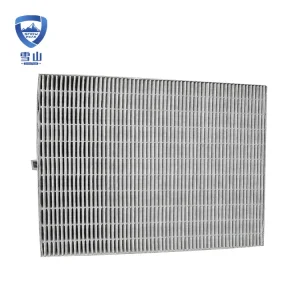
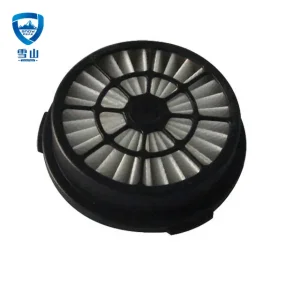
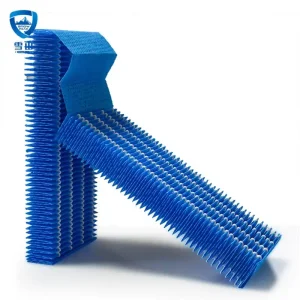
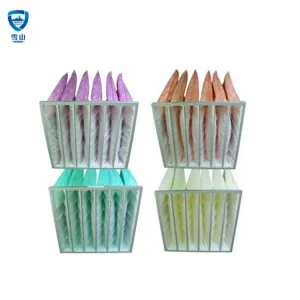
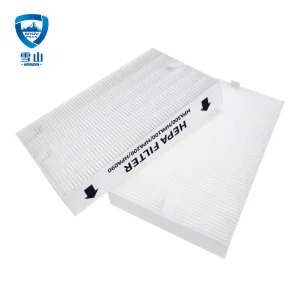
High-efficiency media, replacement packs, and containment systems for cleanroom, industrial, and home applications.
 Snow Peak