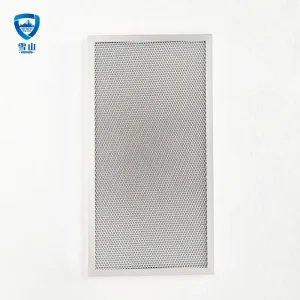
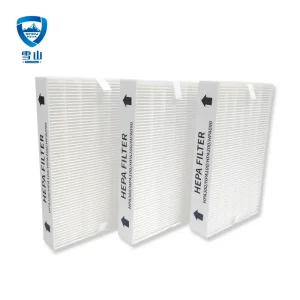
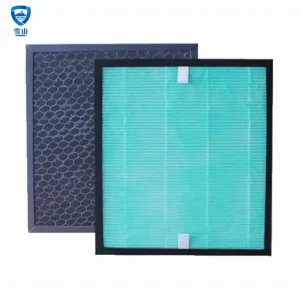
Explore our premium range of high-efficiency particulate, molecular, and gas-phase filtration media designed for diverse commercial and residential applications.
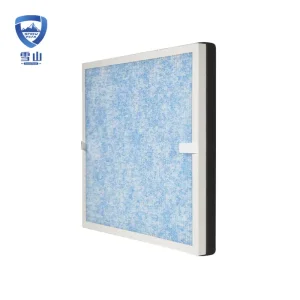
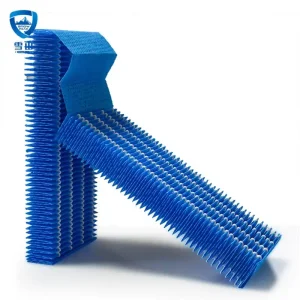
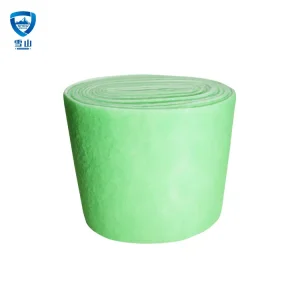
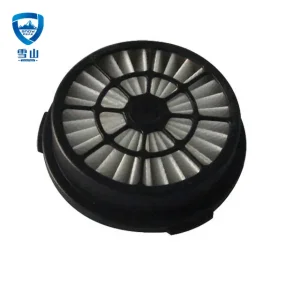
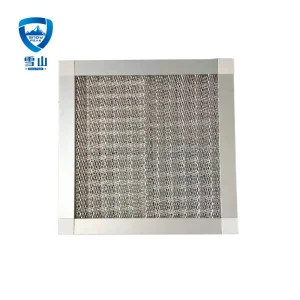
In an era defined by stringent indoor air quality (IAQ) regulations and expanding industrialization, molecular gas-phase filtration has transitioned from a specialized requirement to a baseline necessity. Activated charcoal filters for air vents represent the frontline defense against volatile organic compounds (VOCs), hazardous gaseous emissions, offensive odors, and molecular contaminants. Around the globe, municipal codes, occupational health safety organizations (such as OSHA and EU-OSHA), and environmental protection agencies are continually tightening limits on chemical pollutants in occupied spaces.
As cities densify and mixed-use industrial-residential zones expand, the demand for highly efficient carbon media has surged. Industrial facilities, microelectronics cleanrooms, laboratories, and modern green buildings require customized, low-pressure-drop, high-capacity activated carbon filters. Traditional particulate filtration (such as standard HEPA or pre-filters) is inherently ineffective against molecular-level pollutants, leaving a structural vulnerability that only premium gas-phase carbon adsorption can resolve.
Information Gain Insight: The adsorption of gaseous pollutants depends heavily on the internal surface area of the activated charcoal, typically measured via the Iodine Number (mg/g) and CTC (Carbon Tetrachloride) adsorption value. Standard filters offer a CTC of 40-50%, while premium engineered ODM filters leverage advanced catalytic carbon to achieve CTC values upwards of 60-80% for targeted molecular abatement.
At the molecular scale, activated charcoal possesses an incredibly porous network consisting of micropores (diameter < 2 nm), mesopores (2 to 50 nm), and macropores (> 50 nm). Gaseous pollutants undergo physical adsorption (physisorption) where Van der Waals forces trap volatile molecules within this microscopic matrix. However, to neutralize specific lightweight or reactive compounds (such as formaldehyde, sulfur dioxide, or ammonia), chemical adsorption (chemisorption) via chemical impregnation is utilized.
Carefully balanced thermal activation processes maximize the presence of micropores for general VOC capture, while maintaining sufficient mesopores for fast molecular diffusion rates.
Proprietary catalytic and chemical impregnations (such as KOH, H3PO4, or KMnO4) are introduced into the carbon matrix to chemically neutralize acid gases, basic amines, and formaldehyde.
By utilizing specialized structured honeycomb matrices or composite pleating geometries, we achieve superior contact time without choking HVAC system airflows.
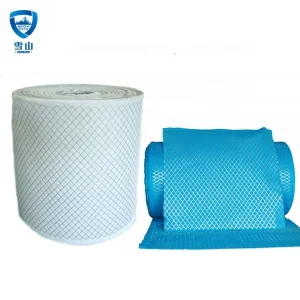
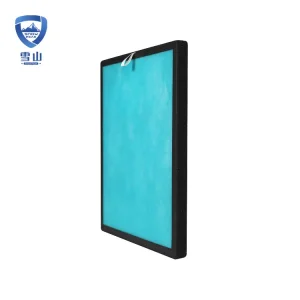
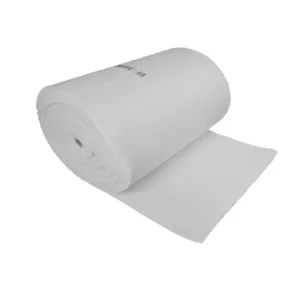
Shenzhen Snow Peak Clean Technology Co., Ltd. is an integrated high-tech enterprise, specialized in air filtration products research and development, production, sales, import and export trade. We produce and supply: Pre-filter, pocket filter, HEPA filter, chemical filter; replacement HEPA filter, car cabin air filter, humidifier filter; pocket filter media, melt-blown composite filter media, and other high-performance filter materials; provide high quality air purification solutions and products for indoor air pollution control and air conditioning systems of civil and industrial buildings, microelectronics, pharmaceutical, laboratory, school, hospital clean room etc. Combined with self-developed patented technology, our sterilizing antiviral HEPA filter can effectively filtrate fine particles, so that PM2.5 concentration down to 10 micrograms/m3, 5 times better than national standard; effectively inhibit the breeding of microorganisms, sterilization rate up to 99.9%, and no secondary pollution, removal of H1N1 virus efficiency as high as 99.99%.
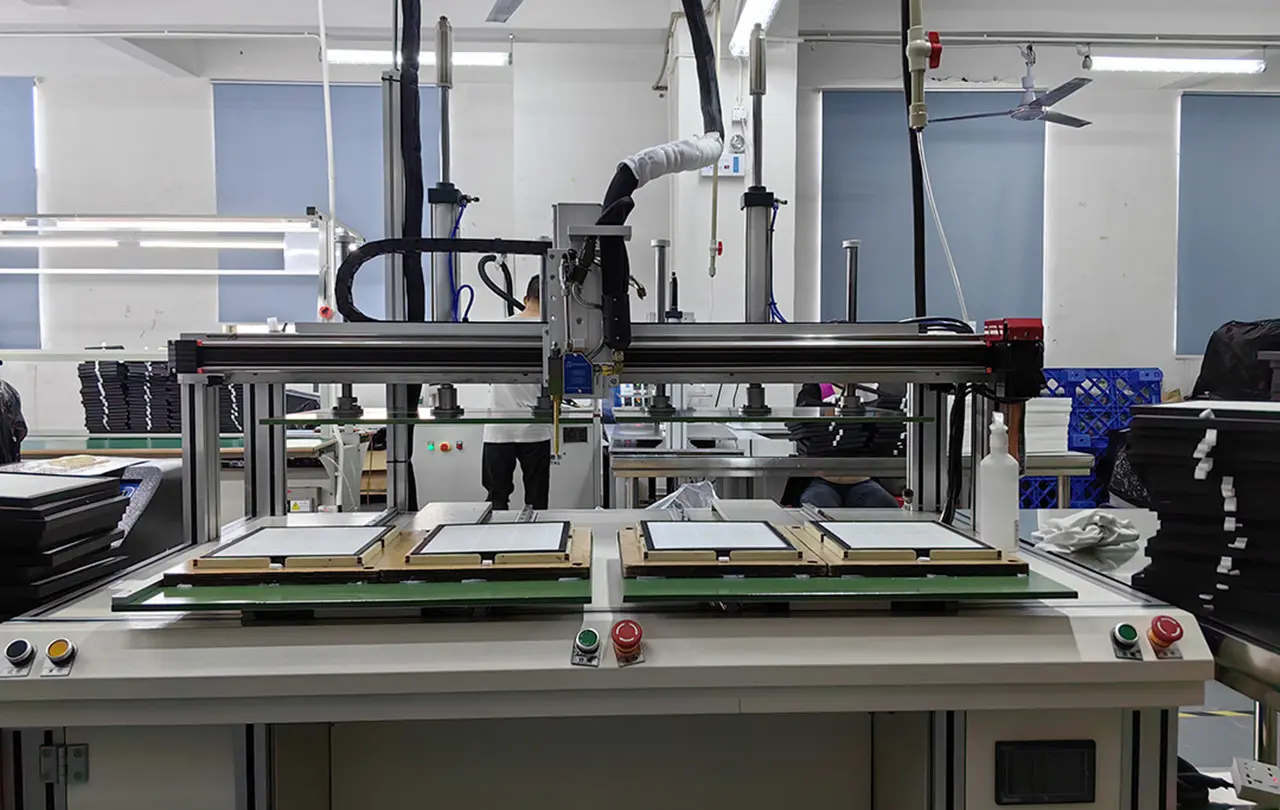
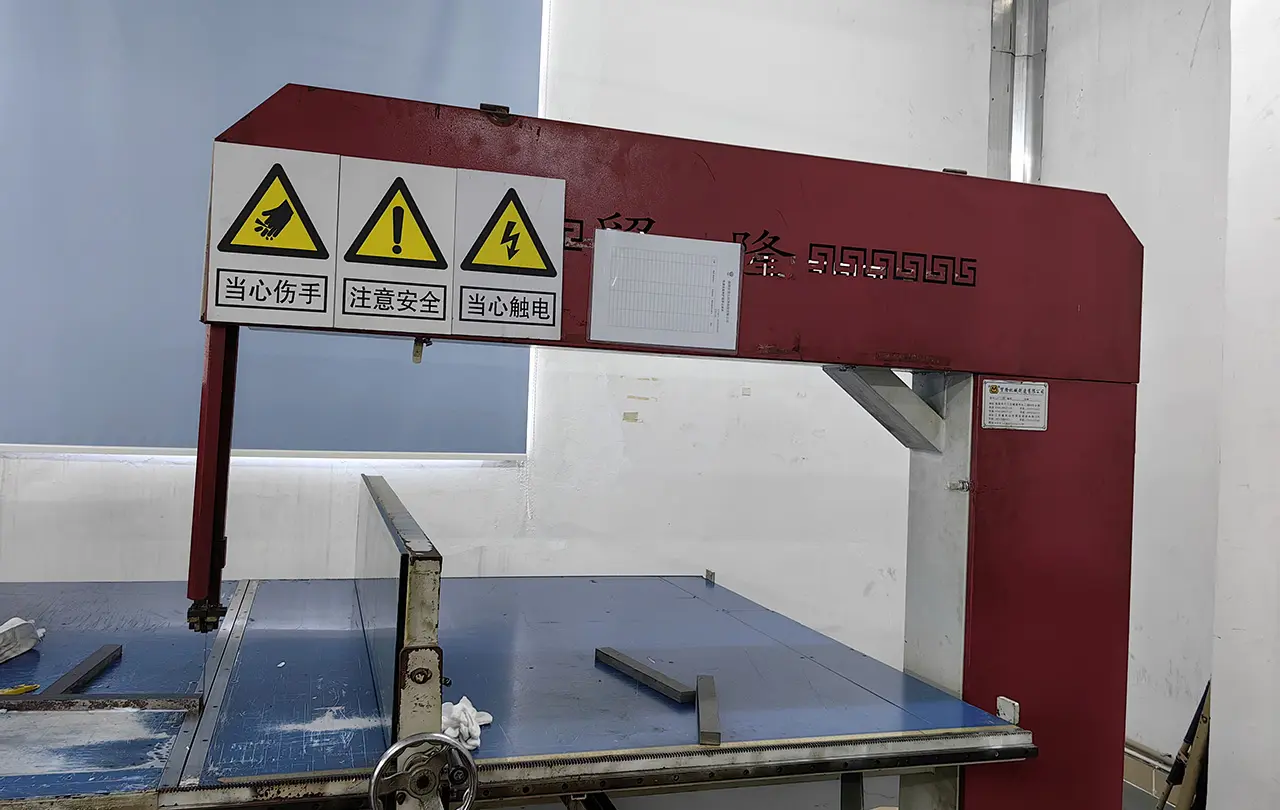
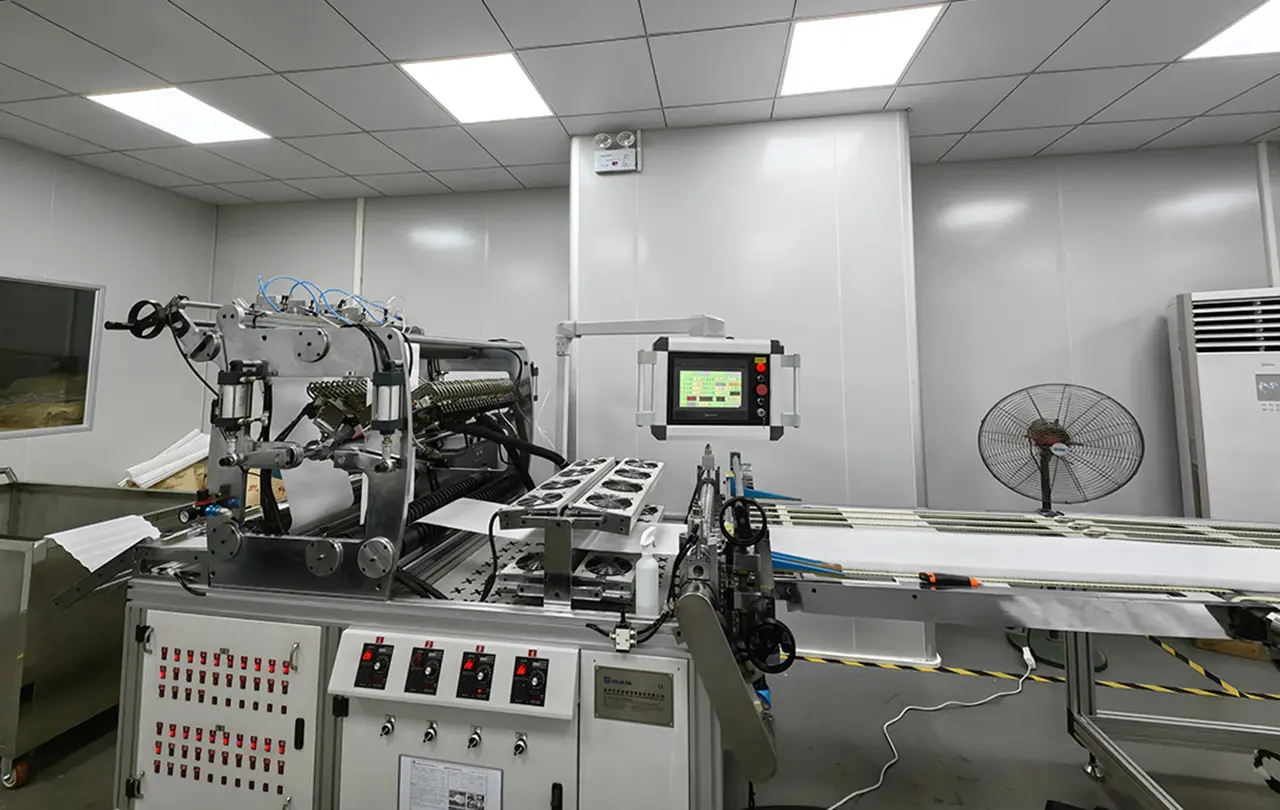
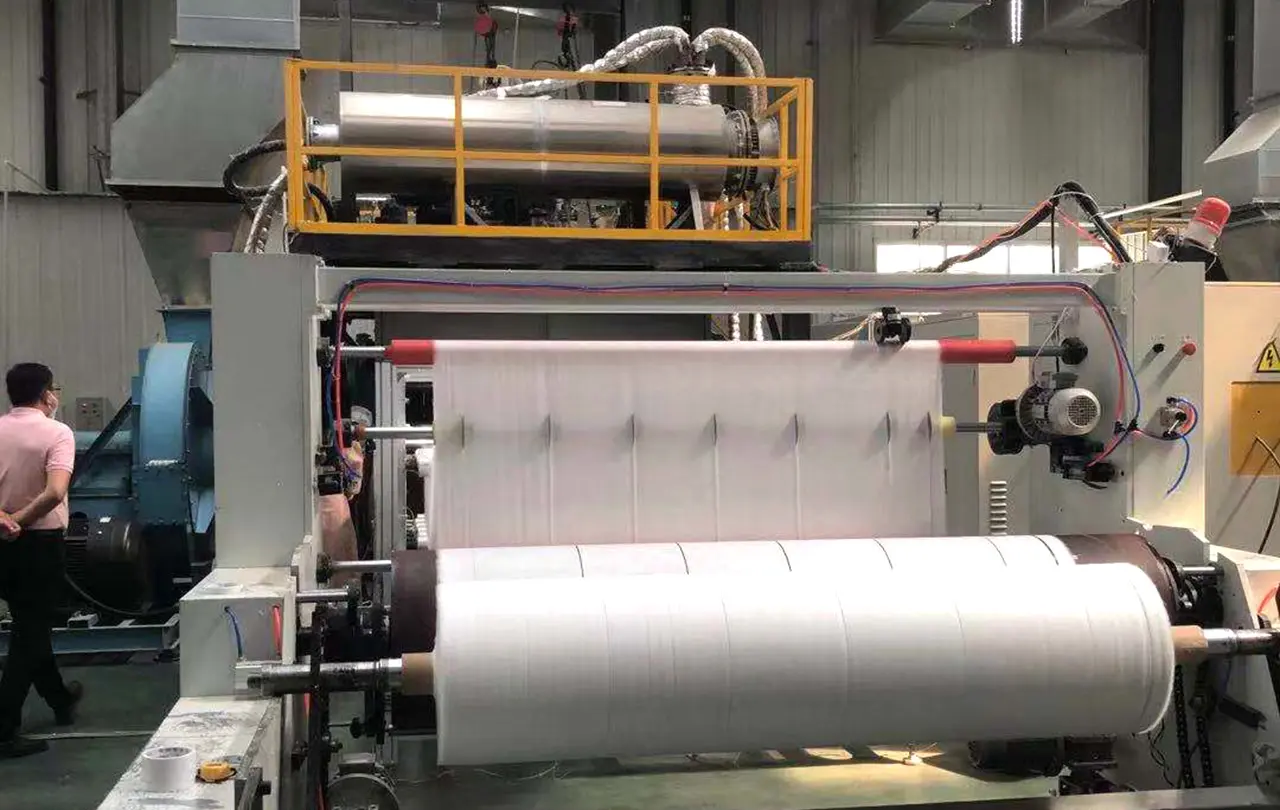
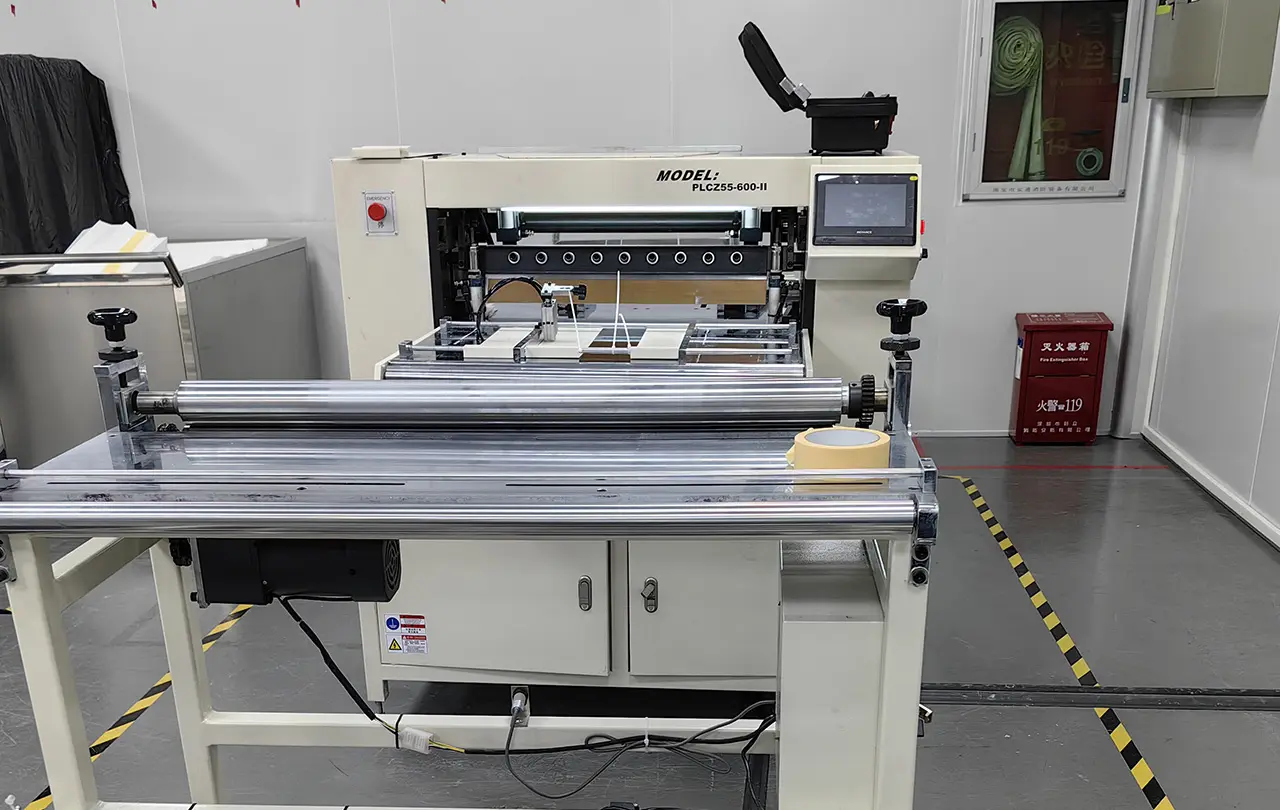
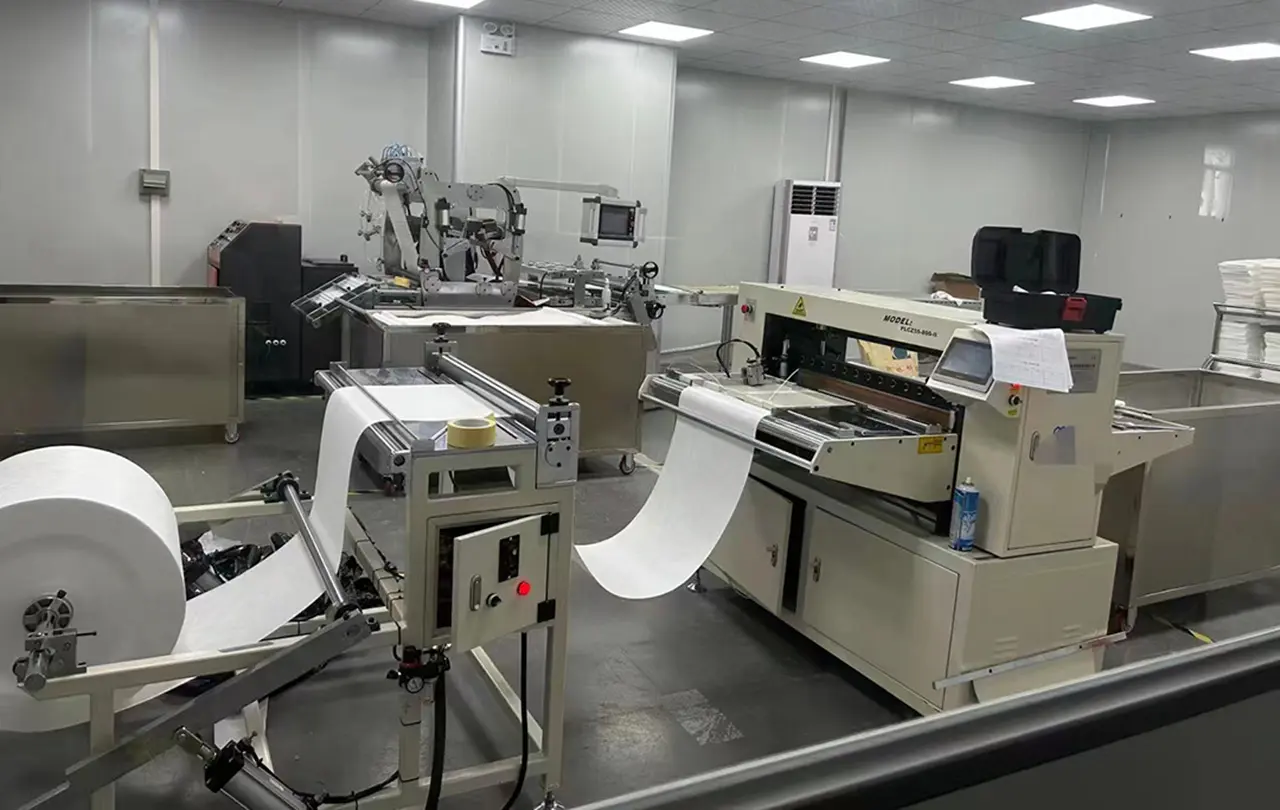
Our Core Manufacturing Strengths: Having 15 years of international air purification technology experience as the background, our company has standardized production workshop, dust-free filter workshop and first-class technology of HEPA filters production line and inspection line, independent research and development of fully automatic air filter production line, equipped with AMADA CNC punch and CNC bending machine as well as many other advanced high-end equipment, provide a strong guarantee for production and quality of air filtration and purification products.
Our advanced manufacturing facility utilizes top-tier automated machinery to ensure structural integrity, consistent pleat geometry, and uniform active material distribution across all air filter lines.
Every environment poses distinct chemical challenges. For instance, commercial buildings located in heavily congested metropolitan areas require HVAC systems capable of capturing high loads of ambient nitrogen dioxide (NO2) and sulfur dioxide (SO2). Conversely, microelectronics manufacturing facilities are sensitive to trace airborne molecular contaminants (AMCs) which can damage delicate silicon wafers. Below is a structured breakdown of optimized filtration paths developed by Shenzhen Snow Peak:
| Target Industry / Application | Predominant Pollutants | Recommended Carbon Configuration | Key Performance Metrics |
|---|---|---|---|
| Commercial Office HVAC | Ozone, NO2, Outdoor smog, VOCs | Standard Activated Coconut Shell Carbon Pleats | Low resistance, high air volume capacity |
| Microelectronics Cleanrooms | Acid gases, bases, organic condensables | Impregnated Catalytic honeycomb matrices | Zero outgassing, high breakthrough capacity |
| Hospitals & Bio-Labs | Anesthetic gases, disinfectants, odors | Carbon-HEPA composite sandwich filters | 99.99% viral interception + gas adsorption |
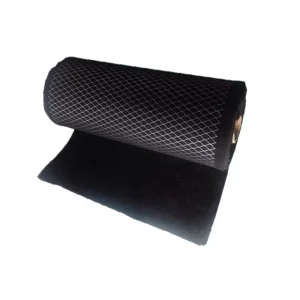
| Industrial Spray Painting Rooms | Xylene, Toluene, Acetone, solvent vapors | Granular heavy-bed carbon canisters / rolls | High CTC rating, robust solvent holding limits |
As the market shifts towards "smarter" HVAC systems and sustainable building standards (such as LEED and WELL Building Standard), the requirements for carbon filtration are undergoing a major evolution. Shenzhen Snow Peak Clean Technology is actively researching and deploying next-generation tech pathways to address these demands:
By combining titanium dioxide (TiO2) and photocatalytic structures with high-grade carbon media, we are creating active chemical neutralization systems. These setups break down adsorbed VOCs into harmless CO2 and H2O, effectively self-regenerating the carbon surface and exponentially extending the filter lifespan.
Standard carbon media can sometimes release fine dust during installation or under high-velocity air streams. We are integrating ultra-thin, electrospun nanofiber protective membranes that lock in carbon particulates while offering secondary sub-micron particulate filtration with negligible pressure drop penalties.
Future ventilation systems will dynamically adjust airflow based on sensor feedback. Our developmental filters feature smart RFID tags and integrated airflow channel geometries that work in tandem with pressure transducers to notify facilities managers of exact filter saturation limits, avoiding premature replacements.
Technical clarifications regarding performance, maintenance, and customization of activated charcoal and carbon filters.
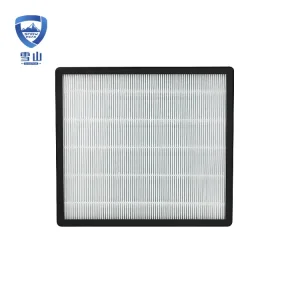
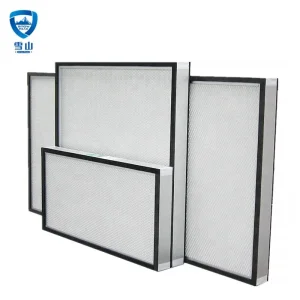
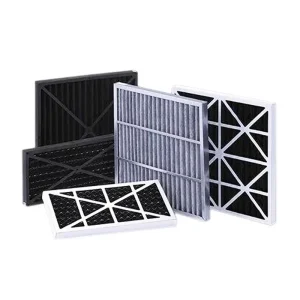
Select from our specialized line of air purification materials, custom-sized HEPA replacements, and industrial pre-filters.
 Snow Peak