Premium grade industrial filters engineered for precise particulate capture, carbon integration, and environmental safety.
A B2B whitepaper exploring the structural integrity, mechanics, and efficiency optimizations of glass microfiber media.
HEPA (High-Efficiency Particulate Air) filters constructed from fiberglass represent the pinnacle of mechanical filtration technology. Unlike synthetic filtration materials that rely heavily on electrostatic charges—which inevitably decay over time and exposure—fiberglass media utilizes a dense, matrix-like structure of sub-micron glass fibers. This provides absolute consistency in mechanical particle collection through four primary mechanisms: impaction, interception, diffusion, and sieving.
For high-reliability sectors such as semiconductor fabrication facilities, clinical laboratories, pharmaceutical formulation centers, and aerospace assembly plants, the physical stability of borosilicate glass microfibers is paramount. The fibers do not shed easily when properly bonded, they maintain low pressure drop curves relative to their high surface area, and they offer superior chemical resistance to common disinfectants and sterilizing agents, such as vaporized hydrogen peroxide (VHP).
“The fundamental limitation of synthetic electrostatic media is the predictable loss of efficiency in high-humidity or VOC-heavy environments. Micro-glass HEPA filters bypass this point of failure entirely, ensuring that an ISO Class 5 cleanroom retains its operational parameters over thousands of hours of continuous air changes.”
The global HEPA filtration industry is shifting rapidly toward lower energy configurations and hybrid chemical-particulate filtration systems. Current design trends include:
Discover the engineering strength behind Shenzhen Snow Peak Clean Technology Co., Ltd.
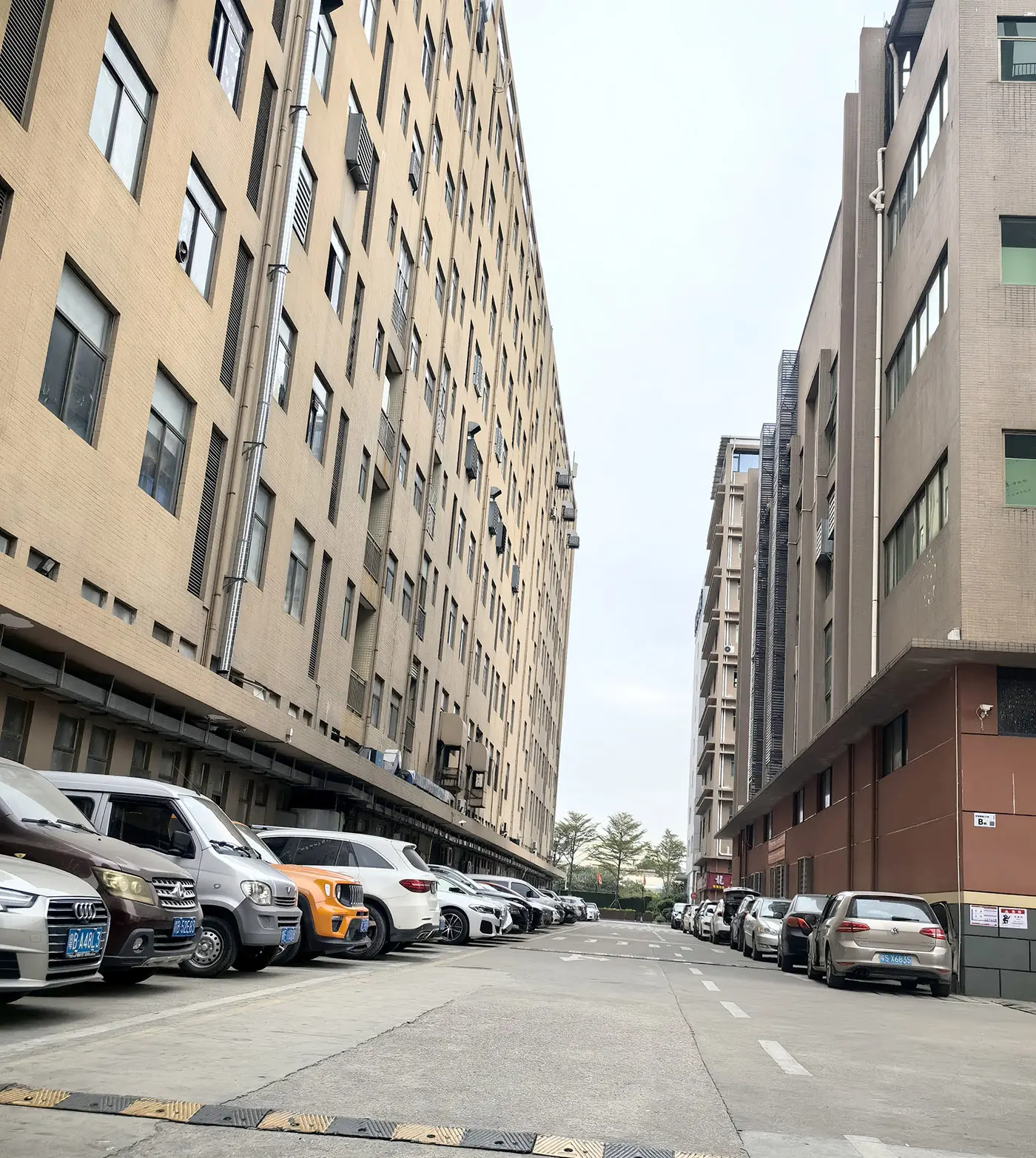
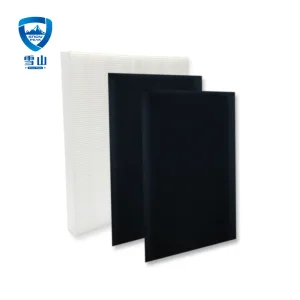
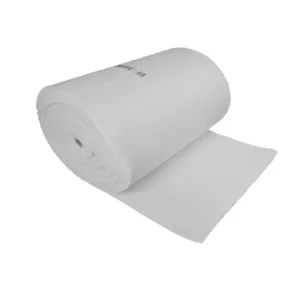
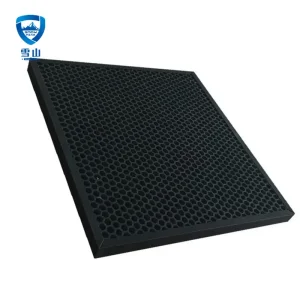
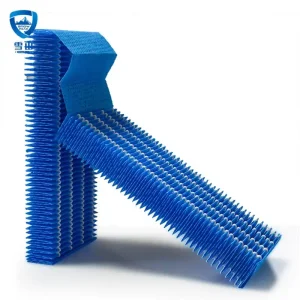
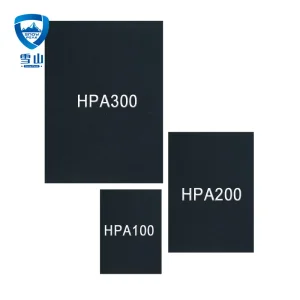
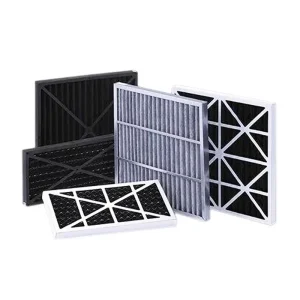
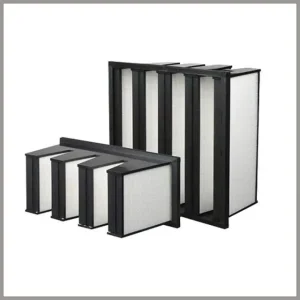
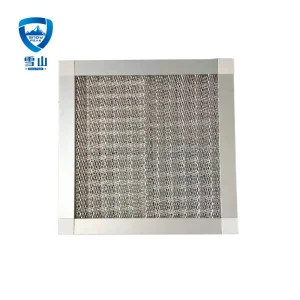
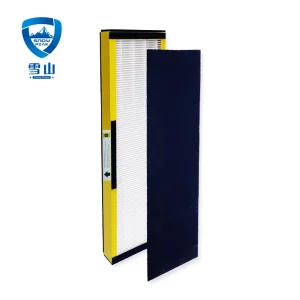
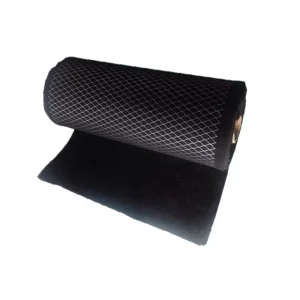
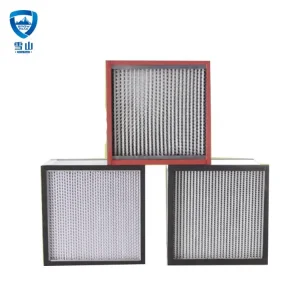
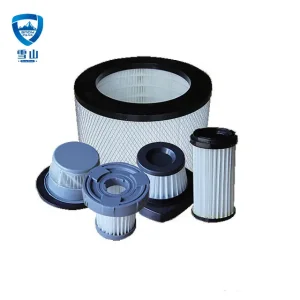
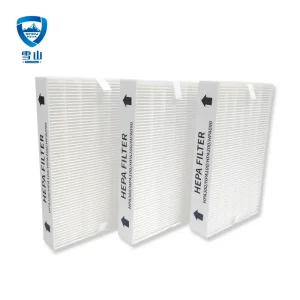
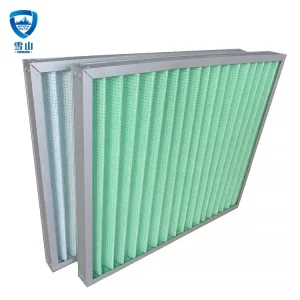
Shenzhen Snow Peak Clean Technology Co., Ltd. is an integrated high-tech enterprise, specialized in air filtration products research and development, production, sales, import and export trade. We produce and supply: Pre-filter, pocket filter, HEPA filter, chemical filter; replacement HEPA filter, car cabin air filter, humidifier filter; pocket filter media, melt-blown composite filter media, and other high-performance filter materials; provide high quality air purification solutions and products for indoor air pollution control and air conditioning systems of civil and industrial buildings, microelectronics, pharmaceutical, laboratory, school, hospital clean room etc.
Combined with self-developed patented technology, our sterilizing antiviral HEPA filter can effectively filtrate fine particles, so that PM2.5 concentration down to 10 micrograms/m3, 5 times better than national standard; effectively inhibit the breeding of microorganisms, sterilization rate up to 99.9%, and no secondary pollution, removal of H1N1 virus efficiency as high as 99.99%.
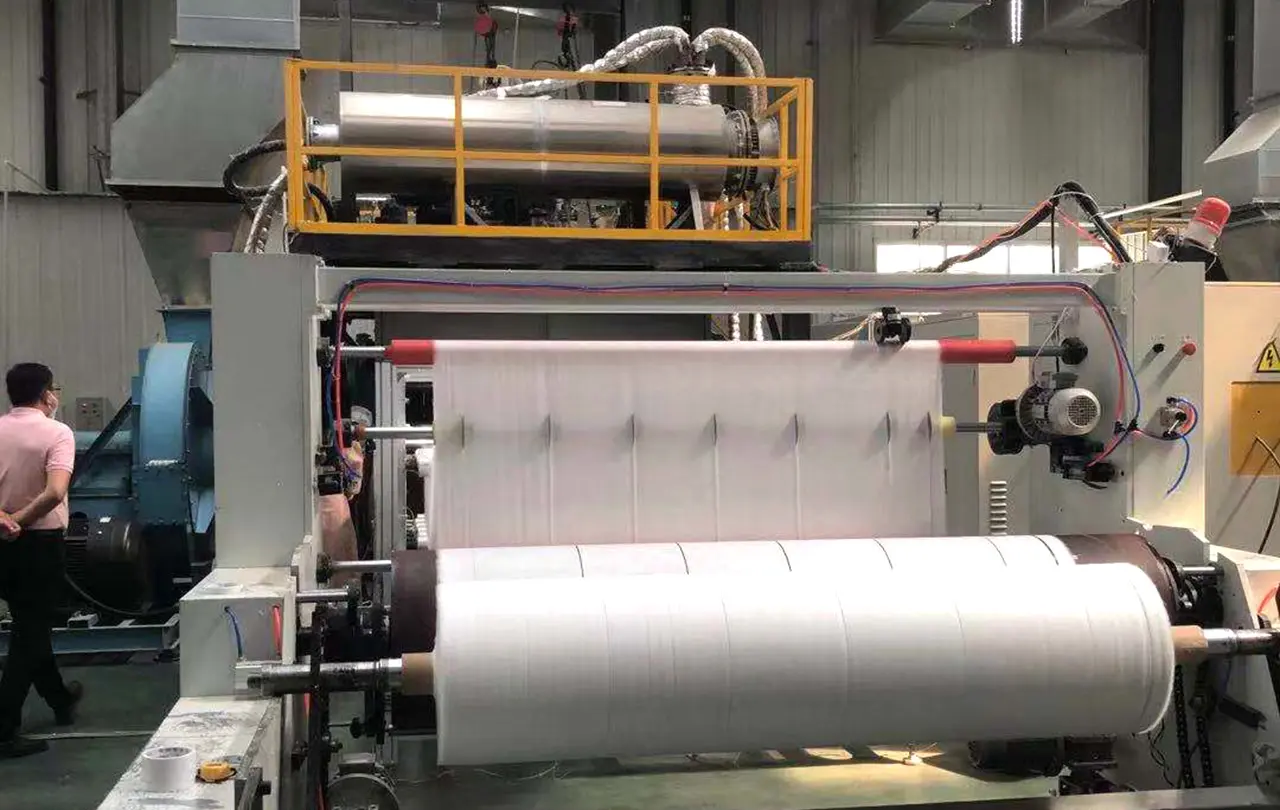
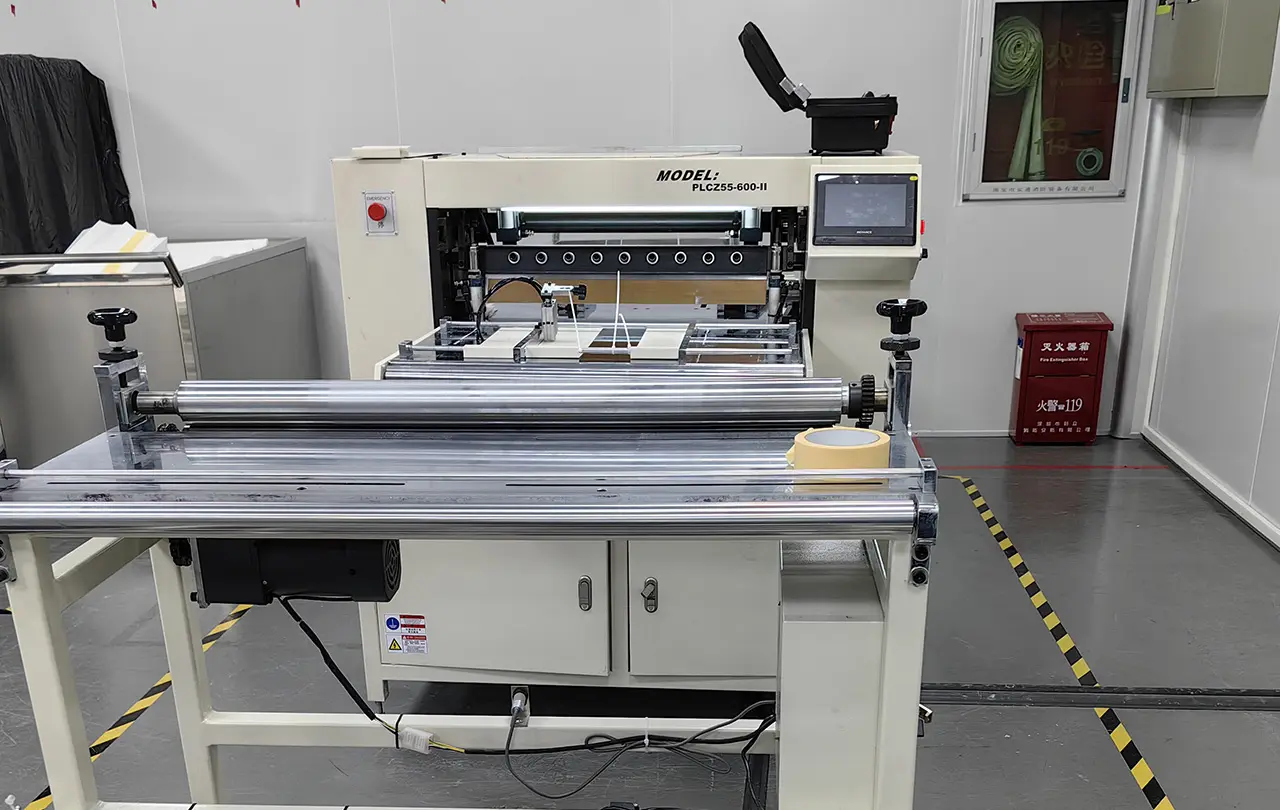
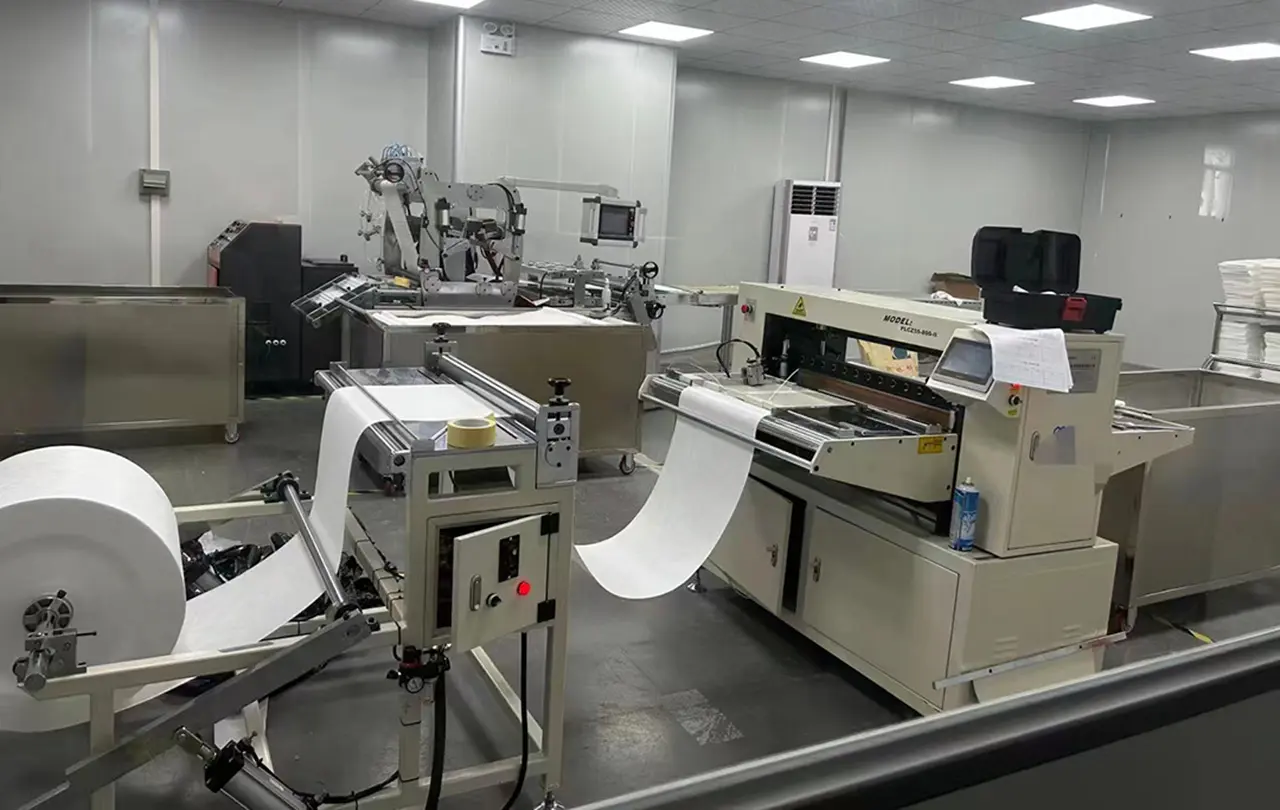
Having 15 years of international air purification technology experience as the background, our company has standardized production workshop, dust-free filter workshop and first-class technology of HEPA filters production line and inspection line, independent research and development of fully automatic air filter production line, equipped with AMADA CNC punch and CNC bending machine as well as many other advanced high-end equipment, provide a strong guarantee for production and quality of air filtration and purification products.
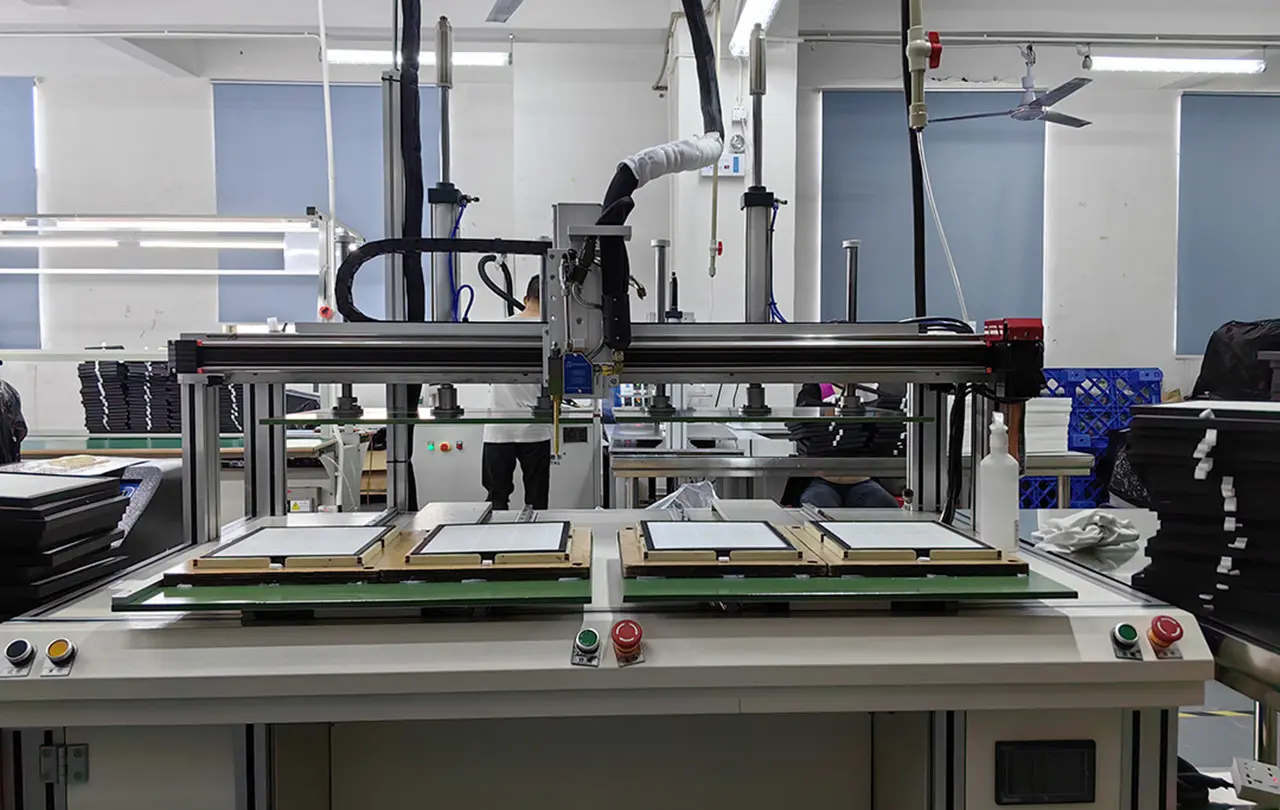
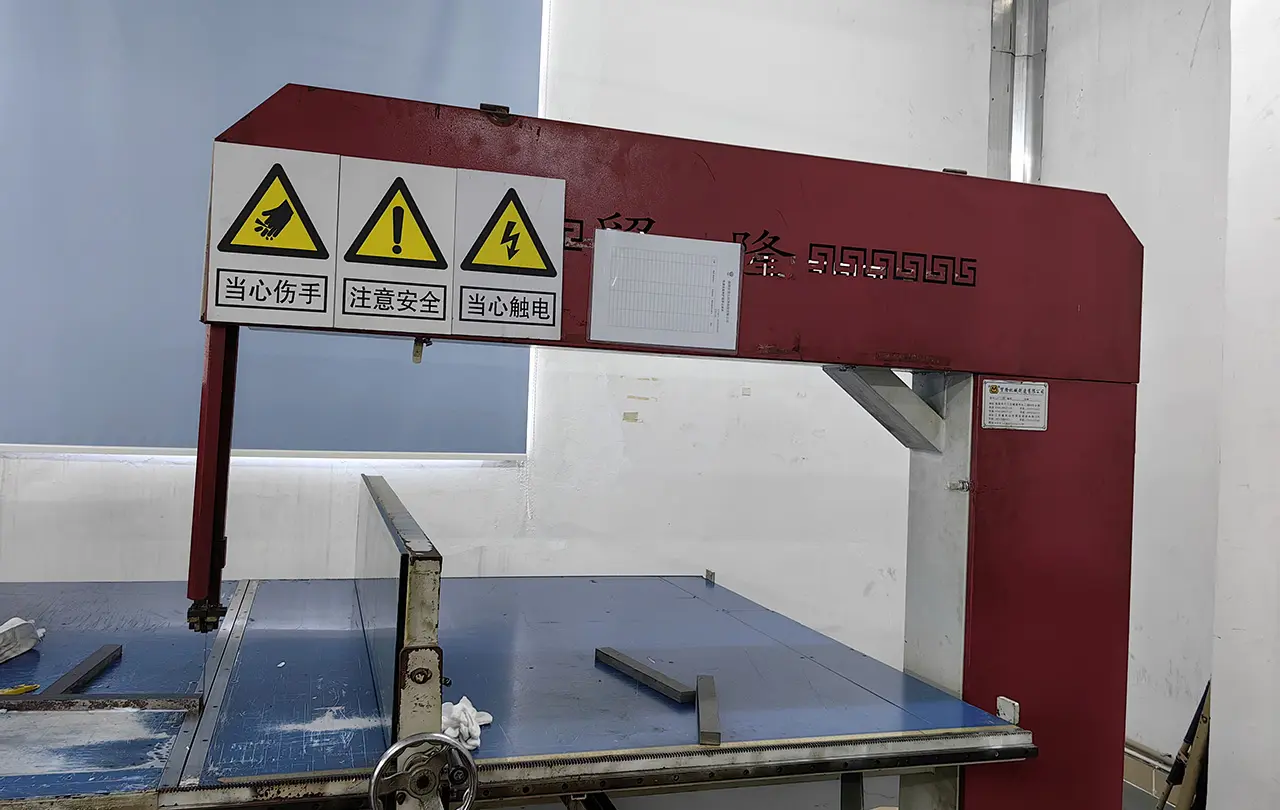
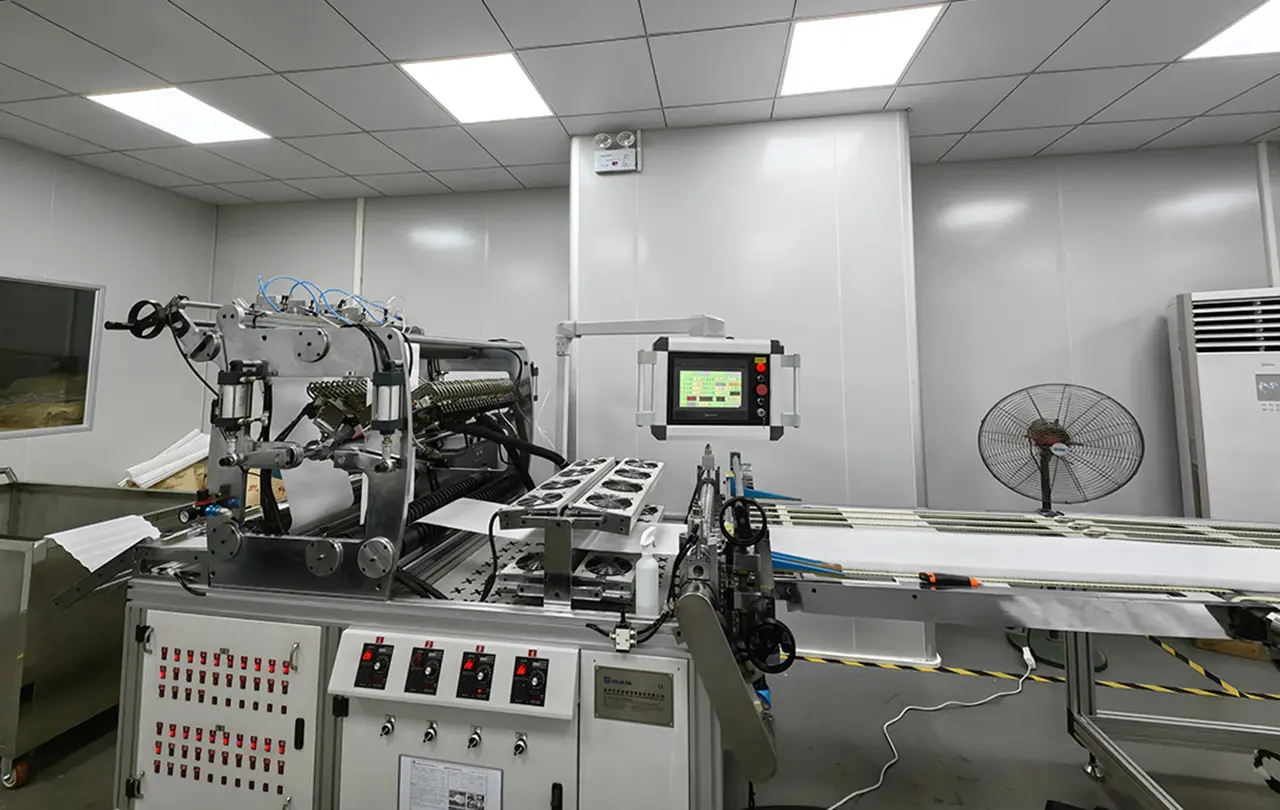
We build tailored profiles utilizing structural aluminum, galvanized steel, stainless steel, and high-strength plastic. Pleat heights, channel spacings, and faceguards can be configured to match exact velocity profiles in demanding HVAC and cleanroom architectures.
Our proprietary formulation embeds non-migrating antiviral agents directly onto the fiberglass matrix. This setup maintains a verified 99.99% sterilization rate against H1N1 and other respiratory pathogens without releasing harmful chemical off-gassings into the cleanroom airflow.
Every single HEPA and ULPA unit undergoes localized leak testing using oil aerosol methods (PAO/DOP) according to EN 1822 and ISO 29463. This ensures certified, zero-bypass performance prior to industrial commissioning.
Procuring air filtration systems on a global scale demands strict coordination between design engineering, quality assurance, and global logistics. Industrial buyers must look beyond initial acquisition costs and focus heavily on the **Total Cost of Ownership (TCO)**, which is primarily driven by filter life-cycles, fan energy consumption, and facility downtime. Standardizing requirements on custom-dimension HEPA filters allows enterprises to maintain predictable cleanroom metrics across multiple international manufacturing sites.
A central challenge in procurement is tracking raw material origin and verifying testing protocols. When selecting an ODM supplier for fiberglass filters, purchasing managers must require comprehensive certification documentation, including EN 1822 test reports, material safety data sheets (MSDS) for adhesives, and UL 900 fire rating compliances. Working with a vertically integrated supplier that manages both media formulation and final assembly ensures traceability down to the specific glass microfiber batch, mitigating downstream risks in regulated fields like biopharmaceuticals and medical device manufacturing.
Different industries require highly distinct technological responses to manage their atmospheric risks:
Looking ahead, we are positioning our research toward zero-waste fiberglass manufacturing. This involves reclaiming scrap borosilicate media for reuse in secondary fiberglass applications. Additionally, we are actively developing advanced smart filters equipped with RFID chips and micro-differential pressure sensors. These smart elements report filter status in real-time directly to building management systems, allowing predictive maintenance cycles and minimizing the labor overhead typically associated with physical cleanroom inspections.
In-depth responses to critical technical queries frequently posed by cleanroom operators and global procurement managers.
Explore our secondary filtration ranges, heavy-duty pre-filters, and replacement carbon systems.
 Snow Peak