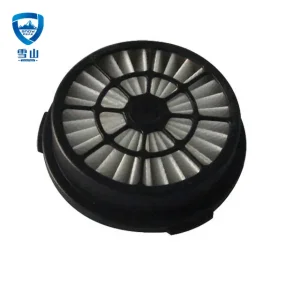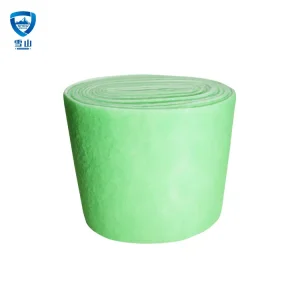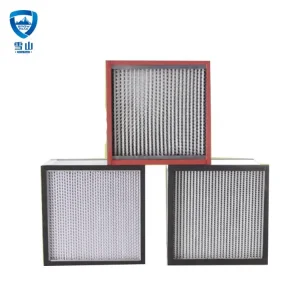
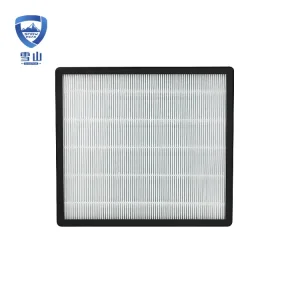
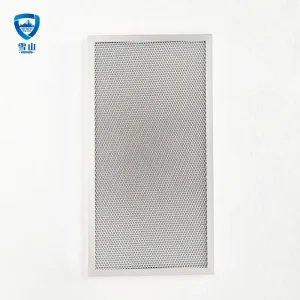
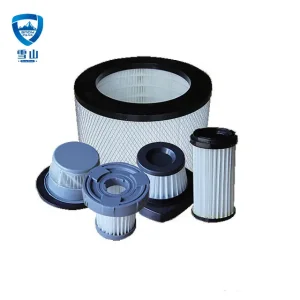
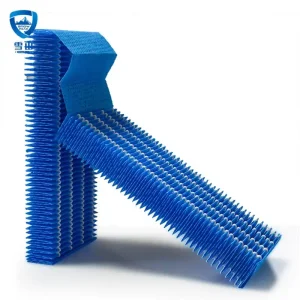
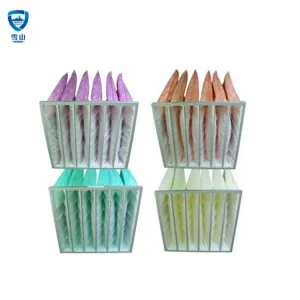
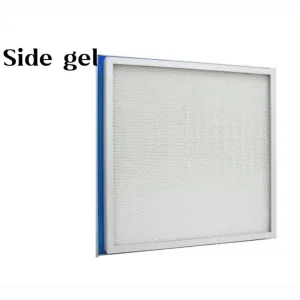
Activated carbon filtration operates on the principle of physical adsorption (physisorption) and, in specialized applications, chemical adsorption (chemisorption). Unlike mechanical filters (such as HEPA) designed to intercept particulate matter using media fibers, activated carbon targets gaseous contaminants, volatile organic compounds (VOCs), odor molecules, and hazardous chemical vapors.
During the activation process, the carbonaceous raw material (such as high-grade coconut shell, coal, or wood) undergoes thermal or chemical treatment to develop an extensive internal network of micro-, meso-, and macropores. This micro-porous structure yields an extraordinary surface area—often exceeding 1,000 square meters per gram of carbon. The gaseous molecules are drawn into these pores and bound to the carbon surface by weak intermolecular forces known as Van der Waals forces.
B2B procurers, commercial HVAC managers, and OEM appliance brands face increasingly complex requirements when sourcing filtration systems. The transition toward energy-efficient building standards (such as LEED and WELL building standards) has generated stricter criteria for indoor air quality (IAQ) and system efficiency.
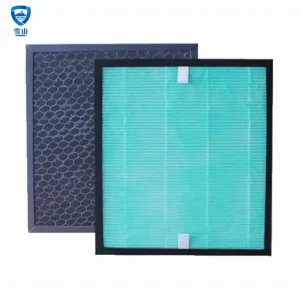
When sourcing OEM Activated Carbon Filters, global enterprises must prioritize the balance between the Clean Air Delivery Rate (CADR) and Pressure Drop (Δp). A dense carbon bed provides excellent gas-phase removal but increases air resistance, which in turn escalates energy consumption in HVAC systems. Enterprise procurement strategies now rely heavily on structural optimization, utilizing honeycomb, pleat-in-pleat, or structured media designs to maximize gas contact time while minimizing pressure resistance.
Modern architectural trends emphasize airtight envelopes to conserve heating and cooling energy. However, this structure traps volatile organics (such as formaldehyde from furniture, benzene from adhesives, and radon from masonry).
To address these issues, macro-scale air purification relies on hybrid media matrices. Integrating highly functionalized chemical compounds with activated carbon allows for selective adsorption. For example, adding impregnated potassium permanganate (KMnO4) enables the system to chemically break down low-weight molecules like formaldehyde through oxidation, transforming them into harmless water vapor and carbon dioxide.
The future of carbon filtration lies in nanostructured adsorbents and composite material technologies. We are witnessing a transition from simple carbon granule beds to high-performance carbon-fiber blocks and synthesized carbon structures.
Key developmental goals include:
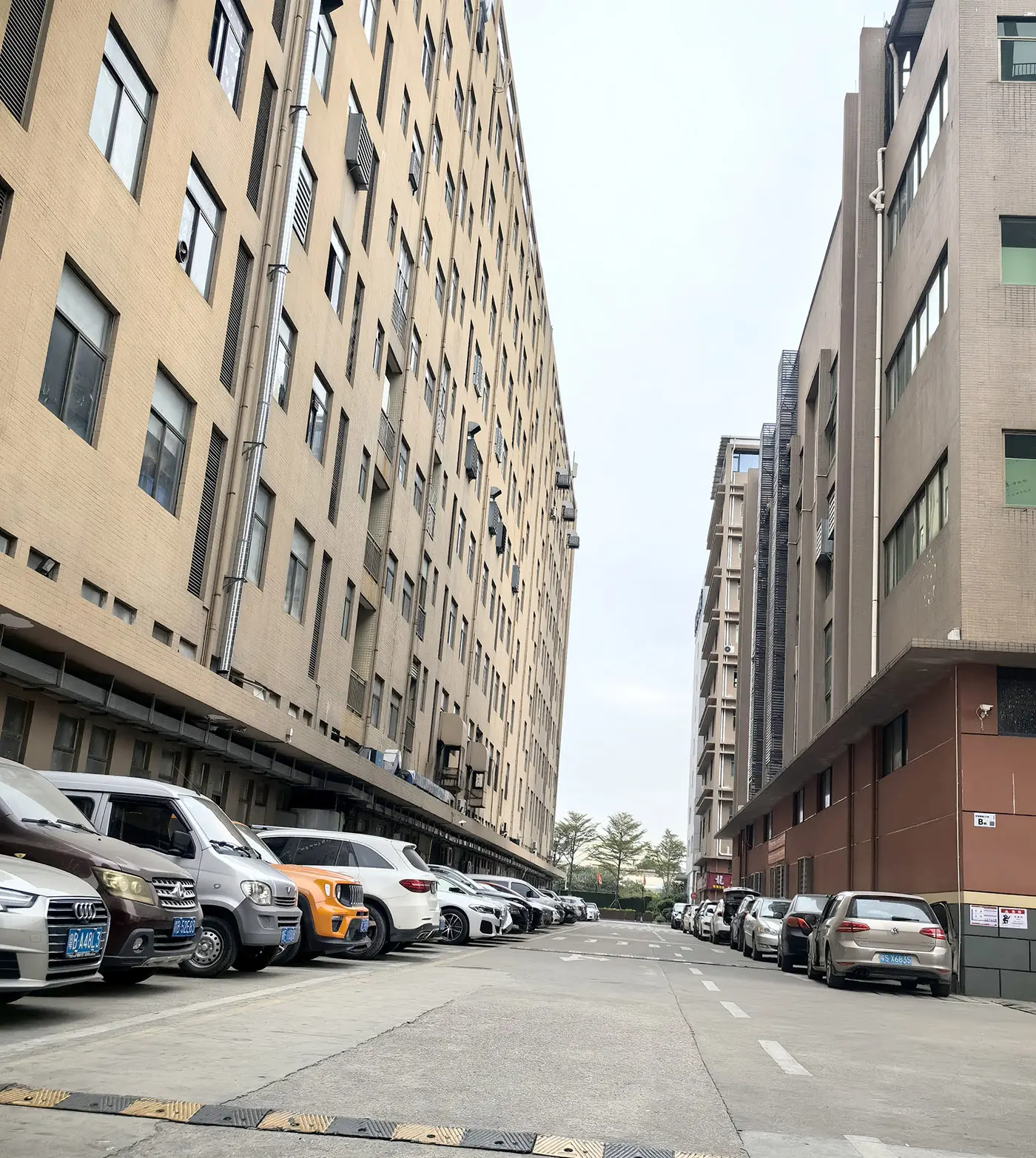
Shenzhen Snow Peak Clean Technology Co., Ltd. is an integrated high-tech enterprise, specialized in air filtration products research and development, production, sales, import and export trade. We produce and supply: Pre-filter, pocket filter, HEPA filter, chemical filter; replacement HEPA filter, car cabin air filter, humidifier filter; pocket filter media, melt-blown composite filter media, and other high-performance filter materials; provide high quality air purification solutions and products for indoor air pollution control and air conditioning systems of civil and industrial buildings, microelectronics, pharmaceutical, laboratory, school, hospital clean room etc.
Combined with self-developed patented technology, our sterilizing antiviral HEPA filter can effectively filtrate fine particles, so that PM2.5 concentration down to 10 micrograms/m3, 5 times better than national standard; effectively inhibit the breeding of microorganisms, sterilization rate up to 99.9%, and no secondary pollution, removal of H1N1 virus efficiency as high as 99.99%.
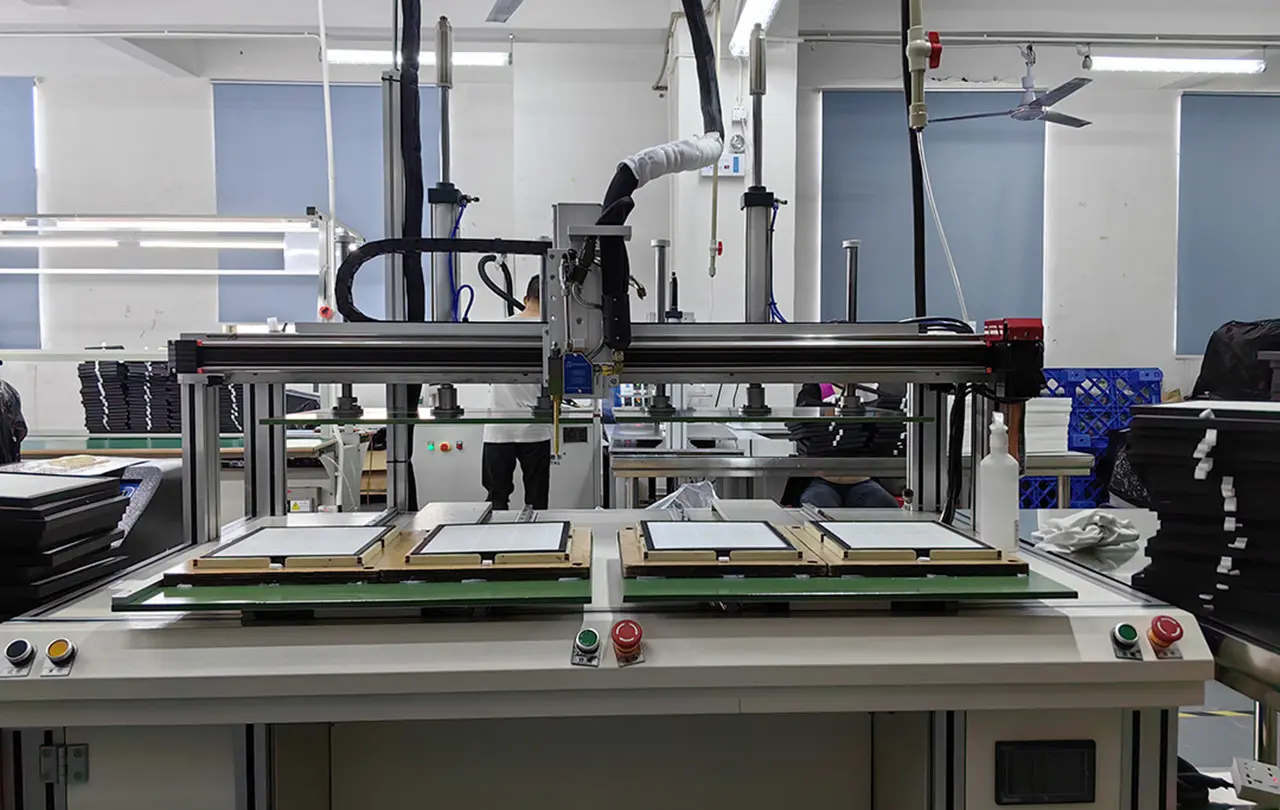
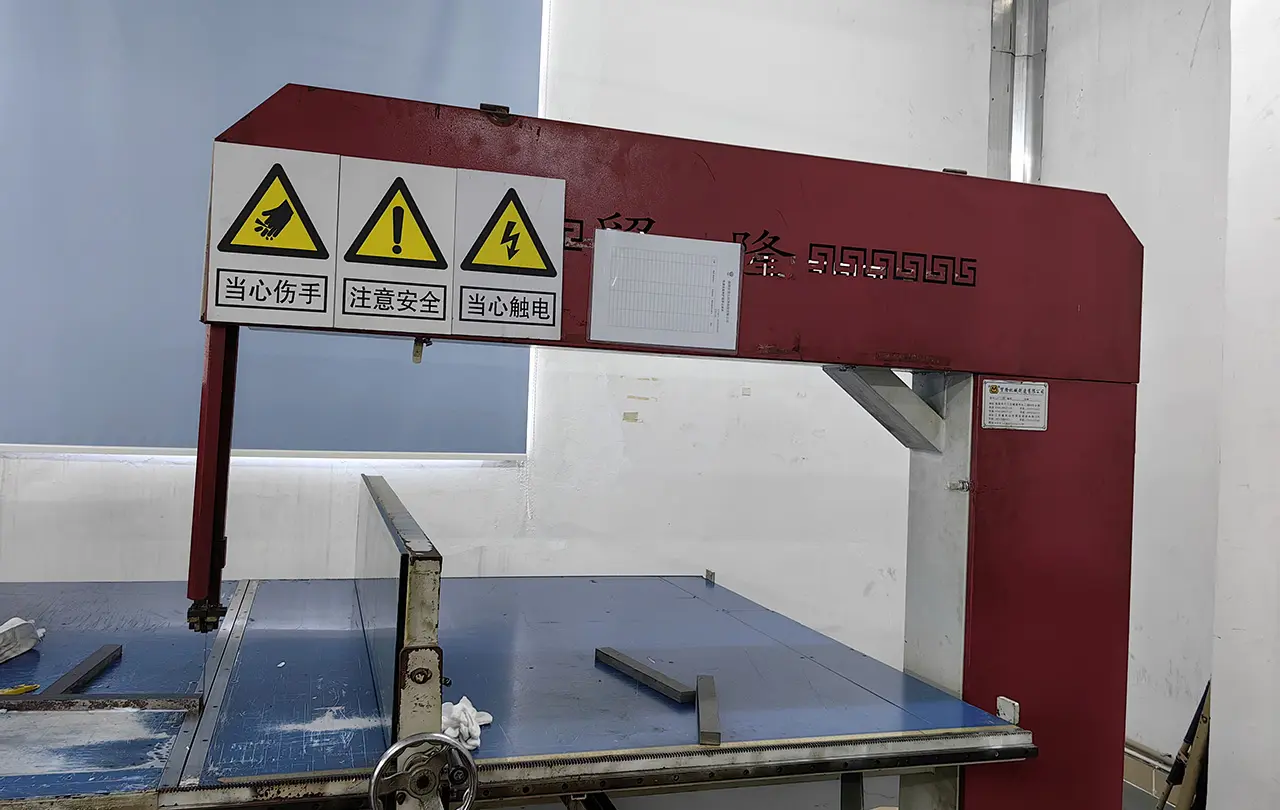
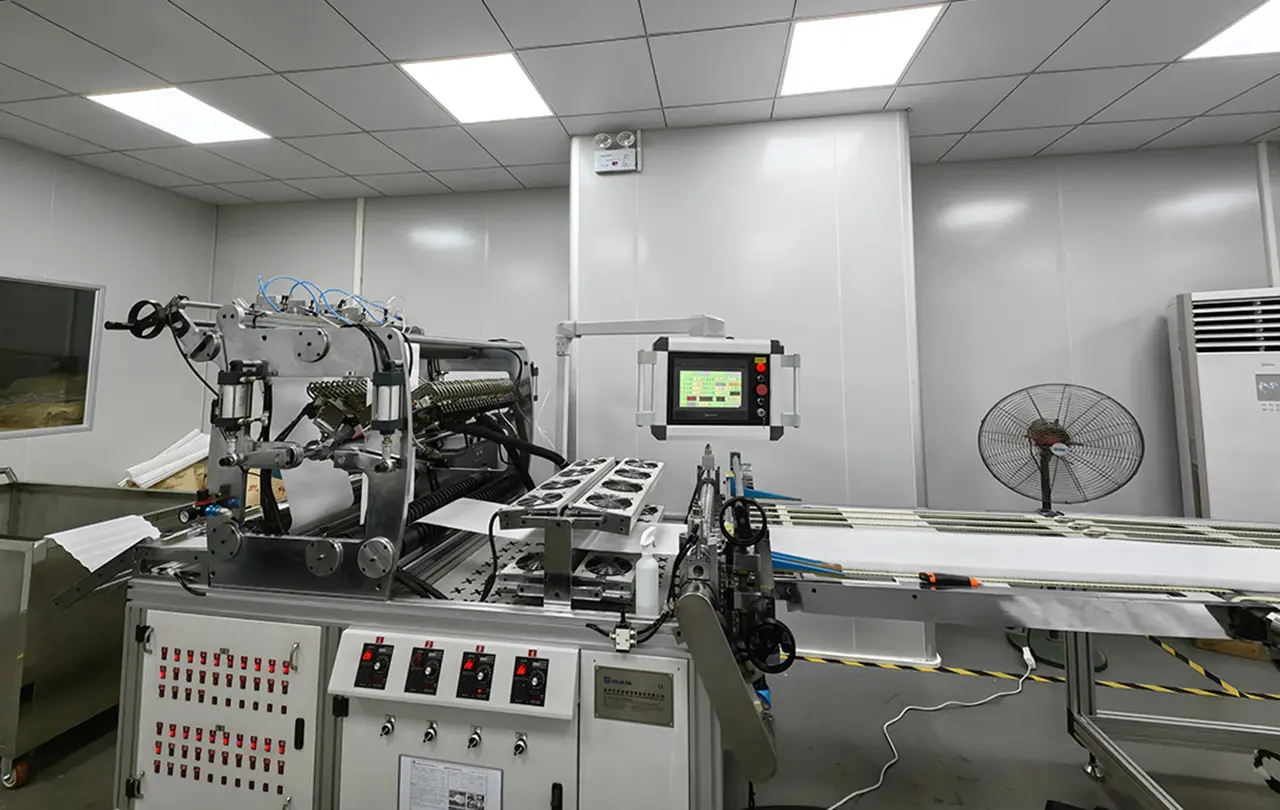
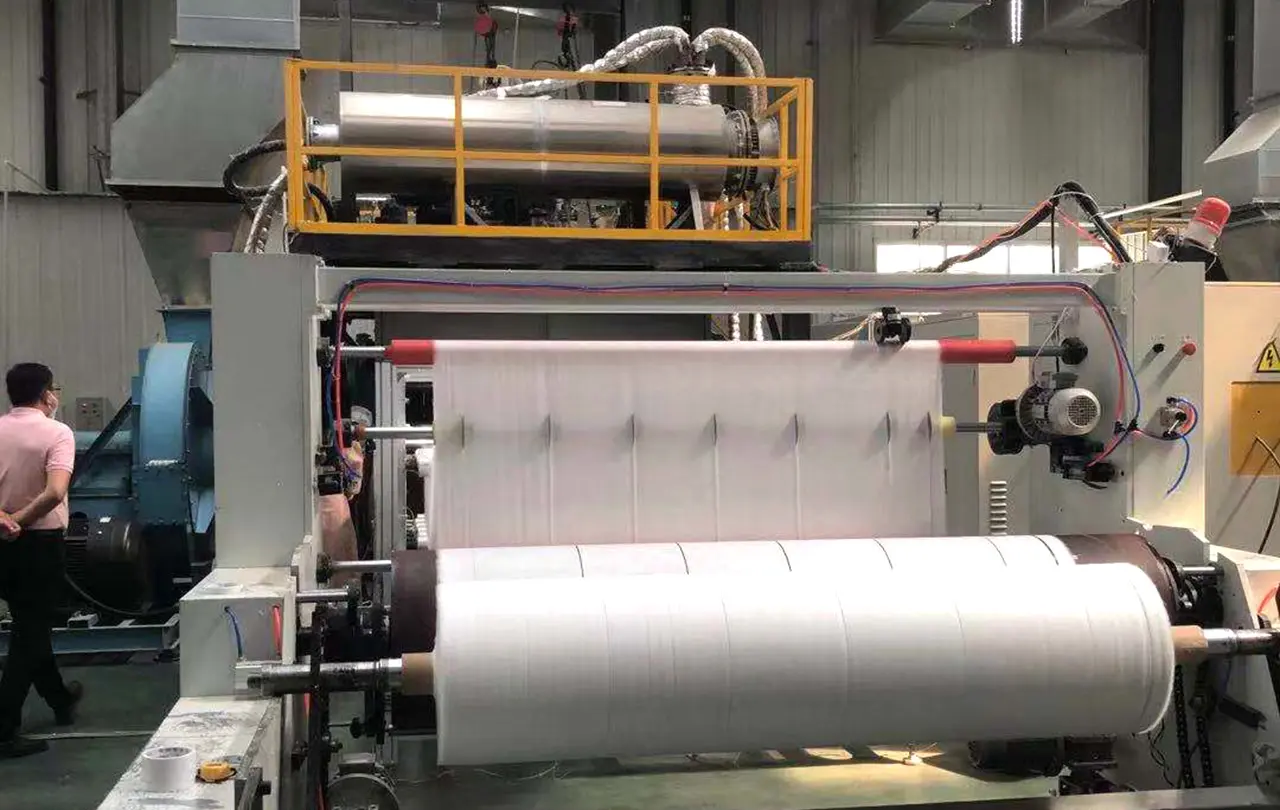
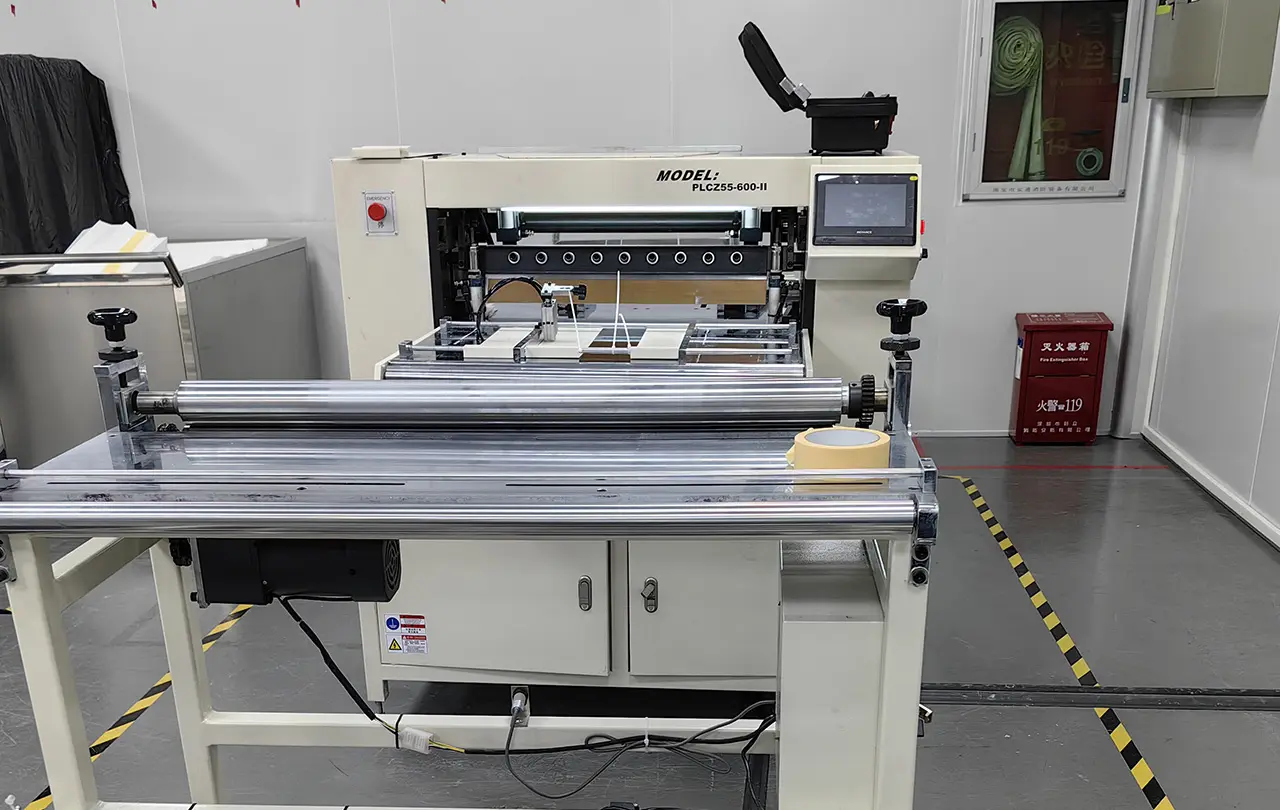
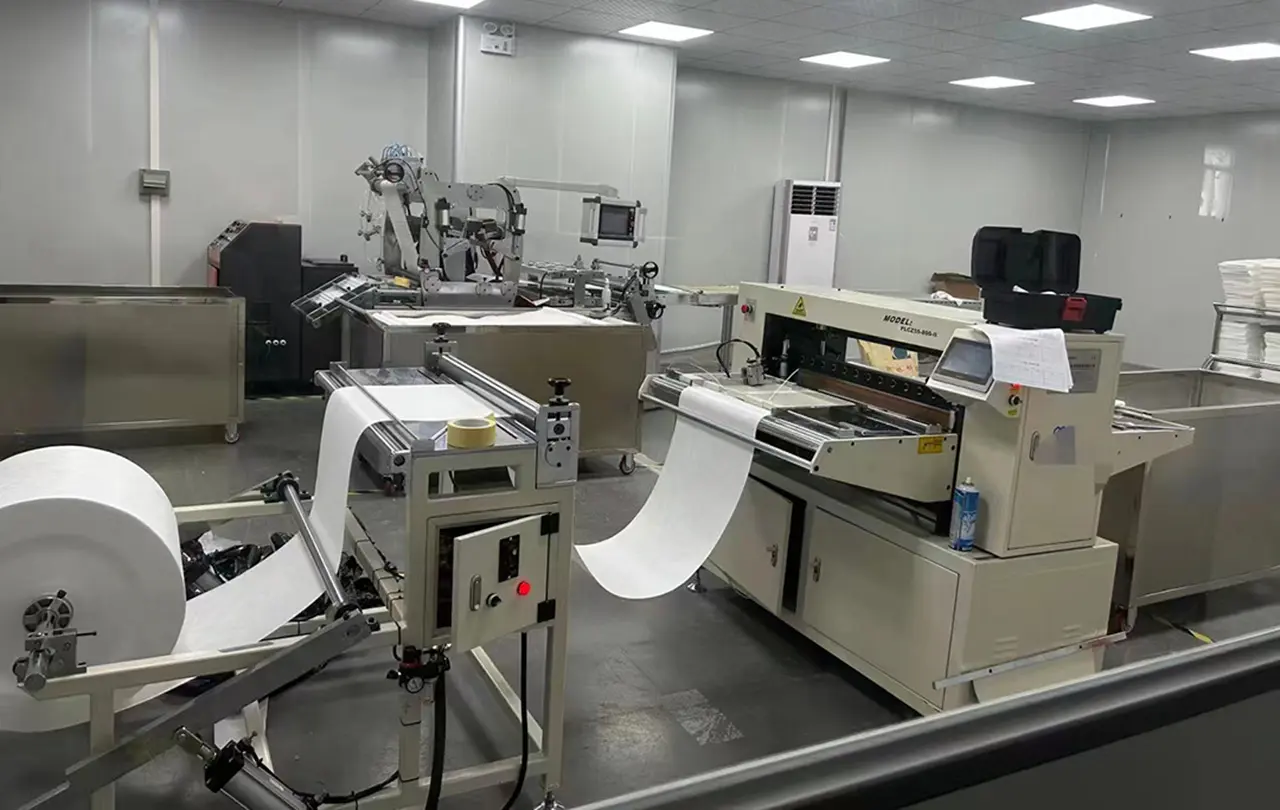
With 15 years of international air purification technology experience as the background, our company has standardized production workshops, dust-free filter workshops, and first-class HEPA filter production and inspection lines. Our independent research and development of fully automatic air filter production lines, equipped with AMADA CNC punch and CNC bending machines, provides a strong guarantee for the production capacity and consistent quality of air filtration and purification products.
 Snow Peak