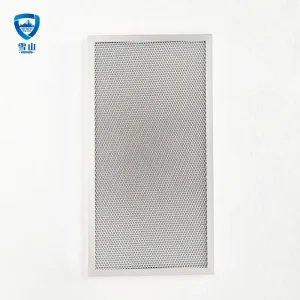
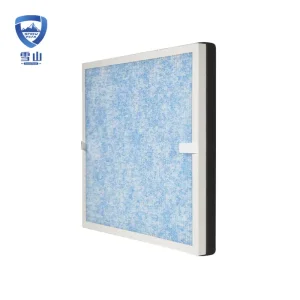
Engineered multi-stage air purification media designed for standard HVAC systems, custom commercial air scrubbers, and global industrial OEM applications.
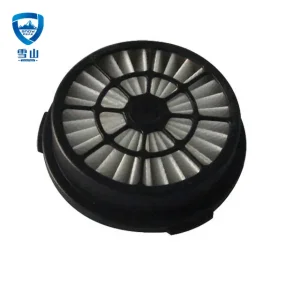
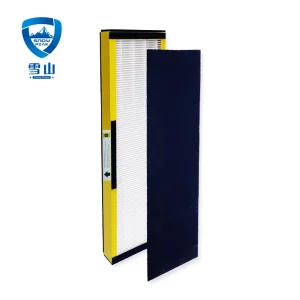
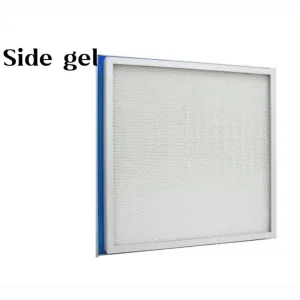
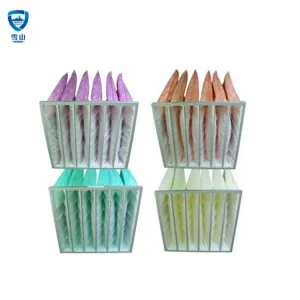
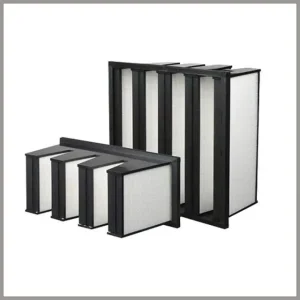
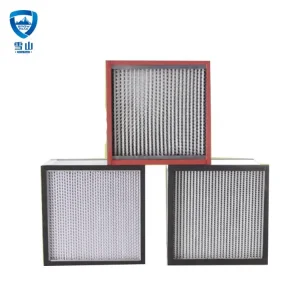
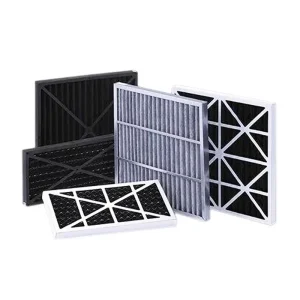
Navigating the complex global demand for premium raw materials, rigid compliance standards, and sustainable air purification infrastructure.
The rapid expansion of high-precision manufacturing, microelectronics, pharmaceutical cleanrooms, and stringent green building regulations (like LEED) has elevated the need for specialized Activated Charcoal For Air. High-performance air filtration is no longer just about particle retention (HEPA); it requires advanced gas-phase adsorption to mitigate gaseous contaminants, trace acid gases, basic amines, and organic solvents (VOCs).
Global demand is shifting heavily toward sustainable activated charcoal sources, primarily coconut shell-based activated carbon due to its superior micro-porous structure and lower environmental impact compared to coal-based carbon. OEM clients mandate trace traceability, low ash content, and high mechanical hardness to prevent media attrition and downstream dust emission in clean ventilation channels.
Modern filtration frameworks are combining particulate filtration (MERV 13 to HEPA H13) directly with chemically impregnated carbon layers. This hybrid paradigm solves dual challenges in space-constrained HVAC units: physical interception of PM2.5 and biological microbes alongside continuous chemical neutralization of toxic gases like formaldehydes, ozone, and nitrogen dioxides.
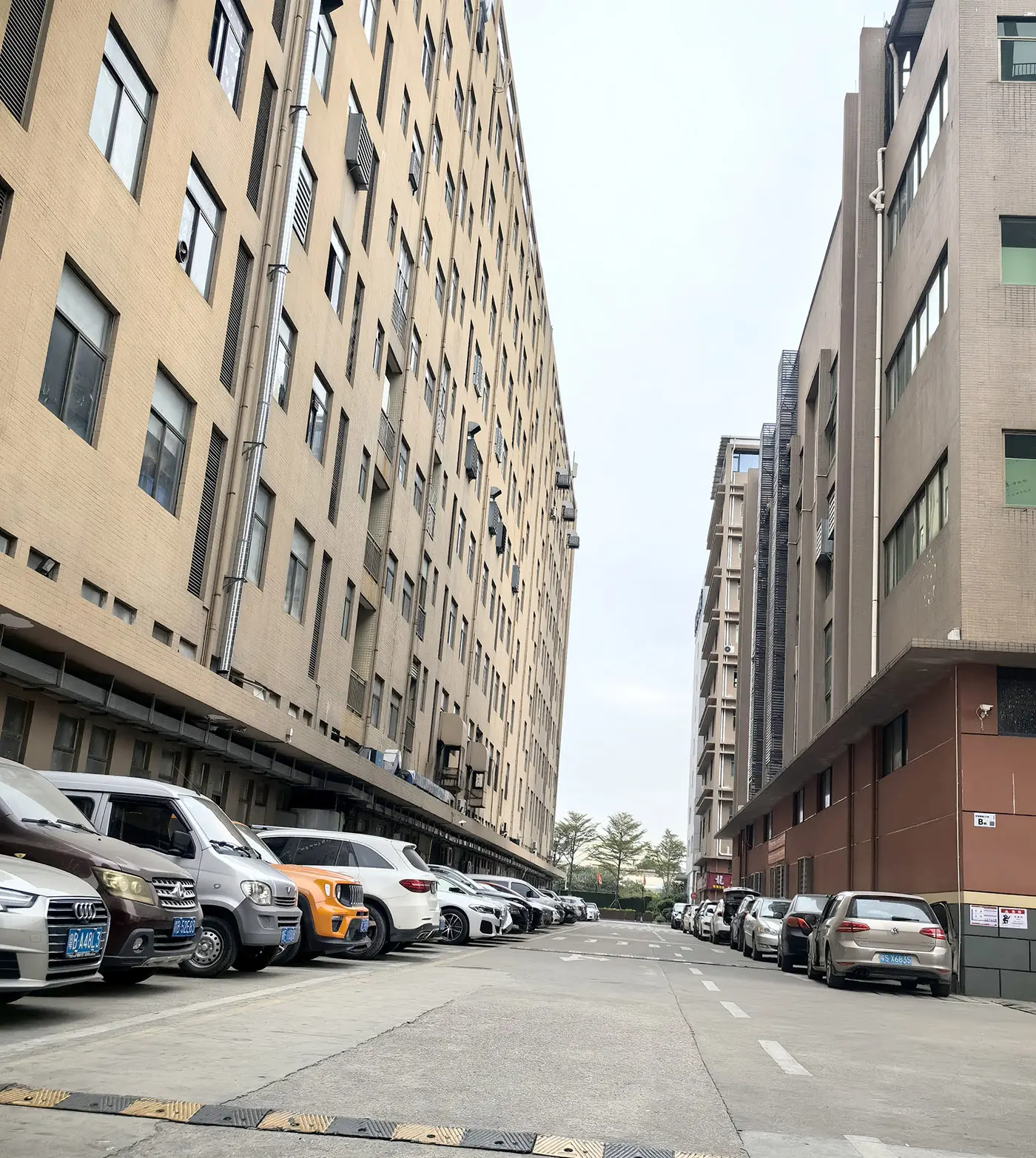
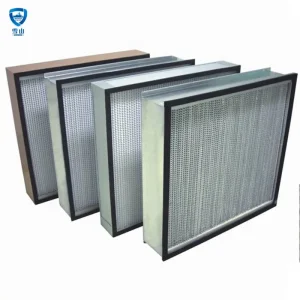
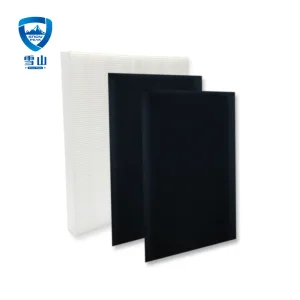
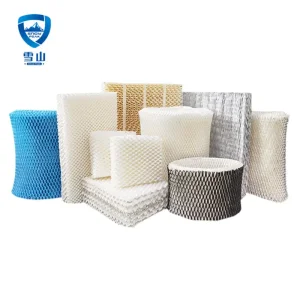
Shenzhen Snow Peak Clean Technology Co., Ltd. is an integrated high-tech enterprise, specialized in air filtration products research and development, production, sales, import and export trade. We produce and supply a comprehensive suite of high-efficiency filters: Pre-filters, pocket filters, HEPA filters, and chemical filters. Our specialized consumer and automotive lines include replacement HEPA filters, car cabin air filters, and humidifier filters. We also supply raw high-performance filter materials including pocket filter media and melt-blown composite filter media.
Equipped with 15 years of international air purification technology experience as our background, our company has built standardized production workshops, dust-free filter assembly floors, and first-class technology lines for HEPA filters production and inspection. By developing fully automatic air filter production lines and integrating state-of-the-art AMADA CNC punch and CNC bending machines, we ensure unrivaled quality consistency, dimensional tolerances, and high production volume capacity for clients globally.
How our factory translates raw materials into high-performance certified commercial air purification filters.
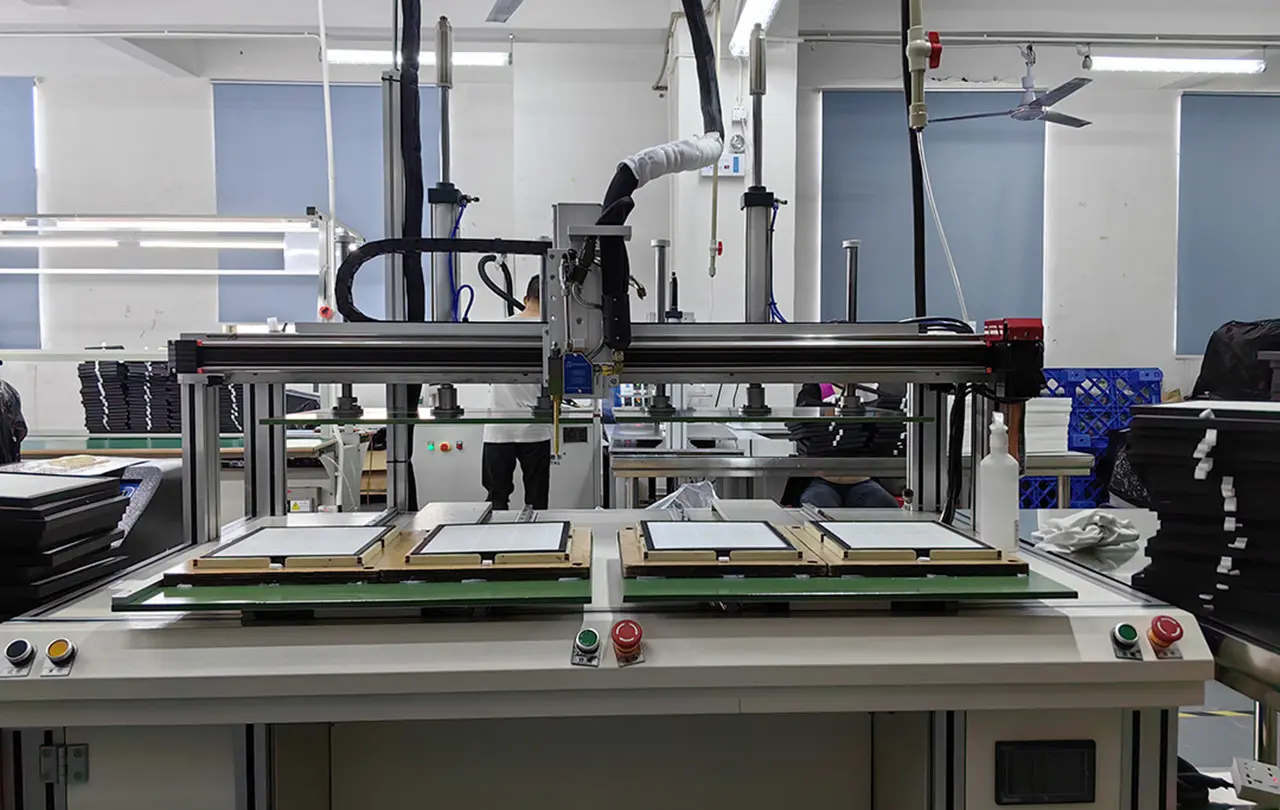
Automatic gluing machines seal the filter pleats and secure them to the frames, preventing bypass leaks and maintaining absolute structural integrity under high air volumes.
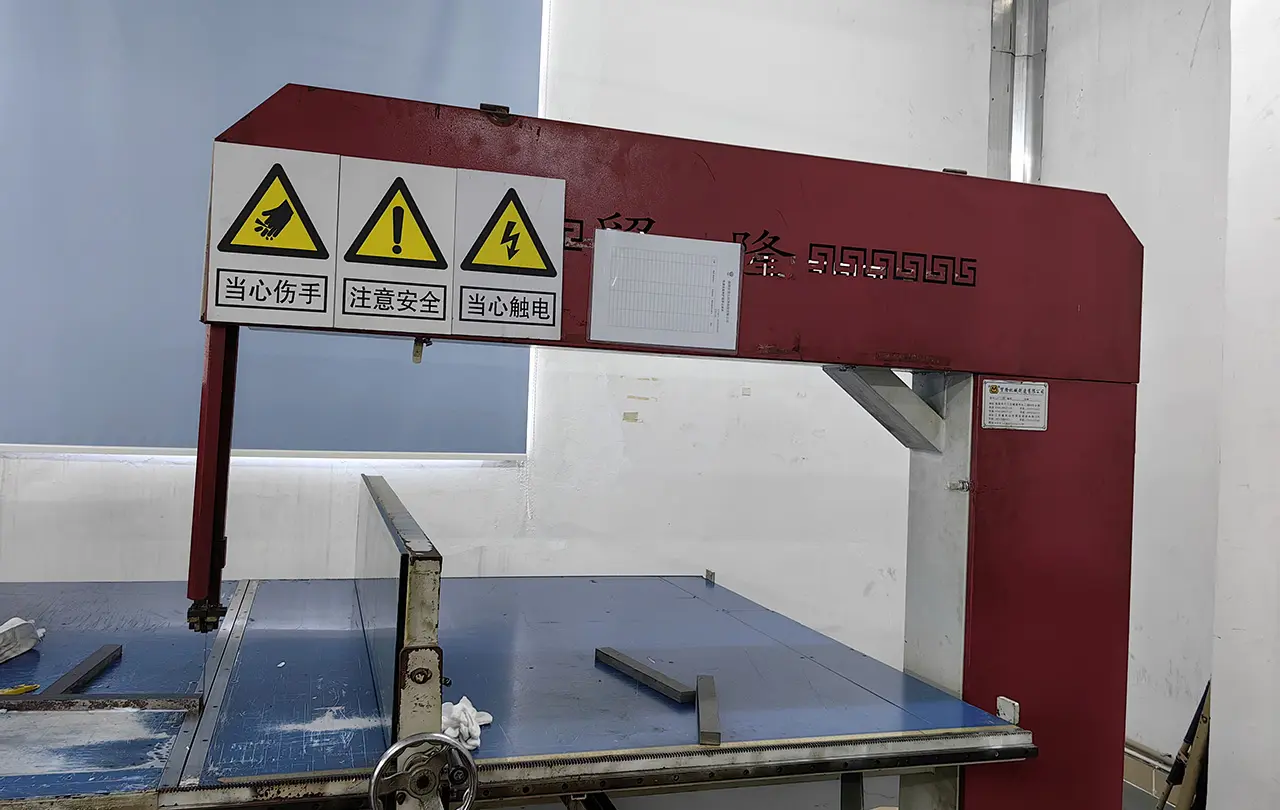
High-speed, computerized cutting machines prepare the media with exact dimensions to match custom client specifications and avoid irregular borders or gaps.
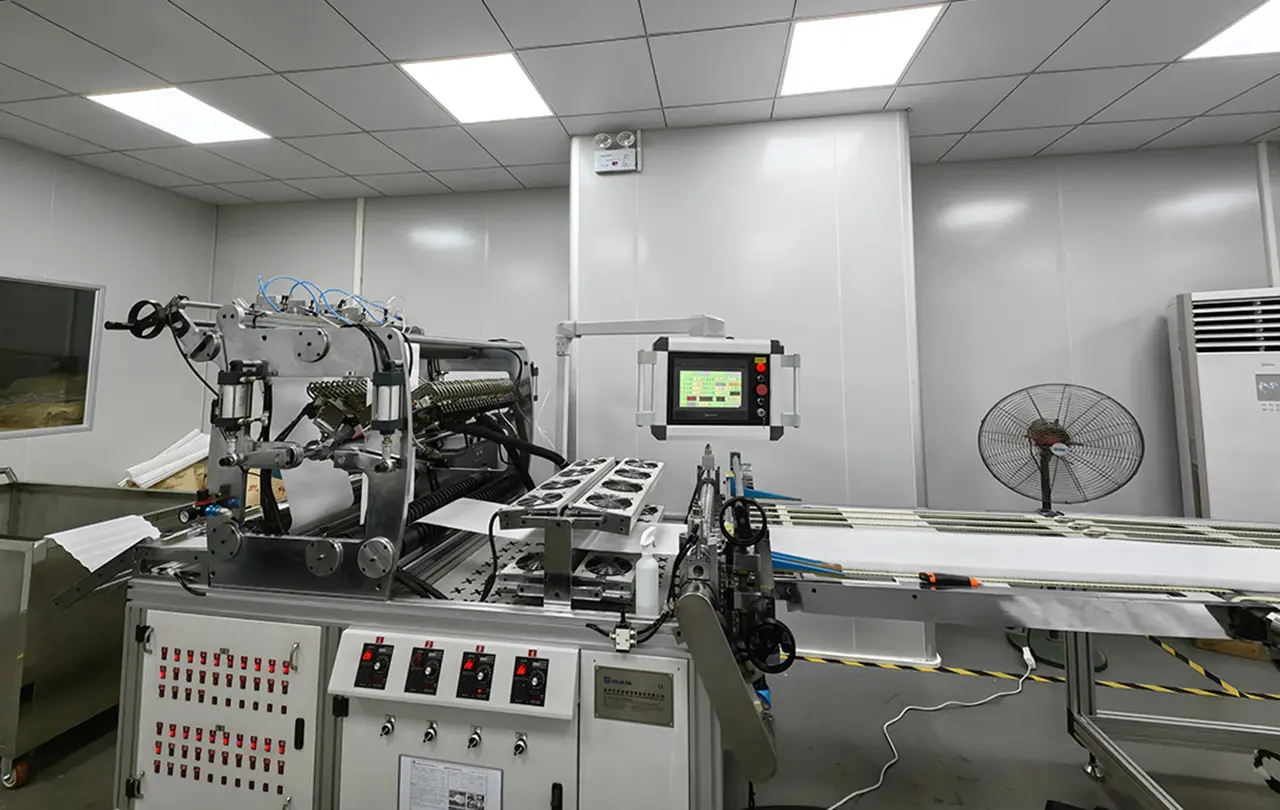
Integrating specialized polyurethane adhesives and high-grade metal/plastic frames to withstand heavy pressure drop in robust HVAC configurations.
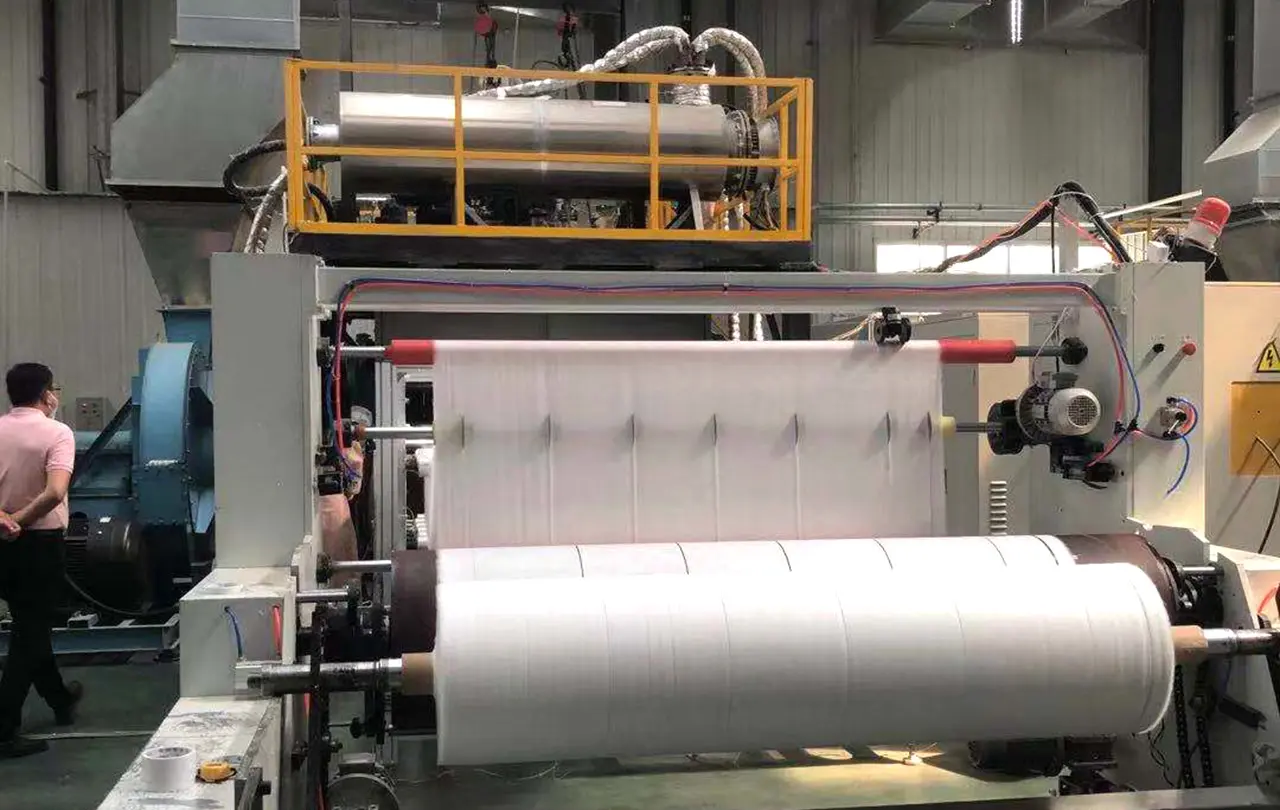
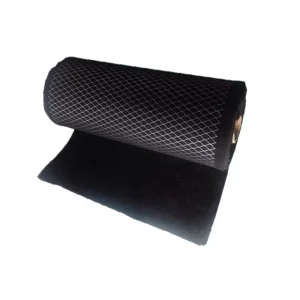
Laminating premium active charcoal granules with synthetic layer bases to achieve a low-resistance, dust-free carbon composite media sheet.
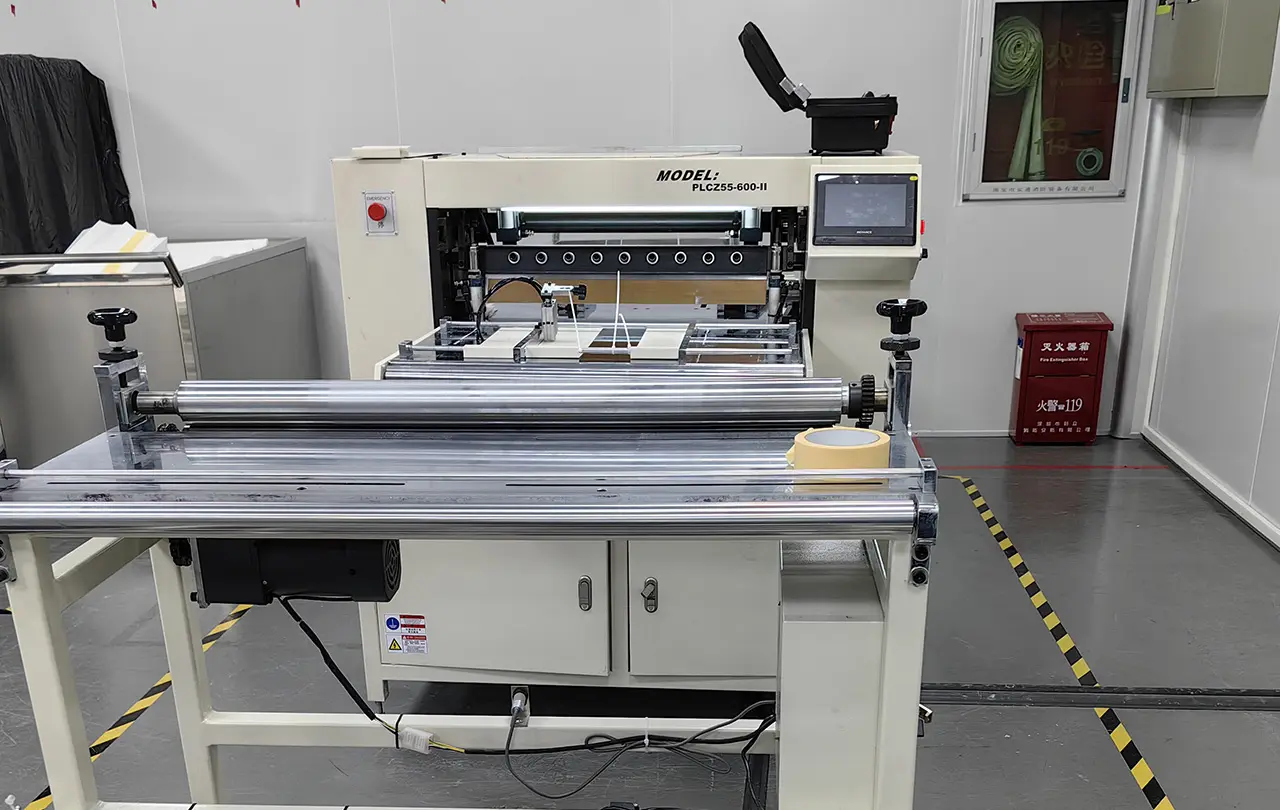
Proprietary pleating algorithms calculate optimum pleat depth and spacing to maximize active surface area while lowering initial airflow resistance.
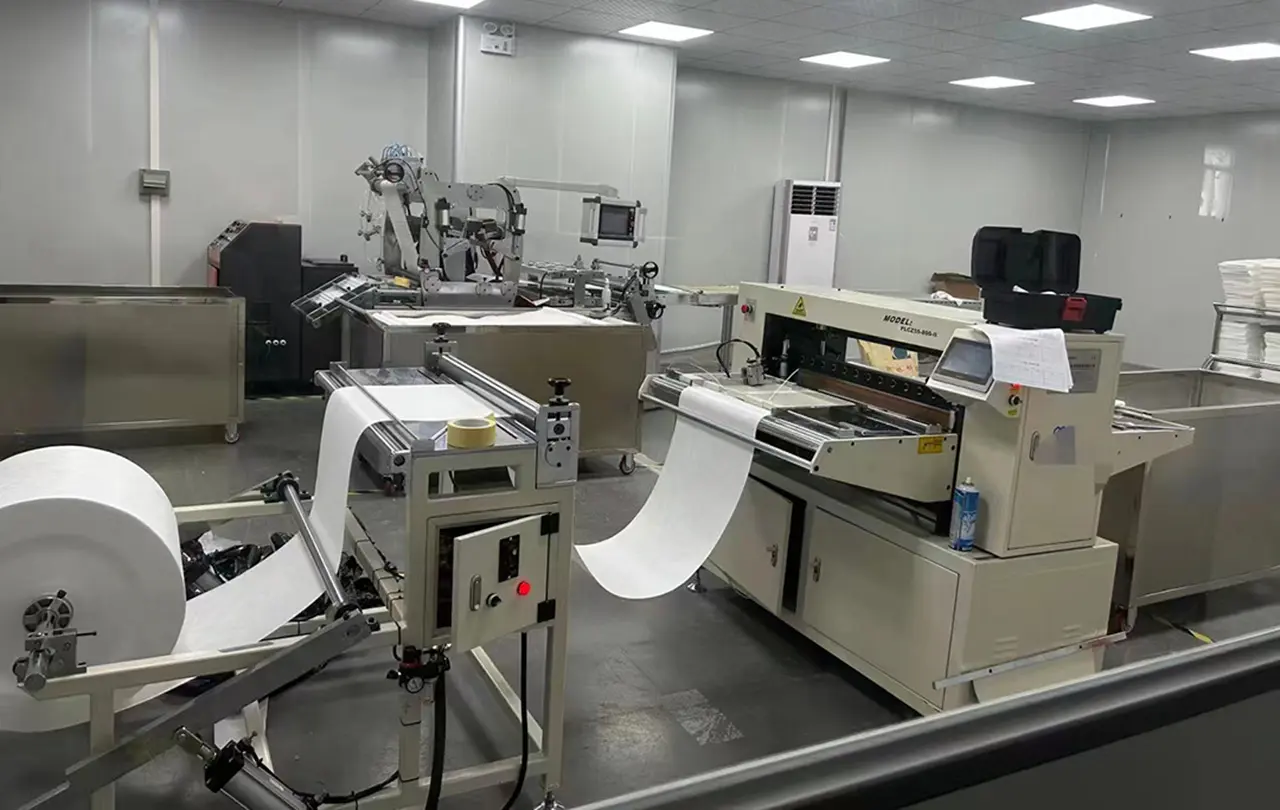
Every batch undergoes rigorous quality check procedures, validating particle efficiency and adsorption capacity via specialized test rigs before shipping.
To select the correct OEM Activated Charcoal for an application, engineers must assess chemical adsorption kinetics. Physical adsorption (physisorption) occurs due to weak van der Waals forces attracting contaminant molecules into the carbon's dense micropores. The efficiency of this process depends on temperature, humidity, molecular weight of the pollutants, and contact time (often termed as Residence Time).
For reactive gases such as sulfur dioxide ($SO_2$), hydrogen sulfide ($H_2S$), or ammonia ($NH_3$), standard physisorption is insufficient. We chemically impregnate the carbon surface with basic or acidic catalysts. This creates chemisorption, turning harmful gases into harmless, stable salts locked permanently within the filter matrix.
Our technical specialists configure carbon mesh densities and bed depths to optimize the Breakthrough Curve—ensuring maximum pollutant retention capacity with minimal initial pressure drop ($P_d$) across standard HVAC fans.
| Parameters | Activated Charcoal Standard Value | Typical Application Area |
|---|---|---|
| Iodine Value (mg/g) | 900 - 1150 | Fine VOC adsorption, solvent recovery |
| CTC (Carbon Tetrachloride) Adsorption | 50% - 75% | Heavy gaseous organic compounds |
| Apparent Density (g/cm³) | 0.45 - 0.52 | Bed stability & pressure drop balance |
| Moisture Content | < 5% | Standard dry HVAC ventilation systems |
| Hardness Number (%) | ≥ 95% | High-velocity airflow, dust prevention |
| Ash Content (%) | < 3.5% | High purity cleanroom processes |
Custom tailored OEM/ODM solutions built for diverse regulatory and mechanical environments.
Airborne Molecular Contamination (AMC) is the biggest threat to modern sub-nanometer wafer fabrication. Specialized V-Bank filters loaded with virgin, low-outgassing active charcoal remove extremely low concentrations of volatile organics, acids, and bases, protecting silicon wafers and photolithography optics from micro-haze degradation.
Where pathogens meet chemistry. Active carbon panels coupled with HEPA filters capture trace aerosol disinfectants, anesthetic gases, and airborne viral particles. Integrating our patented sterilizing antiviral HEPA media stops micro-organism growth inside the filter, maintaining clean air and complying with healthcare standards.
Automotive paint facilities generate significant VOC emissions, including toluene, xylene, and ketones. Laminated wire mesh carbon filters and custom heavy-duty carbon trays adsorb high-volume solvents, protecting workers' health and preventing environmental emissions in line with national emissions mandates.
Pioneering high-capacity, low-resistance carbon composites for smart eco-friendly cities.
Traditional activated carbon acts as a sponge, collecting pollutants until it is saturated and must be replaced. We are integrating honeycomb-based photocatalytic media ($TiO_2$) with carbon substrates. Under UV light, this setup continuously degrades adsorbed VOCs into harmless $CO_2$ and $H_2O$, extending filter service life and reducing maintenance costs.
By embedding low-cost RFID micro-sensors and conductivity nodes within the activated carbon beds, we can track real-time VOC loading. Facilities can plan maintenance schedules based on actual filter saturation, preventing breakthrough before it happens.
To support global decarbonization, we are developing biochar made from agricultural residues like hazelnut shells and bamboo. Using eco-friendly steam activation processes, this carbon delivers performance comparable to traditional mineral coal but with a negative net carbon footprint.
By blending fine activated carbon powder into electrostatically charged melt-blown synthetic structures, we have created a filter media that captures PM2.5 and gas molecules simultaneously. This design offers low air resistance, making it ideal for compact smart home purifiers and automotive HVAC systems.
Direct answers from our senior design engineers regarding activated carbon filtration efficiency, sizing, and OEM specifications.
The iodine value (expressed in mg/g) measures the micropore volume of the activated carbon, reflecting its capacity to adsorb low molecular weight organic molecules. A higher iodine value (e.g., >1050 mg/g) indicates a larger active surface area, which translates to a longer filter life and better VOC retention under high-velocity airflow conditions.
Virgin activated charcoal relies on physical adsorption, which is ineffective against light, polar molecules like formaldehyde ($HCHO$), hydrogen sulfide ($H_2S$), ammonia ($NH_3$), and sulfur dioxide ($SO_2$). Chemical impregnation introduces catalysts (such as $KOH$, $KMnO_4$, or phosphoric acid) to bind these gases chemically through chemisorption, turning them into stable, non-volatile compounds.
High relative humidity (>70% RH) can significantly reduce physical adsorption efficiency. Water molecules compete with organic VOCs for active adsorption sites in the micropores. For high-humidity applications like paint booths or wastewater treatment plants, we specify hydrophobic carbon substrates or adjust downstream systems to control moisture levels.
Our air filters undergo testing in accordance with international standards, including ISO 16890 for general particulate efficiency, EN 1822 for HEPA/ULPA filtration performance, and ASHRAE 52.2. Our gas-phase activated carbon raw materials are graded using ASTM international test methods for apparent density, hardness, CTC index, and moisture retention.
Explore our industrial-grade HVAC, custom paint room pre-filters, and replacement carbon modules designed to meet strict regulatory compliance standards.
 Snow Peak