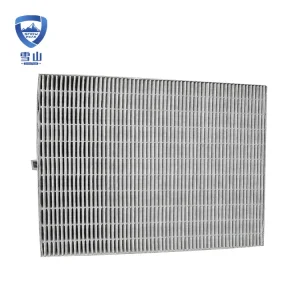
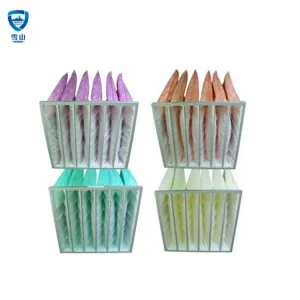
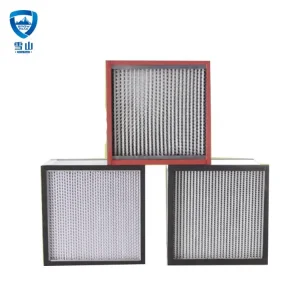
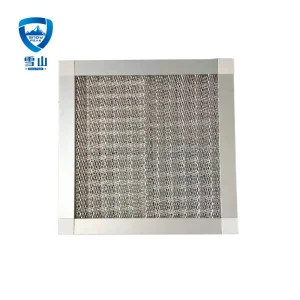
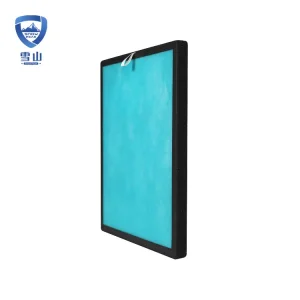
Our comprehensive cleanroom and HVAC components portfolio integrates customized, high-surface-area activated carbon media, primary protection filters, and high-efficiency HEPA solutions to deliver complete gas-phase and particulate mitigation.
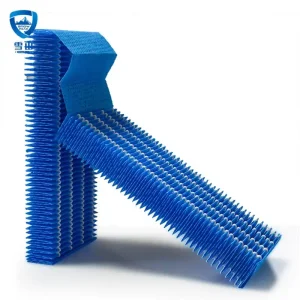
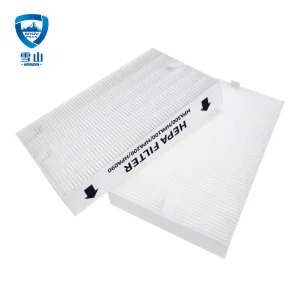
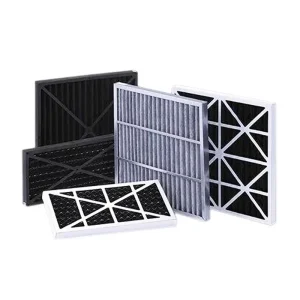
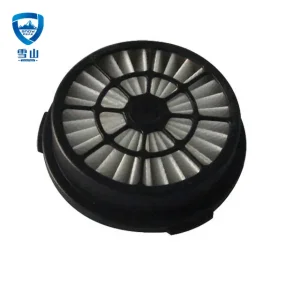
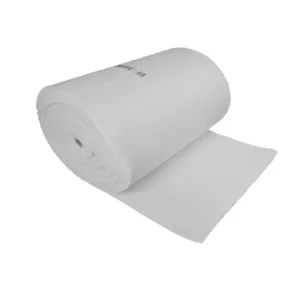
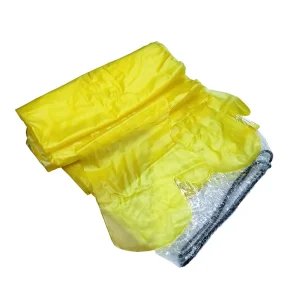
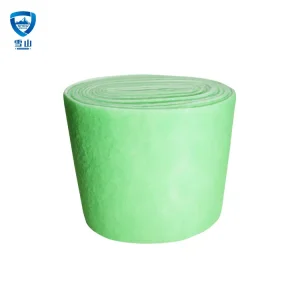
Unlike particulate air filters, which capture physical particles through inertial impaction, interception, and diffusion, an OEM Charcoal Air Filtration System addresses molecular-level airborne contamination. Volatile Organic Compounds (VOCs), acidic gases, alkaline vapors, and odors bypass traditional HEPA filters. Eliminating these chemical contaminants requires the process of physical and chemical adsorption.
Activated carbon contains an extensively developed internal pore network. By heating carbonaceous raw materials (such as coconut shells, coal, or wood) at high temperatures in a controlled oxidizing atmosphere, we generate billions of microscopic pores. This process yields a massive specific surface area, often exceeding 1000 m² per gram.
As a leading supplier and exporter, we design multi-stage OEM solutions. These systems combine customizable impregnated carbon grades with rigid frame enclosures. By optimizing carbon mass, contact time (residence time), and low pressure-drop configurations, we maximize active filter life and ensure compliance with target VOC break-through thresholds.
Our R&D roadmap continuously improves gaseous filtration efficiencies while minimizing energy consumption. By redesigning the internal carbon matrix, we offer targeted absorption capacities for various applications.
Sourcing coconut shells with a high Carbon Tetrachloride (CTC) rating of 60% to 80% to ensure maximum pore distribution for high-velocity industrial streams.
Laminating active carbon dust with high-loft synthetic polymers. This setup prevents media shedding, simplifies handling, and eliminates downstream carbon dust bypass.
Pleating particulate pre-filtration layers directly onto the carbon core. This design optimizes space and reduces the system footprint for compact HVAC setups.
Modern microelectronics plants require extremely clean environments. Airborne Molecular Contamination (AMC) can corrode silicon surfaces and ruin high-precision lithography. Our custom OEM carbon filters remove low-concentration VOCs, acid vapors, and dopants down to parts-per-billion (ppb) levels.
Pathogen containment and chemical exhaust controls are critical in clinical environments. Integrating activated carbon systems alongside antiviral HEPA filters protects both laboratory personnel and surrounding communities. For high-containment areas (BSL-3/BSL-4), we supply custom PVC Bag-In-Bag-Out (BIBO) replacement systems to ensure safe, contamination-free maintenance.
Solvents, paints, and chemicals release toxic gases like toluene, xylene, and hydrogen sulfide. High-capacity, metal-framed panel carbon filters are designed to capture these pollutants, helping facilities comply with local air quality rules and protection standards.
Urban buildings near heavy traffic or airports face high levels of gaseous pollutants, including SOx, NOx, and ozone. Our OEM activated carbon filters install directly into central HVAC units to protect public health and preserve sensitive indoor collections from acid-induced degradation.
Shenzhen Snow Peak Clean Technology Co., Ltd. is an integrated high-tech enterprise, specialized in air filtration products research and development, production, sales, import and export trade. We produce and supply: Pre-filter, pocket filter, HEPA filter, chemical filter; replacement HEPA filter, car cabin air filter, humidifier filter; pocket filter media, melt-blown composite filter media, and other high-performance filter materials; provide high quality air purification solutions and products for indoor air pollution control and air conditioning systems of civil and industrial buildings, microelectronics, pharmaceutical, laboratory, school, hospital clean room etc.
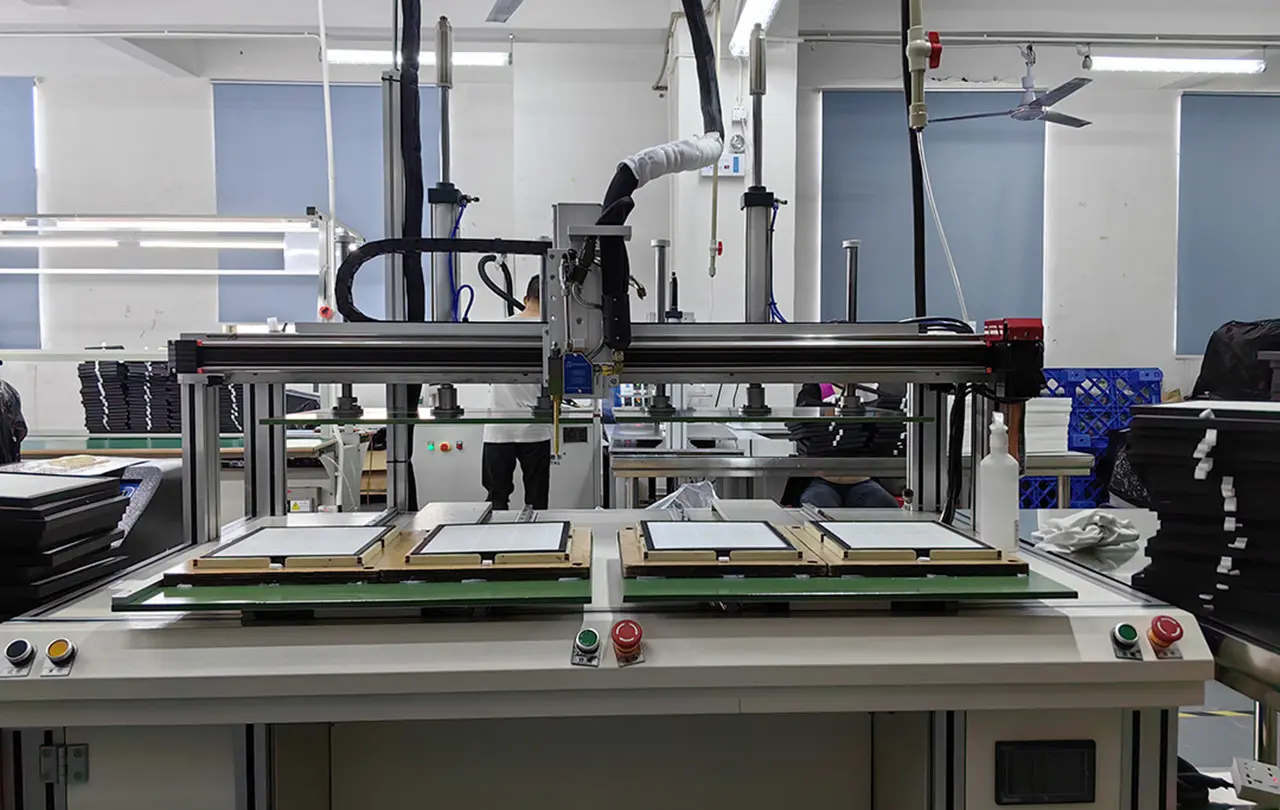
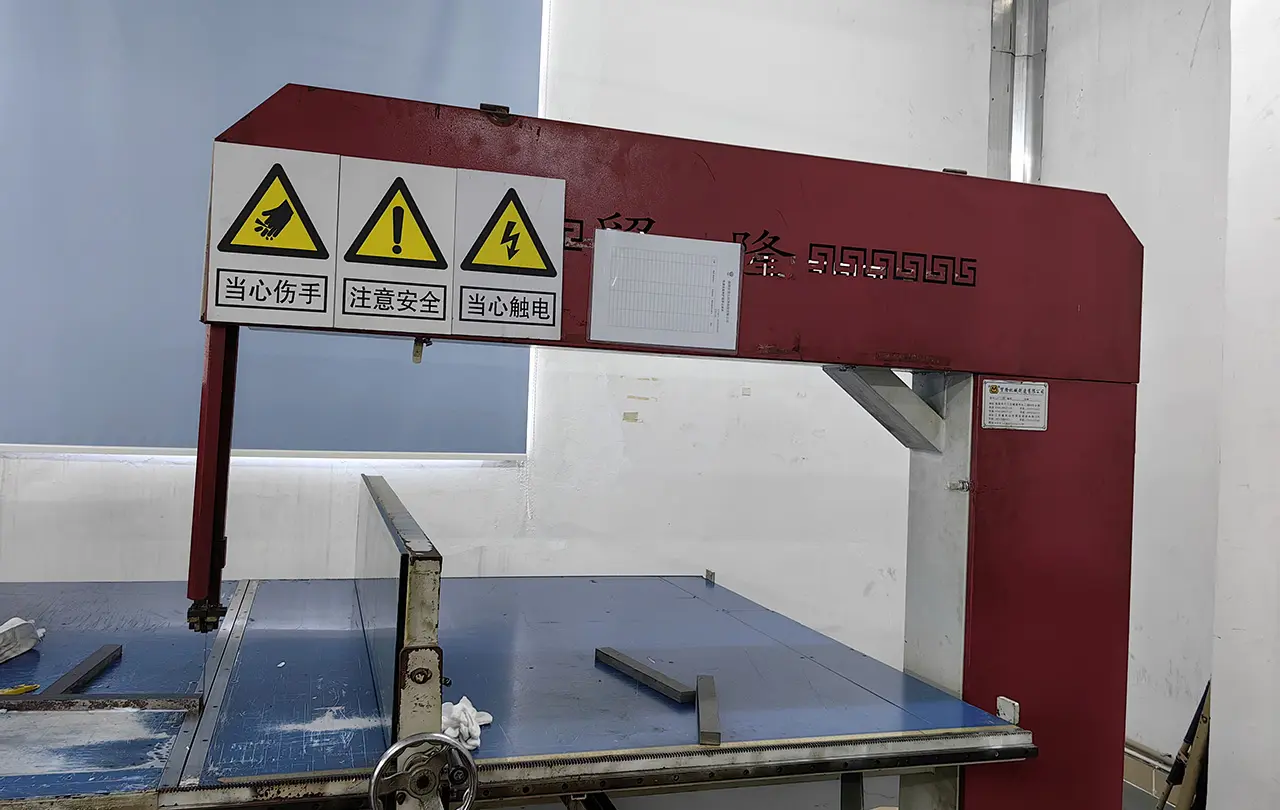
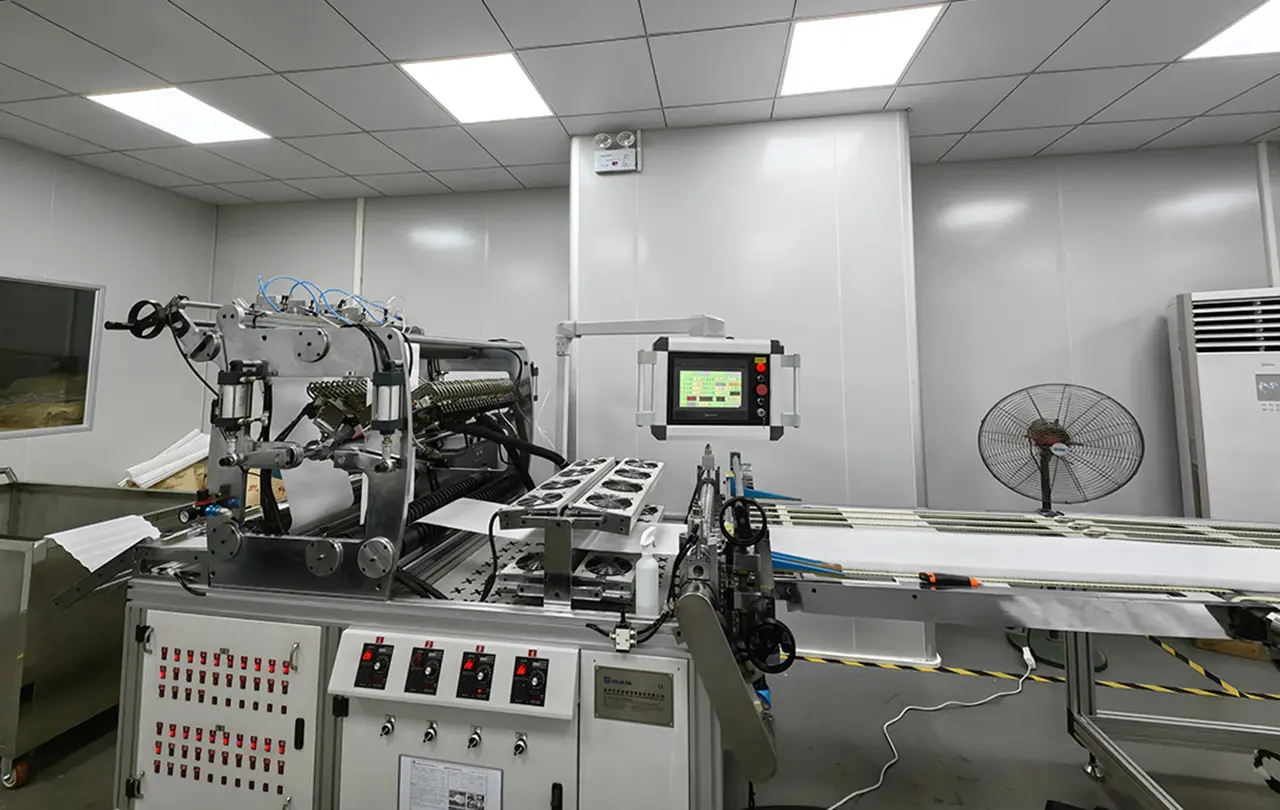
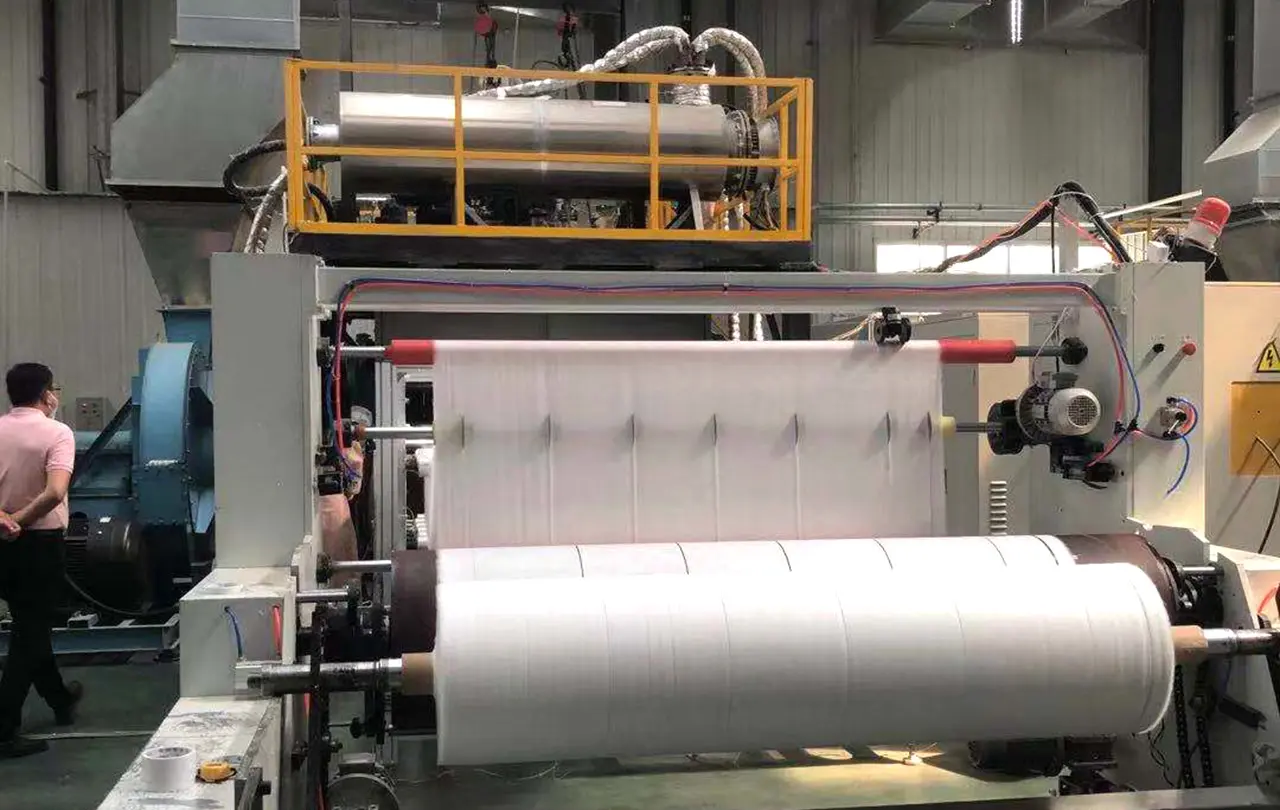
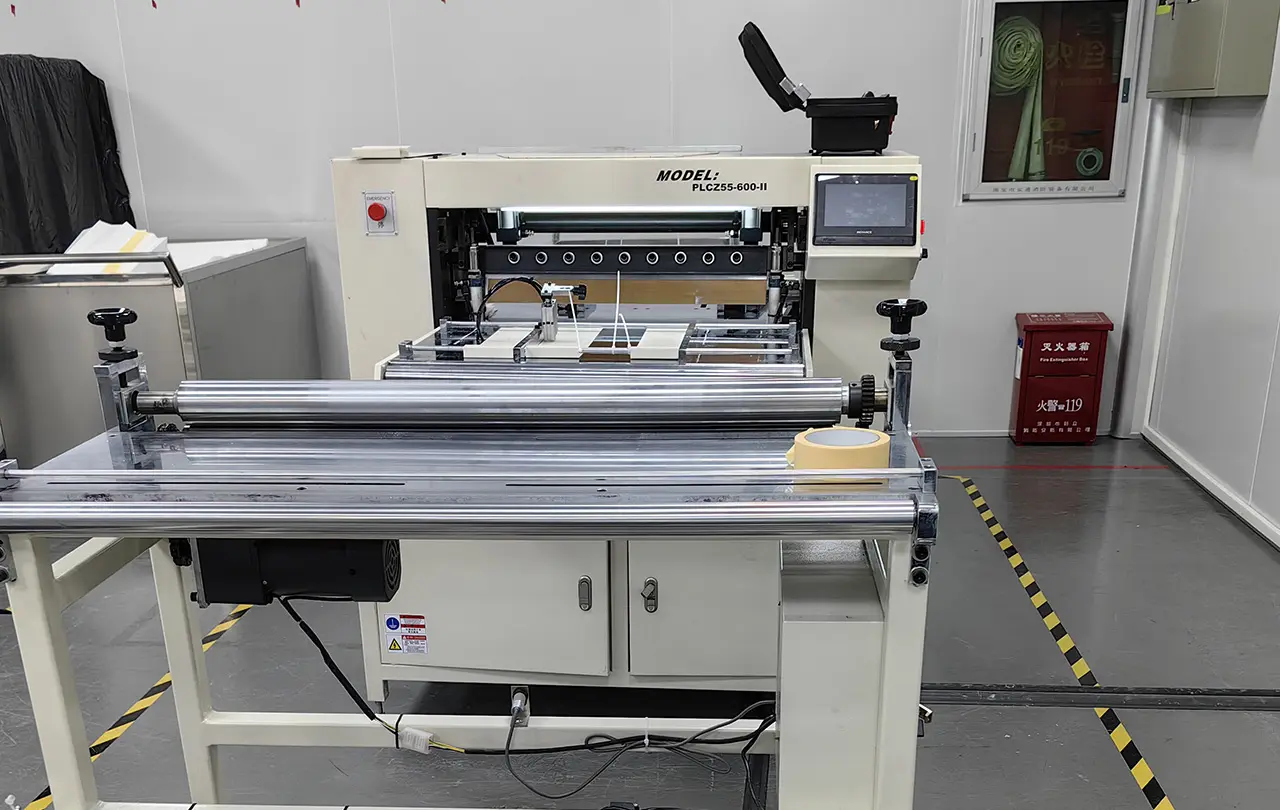
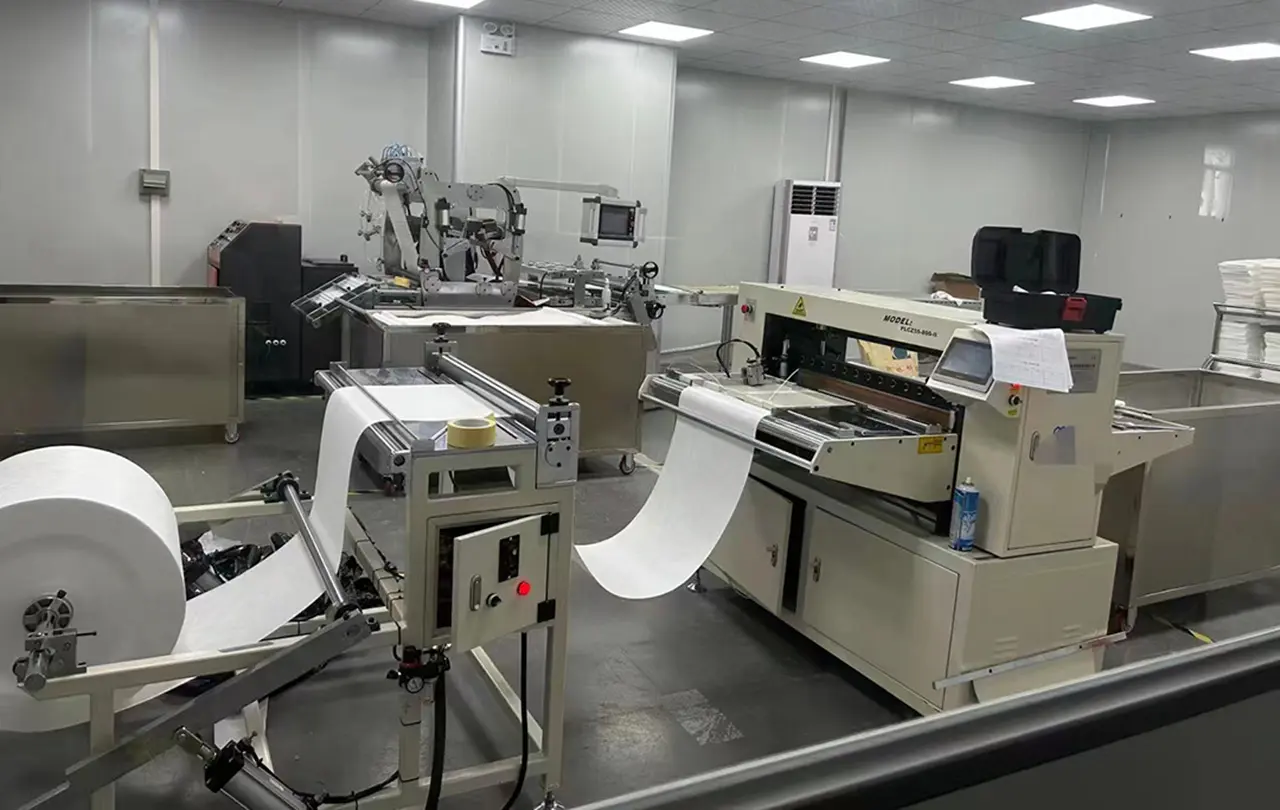
Having 15 years of international air purification technology experience as the background, our company has standardized production workshop, dust-free filter workshop and first-class technology of HEPA filters production line and inspection line, independent research and development of fully automatic air filter production line, equipped with AMADA CNC punch and CNC bending machine as well as many other advanced high-end equipment, provide a strong guarantee for production and quality of air filtration and purification products.
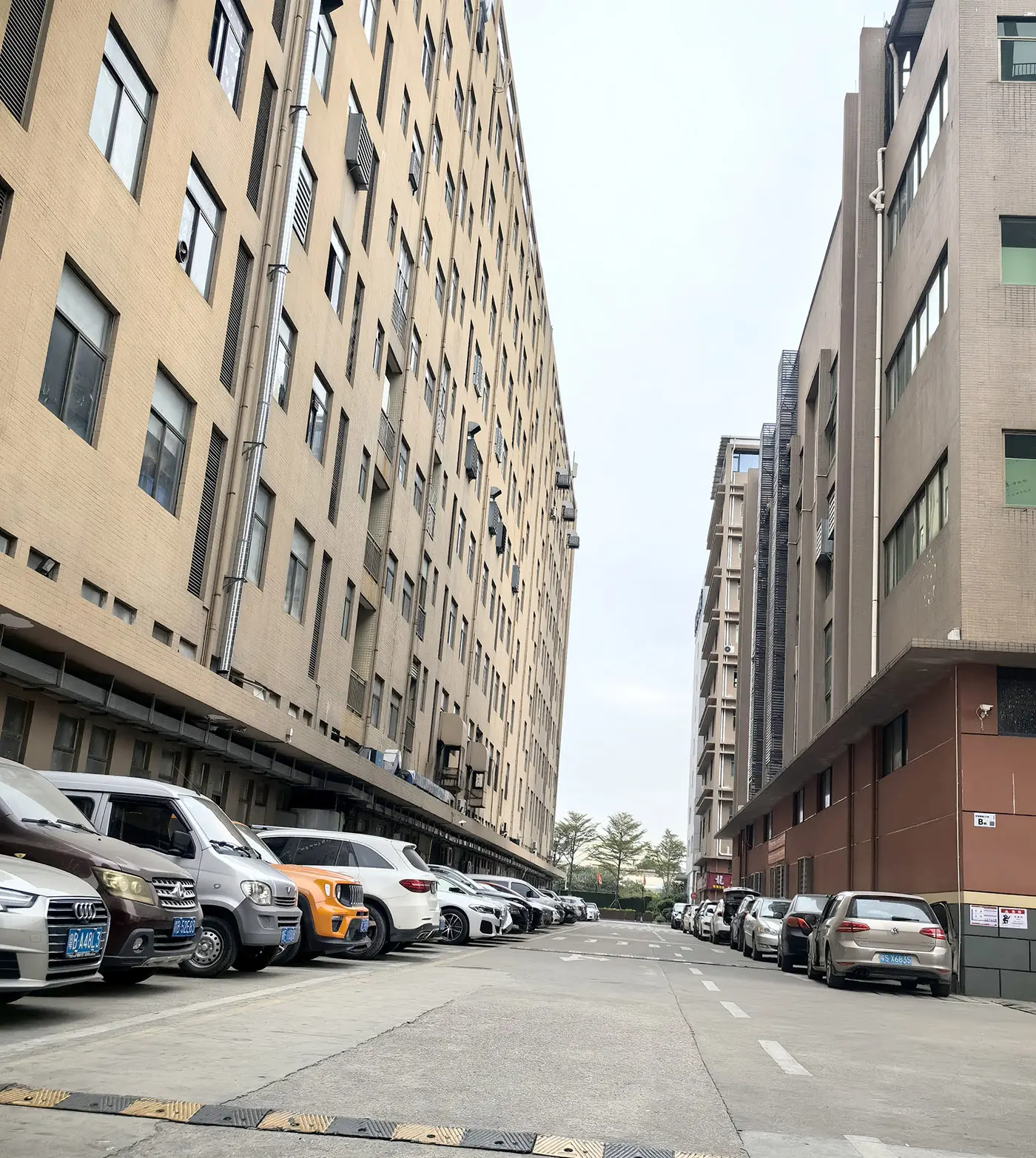
Our modern factory facilities feature automated assembly lines, precise pleating equipment, and advanced CNC machinery. This setup allows us to maintain consistent product quality and meet large-scale global export requirements.
Operating from Shenzhen, one of the world's most advanced manufacturing and logistics hubs, Shenzhen Snow Peak Clean Technology Co., Ltd. provides clear advantages in supply chain efficiency:
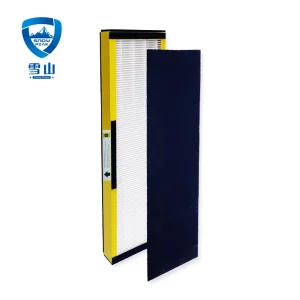
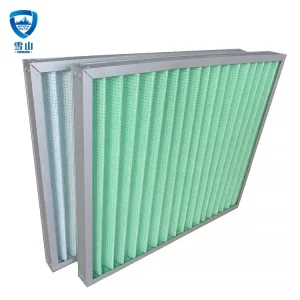
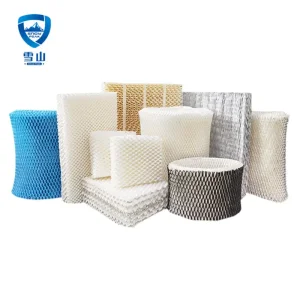
Explore our supporting range of pre-filters, metal-washable meshes, high-temperature HEPA filters, and replacement elements designed to build robust multi-stage air purification systems.
 Snow Peak