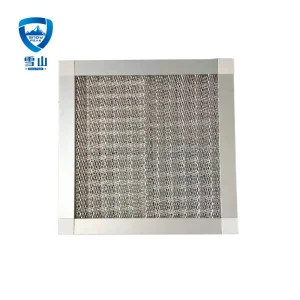
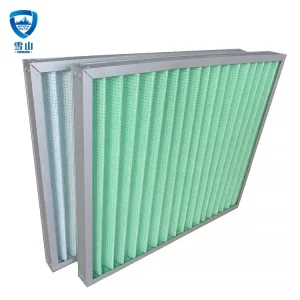
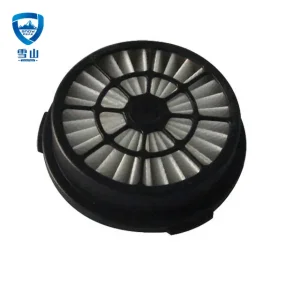
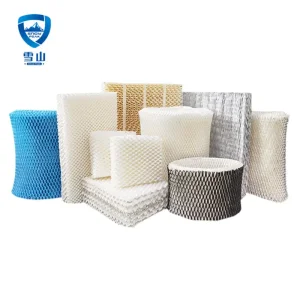
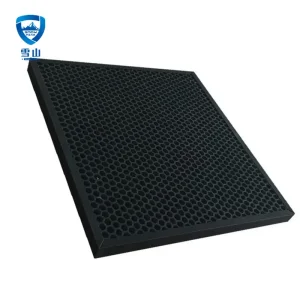
Wholesale Activated Charcoal Air Filtration Factory & Companies

Premium OEM/ODM Molecular Adsorption Solutions & Engineered Gas Phase Filtration for Global Industrial Supply Chains

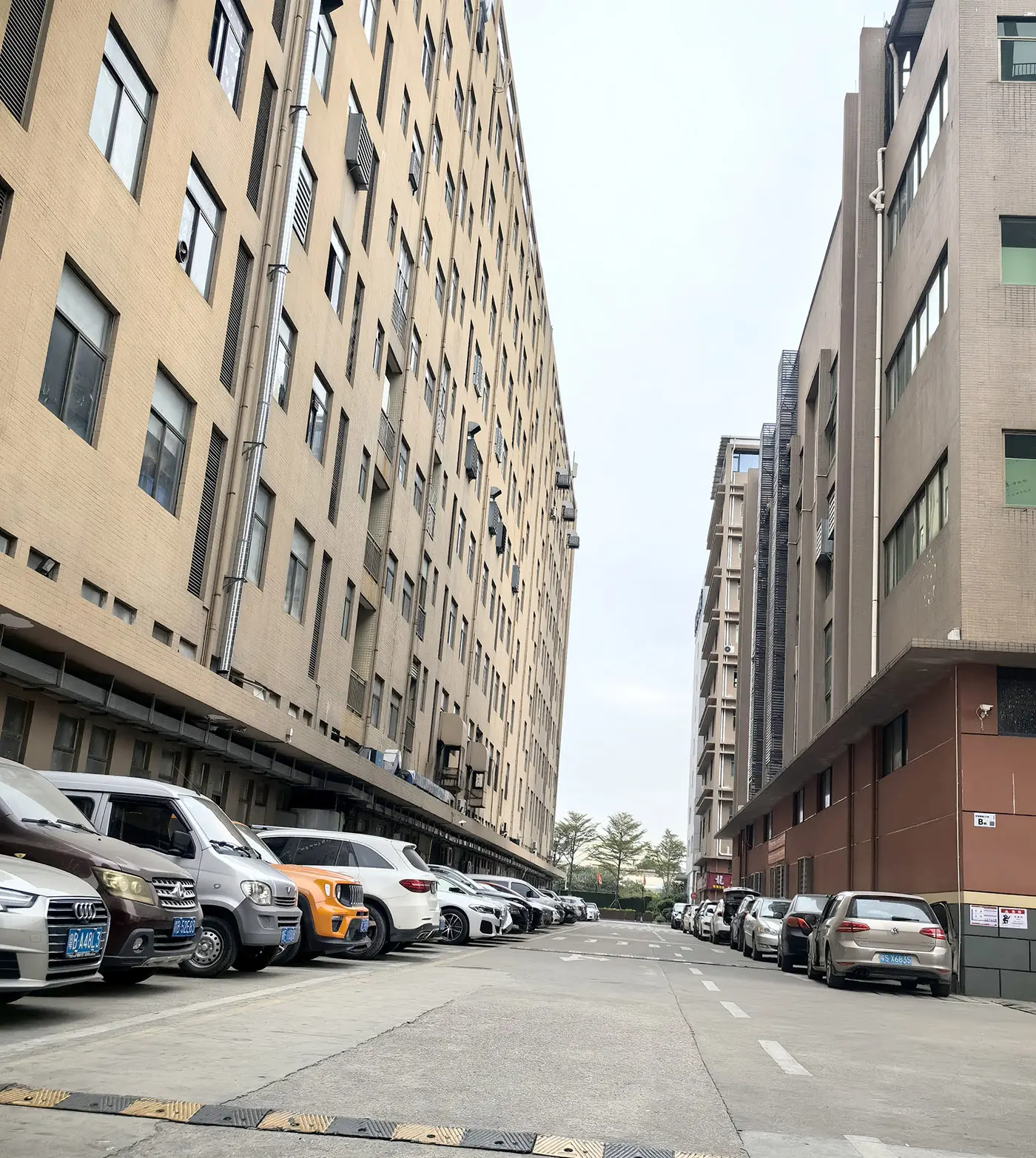
Shenzhen Snow Peak Clean Technology Factory Production

Corporate Profile

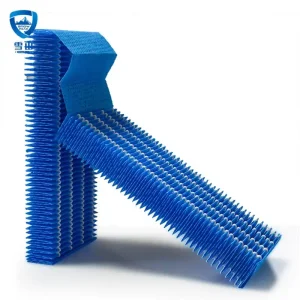
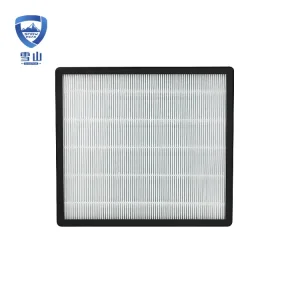
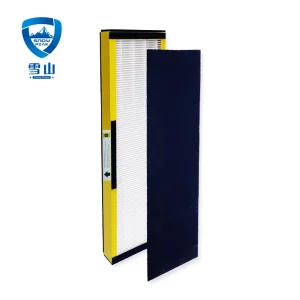
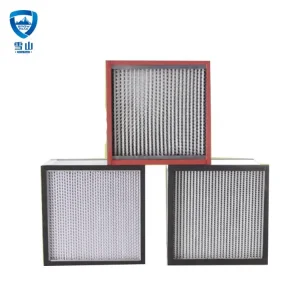
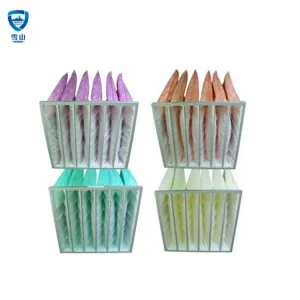
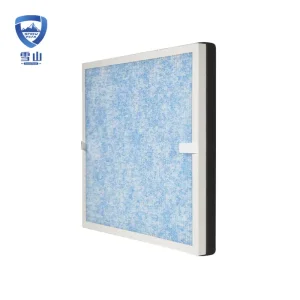
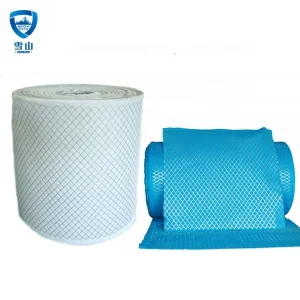
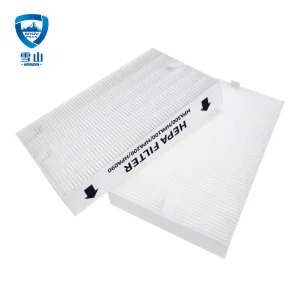
Shenzhen Snow Peak Clean Technology Co., Ltd. is an integrated high-tech enterprise, specialized in air filtration products research and development, production, sales, import and export trade. We produce and supply: Pre-filter, pocket filter, HEPA filter, chemical filter; replacement HEPA filter, car cabin air filter, humidifier filter; pocket filter media, melt-blown composite filter media, and other high-performance filter materials; provide high quality air purification solutions and products for indoor air pollution control and air conditioning systems of civil and industrial buildings, microelectronics, pharmaceutical, laboratory, school, hospital clean room etc. Combined with self-developed patented technology, our sterilizing antiviral HEPA filter can effectively filtrate fine particles, so that PM2.5 concentration down to 10 micrograms/m3, 5 times better than national standard; effectively inhibit the breeding of microorganisms, sterilization rate up to 99.9%, and no secondary pollution, removal of H1N1 virus efficiency as high as 99.99%.
OEM & ODM Capabilities PM2.5 Control Optimization 99.99% H1N1 Antiviral Efficiency Custom Chemical Air Filters
15+
Years International Air Purification Exp.
99.9%
Bacterial & Microbial Sterilization Rate
10 µg/m³
Target PM2.5 Concentration Capacity
100%
In-House Production CNC Controlled

Our Manufacturing Strength

Leveraging state-of-the-art facilities equipped with advanced CNC punching, bending, and robotic pleating machinery for ultimate precision.

Having 15 years of international air purification technology experience as the background, our company has standardized production workshop, dust-free filter workshop and first-class technology of HEPA filters production line and inspection line, independent research and development of fully automatic air filter production line, equipped with AMADA CNC punch and CNC bending machine as well as many other advanced high-end equipment, provide a strong guarantee for production and quality of air filtration and purification products.
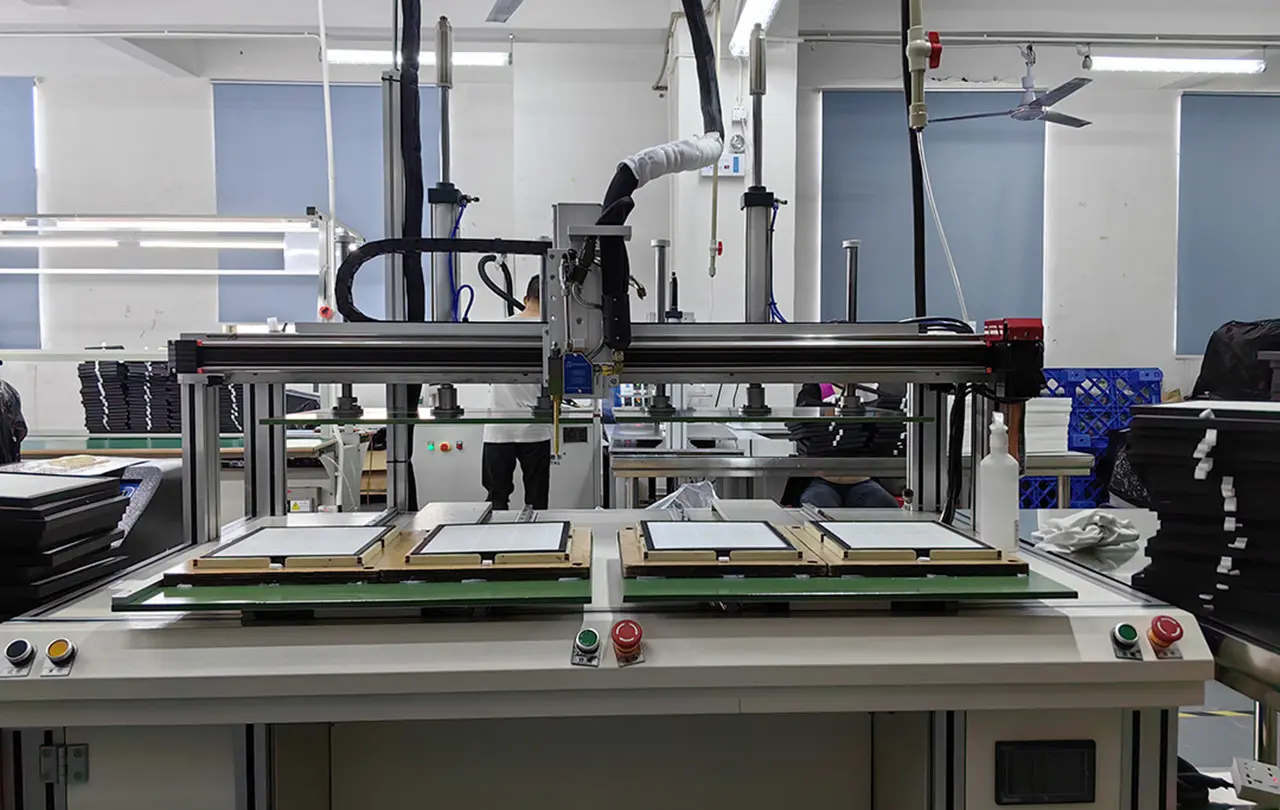
Automated Gluing Machine
Gluing Machine
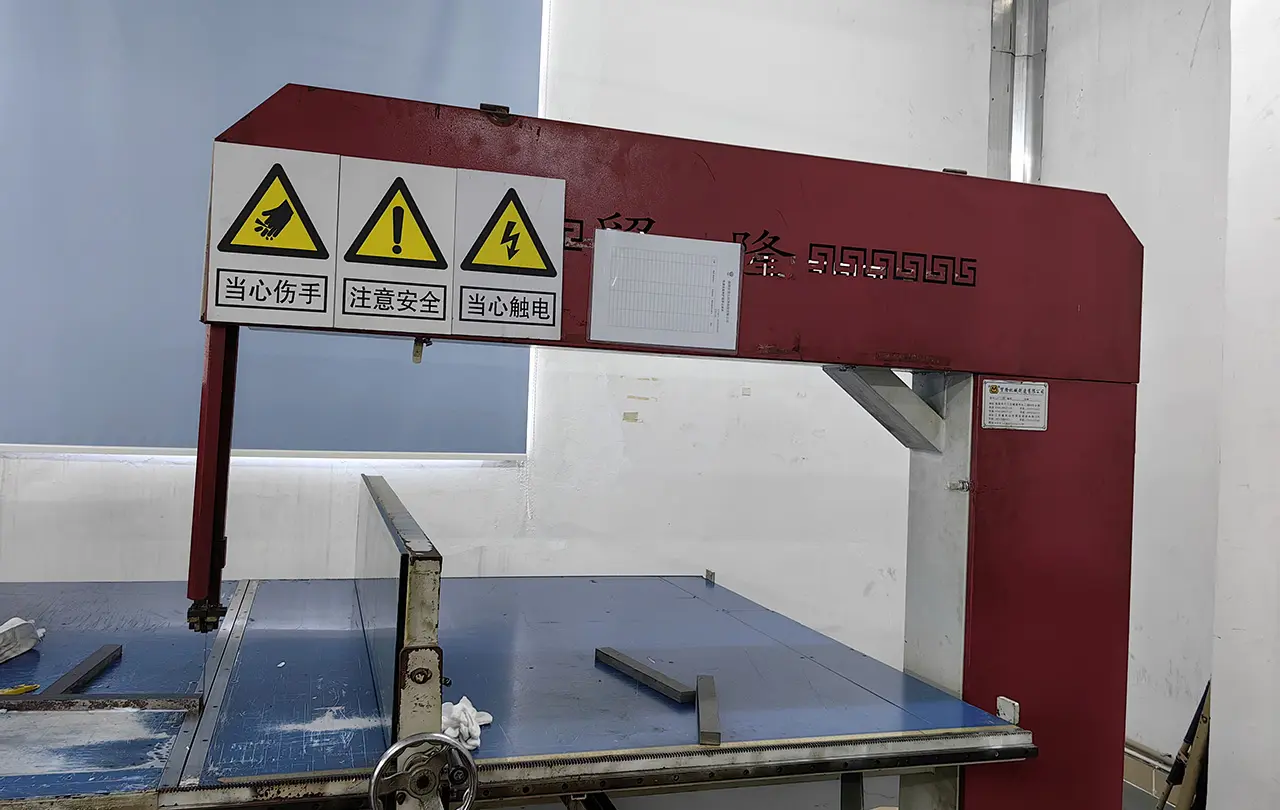
Precision Cutting Machine
Cutting Machine
Gluing Process
Gluing Process
Compound Filter Media Processing
Compound Filter Media
Automated Pleating Machine Line 1
Pleating Process A
Automated Pleating Machine Line 2
Pleating Process B

Whitepaper: Industrial Molecular Gas Phase Adsorption

An authoritative analysis of Activated Charcoal technologies, dynamic VOC neutralization, and global B2B procurement benchmarks.

1. The Science of Molecular Adsorption: Van der Waals & Chemisorption

Activated charcoal, or activated carbon, is the gold standard in gas-phase air filtration. Unlike particulate filters (such as HEPA) that capture dust and aerosols via physical interception and diffusion, activated carbon works on the molecular scale through the process of adsorption. Within an air purification matrix, gas molecules collide with the massive internal surface area of the carbon, where they are trapped by weak electrostatic forces known as Van der Waals forces (physisorption).

For applications involving highly volatile, low-molecular-weight compounds such as formaldehyde, ammonia, hydrogen sulfide, or sulfur dioxide, physical adsorption is often augmented by chemisorption. Chemisorption involves impregnating the activated charcoal with chemical reagents (such as potassium hydroxide, phosphoric acid, or metal oxides). These reagents chemically react with the acidic or basic gases, converting them into stable, non-volatile compounds and permanently fixing them inside the media's pore structure.

Key Engineering Metric: Iodine Number & CTC Activity

The performance of wholesale activated charcoal air filters is heavily defined by the Iodine Number (typically 900 to 1200 mg/g) and CTC (Carbon Tetrachloride) activity (ranging from 45% to 80%). These parameters correlate directly with the total micropore volume and macro-adsorption efficiency. Shenzhen Snow Peak Clean Technology optimizes these metrics in its raw material supply chains, ensuring consistent gas absorption capacity over extended service lifespans.

2. Activated Charcoal Production Formats: Granular, Extruded, and Impregnated Media

Understanding the spatial configuration of carbon media is crucial for mechanical design engineers. Factories utilize three primary formulations to strike a balance between gas-adsorption volume and aerodynamic pressure drop:

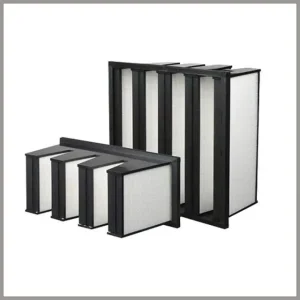
  • Granular Activated Carbon (GAC): Features irregular carbon granules packed inside rigid metallic or plastic v-bank housing. Highly effective for deep-bed industrial air filtration systems but exhibits a relatively high pressure drop.
  • Extruded Carbon Cylinders (Pelletized Carbon): Carbon dust combined with binders and extruded into cylindrical shapes. Provides a more uniform flow distribution and lower air resistance.
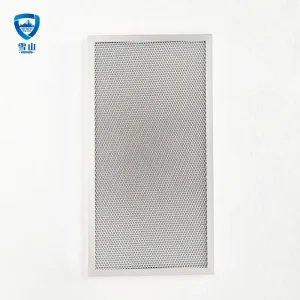
  • Activated Carbon Impregnated Non-Woven Media: Fine carbon powder bonded onto non-woven polyester or polyurethane foam. Ideal for space-constrained environments such as automotive cabin air filters and residential air purifiers, offering light-duty odor control with minimum pressure drop.

3. China Manufacturing Advantages for Activated Charcoal Filters

China is home to some of the world's most advanced chemical processing and material science factories. Shenzhen Snow Peak Clean Technology utilizes localized supply chains to secure premium raw materials, including coal-based, wood-based, and coconut-shell activated carbon. The integration of advanced domestic machinery—such as the AMADA CNC punch and high-speed pleating lines—yields key structural advantages:

  • Dynamic Structural Integrity: Automatic frame bending and precise hot-melt gluing ensure no internal bypass. Even minor gaps in carbon beds allow untreated bypass air, rendering gas phase systems ineffective.
  • Cost Optimization: Massive economies of scale in component sourcing, localized engineering expertise, and lower logistical overheads for custom composite media pads translate to lower unit costs for bulk purchasers.
  • Vertically Integrated R&D: Co-locating R&D labs next to automated pleating plants enables immediate validation of new particulate/adsorptive hybrid filters under real-world airflows.

4. Macro-Industry Solutions & Localized Application Scenarios

Different industrial landscapes demand tailored filtration systems. Here is how advanced carbon filters are configured across sectors:

Microelectronics & Semiconductor Cleanrooms

Airborne Molecular Contamination (AMC) can destroy sub-micron silicon wafers. Advanced activated carbon filters in V-bank arrays capture volatile organic compounds (VOCs), acidic gases, and dopants (such as boron or phosphorus) before they settle on sensitive substrates.

Healthcare & Clinical Isolation Chambers

Combining antiviral HEPA media with activated carbon targets both airborne biological vectors (H1N1 virus, bacteria) and noxious chemical vapors from disinfectants and anesthetics, safeguarding clinical staff and vulnerable patients.

Industrial Commercial Kitchen Exhausts

Cooking processes generate heavy grease particles and high concentrations of VOCs. Multiple stages of pre-filtration combined with thick-bed activated carbon v-banks absorb complex food aromas and combustion gases, meeting strict local environmental regulations.

Automotive and Aerospace Cabin Air Systems

Cabin systems require ultra-compact, high-efficiency media to clean ambient road exhaust fumes (nitrous oxides, ozone, exhaust VOCs). Pleated carbon composites are light, have an exceptionally low pressure drop, and remain active over wide temperature ranges.

5. Global Procurement Requirements and Technical Quality Standards

B2B procurement officers, sourcing managers, and building service engineers must navigate complex technical specifications when selecting wholesale carbon filtration. A high-quality sourcing framework should focus on:

  • Aerodynamic Resistance & Fan Power Optimization: The thicker the carbon bed, the greater the restriction on airflow. Sourcing partners must calculate the *Breakthrough Curve* to determine the absolute minimum carbon mass required to meet the lifetime expectation without overloading building HVAC blowers.
  • Outgassing Prevention: Premium filters use low-outgassing thermosetting adhesives. Low-quality manufacturers sometimes use binders that release trace VOCs, defeating the purpose of the carbon filter.
  • Compliance Certifications: Compliance with international testing protocols such as **ISO 16890**, **EN 779**, and **ASHRAE 52.2** is mandatory for verification of filtration efficacy. In biological settings, certifications verifying the antiviral and microbial inhibition rates are vital.

Future Technological Trends (2024–2030)

The convergence of green chemistry, nanotechnology, and real-world compliance in molecular gas-phase purification.

The molecular air filtration sector is transforming rapidly to keep pace with changing global environmental regulations and advanced manufacturing processes. The next decade will focus on three key trends:

1. Renewable and Eco-Friendly Carbon Sources

Conventional activated carbon relies heavily on coal extraction. Sourcing managers are increasingly demanding wood-based, bamboo, or coconut-shell carbon because of their smaller carbon footprints and superior microporous structures. Coconut shell, in particular, offers a high density of micro-pores, making it highly effective at absorbing trace VOCs.

2. Hybridized Electrostatic & Carbon Matrices

The combination of electrostatically charged meltblown synthetic fibers (as seen in modern HEPA filters) and activated carbon particles is becoming standard practice. This single, multi-layered material captures sub-micron dust particles and molecular gases simultaneously, saving space and reducing air resistance in modern air purifiers and cabin filtration units.

3. Intelligent Filter Life Monitoring

Determining when an activated carbon filter is saturated has historically been a challenge. Unlike particulate filters that show a measurable pressure drop when clogged, saturated carbon filters simply let gases pass through. Next-generation HVAC systems are integrating VOC sensors and predictive algorithms to calculate the remaining lifetime of the carbon bed based on real-time exposure levels, preventing bypass and optimizing replacement schedules.

Technical FAQ & In-depth QA

Expert technical answers to common questions about activated carbon filter performance, maintenance, and optimization.

How do you determine when an activated charcoal filter is saturated?
Unlike particulate filters (like HEPA), which show a noticeable rise in pressure drop when full, activated carbon filters maintain a constant pressure drop even when they are fully saturated. You can detect saturation through trace gas detection downstream using VOC sensors, or by keeping track of the filter's service life based on the average concentration of pollutants in your facility.
Can activated charcoal filters be washed and reused?
No, standard activated charcoal air filters cannot be washed. Water fills the carbon's micropores and can wash away the internal structure, especially in chemically treated filters where the active impregnation agents would dissolve. While industrial carbon can be thermally reactivated in high-temperature kilns, it is not practical or cost-effective for individual HVAC filters.
What is the difference between physical adsorption and chemisorption?
Physical adsorption holds gas molecules using weak intermolecular attractions (Van der Waals forces), which works well for larger organic molecules like VOCs. Chemisorption uses chemical reactions to lock in specific gases—like using phosphoric acid-impregnated carbon to neutralize ammonia. Chemisorption is irreversible, whereas physical adsorption can sometimes release gases back into the air under high heat or pressure changes.
How does pre-filtration extend the life of an activated carbon filter?
Dust, pollen, and other fine particles can coat the surface of carbon granules, blocking air from entering the micropores and reducing their gas-absorption capacity. Placing a particulate pre-filter (like a G4 or M5 grade pleated panel) upstream captures these larger particles, keeping the carbon's surface clear for gas molecules.
What testing standards govern these molecular cleanroom filters?
The main standard is ISO 10121, which details methods for testing gas-phase air cleaning media and devices. Additionally, ASHRAE 145.2 provides guidelines for evaluating the performance of commercial gas-phase air cleaning systems.