Explore our high-efficiency filtration solutions optimized for HVAC, cleanrooms, and bio-safety ventilation systems.
In the era of advanced manufacturing, precision biopharmaceuticals, and high-density semiconductor fabrication, the control of indoor air quality (IAQ) is no longer a matter of basic maintenance—it is a critical operation-level requirement. Modern commercial and industrial air filtration systems play a central role in mitigating particulate pollution, eliminating volatile organic compounds (VOCs), and securing biological isolation. With strict air filtration requirements imposed by international standardization committees such as ISO (ISO 16890, EN 1822) and ASHRAE (Standard 52.2), industrial stakeholders must ensure their heating, ventilation, and air conditioning (HVAC) systems are equipped with top-tier filtration technology.
Filter replacement accounts for only 15% of the total cost of ownership of an industrial air filtration system. Over 75% of the cost is consumed by the electrical energy required to push air through the filter media. A high-efficiency filter with optimized low-pressure drop design directly reduces the workload on variable speed HVAC fans, translating into substantial carbon emission reductions and utility savings for large-scale production complexes.
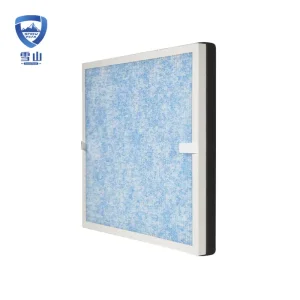
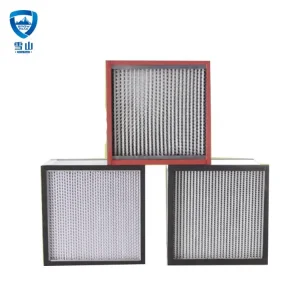
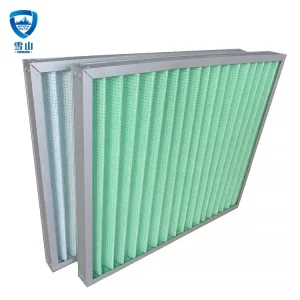
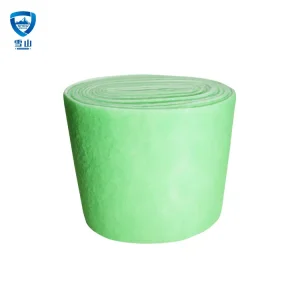
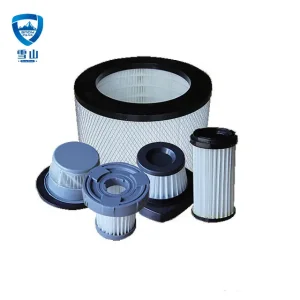
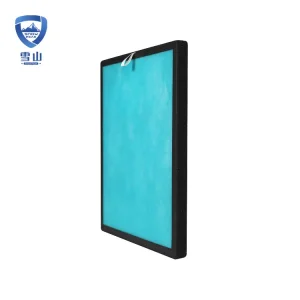
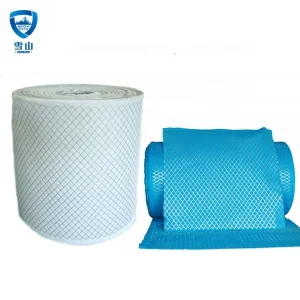
Shenzhen Snow Peak Clean Technology Co., Ltd. is an integrated high-tech enterprise, specialized in air filtration products research and development, production, sales, import and export trade. We produce and supply: Pre-filter, pocket filter, HEPA filter, chemical filter; replacement HEPA filter, car cabin air filter, humidifier filter; pocket filter media, melt-blown composite filter media, and other high-performance filter materials; provide high quality air purification solutions and products for indoor air pollution control and air conditioning systems of civil and industrial buildings, microelectronics, pharmaceutical, laboratory, school, hospital clean room etc.
Combined with self-developed patented technology, our sterilizing antiviral HEPA filter can effectively filtrate fine particles, so that PM2.5 concentration down to 10 micrograms/m³, which is 5 times better than the national standard. Our filters effectively inhibit the breeding of microorganisms, showing a sterilization rate of up to 99.9% without causing secondary pollution. Under independent laboratory testing, the removal of the H1N1 virus efficiency is documented as high as 99.99%.
Leveraging 15 years of international air purification technology experience as the background, our company features a standardized production workshop, dust-free filter assembly lines, and a first-class testing infrastructure. The facility is equipped with AMADA CNC punch machines, advanced CNC bending machinery, and our self-developed fully automatic air filter pleating and assembly lines. This highly precise equipment stack guarantees dimensional accuracy, robust frame construction, and reliable sealing properties required for ultra-clean cleanroom applications.
Procurement agents and engineering firms responsible for global industrial facilities face complex requirements when selecting replacement filters. The selection criteria extend beyond basic dimensions:
A look into our state-of-the-art facility processes and machinery designed to ensure consistent air filtration performance.
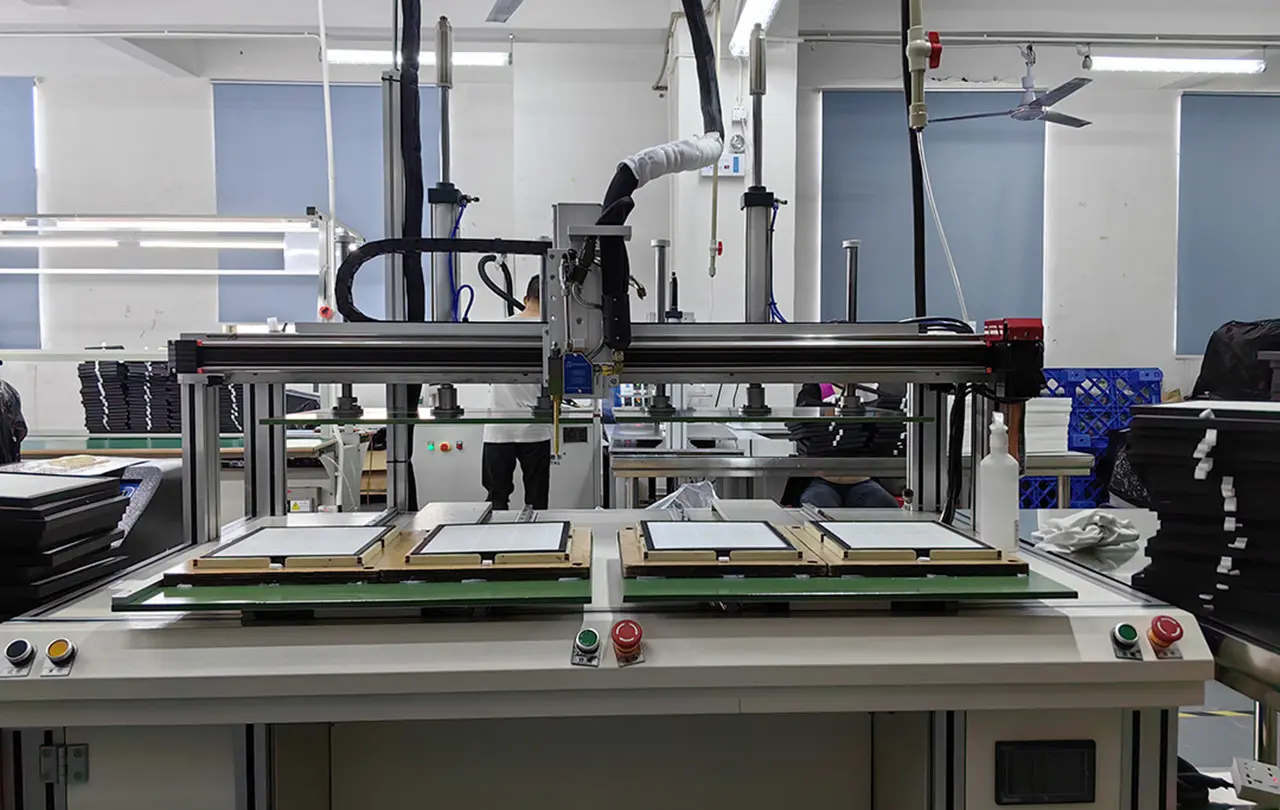
Automated adhesive application ensures uniform pleat stabilization and reliable edge sealing to prevent bypass leaks.
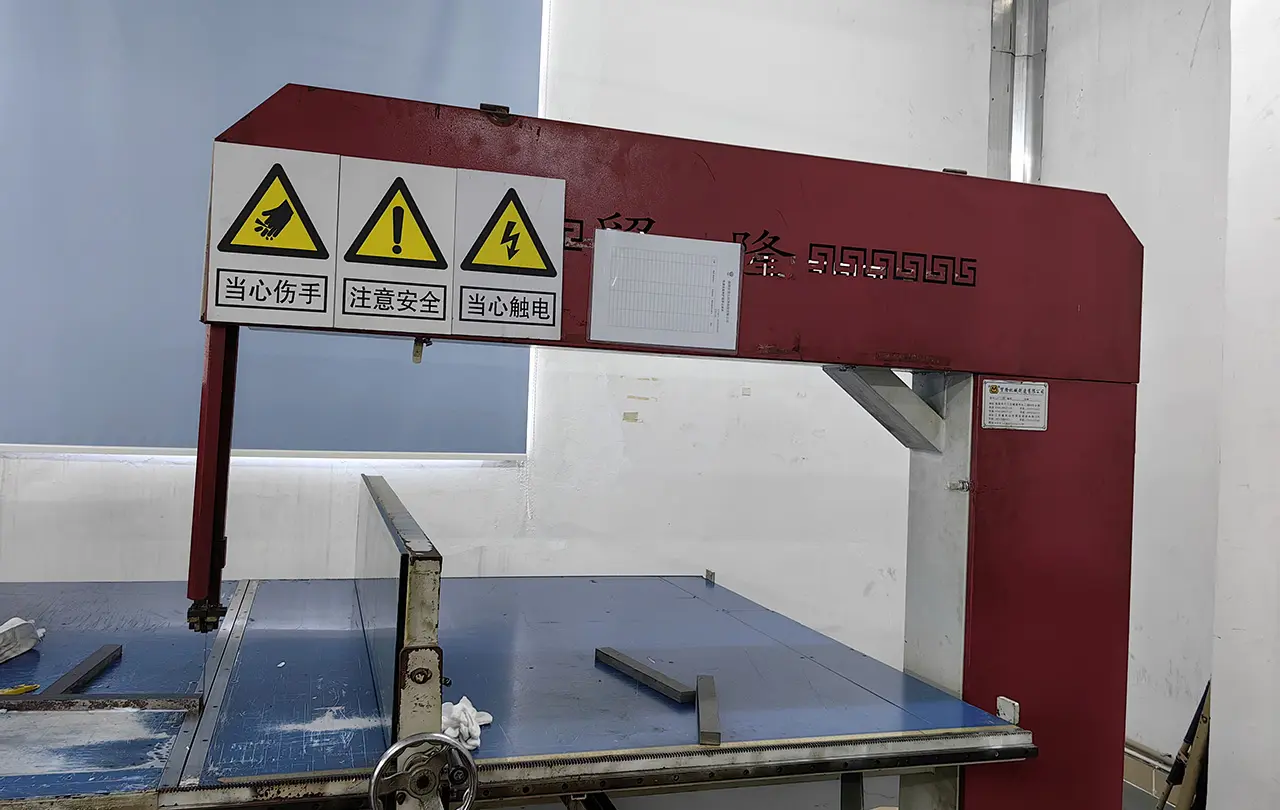
High-precision cutting system handles heavy-duty filter materials with clean, particle-free edges.
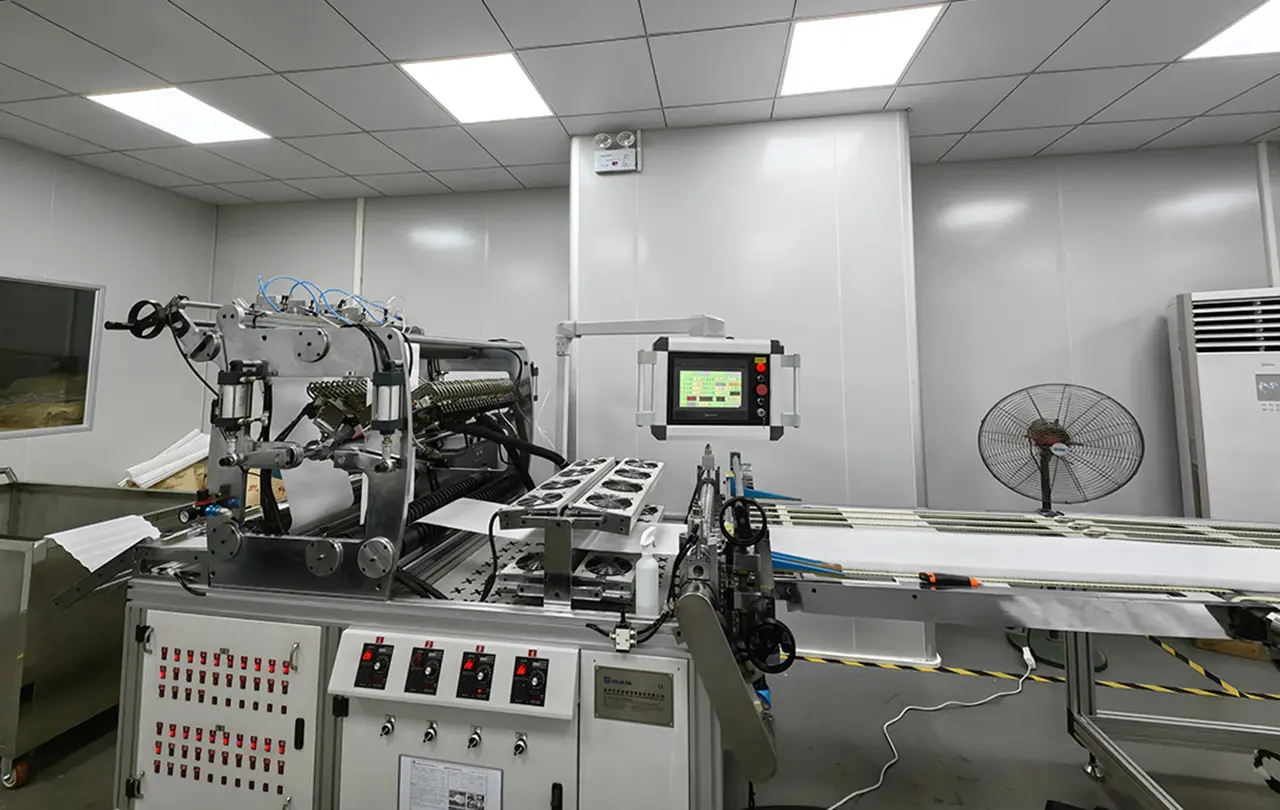
Double-component polyurethane sealant provides complete leak protection around filter media perimeter.
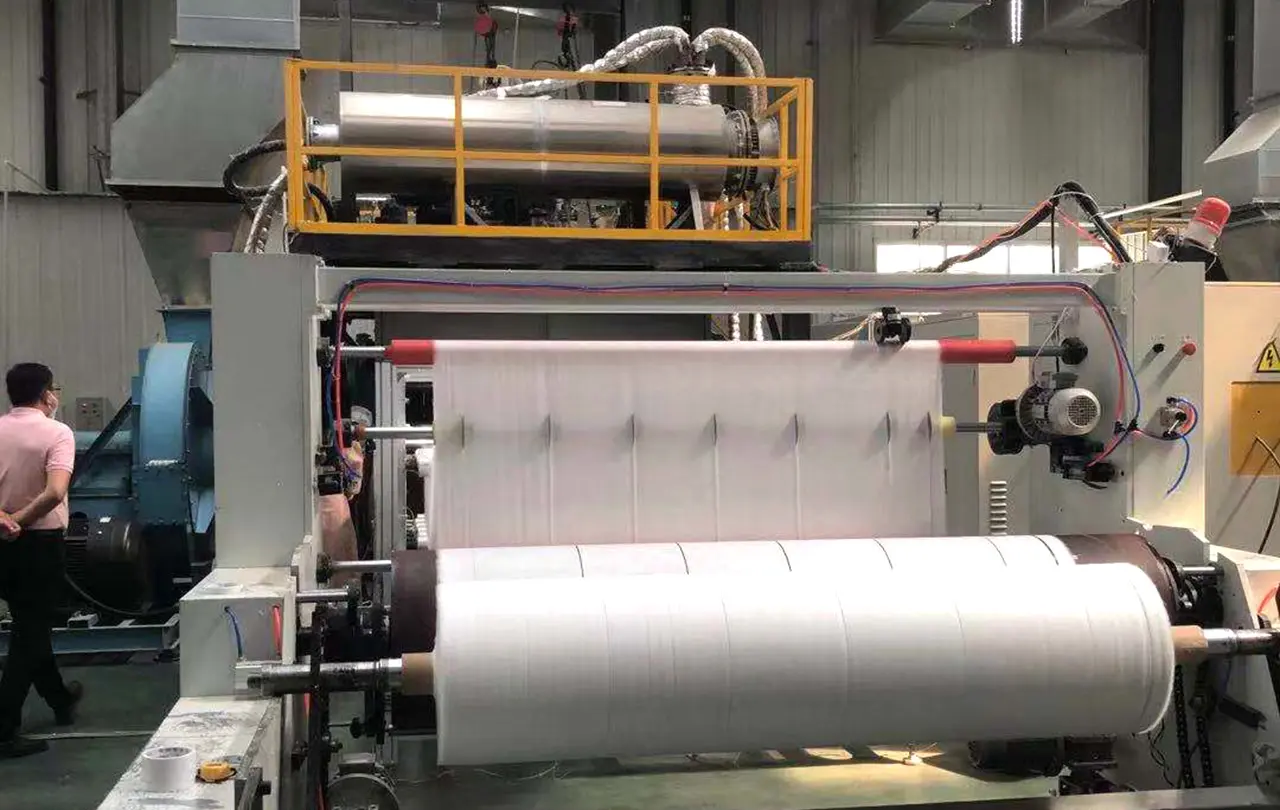
Multi-layered composite media combines pre-filtration efficiency with deep dust loading characteristics.
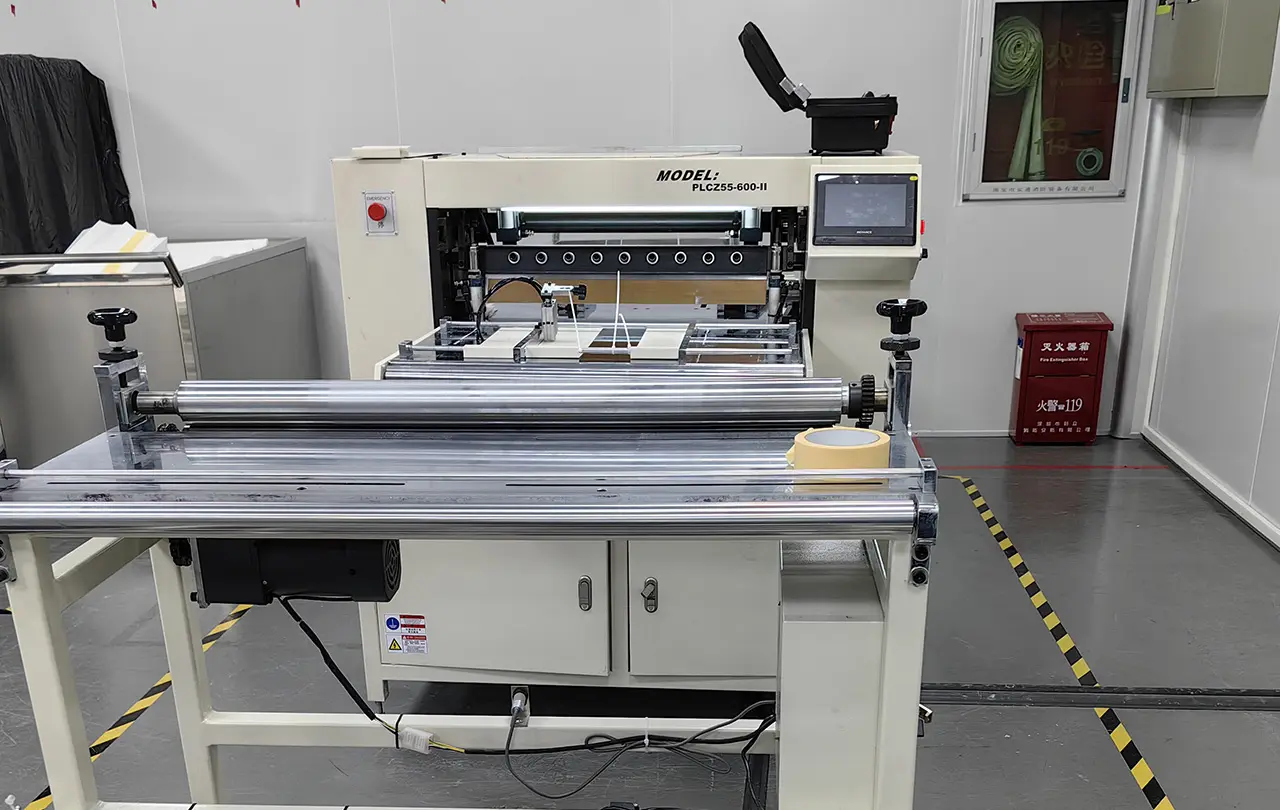
Rotary pleating system ensuring exact fold geometries, optimizing effective filtration surface area.
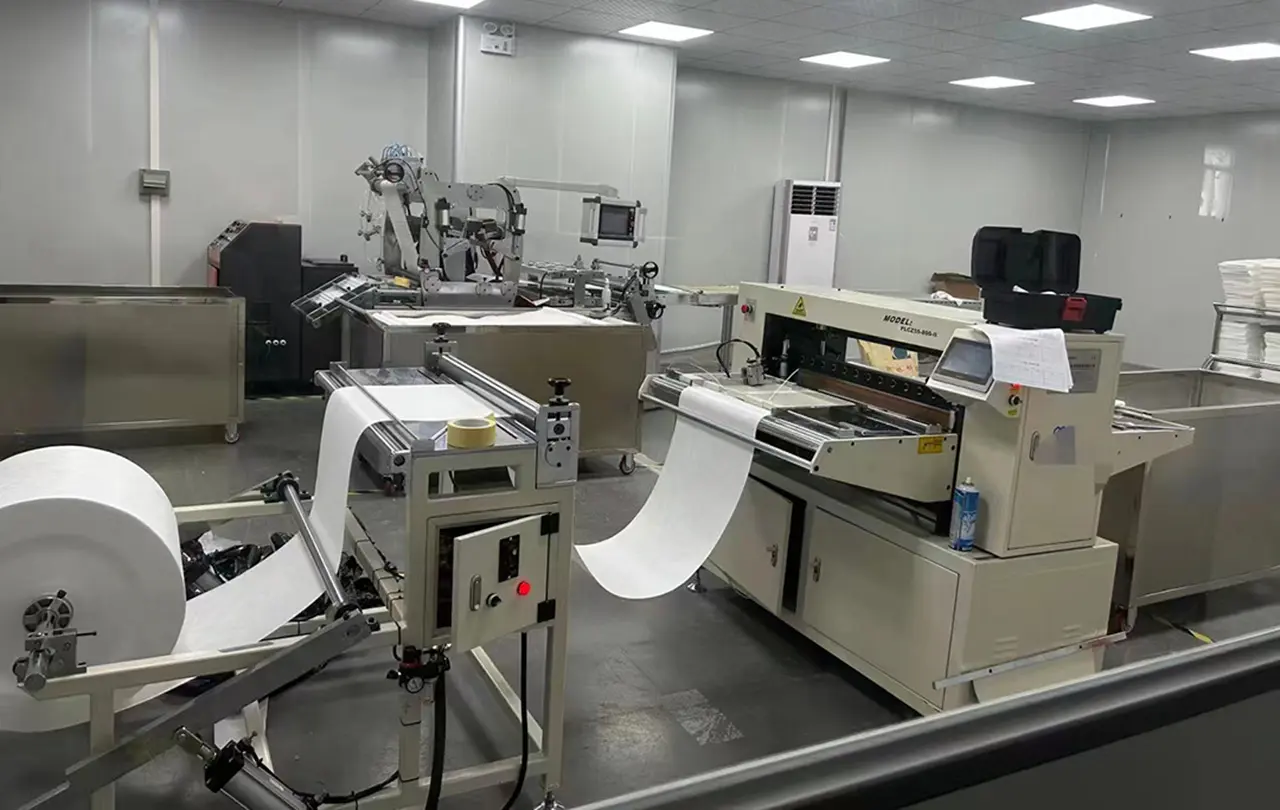
Secondary pleating lines with dynamic hot-melt separator placement for optimal airflow distribution.
Different sectors demand highly customized approaches to ventilation. Utilizing generic catalog solutions often results in increased pressure drops, early filter failure, or contamination risks.
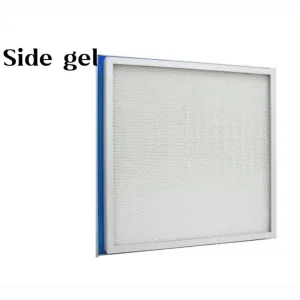
In microelectronics manufacturing, airborne molecular contamination (AMC) and sub-micron particles will directly reduce wafer yield. We recommend our **Gel Seal HEPA/ULPA filters**. The liquid gel seal provides an airtight connection that prevents bypass leaks, while ultra-low outgassing polyurethanes protect the sensitive cleanroom atmosphere from chemical outgassing.
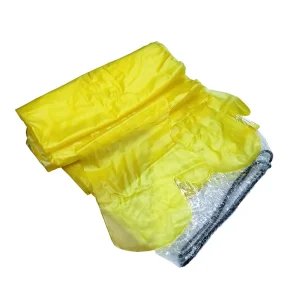
Safety of personnel and product integrity are paramount in BSL-3/BSL-4 laboratories and sterile formulation zones. Our **Bag-In-Bag-Out (BIBO) filter replacement bags** allow maintenance operators to change contaminated primary filters without exposing themselves or the external environment to hazardous pathogens, viruses, or radioisotopes.
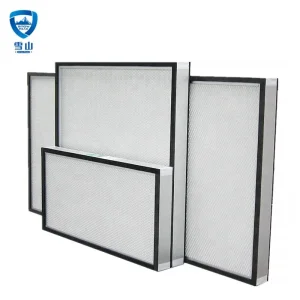
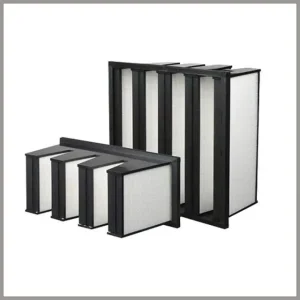
High-occupancy structures require high volumes of fresh air exchange. Implementing **W-shaped V-Bank HVAC HEPA filters** provides high air volume handling capability (up to 4000 m³/h per unit) with minimal physical footprints. The multi-dihedral configuration extends service life and reduces resistance compared to standard flat HEPA models.
Industrial gas turbines and large-scale compressors consume massive amounts of air. Customized cylindrical and conical HEPA dust collector cartridges maintain structural integrity under extreme pressure loads. This ensures continuous, high-efficiency mechanical dust removal, shielding turbines from particulate wear and erosion.
As energy costs rise and global governments enforce strict ESG targets, industrial air filtration is evolving. The following technology developments guide the product design phase at Snow Peak:
Conventional glass fiber media is highly efficient but carries a high pressure drop penalty. The future lies in electrospun nanofiber membranes laminated to synthetic backings. The exceptionally small fiber diameters (down to 100 nm) leverage slip-flow mechanics, achieving equal or higher particulate capture rates at up to 30% lower resistance.
Filters that capture live microbes risk breeding them, leading to secondary emission of endotoxins. Integrating safe, non-leaching active agents (such as natural antimicrobial matrices or metallic nanoparticles) inside the fiber structure ensures captured viruses (including H1N1) and bacteria are sterilized upon contact.
Replacing filters based strictly on time schedules is inefficient. Incorporating digital pressure sensors linked directly to building management systems (BMS) allows maintenance personnel to replace filters precisely at their optimal dirty threshold point, saving material costs and energy.
Operating across borders requires clear certification alignments. Our production facility ensures all products strictly conform to localized industrial criteria.
Our facility is audited annually to ensure the highest manufacturing repeatability and minimize environmental impact throughout our production cycle.
Every single HEPA/ULPA filter is subjected to automated photometer leakage checks and efficiency scanning before packaging, verifying leak-free integrity.
Ensuring complete material transparency and environmental compliance, facilitating custom clearance for import into the European Union and allied global markets.
Technical answers compiled by our engineers to support procurement decisions, maintenance schedules, and quality assurance processes.
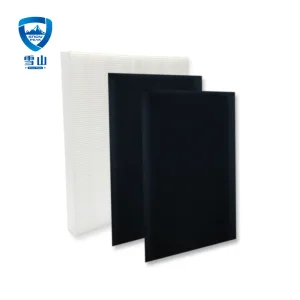
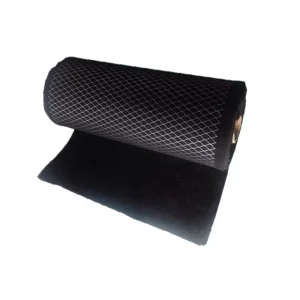
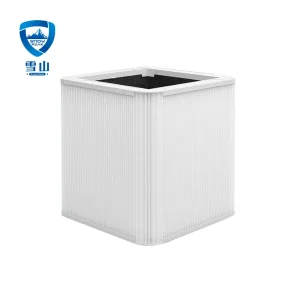
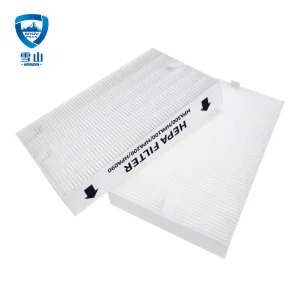
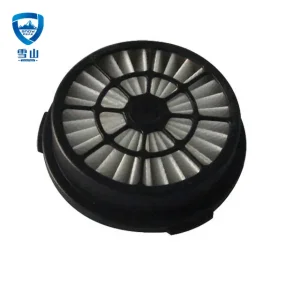
Discover our primary air rolls, activated carbon media, and replacement filter sets compatible with global consumer brands.
 Snow Peak