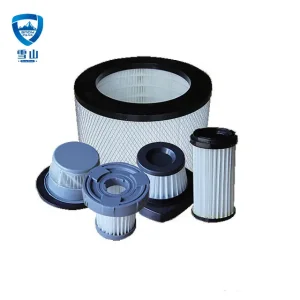
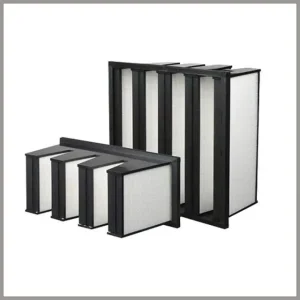
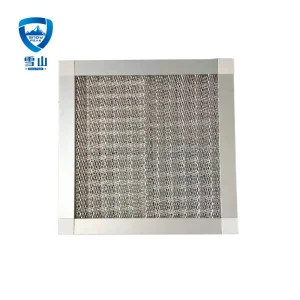
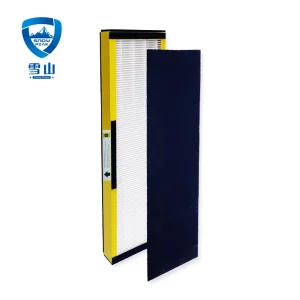
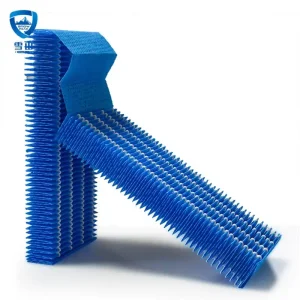
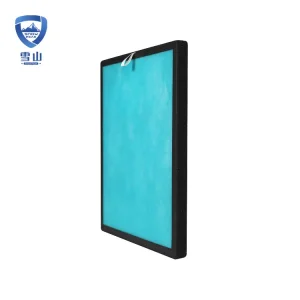
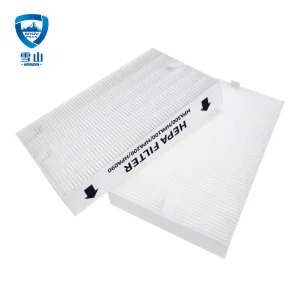
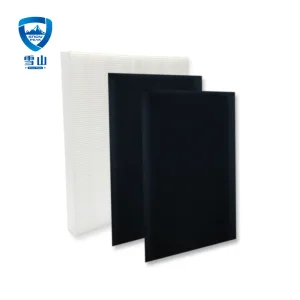
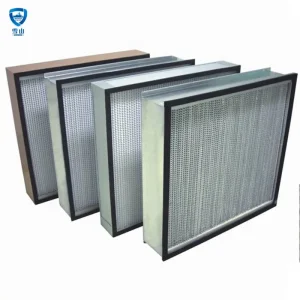
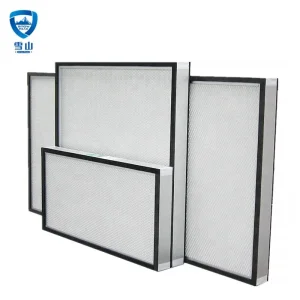
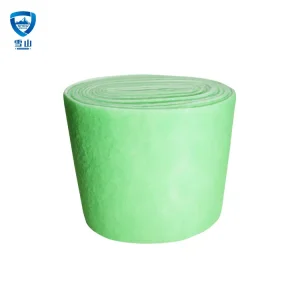
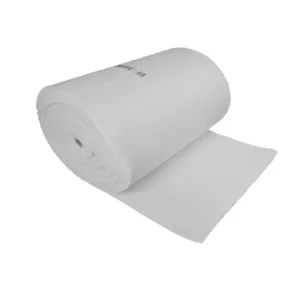
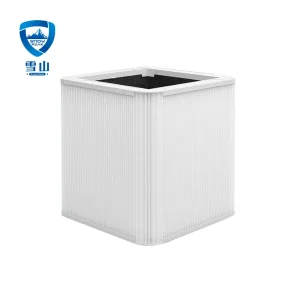
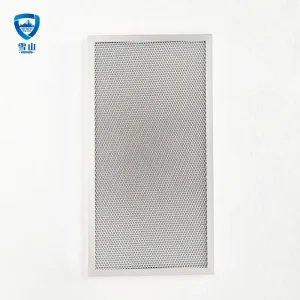
Explore our selection of highly certified replacement elements and active filters designed to combine particulate capture with advanced gas-phase and biological destruction.
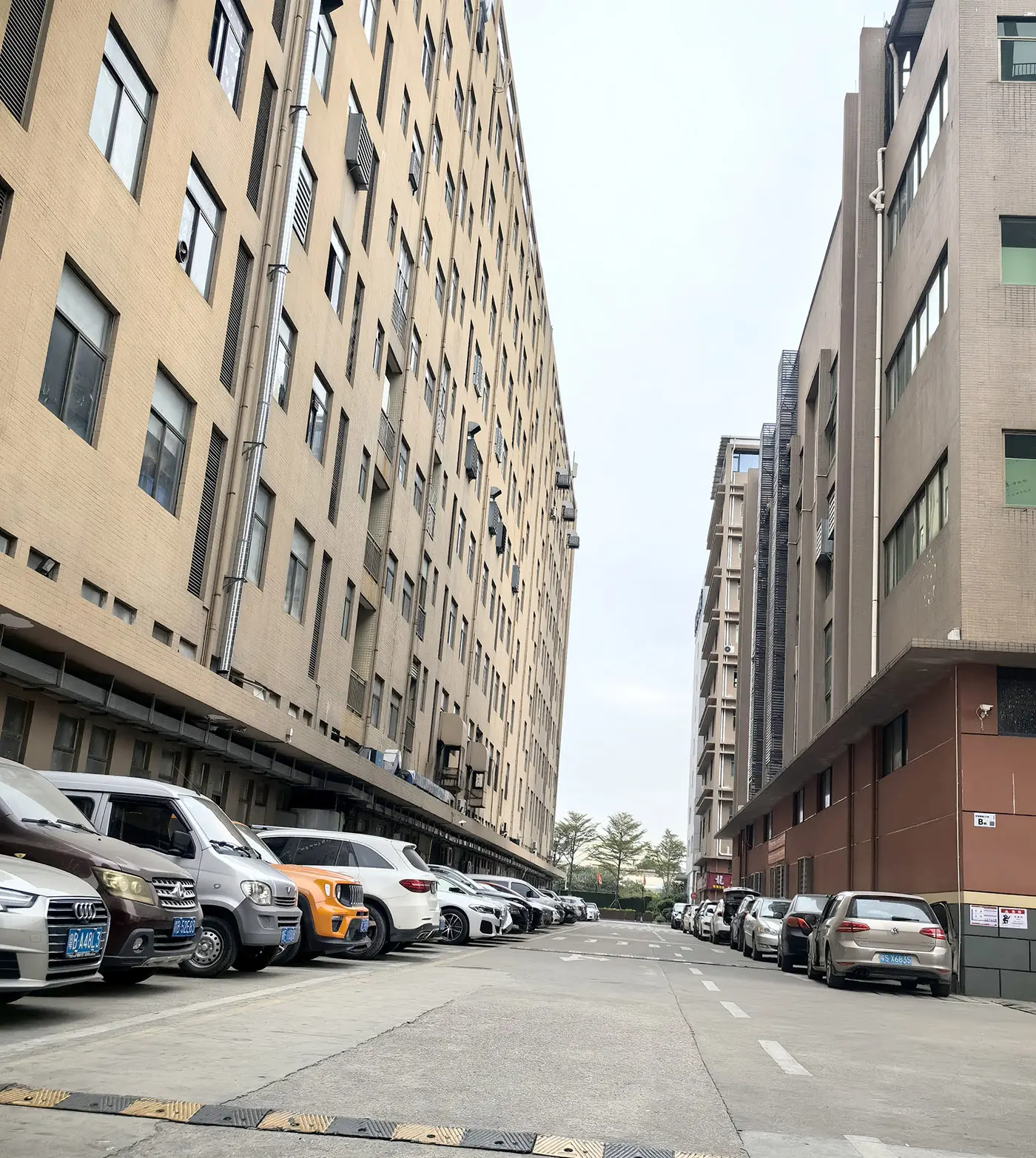
Shenzhen Snow Peak Clean Technology Co., Ltd. is an integrated high-tech enterprise, specialized in air filtration products research and development, production, sales, import and export trade. We produce and supply: Pre-filter, pocket filter, HEPA filter, chemical filter; replacement HEPA filter, car cabin air filter, humidifier filter; pocket filter media, melt-blown composite filter media, and other high-performance filter materials; provide high quality air purification solutions and products for indoor air pollution control and air conditioning systems of civil and industrial buildings, microelectronics, pharmaceutical, laboratory, school, hospital clean room etc.
Combined with self-developed patented technology, our sterilizing antiviral HEPA filter can effectively filtrate fine particles, so that PM2.5 concentration down to 10 micrograms/m³, 5 times better than national standard; effectively inhibit the breeding of microorganisms, sterilization rate up to 99.9%, and no secondary pollution, removal of H1N1 virus efficiency as high as 99.99%.
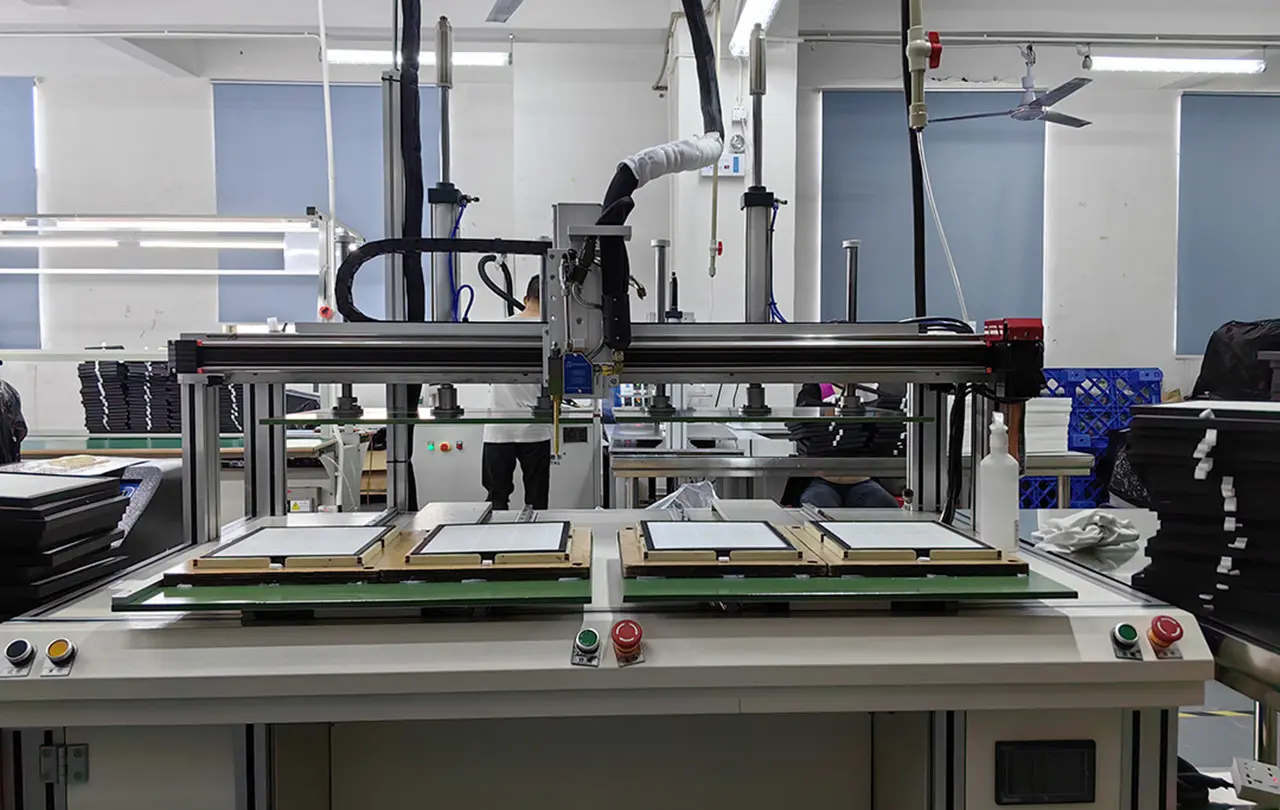
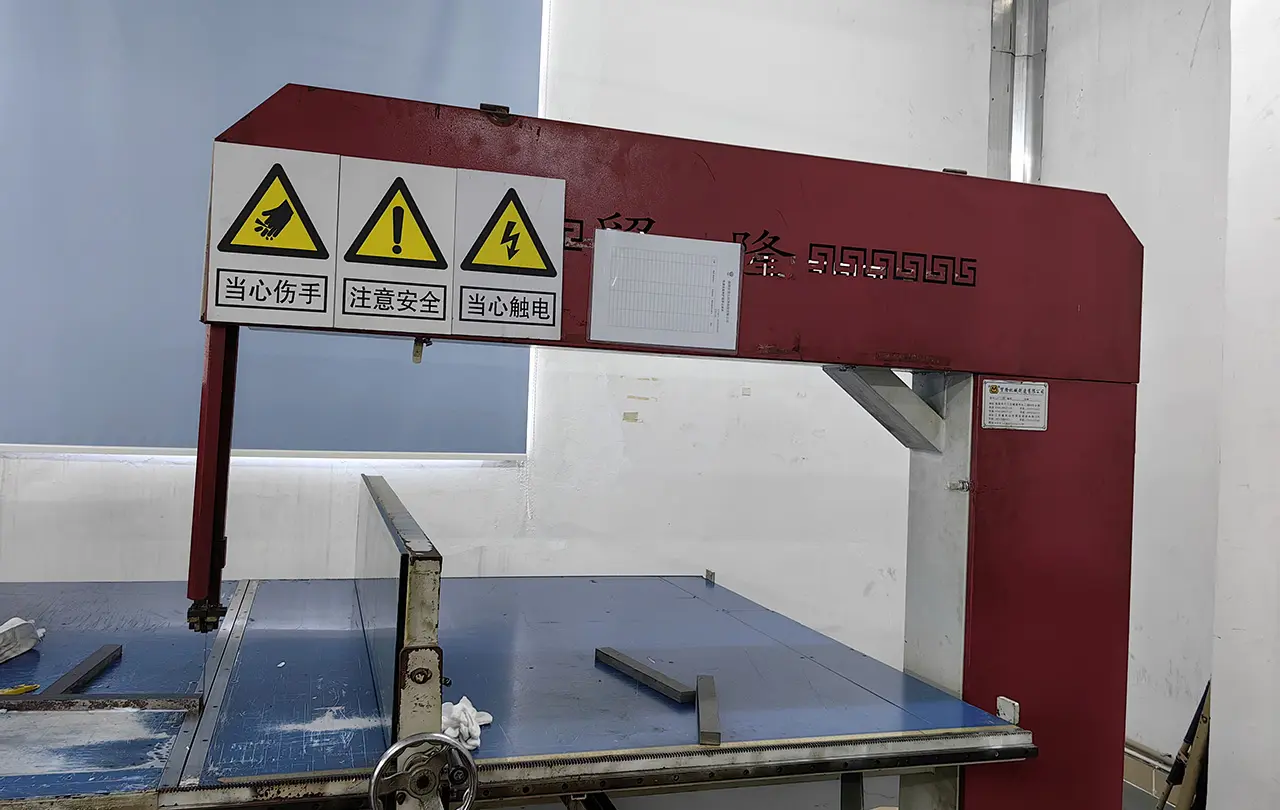
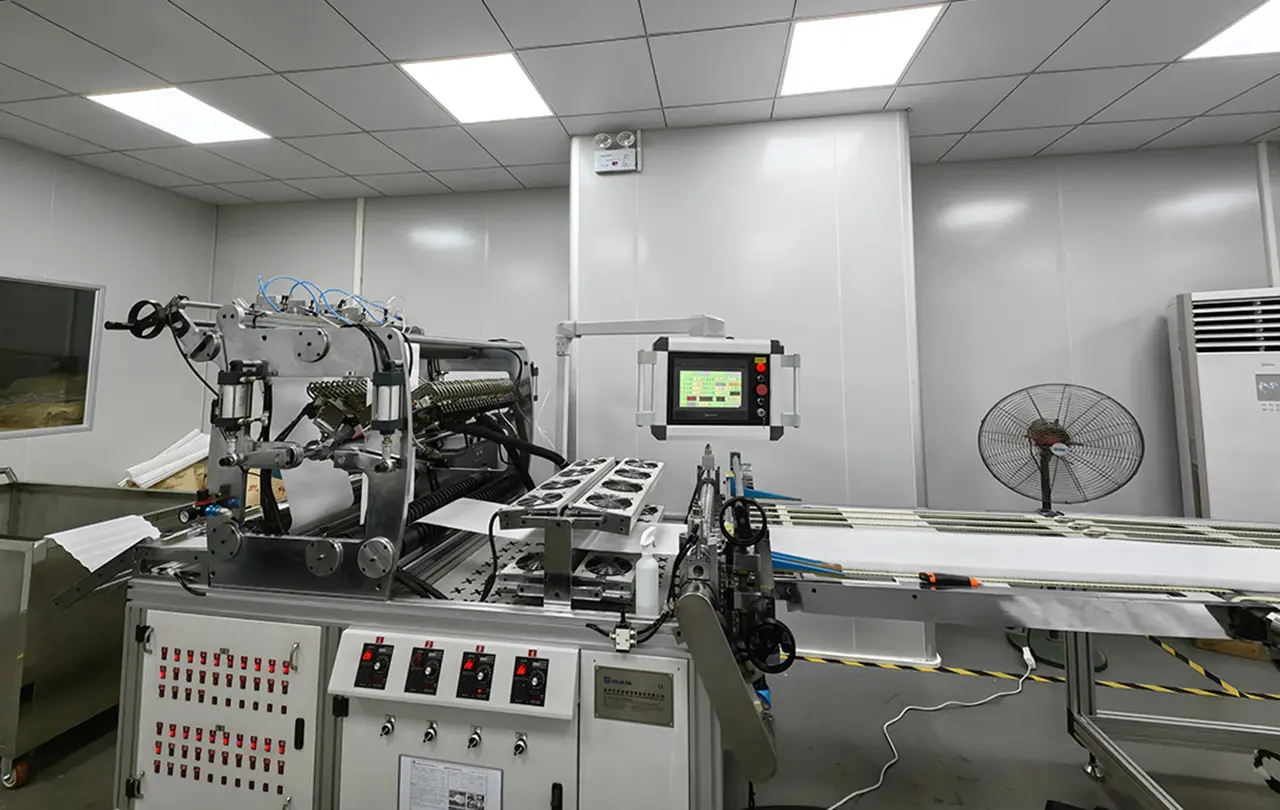
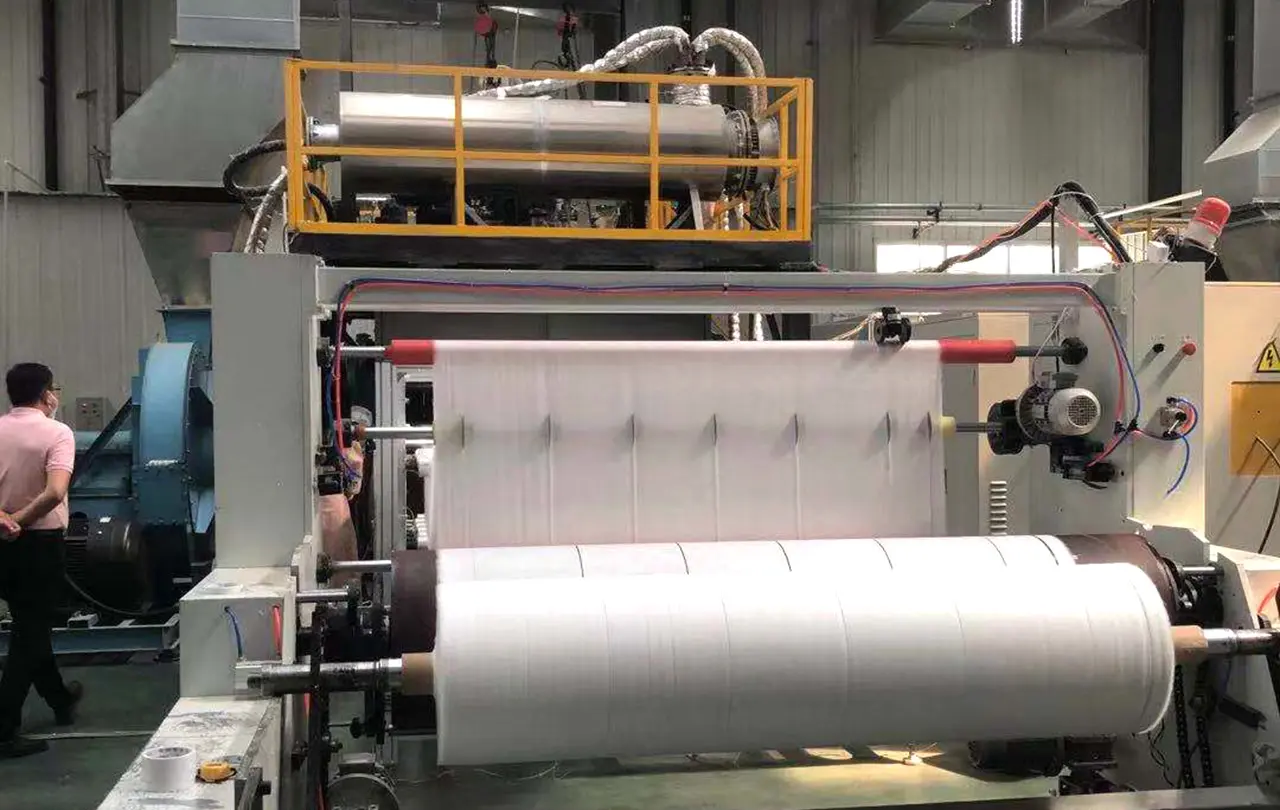
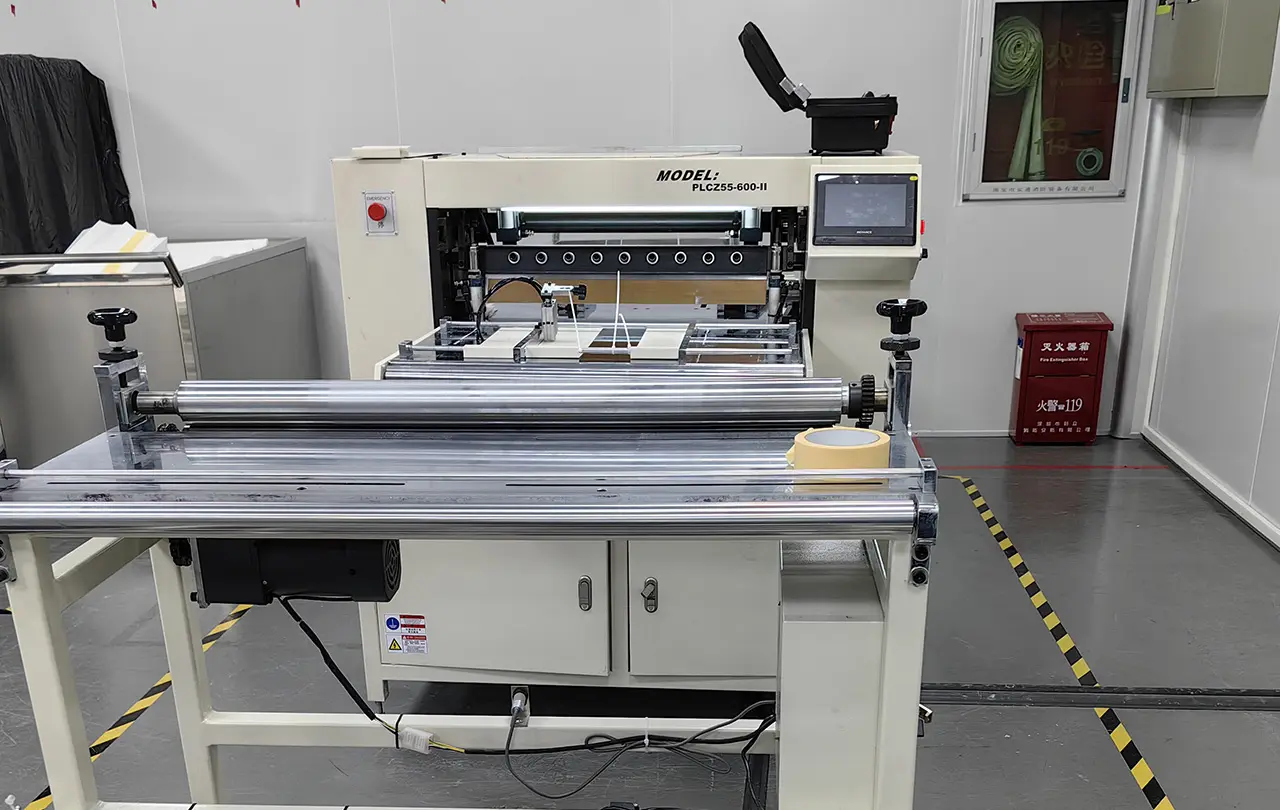
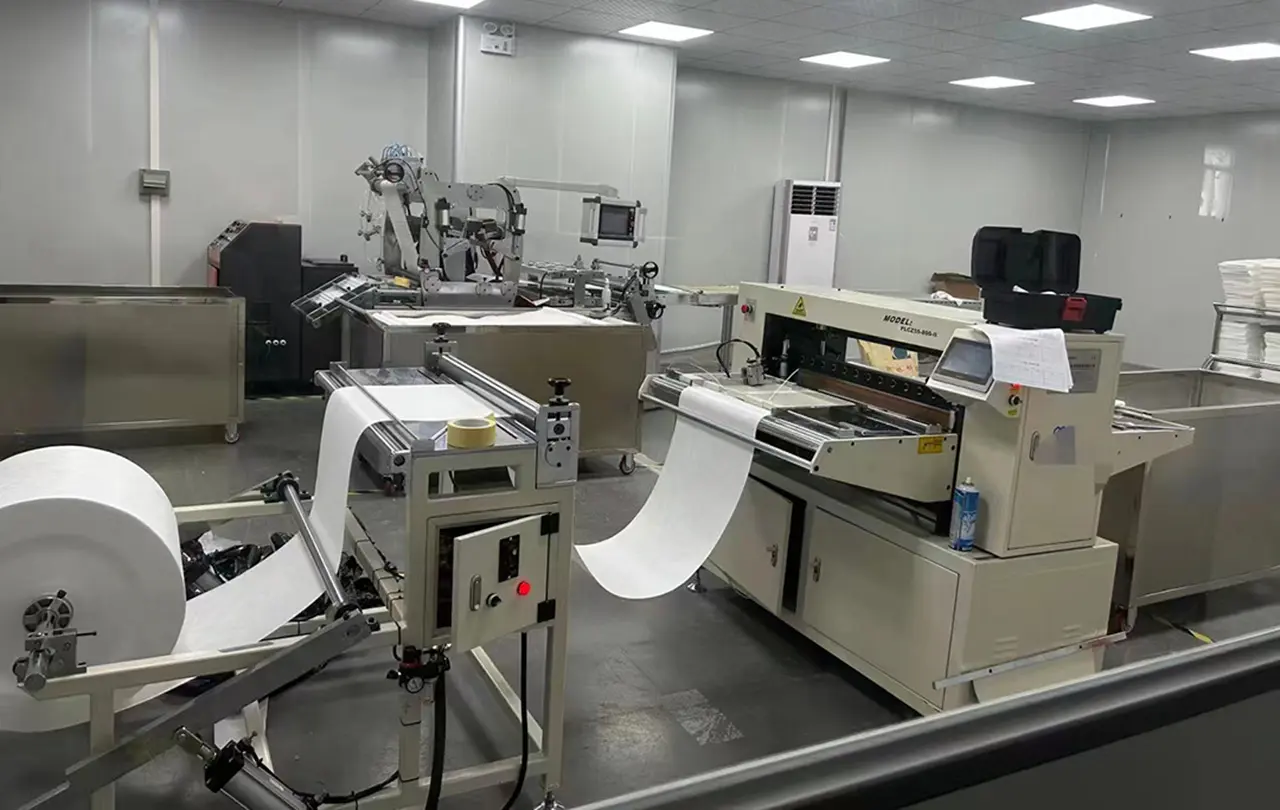
Having 15 years of international air purification technology experience as the background, our company has standardized production workshop, dust-free filter workshop and first-class technology of HEPA filters production line and inspection line, independent research and development of fully automatic air filter production line, equipped with AMADA CNC punch and CNC bending machine as well as many other advanced high-end equipment, provide a strong guarantee for production and quality of air filtration and purification products.
A closer look at our state-of-the-art manufacturing floor, optimizing cleanroom filters production with precision automated pleating, gluing, and compounding lines.
A comprehensive analysis of Photocatalytic Oxidation (PCO) mechanisms, molecular degradation pathways, and integration paradigms in modern HVAC and air-purification architectures.
Photocatalyst filters utilize semiconductor substrates, typically nano-sized Titanium Dioxide (TiO₂), activated by specific light wavelengths (primarily Ultraviolet UV-A or UV-C). When photons of energy equal to or greater than the bandgap of TiO₂ strike the surface, electron-hole pairs ($e^-/h^+$) are generated. The holes oxidize moisture in the air to create hydroxyl radicals ($•\text{OH}$), while the electrons reduce atmospheric oxygen to superoxide anions ($•\text{O}_2^-$). These Reactive Oxygen Species (ROS) are powerful, non-selective oxidizing agents that chemically degrade surrounding organic compounds.
Unlike standard particulate filters or passive carbon adsorption units that merely trap molecules, photocatalytic filters break down dangerous Volatile Organic Compounds (VOCs) like formaldehyde, benzene, toluene, and xylene. The hydroxyl radicals attack the organic molecular structures, progressively fracturing carbon-carbon bonds. Through a series of intermediate steps, toxic gases are mineralized into harmless trace amounts of Carbon Dioxide ($\text{CO}_2$) and Water ($\text{H}_2\text{O}$), eliminating filter saturation risks and preventing secondary pollutant desorption.
The destructive oxidation capability of photocatalysis extends directly to cellular membranes and viral envelopes. Hydroxyl radicals interact with lipopolysaccharides in bacterial outer layers and glycoprotein spikes on viruses (such as H1N1 and influenza strains). The cellular envelope is structurally compromised, causing cytoplasmic leakage, protein denaturation, and total fragmentation of the internal RNA/DNA. This results in a sterile, self-cleaning filter media that inhibits biological colonization and eliminates virus viability with an efficiency rating up to 99.99%.
Adapting photocatalyst filtration media across global regions to meet local air quality standards, regulatory climates, and industrial building requirements.
In highly regulated commercial complexes across North America, our aluminum honeycomb photocatalyst modules integrate directly inside standard air handling units (AHUs). They work alongside MERV 13 to MERV 16 filters to satisfy ASHRAE 62.1 indoor air quality guidelines. By utilizing the existing HVAC air circulation and installing low-power UV-A LED arrays, buildings achieve continuous VOC abatement without creating significant system pressure drops.
For European microelectronics facilities and laboratory cleanrooms, maintaining low volatile compound levels is essential to prevent chemical molecular contamination (AMC). Here, our photo-catalytic filters are combined with ultra-low penetration air (ULPA) systems. Operating in compliance with ISO 14644-8 classifications, these systems prevent gaseous byproducts from depositing onto semiconductor wafers and sensitive laboratory samples.
In highly populated clinical areas throughout East Asia, control of airborne pathogens is a priority. Snow Peak's combined photocatalyst and antiviral HEPA filters are utilized in hospital negative-pressure isolation wards, dental clinics, and public transport hubs. They continuously kill H1N1, influenza, and bacterial spores, maintaining clean indoor environments and reducing the risk of cross-infection in high-traffic zones.
Leveraging Shenzhen's advanced logistics infrastructure, automated manufacturing capability, and stringent quality control protocols to supply international markets.
Strategically situated in Shenzhen, our manufacturing plant benefits from a robust regional supply network. We source raw materials directly, including high-purity titanium dioxide coatings, non-woven backing layers, and robust aluminum honeycomb frameworks. With automated high-precision pleating assemblies, specialized gluing lines, and metalworking capabilities via AMADA CNC machinery, we maintain production quality and ensure short turnaround times even for high-volume orders.
Our facility implements strict quality controls, auditing raw materials and testing finished filters under simulated operating velocities. Our direct access to the ports of Shenzhen and Hong Kong guarantees stable delivery schedules for distributors and HVAC contractors worldwide.
Pioneering research in visible-light activation and hybrid catalytic frameworks to drive next-generation, sustainable air purification systems.
Traditional photocatalysts require UV light sources to cross their 3.2 eV bandgap. Our development roadmap focuses on transition-metal and anion doping (using nitrogen, carbon, and iron particles) to lower the activation threshold. This allows the photocatalyst to use visible indoor light (LEDs or sunlight), eliminating the need for separate UV lamps and reducing operating costs.
By pairing photocatalysts with ozone-depleting materials (such as Manganese Dioxide, MnO₂) and customized activated carbon fibers, we are engineering hybrid filters. These configurations capture particulate matter, neutralize ozone, degrade organic gases, and eliminate viruses within a single filtration step, reducing physical system size and pressure drop.
Modern ventilation units increasingly rely on real-time sensor feedback. We are designing intelligent modules that interface with building management systems (BMS). When VOC and pathogen concentrations rise, the system automatically scales UV intensity, conserving energy during periods of low room occupancy and extending the service life of both filters and light sources.
Snow Peak air filtration products are built to meet rigorous global standards, ensuring safety, compatibility, and high operational performance.
Our cylindrical and mini-pleat HEPA filters undergo strict testing to verify absolute particulate capture rates under varying face velocities, satisfying key European and international standards.
We ensure that all active filter assemblies meet electrical and safety requirements (CE) and comply with RoHS directives to guarantee chemical and environmental safety.
Our photocatalytic oxidation processes are engineered to operate without emitting harmful byproducts, meeting UL 867 requirements for ozone-safe indoor environments.
Our quality verification processes check every stage of production, from analyzing raw non-woven materials to ensuring correct TiO₂ coating densities on our honeycomb and mesh substrates. Combined with specialized automated lines and CNC tooling, this ensures consistent, reliable performance for high-volume wholesale supply.
Get answers to common queries regarding the installation, maintenance, operating principles, and overall performance of photocatalyst filters.
Activated carbon filters work by physical adsorption, capturing gas molecules within their pore structures. Over time, these pores saturate, which can lead to chemical desorption and release pollutants back into the air. In contrast, photocatalyst filters actively oxidize and break down organic gases (VOCs) into simple water and carbon dioxide, offering continuous degradation without saturation risks.
Our standard titanium dioxide (TiO₂) photocatalyst filters are optimized for UV-A (wavelength range 365nm to 385nm) and UV-C radiation. When integrated into HVAC systems or air purifiers, installing a suitable UV light source alongside the filter is necessary to trigger the photocatalytic reaction.
No. Our photocatalysis process relies on titanium dioxide (TiO₂), which does not generate ozone. In fact, photocatalytic oxidation can help reduce ambient ozone levels by converting ozone molecules ($O_3$) into oxygen ($O_2$) on the catalyst surface.
The titanium dioxide catalyst itself acts as a reaction promoter and is not consumed during operation. However, the accumulation of dust and grease on the filter surface can block light absorption and reduce efficiency. In typical commercial and HVAC settings, we recommend inspection and replacement every 12 to 24 months, depending on the pre-filtration quality and dust levels.
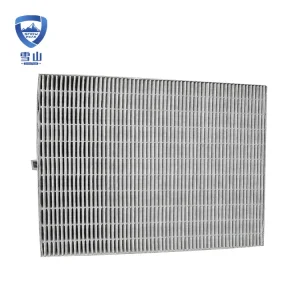
Aluminum honeycomb substrates feature a straight-through channel design, offering lower resistance to airflow compared to dense, pleated HEPA media. This allows photocatalyst honeycomb filters to be integrated into HVAC lines without requiring high-power fan upgrades, helping to maintain energy-efficient operations.
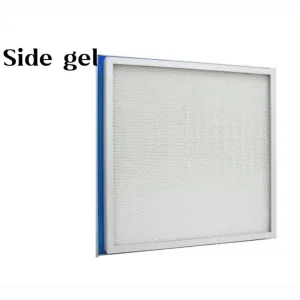
Explore our complete range of specialized cleanroom air filters, gel-seal models, carbon compounds, and pre-filtration media.
 Snow Peak