Engineered to withstand the demanding regulatory requirements of the Antwerp-Bruges Port area and high-tech cleanroom operations.
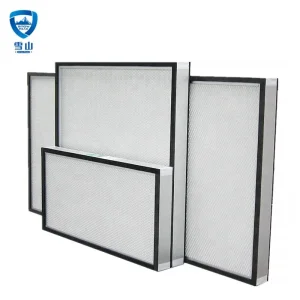
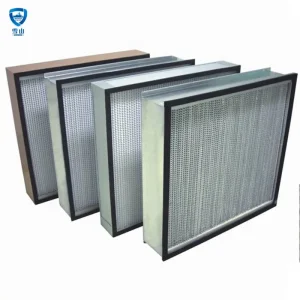
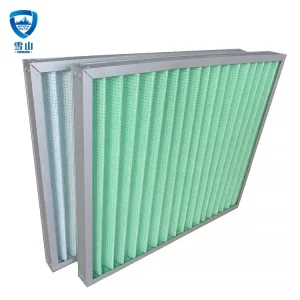
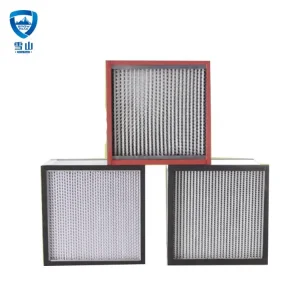
The Port of Antwerp-Bruges represents the second-largest chemical cluster in the world and Europe’s primary maritime hub. This concentration of heavy petrochemical manufacturing, fine chemical synthesis, global logistics terminal operations, and advanced pharmaceuticals creates a highly complex atmosphere. Air filtration here is not merely about comfort; it is a critical variable in regulatory compliance, process control, and occupational safety.
Ambient air in Antwerp contains elevated levels of fine particulates (PM2.5 and PM10), sulfur compounds, nitrogen oxides, and diverse volatile organic compounds (VOCs). For facilities operating cleanrooms, high-temperature reactors, or commercial HVAC systems within this zone, high-performance air filtration is essential. It prevents contamination of ultra-sensitive processes, protects HVAC heat exchangers from clogging, and ensures compliance with strict European environmental agencies like the Flemish Environment Agency (VMM).
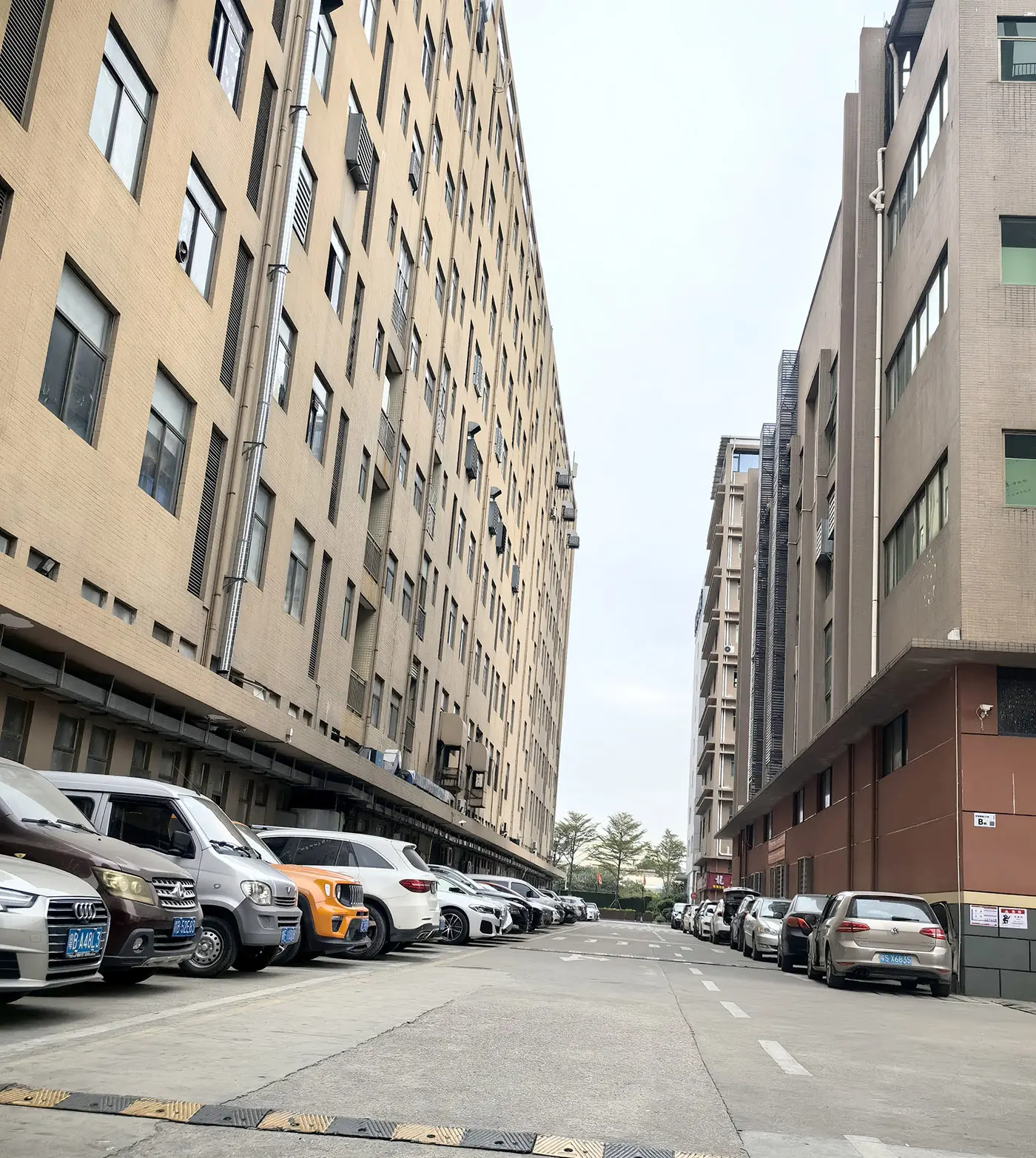
A globally integrated high-tech enterprise dedicated to advanced R&D, ISO-standard production, and technical distribution of high-efficiency air filters.
Backed by over 15 years of international air purification engineering, our organization is equipped with state-of-the-art cleanroom manufacturing, automated testing lines, and precise metalworking machinery including AMADA CNC punches and bending stations. This vertically integrated manufacturing guarantees absolute consistency in housing geometry and seal integrity, which are critical parameters for HEPA and ULPA filtration.
Our product portfolio covers the entire filtration spectrum: Pre-filters, synthetic pocket filters, HEPA/ULPA filters, and specialized chemical media filters. Additionally, we manufacture cutting-edge filter media, such as composite melt-blown structures and customized carbon layers, ensuring our filters achieve high dust-holding capacities while maintaining low operating pressure drops.
Our proprietary sterilizing antiviral HEPA filter represents a significant leap forward in bio-safety. Utilizing customized antimicrobial treatments, it achieves a 99.9% bacterial sterilization rate and eliminates 99.99% of H1N1 viruses, ensuring that cleanrooms and public facilities are protected against biological contaminants without generating secondary pollution.
Our production facilities utilize automated machinery and rigid quality assurance frameworks to exceed European and international standards (EN 1822 & ISO 16890).
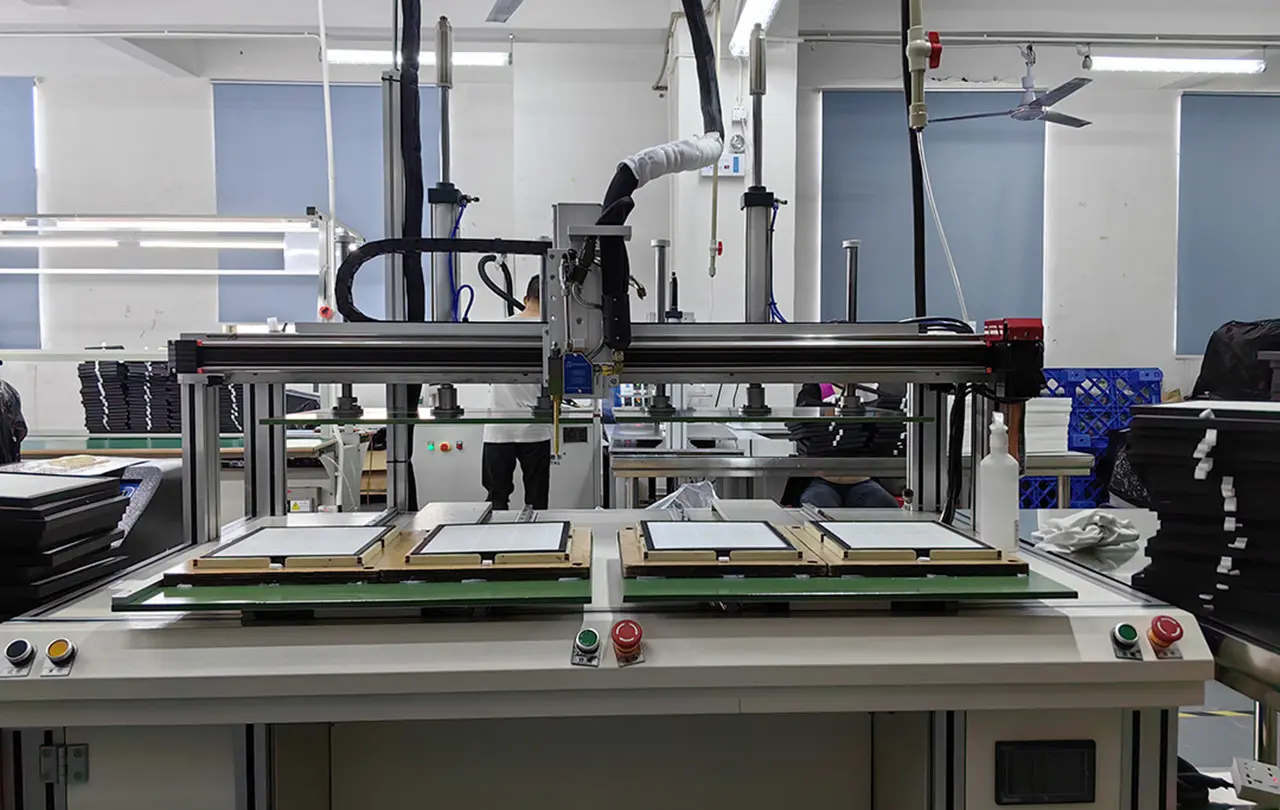
Ensures leak-free frames and continuous polyurethane sealant distribution, preventing bypass air leakages in critical HEPA applications.
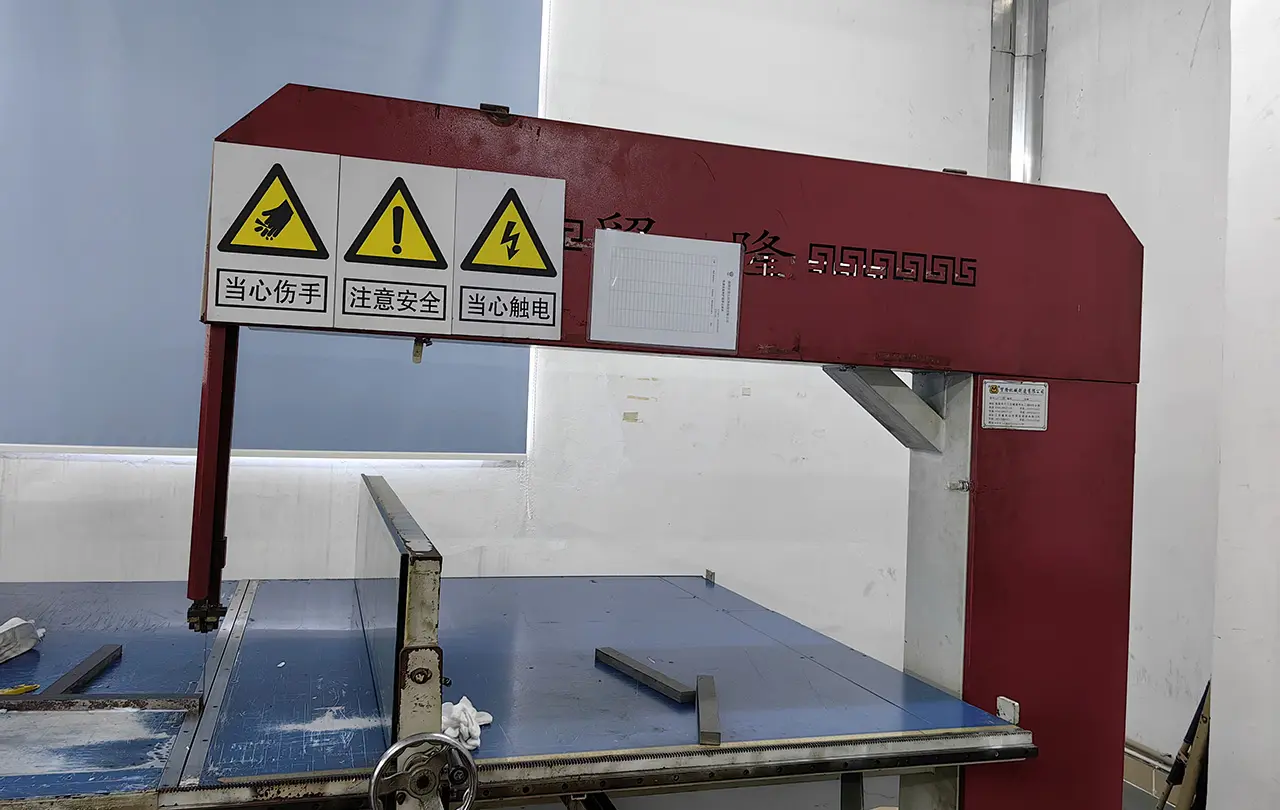
Utilizing high-precision automated shearing and punching to shape robust stainless steel, galvanized, and aluminum alloy filter frames.
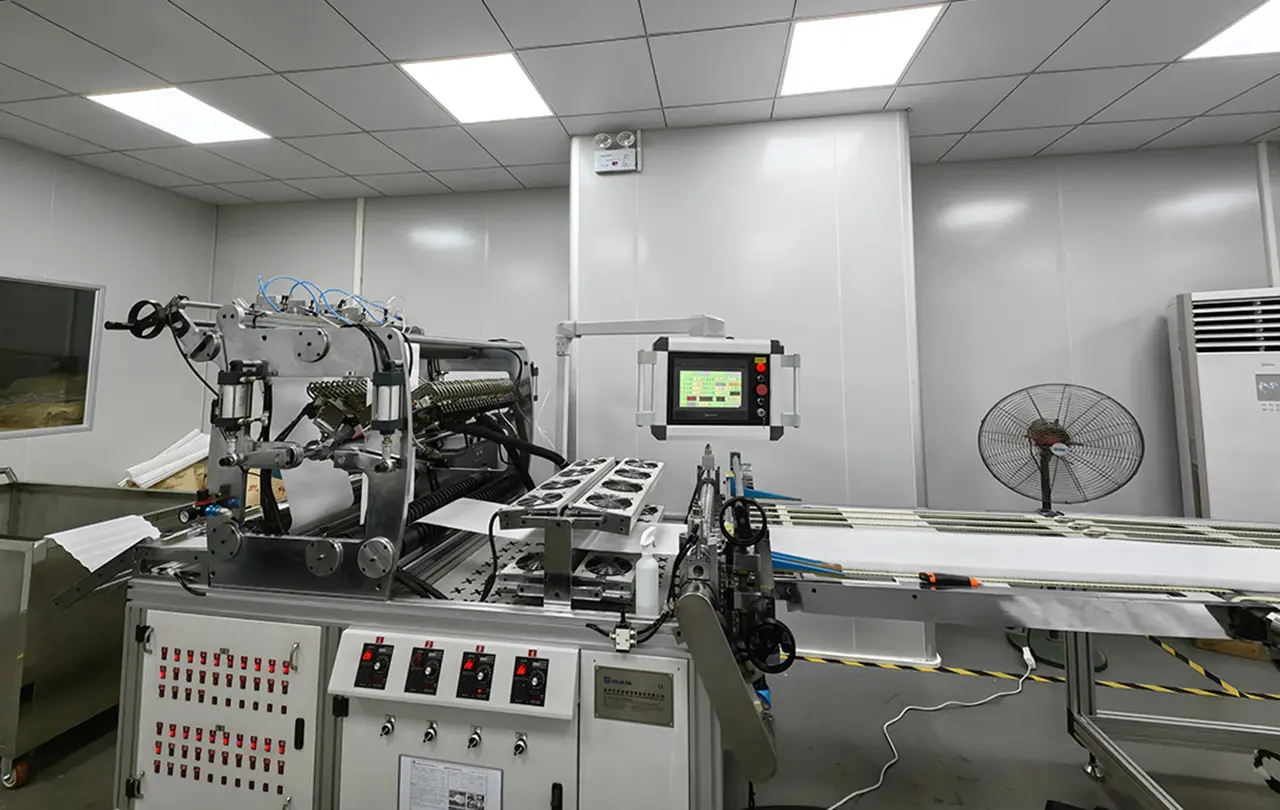
Specialized liquid gasketing and visual inspection ensuring optimal physical properties and fit for commercial cleanroom systems.
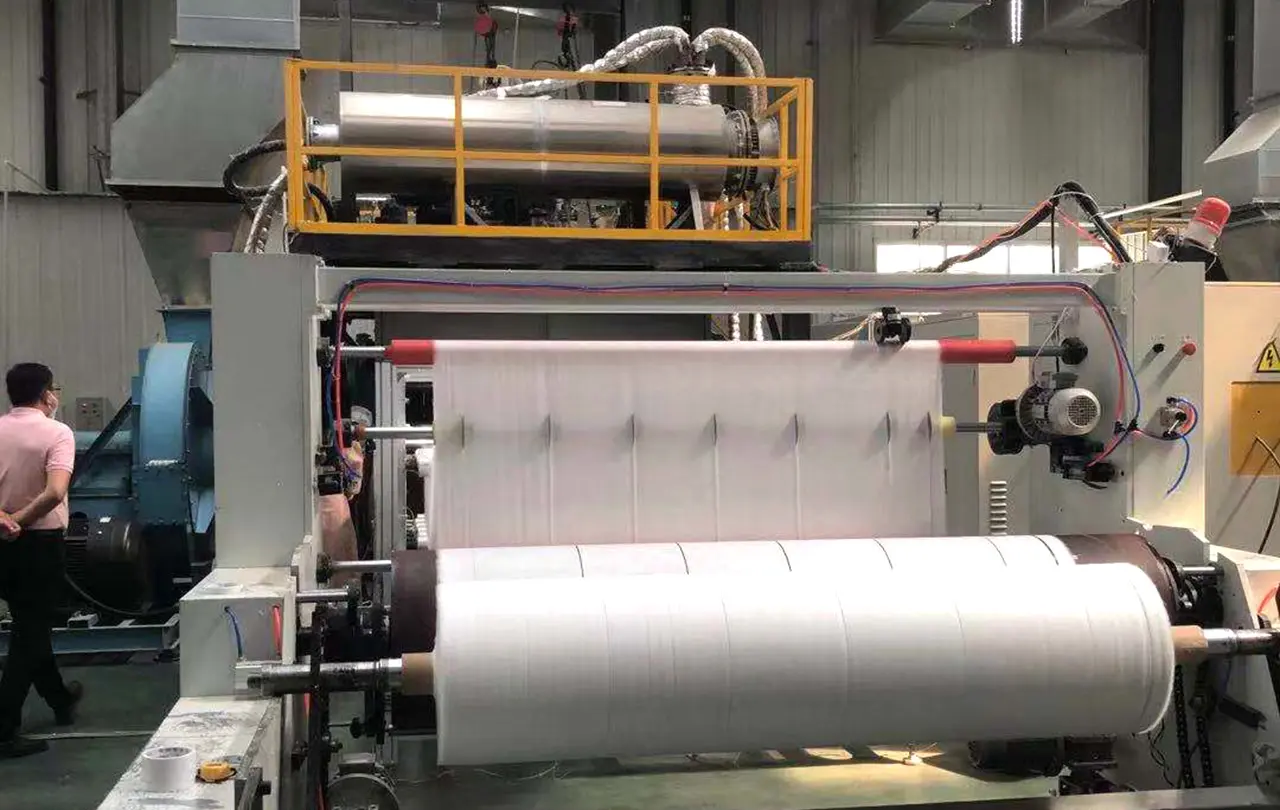
Integration of electrostatic meltblown layers with structural synthetics to balance particulate capturing efficiency and initial resistance.
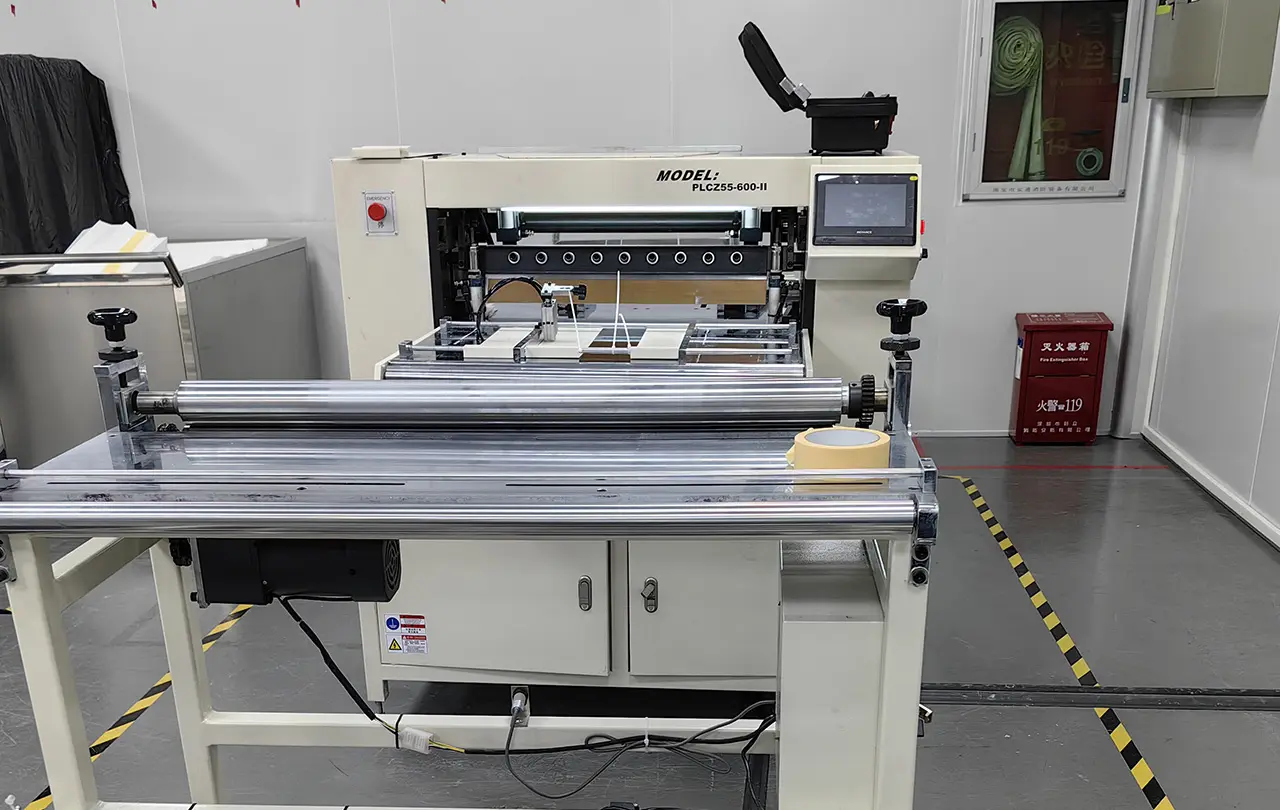
Hot-melt separation technology ensures optimal pleat geometry, maximizing the effective surface area and increasing dust-holding capacity (DHC).
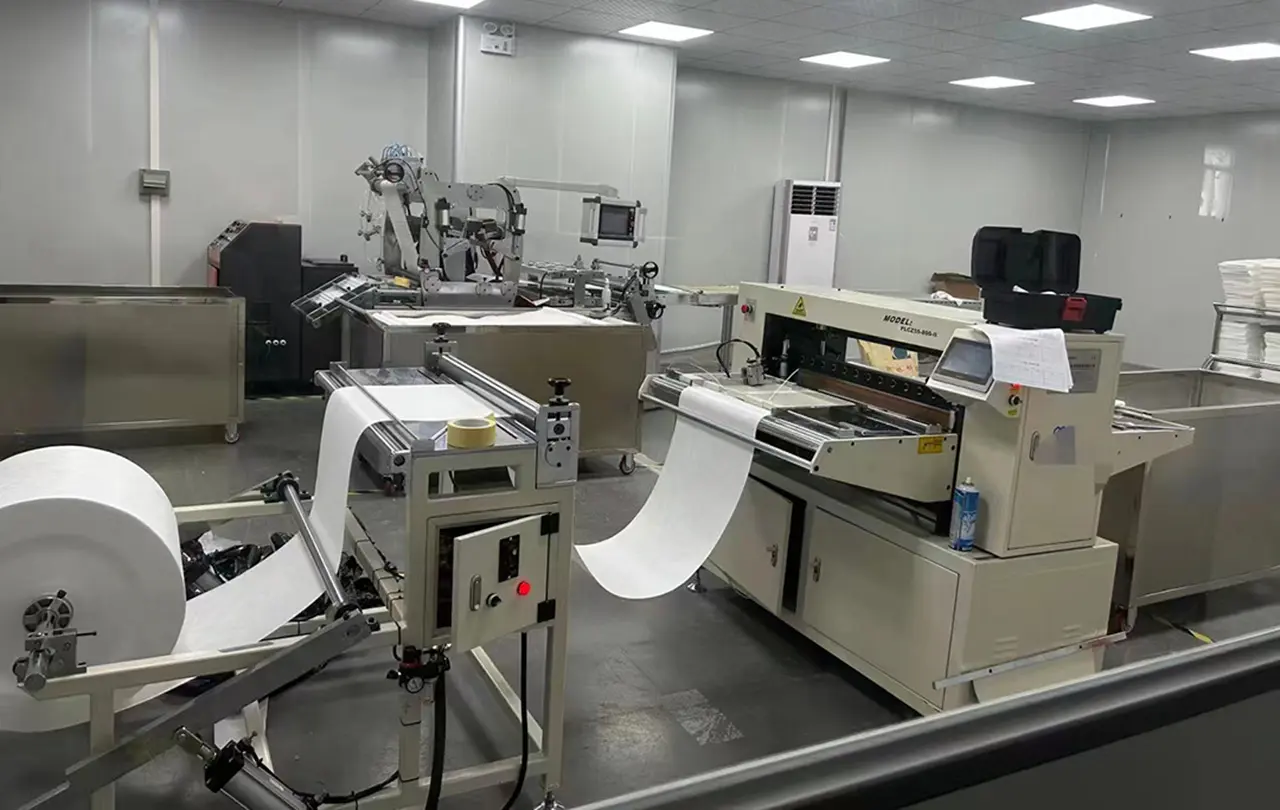
Applies aluminum foil or structured paper separators for heavy-duty industrial applications requiring high structural integrity and high airflow.
In modern industrial air management, selecting the appropriate filter class dictates the operational longevity of your entire HVAC and process array. The shift from standard EN 779 (G1-F9) to ISO 16890 evaluates filters based on fractional efficiency against particulate size fractions (PM1, PM2.5, PM10). This yields realistic performance data in real-world environments, such as the soot-heavy docks of Antwerp.
For cleanroom structures (microelectronics, pharma, and bio-containment), EN 1822 (H13 to U17) remains the gold standard, testing filters at their Most Penetrating Particle Size (MPPS). Because fan energy consumption accounts for over 70% of a facility's HVAC lifecycle cost, utilizing filters certified for low dynamic pressure drops can reduce annual electricity expenditures by thousands of Euros.
| Filter Classification | Testing Standard | Typical Efficiency Range | Antwerp Industry Target Application |
|---|---|---|---|
| ISO Coarse / G3-G4 | ISO 16890 / EN 779 | Arrestance > 90% (Coarse dust) | Primary HVAC pre-filters, marine engine intake protection |
| ISO ePM1.0 (F7-F9) | ISO 16890 / EN 779 | ePM1 > 50% to 90% | Secondary filtration for chemical facilities, commercial offices |
| HEPA H13 - H14 | EN 1822 / ISO 29463 | 99.95% - 99.995% at MPPS | Pharmaceutical sterile labs, BIBO safety exhaust housings |
| Molecular / Carbon | ISO 10121 | Adsorption of VOCs & Acid Gases | Petrochemical plant emission control, odor abatement |
Providing specialized technology designed for the harsh conditions of maritime shipping, chemical manufacturing, and sterile pharmacology.
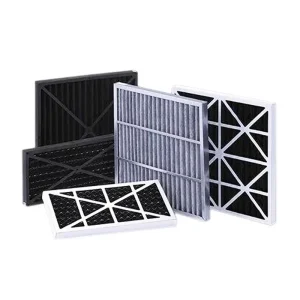
The vast refining facilities in Antwerp generate volatile organic compounds, hydrogen sulfide, and acidic vapors. Standard particulate filters are insufficient here. Our laminated carbon and gas-adsorption pleated filters use customized media to neutralize corrosive gases, protecting delicate electronics, control rooms, and turbines from corrosion while reducing ambient emissions.
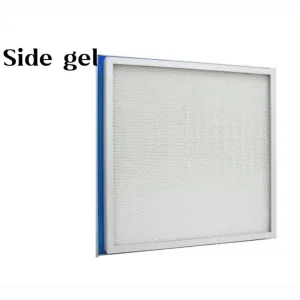
With major global life sciences companies operating in Flanders, preventing micro-biological contamination is critical. Our Gel-Seal liquid tank HEPA filters establish a zero-bypass seal in laminar flow ceilings. Combined with our antiviral HEPA media, they provide a sterile environment that meets Annex 1 GMP requirements for sterile medicinal production.
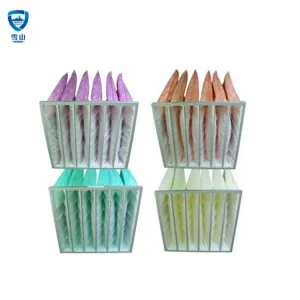
Ship exhausts in the dock areas release heavy concentrations of diesel soot and sub-micron particulates, while proximity to the North Sea introduces moisture and salt spray. Standard cardboard filters quickly collapse under these conditions. We supply synthetic bag filters (M6 to F9) and rigid plastic-framed W-Bank filters that resist moisture and salt corrosion while maintaining high airflow rates.
Facilities handling hazardous compounds or high-potency active pharmaceutical ingredients (APIs) require secure air containment. Our PVC Bag-In-Bag-Out (BIBO) systems allow operators to change contaminated filters without exposing themselves or the surrounding environment to hazardous particulates, guaranteeing local regulatory compliance.
Receive engineered solutions conforming to European EN 1822 / ISO 16890 standards with tailored support.
Send Inquiry NowExplore our main product series, customizable in dimension, frame material, and media design to match your facility's exact requirements.
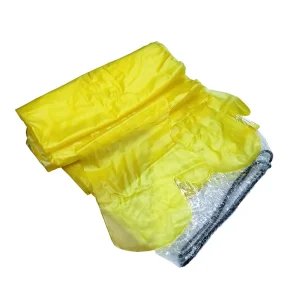
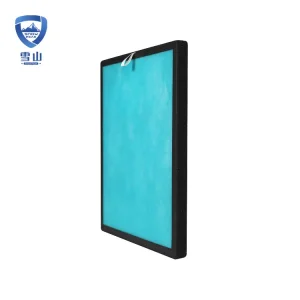
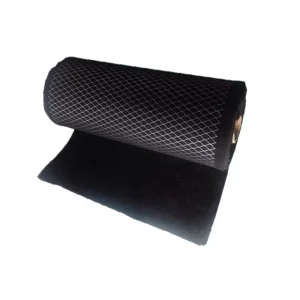
The industrial landscape is moving toward smart, energy-efficient filtration. Our future product designs focus on integrating differential pressure sensors and IoT-linked monitoring. These technologies allow plant operators in Antwerp to track filter health in real time, shifting maintenance schedules from fixed intervals to predictive, status-based routines. This approach helps prevent unexpected pressure drops, lowers energy usage, and avoids sudden contamination risks.
Furthermore, as sustainability becomes a key priority for European industries, we are focusing on recyclable frames and eco-friendly filter media. This helps local plants align with circular economy goals, reducing both carbon footprint and disposal costs without compromising on filtration performance.
Essential technical insights concerning industrial air filtration logistics, specifications, and local installation standards.
All industrial air filters imported into the European market, including Antwerp, must comply with ISO 16890 for general ventilation (replacing EN 779) and EN 1822 for high-efficiency HEPA/ULPA applications. CE certification is necessary for electrical systems, such as air purifiers and humidification units. Our manufacturing processes conform strictly to these frameworks, with certificates available upon request.
Antwerp Port exhibits high concentrations of marine salt aerosols and soot from ships. Salt aerosols are hygroscopic and can cause standard paper-based filters to lose structural integrity. We recommend choosing moisture-resistant synthetic media with ABS frames (like our W-Bank ventilation series) to prevent collapse and maintain filtration efficiency.
Standard neoprene or EPDM gaskets rely on mechanical compression to prevent bypass air. Over time, these gaskets can warp or degrade, risking leakage. Gel Seal HEPA filters utilize a fluid polyurethane gel channel that interfaces with a knife-edge frame, creating a self-healing, air-tight seal that is highly suited for pharmaceutical and biological cleanrooms.
Energy consumption is directly tied to the filter's initial and operational differential pressure. Choosing filters with optimized pleat geometry and advanced synthetic media provides a larger dust-holding surface area. This keeps the pressure drop low over the filter’s lifespan, reducing fan energy requirements while maintaining clean air delivery rates.
Yes. Our manufacturing facilities are equipped with versatile CNC cutting and pleating machines, enabling us to custom-build frames and media packs to fit non-standard configurations. This is ideal for retrofitting older manufacturing facilities in Antwerp without requiring expensive alterations to existing ductwork.
Get in touch with our team for detailed product specifications, custom sizing, and volume pricing tailored for the Antwerp market.
Send Inquiry Now Snow Peak