Engineered for high-volume airflow and reliable dust extraction in Serbia's diverse production facilities.
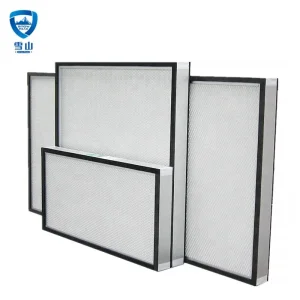
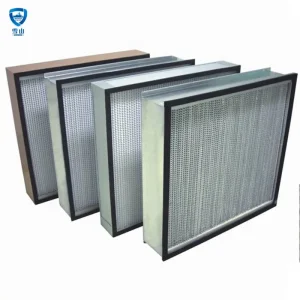
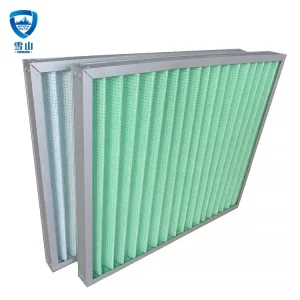
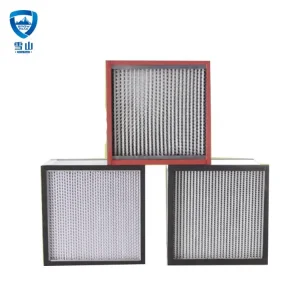
Serbia is rapidly transforming into a prominent manufacturing and industrial hub in South-Eastern Europe. Driven by the expansion of the automotive cluster in Kragujevac, pharmaceutical laboratories in Vršac, electronics assembly plants in Niš, and heavy metallurgical complexes across Pančevo and Bor, the demand for high-quality filtration systems has surged. Modern industries require air filters that protect machinery, maintain sterilized cleanroom environments, and ensure strict alignment with European standards (such as EN 779, EN 1822, and ISO 16890).
Furthermore, Serbia’s transposition of the EU Environmental Acquis places strict limits on particle emissions (PM10 and PM2.5). Whether it is the control of corrosive copper refinery dust or chemical contaminants in rubber synthesis plants, deploying high-capacity industrial filter media is critical for long-term operational success.
Download Serbian Market Case StudiesHow localized high-performance air filtration mitigates downtime and complies with European standards:
The global filtration market is undergoing a significant transition toward sustainability. Energy-consuming HVAC systems in factories account for approximately 30-40% of standard plant utility bills. In high-standard facilities, static resistance (pressure drop) caused by low-quality filters can double electrical bills overnight. By using high-performance mini-pleated HEPA and primary media, organizations can maintain high particulate removal efficiency while reducing resistance and energy consumption.
Internationally, the adoption of ISO 16890 has redefined classification. Filters are categorized into ePM1, ePM2.5, and ePM10 based on their ability to capture fractional particle sizes. Meanwhile, cleanrooms in critical industries (like semi-conductors and bio-pharmaceuticals) utilize the EN 1822 standard (ranging from H13 to U17 grades) to perform leak tests using DOP/DEHS aerosols. Meeting these metrics is crucial for Serbian exporters shipping finished goods back to Western Europe.
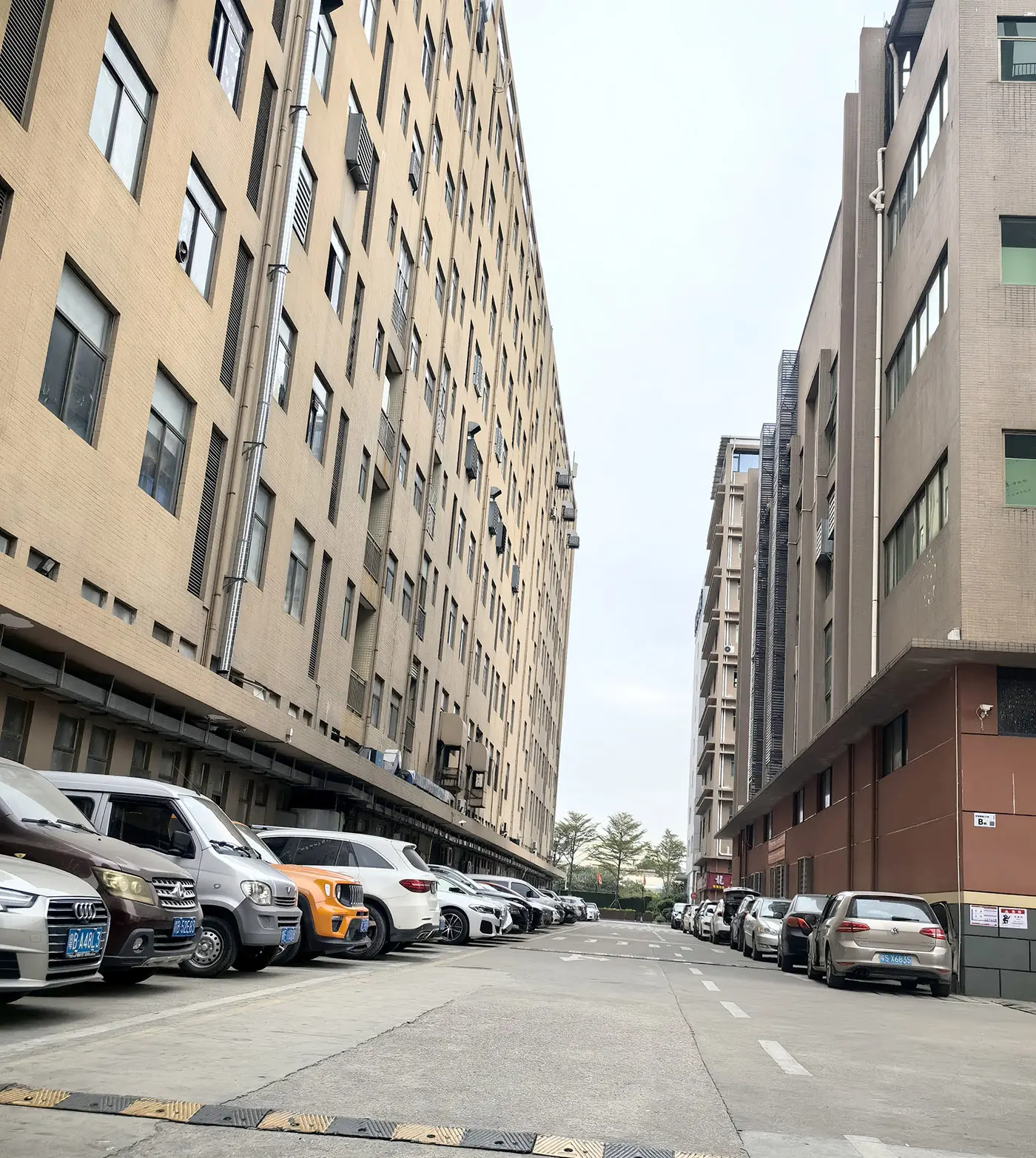
Shenzhen Snow Peak Clean Technology Co., Ltd. is an integrated high-tech enterprise, specialized in air filtration products research and development, production, sales, import and export trade. We produce and supply: Pre-filter, pocket filter, HEPA filter, chemical filter; replacement HEPA filter, car cabin air filter, humidifier filter; pocket filter media, melt-blown composite filter media, and other high-performance filter materials; provide high quality air purification solutions and products for indoor air pollution control and air conditioning systems of civil and industrial buildings, microelectronics, pharmaceutical, laboratory, school, hospital clean room etc.
Combined with self-developed patented technology, our sterilizing antiviral HEPA filter can effectively filtrate fine particles, so that PM2.5 concentration down to 10 micrograms/m3, 5 times better than national standard; effectively inhibit the breeding of microorganisms, sterilization rate up to 99.9%, and no secondary pollution, removal of H1N1 virus efficiency as high as 99.99%.
Having 15 years of international air purification technology experience as the background, our company has standardized production workshop, dust-free filter workshop and first-class technology of HEPA filters production line and inspection line, independent research and development of fully automatic air filter production line, equipped with AMADA CNC punch and CNC bending machine as well as many other advanced high-end equipment, provide a strong guarantee for production and quality of air filtration and purification products.
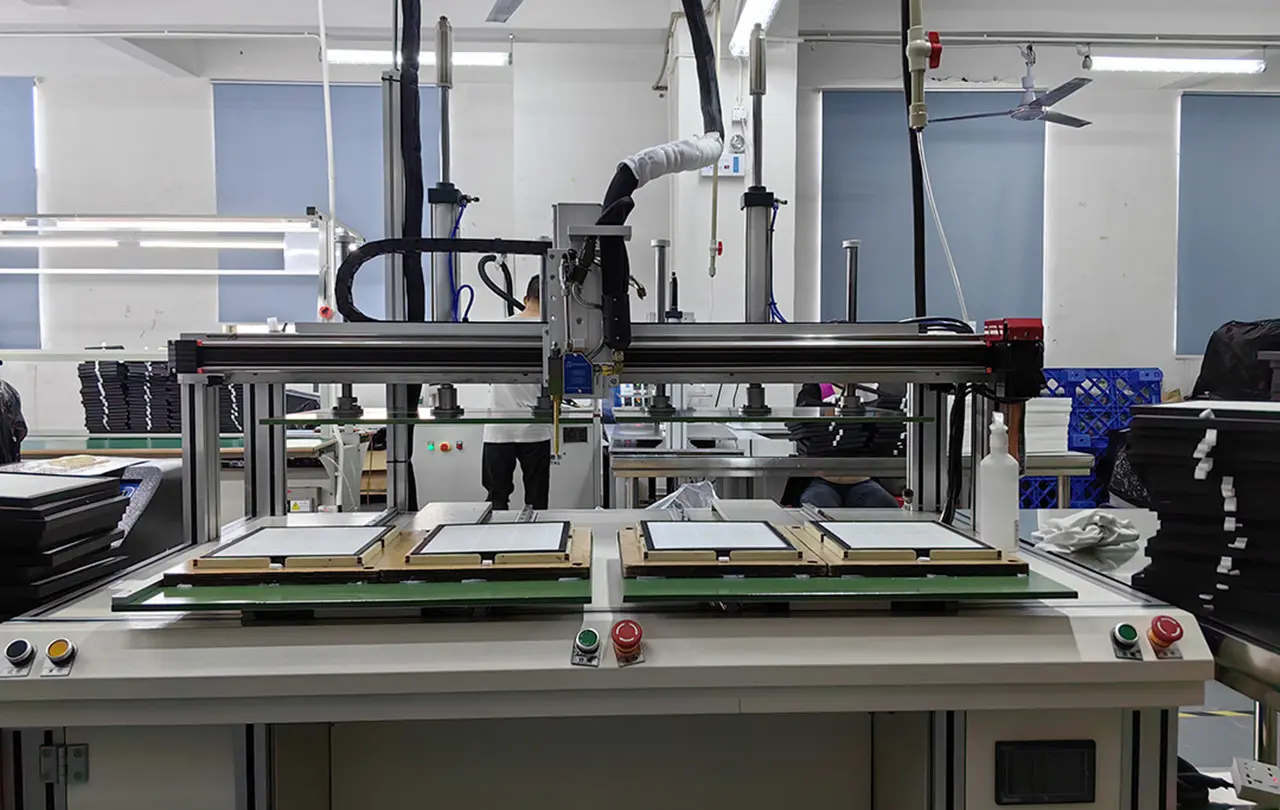
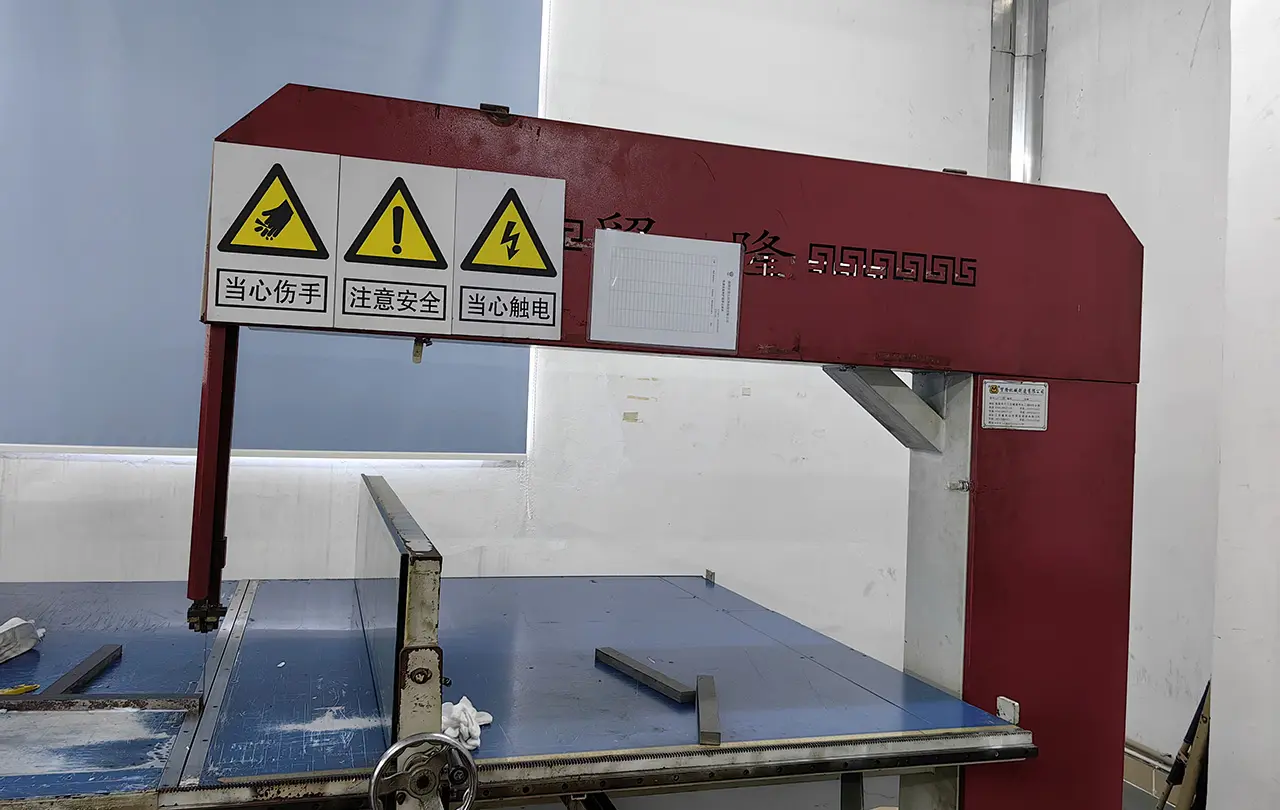
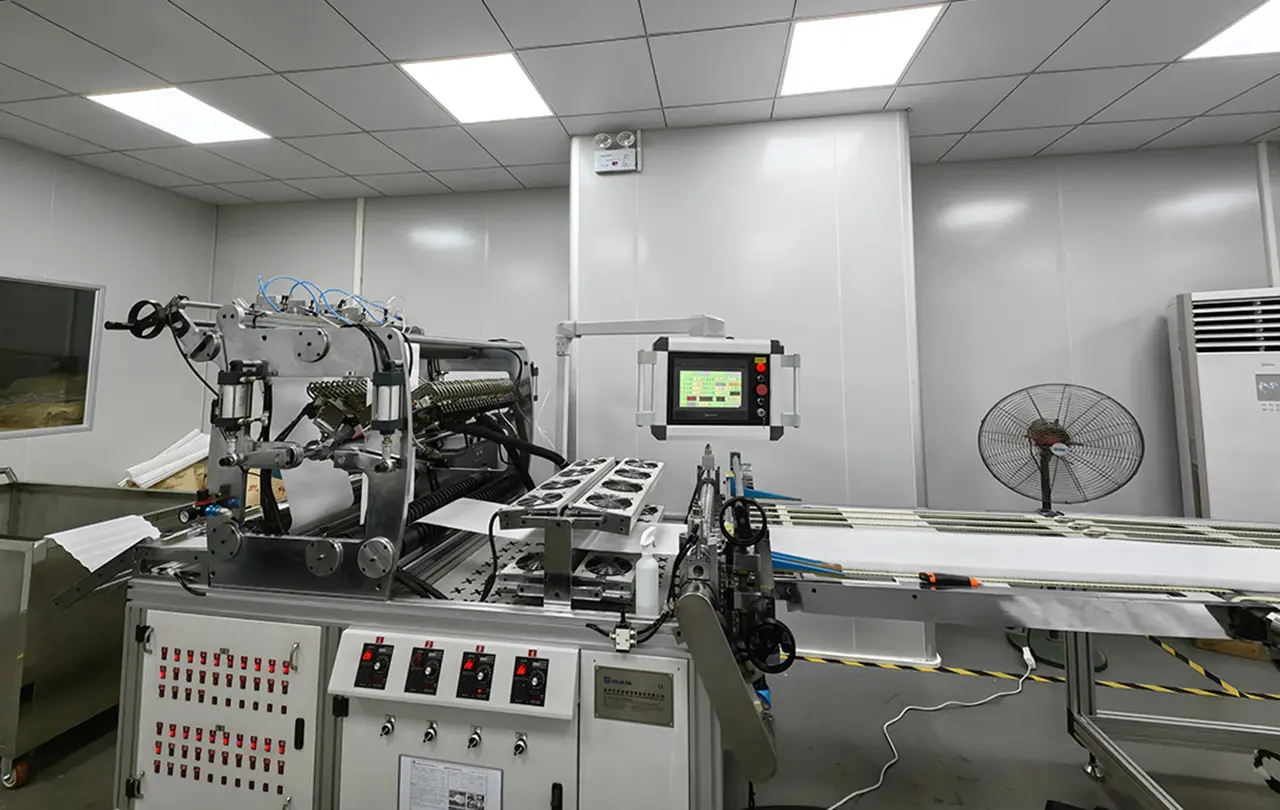
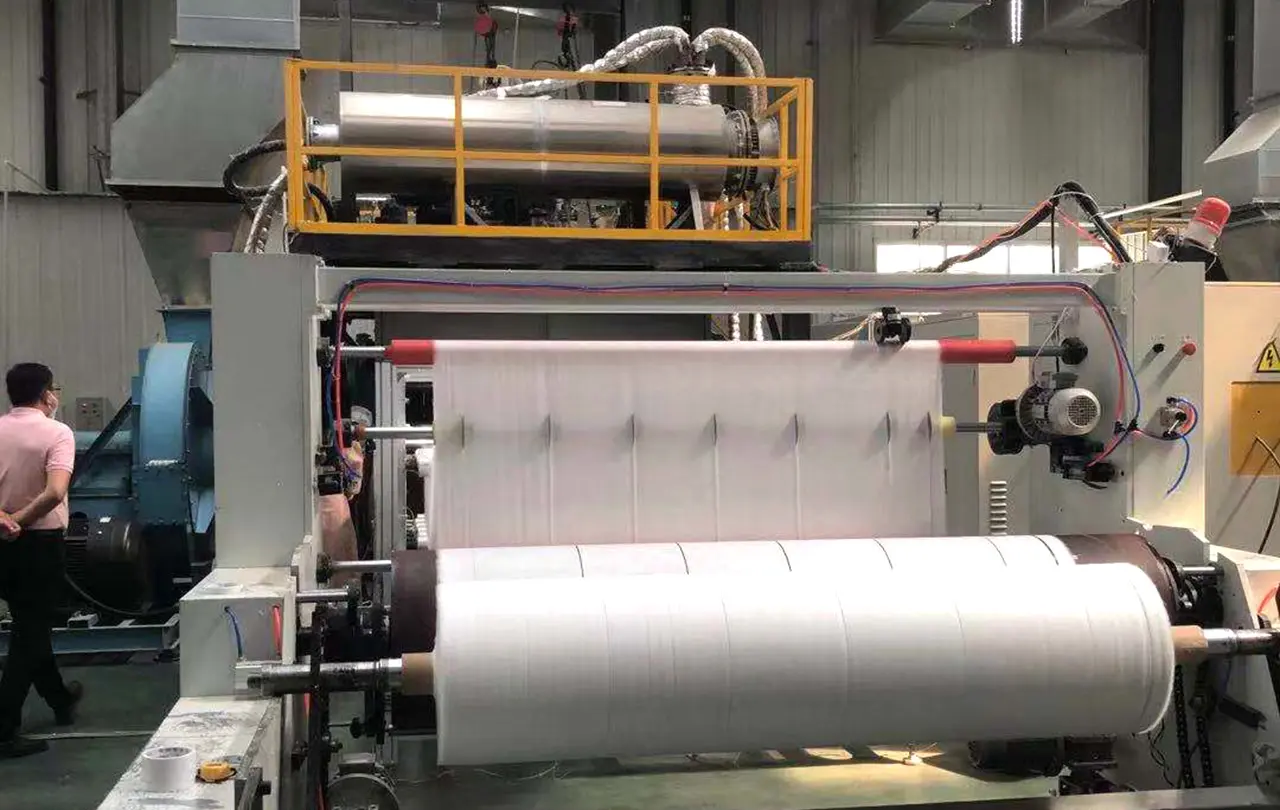
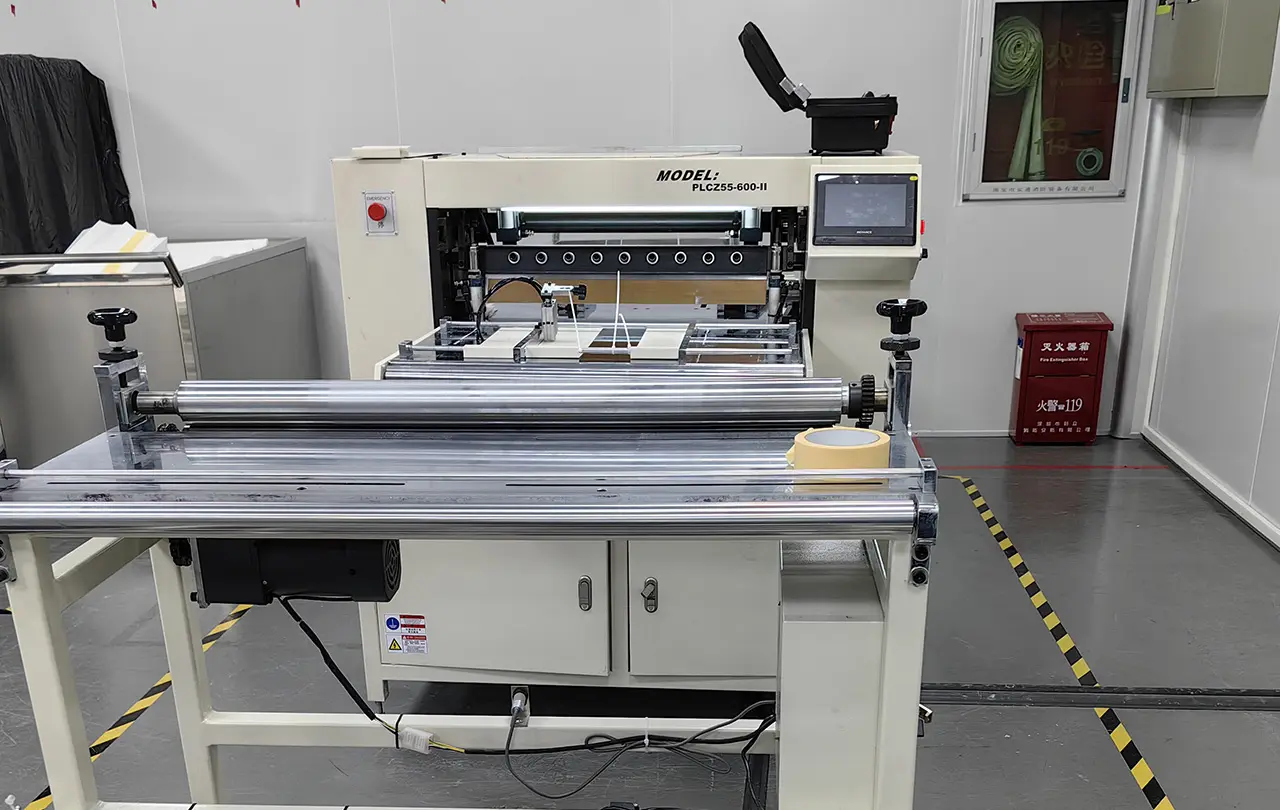
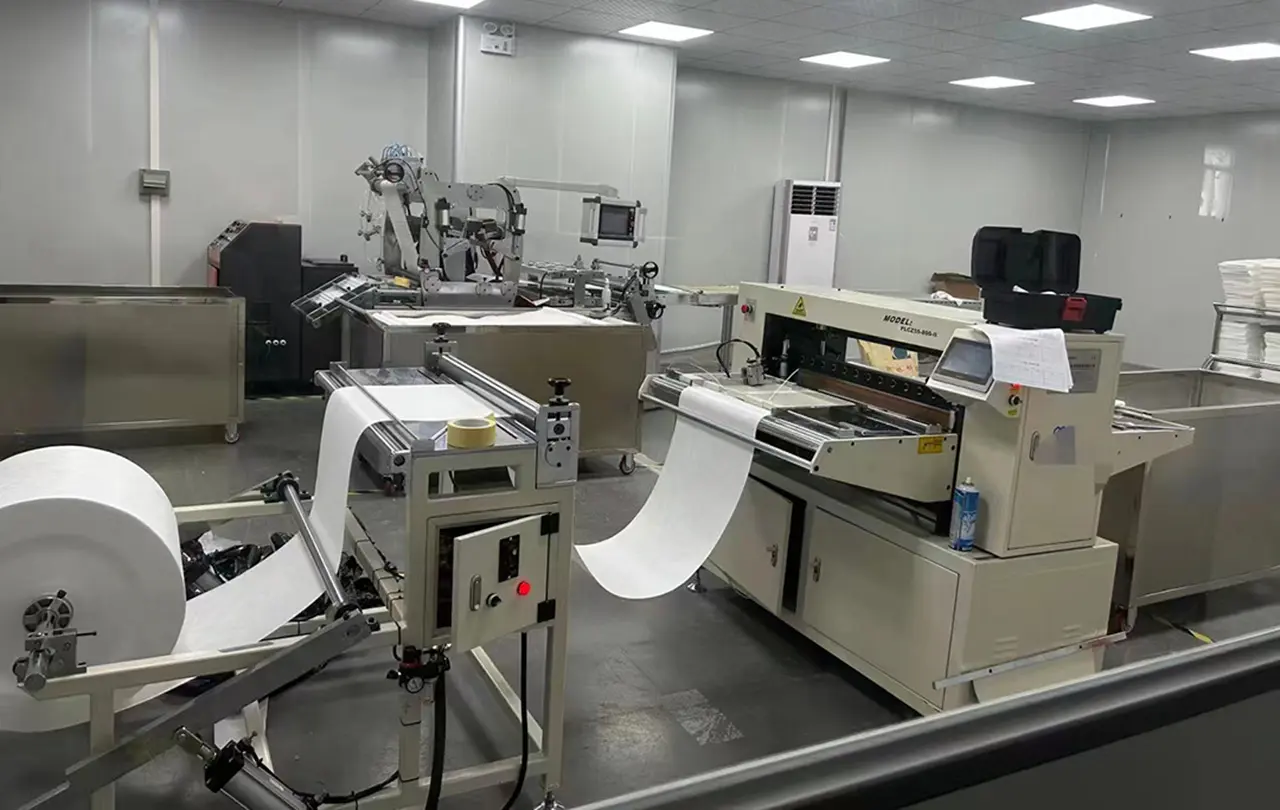
Collaborating directly with a state-of-the-art Chinese manufacturer like Shenzhen Snow Peak Clean Technology provides Serbian companies with several strategic advantages:
Our self-developed sterilizing antiviral HEPA filter line is engineered to capture microscopic particulates and neutralize active biological contaminants on contact. Tested extensively, it ensures zero secondary shedding and handles high-volume airflow setups with minimal degradation.
Contact Our EngineersHow we customize industrial filtration to meet the specific requirements of Serbian businesses.
Pharmaceutical processes require strict containment to prevent contamination. Liquid tank gel seal filters and deep-pleat HEPA setups ensure sterile, laminar airflow that satisfies WHO GMP and European cleanroom requirements.
Ensuring dust-free spray operations is critical for paint finish quality. Utilizing progressive-structure G4 pocket filters and high-temperature panel filters keeps airborne particles from settling on surfaces, reducing rework costs.
Clean air is essential during packaging to extend product shelf-life. Active carbon pre-filters and pocket filtration systems capture dust and organic vapors, preventing microbial growth and contamination.
A comprehensive range of high-efficiency filters designed to optimize airflow and lower energy consumption.
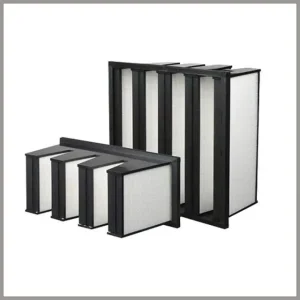
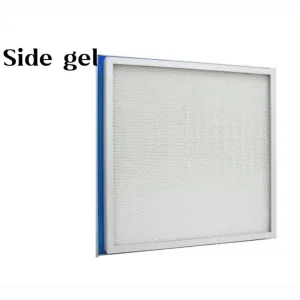
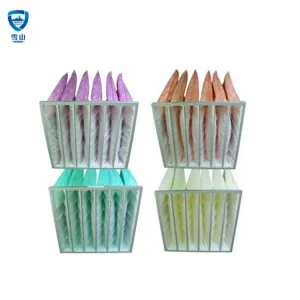
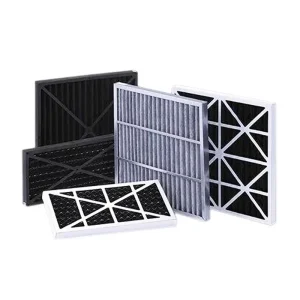
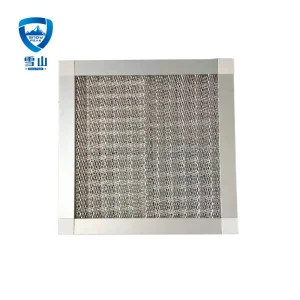
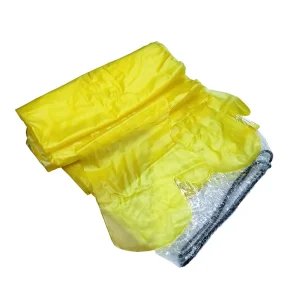
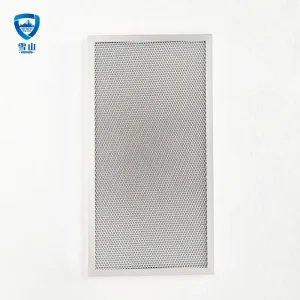
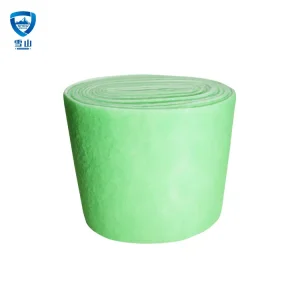
Modern air filtration design focuses on reducing environmental impact. Modern plants prioritize life-cycle cost (LCC) calculations over initial purchase price. Lowering pressure drop by 10 Pa can save significant electrical energy across larger facilities. In response, next-generation V-Bank configurations and advanced synthetic compounds are replacing traditional high-resistance filtration media.
Another major trend is the integration of cleanroom equipment with building monitoring systems. Differential pressure gauges monitor pressure drops across filter banks in real time, alerting maintenance teams before airflow declines. This helps organizations maintain reliable operations, preserve indoor air quality, and keep facility cleanrooms within spec.
Detailed technical answers for procurement teams and plant engineering leads.
ISO 16890 categorizes air filters based on fractional particle sizes: ePM1, ePM2.5, and ePM10. Serbian factories aligning with EU frameworks are shifting from old EN 779 standards (like G4, F7) to this system. The new standard provides a clearer understanding of filter performance against the fine particulate matter typically found in industrial areas.
V-Bank (or W-shape) filters pack a larger media surface area into a standard installation footprint. This extra surface area lowers the face velocity of the passing air, reducing resistance (static pressure drop). As a result, the HVAC blower motor operates with less effort, helping to decrease energy consumption.
Every HEPA filter we manufacture undergoes individual testing before leaving the factory. Using specialized scanning probes and aerosol challenges (like DOP/DEHS), we check the entire media face and seal channel to ensure the filter meets its specified classification (H13 or H14) without leaks.
Lifespan depends on dust concentration and HVAC runtime. Generally, G3 or G4 primary pre-filters are replaced every 1 to 3 months to protect downstream filters. F7 to F9 secondary bag or pocket filters usually last 6 to 12 months, while final HEPA units can last 2 to 5 years when pre-filtration is properly maintained.
 Snow Peak