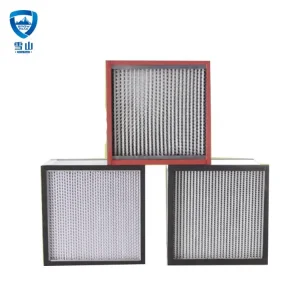
High-performance air filters tailored to meet the strict emission and air purity standards of Romanian cleanrooms, manufacturing facilities, and standard HVAC systems.
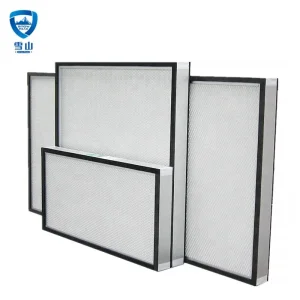
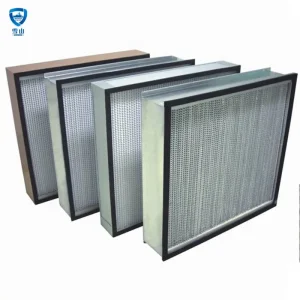
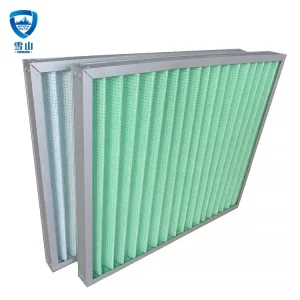
Over the last decade, Romania has transitioned into one of the most prominent manufacturing hubs in Central and Eastern Europe. Bolstered by extensive foreign investments and strategic integration into the European Union market, Romania hosts sophisticated industrial facilities in key cities such as Timișoara, Cluj-Napoca, Brașov, Ploiești, and the capital, Bucharest. These sectors demand strict environmental control, process hygiene, and general indoor air quality (IAQ) compliance.
Particularly, Romania's robust automotive sector (led by global brands like Dacia-Renault in Mioveni and Ford Otosan in Craiova) requires precision paint booths utilizing premium primary cardboard and secondary synthetic pocket filters to prevent surface contamination. Similarly, the pharmaceutical and microelectronics hubs in Cluj and Iași depend on ISO-compliant HEPA filtration systems to prevent microbial contamination and micro-particle interference in cleanrooms.
Additionally, the transition of Romania's energy sector toward sustainable methods, coupled with rigorous compliance mandates under the EU Ambient Air Quality Directive, forces local plants to deploy advanced dust and particulate extraction filters. This trend increases the need for high-quality, long-lasting industrial air filters that optimize airflow while minimizing electricity consumption.
For Romanian procurement managers and mechanical engineering consultants, purchasing air filtration systems requires strict compliance with modern European standards. The previous standard, EN 779 (which categorized filters as G1-G4, M5-M6, and F7-F9), was officially replaced by ISO 16890. This standard shifts the focus from structural filter efficiency to how the filter interacts with particulate matter categories: ePM1, ePM2.5, and ePM10.
| ISO 16890 Group | Target Particle Size Range | Former EN 779 Equivalent | Typical Applications in Romania |
|---|---|---|---|
| ISO Coarse | PM10 filtration efficiency < 50% | G3, G4 | HVAC pre-filtration, air conditioning ventilation intake, sand/dust protection | ISO ePM10 | PM10 filtration efficiency ≥ 50% | M5, M6 | General mechanical equipment protection, agricultural processing plants |
| ISO ePM2.5 | PM2.5 filtration efficiency ≥ 50% | F7, F8 | Commercial office buildings, food production facilities, secondary intake filters |
| ISO ePM1 | PM1 filtration efficiency ≥ 50% | F9, HEPA Pre-filters | Pharma pre-filtration, microelectronics, surgical rooms intake supply |
For high-efficiency applications, the EN 1822 standard governs HEPA and ULPA filtration efficiency classifications (EPA E10-E12, HEPA H13-H14, ULPA U15-U17). In Romania, any facility manufacturing medicines, microelectronics, or containing cleanrooms must employ HEPA H13 or H14 filters certified under EN 1822. These filters ensure 99.97% to 99.995% containment of particles down to 0.3 micrometers (Most Penetrating Particle Size, or MPPS).
Shenzhen Snow Peak Clean Technology Co., Ltd. ensures that all exported filters meet ISO 16890 and EN 1822 specifications, providing European certification documentation to assist with import clearance and factory audits in Romania.
Shenzhen Snow Peak Clean Technology Co., Ltd. is an integrated high-tech enterprise, specialized in air filtration products research and development, production, sales, import and export trade. We produce and supply: Pre-filter, pocket filter, HEPA filter, chemical filter; replacement HEPA filter, car cabin air filter, humidifier filter; pocket filter media, melt-blown composite filter media, and other high-performance filter materials; provide high quality air purification solutions and products for indoor air pollution control and air conditioning systems of civil and industrial buildings, microelectronics, pharmaceutical, laboratory, school, hospital clean room etc.
Combined with self-developed patented technology, our sterilizing antiviral HEPA filter can effectively filtrate fine particles, so that PM2.5 concentration down to 10 micrograms/m3, 5 times better than national standard; effectively inhibit the breeding of microorganisms, sterilization rate up to 99.9%, and no secondary pollution, removal of H1N1 virus efficiency as high as 99.99%.
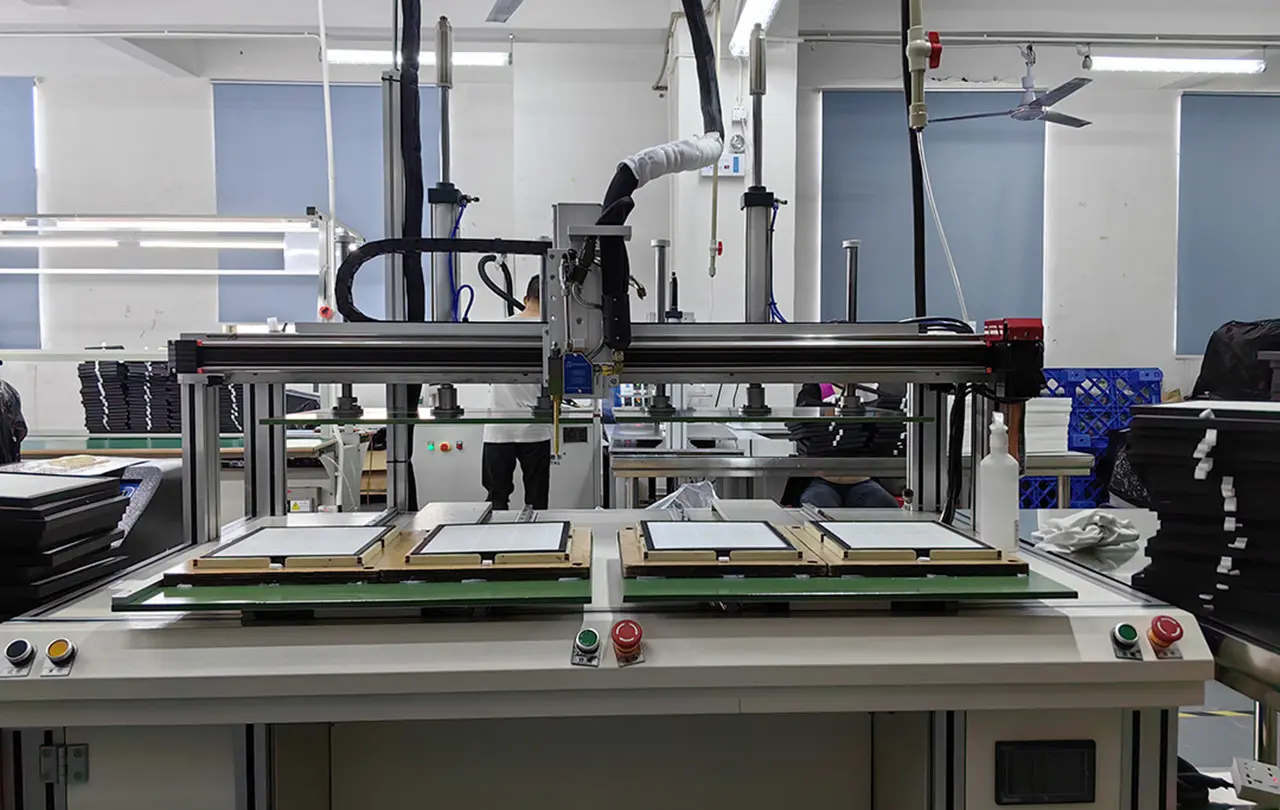
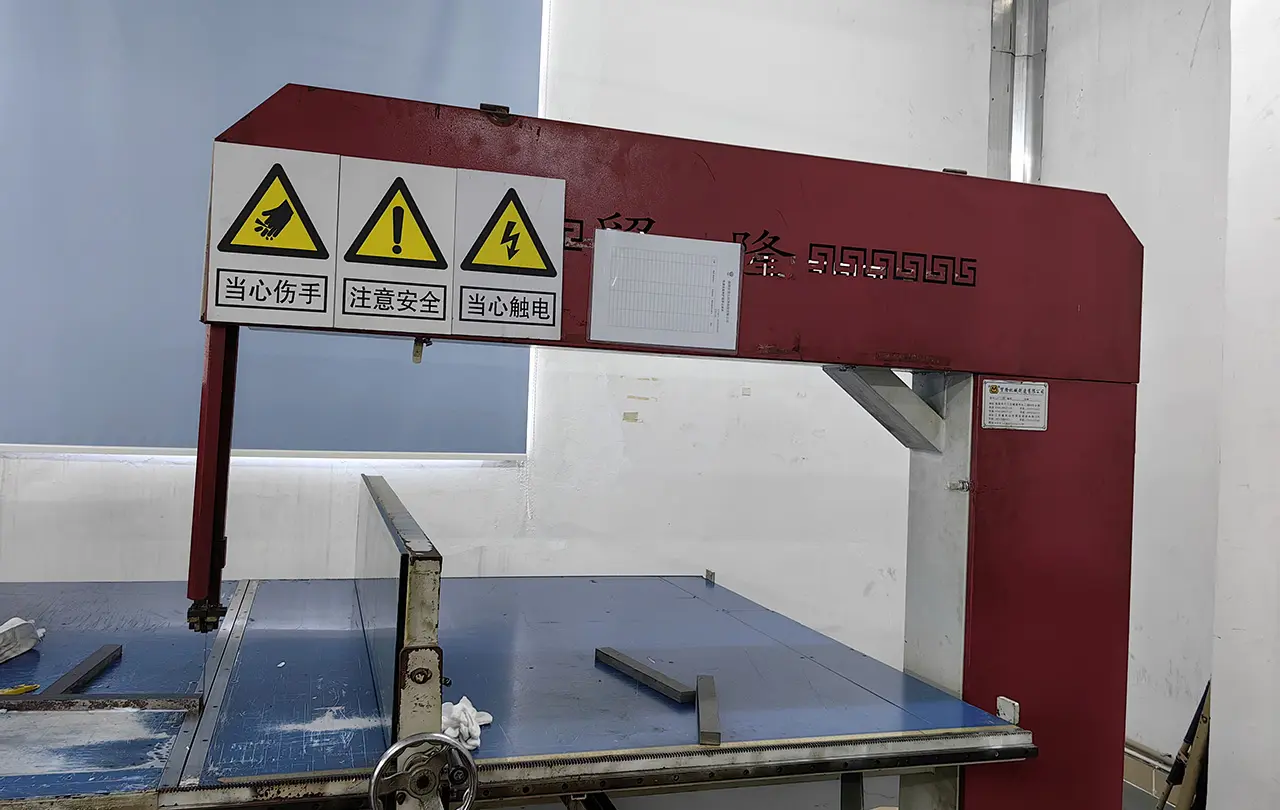
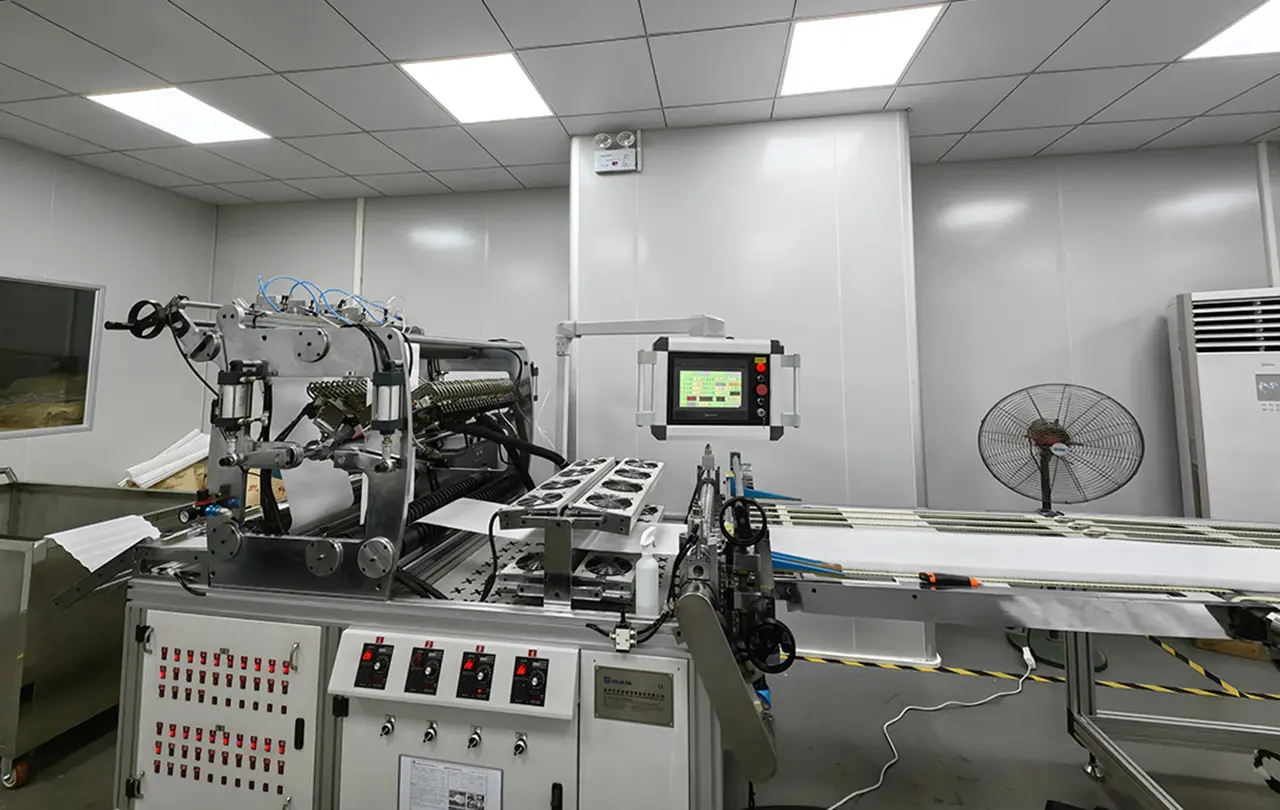
We invest in advanced automated machinery to ensure dimensional precision, structural durability, and high filter efficiency for all orders dispatched to Europe.
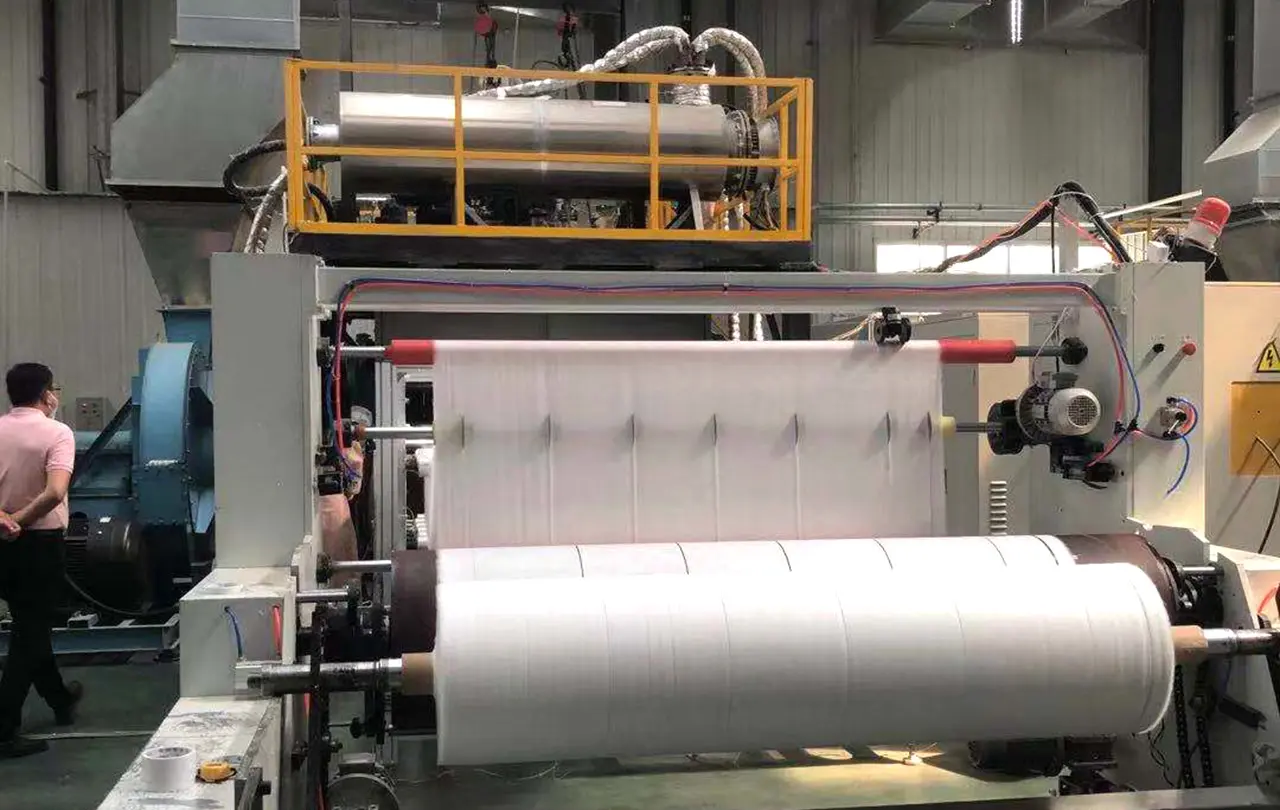
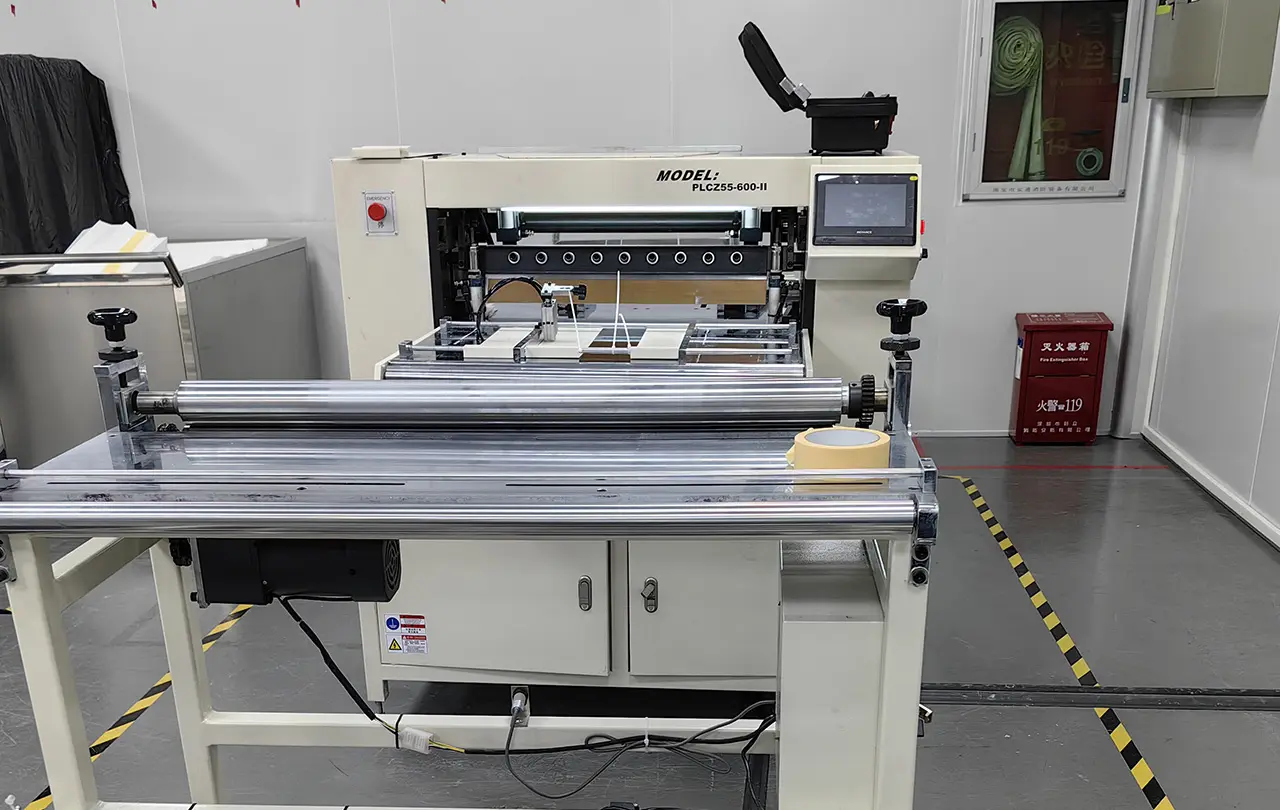
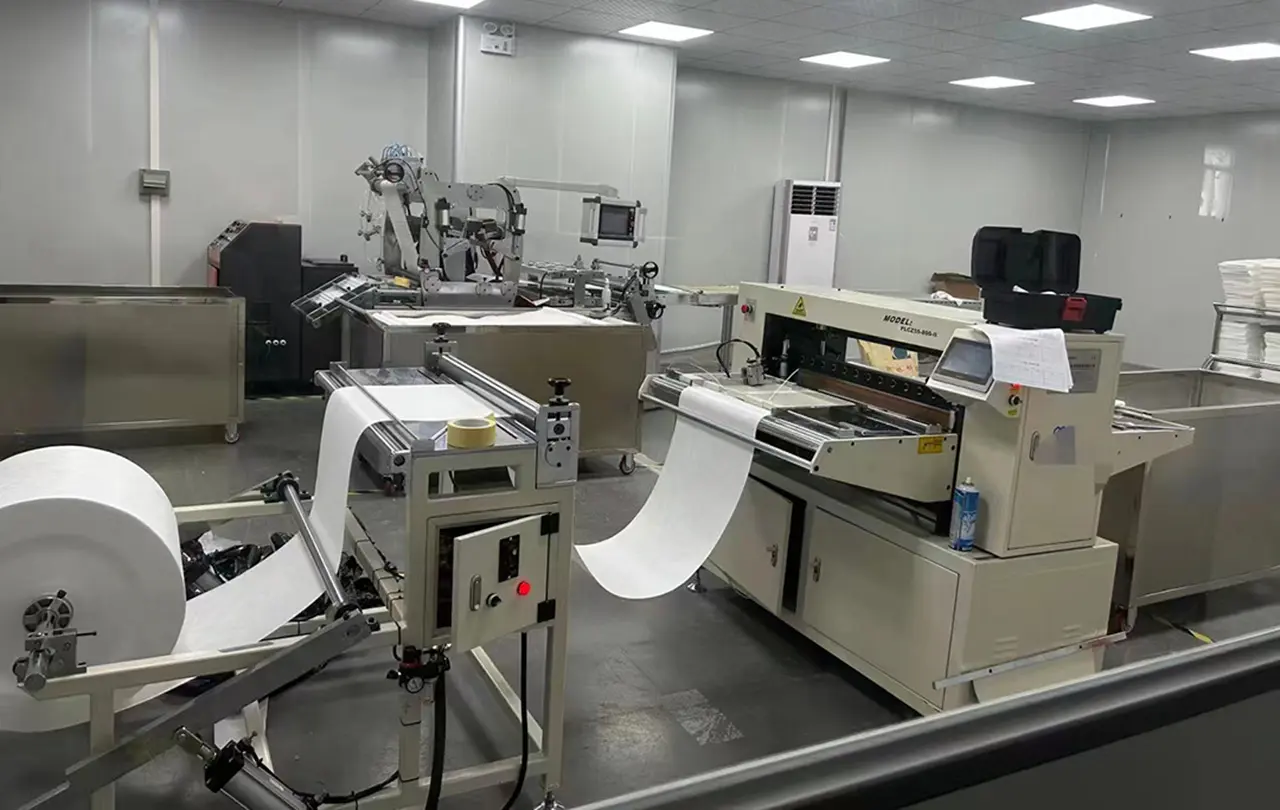
In a globalized manufacturing landscape, optimizing procurement is a key differentiator for business sustainability. Purchasing industrial air filters directly from China-based manufacturers like Shenzhen Snow Peak Clean Technology Co., Ltd. provides Romanian importers with notable technical and financial advantages.
We supply air filtration products tailored to unique specifications, including non-standard dimensions, specific frame configurations (extruded aluminum, stainless steel, galvanized sheet, cardboard), and high-efficiency requirements (up to 99.999% at 0.1um).
Industrial operations in cities like Constanța, Brașov, and Bucharest benefit from factory-direct pricing. By eliminating domestic distributors, procurement managers can save up to 40% on filtration operations.
We work with international logistics providers to ensure delivery to Romania, either by sea via the Port of Constanța or through rail routes linking major Chinese logistics hubs with Central and Eastern Europe.
Each filter batch undergoes rigorous testing before shipment. High-efficiency HEPA filters are tested using scanning photometers and oil particle generators (such as DEHS/PAO testing rigs) to verify zero leakage and consistent pressure drop performance under nominal airflow. This rigorous testing ensures that imported products meet EU requirements and operate effectively in the field.
Explore our full line of specialized primary, secondary, carbon, and terminal cleanroom HEPA filters configured for Romanian distribution.
Achieving ideal ventilation system designs requires matching correct filter parameters with target industrial processes. Below, we examine the typical applications where Shenzhen Snow Peak Clean Technology products are implemented across Romanian industrial centers:
Automobile painting booths require laminar airflow and clean supply air to ensure smooth vehicle finishes. Particulate contaminants larger than 5-10 micrometers can ruin paint finishes, resulting in costly re-work.
Solution: A multi-stage filtration structure.
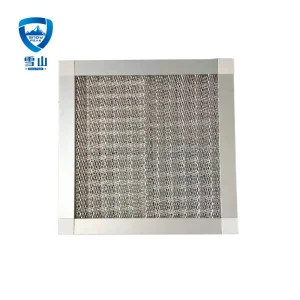
Primary: G4 metal frame pleated pre-filters catch large ambient particles.
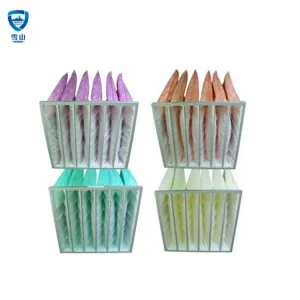
Secondary: F7/F9 pocket filters clean the intake air stream.
Ceiling: Specialized micro-fiber ceiling diffusion mats distribute uniform air.
Pharmaceutical processes must conform to GMP Annex 1 guidelines. Controlling active pharmaceutical ingredients (APIs) and maintaining aseptic environments requires high-efficiency HEPA solutions.
Solution:
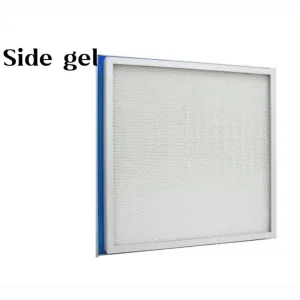
Supply Air: Deep-pleated fiberglass H13/H14 HEPA filters with liquid gel seal tracks to prevent bypass air.
Exhaust Air: Bag In Bag Out (BIBO) safety containment containment systems equipped with H14 HEPA filters to protect operating personnel from active compounds.
Preventing mold spores, wild yeasts, and airborne bacteria is essential for protecting dairy products, meat, and packaged food items during production.
Solution:
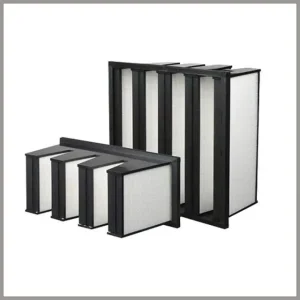
V-Bank high capacity H13 HEPA filters or chemical carbon filters to remove yeast/mold spores, control microbial counts, and scrub cooking/processing odors from exhaust streams.
Get answers to the most common queries regarding customization, European standards compliance, shipping procedures, and technical specifications for the Romanian industrial market.
Our industrial filters comply with key European directives and international standards. All primary and secondary filters are tested according to ISO 16890 (formerly EN 779). Our HEPA filters are certified under EN 1822 (efficiency ratings H13, H14, and U15). In addition, we supply complete CE declarations of conformity and material safety sheets for high-temperature and active carbon variants.
For custom manufacturing runs, standard production lead time is 10 to 15 working days. Transit options to Romania include ocean freight shipping to the Port of Constanța (approx. 30-35 days transit), rail freight (approx. 20 days), or air freight (approx. 5-7 days) for urgent production replacements.
Yes, customized sizing is one of our primary capabilities. We can construct pre-filters, pocket filters, and HEPA filters in non-standard dimensions. You only need to supply the outer frame width, height, depth, and target filter class. We can customize frame configurations to match existing air handling units (AHUs).
Gasket-sealed HEPA filters use a neoprene or EPDM gasket compressed against a sealing knife-edge. Gel-seal HEPA filters feature a liquid gel channel that receives the ceiling grid's knife-edge. The gel-seal design provides self-healing properties that prevent bypass leaks under thermal expansion or structural movement.
Our antiviral HEPA filter uses a composite structural media treated with a proprietary antimicrobial formulation. The layer traps particulates while inhibiting the growth of captured microbes. This approach avoids secondary pollution and helps degrade viral structural shell proteins upon contact.
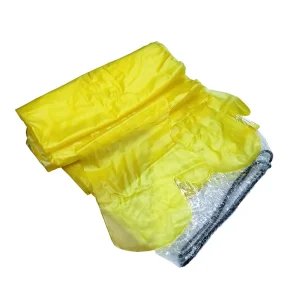
Yes. Along with replacement PVC BIBO bags, we engineer entire stainless steel Bag-In-Bag-Out housing systems. These systems isolate service personnel from contact with toxic agents, active pharmaceutical ingredients, or hazardous pathogens during routine filter maintenance.
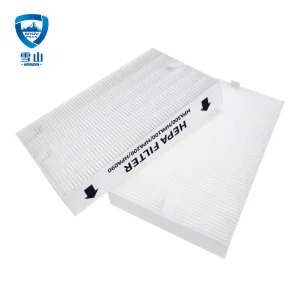
Every HEPA filter is tested for leaks and air resistance using photometers and particle counters. We perform leak scans across the filter pack, seal joints, and frame interfaces to ensure the unit performs within EN 1822 specs. We provide test reports with every HEPA shipment.
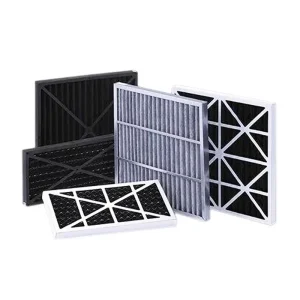
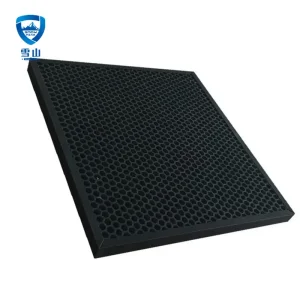
Our activated carbon filters use high-activity honeycomb structures or laminated carbon fabrics. These filters use physical adsorption to trap volatile organic compounds (VOCs) and gaseous odors in their micro-porous structure, making them well-suited for chemical storage rooms, printing facilities, and paint shops.
Pressure drop, or differential pressure, measures resistance to airflow. Filters with high resistance require fans to work harder, increasing energy consumption. Our mini-pleated HEPA and pocket filters optimize pleat geometry to maximize filtration area, reducing initial resistance and overall energy costs for HVAC systems.
 Snow Peak