Engineered for high temperature, humidity management, and ultra-low pressure drop performance
An expert analysis of microclimatic demands, global regulatory alignments, and manufacturing supply chain optimization for HVAC cleanrooms in Thailand.
Operating cleanroom systems and high-efficiency HVAC systems in Bangkok, Samut Prakan, Chonburi, and throughout Thailand's Eastern Economic Corridor (EEC) poses exceptional physical demands compared to temperate zones. The local atmosphere is defined by continuous high Relative Humidity (RH) levels ranging between 70% and 90% year-round, high ambient temperatures, and significant particulate challenges including seasonal PM2.5 haze (primarily driven by biomass agricultural burning and heavy transport emissions from January to March).
For industrial engineering managers, these environmental factors directly affect air filter life cycles. Standard fiberglass HEPA filters that lack hydrophobic binders will absorb atmospheric moisture, resulting in progressive media softening, higher resistance, and structural failure. Wet filtration media also becomes a breeding ground for mold spores, yeast, and bacteria, which can contaminate sterile pharmaceutical lines or food manufacturing processes.
To mitigate this, air filtration configurations in local facilities must incorporate robust moisture separators, heavy-duty primary synthetic pre-filters, and hydrophobic glass fiber or compound synthetic media. Choosing these correct parameters prevents premium terminal HEPA stages from overloading prematurely.
Information Gain Note: In tropical coastal industrial sectors like Samut Prakan and Rayong, airborne salt spray can accelerate structural corrosion on standard galvanized steel frames. We recommend specifying anodized aluminum, ABS plastic, or grade 304/316 stainless steel housings to ensure durability under harsh operating conditions.
Industrial manufacturing operations in Thailand increasingly align with international quality control frameworks. Under ISO 16890 (which replaced ASHRAE 52.2 and EN 779), primary and secondary air filters are categorized by their fractional efficiency against different particle sizes: ePM1 (sub-micron protection for semiconductors and pharma), ePM2.5, and ePM10 (general dust management).
For high-purity environments, such as sterile operating theaters and microelectronic cleanrooms, the European Standard EN 1822 defines HEPA and ULPA classes (H13 to U17), measuring fractional particulate penetration at the Most Penetrating Particle Size (MPPS), which typically falls between 0.1 and 0.25 microns. For example, our H14 cleanroom filters guarantee an efficiency of ≥99.995% at MPPS, ensuring that cleanrooms comply with strict PIC/S GMP guidelines for sterile pharmaceutical manufacturing.
| Filter Category | EN 1822 / ISO 16890 Class | Efficiency Rating | Typical Application in Bangkok Industries | Recommended Change Pressure |
|---|---|---|---|---|
| Primary Pre-Filter | ISO Coarse 60% / G4 | ≥ 90% (Arrestance) | Protects AHUs from large particles & regional seasonal PM10 | 250 Pa |
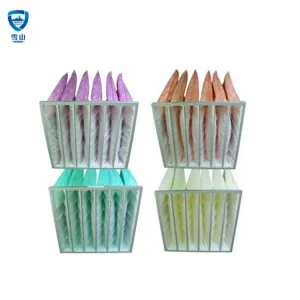
| Medium Pocket Filter | ISO ePM1 60% / F7 | ≥ 60% (0.3 - 1.0 µm) | Automotive paint booths and primary cleanroom intake systems | 450 Pa |
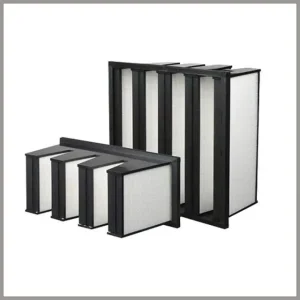
| High-Flow V-Bank | ISO ePM1 90% / F9 | ≥ 90% (0.3 - 1.0 µm) | Final stage for commercial plazas and pre-filtration for cleanrooms | 450 Pa |
| Terminal HEPA | EN 1822 H13 / H14 | ≥ 99.97% / ≥ 99.995% | Electronics fabs in Pathum Thani & biotech cleanrooms in Bangkok | 600 Pa |
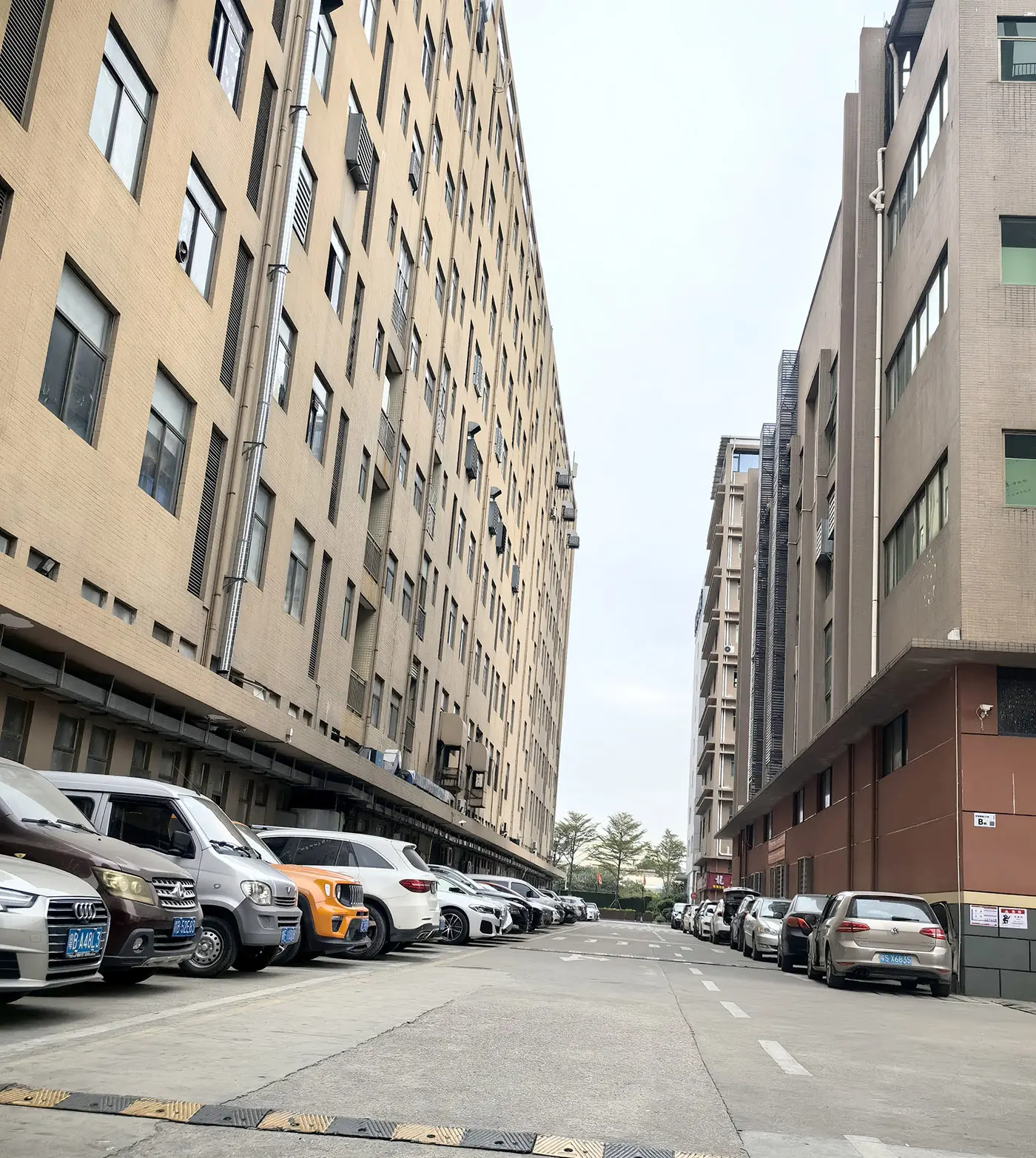
Selecting a dependable international air filtration OEM partner is a strategic operational decision. Shenzhen Snow Peak Clean Technology Co., Ltd. offers a combination of automated production precision, high-quality raw materials, and competitive commercial terms.
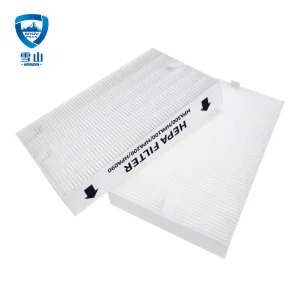
Our manufacturing facility features advanced automation, including high-speed glass-fiber paper pleating machines, AMADA CNC punching and bending machines, and continuous polyurethane gel sealing dispensers. This automated setup minimizes human error during assembly and ensures that every HEPA filter maintains consistent pleat spacing, which is crucial for uniform air velocity distribution and lower operating resistance.
Additionally, every single premium-grade HEPA filter we produce undergoes individual leak testing via automated oil mist (DOP/DEHS) aerosol photometer scanners before packaging. This rigorous testing ensures that no bypass leaks exist, providing peace of mind for QA directors managing GMP-regulated cleanrooms in Thailand.
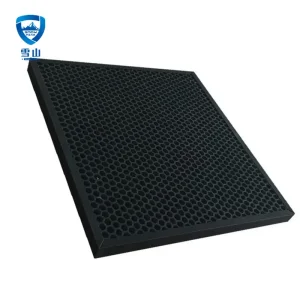
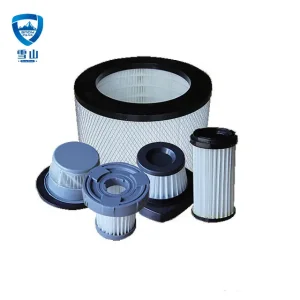
We are an integrated high-tech enterprise specializing in the research, development, production, and international trade of high-efficiency air filtration systems. We manufacture and supply an extensive range of products, including G3-F9 pre-filters, high-surface-area pocket filters, EN1822 HEPA/ULPA filters, carbon chemical filters, specialized automotive cabin air filters, and high-performance antiviral composite media.
Our cleanroom products are widely deployed in demanding fields, including microelectronics fabrication, sterile pharmaceutical manufacturing, biosafety laboratories, hospitals, and commercial HVAC systems globally.
Supported by our proprietary patented technology, our antibacterial and antiviral HEPA filters achieve sterilization rates up to 99.9%, while effectively trapping fine PM2.5 particulates down to concentrations of 10 micrograms/m³—five times cleaner than typical municipal baselines. This provides robust defense against airborne contaminants, viruses (such as H1N1), and bacteria, without causing secondary release pollution.
Connect With Our Engineering TeamCombining 15 years of technical expertise with automated production control to deliver reliable filtration components
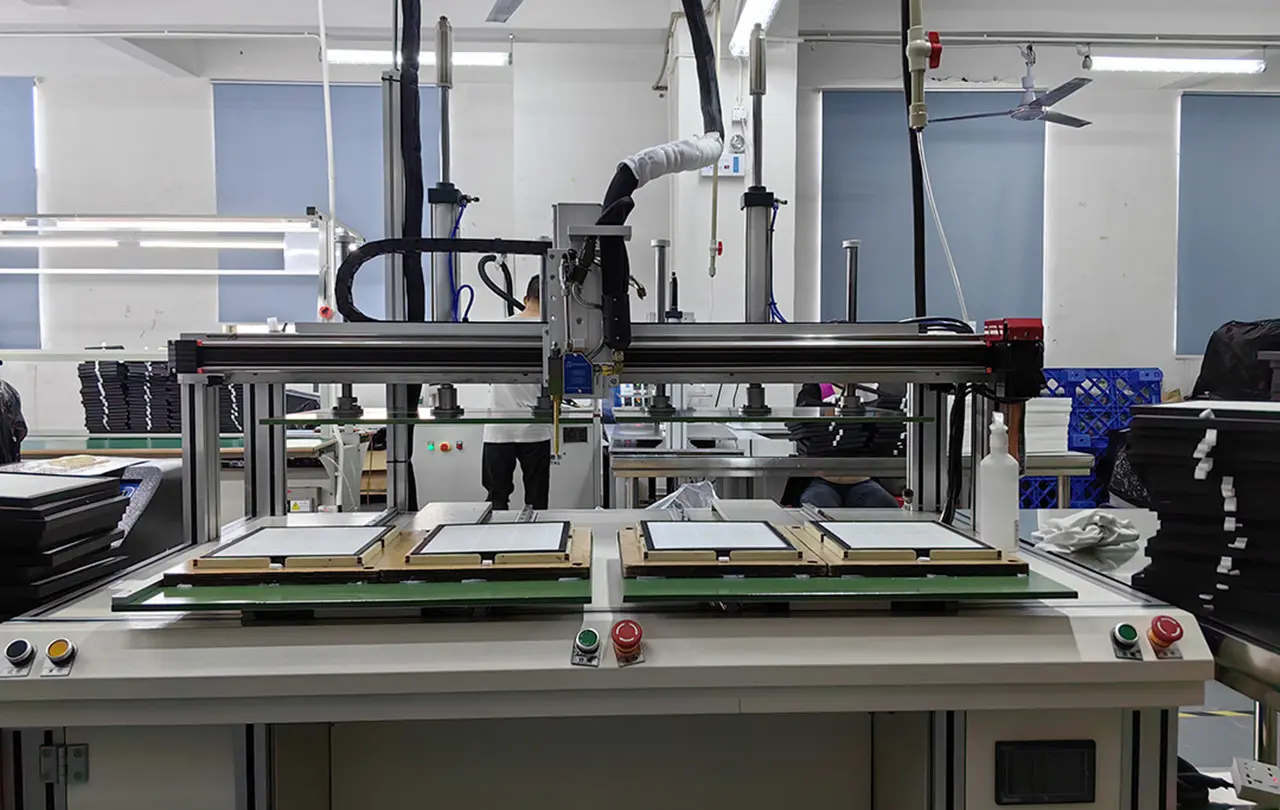
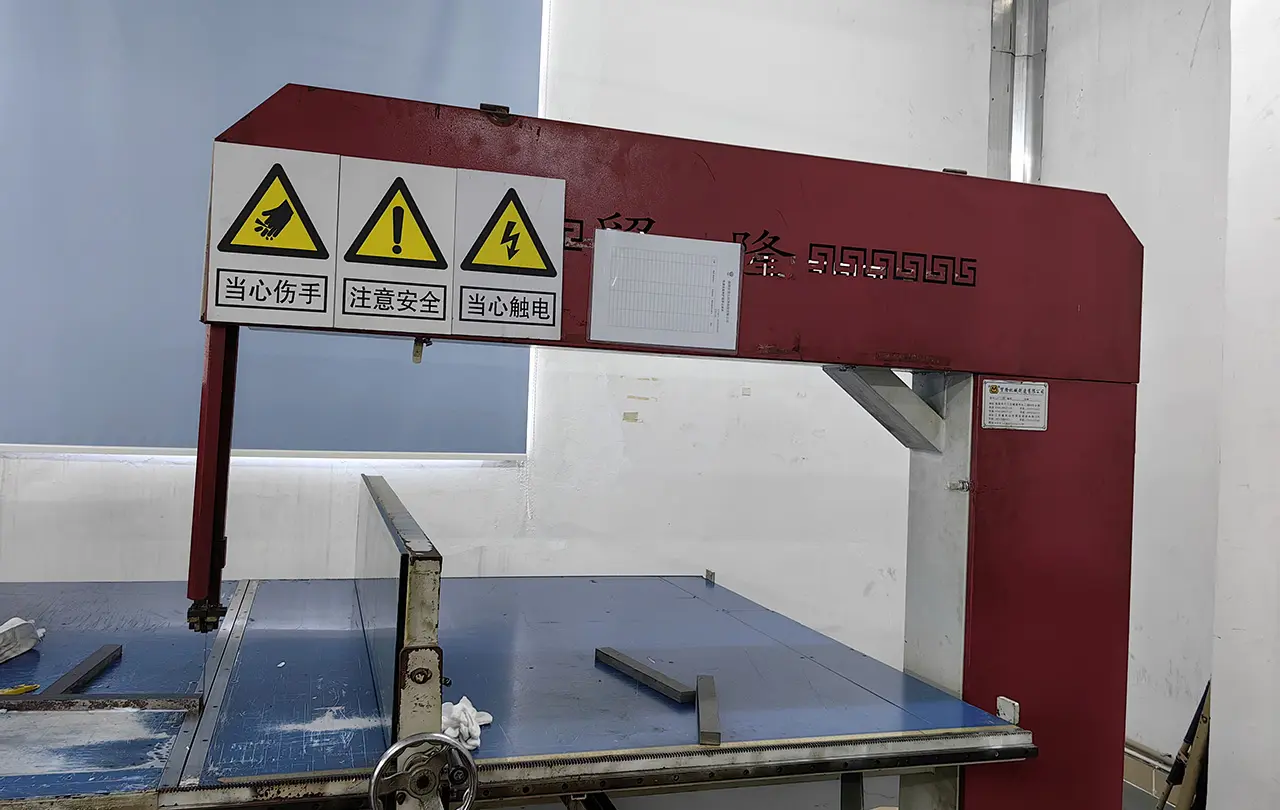
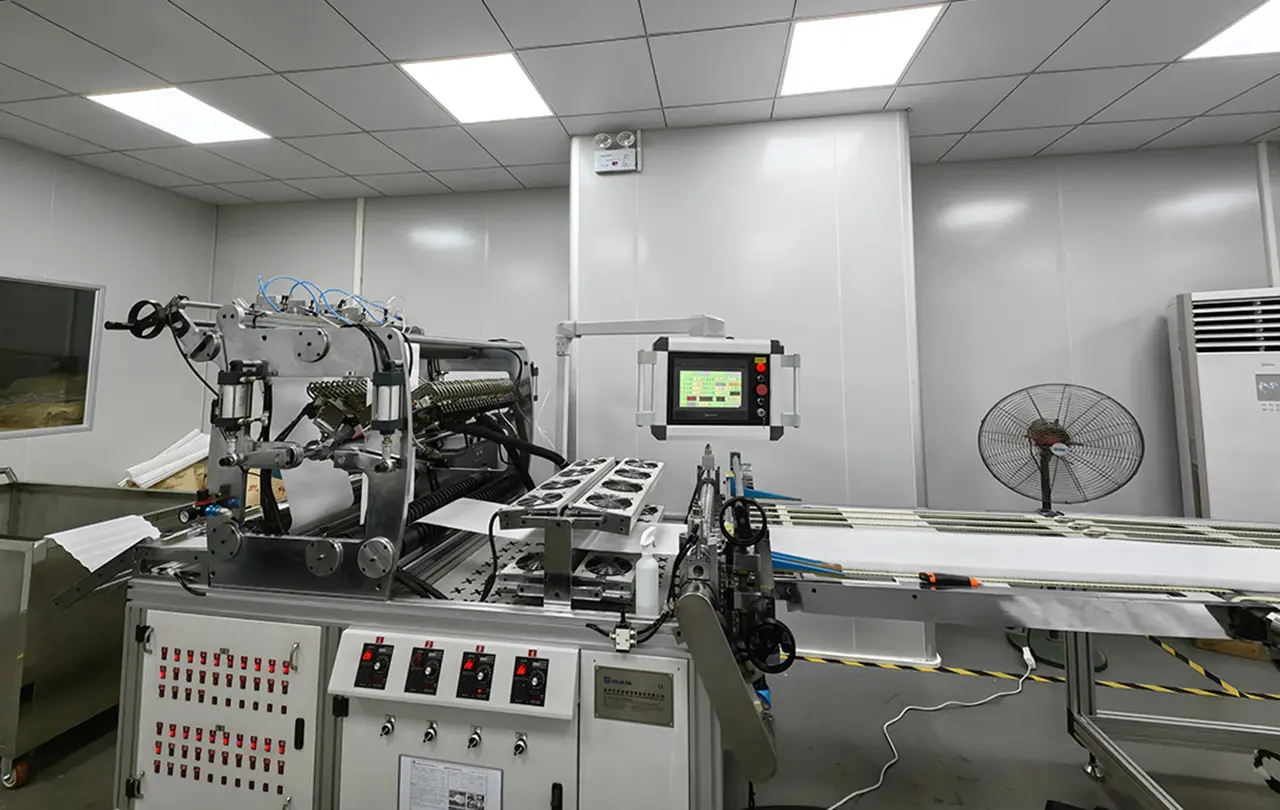
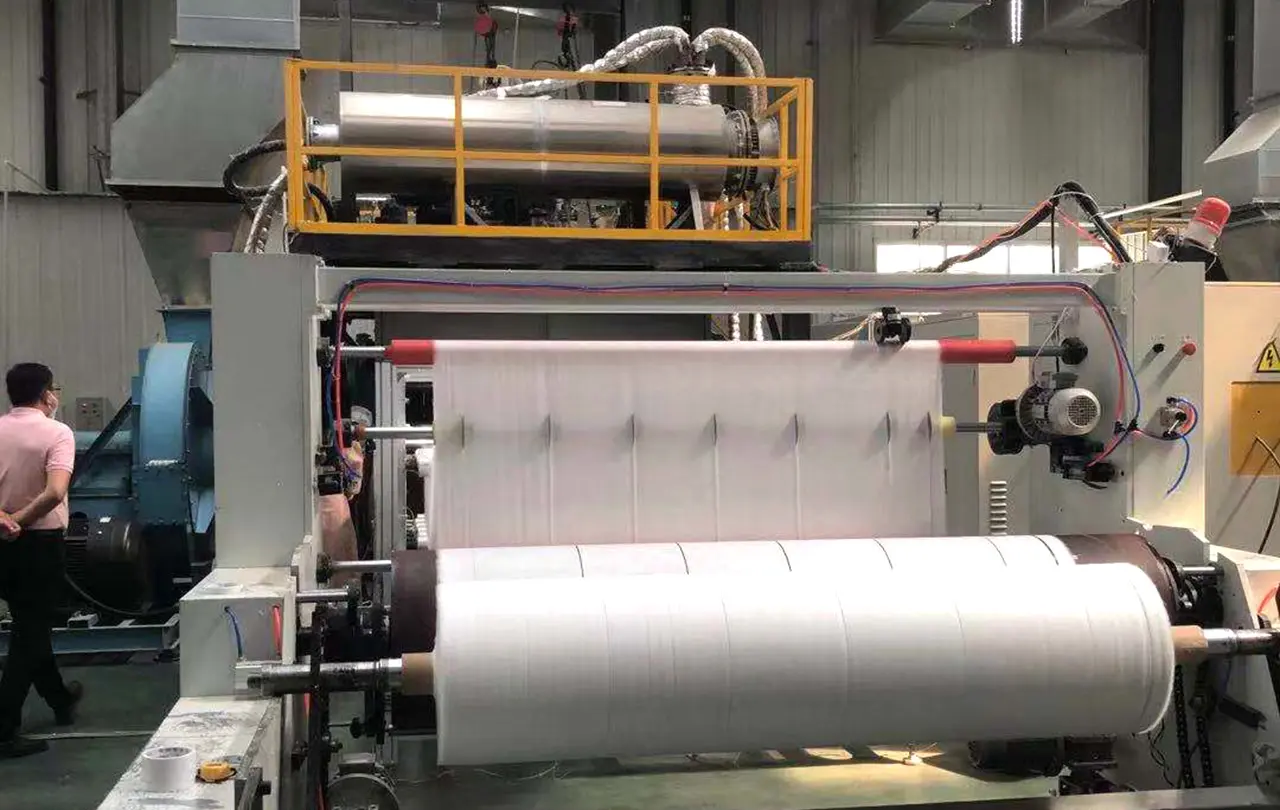
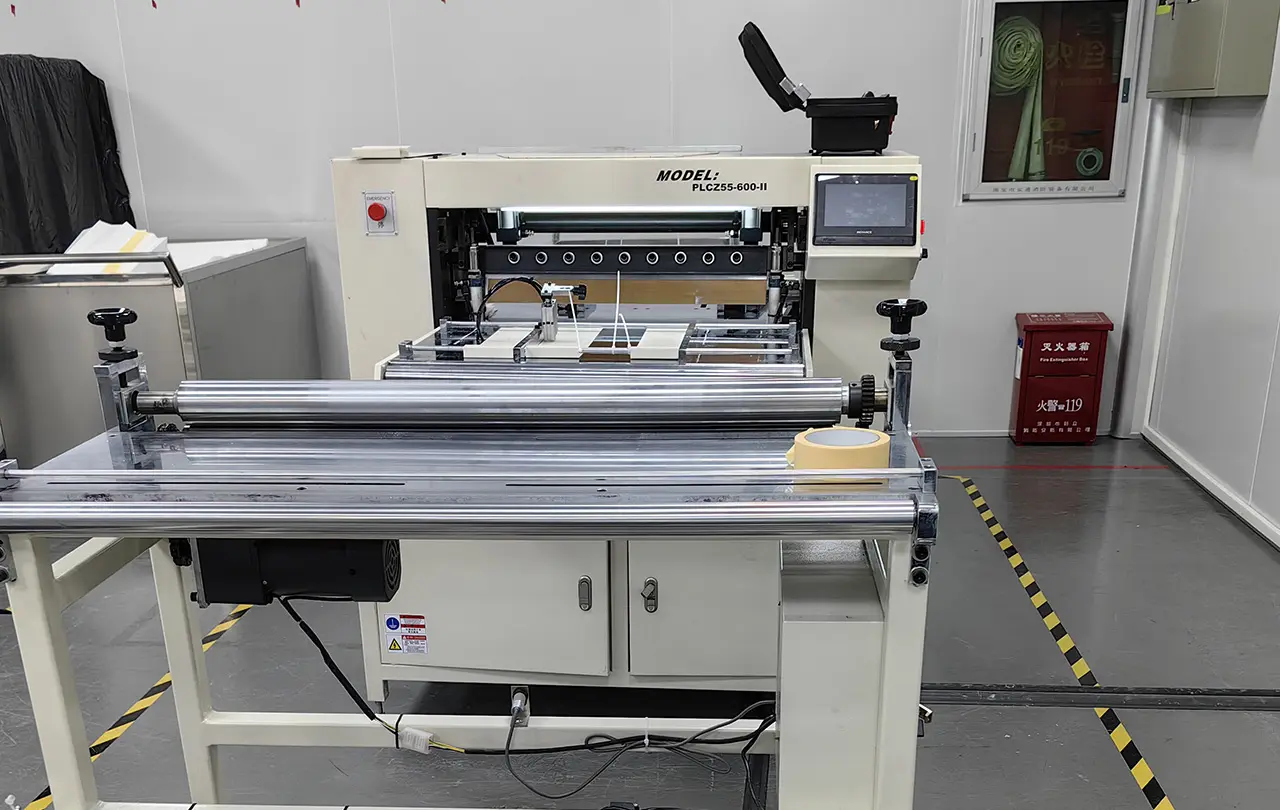
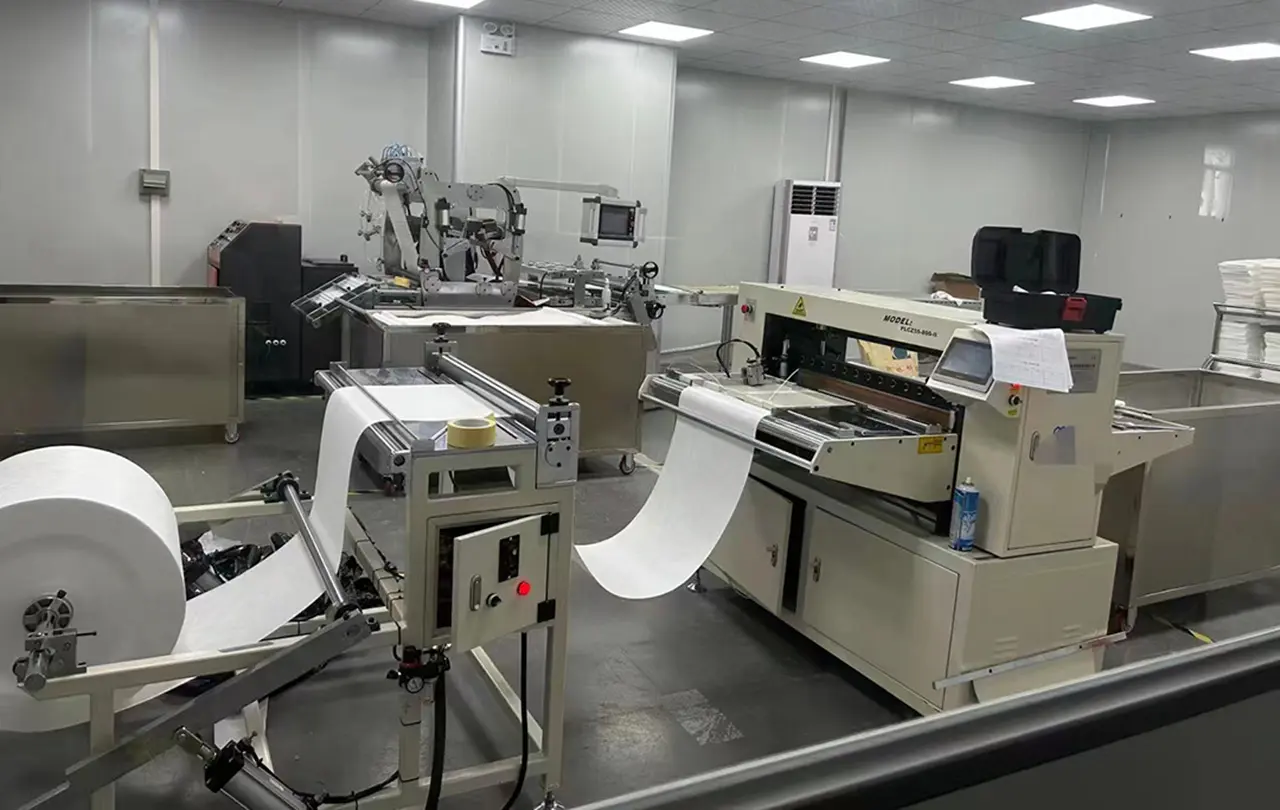
E-E-A-T Evidence: Our manufacturing infrastructure includes standardized cleanroom test tunnels, calibrated downstream particle counters, and automated pressure drop testers. Using high-end Japanese AMADA CNC punching and bending equipment ensures dimensional accuracy within ±0.5 mm for custom metal housings, eliminating air bypass issues in your ceiling grid systems.
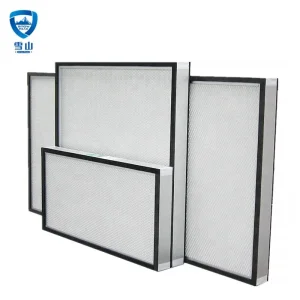
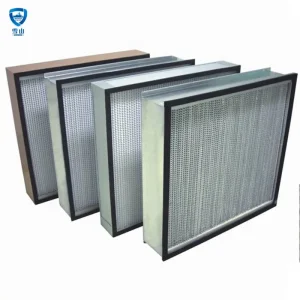
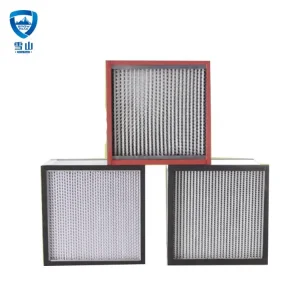
A comprehensive range of high-efficiency filters designed for critical containment and cleanroom applications in Thailand
In typical commercial cleanroom air handling systems, air filters represent a major portion of the operational cost due to the electricity needed to overcome fan pressure drops. In tropical regions like Bangkok, the moisture load in the air increases media density, which can cause resistance to rise quickly.
To maintain efficiency without compromising cleanroom ISO classes, local facilities should implement a progressive filtration approach:
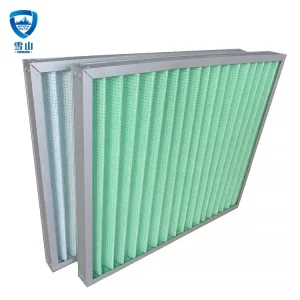
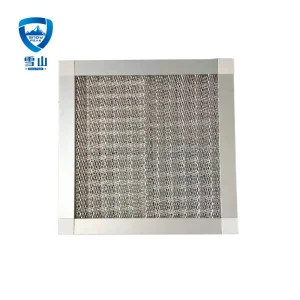
Stage 1 (Pre-Filtration): Utilize heavy-duty, washable metal wire meshes (G2/G3 class) or pleated synthetic media (G4 class). These elements capture large insects, pollen, and ash particles from the tropical air, shielding high-cost secondary filters.
Stage 2 (Secondary Stage): Utilize synthetic multi-pocket bag filters (F7 to F9 class) or W-shape rigid V-bank plastic frame filters. The larger surface area of pocket and V-bank configurations spreads out the dust load, resulting in a low pressure drop and long service intervals.
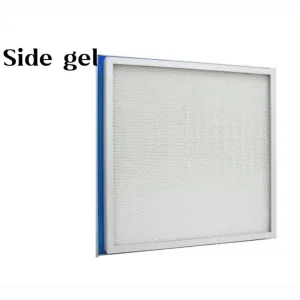
Stage 3 (Terminal Stage): Utilize mini-pleated HEPA or ULPA units. Liquid gel seal profiles (which seal using specialized polyurethane gel into knife-edge channels) are preferred over neoprene gaskets. Neoprene can dry, crack, and lose its seal over time under hot tropical conditions.
E-E-A-T Technical Advice: Regular maintenance is key. Always use differential pressure gauges across filter banks. Rather than changing filters on a calendar schedule, replace them based on pressure thresholds. A pre-filter is typically replaced when it reaches twice its initial clean pressure drop, which protects both the downstream filters and system energy consumption.
Bangkok and surrounding areas host some of Southeast Asia's major industrial hubs. Let's look at how filtration needs vary across these distinct clusters:
Pathum Thani Electronics & Semiconductor Cluster: Semiconductor fabrication requires extremely clean air, typically ISO Class 4 or better. Any trace of airborne boron, silicon, or organic compounds can compromise delicate wafer substrates. Our gel-seal HEPA and ULPA filters, built with low-outgassing polyurethane sealants and cleanroom-grade materials, provide the contamination control needed for these processes.
Chonburi & Rayong Automotive Hubs: Modern automotive paint booths require silicon-free air to prevent defects like "cratering" on vehicle finishes. Additionally, high-temperature curing ovens require filters that can withstand sustained heat up to 250°C. Our heat-resistant, stainless-steel-framed HEPA filters are designed with high-temperature glass sealant to handle these demanding conditions.
Samut Prakan Pharmaceutical & Food Sectors: These environments must control active microorganisms to prevent batch contamination. Our specialized antimicrobial HEPA series provides physical filtration down to 0.3 microns, while the treated media neutralizes bacteria and viruses on contact, keeping cleanrooms sterile and compliant with international standards.
Addressing the common design, regulatory, and logistics questions faced by procurement managers in Thailand
High relative humidity (often exceeding 85% in Bangkok) can cause standard paper-based glass fiber filter media to absorb moisture. This leads to higher resistance, increased energy costs, and potentially mold growth. To prevent this, we use water-resistant fiberglass media formulated with hydrophobic binders. We also recommend setting up a multi-stage pre-filtration system (G4 pre-filters followed by F8/F9 pocket filters) to capture ambient moisture and large particles before they reach the terminal HEPA stage.
For custom cleanroom configurations, manufacturing usually takes 7 to 12 working days. Shipping from our facility to the Port of Bangkok (Klong Toey) or Laem Chabang Port typically takes 5 to 7 days via direct ocean freight, or 2 to 3 days via air freight. This structured supply chain allows us to deliver high-quality components faster and more cost-effectively than many local distributors.
Neoprene or EPDM rubber gaskets can dry out, harden, and crack over time due to high ambient temperatures and humidity, which can lead to air bypass leaks. Gel Seal HEPA filters feature a liquid polyurethane gel channel that interfaces with a knife-edge housing. This creates a reliable, airtight seal that doesn't degrade over time, ensuring compliance with strict GMP Class A cleanroom standards.
Our filters are fully compliant with European standard EN 1822 (classes H13 through U15) and global standard ISO 16890. Every HEPA filter is individually tested via oil-mist scanning methods, and we can provide complete test reports with every shipment to support your internal QA processes.
In the Bangkok area, we generally recommend replacing G3/G4 pre-filters every 2 to 3 months, medium F7/F9 pocket filters every 6 months, and terminal HEPA filters every 24 to 36 months, depending on the particle load and cleanroom class. Monitoring differential pressure is the most accurate way to schedule replacements.
Yes, we specialize in custom manufacturing. We can produce custom-sized filters in various frame thicknesses and media configurations to fit existing HVAC systems, helping you upgrade filtration performance without replacing the main air handling unit.
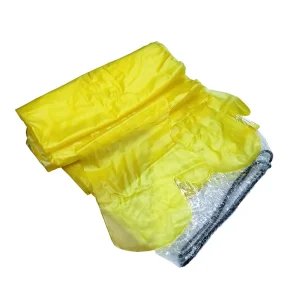
BIBO systems are designed to isolate hazardous contaminants (such as biological agents or toxic dusts) during filter replacements. Technicians swap out the filters inside a sealed PVC bag to prevent exposure. We supply heavy-duty, tear-resistant PVC containment bags that fit standard BIBO ports to facilities across Thailand.
Our high-temperature HEPA filters feature stainless steel frames and specialized glass fiber media with aluminum separators. They are rated for continuous operation at temperatures up to 250°C (482°F) or 350°C (662°F), making them suitable for curing ovens and sterilization tunnels.
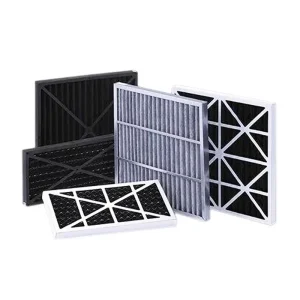
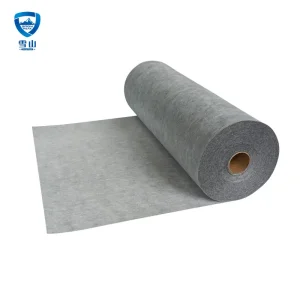
Yes. We offer carbon filters using honeycomb activated carbon media or sandwich carbon fabric. These filters are engineered to remove gaseous contaminants, VOCs, and process odors, helping keep work areas comfortable and compliant with environmental regulations.
Yes. Our engineering team can analyze your cleanroom dimensions, target cleanroom class, and HVAC specifications to recommend optimal filter sizes, efficiency stages, and pressure ratings for your facility.
Work directly with an experienced manufacturer to improve air quality, lower energy costs, and ensure compliance with international cleanroom standards.
Send Inquiry Now Snow Peak