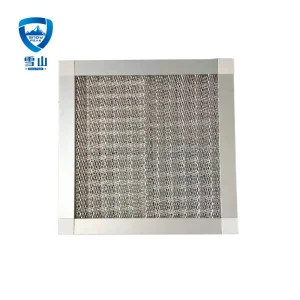
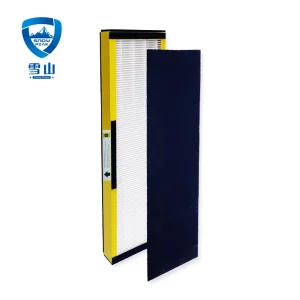
Engineered to meet the strict demands of Washington State energy codes and high-efficiency particulate processing systems.
The Puget Sound area, including Seattle, Bellevue, and Everett, acts as a primary hub for global aerospace engineering, biotechnology research, semiconductor fabrication, and hyperscale cloud infrastructure. Each of these fields requires cleanroom and containment technology that operates without fail. Managing high levels of outdoor particulate humidity, wildfire season spikes (PM2.5 filtration), and meeting the rigorous Washington State Energy Code (WSEC) demands a balance between high-efficiency particle capture and low operational pressure drop.
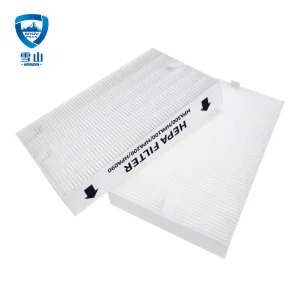
Recent changes to building codes in Washington prioritize systems that reduce energy usage. Using standard HVAC filters can cause significant airflow resistance, raising fan power consumption. Our specialized mini-pleated HEPA designs address this challenge by maximizing filtration surface area. This configuration minimizes pressure drop, helping regional facility managers comply with building carbon limits while maintaining clean air delivery rates (CADR).
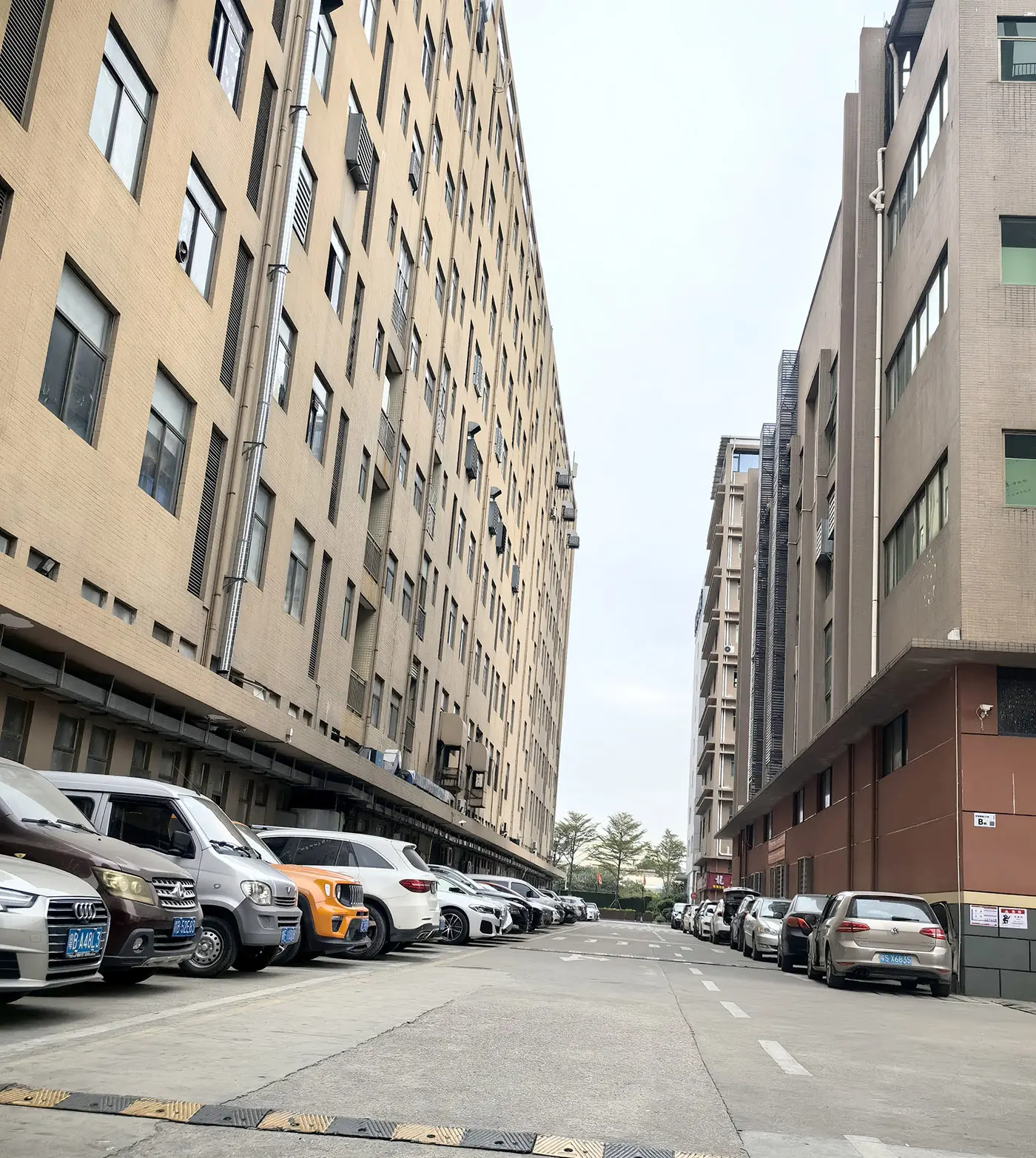
Combining proprietary air filtration research with high-capacity CNC manufacturing lines to guarantee reliable supply chains.
Shenzhen Snow Peak Clean Technology Co., Ltd. is an integrated high-tech enterprise, specialized in air filtration products research and development, production, sales, import and export trade. Operating with 15 years of international air purification technology experience as our foundation, our facility features standardized production areas, dust-free filter fabrication suites, and dedicated HEPA filter assembly lines.
Equipped with advanced AMADA CNC punches and CNC bending machines alongside our custom-engineered fully automatic production lines, we supply: Pre-filters, pocket filters, HEPA filters, and chemical filters. Additionally, our specialized antiviral HEPA technology limits microbial growth and achieves a 99.99% viral/bacterial filtration efficiency, lowering particulate levels down to 10 micrograms/m³—exceeding basic regulatory baselines.
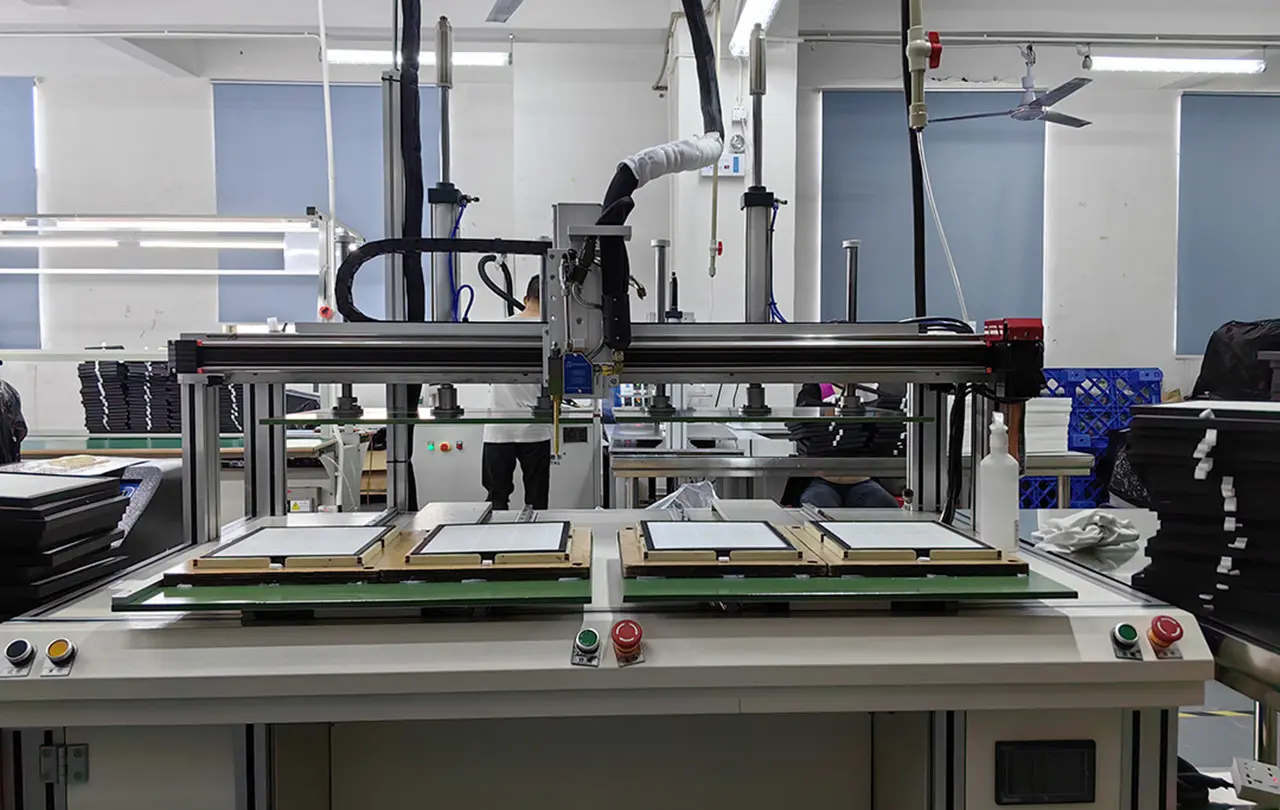
Automated precision hot-melt placement ensures leak-free pleat seals.
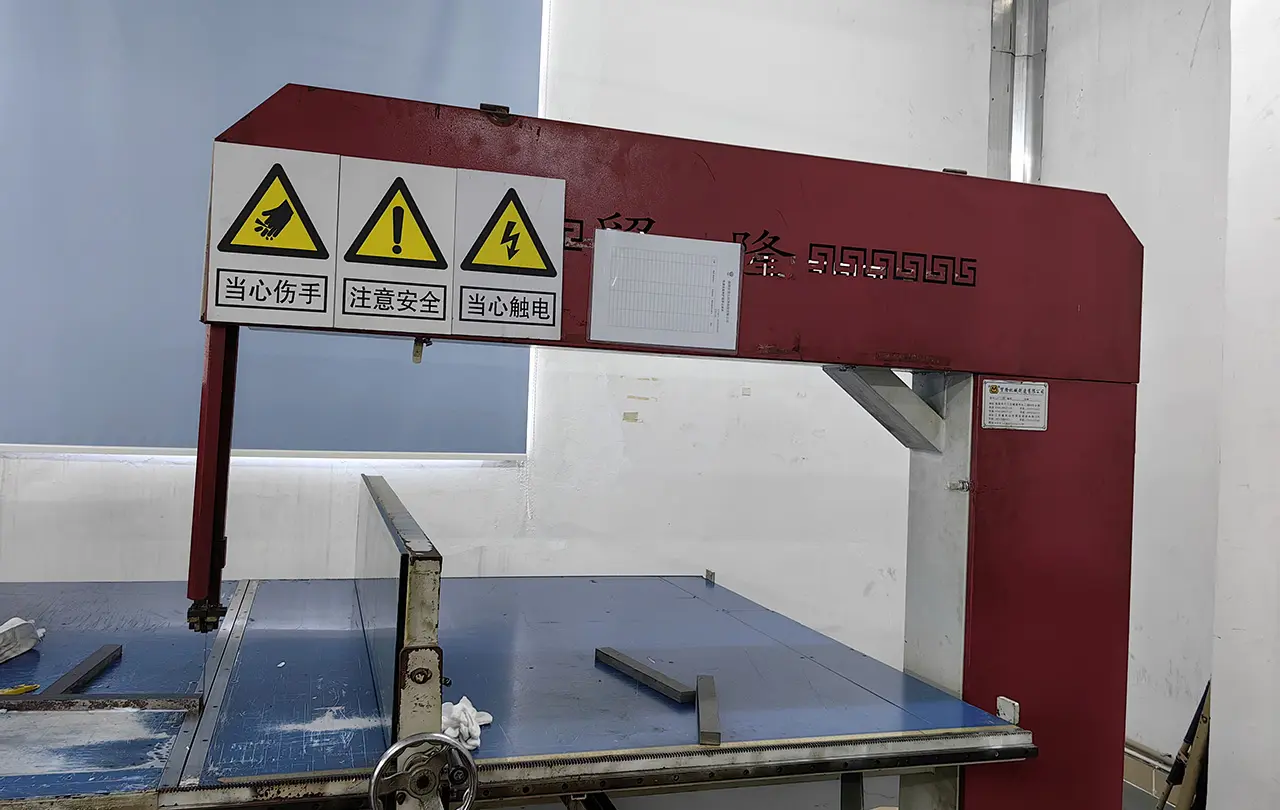
Micro-tolerance dimensional cutting for custom HVAC housing structures.
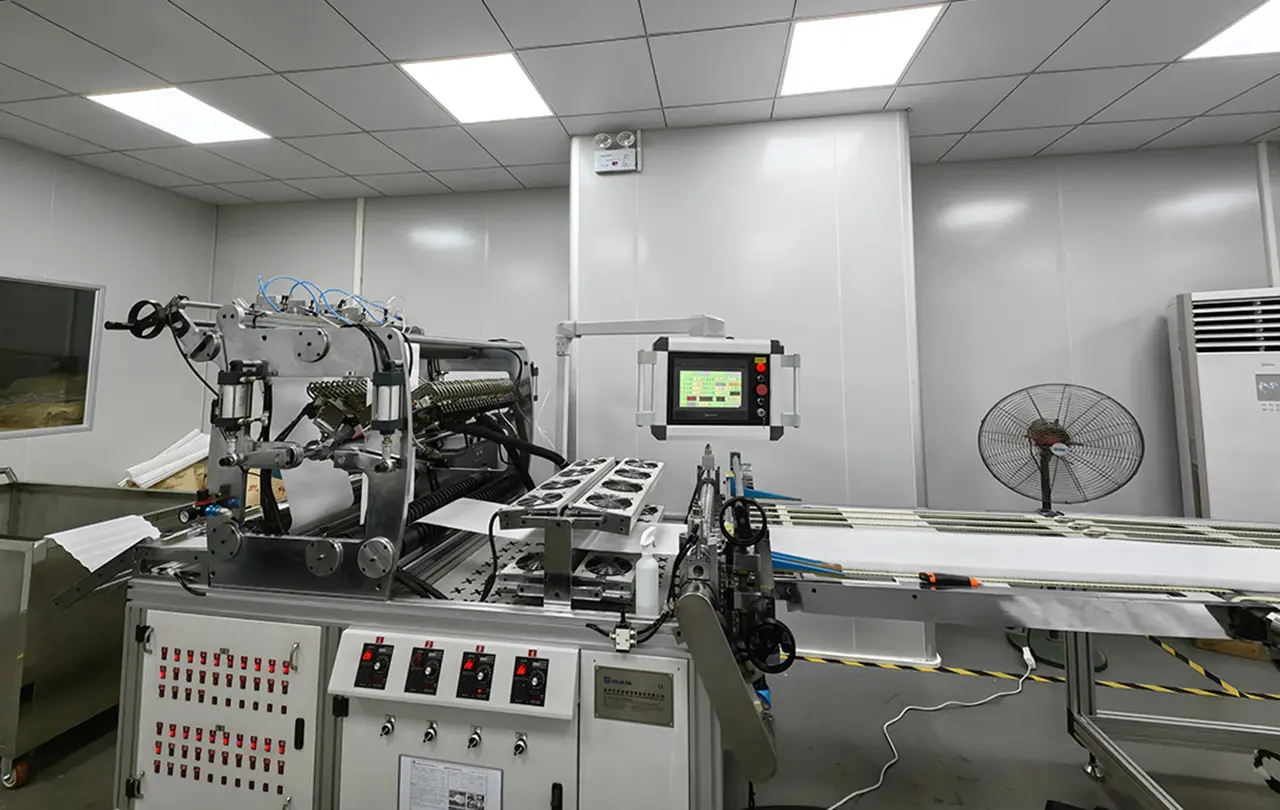
Polyurethane frame sealing blocks bypass air leakage pathing.
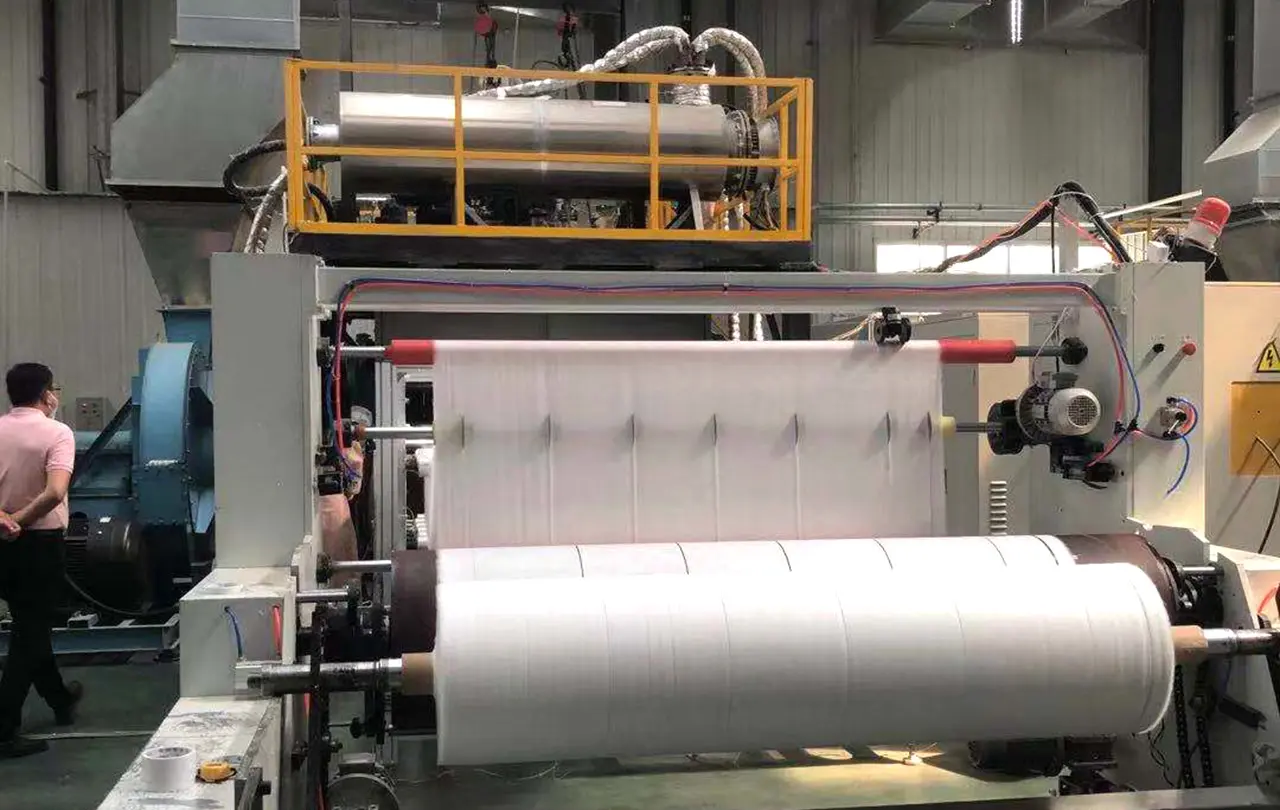
Lamination of synthetic fiber matrices for optimal dust holding capacity.
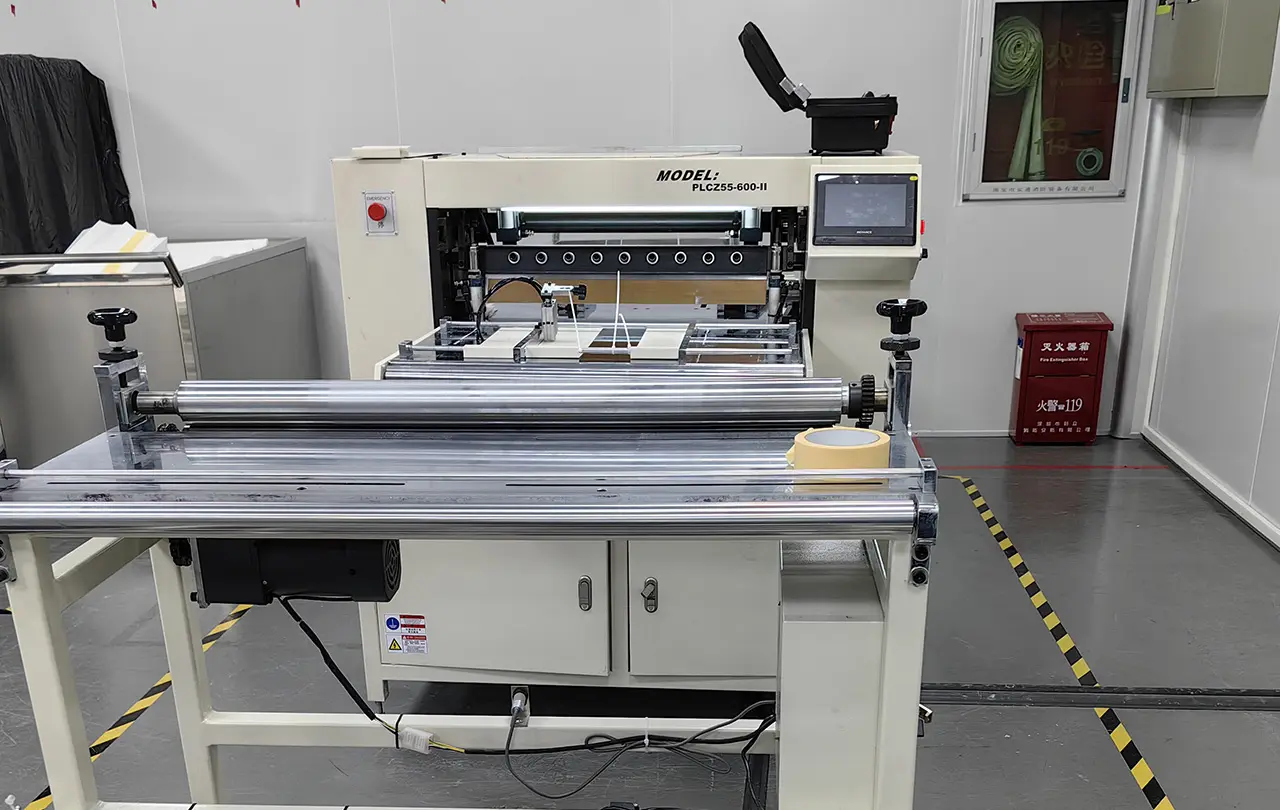
High-speed rotary pleaters preserve structural media integrity.
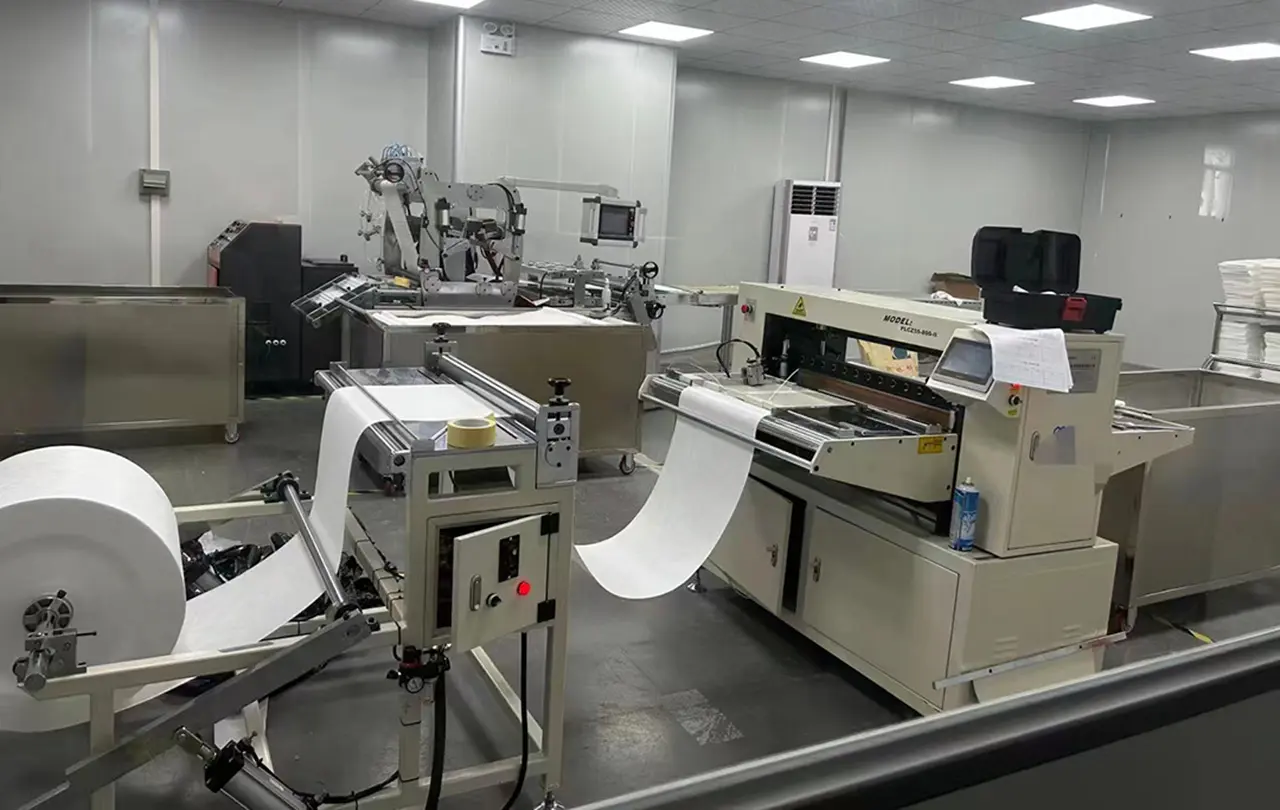
Controlled deep pleating accommodates high-airflow applications.
A breakdown of engineered systems designed for reliability and stable supply lines across industries.
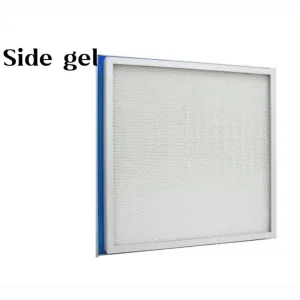
Seattle's research and clinical labs require gel-seal HEPA terminals to prevent microbial bypass. Our designs feature low-outgassing polyurethane gel to create airtight seals in cleanroom ceilings, supporting sterile containment across various cleanroom levels.
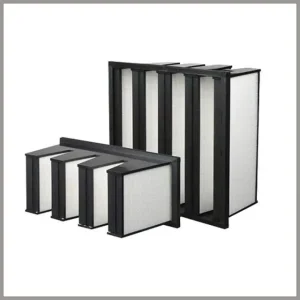
Large server facilities require constant airflow clean of fine particles. Our V-Bank (W-shape) air filtration series offers high volumetric flow rates with minimal resistance, which reduces cooling fan electricity costs while protecting sensitive IT components.
Aerospace manufacturing uses autoclaves and curing processes that require filtration at elevated temperatures. Our high-temperature HEPA filters use stainless steel frames and aluminum separators to remain structurally stable up to 250°C (482°F).
Comparing primary filter types helps engineers select configurations that balance particulate capture, dust holding capacity (DHC), and energy consumption.
| Filter Series / Type | Standard Efficiency Rating | Initial Resistance (Pa) | Common Local Seattle Application | Standard Frame Material |
|---|---|---|---|---|
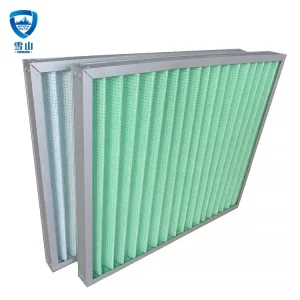
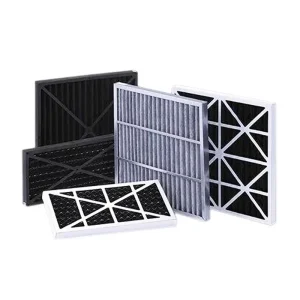
| G3/G4 Pleated Panel | MERV 7 - 8 | 30 - 45 Pa | HVAC Pre-filtration in Commercial Buildings | Moisture-resistant Cardboard / Metal |
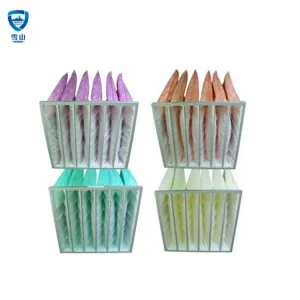
| Pocket Bag Filter (F7-F9) | MERV 13 - 15 | 65 - 85 Pa | Commercial Offices, Public Spaces, Wildfire Prefilter | Galvanized Steel / Plastic Frame |
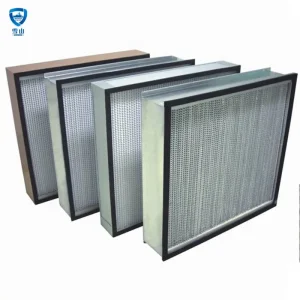
| V-Bank Filter (W-Shape) | MERV 16 / H10-H13 | 90 - 110 Pa | Data Centers & Biotech Exhaust Air Intakes | Polycarbonate / ABS Heavy Plastic |
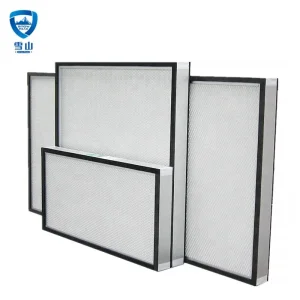
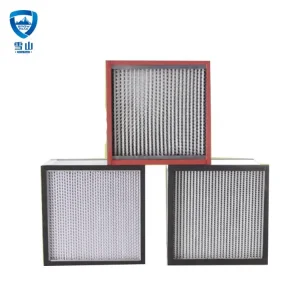
| Mini-Pleated HEPA | H13 - H14 (99.97% - 99.99%) | 120 - 180 Pa | Life Sciences Labs & Electronics Cleanrooms | Anodized Aluminum / Gel Seal Channel |
| High-Temp HEPA | H13 (99.97%) | 220 - 250 Pa | Aerospace Autoclaves & Industrial Kilns | SUS304 Stainless Steel Frame |
A full range of specialized air filters, replacements, and carbon containment systems available for supply contracts.
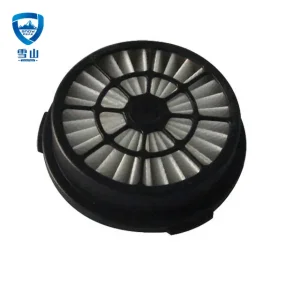
Industrial filtration is moving toward smart, energy-efficient designs that support decarbonization goals. Modern facilities require systems that help lower HVAC energy usage while maintaining air quality standards.
By incorporating sub-micron electrospun fibers, our filters achieve HEPA-grade containment at lower static pressures, which helps reduce cooling fan energy demand in high-airflow facilities.
Our proprietary composite media uses integrated antiviral treatments to break down captured biological threats, providing sterile airflow in medical, research, and high-traffic cleanroom environments.
We are designing frames and separator materials using recycled alloys and biodegradable synthetic compounds to align with carbon-reduction goals and simplify disposal processes.
Common questions from facility managers and cleanroom engineers regarding HVAC retrofitting and regional air quality standards.
The Washington State Energy Code (WSEC) sets limits on the allowable Fan System Power (kW or BHP) for commercial HVAC systems. Standard HEPA filters often cause high static pressure drops, forcing fans to draw more power. By switching to mini-pleated filters or V-Bank HEPA systems, you increase the media surface area, which lowers airflow resistance, helps meet fan energy limits, and reduces electricity costs.
Standard rubber gaskets rely on mechanical compression to seal against the housing frame, which can experience bypass leakage over time due to wear or uneven pressure. Liquid gel-seal systems utilize a knife-edge frame that sinks into a fluid polyurethane or silicone gel channel. This creates an airtight seal that prevents bypass contamination, making it suitable for cleanrooms and biosafety facilities.
Wildfire smoke contains fine PM2.5 particulates as well as gaseous volatile organic compounds (VOCs). Standard particulate filters alone cannot trap gas-phase pollutants. We recommend a multi-stage approach: a primary G4 pleated pre-filter to catch large dust, followed by a secondary active carbon filter to capture VOC gases and odors, and a final HEPA or high-efficiency V-Bank filter to trap fine sub-micron combustion particles.
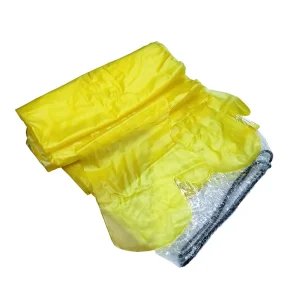
Bag-In-Bag-Out (BIBO) systems are safety housings designed to isolate operators and the surrounding environment from contact with hazardous particulates during filter replacement. Using durable PVC barrier bags, maintenance personnel can seal and remove contaminated filters from the exhaust system without exposing the workspace to pathogens, radioactive dust, or chemical agents.
Contact our applications engineers to request custom sizing, chemical compatibility analyses, and volume pricing contracts.
 Snow Peak