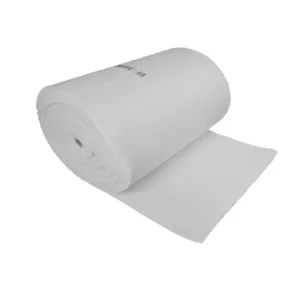
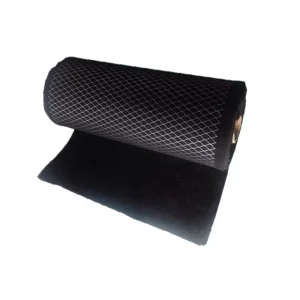
Engineered for high dust loading capacity and extreme efficiency in West African commercial and industrial setups
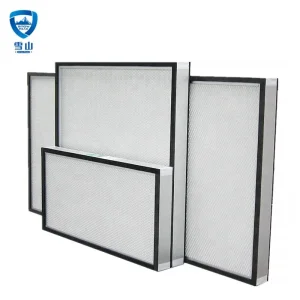
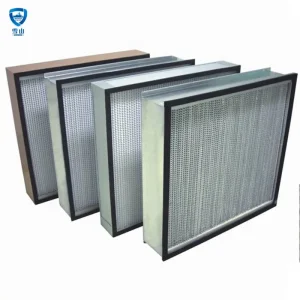
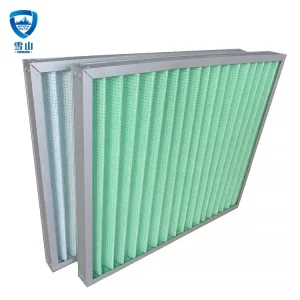
Overcoming ambient atmospheric dust loading, intense seasonal Harmattan cycles, and coastal humidity
Nigeria’s rapid industrial expansion—spurred by large-scale developments in the Lekki Free Trade Zone, active manufacturing sectors in Lagos, Ogun, and Kano states, and intensive oil & gas production in Port Harcourt—faces unique environmental challenges. Chief among these is air quality management. The local atmospheric conditions in Nigeria demand robust filtration architectures that differ significantly from those used in temperate climates.
The annual Harmattan dust season (typically running from November to March) transports immense quantities of fine Saharan mineral dust across the country. This particulate matter (composed heavily of silica, aluminum oxides, and iron oxides) features high concentrations of PM10 and PM2.5 particles. When these abrasive dust particles enter untreated HVAC intakes, they cause severe blade erosion in gas turbines, choke heavy manufacturing machinery, and overwhelm standard commercial building ventilation systems. Without multi-stage pre-filtration, premium terminal HEPA filters in cleanrooms and hospitals clog in a matter of weeks, leading to astronomical maintenance costs and unscheduled operational downtime.
In coastal hubs like Lagos and Port Harcourt, relative humidity frequently exceeds 85%. Combined with high ambient temperatures, this creates a fertile breeding ground for molds, fungi, and bacterial pathogens within air handling systems. Traditional paper-based filter medias quickly lose mechanical structural integrity and become vectors for secondary microbiological contamination. Therefore, the implementation of synthetic, moisture-resistant, and antibacterial media—such as those manufactured by Shenzhen Snow Peak—is a critical baseline requirement for long-term HVAC operation in Nigeria.
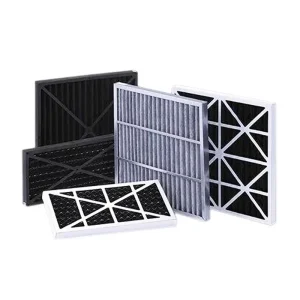
Additionally, urban industrial pollution in major commercial centers introduces volatile organic compounds (VOCs), sulfur oxides (SOx), and nitrogen oxides (NOx) into the air. These gaseous pollutants require advanced chemical and molecular filtration strategies, including molecular activated carbon filter arrays. Understanding this synergy between particulate removal and gaseous extraction is essential for achieving compliance with global health standards and domestic regulatory agencies such as the National Agency for Food and Drug Administration and Control (NAFDAC) and the Standards Organisation of Nigeria (SON).
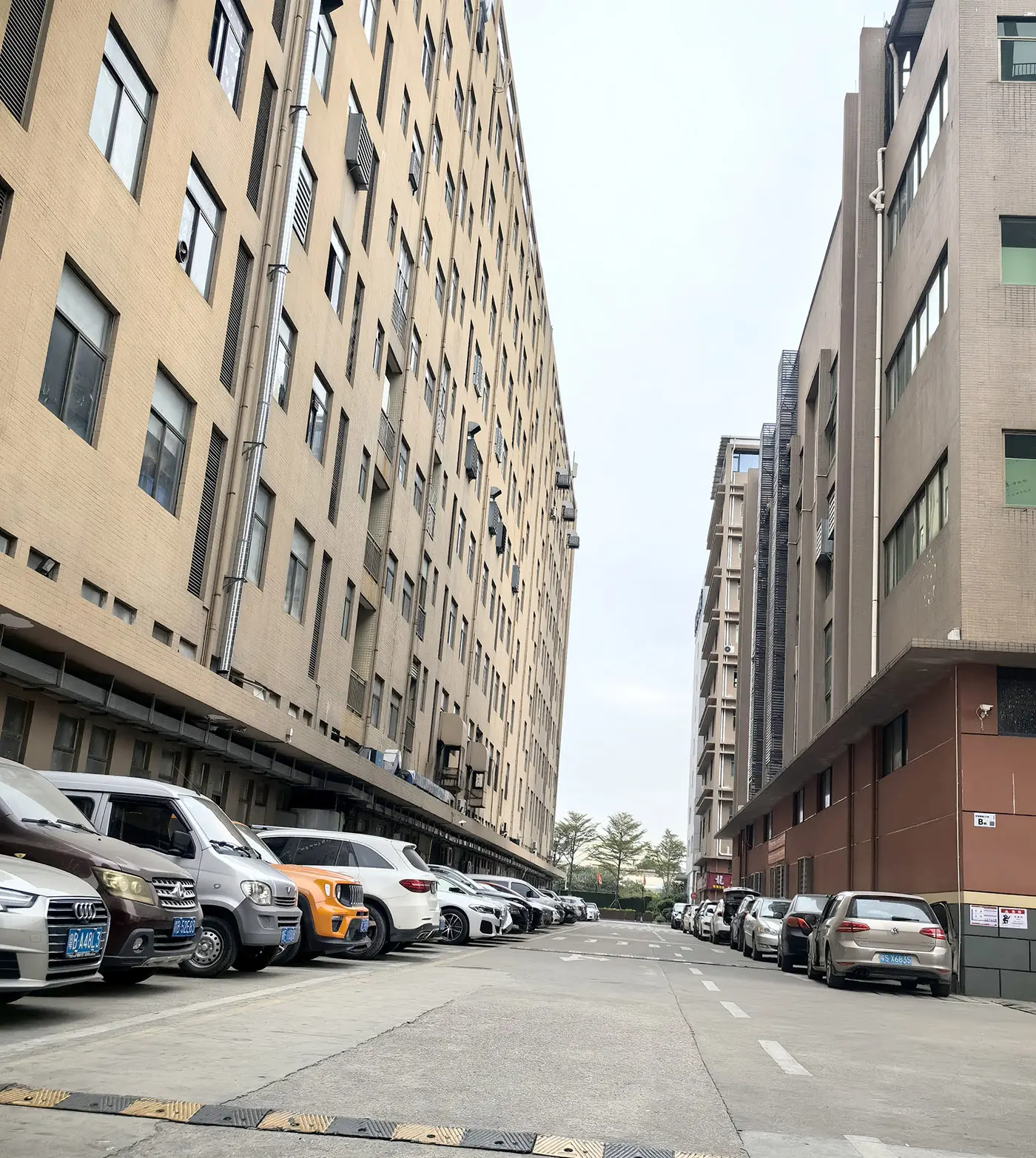
Shenzhen Snow Peak Clean Technology Co., Ltd. is an integrated high-tech enterprise, specialized in air filtration products research and development, production, sales, import and export trade.
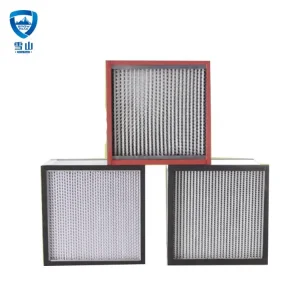
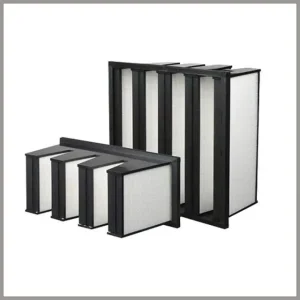
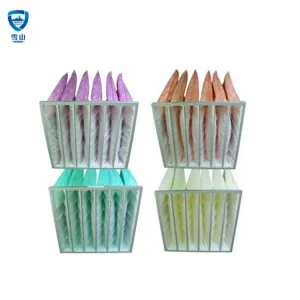
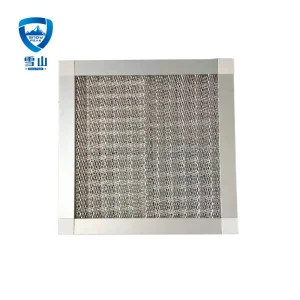
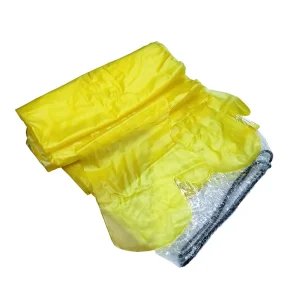
We produce and supply: Pre-filter, pocket filter, HEPA filter, chemical filter; replacement HEPA filter, car cabin air filter, humidifier filter; pocket filter media, melt-blown composite filter media, and other high-performance filter materials; provide high quality air purification solutions and products for indoor air pollution control and air conditioning systems of civil and industrial buildings, microelectronics, pharmaceutical, laboratory, school, hospital clean room etc.
Combined with self-developed patented technology, our sterilizing antiviral HEPA filter can effectively filtrate fine particles, so that PM2.5 concentration down to 10 micrograms/m3, 5 times better than national standard; effectively inhibit the breeding of microorganisms, sterilization rate up to 99.9%, and no secondary pollution, removal of H1N1 virus efficiency as high as 99.99%.
State-of-the-art Japanese and European manufacturing systems ensuring sub-micron level precision
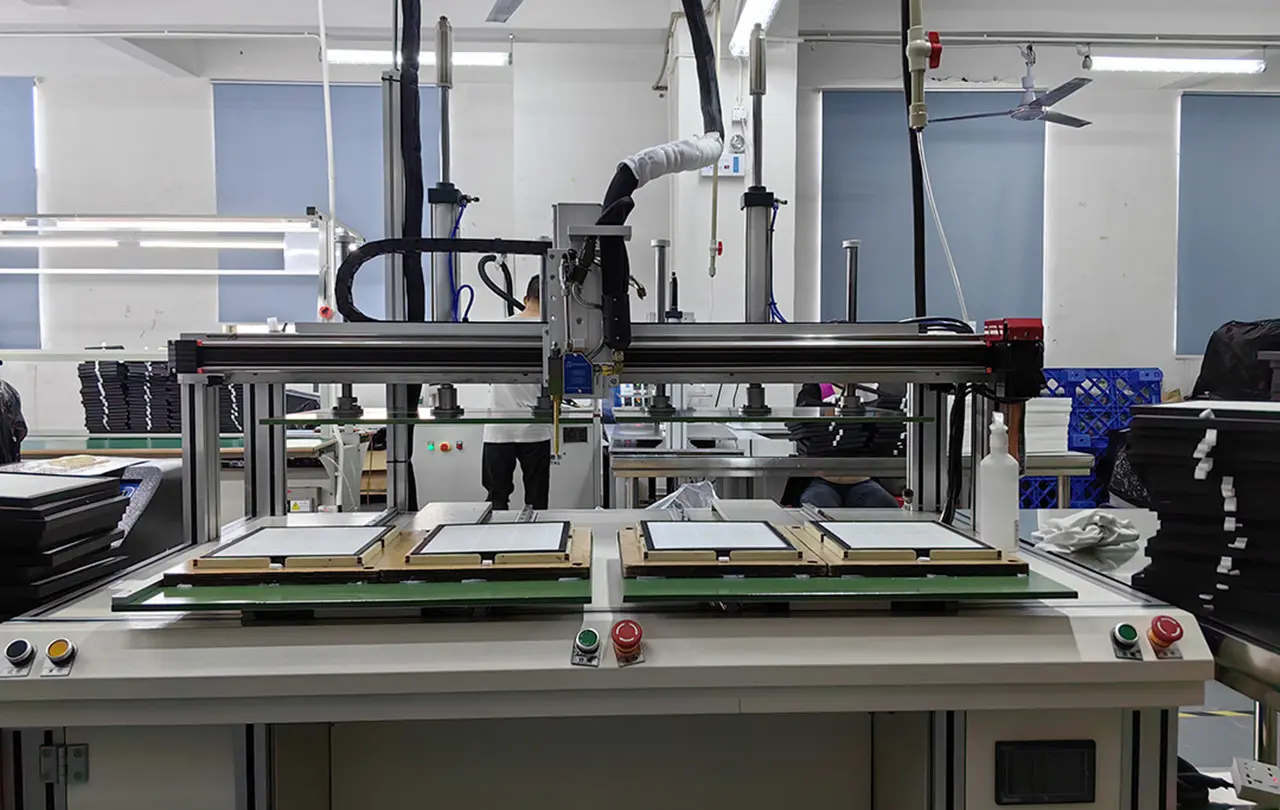
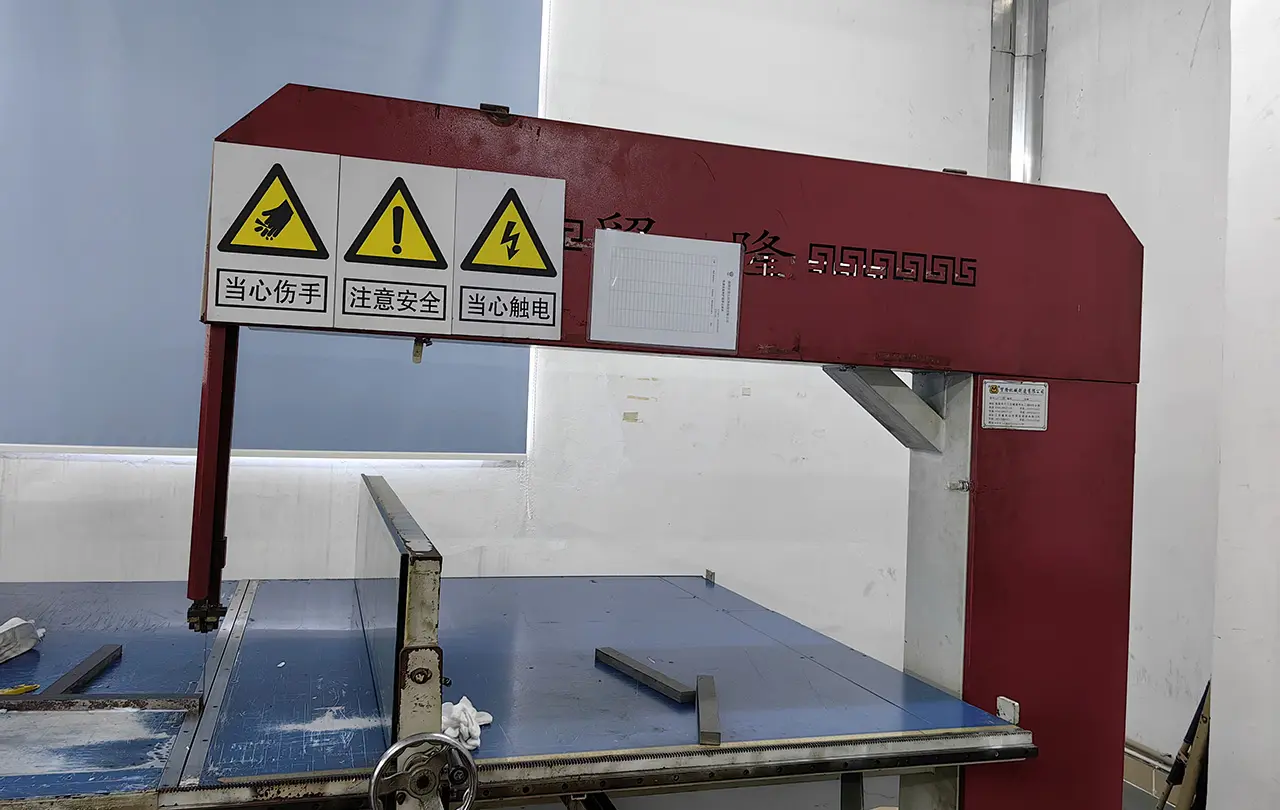
Having 15 years of international air purification technology experience as the background, our company has standardized production workshop, dust-free filter workshop and first-class technology of HEPA filters production line and inspection line, independent research and development of fully automatic air filter production line, equipped with AMADA CNC punch and CNC bending machine as well as many other advanced high-end equipment, provide a strong guarantee for production and quality of air filtration and purification products.
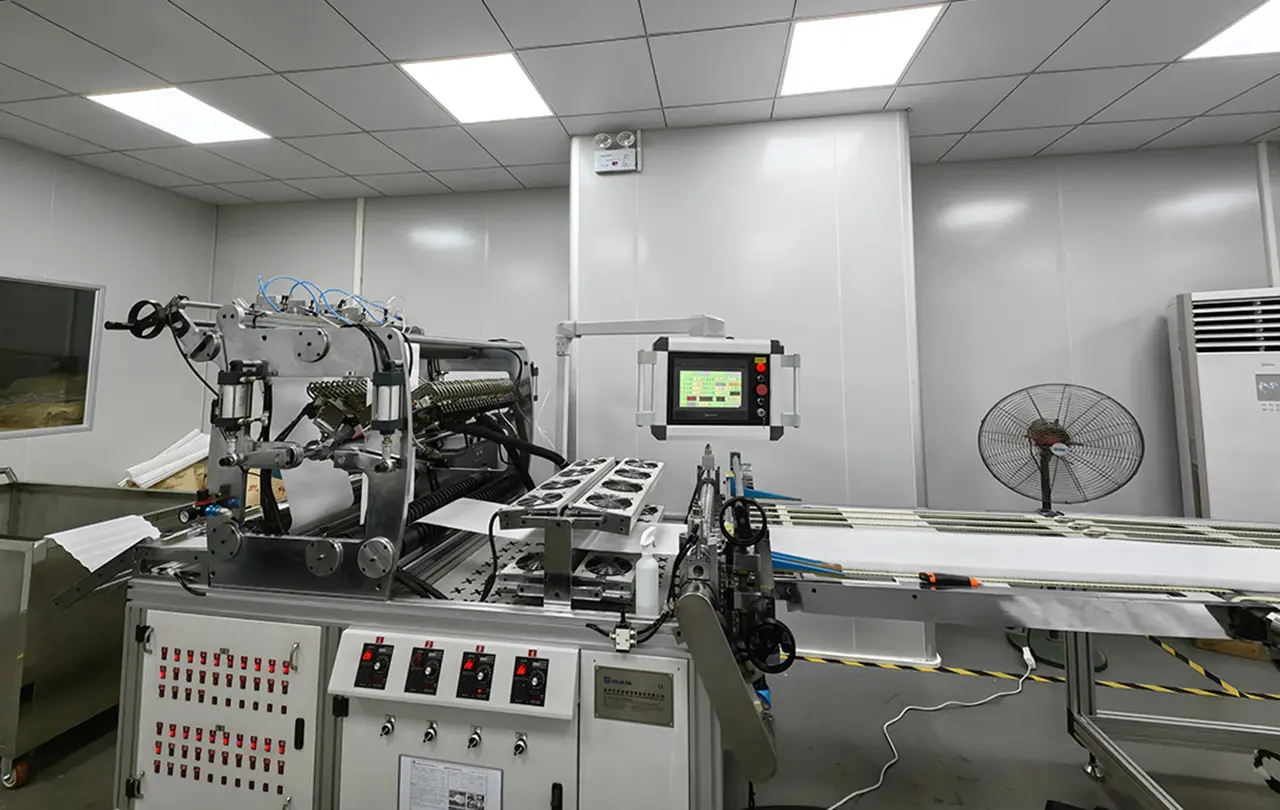
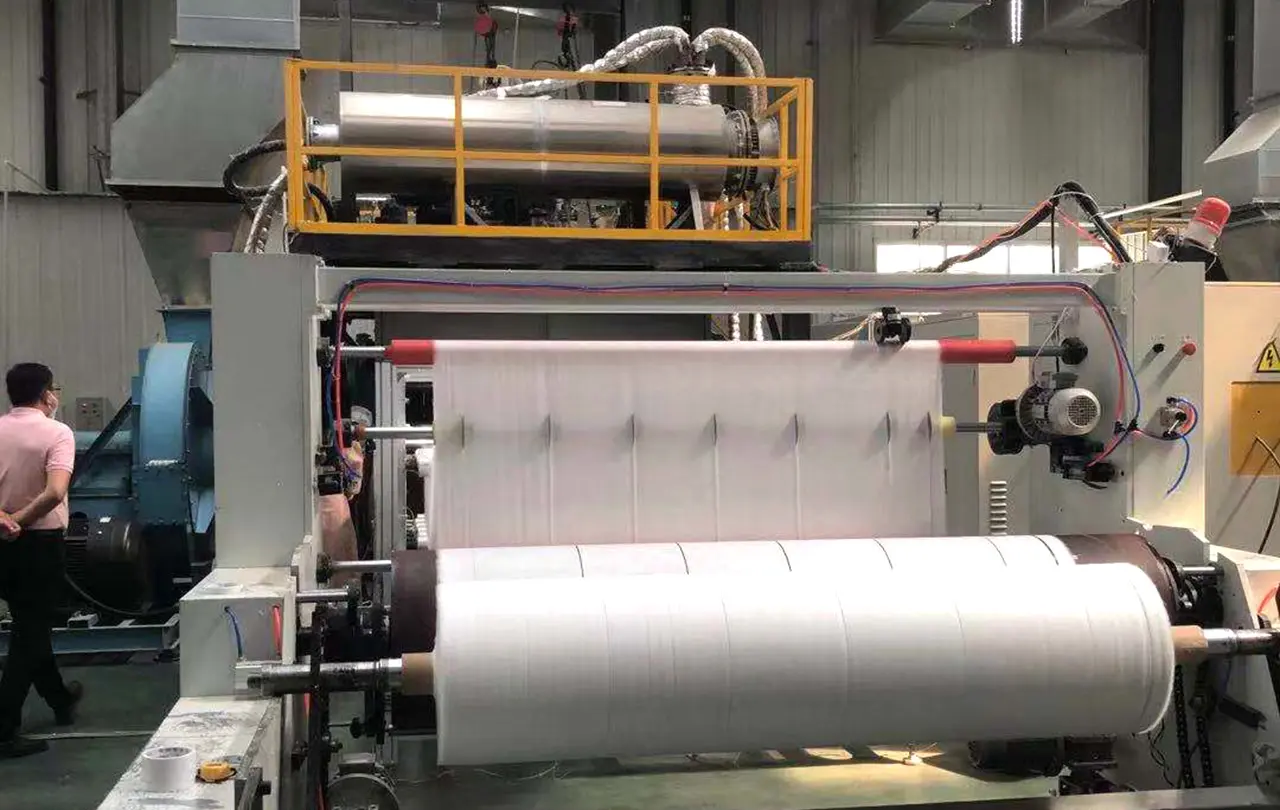
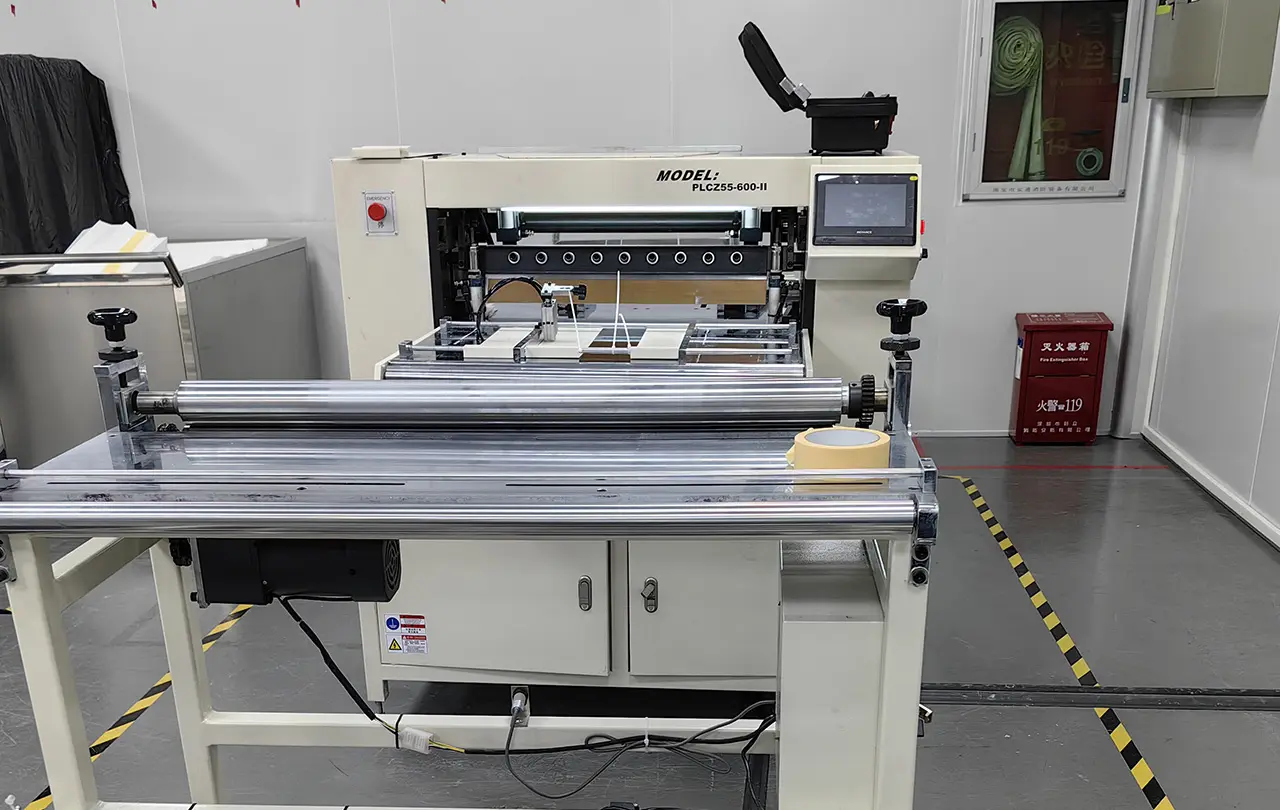
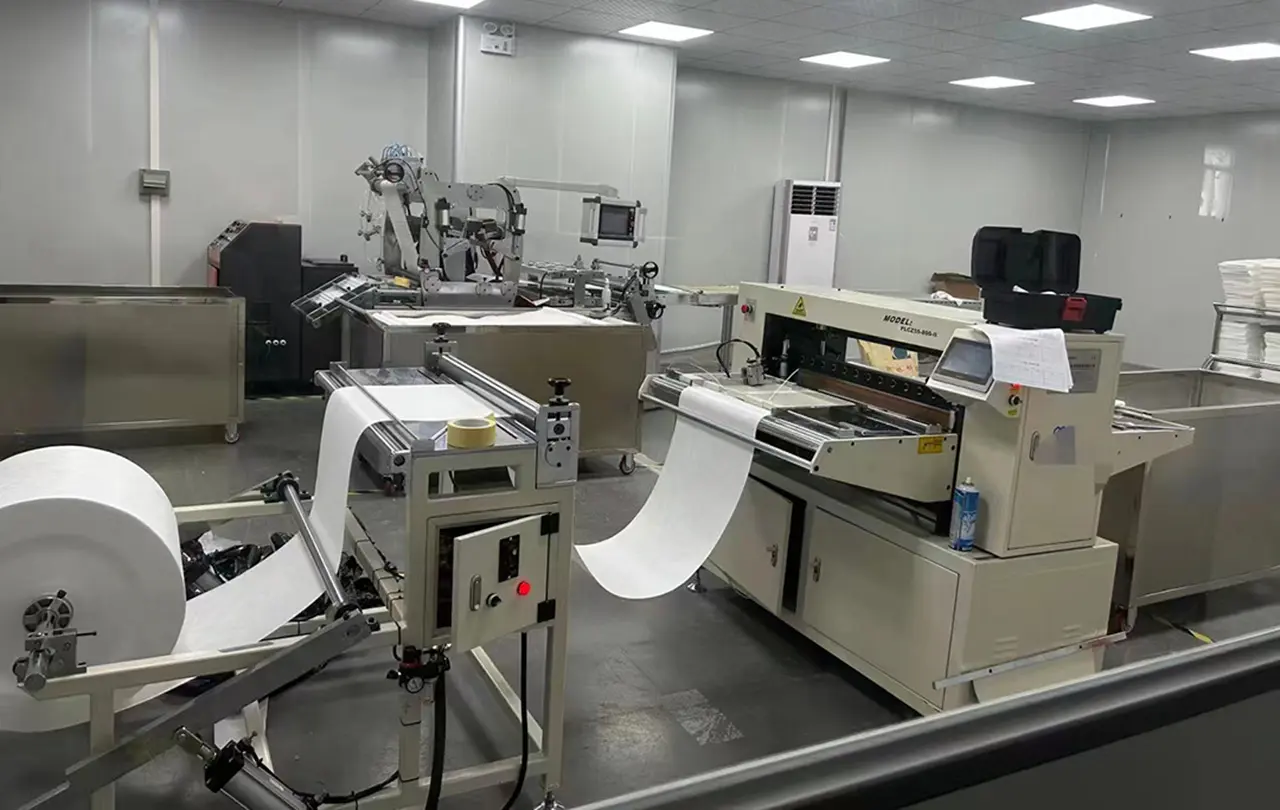
Custom engineered filtration arrays targeting local industrial pain points
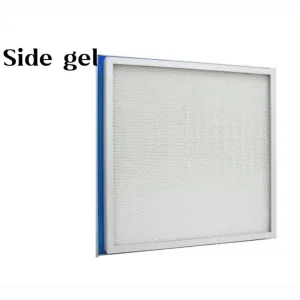
Achieve absolute GMP Annex 1 compliance. Our custom mini-pleated HEPA and Gel Seal liquid tank filters guarantee ISO Class 5 air purity, protecting aseptic packaging lines from airborne pathogens and cross-contamination under strict Nigerian regulatory supervision.
Designed for gas turbine air intakes in Port Harcourt and the Delta region. Multi-stage high-efficiency filtration blocks coarse Harmattan dust and moisture, preventing blade fouling, minimizing salt corrosion, and maximizing combustion turbine reliability.
Mitigate bacterial spoilage risks in tropical environments. Our antibacterial HEPA filters sanitize ventilation air down to 99.9%, destroying yeasts, molds, and H1N1-class viruses without creating secondary chemistry emissions in dairy and carbonated beverage packaging plants.
Addressing TCO (Total Cost of Ownership), system longevity, and compliance certifications
Modern industrial procurement managers prioritize TCO over simple initial purchase price. A cheaper air filter with high initial resistance draws more electrical power through HVAC fans. Across a large site, this translates to thousands of dollars in excess energy bills, alongside frequent replace-and-discard cycles.
Shenzhen Snow Peak addresses this issue directly. By using advanced composite media with progressive density layering, our G4, M5, and F7 pre-filters capture coarse particles efficiently while maintaining an exceptionally low pressure drop. This prolongs the service life of downwind H13 and H14 HEPA filters by up to 200%. Consequently, operating facilities in Lagos, Port Harcourt, and Kano experience lower overall energy consumption and reduced replacement filter budgets.
Additionally, all shipments of filters to West African ports are custom packed using moisture-proof synthetic barriers, ensuring that high-humidity maritime transit does not degrade the filter media before installation.
Premium replacement filters and media rolls compatible with global HVAC and Cleanroom standards
Ensuring smooth import, SONCAP compliance, and custom sizing options
For global engineering consultants and domestic contractors operating in Nigeria, importing critical ventilation products requires navigating specific regulatory pathways. All air filter imports must comply with the Standards Organisation of Nigeria Conformity Assessment Programme (SONCAP). This certification verifies that imported air filters match domestic safety standards and meet technical requirements, preventing low-quality counterfeits from entering the market.
At Shenzhen Snow Peak, we manage all necessary documentation (including Product Certificates and SONCAP Certificates) to facilitate custom clearance at Apapa Port, Tin Can Island Port, or Lagos Airport. Our logistics team works directly with trusted West African clearing agents to minimize demurrage risks and shipping delays.
We also offer extensive OEM/ODM support for custom sizes. Given that many facilities in Nigeria rely on legacy European, American, or Asian air handling units (AHUs), finding replacement filters with non-standard dimensions is a frequent challenge. Our technical division can customize dimensions, frame styles (such as galvanized iron, stainless steel, aluminum, or cardboard), and media composition to match any system specification.
Answers to common questions regarding dust loading, Harmattan challenges, and performance indicators
 Snow Peak