 Snow Peak
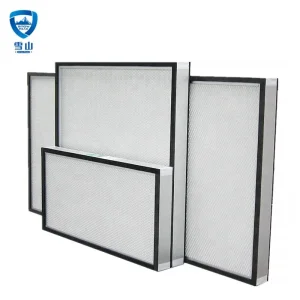
Melbourne Commercial HVAC High-Efficiency Mini-Pleated HEPA Filter (Custom Sizes)
Engineered to minimize static pressure drops in ventilation systems across corporate offices and educational facilities in Melbourne CBD.
Detailed SpecsLeading high-efficiency air filters engineered for Melbourne's advanced commercial structures, hospital clean zones, and high-precision manufacturing industries.
Engineered to minimize static pressure drops in ventilation systems across corporate offices and educational facilities in Melbourne CBD.
Detailed Specs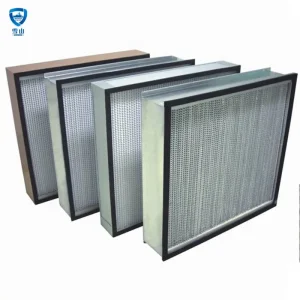
Designed for rigorous cleanroom containment, biological research facilities, and medical engineering zones in Victoria's primary biotech centers.
Detailed Specs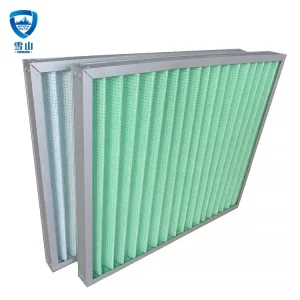
Heavy-duty primary protection panels intercepting large debris to extend the lifecycle of terminal HEPA filtration units in manufacturing centers.
Detailed Specs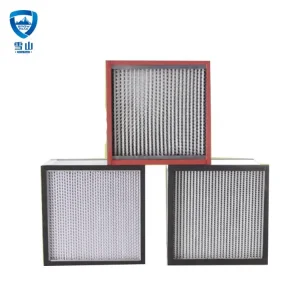
Equipped with high-grade aluminum foil separators to perform seamlessly in autoclave systems and heat tunnels up to 250°C.
Detailed SpecsGreater Melbourne represents one of Australia's most dynamic economic engines, combining heavy chemical manufacturing in Altona, high-tech automotive engineering in Dandenong, and the Southern Hemisphere's largest biomedical cluster in Parkville. However, this diverse industrial footprint poses severe air quality challenges. Strict local environmental policies, coupled with building-code obligations such as AS 1668.2 (governing mechanical ventilation), mandate that facilities implement robust particulate collection solutions.
Additionally, Melbourne is increasingly prone to extreme seasonal dust storms, industrial particulate emissions, and intense bushfire seasons. During these occurrences, the ambient concentration of PM2.5 can surge well past safe levels. Standard generic filters cannot handle these sudden load spikes without causing system-wide static pressure failures. Commercial buildings, medical centers, and food packaging companies require specialized air filtration arrays capable of high dust loading capacity and low flow resistance.
To meet these parameters, global and local buyers are shifting from basic performance criteria to long-term operational resilience. Our industrial air filter series offers the high-efficiency solution needed to keep Melbourne's key operations active and compliant year-round.
Exploring the shift toward ISO 16890, decarbonization of commercial air conditioning networks, and intelligent system designs.
Transitioning from older EN 779 standards to ISO 16890. Modern systems measure filtration against specific PM1, PM2.5, and PM10 fractions, ensuring precise and predictable performance.
Filtration energy consumption represents a large portion of building HVAC operational costs. Lower resistance filters reduce power usage, aligning clean air targets with Net Zero goals.
Using smart differential pressure sensors to schedule replacements based on real-time loading rather than fixed intervals. This optimizes filter lifespans and reduces unnecessary waste.
Shenzhen Snow Peak Clean Technology Co., Ltd. is an integrated high-tech enterprise, specialized in air filtration products research and development, production, sales, import and export trade. We produce and supply: Pre-filter, pocket filter, HEPA filter, chemical filter; replacement HEPA filter, car cabin air filter, humidifier filter; pocket filter media, melt-blown composite filter media, and other high-performance filter materials; provide high quality air purification solutions and products for indoor air pollution control and air conditioning systems of civil and industrial buildings, microelectronics, pharmaceutical, laboratory, school, hospital clean room etc.
Combined with self-developed patented technology, our sterilizing antiviral HEPA filter can effectively filtrate fine particles, so that PM2.5 concentration down to 10 micrograms/m3, 5 times better than national standard; effectively inhibit the breeding of microorganisms, sterilization rate up to 99.9%, and no secondary pollution, removal of H1N1 virus efficiency as high as 99.99%.
Having 15 years of international air purification technology experience as the background, our company has standardized production workshop, dust-free filter workshop and first-class technology of HEPA filters production line and inspection line, independent research and development of fully automatic air filter production line, equipped with AMADA CNC punch and CNC bending machine as well as many other advanced high-end equipment, provide a strong guarantee for production and quality of air filtration and purification products.
Advanced Production Machinery & Testing:
An inside look at our advanced manufacturing floor, where precise calibration and quality-controlled machinery guarantee filter integrity.
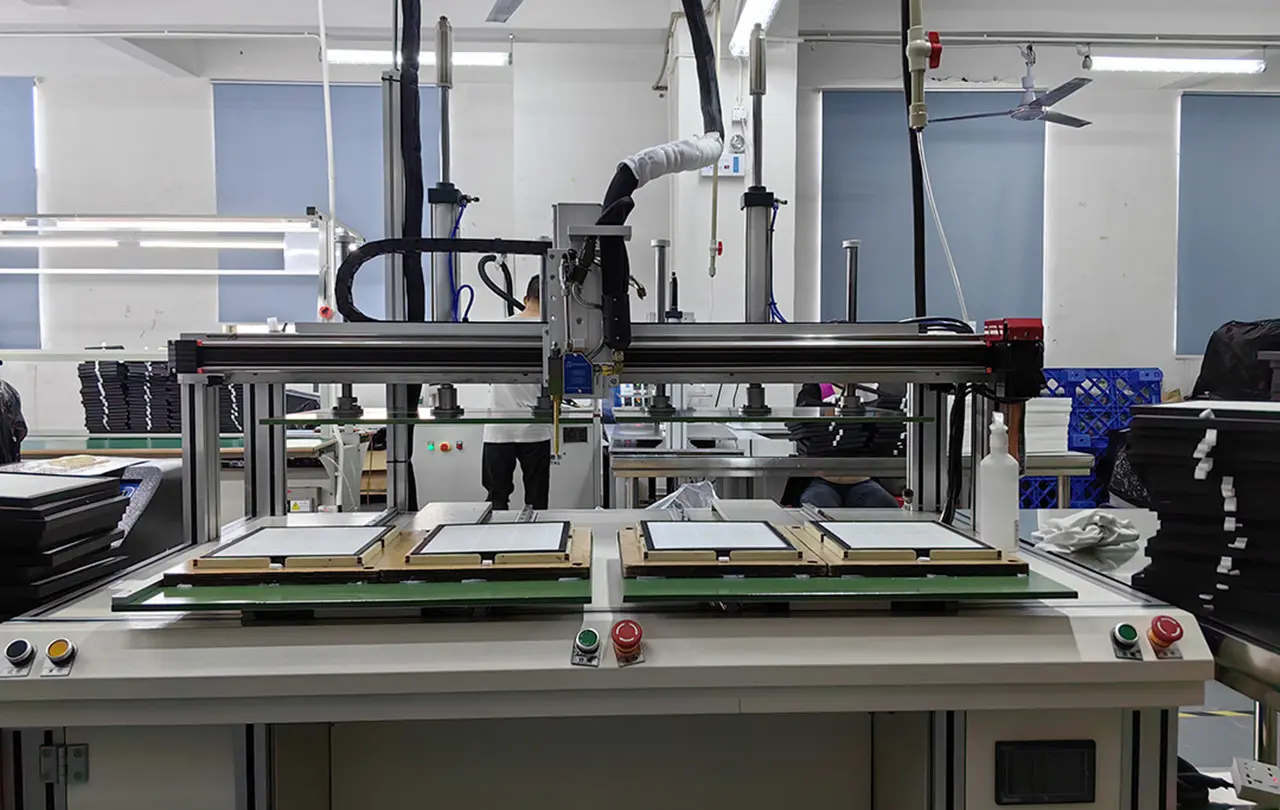
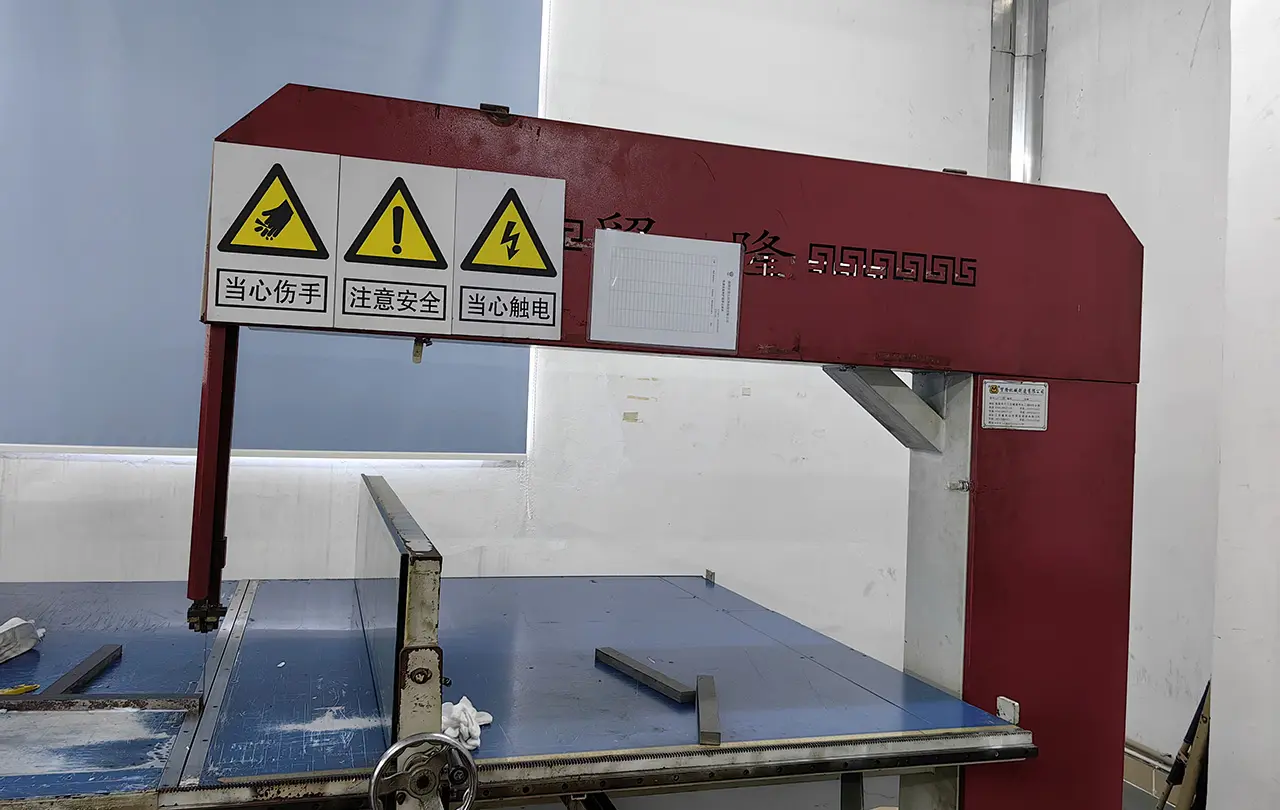
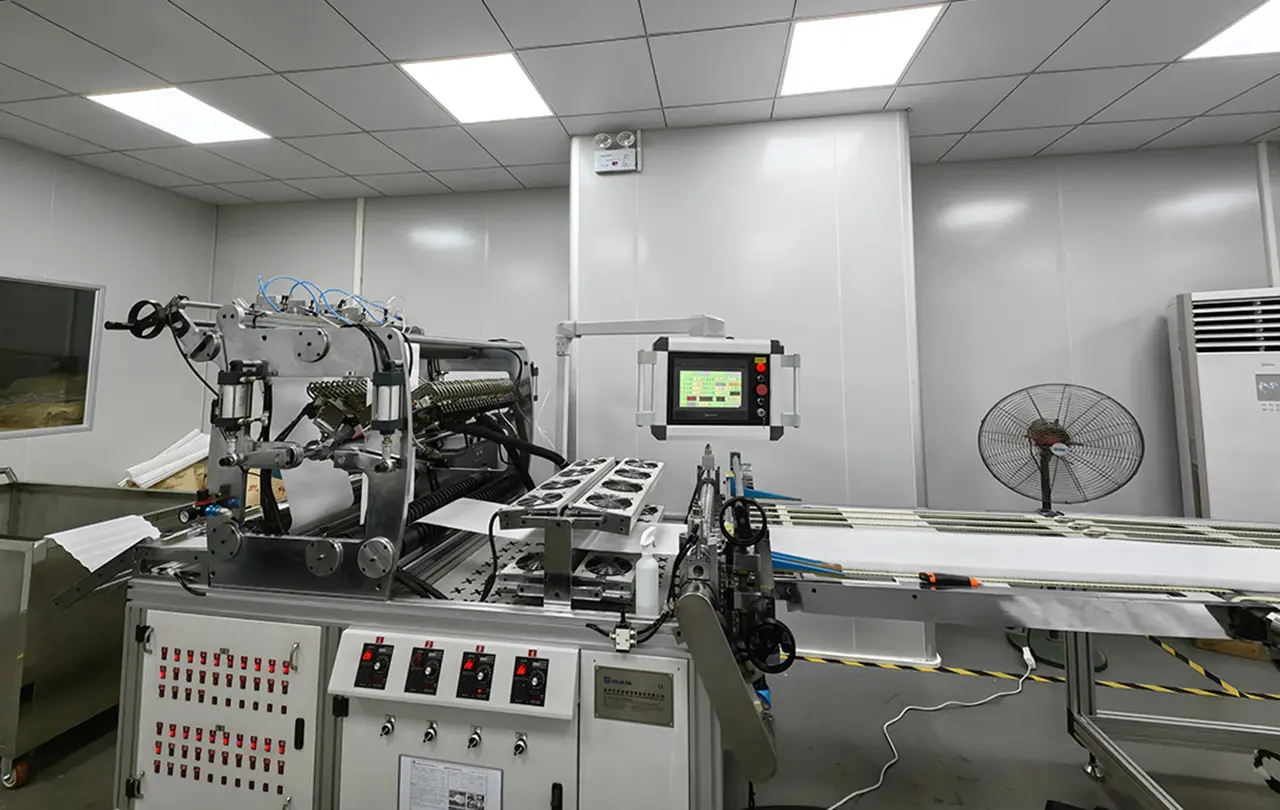
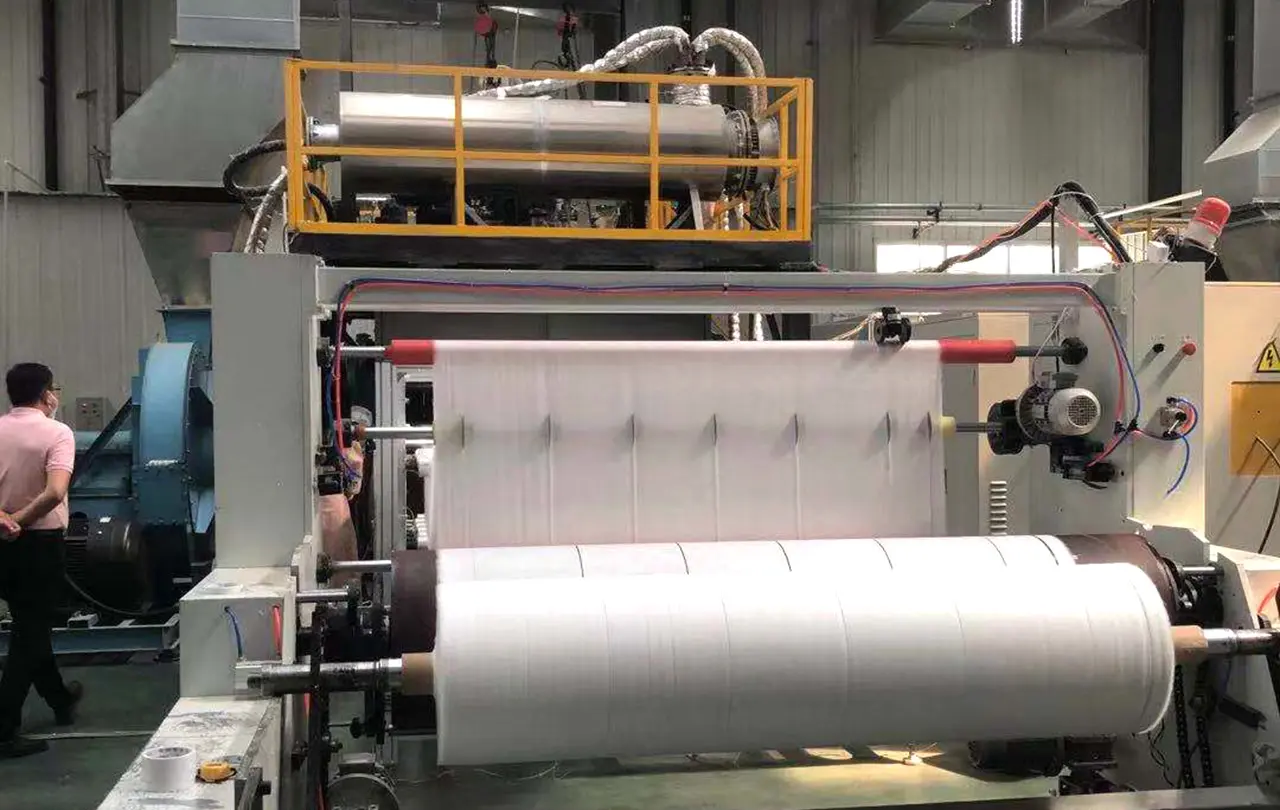
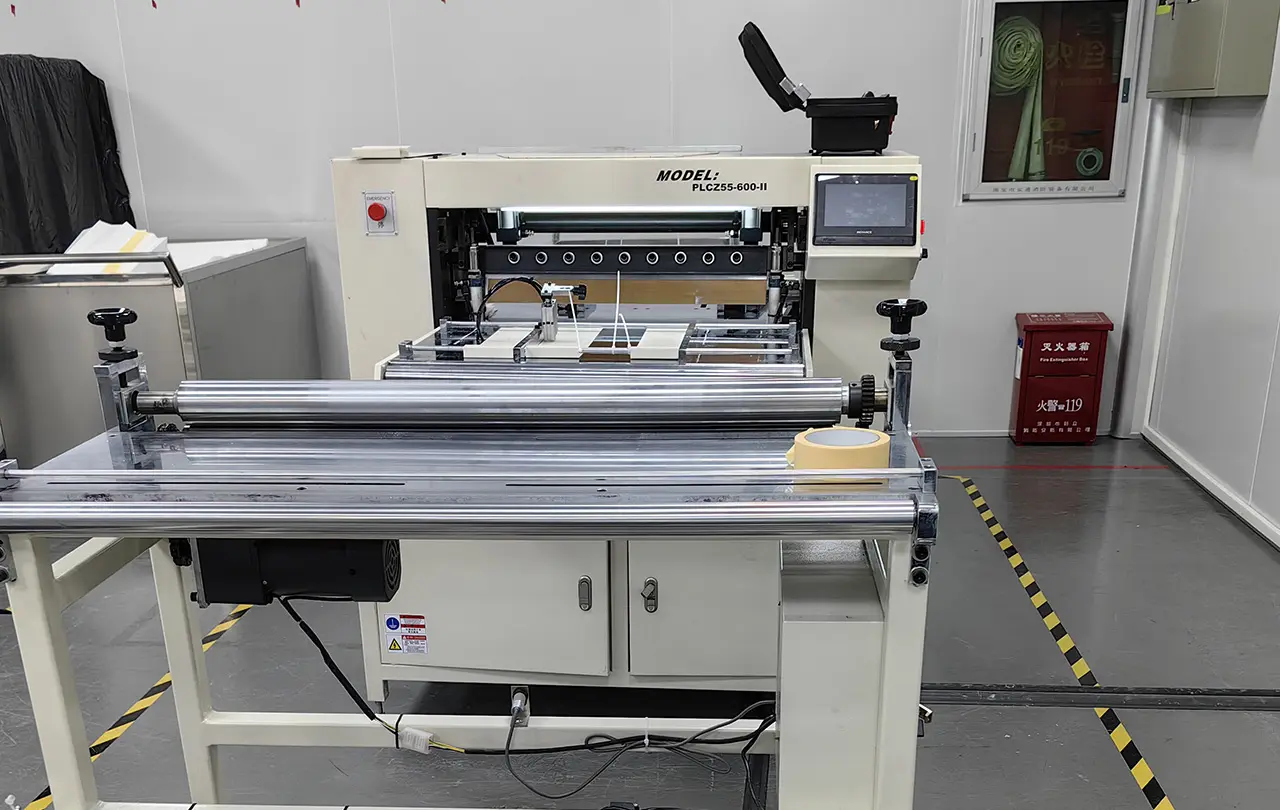
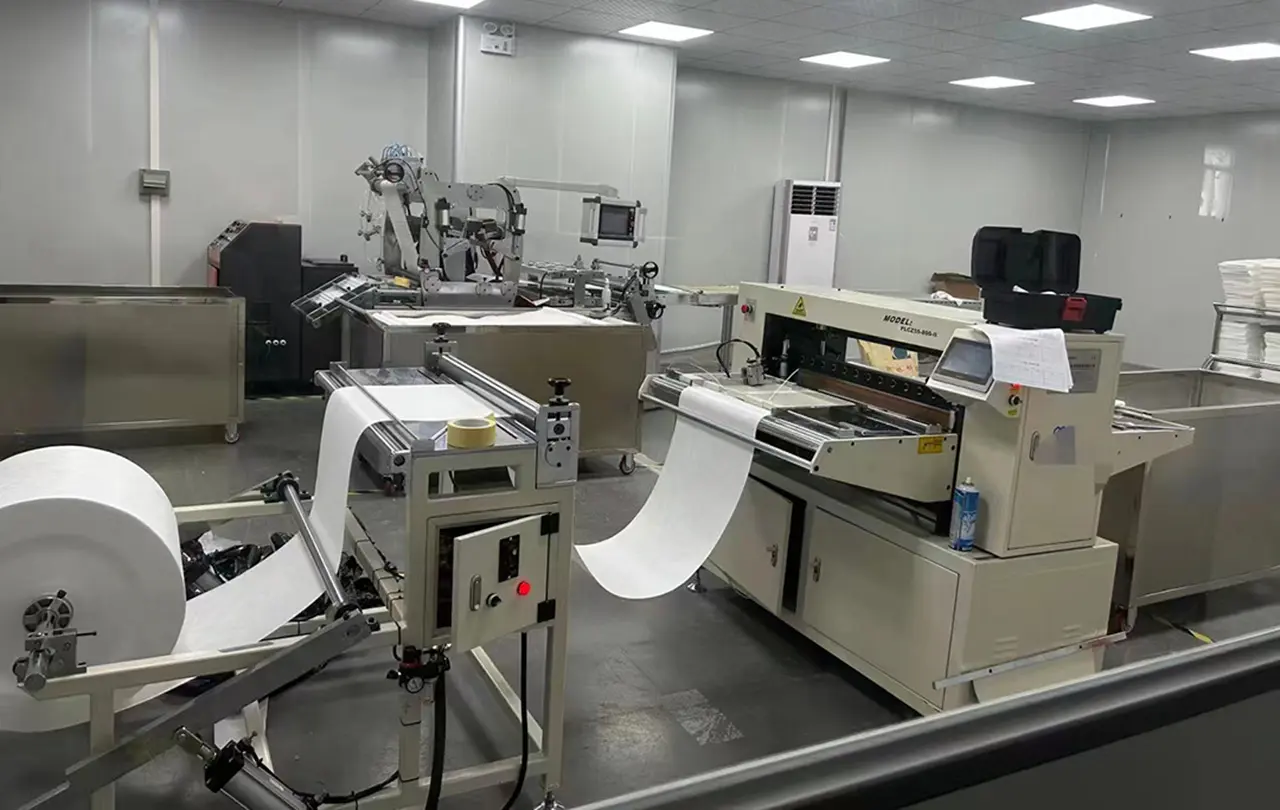
For Melbourne-based engineers and purchasing managers, supply chain reliability is just as critical as product quality. Disruptions in container logistics, shifting raw material costs, and unexpected lead-time delays can halt major construction projects or delay cleanroom operations. This is where China’s Industry 4.0 manufacturing model offers key structural advantages, combining resilient supply networks with high-volume cost efficiencies.
By using fully automated pleating arrays, CNC punch presses from AMADA, and high-speed robotic gluing lines, our production facilities minimize human error and ensure reliable output. Automated processes also help lower energy use and material waste, allowing us to maintain stable, competitive pricing despite global economic fluctuations.
Additionally, our direct relationships with top-tier raw material suppliers ensure a steady flow of high-grade fiberglass and synthetic media. Melbourne buyers benefit from shorter production times, custom dimensions on demand, and consistent compliance with global certifications (CE, ISO, and EN 1822).
How our industrial filter systems support the performance and compliance of Victoria's primary sectors.
In Parkville’s biomedical precinct, our Gel Seal HEPA filters deliver leak-proof seals and high-efficiency filtration to meet strict ISO 5 cleanroom standards, keeping research and production zones sterile.
Faced with strict hygiene standards, food and beverage plants in Dandenong use our antibacterial HEPA filters to prevent microbial growth and maintain clean air in food preparation zones.
For CBD high-rises, our V-Bank and pocket filters improve indoor air quality and help achieve Green Star building ratings by reducing fan energy use and maintaining low air resistance.
A comprehensive range of specialized filters for advanced air ventilation, chemical outgassing mitigation, and containment systems.
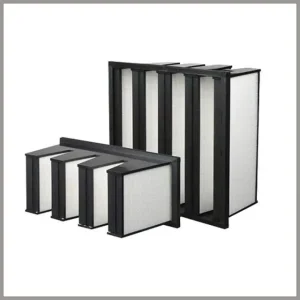
High-airflow V-Bank design for commercial air conditioning systems requiring high filtration rates and low energy usage.
Detailed Specs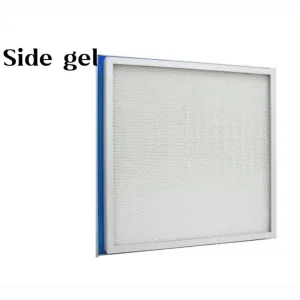
Equipped with a liquid gel channel that forms a leak-free seal with ceiling grid systems, ideal for pharmaceutical and biomedical labs.
Detailed Specs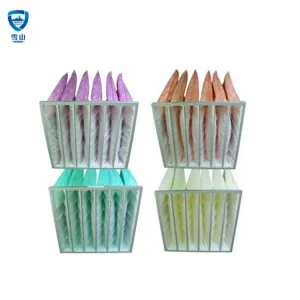
Multi-pocket synthetic bags that maximize filtration area and support high dust holding capacity in heavy manufacturing facilities.
Detailed Specs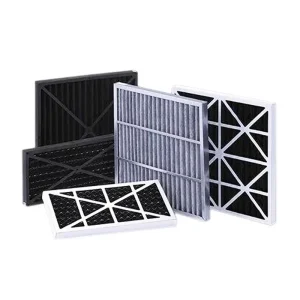
Infused with high-activity carbon media to absorb gaseous pollutants, volatile organic compounds, and industrial chemical smells.
Detailed Specs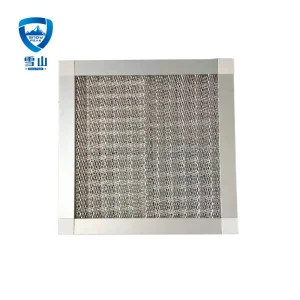
Constructed from multi-layered corrugated wire mesh to capture grease, moisture, and large particulates in challenging environments.
Detailed Specs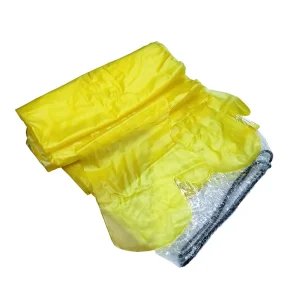
Tough, chemical-resistant PVC bags that allow safe filter changes in hazardous, bio-secure, or nuclear laboratories.
Detailed Specs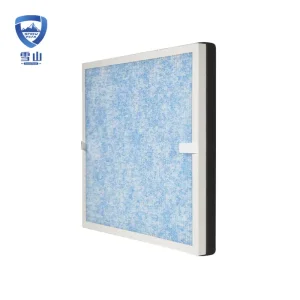
Combined multi-stage media designed for vacuum systems and portable purification units in high-density office zones.
Detailed Specs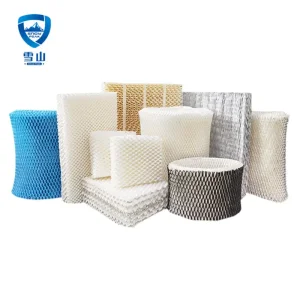
High-absorption structure that provides efficient evaporation rates and steady cooling performance for industrial HVAC plants.
Detailed SpecsExpert answers to common questions about air filtration selection, regulatory compliance, and system maintenance.
To comply with AS 1668.2, you must select filter classes based on your building's occupancy and outdoor air pollution levels. This typically requires using a combination of high-efficiency G4 or F7 pre-filters to capture larger dust particles, followed by final V-Bank or HEPA filters to target fine PM2.5 particulates. Our technical team can help design the right filter array for your building layout.
EN 779 relied on average efficiency against a single 0.4-micron particle size. In contrast, ISO 16890 classifies filters based on three particle size fractions: PM1 (fine dust/combustion), PM2.5 (pollen/molds), and PM10 (coarse dust/sand). This shift allows engineers to match filter performance directly to real-world ambient dust measurements.
Automation reduces material waste and speeds up production times. Modern pleating machines construct the filter cores with consistent fold spacing, which ensures stable airflow and prevents premature filter clogging. These efficiencies lower manufacturing costs and provide users with a lower total cost of ownership.
For critical applications, liquid gel seal HEPA systems are generally preferred over traditional neoprene gaskets. The gel channel flows around the knife-edge collar of the ceiling grid, creating a secure, airtight barrier that prevents bypass leaks in high-grade cleanrooms.