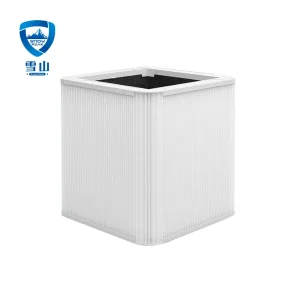
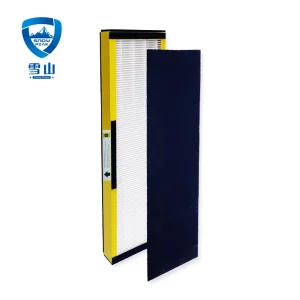
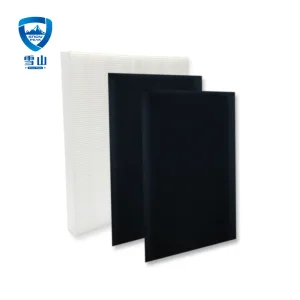
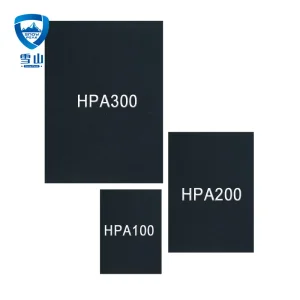
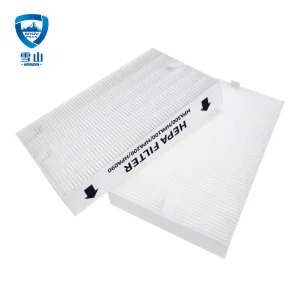
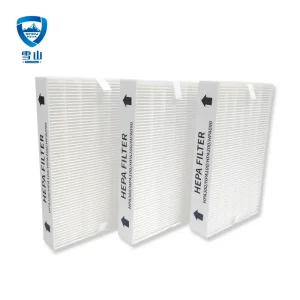
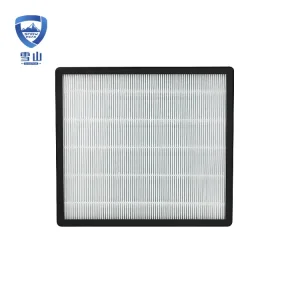
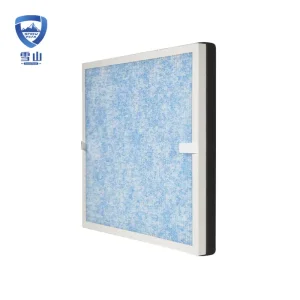
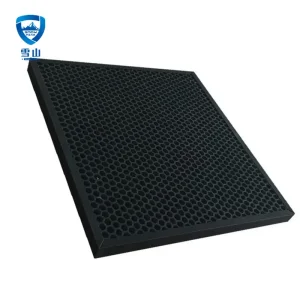
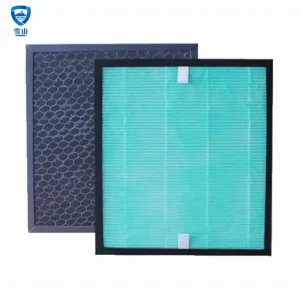
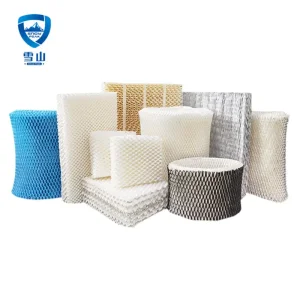
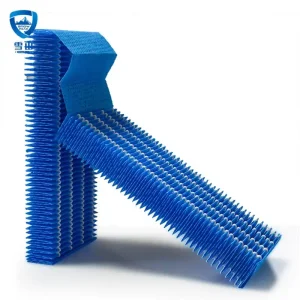
Portugal’s industrial landscape is undergoing a major modernization wave. With clusters ranging from the automotive assembly lines in Palmela to high-tech pharmaceutical zones in Coimbra, Porto, and Lisbon, the demand for high-integrity air purification is critical. Additionally, Portugal’s geography introduces unique atmospheric challenges: high Atlantic humidity along coastal centers causes rapid moisture buildup, which can lead to mold and bacterial growth inside air handling units (AHUs).
For industrial operators, procuring high-performance Replacement Air Filter Series is not merely a maintenance routine; it is an essential protocol for maintaining operational yields, complying with European health directives, and mitigating energy consumption. As the Portuguese manufacturing sector transitions toward automated Industry 4.0 paradigms, cleanroom integrity under ISO standards (such as ISO 14644) directly dictates production yields in electronic and pharmaceutical sectors.
Our filtration products are designed to meet these complex environmental criteria. We utilize high-efficiency synthetic and fiberglass media that resist moisture collapse, preventing pressure spikes and microbial migration in high-humidity regions like Porto and Lisbon.
The regulatory framework governing air filtration in Portugal aligns with strict European Committee for Standardization (CEN) mandates. Historically governed by EN 779, the current operational standard is ISO 16890, which evaluates filters based on particulate matter fractions (PM1, PM2.5, and PM10). This shift requires engineers and procurement managers to understand the fractional efficiency of the filters they source.
Our replacement air filter series are fully certified and undergo rigorous downstream aerosol testing to verify particle arrestance, ensuring that cleanrooms in Portugal can transition seamlessly under the latest audits. Choosing filters with certified low pressure drop properties also helps reduce the operational load of fan motors, supporting corporate compliance with the European Green Deal and local energy-saving directives.
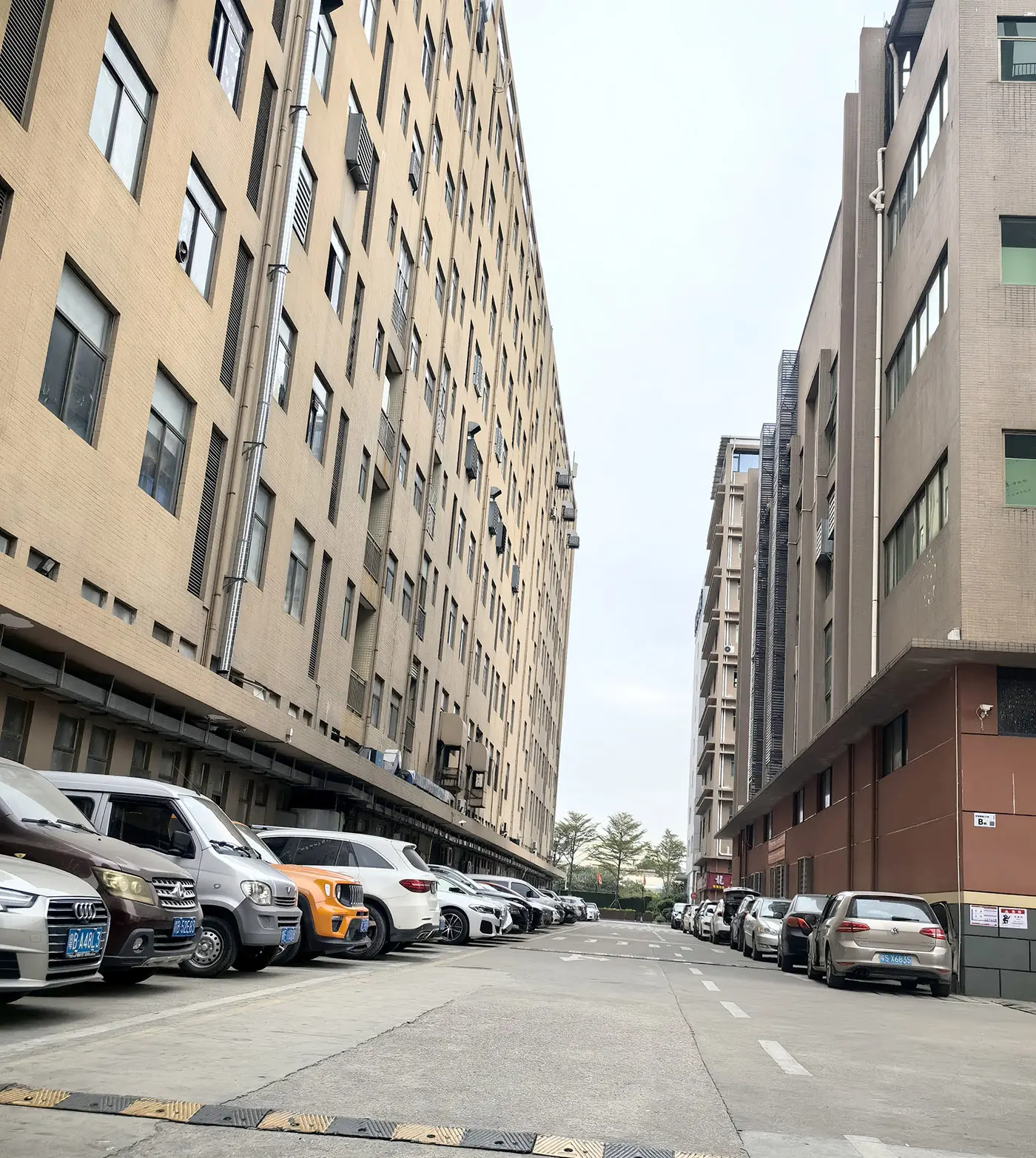
As Portuguese enterprises navigate supply chain volatility and escalating energy costs, partnering with a Chinese Industry 4.0 manufacturer offers critical strategic advantages. Shenzhen Snow Peak Clean Technology Co., Ltd. integrates automated assembly lines with precision manufacturing systems, ensuring consistent pleat spacing, leak-free frames, and robust quality control that matches or exceeds European OEM specifications.
By leveraging advanced logistics channels from our Shenzhen manufacturing hub directly to Portuguese maritime terminals (such as Port of Sines and Port of Leixões), we guarantee predictable lead times and reduced shipping overhead. Our manufacturing scale allows us to buffer raw material costs, offering competitive wholesale structures without compromising technical integrity. This model ensures that Portuguese HVAC contractors and industrial plants maintain high inventory availability and avoid costly production halts.
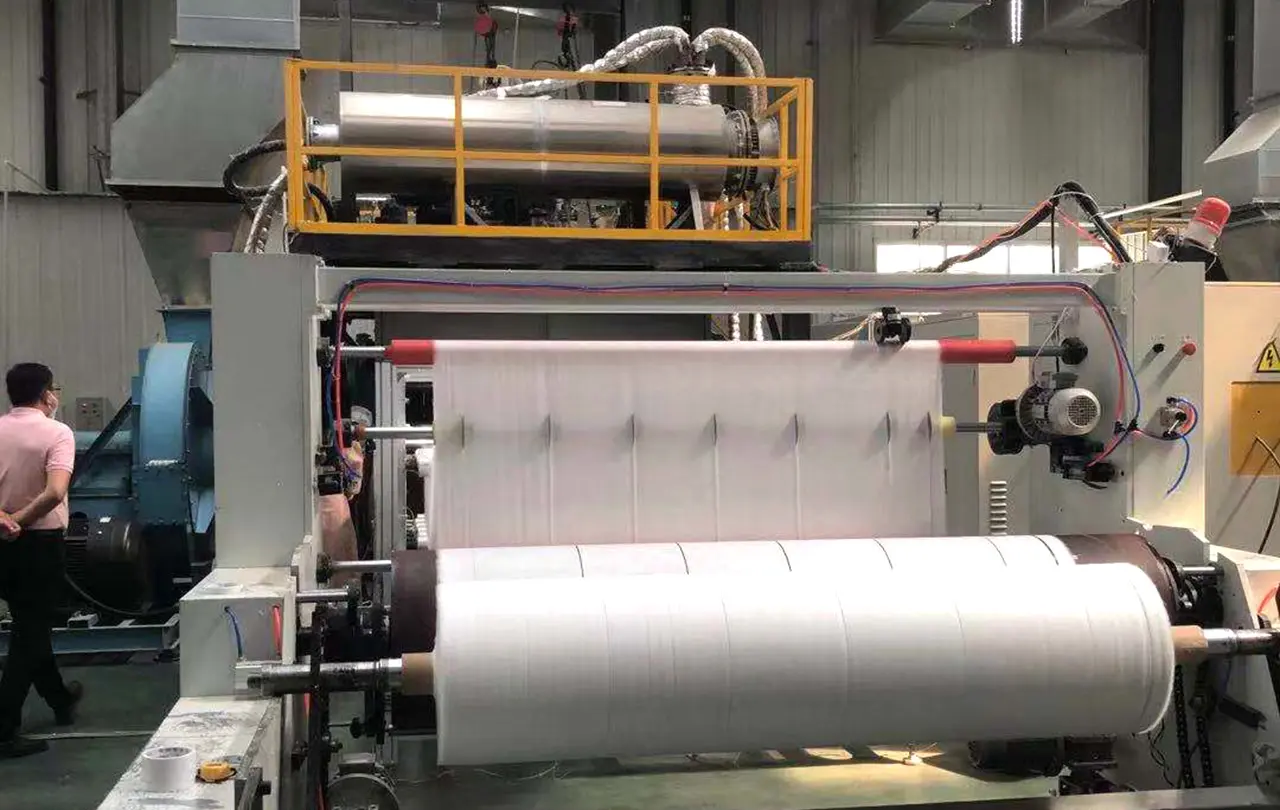
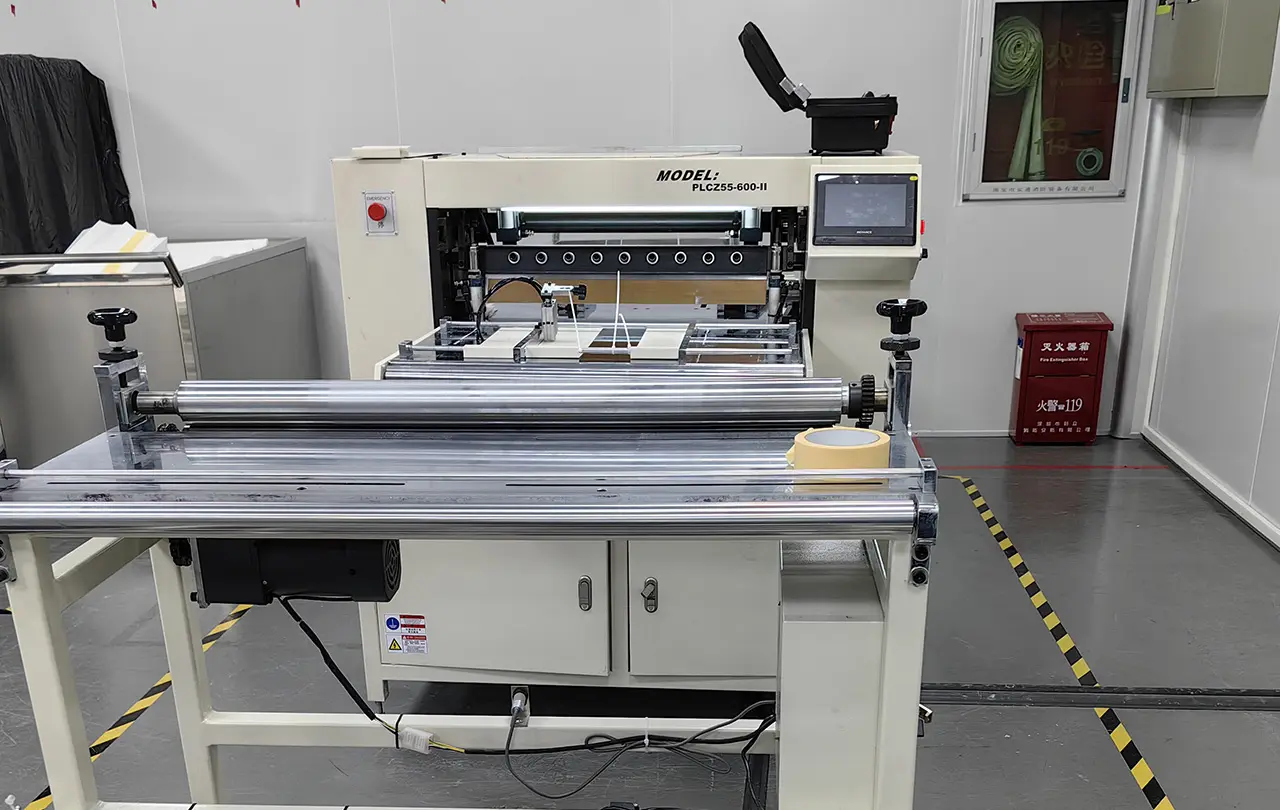
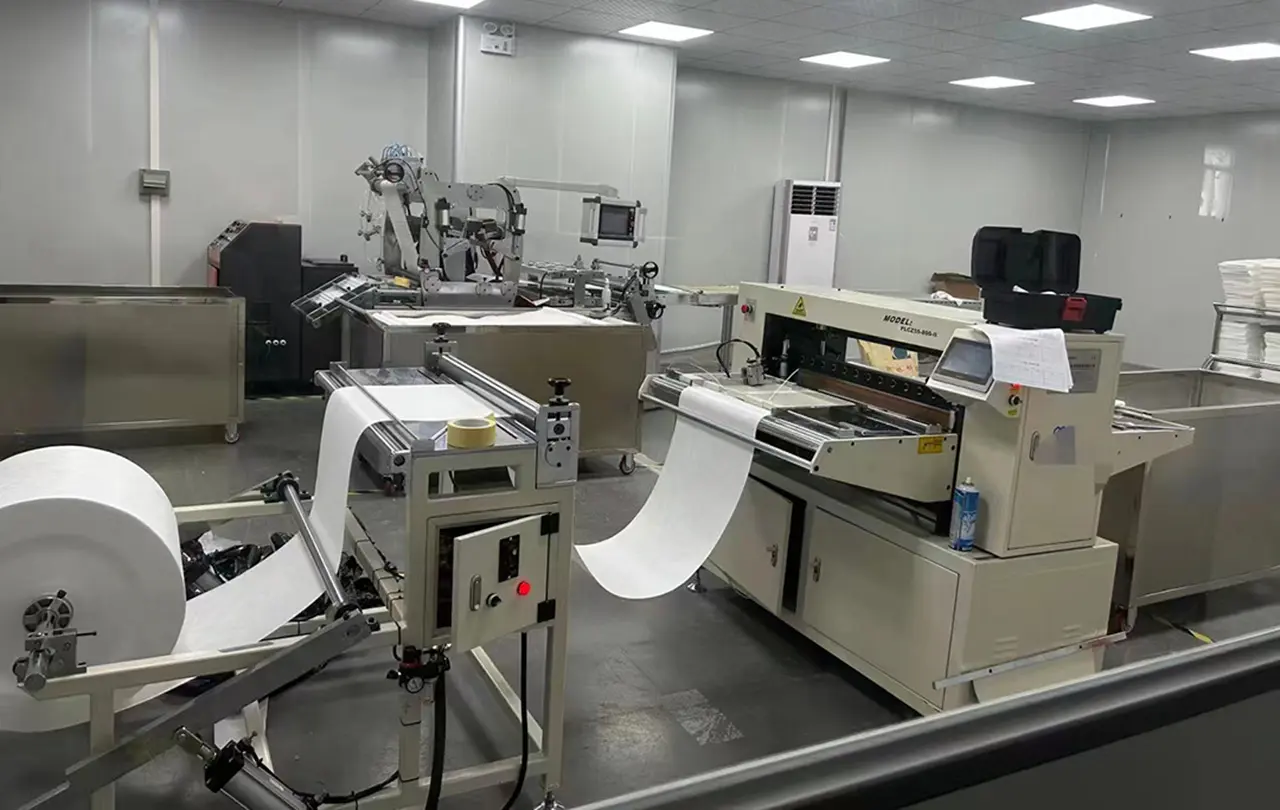
Having 15 years of international air purification technology experience as the background, our company has standardized production workshop, dust-free filter workshop and first-class technology of HEPA filters production line and inspection line, independent research and development of fully automatic air filter production line, equipped with AMADA CNC punch and CNC bending machine as well as many other advanced high-end equipment, provide a strong guarantee for production and quality of air filtration and purification products.
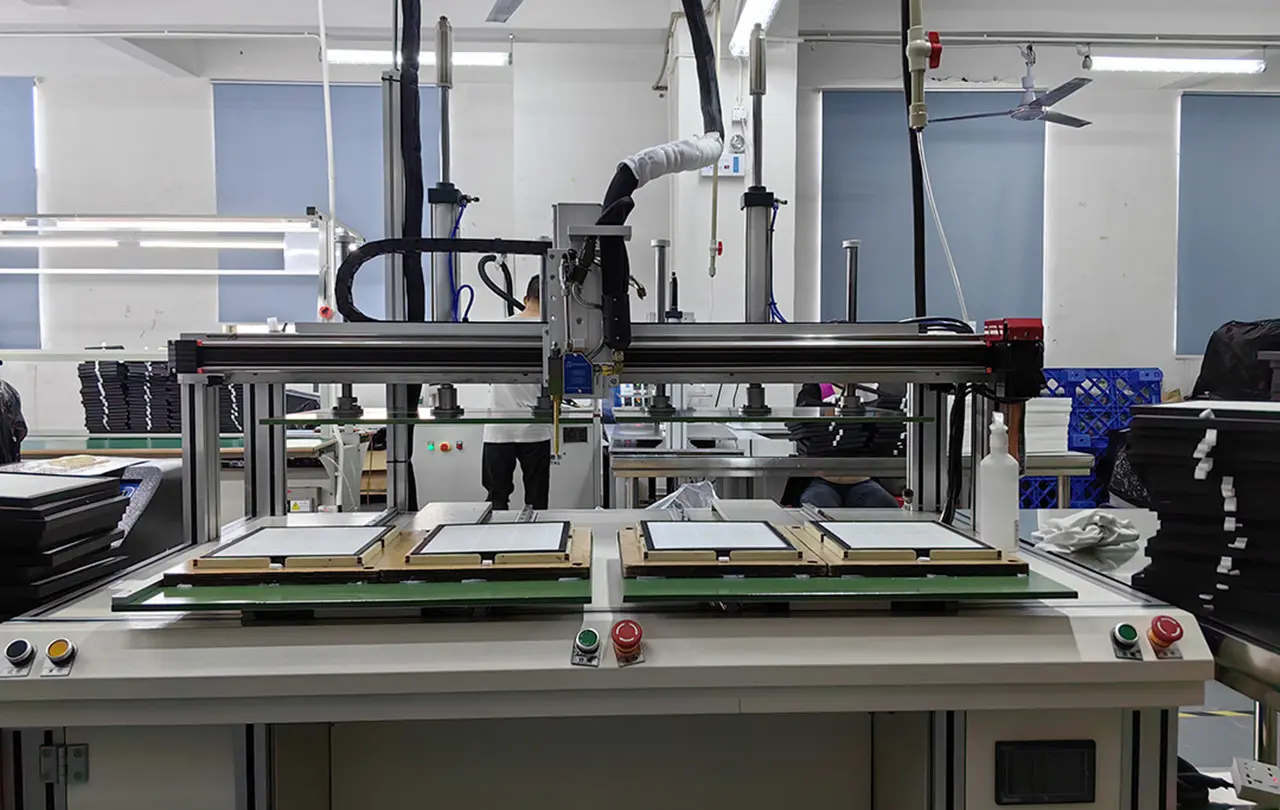
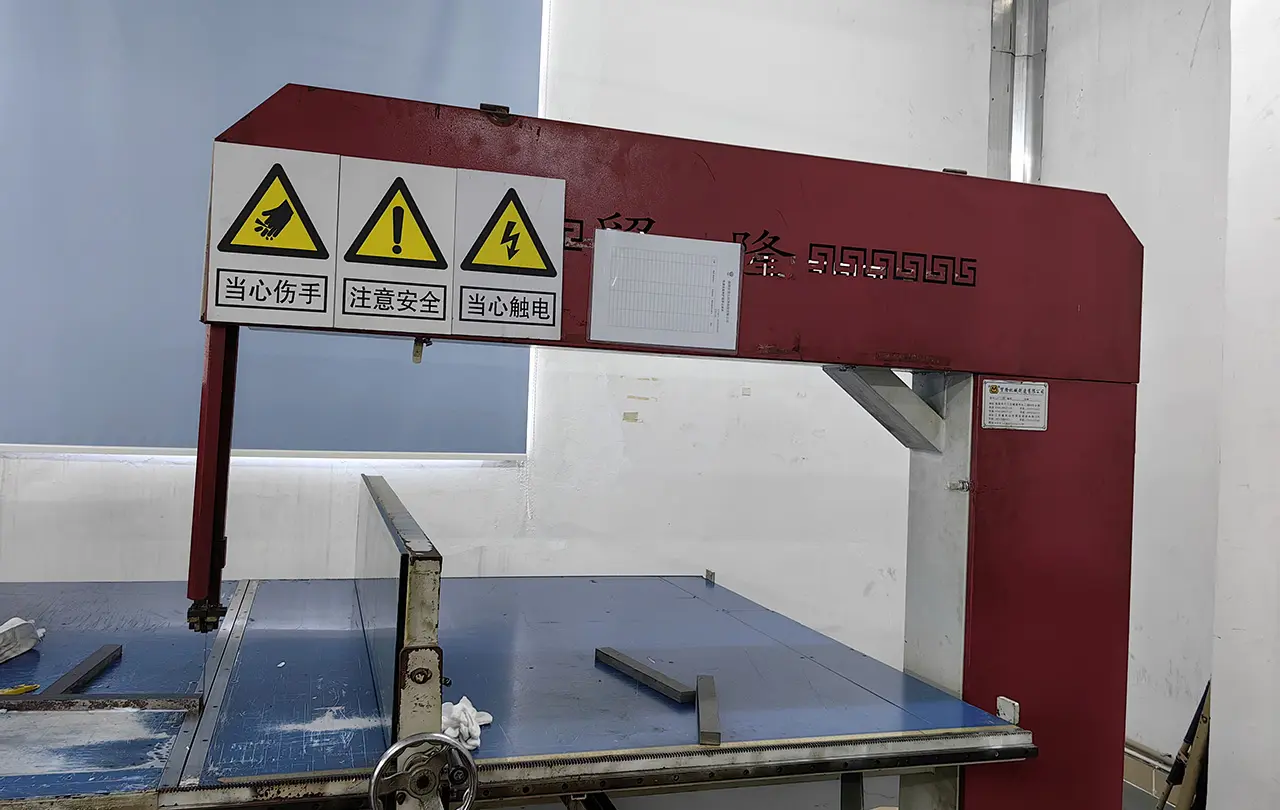
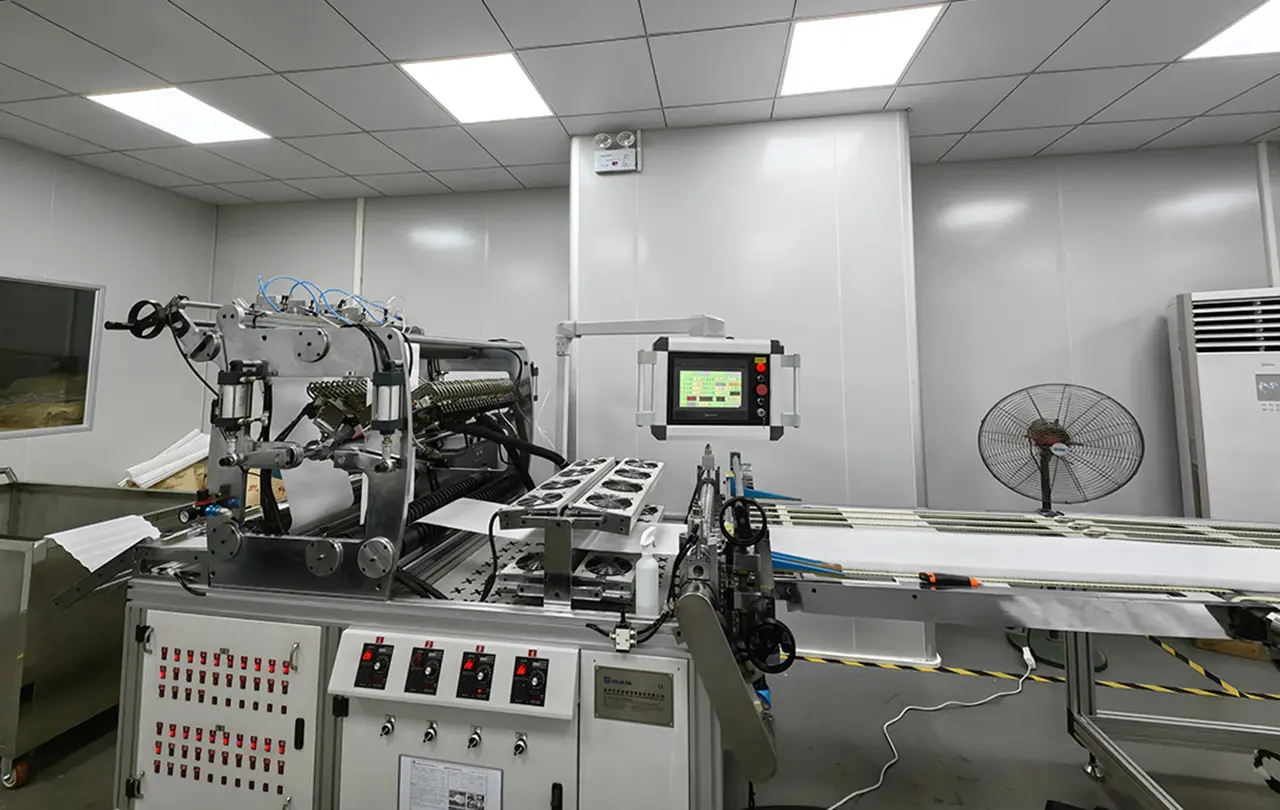
Our customized replacement filter options align directly with the specific usage scenarios found in Portugal:
Our H13 and H14 replacement filters are manufactured in accordance with standard EN 1822. They undergo stringent downstream scanning tests using DEHS aerosol to verify localized leakage rates and total integral efficiency. Each production batch includes technical documentation and CE certifications suitable for European cleanroom verification audits.
We source high-tensile, moisture-resistant synthetic and composite glass fibers. Unlike low-grade paper-based media which collapse under high atmospheric humidity (common in Lisbon, Porto, and Aveiro), our media maintains structural integrity and uniform pleat spacing. This reduces the risk of mold growth inside the filter pocket.
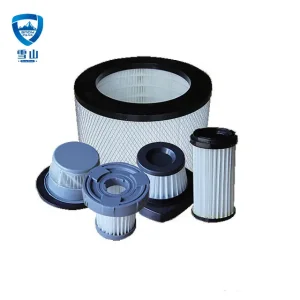
Yes. Equipped with automated AMADA CNC bending and punching machinery, we design and fabricate customized frames (aluminum, galvanized steel, or plastic) to fit non-standard European AHUs. We offer custom dimensions for cylinder dust collectors and pocket designs based on technical CAD draws or physical samples.
For container-load orders (FCL), sea freight from Shenzhen to the Port of Sines or Leixões typically takes 30 to 35 days. For urgent requirements, air freight can deliver products to Lisbon Airport (LIS) within 5 to 7 business days. We handle export documentation, clearing customs protocols efficiently under CE framework structures.
Our antiviral media is treated with a patented agent that disrupts the cellular envelope of pathogens on contact. Tests confirm a sterilization rate of up to 99.9% and H1N1 virus removal efficiency of 99.99%. This design prevents secondary contamination, a critical advantage for high-traffic environments such as schools, hospitals, and transit hubs in Portugal.
By optimizing pleat depth and applying specialized compound hot-melt spacing, our filters maintain a low initial pressure drop. This minimizes the static pressure resistance faced by system fans, directly lowering electric energy consumption—a vital asset for operations working under EU energy audits.
 Snow Peak