 Snow Peak
1. The Critical Demands of Air Filtration in Iraq
The Republic of Iraq features unique climate realities characterized by intense thermal variation, recurring sand and dust storms, and heavy particulate concentrations. From Baghdad to Basra, industrial facilities, hospitals, oil fields, and domestic buildings run under challenging atmospheric conditions. The prevailing desert wind, known as the "Shamal," introduces massive volumes of coarse and fine dust particles (PM10 and PM2.5) into central and southern Iraq during summer. This makes dependable air filtration essential for operational safety and human health.
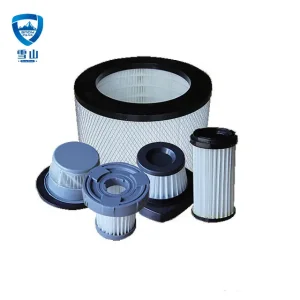
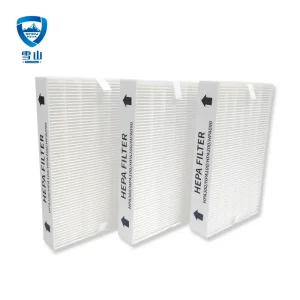
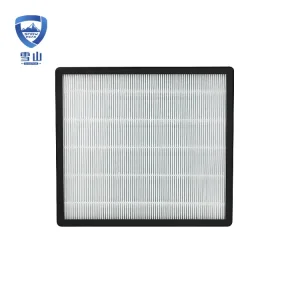
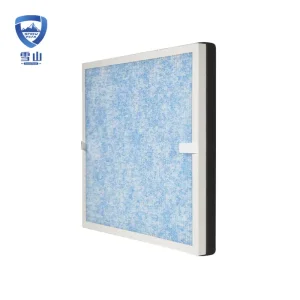
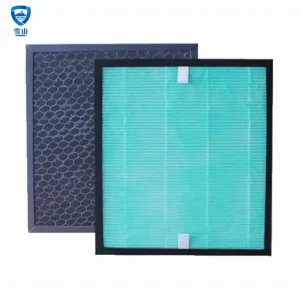
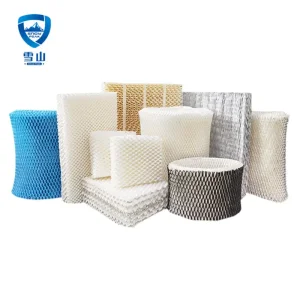
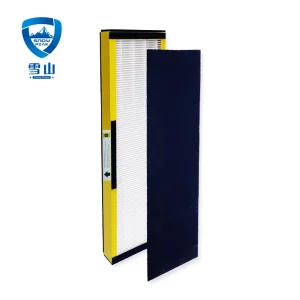
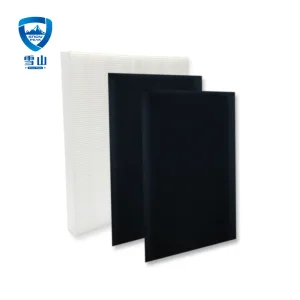
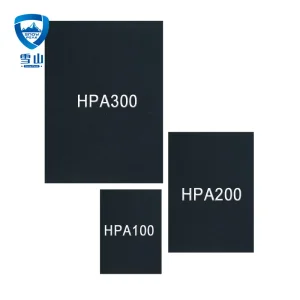
Standard OEM air filters designed for mild European or North American climates often saturate and fail quickly under Iraqi conditions. Rapid dust accumulation leads to elevated airflow resistance, increased energy consumption in HVAC units, and potential breakthrough of fine silica particles. High-quality **replacement air filter series** engineered for large dust-holding capacities are necessary to maintain system integrity, reduce replacement intervals, and lower total cost of ownership (TCO) across local industries.
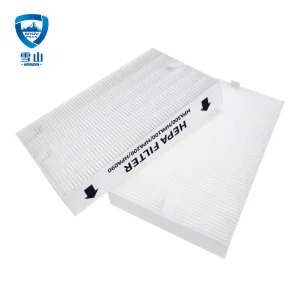
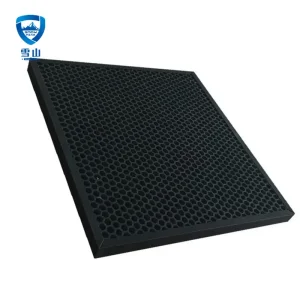
As the Iraqi economy recovers and infrastructure projects expand, municipal HVAC engineering, oil & gas extraction, and clinical laboratories are updating their standards. High-capacity, robustly supported HEPA and activated carbon filtration media are essential to safeguard expensive machinery, turbomachinery intakes, and cleanroom environments from particulate contamination.