 Snow Peak
Australia's Evolving Air Quality Challenges & The Demand for Advanced Filtration
The Australian continent represents a unique and challenging environment for particulate control. In recent years, commercial building managers, health administrators, and industrial buyers in cities like Sydney, Melbourne, and Brisbane have faced compounding indoor air quality challenges. Factors ranging from severe seasonal bushfire haze loaded with PM2.5 particulates, to intense desert dust storms sweeping across the inland, to high atmospheric pollen levels, have elevated air filtration from a simple utility to a critical component of public health and occupational safety.
Concurrently, the Australian building sector is strictly bound by compliance frameworks, including the AS 1668.2 code governing indoor air distribution and ventilation. Furthermore, as organizations seek to maximize their ratings under the National Australian Built Environment Rating System (NABERS), maintaining low-pressure-drop, energy-efficient filtration systems has become a commercial necessity.
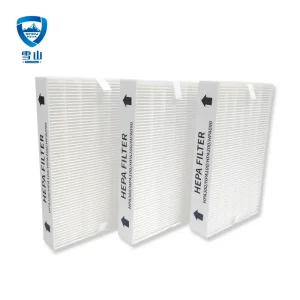
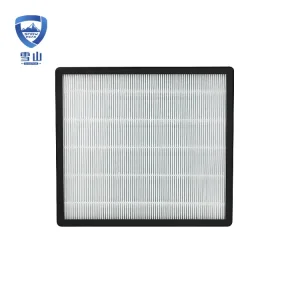
All replacement air filters provided by Shenzhen Snow Peak Clean Technology Co., Ltd. are manufactured in compliance with international testing frameworks like EN 1822 and ISO 16890, backed by over 15 years of technical expertise in cleanroom, clinical, and industrial air engineering.
Key Development Trends in the Global Air Filtration Industry
Globally, the replacement air filter sector is undergoing a massive technological shift driven by three primary vectors:
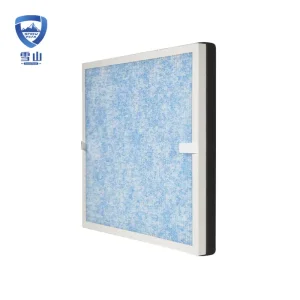
- Nanofiber & Composite Media: The transition from standard fiberglass to synthetic melt-blown and electrostatic nanofiber materials, allowing for higher dust-holding capacity without a corresponding spike in energy consumption.
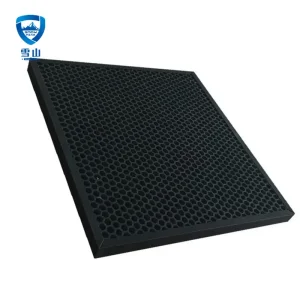
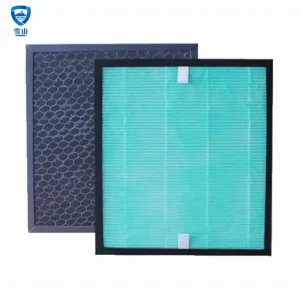
- Broad-Spectrum Gaseous Removal: The combination of particulate filters with honeycomb-structured activated carbon, utilizing physical adsorption and chemical neutralization to address volatile organic compounds (VOCs) and gaseous pollutants.
- HVAC Efficiency Standards (ISO 16890): The replacement of older EN779 ratings with ISO 16890, classifying filters based on PM1, PM2.5, and PM10 fractions, ensuring buyers can trace expected particulate control efficiency more accurately.
China Factory 4.0: Resilient Supply Chains & Manufacturing Precision
For Australian companies, securing a reliable pipeline of high-performance replacement filters requires a manufacturer that pairs cost efficiencies with advanced engineering capabilities. Our Factory 4.0 infrastructure in China meets this need through:
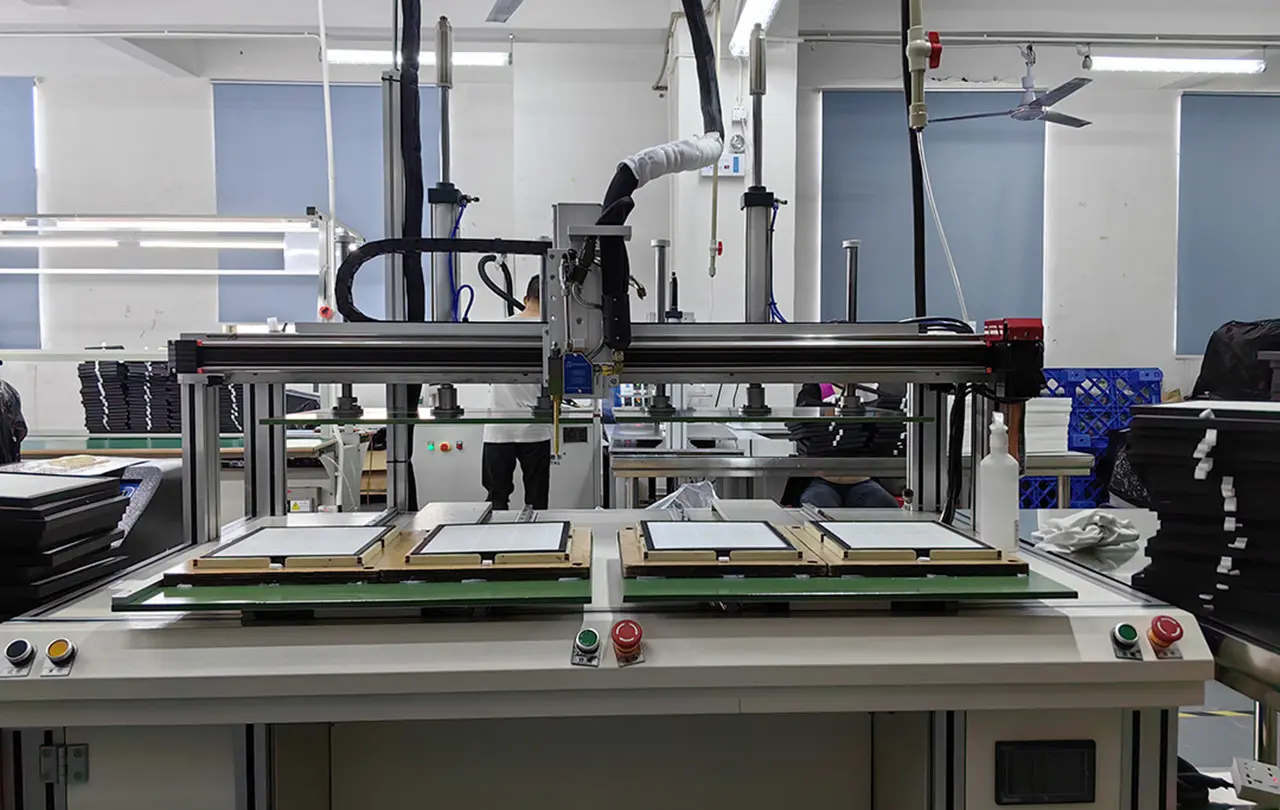
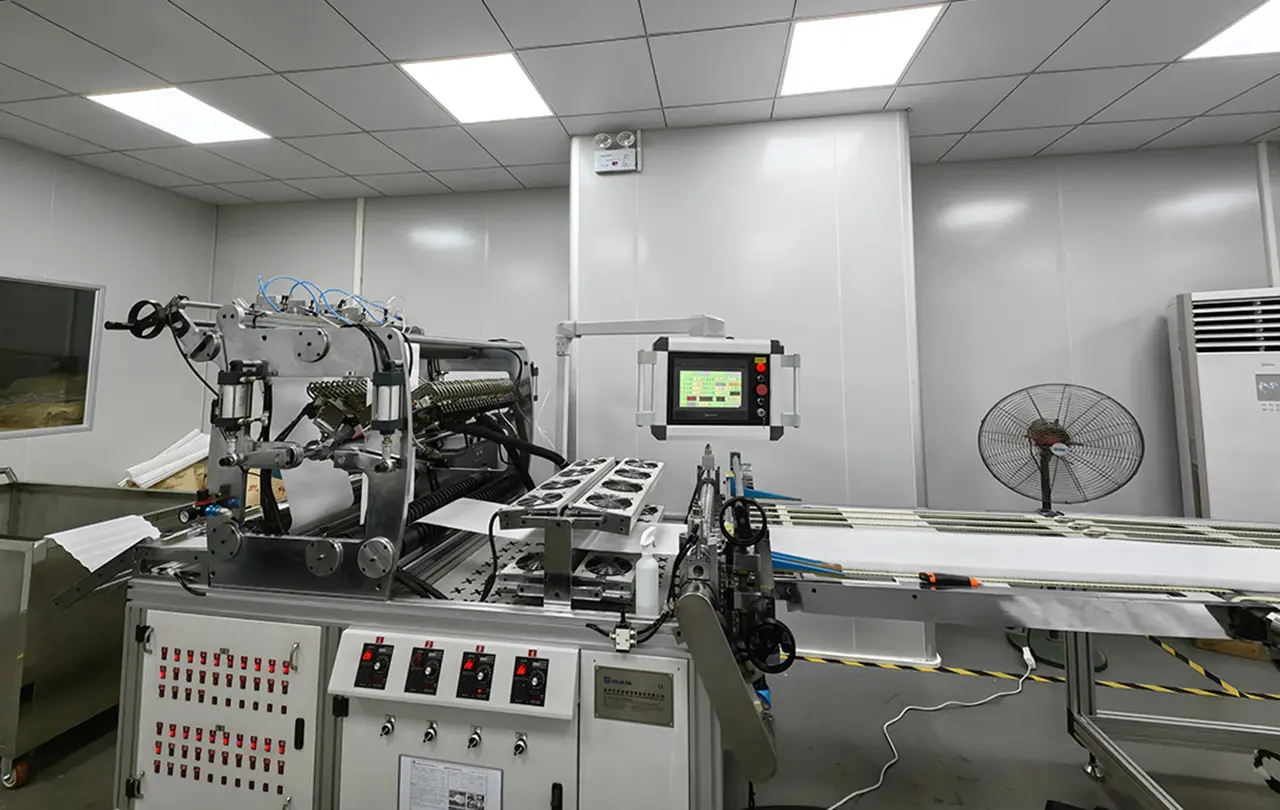
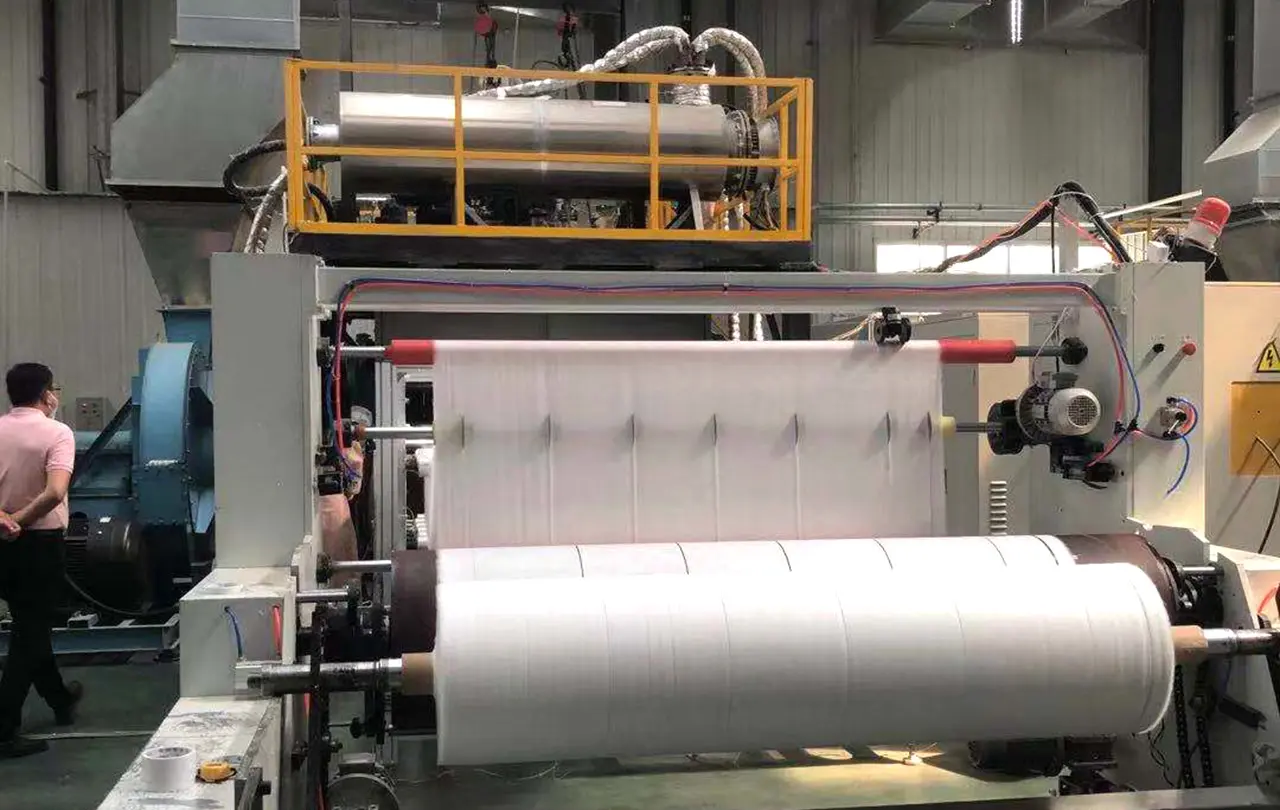
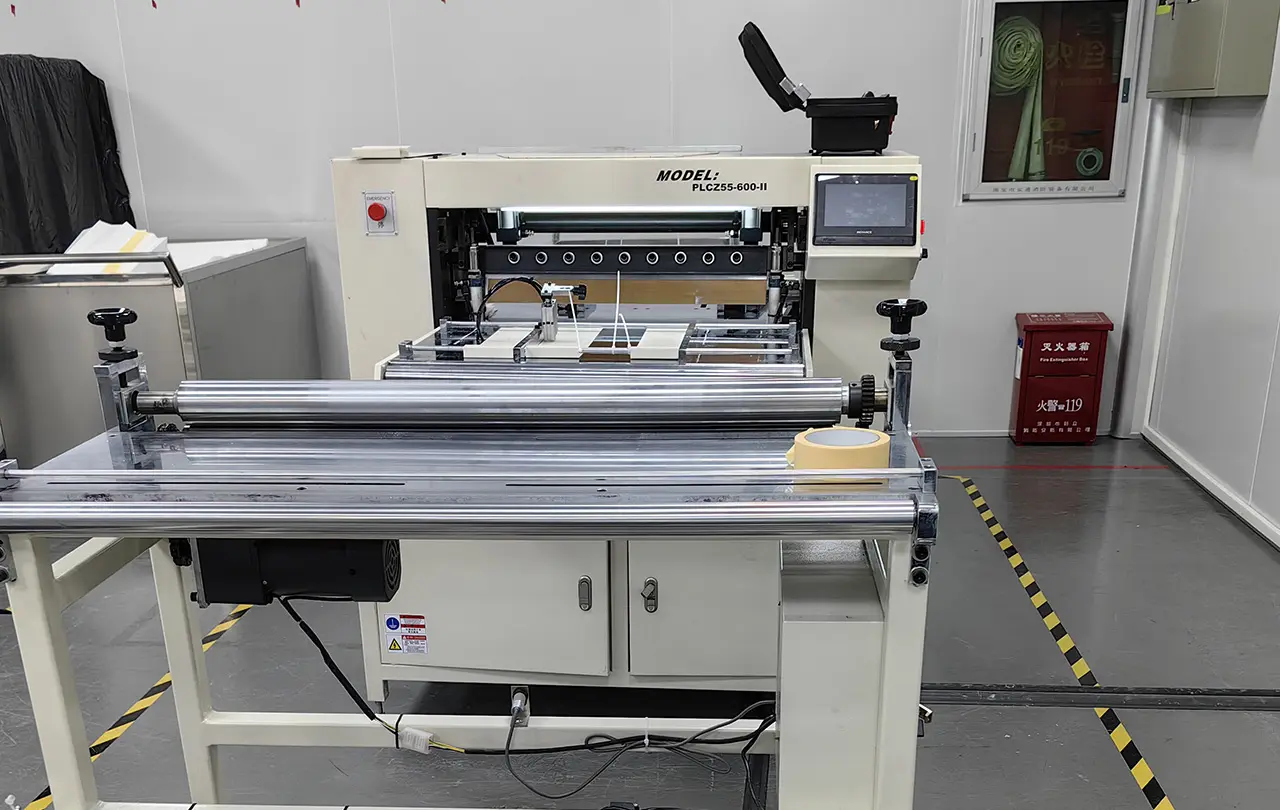
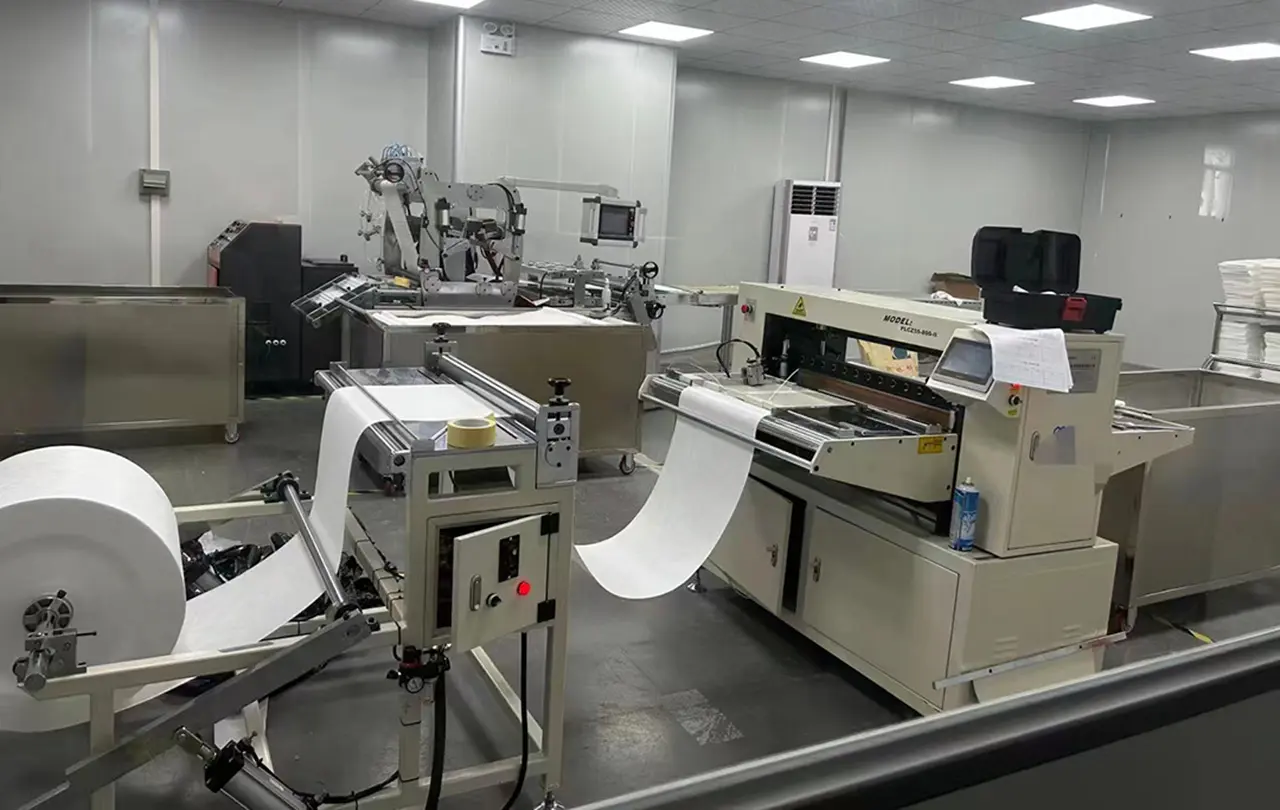
- Automated Production Lines: Minimizing human error in pleating, media folding, and frame gluing, guaranteeing dimension tolerance within ±0.5mm.
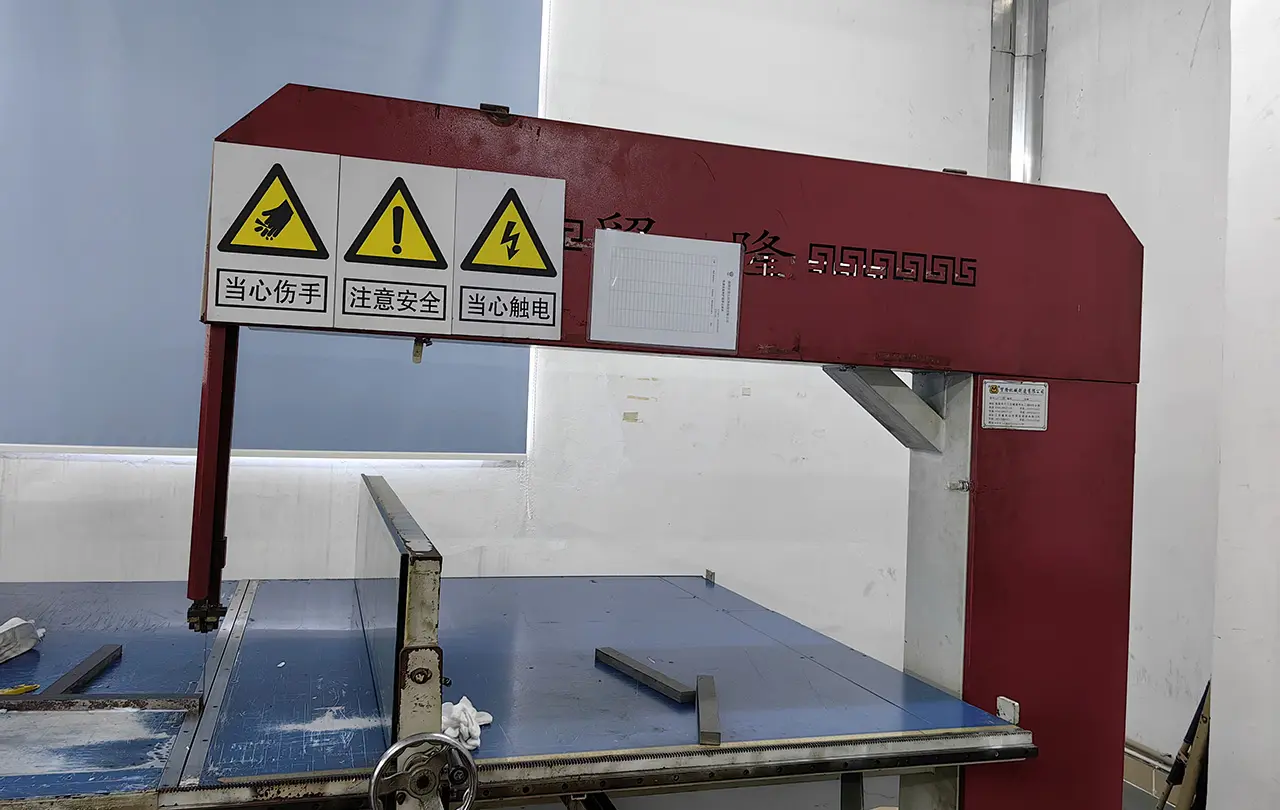
- High-End Machinery: Utilizing world-class CNC tooling, including AMADA CNC punch and bending machines, ensuring structurally rigid frames for industrial filter arrays.
- Advanced Anti-Microbial & Anti-Viral Coatings: Providing specialized layers that inhibit microbial growth on media, preventing secondary contamination in high-humidity climates.