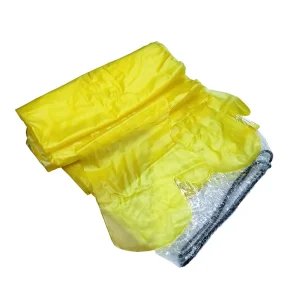
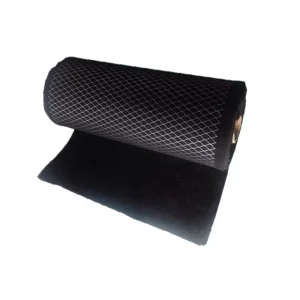
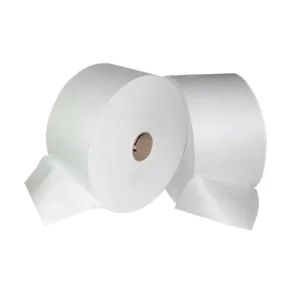
Explore our leading industrial-grade air filters, engineered with premium-density materials for optimal arrestance and low initial pressure drop.
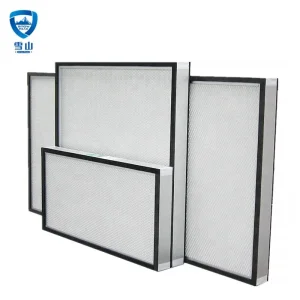
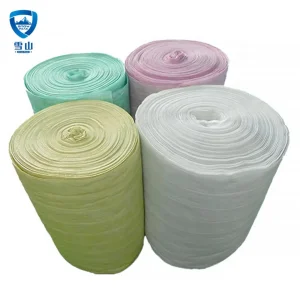
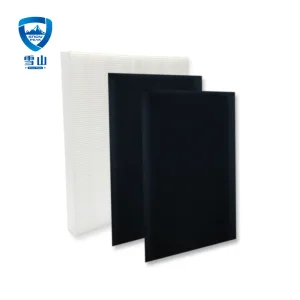
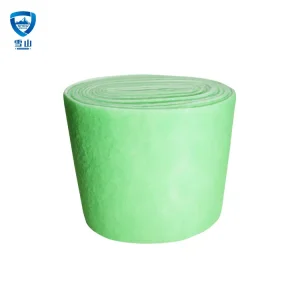
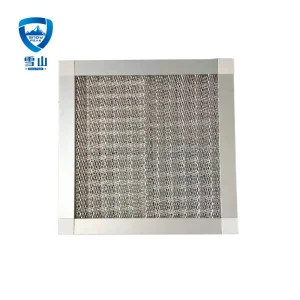
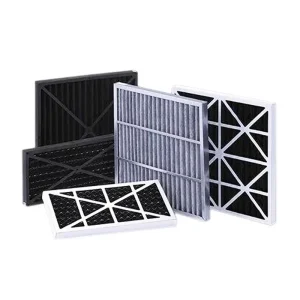
The global demand for high-performance HVAC systems has elevated the role of filter media from mere dust barriers to critical elements of energy-saving and health-protecting engineering. AC filter fabric, serving as the foundational media for air conditioning filters, acts as the primary defense line against particulate matter. In the modern cleanroom, commercial building, and industrial plant, these fabrics must satisfy precise micro-level efficiency metrics without inducing excessive energy consumption from pressure drops.
In the European Economic Area (EEA), regulatory compliance is not merely a formality but a baseline proof of competence and performance. The CE Certification on AC filter fabric denotes strict adherence to harmonized European standards, specifically including the EN 779:2012 (now transitioned fully to the ISO 16890 framework) for coarse and medium filter media, and EN 1822:2019 for absolute HEPA filtration. This compliance ensures that the media has undergone rigorous tests for particle fractional efficiency, dust-holding capacity, and initial electrostatic charge decay.
"For engineering procurers, CE-certified filter fabric provides the mathematical assurance that the filter media will perform consistently under continuous airflow, without releasing dangerous fibers or sustaining early mechanical structural failures under peak HVAC load conditions."
Under the older EN 779 standard, filters were categorized as G1 to F9 based on average efficiency using a synthetic test dust and DEHS particles of a single 0.4 μm size. However, real-world atmospheric air contains a wide distribution of particle sizes. The transition to ISO 16890 addresses this gap by evaluating filtration efficiency based on three distinct particle size groups: PM1, PM2.5, and PM10. For a manufacturer or supplier to hold a valid CE mark, the filter media must prove its efficiency across these target bandwidths:
The manufacturing and deployment of AC filter fabrics are heavily influenced by shifting climate conditions, localized environmental rules, and industrial expansion. Regionally, the market presents varying demands:
In the United States and Canada, although CE certification is valued for import-export, the market is historically governed by ASHRAE 52.2 standards, classifying filters via the MERV (Minimum Efficiency Reporting Value) rating system from 1 to 16. The demand is heavily tilted towards high-performance MERV 13 to MERV 16 pleated filters for commercial spaces to earn LEED (Leadership in Energy and Environmental Design) points. Suppliers must design hybrid media that satisfy both ISO 16890 (for EU clients) and ASHRAE MERV ratings for US distribution.
In Europe, European standards dictate strict energy-efficiency classifications (such as Eurovent guidelines). AC filter fabric is evaluated not just on its particulate retention, but on how much power the HVAC system consumes to push air through it over time. Low-resistance synthetic melt-blown fabrics, glass fibers, and multi-layered composite materials are high in demand. Materials must also be compliant with RoHS and REACH regulations, avoiding the use of hazardous chemical binders or flame retardants.
With massive investments in semiconductor fabrication, pharmaceutical facilities, and commercial complexes, the Asia-Pacific region is the fastest-growing market for both consumption and production of air filter fabric. High ambient humidity and seasonal heavy dust loads require filter fabrics to possess excellent structural integrity, antimicrobial coatings, and hydrophobic qualities to prevent mold growth inside HVAC ductworks.
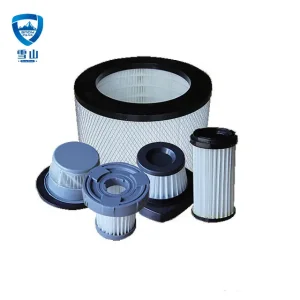
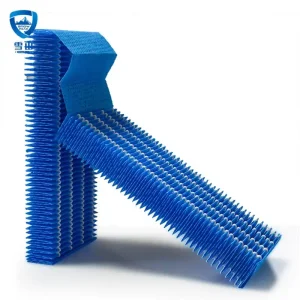
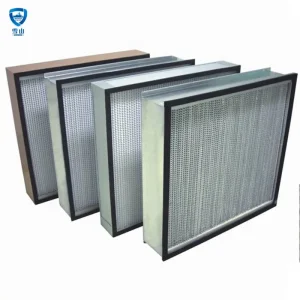
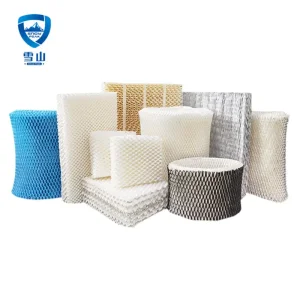
Shenzhen Snow Peak Clean Technology Co., Ltd. is an integrated high-tech enterprise, specialized in air filtration products research and development, production, sales, import and export trade. We produce and supply: Pre-filter, pocket filter, HEPA filter, chemical filter; replacement HEPA filter, car cabin air filter, humidifier filter; pocket filter media, melt-blown composite filter media, and other high-performance filter materials; provide high quality air purification solutions and products for indoor air pollution control and air conditioning systems of civil and industrial buildings, microelectronics, pharmaceutical, laboratory, school, hospital clean room etc.
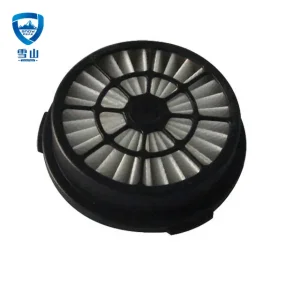
Combined with self-developed patented technology, our sterilizing antiviral HEPA filter can effectively filtrate fine particles, so that PM2.5 concentration down to 10 micrograms/m3, 5 times better than national standard; effectively inhibit the breeding of microorganisms, sterilization rate up to 99.9%, and no secondary pollution, removal of H1N1 virus efficiency as high as 99.99%.
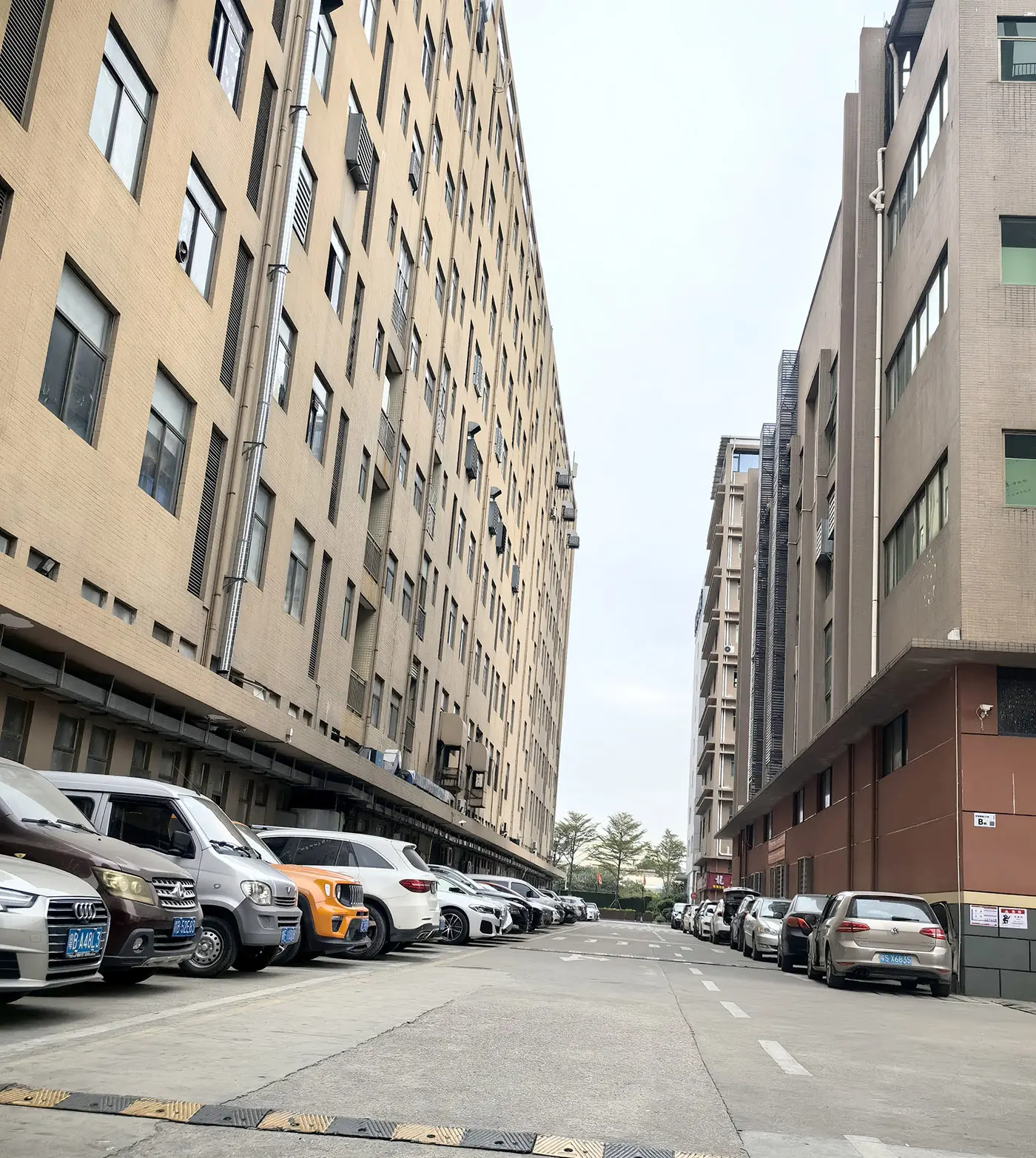
15 years of international air purification technology experience as the background, featuring standardized production workshops, dust-free filter labs, and a fully automated air filter production line.
Having 15 years of international air purification technology experience as the background, our company has standardized production workshop, dust-free filter workshop and first-class technology of HEPA filters production line and inspection line, independent research and development of fully automatic air filter production line, equipped with AMADA CNC punch and CNC bending machine as well as many other advanced high-end equipment, provide a strong guarantee for production and quality of air filtration and purification products.
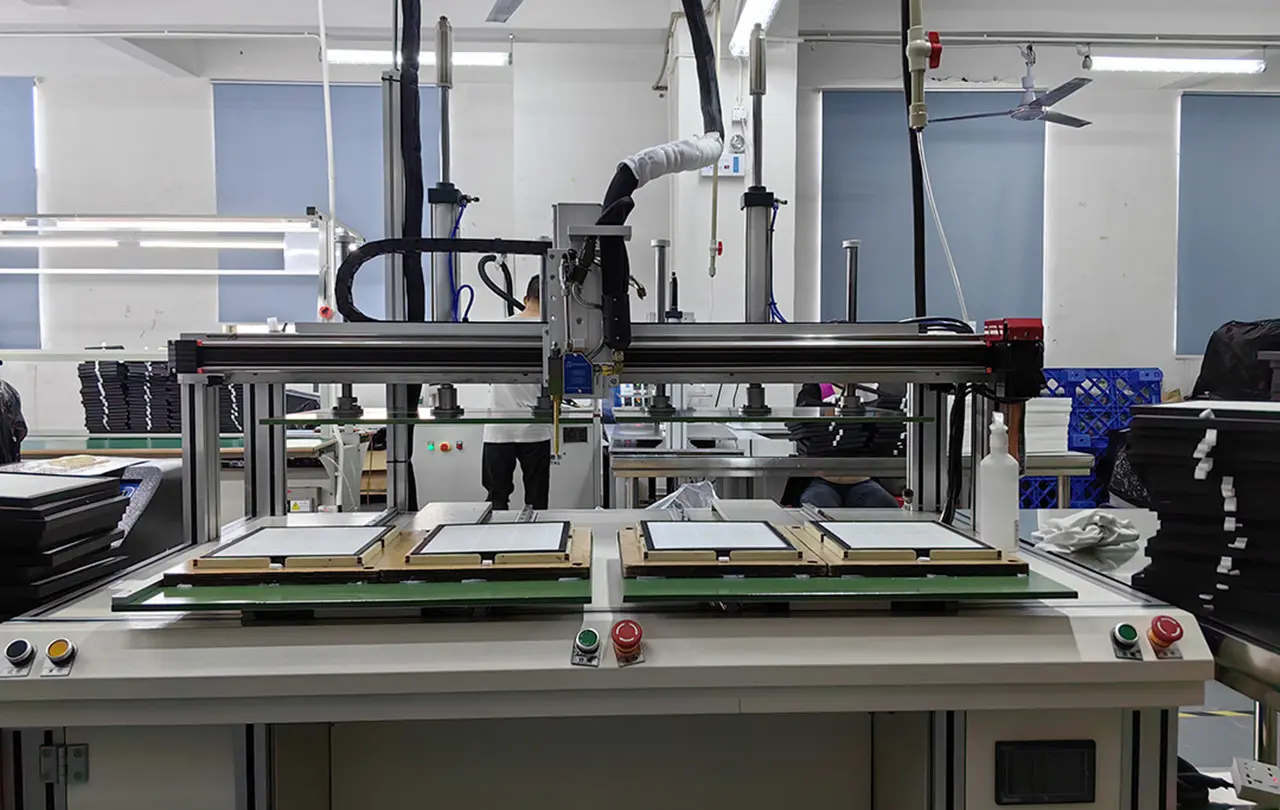
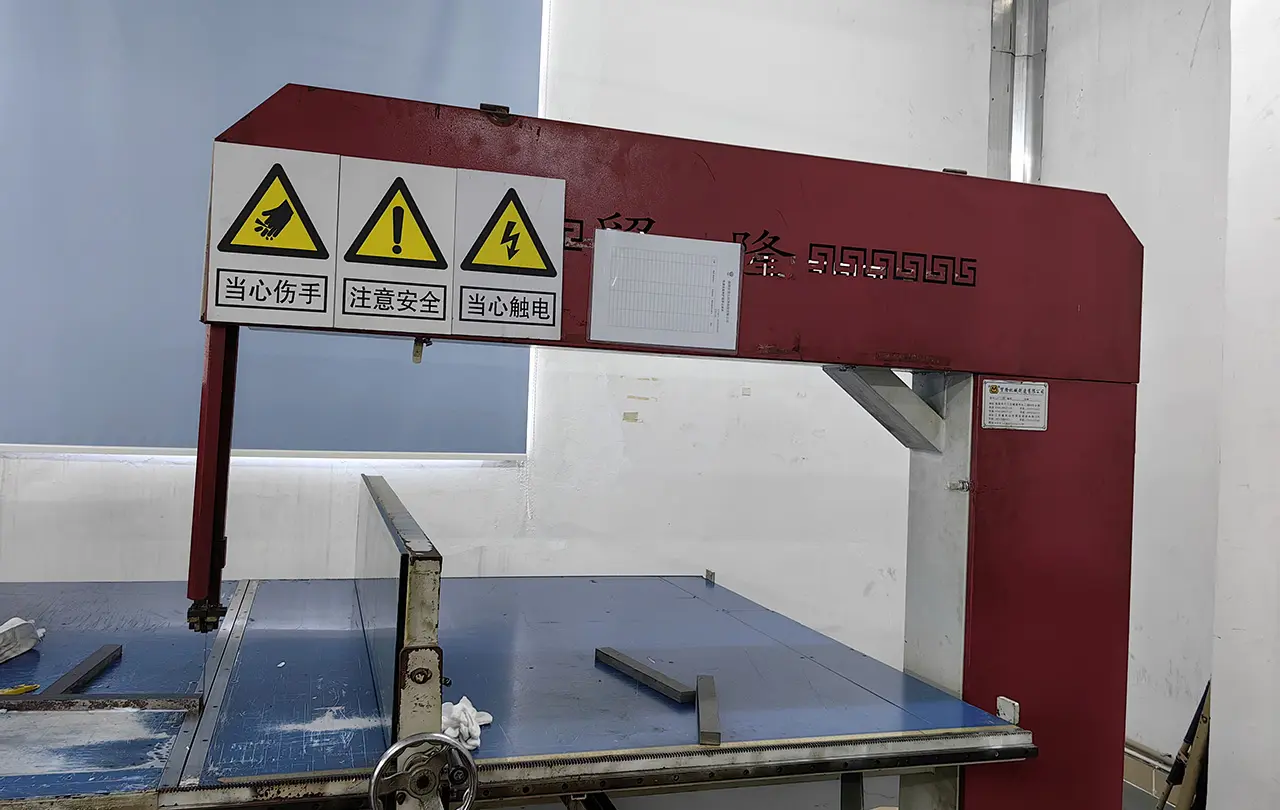
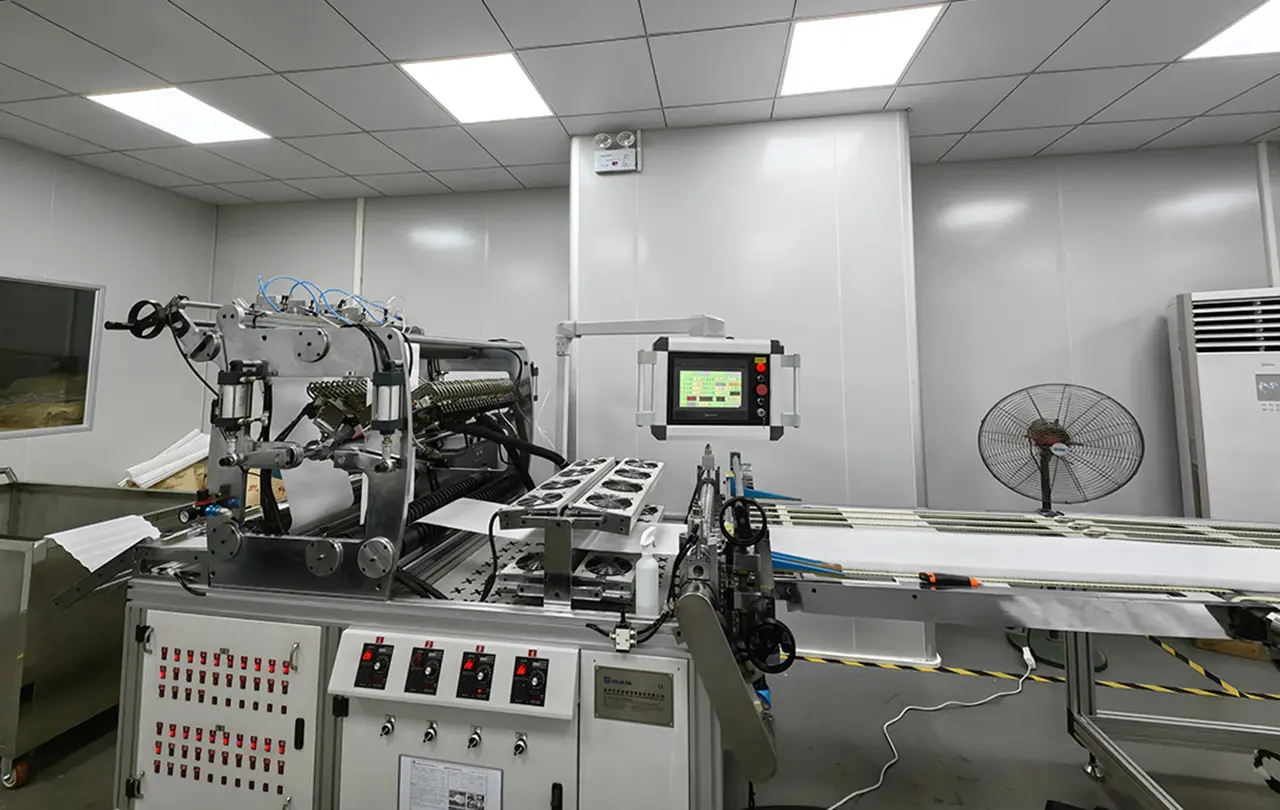
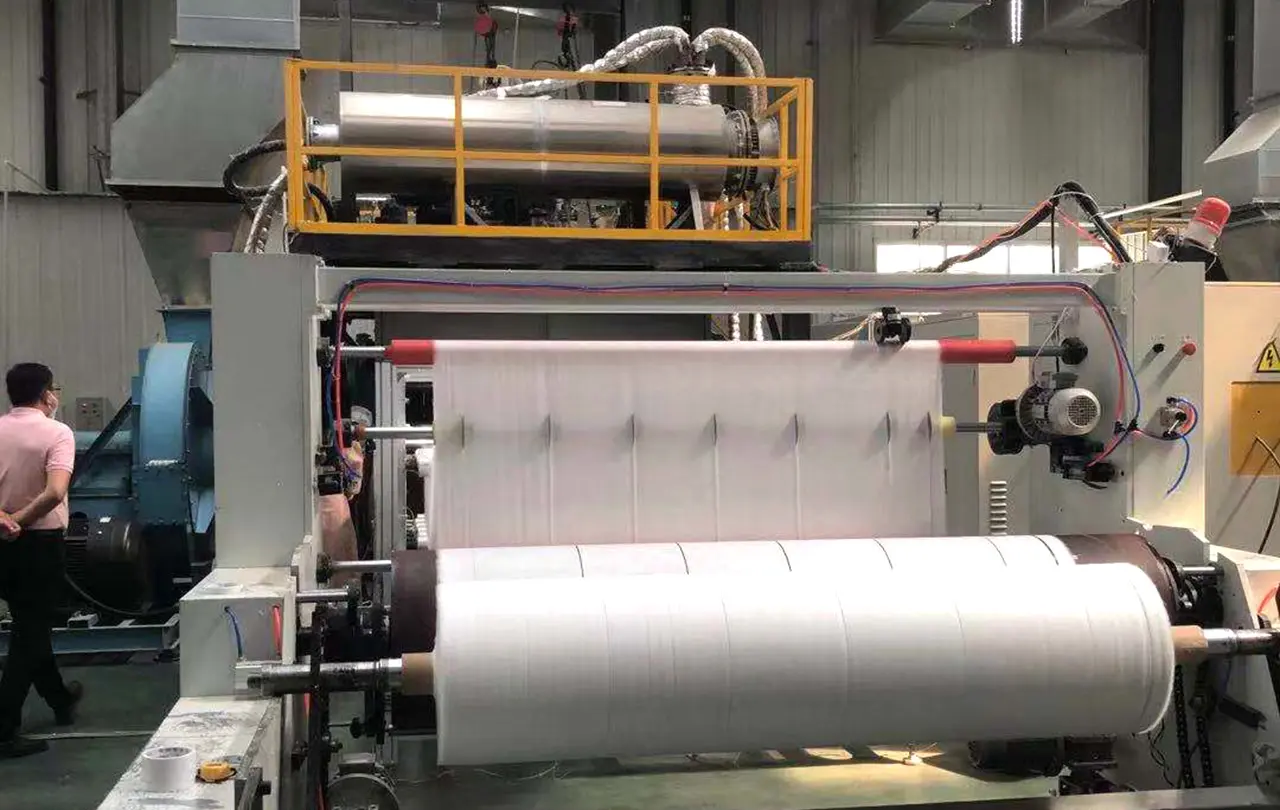
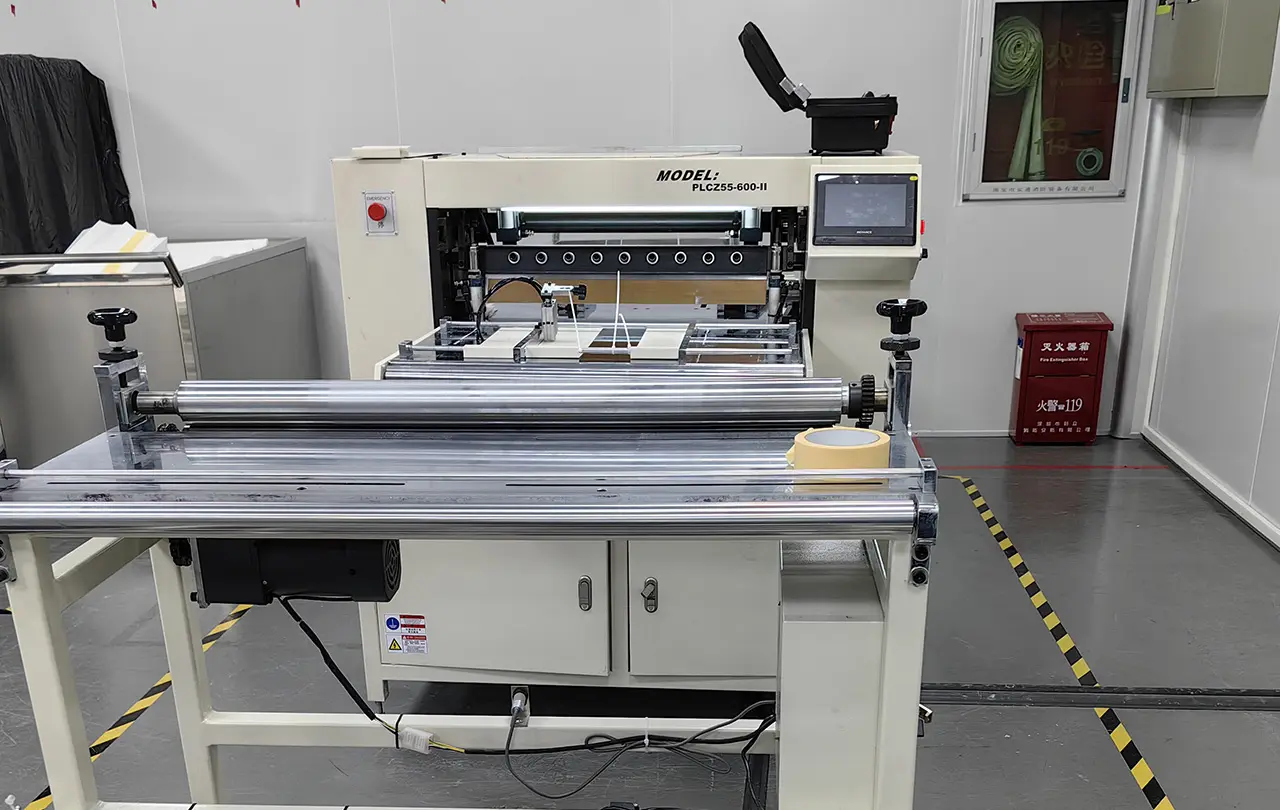
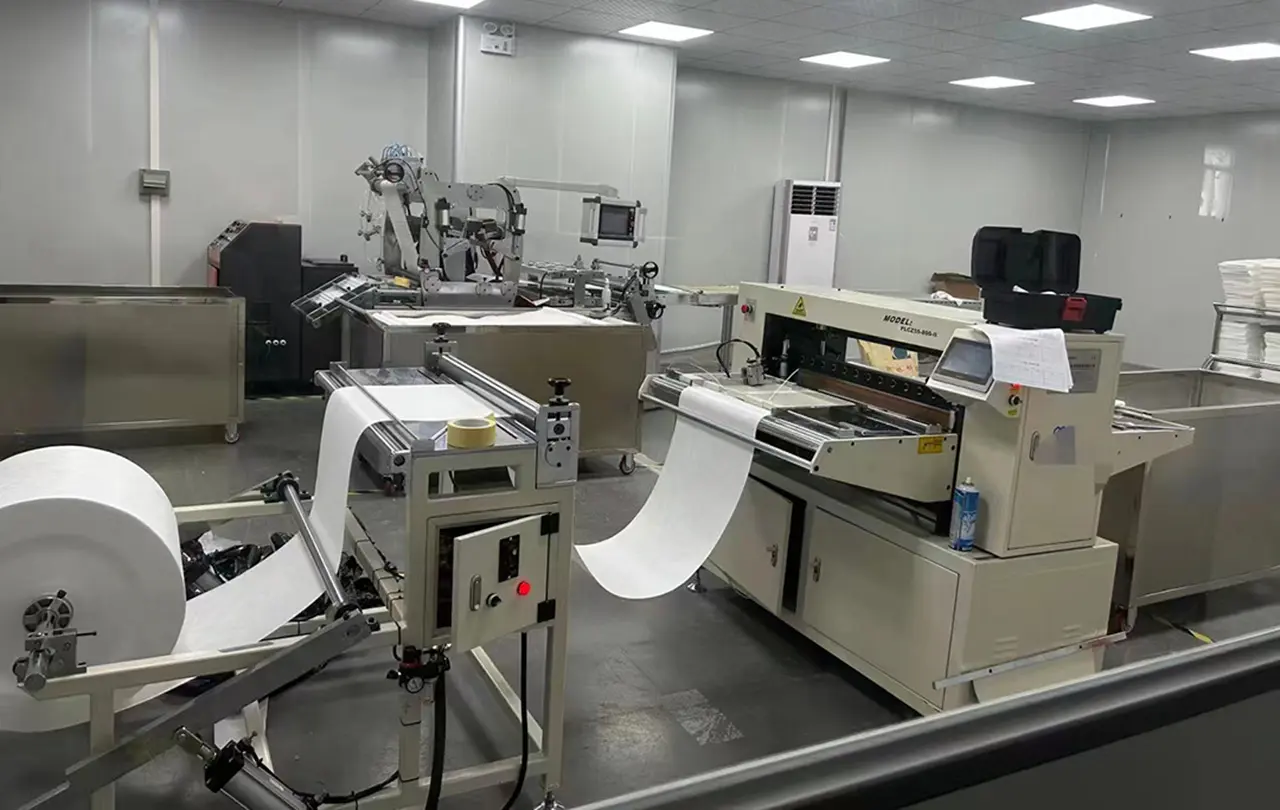
The optimization of air filter media manufacturing in China has moved past simple labor-cost savings. The modern efficiency advantage is built on complete raw material supply chains, rapid mechanical iteration, and high automation integration. By utilizing high-end machinery, including AMADA CNC punches and automated pleating lines, manufacturers can achieve micro-precision in pleat distribution and glue bead consistency.
In Shenzhen, the integration of material chemistry suppliers, precision steel frames, and testing equipment makes the prototyping speed unmatched. When a client requests a customized HEPA filter or a specialized composite AC filter media, our R&D can move from design to simulated laboratory test results within days. This efficiency is critical for complex global supply networks operating on Just-In-Time (JIT) schedules.
Modern synthetic AC filter fabrics achieve high filtration efficiency at low pressure drops via electret charging. In China’s top manufacturing centers, high-voltage corona charging machines embed persistent electrostatic charges deep into the polypropylene fibers of the melt-blown layer. This allows the filter media to capture fine dust particles of sub-micron sizes using electrostatic forces, while maintaining an open fiber structure that ensures high air volume throughput and reduces fan power consumption.
AC filter fabric is not a one-size-fits-all product; it must be adapted to its specific environmental challenge. Below are the key applications where Snow Peak technologies excel:
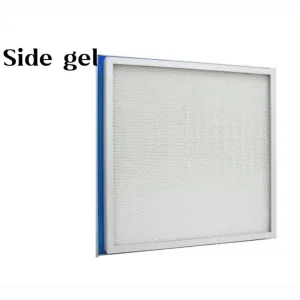
Semiconductor manufacturing requires cleanroom conditions of Class 100 or Class 10 (ISO 5 or ISO 4). The air filtration system must block trace particulate matter. In these environments, filter fabrics cannot outgas organic compounds, which could ruin silicon wafers. Our specialized cleanroom-grade Gel Seal HEPA filters utilize customized low-outgassing glass fiber and composite media, ensuring absolute protection against fine particles and structural air bypasses.
For laboratories, schools, and hospitals, biological contaminants present severe risks. Regular filters can become breeding grounds for bacteria and mold in humid environments. The application of sterilizing and antiviral active agents within the filter fabric structure prevents microbial multiplication. Snow Peak's patented sterilizing antiviral HEPA filters achieve an H1N1 virus removal efficiency of 99.99% without secondary emissions, making them ideal for high-risk indoor environments.
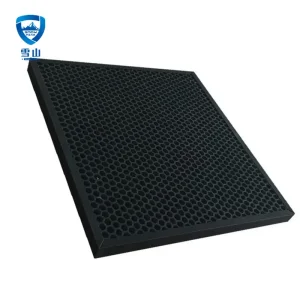
In petrochemical, paint spraying, or print shops, particulates are accompanied by volatile organic compounds (VOCs) and noxious odors. Standard mechanical filter media fails to stop gaseous phase pollutants. Here, a composite structure combining a G4 or F7 mechanical dust-holding layer with an integrated activated carbon layer (such as our Honeycomb Activated Carbon filter) provides dual-phase filtration: mechanical capture of dust and physical adsorption of gaseous VOCs.
The global filtration market is undergoing a structural shift driven by climate change policies, rising energy prices, and health consciousness. Key developments include:
For international sourcing managers, qualifying an AC filter fabric company is a complex process. Relying on price tags alone leads to high system failure rates. Procurement teams must scrutinize the following factors to ensure reliable supply chain performance:
Supply Chain Security Checklist: Traceable EN779 / ISO 16890 testing documentation, CE declaration of conformity, raw material consistency, quality control protocols, and factory capacity audits.
Partnering with a vertically integrated manufacturer like Shenzhen Snow Peak ensures access to direct quality control. With in-house automated machinery, CNC tooling, and testing lines, the quality is maintained from the raw polypropylene melt-blown extrusion to the finished HEPA pleated assembly.
Get professional, engineering-focused answers to common queries regarding AC filter fabric specification and selection.
Discover our specialized absolute HEPA filters, activated carbon systems, and custom HVAC media manufactured under rigid CE requirements.
 Snow Peak