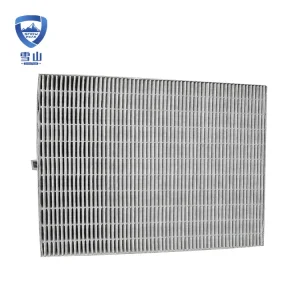
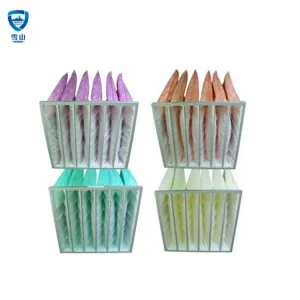
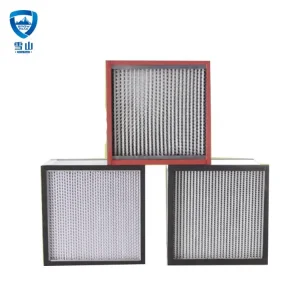
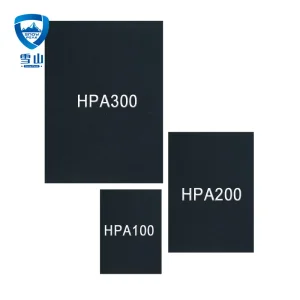
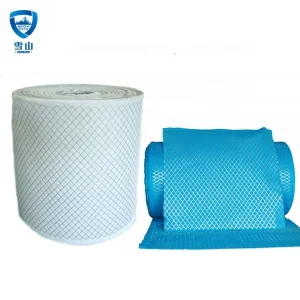
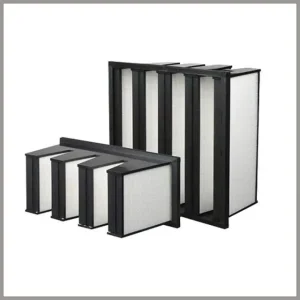
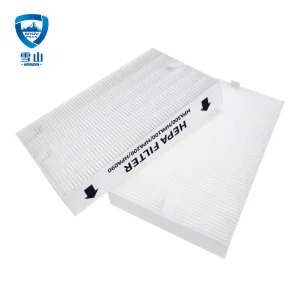
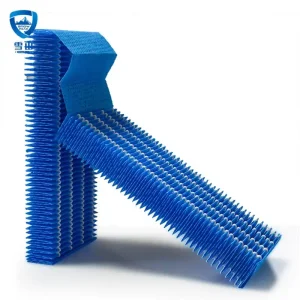
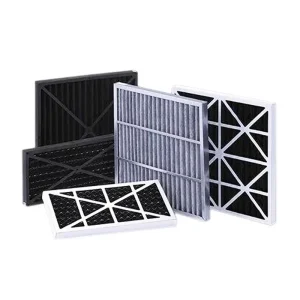
Explore our premium grade pre-filtration and secondary filters engineered for high efficiency molecular VOC gas adsorption.
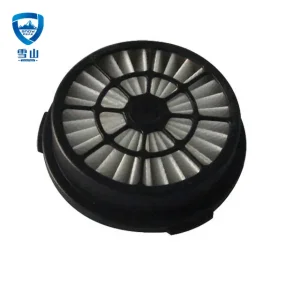
We are an integrated high-tech enterprise specialized in air filtration research, development, production, global sales, and export. We manufacture a comprehensive array of media including: Pre-filters, pocket filters, high-efficiency HEPA filters, chemical gas adsorption filters, car cabin systems, and specialized humidifier evaporative wicks.
Combining our independently developed patented molecular filtration, sanitization, and antibacterial/antiviral technologies, our HEPA and composite active carbon systems target PM2.5 concentrations down to 10 micrograms/m³, exceeding performance standards by up to 5 times. Our filter media effectively eliminates micro-organisms, offering a sterilization rate up to 99.9% while preventing dust and bio-contaminant secondary pollution.
Certified Efficacy: Proven antiviral capability, achieving up to 99.99% reduction efficiency against viruses like H1N1.
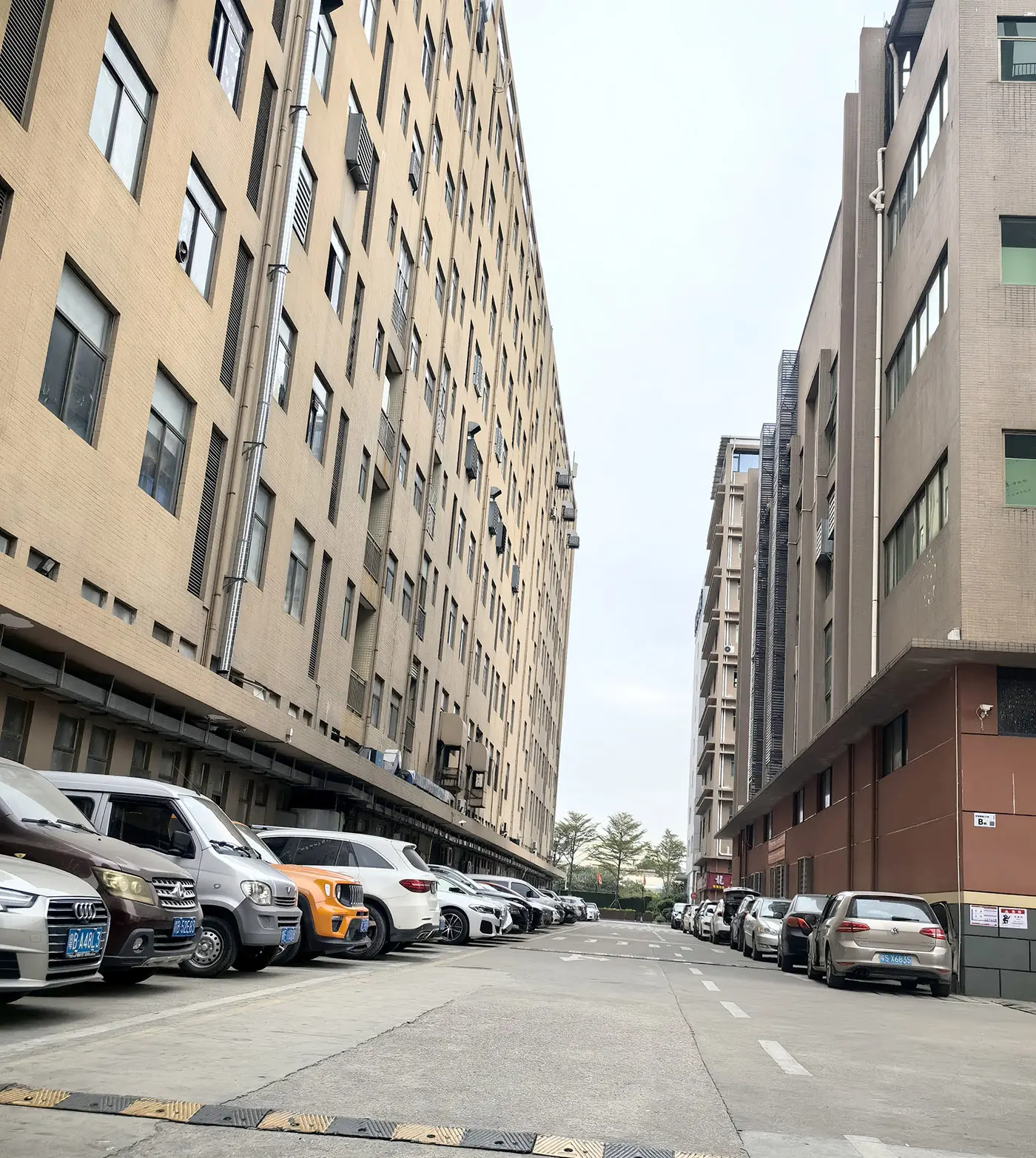
Our state-of-the-art facility features automated lines, CNC sheet processing, and dust-free assembly structures for reliable filter yields.
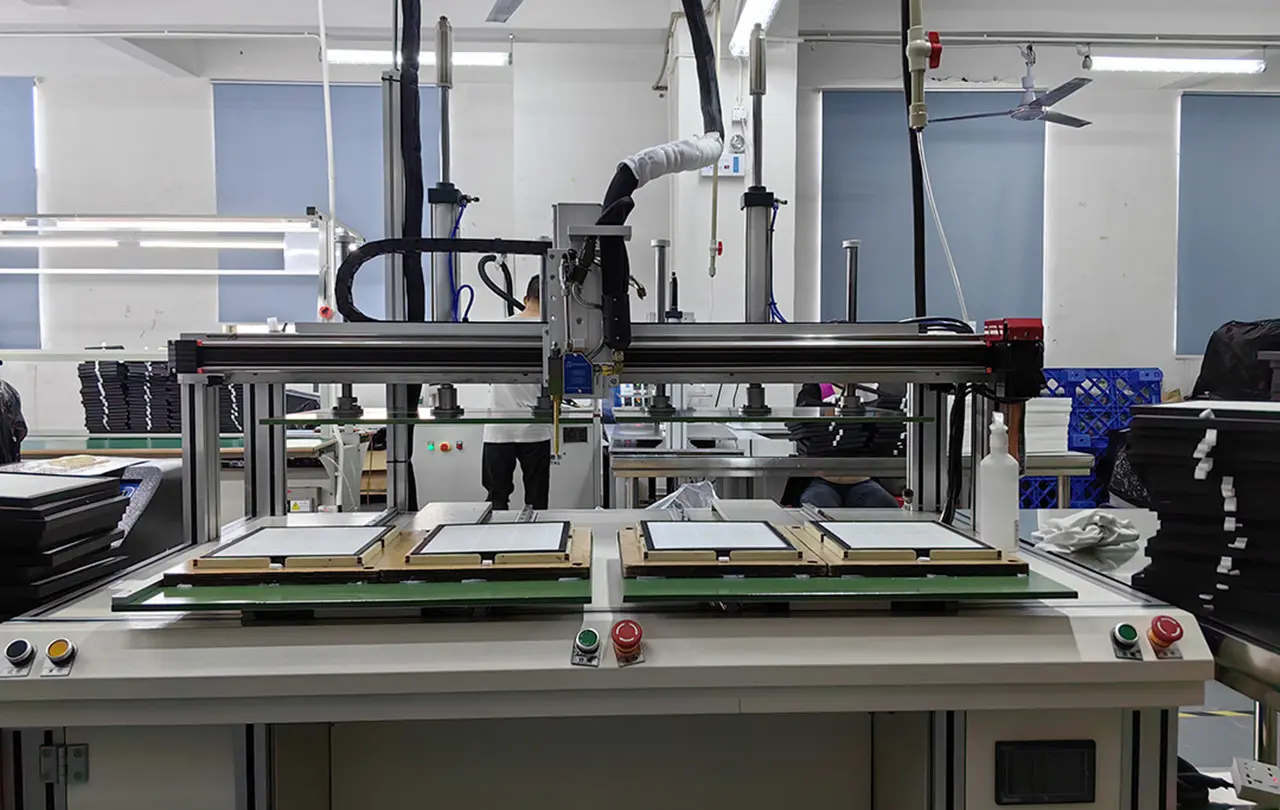
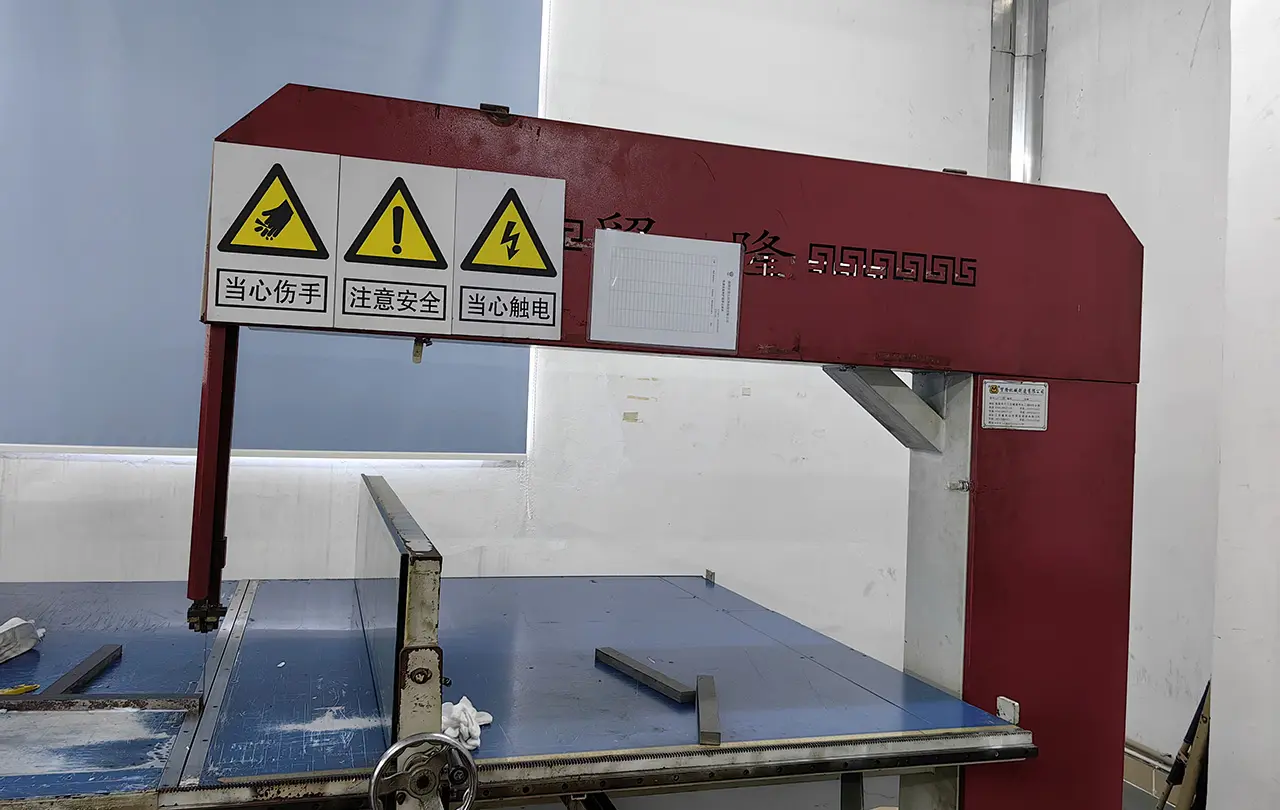
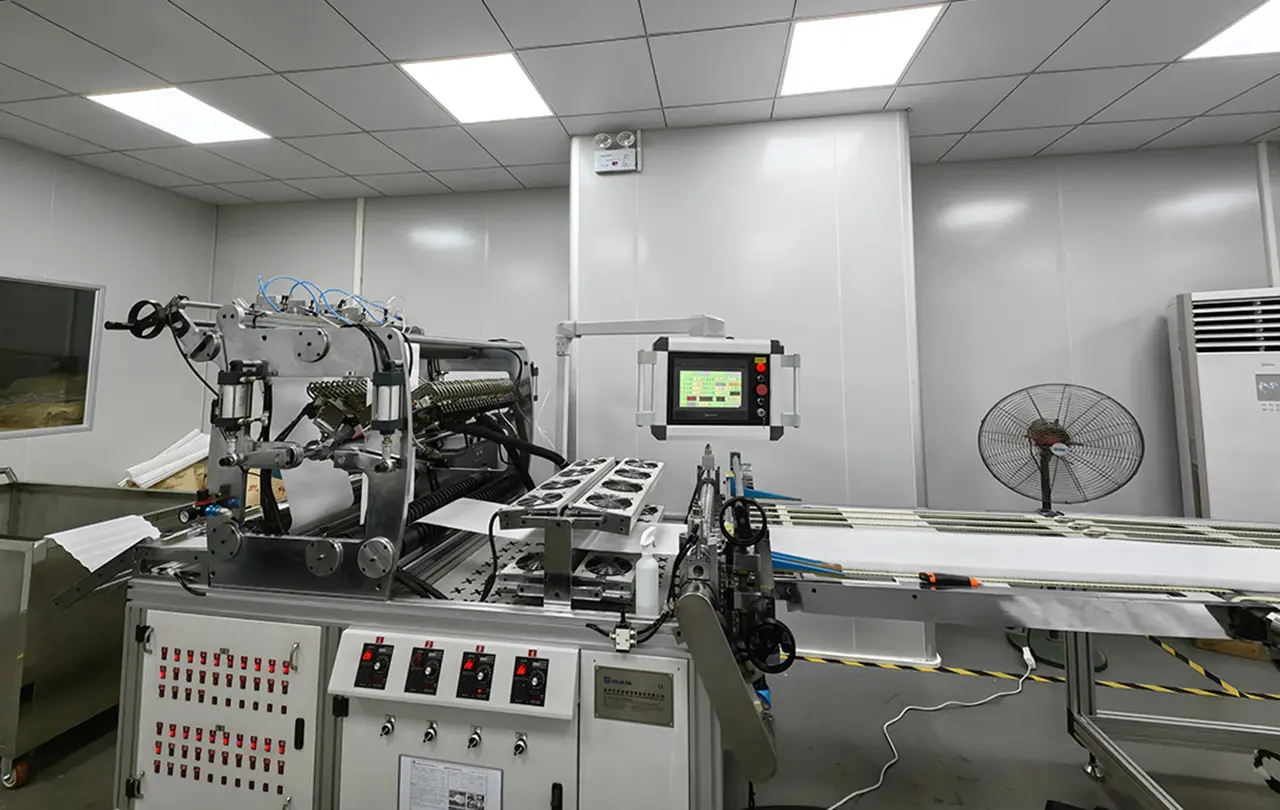
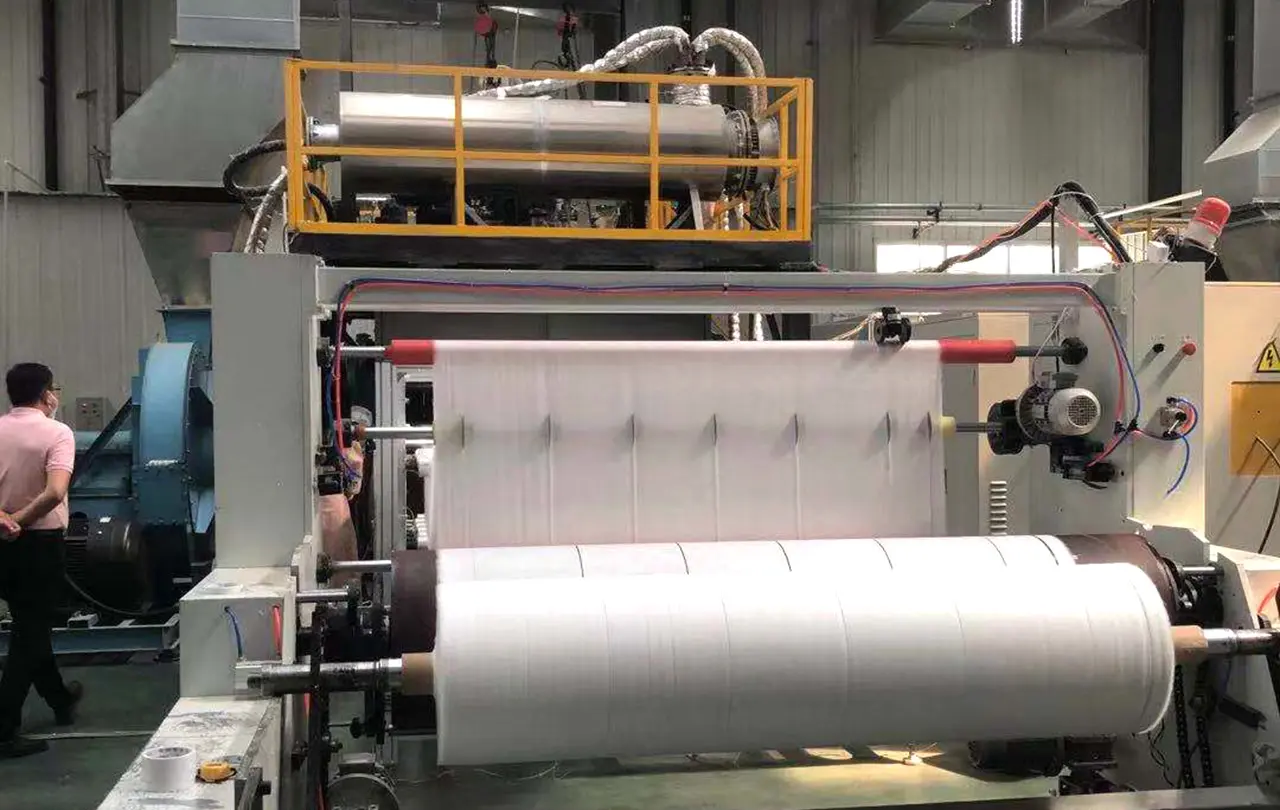
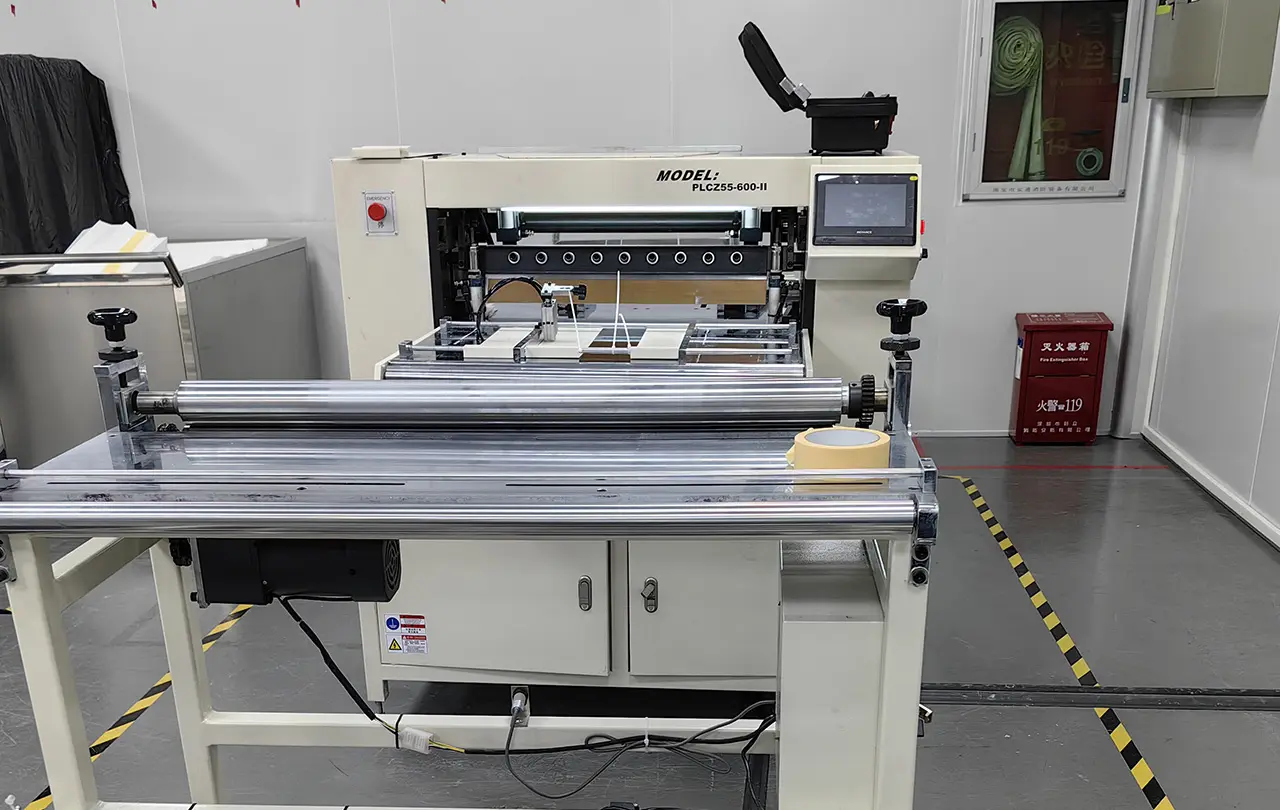
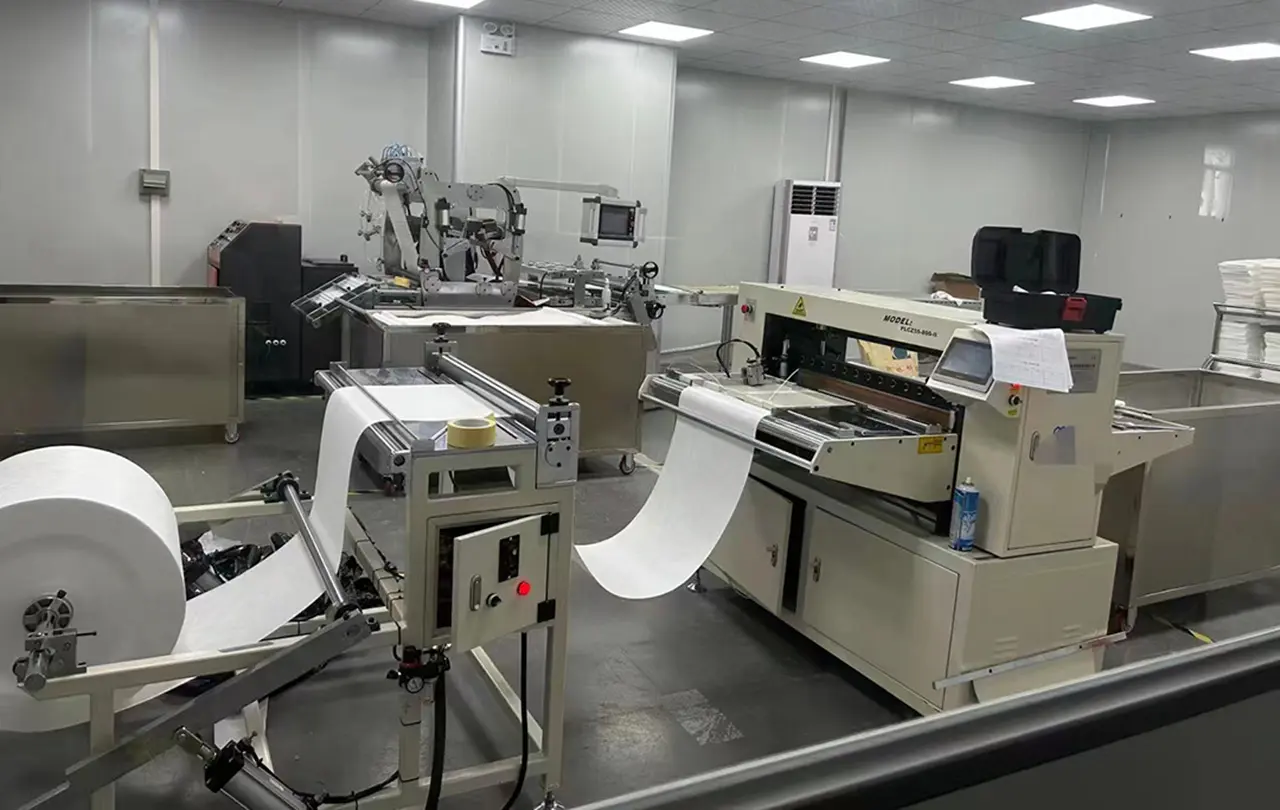
With a strong 15-year foundation in international air purification technology, our company features standardized production halls, cleanrooms, and automated HEPA/activated carbon processing lines. Equipped with AMADA CNC punch systems, CNC bending machines, and high-performance testing instruments, we ensure reliable volumetric capacity and strict quality control for high-end HVAC and cleanroom systems worldwide.
Selecting an activated charcoal filter for industrial use requires understanding properties beyond standard particulate filtration. Physical parameters like Iodine Value (mg/g), CTC (carbon tetrachloride adsorption %), and impregnating chemical agents directly impact gaseous pollutant capture. This whitepaper presents technical specifications, procurement indicators, and localized compliance standards for engineer-level buyers globally.
A comprehensive review of materials, engineering parameters, and structural design configurations.
Van der Waals forces lock VOCs, formaldehydes, acid gases, and odors into microscopic carbon pores. We offer CTC values from 50% to 80% for high-demand environments.
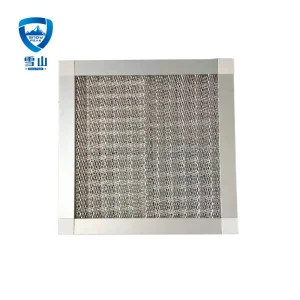
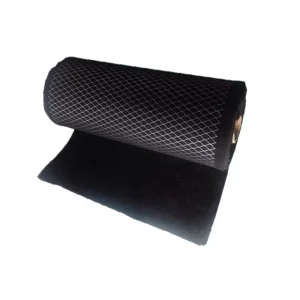
Combines carbon networks with synthetic nonwovens or wire-mesh support grids. Provides structure, prevents carbon dust release, and minimizes system pressure drop.
Fully compliant with EU directives (EN 779, ISO 16890, EN 1822). Tested for airflow resistance, efficiency retention, and environmental safety.
B2B buyers, EPC contractors, and cleanroom design engineers require air purifiers that balance initial pressure drop, gas adsorption velocity, and system lifetime. In markets like Western Europe, North America, and East Asia, strict regulations on workplace emissions (such as OSHA guidelines and European Union OELs) drive the need for active molecular filtration.
Procurement teams evaluate manufacturers on their ability to deliver consistent material grades. For activated carbon filters, key metrics include CTC (Carbon Tetrachloride) adsorption, butane working capacity, and iodine value (often specified between 900 mg/g and 1100 mg/g). Choosing certified factories ensures raw carbon material is free of heavy-metal impurities, and will not release carbon dust downline.
Modern cleanrooms require customized molecular filtration setups. Particulate filters like HEPA are paired with activated charcoal modules to handle both chemical gases and airborne particulate matter (AMCs).
To maintain reliable system designs, we test our carbon filters to confirm pressure drop, capacity, and mechanical strength:
| Performance Parameter | Typical Carbon Panel / V-Bank Specification | Testing Reference Standards |
|---|---|---|
| Iodine Adsorption Value | 900 - 1150 mg/g | ASTM D4607 |
| CTC Adsorption Capacity | 50% - 80% | ASTM D3467 |
| Initial Resistance | < 85 Pa at 2.5 m/s face velocity | EN 779 / ISO 16890 |
| Flammability Rating | Class 1 / Class 2 (Self-extinguishing) | UL 900 / DIN 53438 |
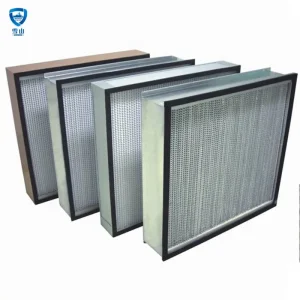
| Frame Configurations | Aluminium, Galvanized Steel, ABS Plastic | Industrial HVAC Standard |
Standard activated charcoal filters rely on physical adsorption. However, volatile compounds with low molecular weights, such as ammonia (NH₃), hydrogen sulfide (H₂S), formaldehyde (HCHO), and sulfur dioxide (SO₂), do not adhere well to untreated carbon. Our R&D roadmap focuses on:
Our manufacturing facilities are ISO 9001 and ISO 14001 certified. Each batch of raw materials undergoes rigorous testing for moisture content, ash percentage, hardness, and bulk density.
For projects within the European Economic Area, our CE markings confirm that our filters meet safety, health, and environmental standards. We provide complete documentation for all orders, including air flow performance graphs and chemical compatibility assessments.
Answers to common technical and logistical questions asked by procurement officers and HVAC engineers.
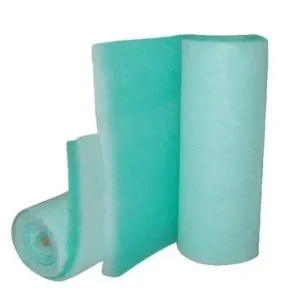
Explore our high-efficiency replacement filters, synthetic media rolls, and specialized evaporative cooling elements.
 Snow Peak