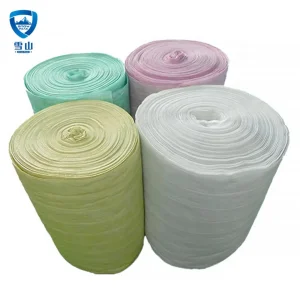
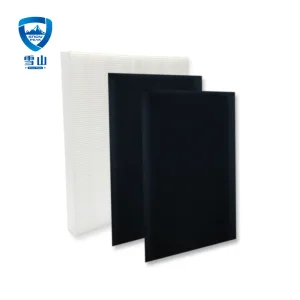
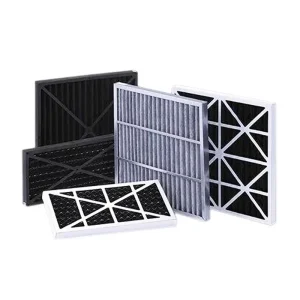
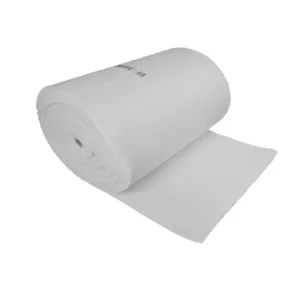
In the sphere of modern gas-phase air filtration, physical particulate capture must be coupled with high-efficiency gaseous adsorption. For global air purifier manufacturers, sourcing CE Certified Activated Charcoal represents a critical design decision. The CE marking indicates rigorous verification of material safety, chemical non-toxicity, and strict compliance with European environmental and fire safety directives (such as REACH, RoHS, and EN 13501-1).
Activated charcoal functions at the molecular level, relying on Van der Waals forces to trap volatile organic compounds (VOCs), hazardous gases, and odors within its highly developed internal pore structure. By heat-treating carbonaceous raw materials—primarily coconut shells, coal, or wood—in an inert atmosphere followed by chemical or steam activation, manufacturers generate a high-surface-area material containing a complex matrix of micropores (diameter < 2 nm), mesopores (2 to 50 nm), and macropores (> 50 nm).
| Property Parameter | Standard Range | Target Pollutants | Compliance Standards |
|---|---|---|---|
| Iodine Number | 900 - 1150 mg/g | Low molecular weight gases, odors, chlorine | ASTM D4607 |
| CTC (Carbon Tetrachloride) | 50% - 75% | Medium to heavy VOCs, organic vapors, benzene | ASTM D3467 |
| BET Specific Surface Area | 1000 - 1300 m²/g | Universal molecular contamination range | ISO 9277 |
| Ash Content | < 3% - 5% | Ensures high purity, minimal dust shedding | ASTM D2866 |
For air purifier manufacturers supplying commercial spaces or medical settings, raw material purity is paramount. Without certified compliance, unrefined charcoal media can release trace amounts of sulfur, ash, and particulate fines back into the processed airstream. CE certification verifies that the carbon medium does not degrade under high-velocity airflow or structural pressure, ensuring safety and performance.
The international air purification landscape is undergoing a structural shift. The historical reliance on single-stage particulate filters (HEPA only) is no longer sufficient for modern regulatory requirements and consumer expectations. Three major trends dominate global procurement:
North American and European regulatory bodies are tightening exposure limits for airborne formaldehydes, ozone, nitrogen oxides ($NO_x$), and volatile organic compounds ($VOCs$). This has catalyzed the design of composite filtration networks that couple particulate capture with chemisorptive carbon arrays.
To reduce the overall footprint of air handling units (AHUs) and residential air purifiers, OEMs are demanding hybrid filter media—specifically, HEPA filters laminated directly with activated carbon granules or carbon-impregnated non-woven carriers.
Traditional carbon filters often utilized solvent-heavy binders that contributed to secondary outgassing. Sourcing focus has pivoted towards hot-melt adhesive technologies and polymer matrix structures that hold carbon firmly without blocking the vital micropore network.
For R&D teams and global purchasing managers in the HVAC and air purifier manufacturing sectors, evaluating a supplier's activated charcoal involves looking beyond standard unit cost. To ensure long service life and high Single-Pass Efficiency (SPE), specifications must balance the following engineering dynamics:
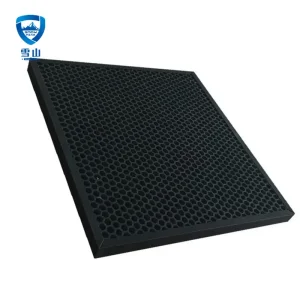
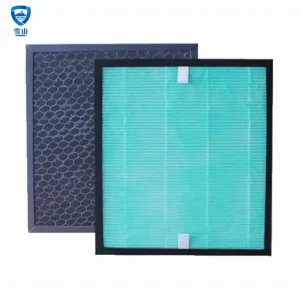
Higher carbon density increases contact time but incurs a pressure drop penalty. Our honeycomb-structured filters optimize this trade-off by securing fine-mesh carbon within rigid cell boundaries, ensuring low resistance at high face velocities.
For high-efficiency VOC removal, we recommend specifying a CTC value of at least 60% and an Iodine rating above 1000 mg/g. Lower ratings require thicker carbon beds, adding weight and cost to the final system.
Standard activated carbon is ineffective against ultra-light gases like formaldehyde ($HCHO$), hydrogen sulfide ($H_2S$), or ammonia ($NH_3$). We resolve this by impregnating raw carbon with specialized catalysts to chemical neutralize target compounds.
Industrial HVAC designs require flame-retardant structural frames. Our carbon filters are constructed with flame-retardant honeycomb paperboard, plastic, or aluminum frames that meet strict international fire safety regulations.
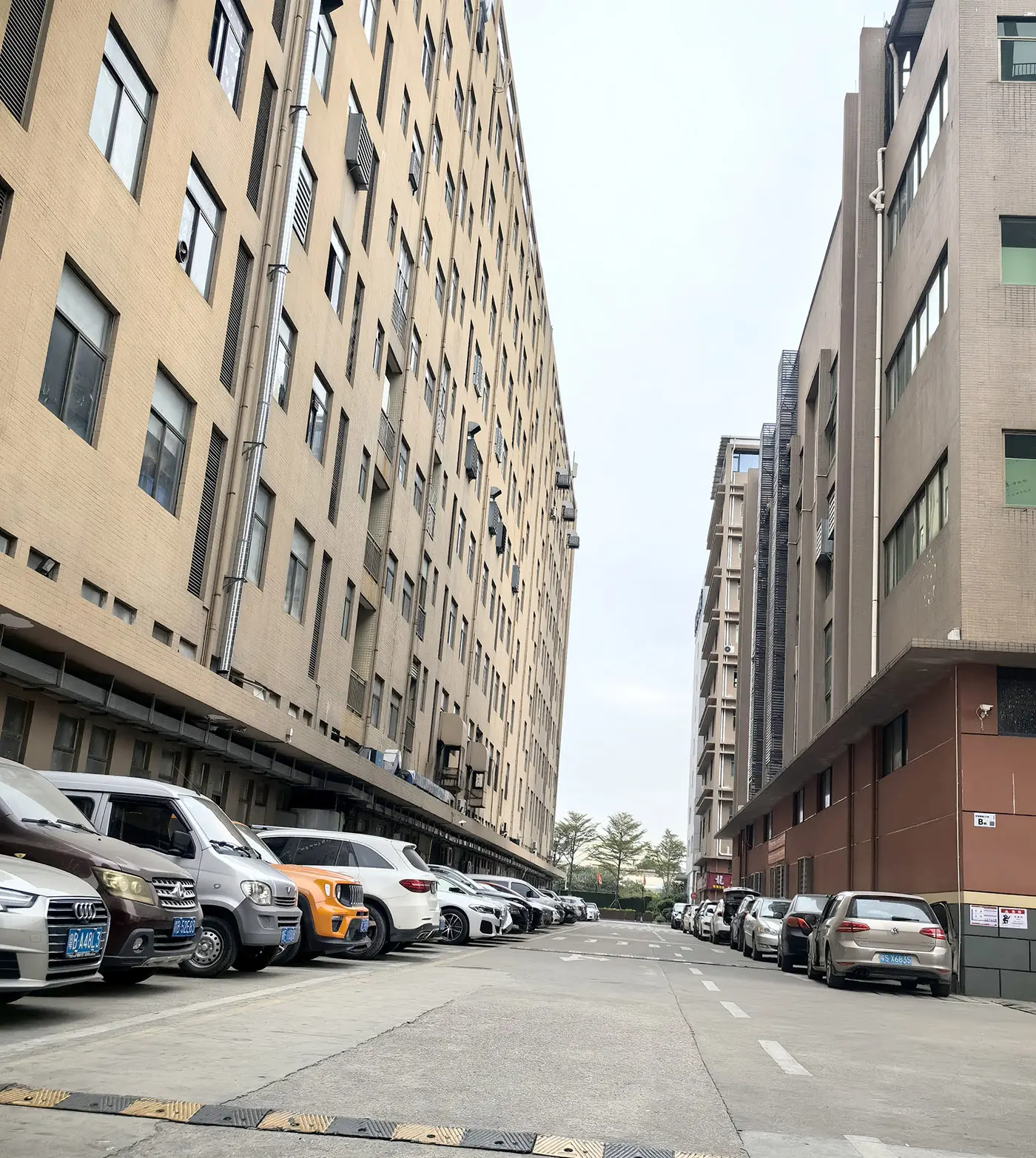
Shenzhen Snow Peak Clean Technology Co., Ltd. is an integrated high-tech enterprise, specialized in air filtration products research and development, production, sales, import and export trade. Drawing on 15 years of international air purification engineering expertise, we provide high-quality air purification solutions for indoor air pollution control and air conditioning systems in civil and industrial buildings, microelectronics, pharmaceuticals, laboratories, schools, hospitals, and cleanrooms.
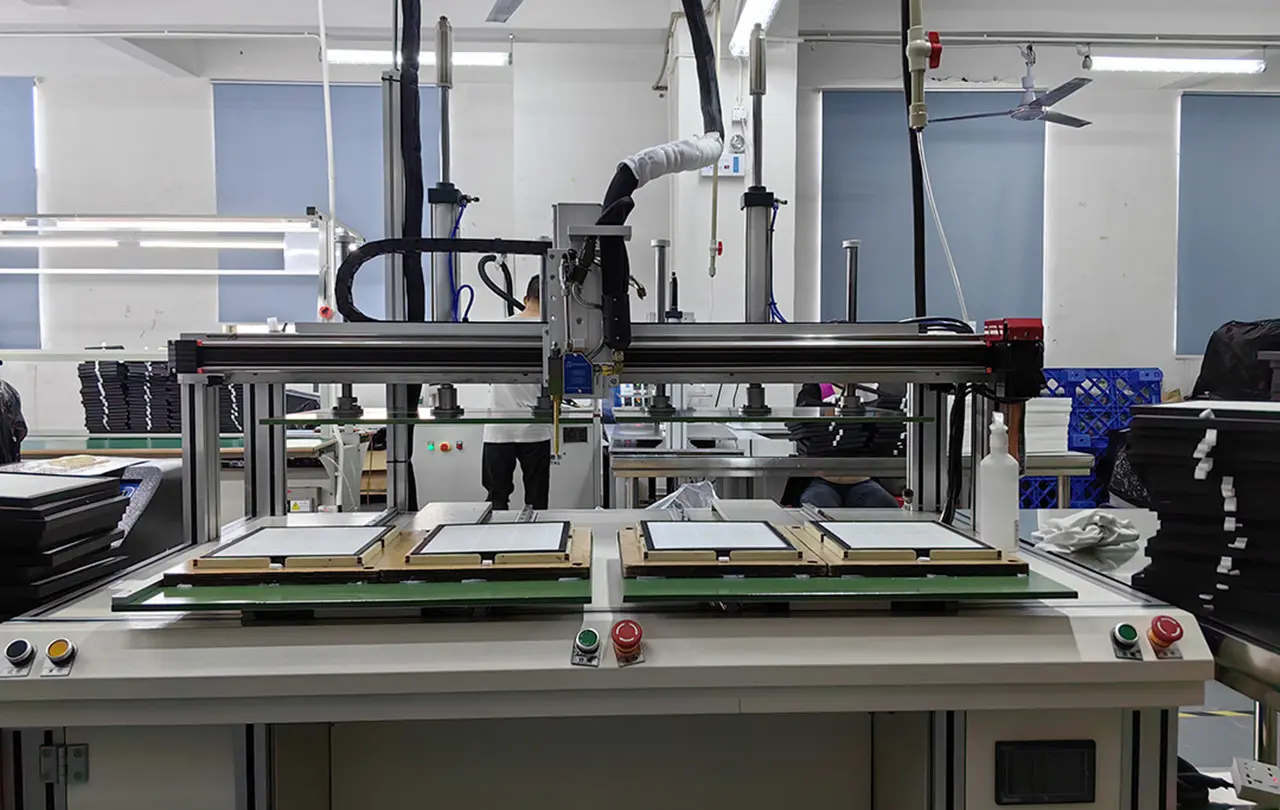
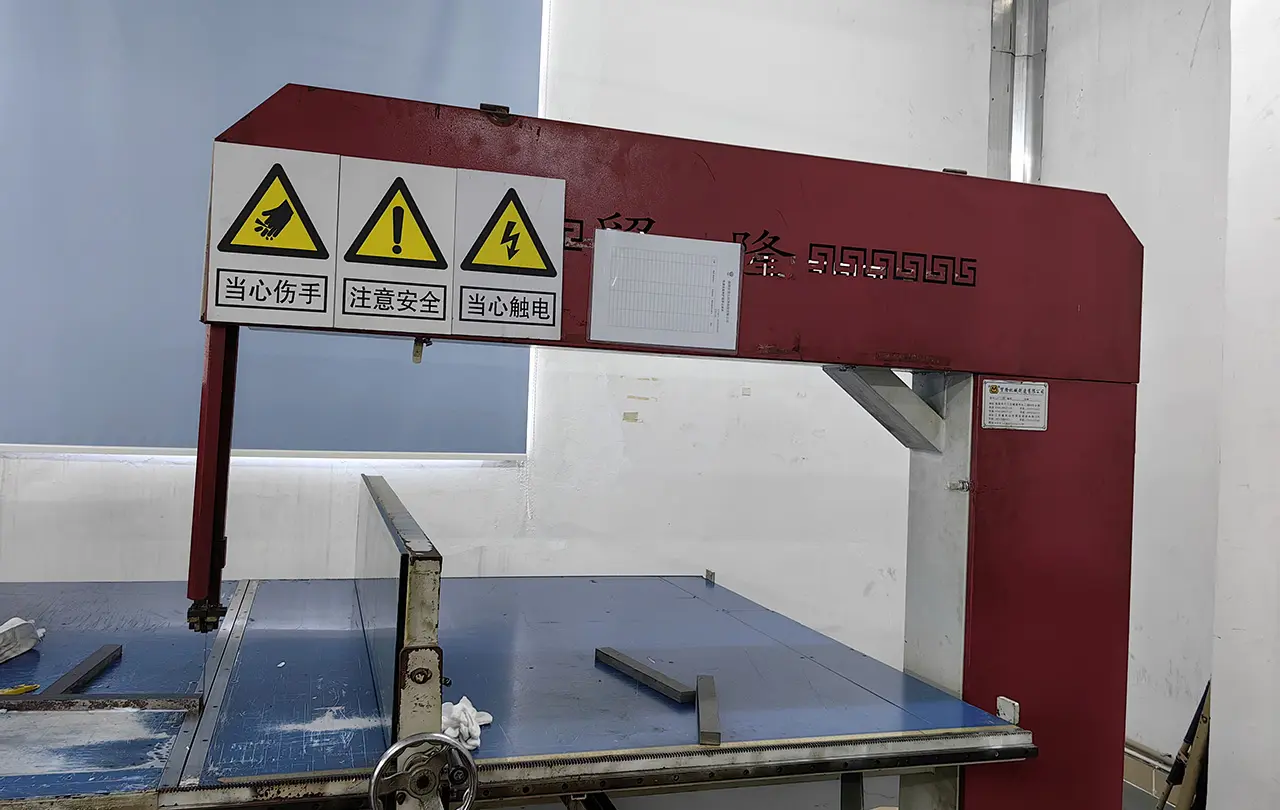
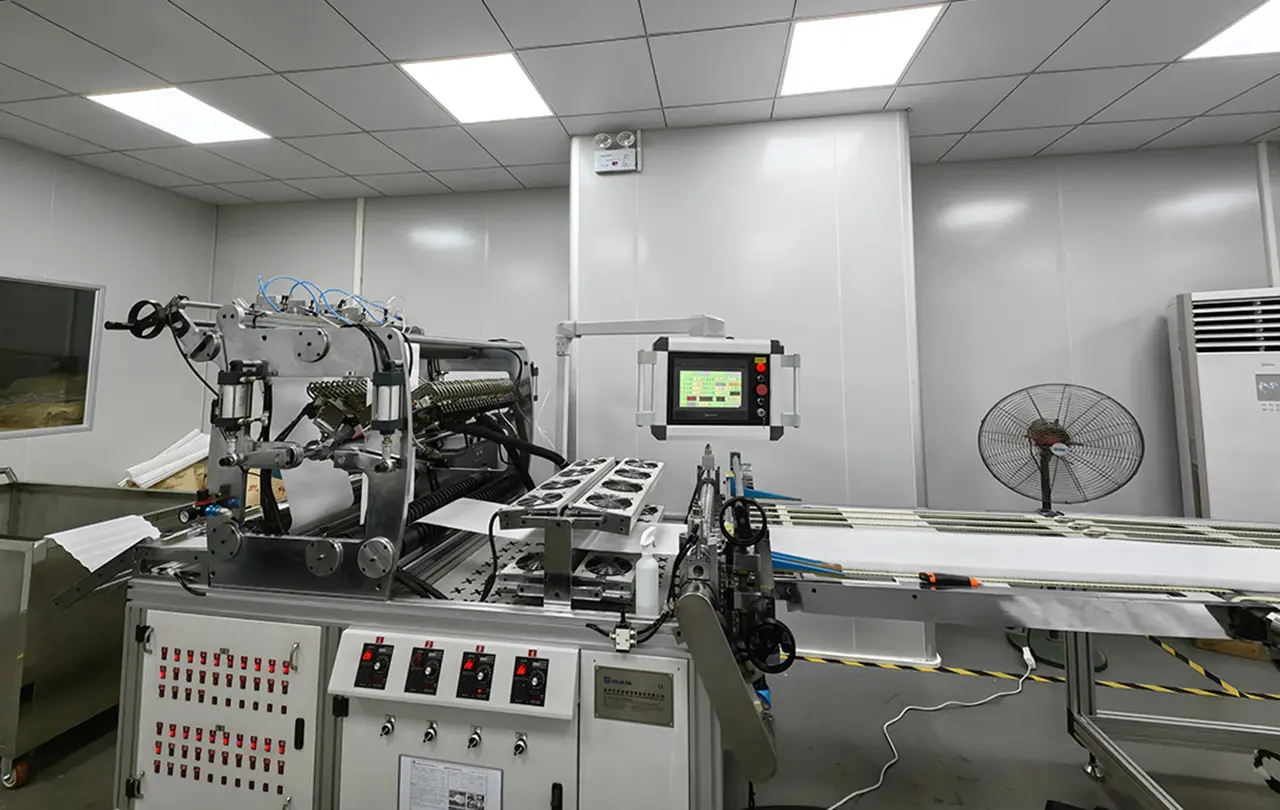
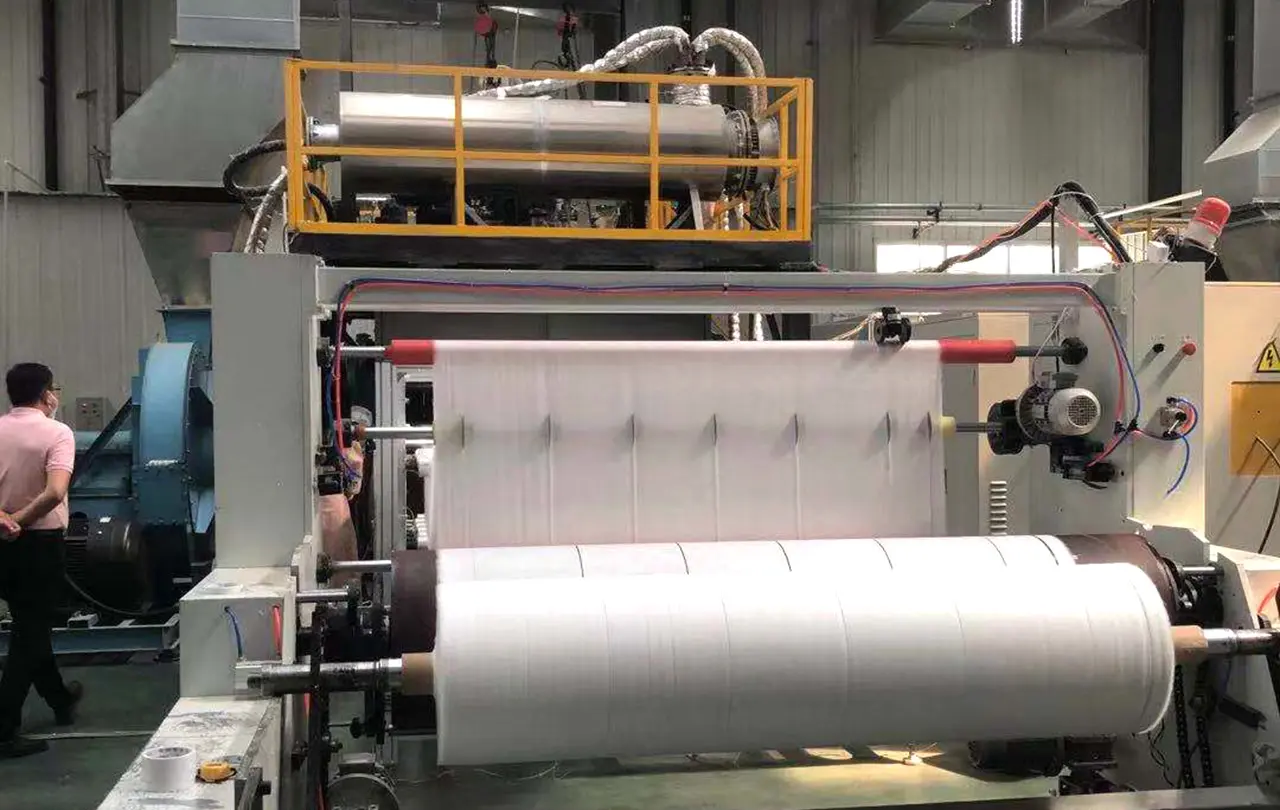
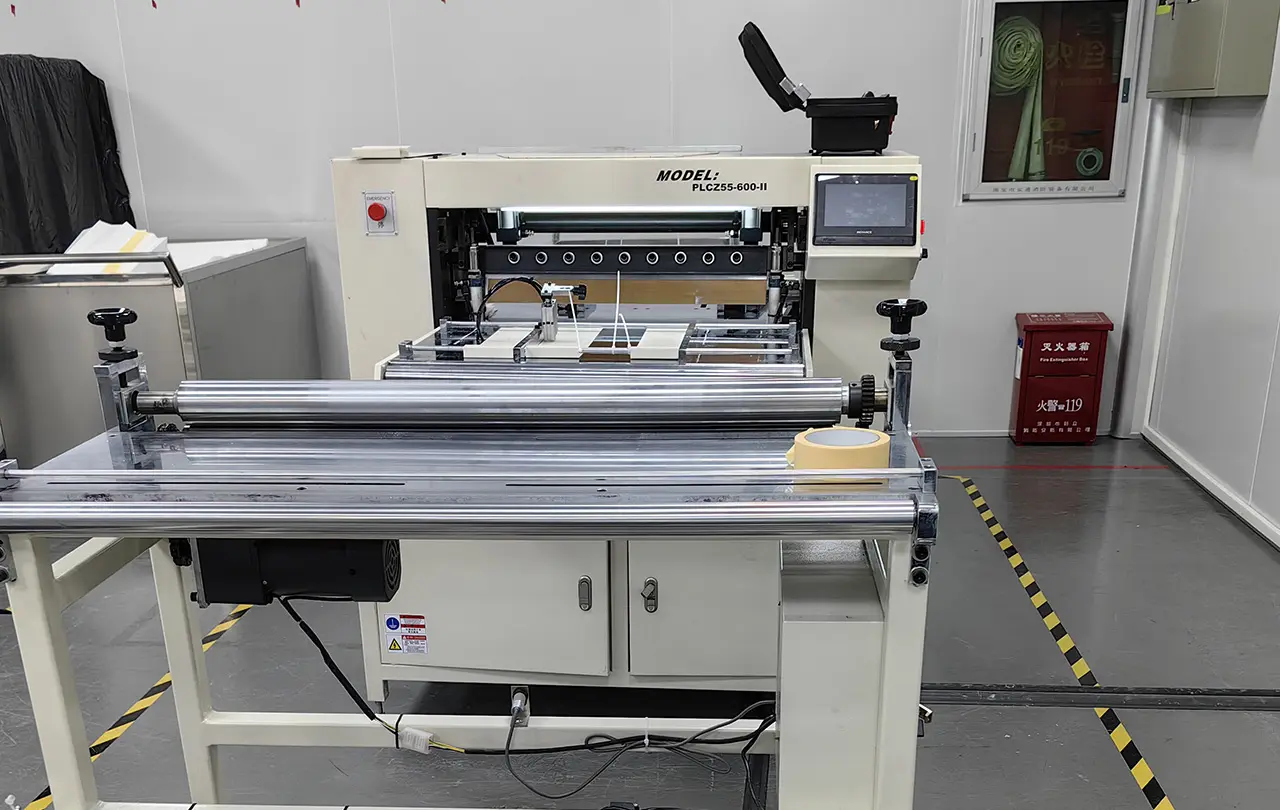
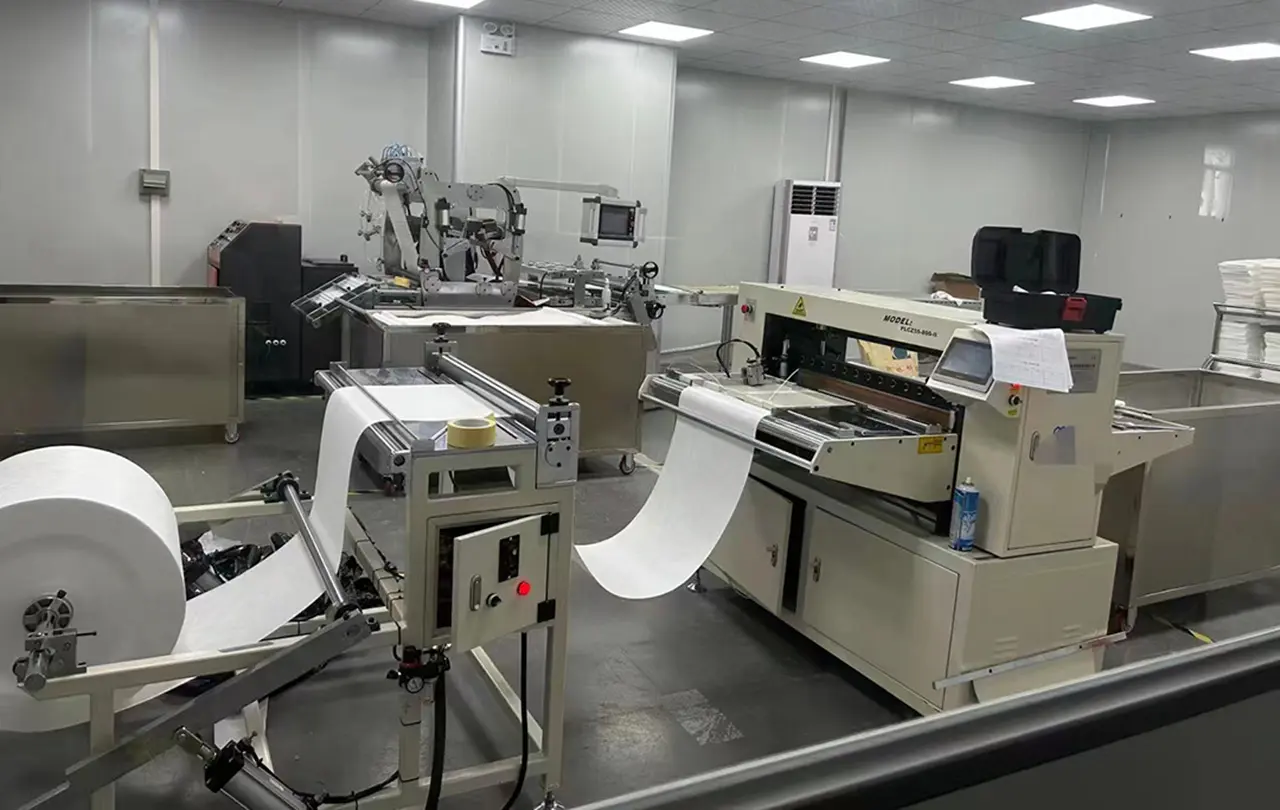
Our facilities include standardized production workshops, dust-free filter assembly lines, and specialized HEPA/Chemical filter testing infrastructure. Our manufacturing plant is equipped with advanced high-end machinery, including AMADA CNC punches and CNC bending machines, ensuring tight tolerances and consistent product quality.
Combined with self-developed patented technology, our sterilizing antiviral HEPA filter can effectively filtrate fine particles, so that PM2.5 concentration down to 10 micrograms/m³, 5 times better than the national standard. It effectively inhibits the breeding of microorganisms with a sterilization rate up to 99.9%, avoiding secondary pollution, and achieves an H1N1 virus removal efficiency as high as 99.99%.
Gaseous chemical pollutants differ based on the building type, local climate, and surrounding industrial activity. Deploying activated carbon requires matching the media's adsorption profile to the specific environment:
Even trace molecular contaminants (AMCs) like sulfur dioxide, ammonia, and organic silicones can settle on silicon wafers during photolithography, causing circuit defects. Our low-shedding honeycomb activated carbon filters capture volatile organic molecules without releasing carbon dust.
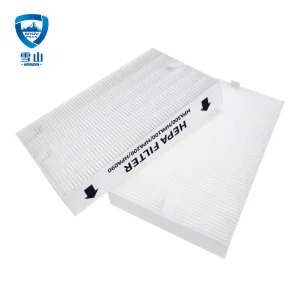
To maintain sterile conditions, healthcare facilities require filters that simultaneously trap fine viral aerosols and volatile chemical vapors. Our dual-phase compound filters integrate medical-grade HEPA media with activated charcoal to remove biological particles and organic chemical odors.
Airports, shopping malls, and subterranean transit hubs handle high concentrations of vehicle exhaust emissions, including nitrogen dioxide ($NO_2$) and sulfur oxides ($SO_x$). We supply impregnated chemical carbon filters engineered to neutralize acid gases under high volumetric flow conditions.
Key technical questions regarding the specification, performance, and maintenance of molecular adsorption filters.
CE certification confirms that the filter assembly complies with European health, safety, and environmental protection standards. It ensures the raw carbon media contains no hazardous substances restricted under REACH regulations, and verifies that plastic or composite housing components meet regional safety requirements, including fire resistance standards (EN 13501-1 Class E or higher).
The Iodine Value (mg/g) measures a carbon's microporosity and is highly correlated with its capacity to adsorb low molecular weight, small-molecule contaminants. The Carbon Tetrachloride (CTC) rating measures the volume of larger micropores and mesopores, reflecting its capacity to adsorb larger organic molecules and complex VOCs like benzene, toluene, and solvent vapors. An optimal B2B specification balances both values.
Honeycomb structured carbon filters offer lower pressure drop because air flows through defined channels with uniform geometry, reducing air resistance compared to a dense bed of loose-fill granules. Additionally, binding the carbon particles within honeycomb walls prevents shifting, friction, and carbon dust generation, making them suitable for downstream air delivery in cleanrooms and residential purifiers.
Standard activated carbon relies on physical adsorption, which is less effective for small polar molecules. To target compounds like formaldehyde, ammonia, or sulfur oxides, the carbon is chemically impregnated. Acidic impregnants are used for basic gases like ammonia, alkaline impregnants for acid gases like sulfur dioxide, and active metal catalysts are applied to oxidize formaldehyde into carbon dioxide and water.
 Snow Peak