Global Industrial Whitepaper

CE Certification AHU Filter Media Factory & Engineering Companies

Next-Generation Custom Air Filtration Media complying with ISO 16890, EN 779 & EN 1822 Guidelines for Air Handling Units and Cleanrooms

Industrial Insight & Engineering Science

Evaluating CE Certified AHU Filter Media: Standards, Efficacy & Dynamics

In modern commercial HVAC design, the Air Handling Unit (AHU) serves as the lungs of the facility. Choosing the appropriate filter media is not just a matter of air circulation, but a critical regulatory, operational, and structural decision. With the integration of European standards under the CE marking system, purchasing managers and engineering specialists must meticulously evaluate media parameters to ensure systemic safety, compliance, and prolonged service intervals.
CE Certification guarantees that the filtration media complies with relevant European directives regarding health, safety, and environmental protection. For AHU filter media, this involves testing against strict fire resistance classifications (such as EN 13501-1 or DIN 53438) and filtration efficiency metrics defined by the revolutionary ISO 16890 standard and the cleanroom gold standard, EN 1822.

ISO 16890 Classification

Replaces old EN 779 standards. Classifies media into ePM1 (>50%), ePM2.5 (>50%), ePM10 (>50%), and Coarse based on particle size separation capabilities.

EN 1822 Standard

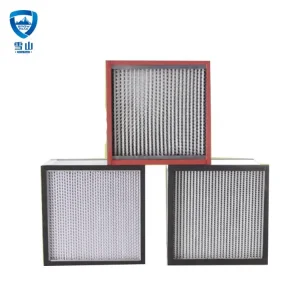
Governs high efficiency HEPA and ULPA filters (E10-U17) testing local and overall penetration using MPPS (Most Penetrating Particle Size).

Thermal & Fire Rating

Media must display self-extinguishing properties under European fire codes to prevent rapid propagation within ventilation ducts.

Low Pressure Drop

CE optimized designs reduce aerodynamic resistance, minimizing electricity consumption by internal AHU fans and blowers.
By partnering with specialized suppliers such as Shenzhen Snow Peak Clean Technology Co., Ltd., enterprises gain access to proprietary compound formulations. These media rolls integrate high dust-holding capacity (DHC) with minimized initial pressure drops, assuring an optimal balance between structural rigidity and energy efficiency.
OEM & ODM Manufacturer Profile

Shenzhen Snow Peak Clean Technology Co., Ltd.

An integrated high-tech enterprise, specialized in air filtration products research and development, production, sales, import and export trade.
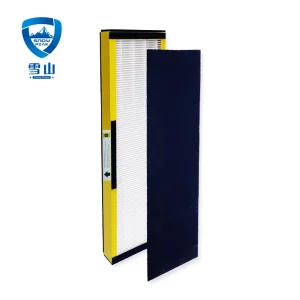
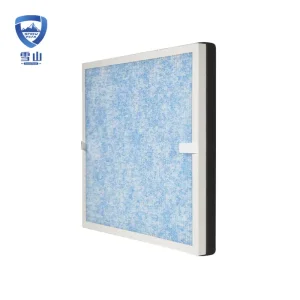
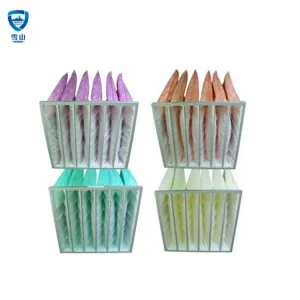
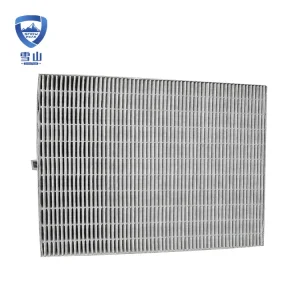
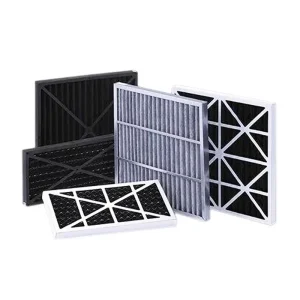
Our comprehensive production and supply portfolio features: Pre-filters, pocket filters, HEPA filters, chemical filters; replacement HEPA filters, car cabin air filters, and humidifier filters. Additionally, we manufacture advanced structural materials like pocket filter media, melt-blown composite filter media, and other high-performance filter materials designed for modern industrial filtration equipment.
We provide exceptional air purification solutions and products for indoor air pollution control and air conditioning systems across multiple sectors including civil and industrial buildings, microelectronics, pharmaceuticals, laboratories, schools, and cleanroom environments in hospitals.
Combined with self-developed patented technology, our sterilizing antiviral HEPA filter can effectively filtrate fine particles, so that PM2.5 concentration is reduced down to 10 micrograms/m³, which is 5 times better than the national standard. Our filters effectively inhibit the breeding of microorganisms, yielding a sterilization rate up to 99.9%, with zero secondary pollution. In biological assays, the removal rate of the H1N1 virus reaches as high as 99.99%.
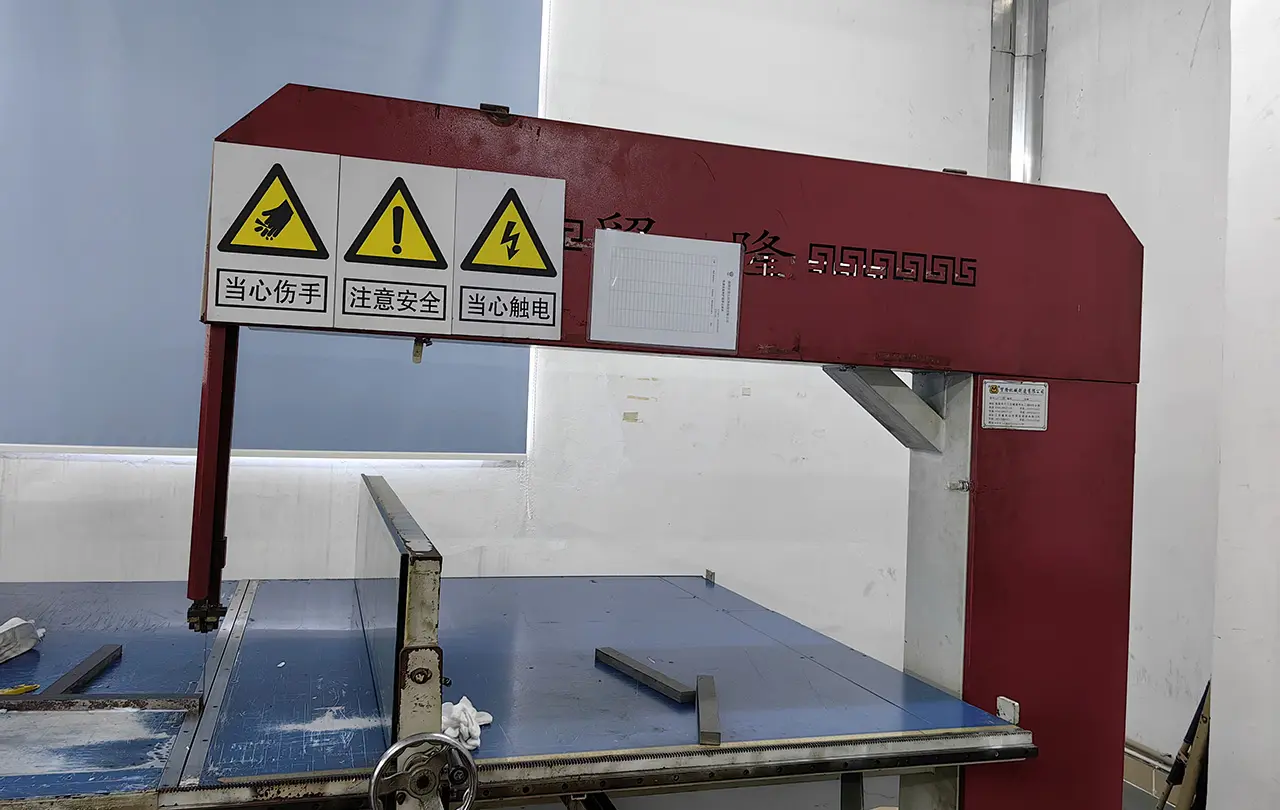
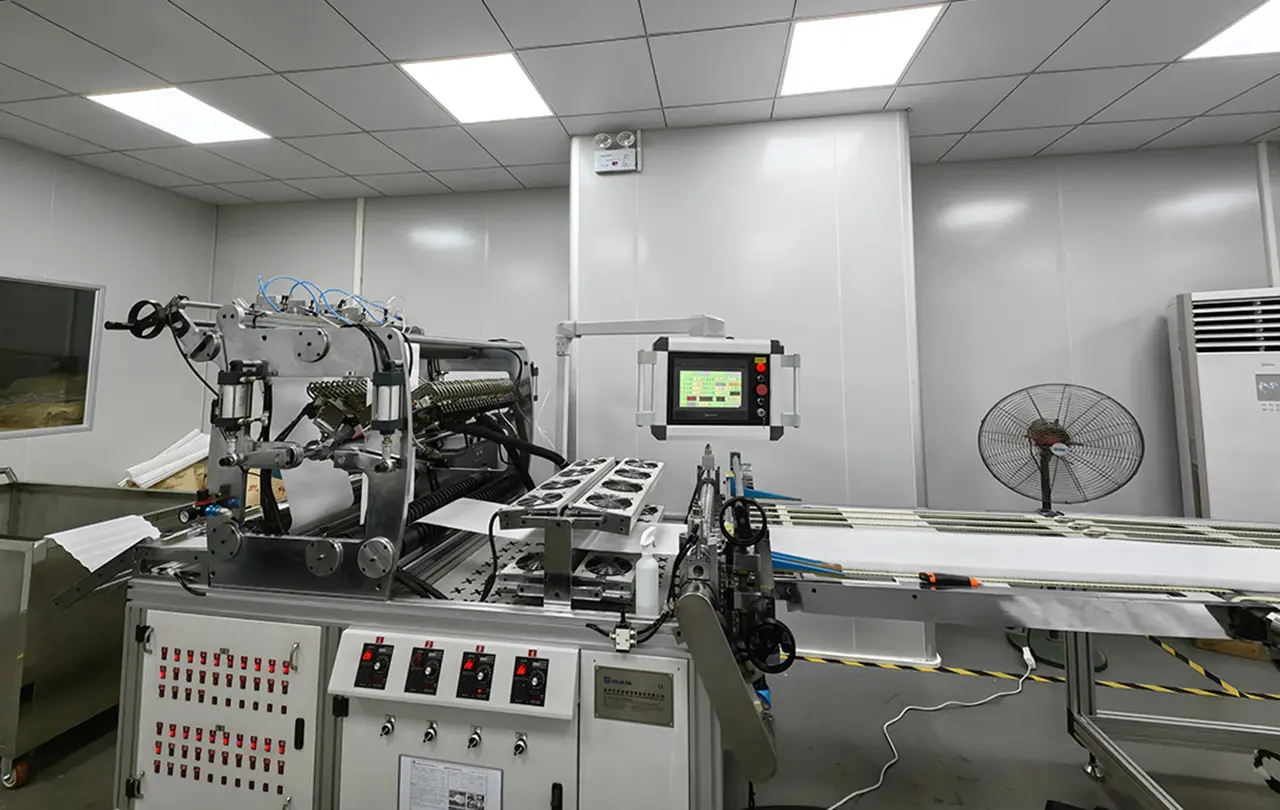
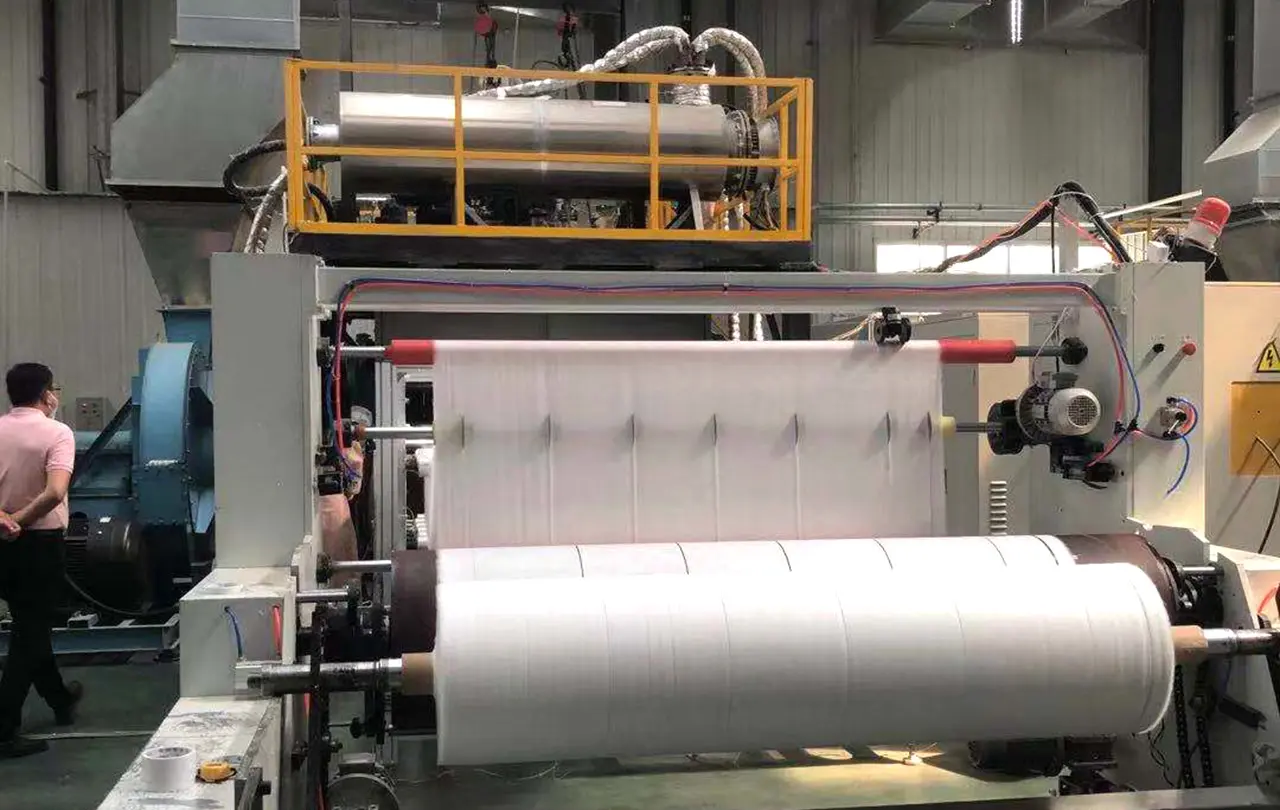
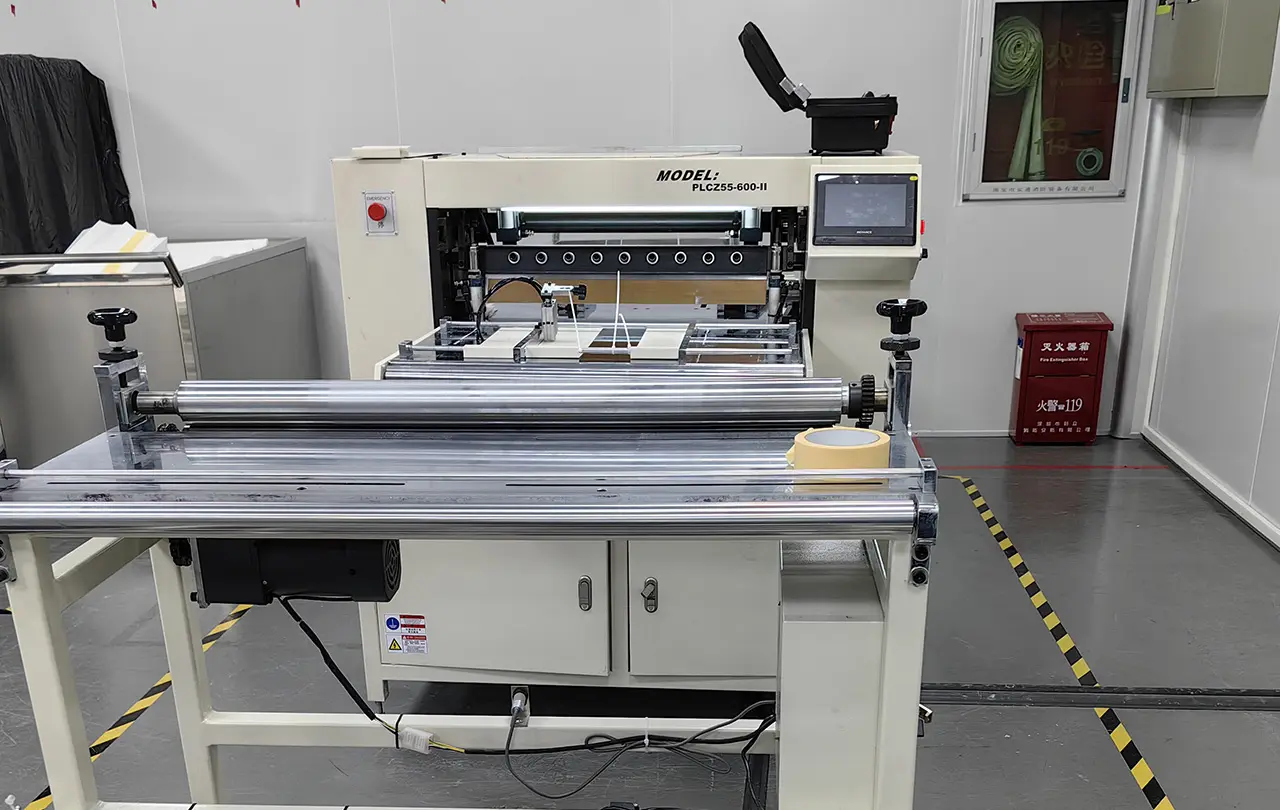
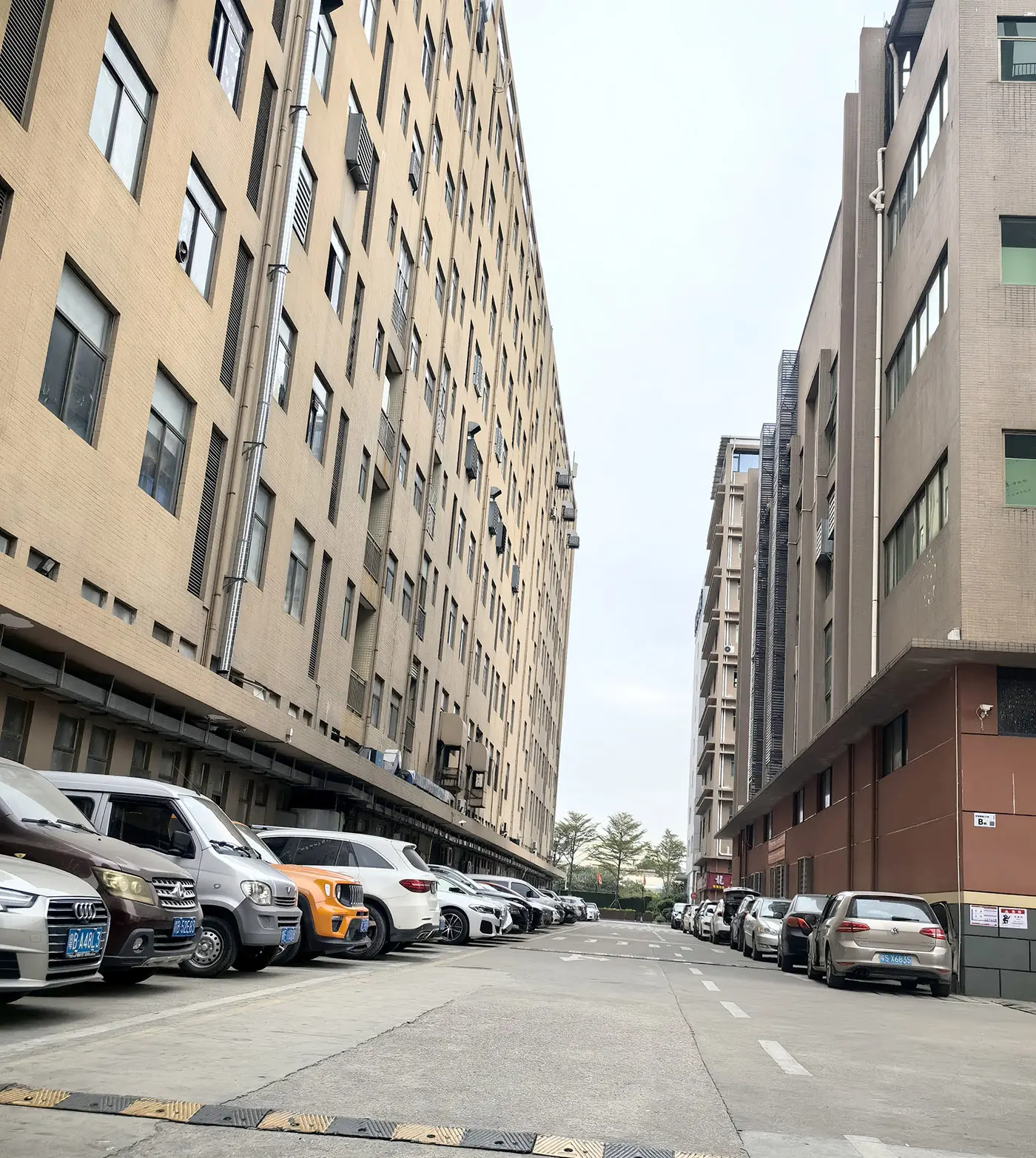
Shenzhen Snow Peak Factory Facilities
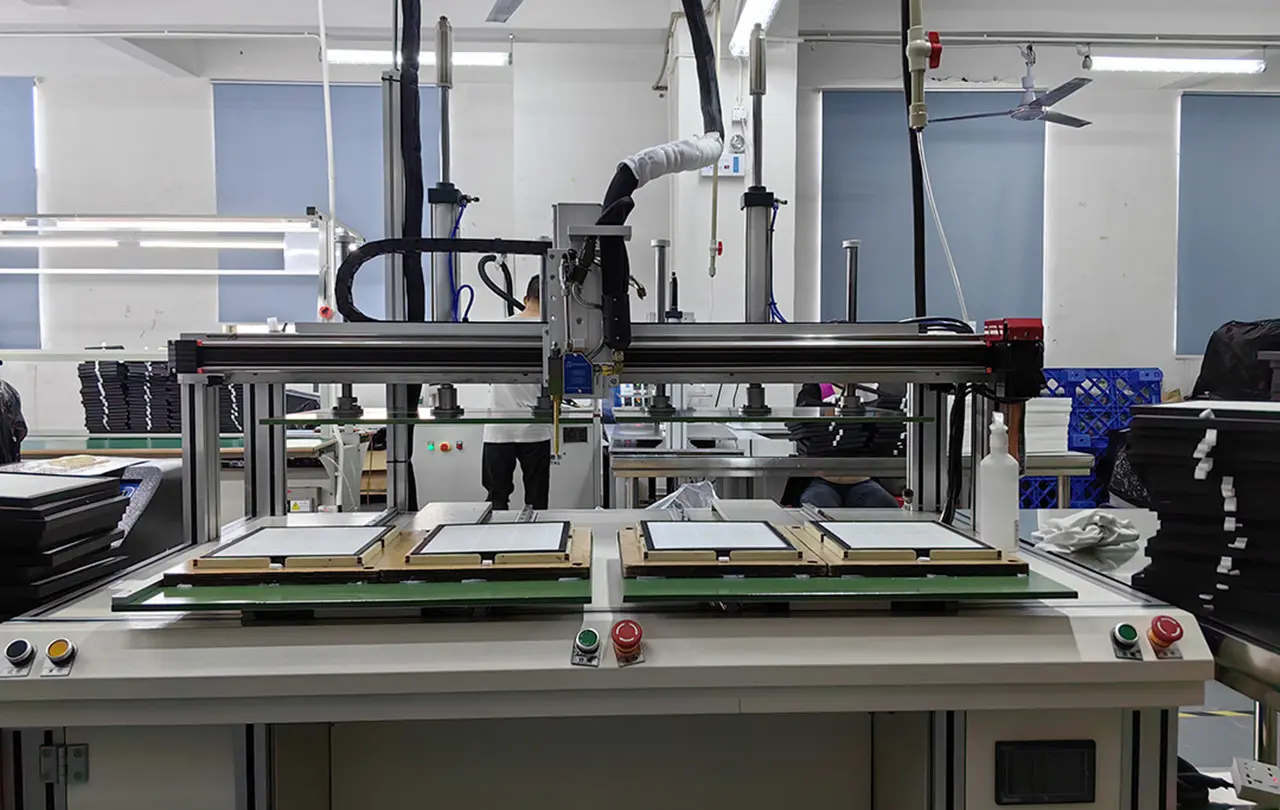
Factory Precision & Advanced Machinery

Our Strength & Integrated Manufacturing Facilities

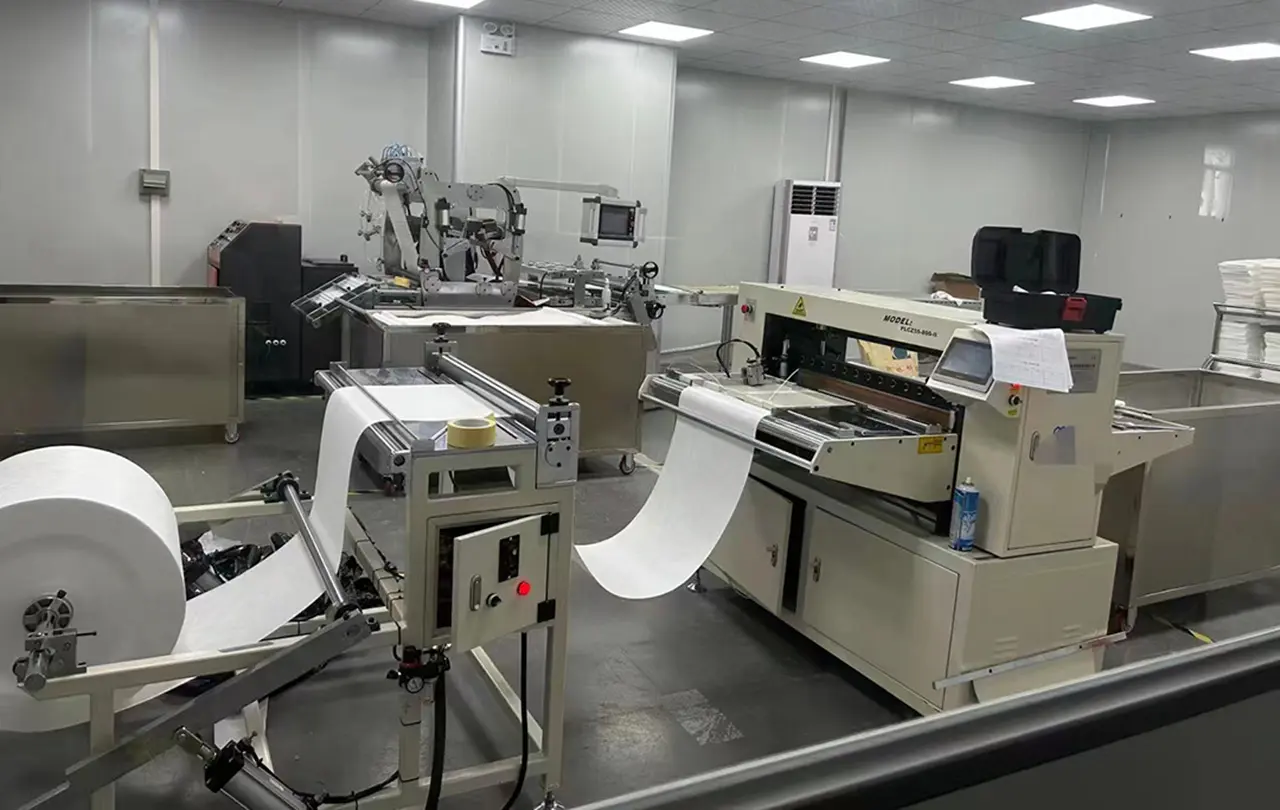
Leveraging over 15 years of international air purification technology experience as our operational background, our company maintains highly standardized production workshops, dedicated dust-free filter assembly rooms, and a first-class production and inspection line for high-efficiency HEPA filters.
Our proprietary automated air filter production lines are equipped with advanced equipment, including AMADA CNC punches and CNC bending machines, to provide a strong technical guarantee for the consistency, stability, and scale of our global supply chains.
Strategic Macro Analysis

Industry Development Trends & Supply Chain Demands

The global demand for high-grade synthetic and compound AHU filter media has grown due to evolving environmental standards, industrialization, and energy-conscious building regulations. Below are the key structural trends shaping procurement decisions:

Transition to Composite Materials

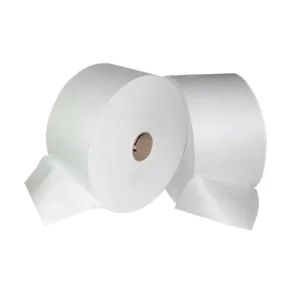
Conventional fiberglass is increasingly replaced by synthetic composite roll media to eliminate fiber shedding risks in food processing and pharmaceuticals.

Sub-micron Efficiency Focus

With increasing levels of airborne contaminants, systems are standardizing on ePM1 levels, calling for dual-phase meltblown matrices with electrostatic charges.

Energy Directive ERP 2018

European HVAC installations require compliance with strict energy thresholds. High-efficiency, low-resistance filters reduce operational costs and help meet these targets.

Strategic Procurement Matrix: Choosing the Right Class

Filter Class (ISO 16890 / EN 779) Material Configuration Common Applications Key Performance Indicators
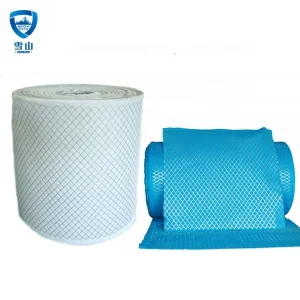
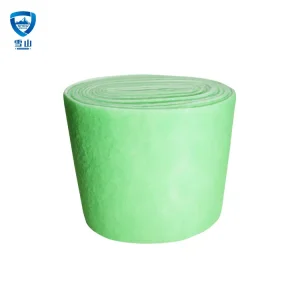
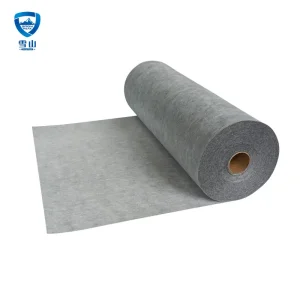
Coarse / G3 - G4 Polyester laminated wire mesh rolls Pre-filtration in standard AHUs, air purifiers High dust loading capacity, washability options
ePM10 / M5 - M6 Pocket synthetic fibers General ventilation, office buildings Excellent medium particulate holding
ePM1 / F7 - F9 Meltblown composites, multi-pocket bags Hospitals, commercial centers, labs >50% efficiency for particles under 1µm
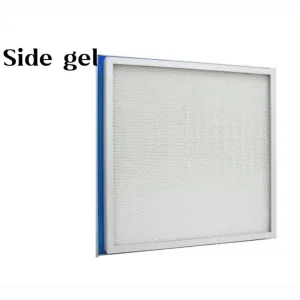
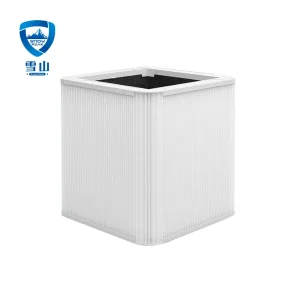
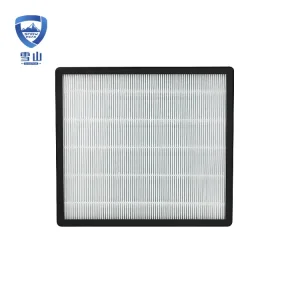
HEPA / H13 - H14 Mini-pleated fiberglass/Gel Seal compact Clean rooms, operating rooms, microelectronics >99.97% containment at 0.3µm particle sizes
Global Logistics & Manufacturing Efficiency

The China Factory Advantage in AHU Filter Media Supply

Selecting a manufacturing partner in China, particularly in high-tech zones like Shenzhen, offers distinct operational advantages to global distributors and engineering firms:
  • End-to-End Vertical Integration: From base polymer extrusion to composite lamination, pleating, and frame fabrication, the entire supply chain is localized under one roof.
  • State-of-the-Art QA Equipment: In-house testing rigs verify efficiency against ISO 16890 and EN 1822 protocols, providing reliable testing data for international buyers.
  • Customized OEM and ODM Capabilities: Rapid prototyping of non-standard dimensions, multi-stage pocket designs, and custom wire mesh support frames.
  • Logistical Advantages: Proximity to major hubs like Shenzhen Port enables fast shipping to Europe, North America, and Southeast Asia.
15+
Years R&D Experience
99.9%
Sterilization Rate
99.99%
H1N1 Virus Defeated
CE
Certified Quality
Application-Specific Architectures

Localized Application Scenarios & System Integration

Air handling requirements vary greatly depending on the surrounding environment and the building's purpose. Here is how specialized filter media is deployed across various sectors:

Microelectronics Fab Clean Rooms

Requires ultra-low outgassing and high-rigidity mini-pleated HEPA filters with top-side gel seals to prevent particle infiltration into silicon processing environments.

Pharmaceutical Labs & Biosafety

Demands antiviral properties and high mechanical filtration efficiency (H13 or H14 rating) to manage biological aerosols and inhibit microbial growth.

Commercial HVAC Systems

Uses multi-pocket synthetic bags and G3/G4 pre-filter media rolls to manage high airflow, protect secondary filters, and maintain building air quality.

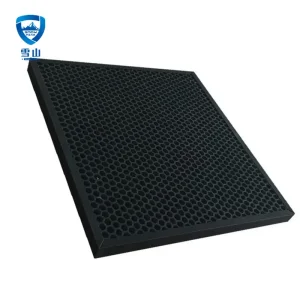
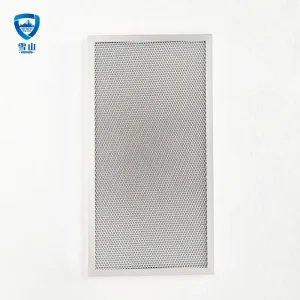
To address these requirements, Shenzhen Snow Peak integrates advanced materials like honeycomb activated carbon and composite photocatalyst layers, targeting both fine particulates and gaseous pollutants/VOCs simultaneously.
Answers from Engineering Specialists

Frequently Asked Questions: AHU Filter Media & CE Standards

Q1: What does CE Certification verify for Air Handling Unit (AHU) filter media?
CE Certification confirms that the filtration media complies with EU safety, health, and environmental standards. For AHU media, it signifies compliance with the fire retardancy standard (EN 13501-1 or DIN 53438) and validation of filtration efficiency, pressure drop, and structural integrity under ISO 16890 and EN 1822 protocols.
Q2: How does ISO 16890 differ from the older EN 779 filtration standard?
EN 779 classified filters based on a single average efficiency metric using 0.4µm particles. ISO 16890 evaluates efficiency across three distinct particle size groups: PM1 (0.3 to 1µm), PM2.5 (0.3 to 2.5µm), and PM10 (0.3 to 10µm). This aligns filter specifications with outdoor air quality monitoring metrics, helping engineers select media based on local air quality issues.
Q3: Why choose synthetic meltblown composite media over traditional glass fiber?
Synthetic meltblown composite media offers several key advantages. It eliminates the risk of fiber shedding, which can contaminate clean manufacturing environments. It also provides high tensile strength, making it resistant to tearing during installation or under high moisture conditions. Additionally, it can support an electrostatic charge, which helps capture sub-micron particles with a lower initial pressure drop compared to fiberglass.
Q4: What is the significance of the 99.99% H1N1 virus removal rate in Snow Peak filters?
Our patented sterilizing antiviral HEPA filter uses proprietary coatings that capture and deactivate pathogens. Standard mechanical filters only trap viruses, leaving them viable. Our antiviral treatment inactivates 99.99% of the H1N1 virus and inhibits general microbial reproduction, preventing secondary contamination in recirculated air systems.
Q5: Can you customize pocket filters and G3/G4 rolls to fit non-standard European AHUs?
Yes, as an OEM/ODM factory, we specialize in producing custom sizes. We can modify pocket depths, pocket counts, roll widths, and laminated wire backing options to match the technical specifications of any AHU system.