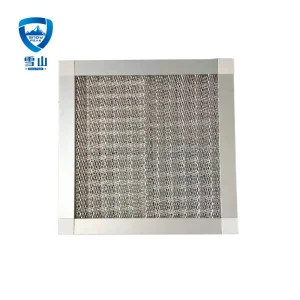
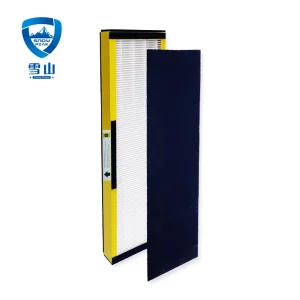
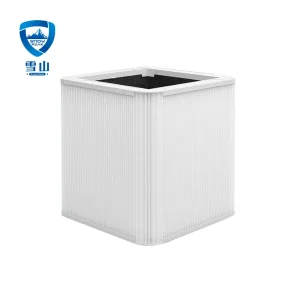
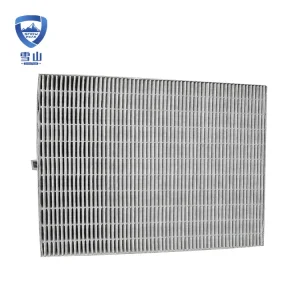
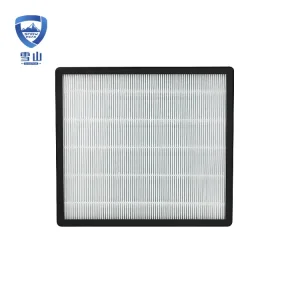
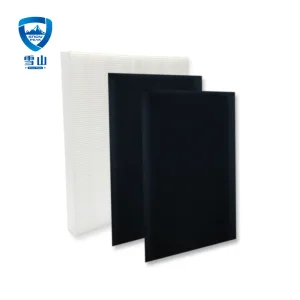
CE Certification Gel Seal Replacement HEPA Filter Manufacturers & Service

Global Industrial-Grade Air Filtration Solutions & Engineered Bypass Mitigation Technology for Ultra-Clean Environments

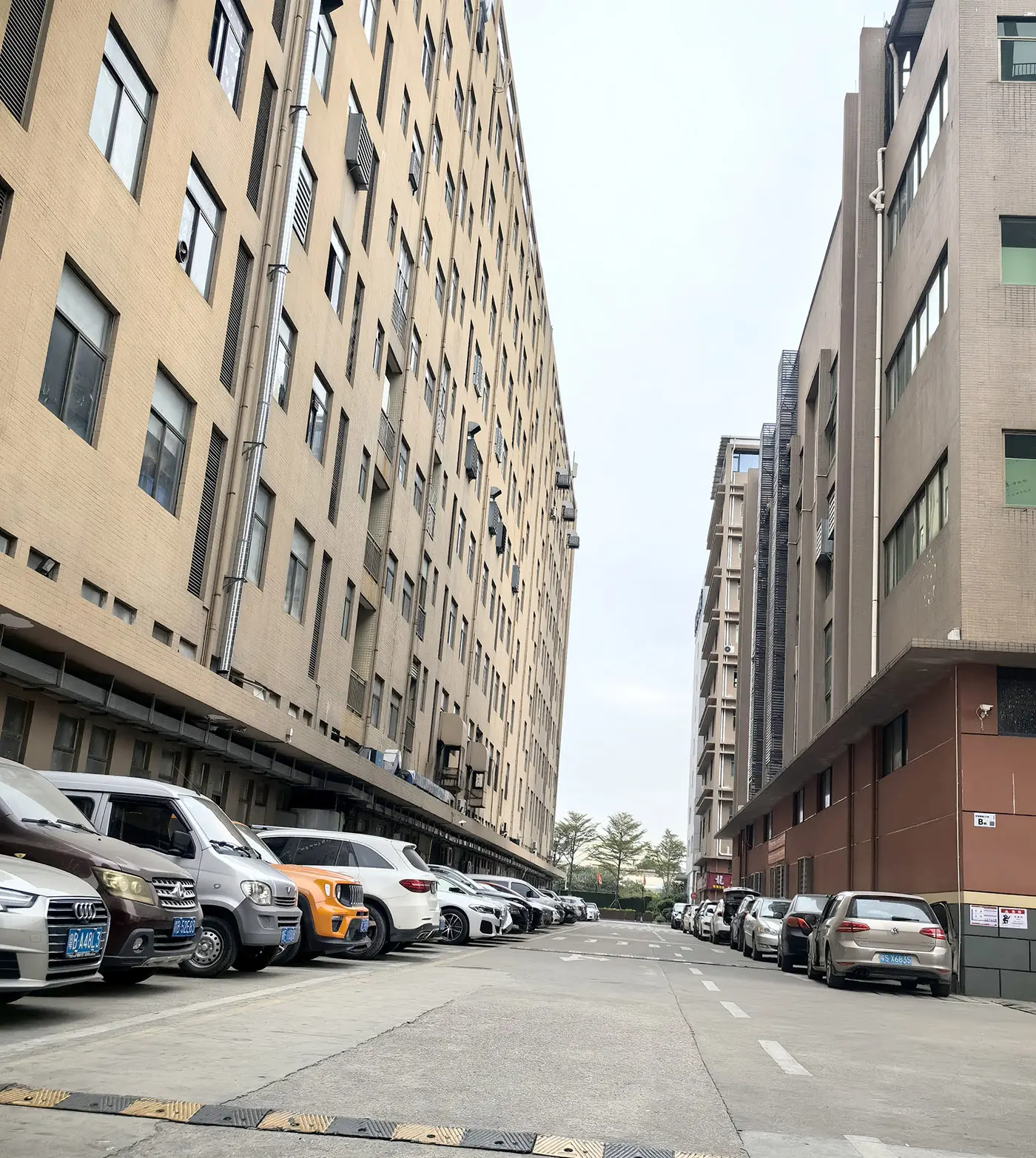
Shenzhen Snow Peak Clean Technology Facility

Our Profile & High-Tech Engineering Prowess

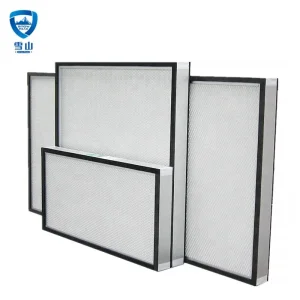
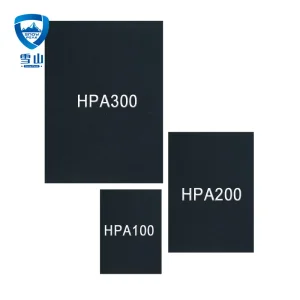
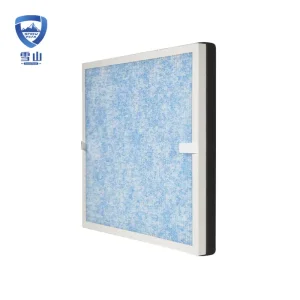
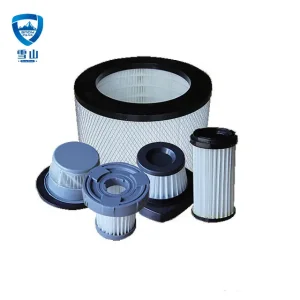
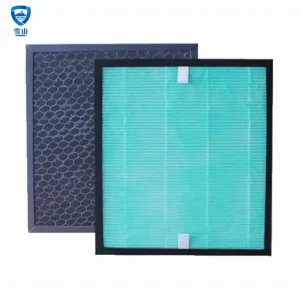
Shenzhen Snow Peak Clean Technology Co., Ltd. is an integrated high-tech enterprise, specialized in air filtration products research and development, production, sales, import and export trade. We produce and supply: Pre-filter, pocket filter, HEPA filter, chemical filter; replacement HEPA filter, car cabin air filter, humidifier filter; pocket filter media, melt-blown composite filter media, and other high-performance filter materials; provide high quality air purification solutions and products for indoor air pollution control and air conditioning systems of civil and industrial buildings, microelectronics, pharmaceutical, laboratory, school, hospital clean room etc.

Combined with self-developed patented technology, our sterilizing antiviral HEPA filter can effectively filtrate fine particles, so that PM2.5 concentration down to 10 micrograms/m3, 5 times better than national standard; effectively inhibit the breeding of microorganisms, sterilization rate up to 99.9%, and no secondary pollution, removal of H1N1 virus efficiency as high as 99.99%.

15+
Years Int'l Experience
99.99%
H1N1 Filtration
99.9%
Sterilization Rate

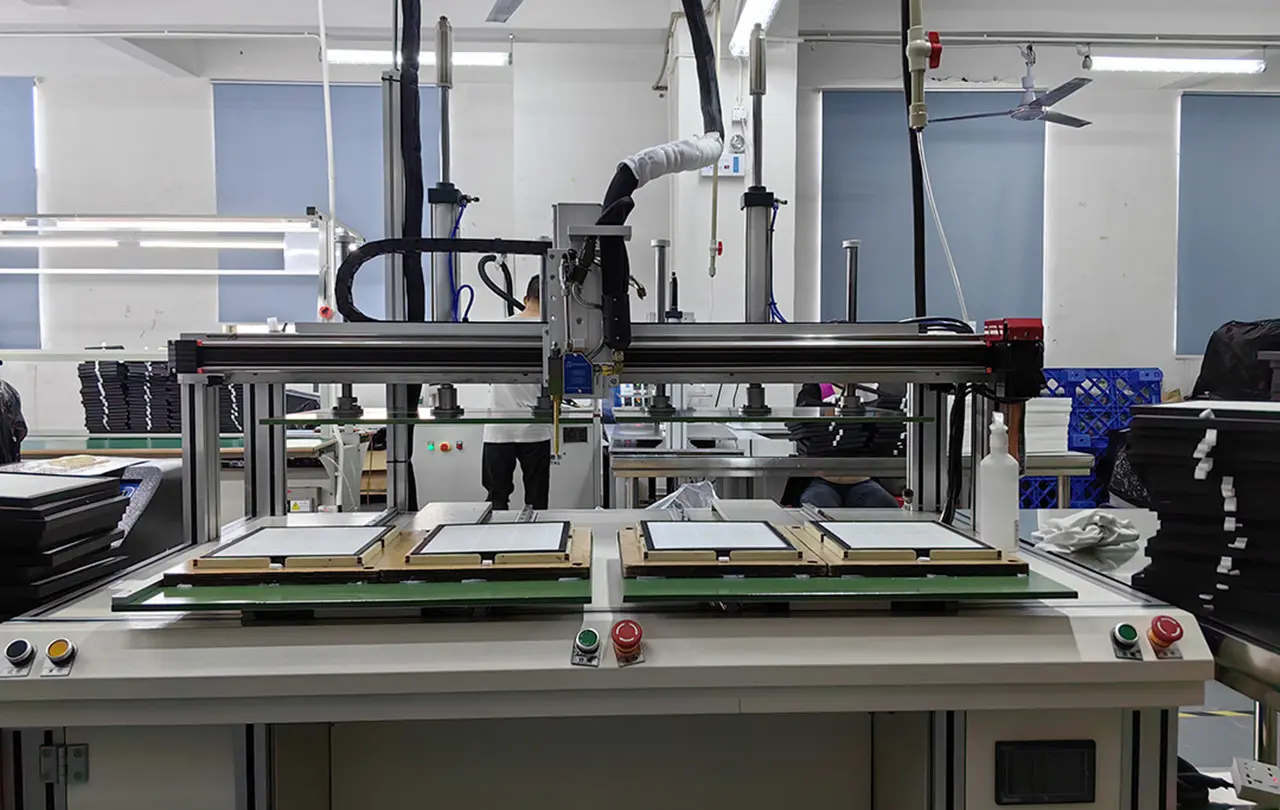
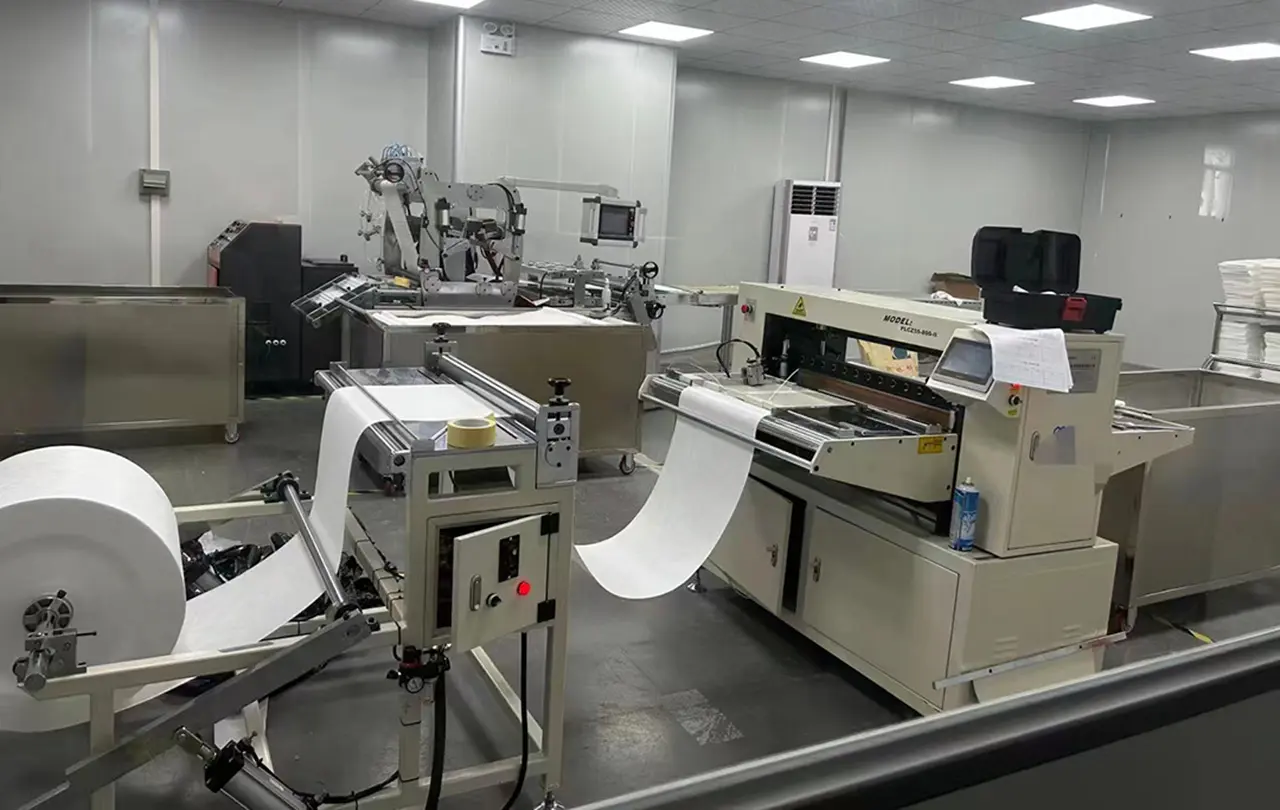
State-of-the-Art Production & Quality Control

Our standardized cleanroom and high-end fabrication machinery guarantee absolute compliance with international parameters.

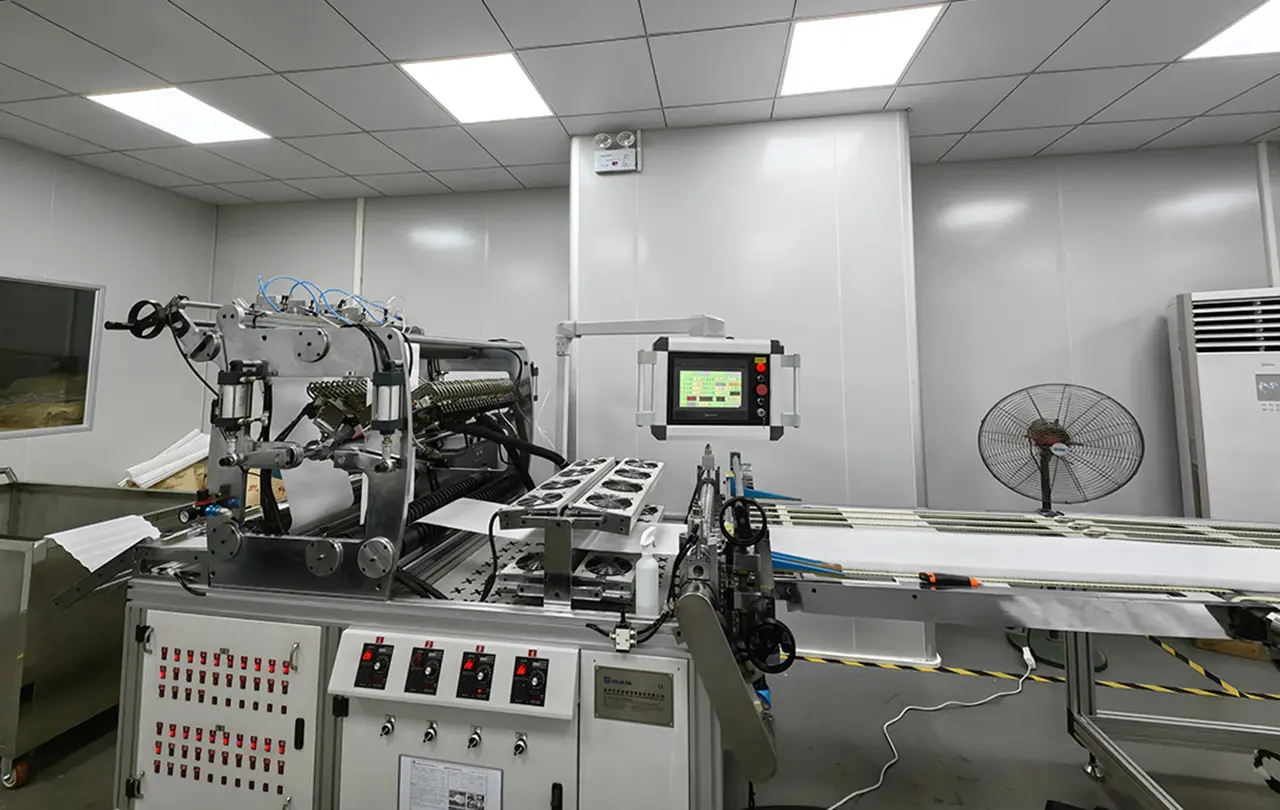
Gluing machine

Automated Gluing Machine

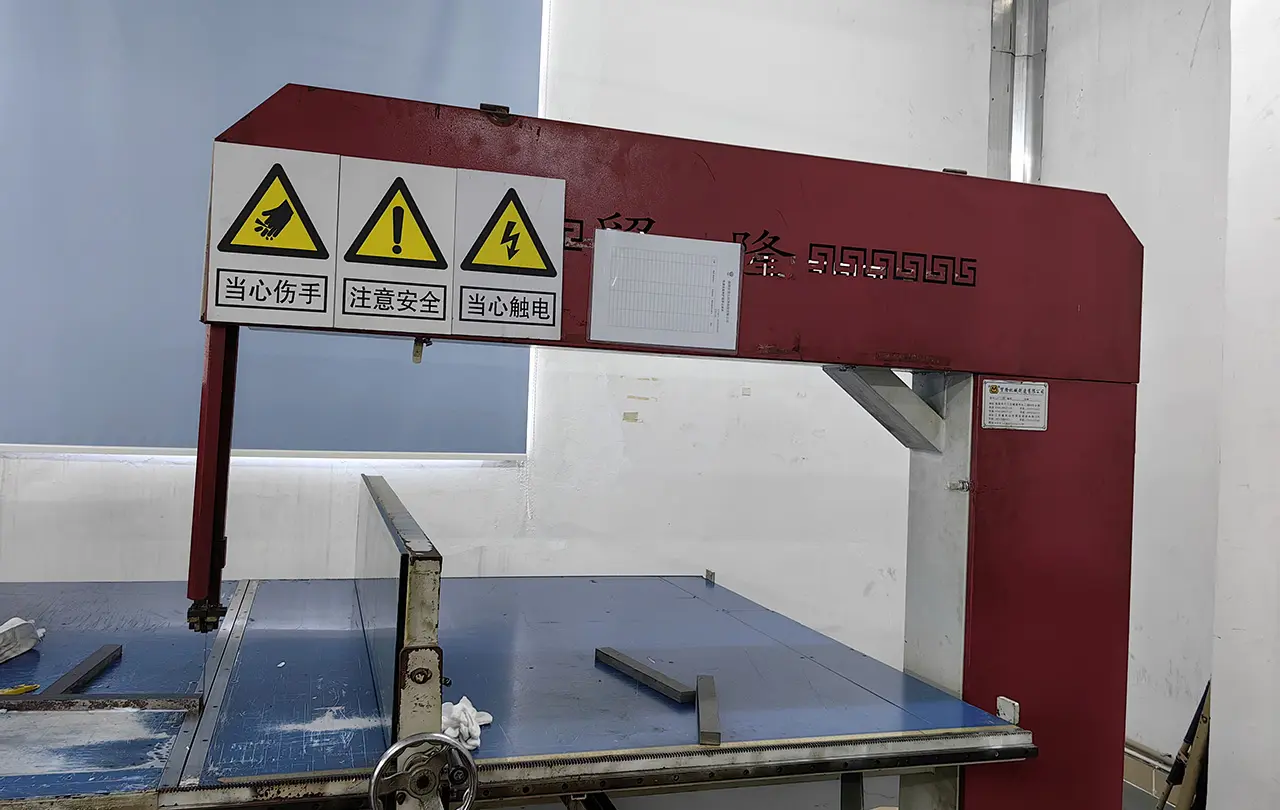
Cutting machine

Precision Cutting Machine

Gluing

Advanced Gluing Process

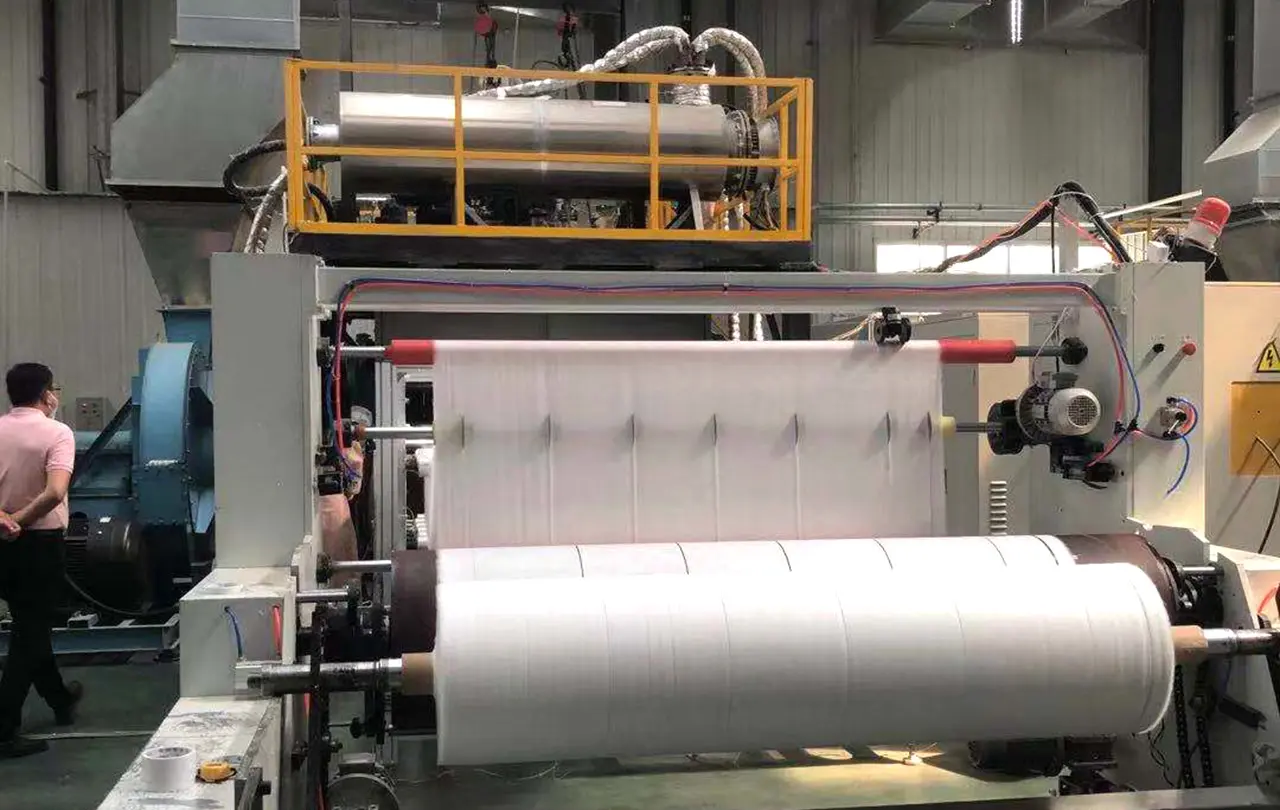
compound filter media

Compound Filter Media Synthesis

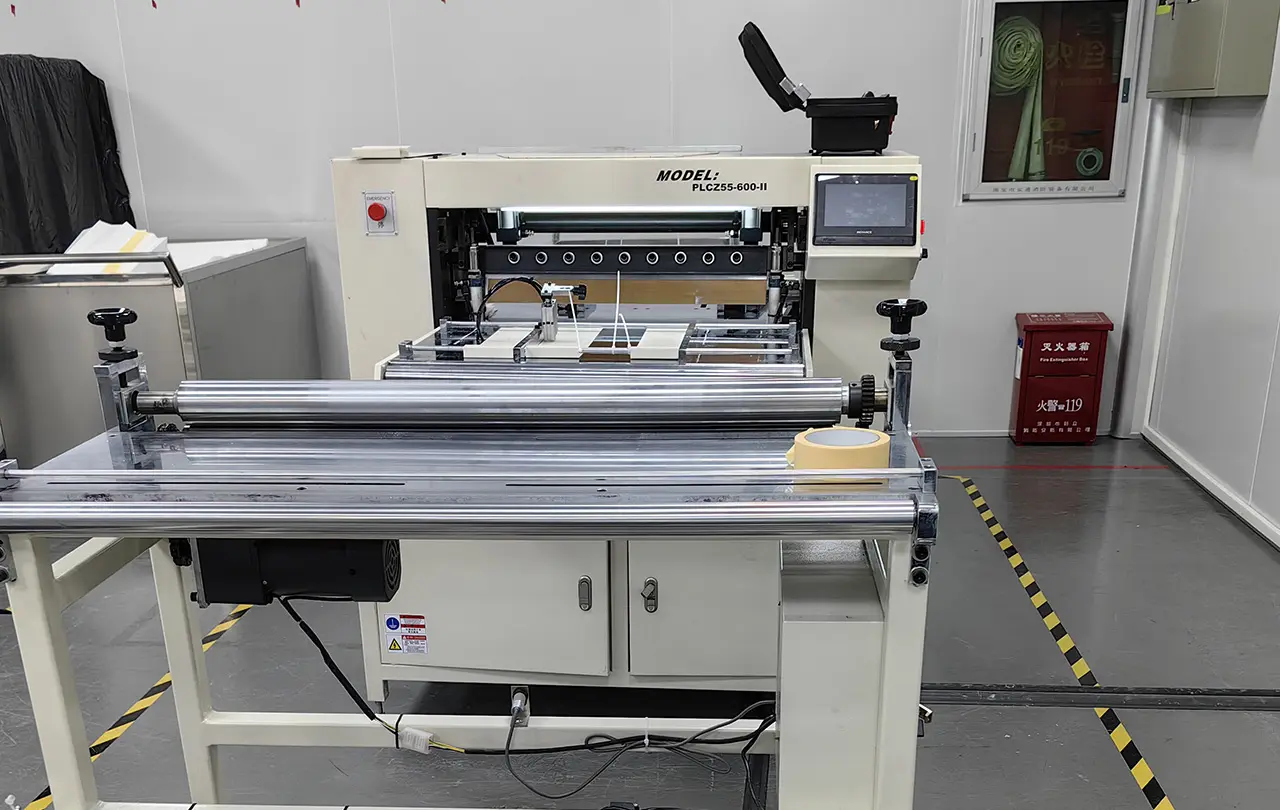
Pleating

High-Density Pleating Process

Pleating

Controlled Pleating Calibration

Our Production Strength: Having 15 years of international air purification technology experience as the background, our company has standardized production workshop, dust-free filter workshop and first-class technology of HEPA filters production line and inspection line, independent research and development of fully automatic air filter production line, equipped with AMADA CNC punch and CNC bending machine as well as many other advanced high-end equipment, provide a strong guarantee for production and quality of air filtration and purification products.

Understanding Gel Seal Technology in High-Efficiency Air Filtration

In cleanroom technology, the quest for zero-bypass air filtration is non-negotiable. While conventional gasket seals rely on mechanical compression to prevent bypass leakage, Gel Seal Replacement HEPA Filters utilize a liquid-channel sealing technology. A specialized polyurethane or silicone gel fluid is poured into an outer groove of the filter frame. This liquid gel creates a continuous, airtight seal with the knife-edge profile of the cleanroom ceiling grid or terminal housing. Because the gel maintains its fluid elastic state, it flows into microscopic gaps, eliminating the possibility of bypass leakage—the single greatest cause of cleanroom contamination.

Information Gain: Why Gel Seal Trumps Dry Gaskets

Dry neoprene or EPDM gaskets are subject to compression set, physical aging, and uneven compression torque across the frame. Over time, physical shifts or temperature cycles create micro-fissures. Gel-seals, by contrast, possess self-healing properties. If the housing moves or experiences seismic vibration, the gel responds fluidly, continuously filling the seal interface. This is critical in applications requiring ISO Class 5 or higher cleanliness levels, where even a single bypass leak could compromise entire semiconductor wafers or batch pharmaceutical production runs.

1 Macro-Industry Solutions & Standards Compliance

As high-tech manufacturing processes scale down to the sub-nanometer node, cleanrooms require filtration solutions that comply with both regional and global standards. Under European EN 1822 and global ISO 29463 guidelines, HEPA filters are tested based on the Most Penetrating Particle Size (MPPS), typically between 0.1 and 0.25 microns.

CE Certification represents more than a sticker; it indicates that the structural frame, gel composition, and media configuration meet stringent European safety, health, and environmental protection requirements. For operations running 24/7 Fan Filter Units (FFUs) in Europe or North America, CE-compliant filters ensure electrical compatibility, structural reliability, and materials toxicity safety (RoHS compliance).

2 Global Commercial & Industrial Landscape

The demand for premium replacement HEPA filters is soaring. Several factors drive this trend:

  • Semiconductor Fab Expansion: Fabs require H14 (99.995%) to U16 (99.99995%) efficiency levels. The gel seal configuration is the standard interface for modern ceiling grids in these ultra-clean environments.
  • Biotechnology and Advanced Pharmaceutics: Sterility and zero-pathogen environments are mandated by GMP Annex 1 revisions, which enforce strict airborne particle count limits in Grade A zones.
  • Energy-Efficient Cleanrooms: Today's facilities require filters with ultra-low pressure drop to minimize the energy demands of high-volume air handlers.

Semiconductor Fabs

Prevents volatile chemical outgassing and ensures sub-micron particulate exclusion near critical photolithography zones.

Pharma & Biotech

Meets stringent FDA and GMP Annex 1 criteria for zero-bypass air purification in aseptic compounding and filling lines.

Healthcare Units

Deploys laminar flow ceilings in operating theatres, isolation wards, and research laboratories to mitigate nosocomial infections.

3 Localized Support & Compliance Assurance

Choosing a global supplier like Shenzhen Snow Peak Clean Technology Co., Ltd. guarantees robust engineering customization coupled with localized logistics and documentation support. Cleanrooms operating across different geographies face varied regulatory burdens. In Europe, filters must carry full CE documentation and undergo post-installation validation (such as ISO 14644-3 in-situ leak testing).

We assist cleanroom operators, installers, and HVAC system integrators by providing complete trace material data, showing that the gels do not degrade or outgas under normal operating conditions. Our technical services team offers consulting on filter swap procedures, validating the physical compatibility of knife-edge depths with our replacement filters, and selecting the optimal pleat density to match local energy conservation directives.

4 Technical Roadmap & Future Outlook

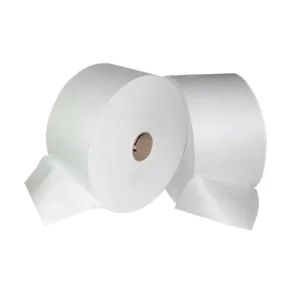
The future of high-efficiency filtration focuses on sustainability, low chemical outgassing, and smart cleanrooms. Historically, HEPA filters used micro-glass media, which posed challenges regarding high pressure drops and fragile handling. Newer developments feature advanced PTFE membranes and electrostatically charged melt-blown composite media, which significantly reduce energy consumption by offering up to 30% lower resistance at identical face velocities.

Additionally, next-generation gel materials are incorporating bio-inert polyurethane elastomers that exhibit high resistance to vaporized hydrogen peroxide (VHP) sterilization cycles, a process common in modern cleanrooms. Future systems will also feature integrated sensor technology designed to monitor gel integrity, flow rates, and particulate loading in real-time, feeding directly into the building management system.
Frequently Asked Questions & Technical Insights

Industry-grade expert answers addressing cleanroom installation, certification, and filter maintenance.

What are the key advantages of a Gel Seal HEPA filter compared to a standard gasket design? +
Gel Seal filters utilize an ultra-low viscosity polyurethane or silicone gel that forms a semi-liquid, self-healing airtight bond when engaged with the knife-edge frame of cleanroom housings. Unlike mechanical gasket seals, which can dry out, tear, or compression-set over time, gel seals provide absolute bypass protection. This is crucial for ISO Class 5 and cleaner environments, as it prevents air leakages at the frame interface under continuous system vibration.
How does CE Certification affect the deployment of these filters in global cleanroom projects? +
CE Certification is essential for European projects. It proves conformity with European health, safety, and environmental protection legislation. For air filters used in cleanrooms, it verifies structural durability under rated air flows, filter media integrity, chemical safety (e.g., non-hazardous outgassing), and compatibility with cleanroom electrical and safety directives. Having CE marking simplifies regulatory audits for ISO, FDA, and local European GMP inspectors.
What are the recommended replacement intervals for Gel Seal HEPA filters in aseptic environments? +
Replacement intervals vary based on pre-filter efficiency and particulate loading. In typical pharmaceutical and medical cleanrooms, replacement is scheduled every 1 to 3 years. Regular monitoring of the differential pressure drop and periodic DOP/PAO aerosol challenges are the best methods to evaluate actual performance. If the pressure drop exceeds the manufacturer's maximum design resistance (typically around 500 Pa) or if the filter fails leak-integrity testing, immediate replacement is required.
Are Snow Peak's sterilizing antiviral HEPA filters compatible with standard HVAC housings? +
Yes, our filters can be customized in terms of physical dimensions, depth, and sealing configurations. Our sterilizing antiviral HEPA filters use a patented material that maintains high filtration efficiency (holding PM2.5 levels to under 10 micrograms/m3) and achieves a 99.9% sterilization rate against common microbes, including a 99.99% efficiency rating against the H1N1 virus. These can be constructed with gel seals to fit standard cleanroom ceiling grids or with flange gaskets for standard HVAC systems.
Can these gel seal filters withstand vaporization decontamination processes using hydrogen peroxide (VHP)? +
Yes, our cleanroom-grade polyurethane and silicone gel formulas are selected for high chemical stability. They resist degradation when subjected to vaporized hydrogen peroxide (VHP) cycles, which are routinely performed in pharmaceutical filling lines, operating theaters, and biosafety laboratories. However, chemical exposure profiles should be verified with our engineering team for specialized solvent environments.
What standard quality control tests are performed on each CE certified filter before shipment? +
Every high-efficiency filter manufactured by Shenzhen Snow Peak undergoes rigorous quality control. This includes a computerized pleat density and geometric alignment check, structural frame integrity tests, and a factory-conducted leak test using a photometer or discrete particle counter challenge (with PAO or PSL aerosols) to confirm EN 1822 or ISO 29463 efficiency ratings. Test results are supplied with individual filter certificates for cleanroom documentation.