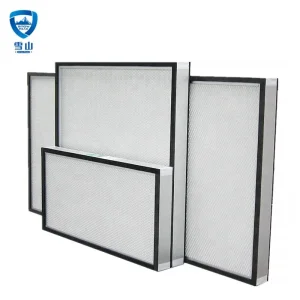
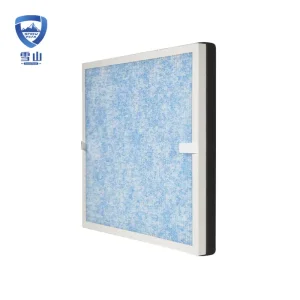
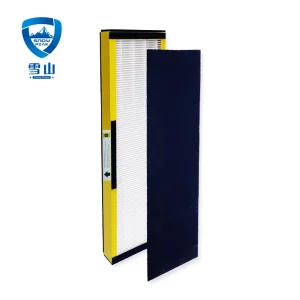
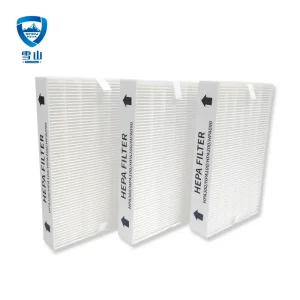
CE Certified HEPA 14 Air Purifier Supplier & Factory

High-Efficiency Air Filtration Solutions engineered for Industrial, Medical, Cleanroom, and Commercial HVAC applications globally.

99.995%
H14 Filtration Efficiency (MPPS)
15+
Years International Experience
99.99%
H1N1 Viral Inhibition Rate
CE & ISO
Compliance Certified Quality

Understanding HEPA H14 Filtration Standards: The Pinnacle of Airborne Containment

In the hierarchy of cleanroom technology and indoor air quality management, HEPA H14 filters represent the entry-level standard for absolute air filtration. According to the European standard EN 1822, air filters are classified based on their performance at the Most Penetrating Particle Size (MPPS), which typically ranges between 0.1 and 0.3 micrometers.

While H13 HEPA filters operate with a total collection efficiency of 99.97%, an H14 HEPA filter raises this efficiency to ≥99.995%. This represents a tenfold reduction in local penetration. For high-stakes manufacturing and clinical operations, this micro-level improvement translates to a major difference in reducing contamination risk.

Key Insight: The Physics of MPPS Capture

H14-grade media relies on four basic physical mechanics: Inertial Impaction, Interception, Diffusion, and Electrostatic Attraction. The structural density of H14 borosilicate glass microfibers or advanced composite membranes ensures that particles at their most evasive scale (MPPS) cannot pass through the tortuous path of the filter matrix.

Why CE Certification is Critical for Global B2B Sourcing

CE certification indicates that our products conform to health, safety, and environmental protection standards for goods sold within the European Economic Area (EEA). For air filtration components, CE certification guarantees compliance with directive-driven performance evaluations. It assures procurement officers that every batch of H14 HEPA filters has passed pressure drop, structural integrity, and outgassing tests under standard atmospheric conditions.

Filter Grade (EN 1822) Integral Efficiency (MPPS) Local Efficiency (MPPS) Typical Applications
HEPA H13 ≥ 99.95% ≥ 99.75% Commercial HVAC, Medical clinics, High-end vacuum systems
HEPA H14 ≥ 99.995% ≥ 99.975% Semiconductor manufacturing, Pharmaceutical formulation, BSL-3/4 labs
ULPA U15 ≥ 99.9995% ≥ 99.9975% Nanotechnology labs, Aerospace cleanrooms

China OEM & ODM Factory Capabilities: Scale and Precision

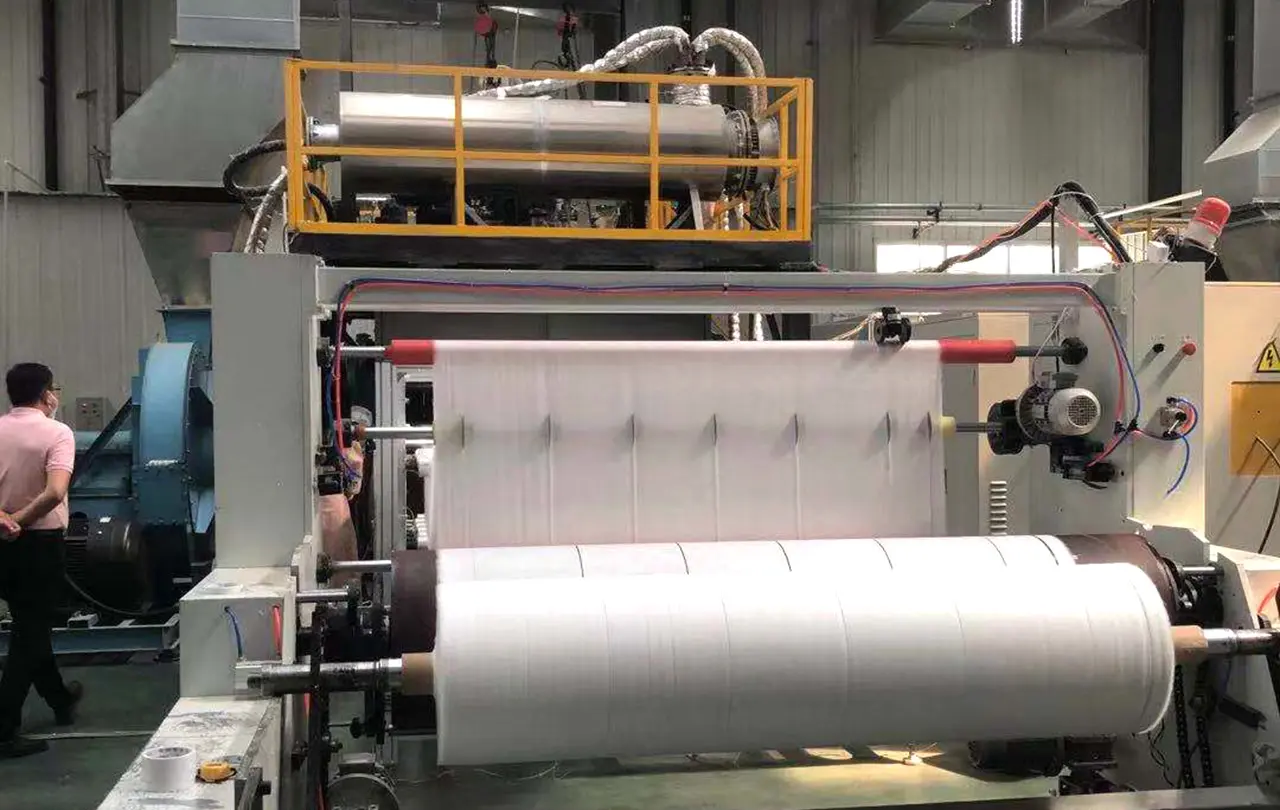
Sourcing HEPA 14 filters from an integrated manufacturer in China offers a competitive balance of raw material accessibility, automation-driven cost efficiency, and design flexibility. Standardized processing combined with advanced testing machinery allows for massive production volume without sacrificing micro-level quality.

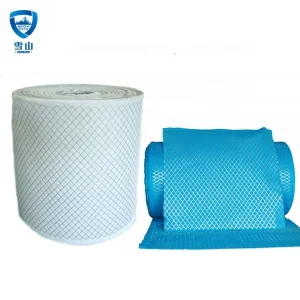
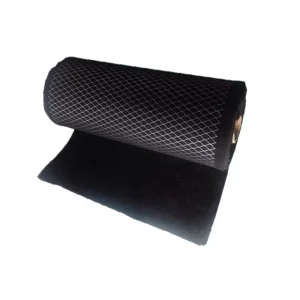
With the integration of AMADA CNC punching and bending machines, filter frames are fabricated with sub-millimeter precision. Custom dimension requests (including top-side gel seal systems or deep-pleated high-volume cells) are accommodated dynamically. By controlling the formulation of high-performance media—from melt-blown composite materials to sandwich-type carbon fabrics—our factory ensures that the custom solutions remain airtight under continuous ventilation loads.

Comprehensive Macro Industry Solutions

Modern industries require specialized clean air environments to protect sensitive processes and human life. Our H14 HEPA line addresses these specific requirements:

  • Microelectronics & Semiconductors: H14 systems filter out airborne molecular contamination (AMC) and sub-micron particulates that could disrupt wafer fabrication.
  • Pharmaceutical & Biotech: Cleanrooms operating under GMP Class A/B regulations rely on H14 Gel-Seal terminal hoods to maintain aseptic production lines.
  • Bio-Safety Laboratories (BSL-3/BSL-4): Negative pressure BIBO (Bag-In-Bag-Out) systems isolate highly hazardous pathogens and ensure safe exhaust discharge.
  • Commercial Building HVAC Upgrades: Low-resistance HEPA modules help old HVAC setups upgrade to superior PM2.5 filtering standards without overloading fan motors.

Future Trends in Industrial Air Filtration

The global air filtration market is moving toward smart, energy-efficient, and antimicrobial solutions. The introduction of nanofiber pleating has reduced pressure drops by up to 20%, significantly lowering operational electricity consumption for continuous-running cleanrooms.

Furthermore, incorporating safe antiviral agents directly into the synthetic matrix prevents the microbial colonization of the filter face. This addresses secondary pollution risks without compromising structural airflow velocity.
Why Snow Peak?

  • Patented Antiviral Tech: Effectively eliminates 99.99% of H1N1 viruses.
  • PM2.5 Control: Filters particulates down to 10 μg/m³, which is 5 times cleaner than standard metrics.
  • Precision Machining: Supported by AMADA CNC systems for consistent sizing.
  • Global Supply: Serving medical, cleanroom, and commercial HVAC projects globally.
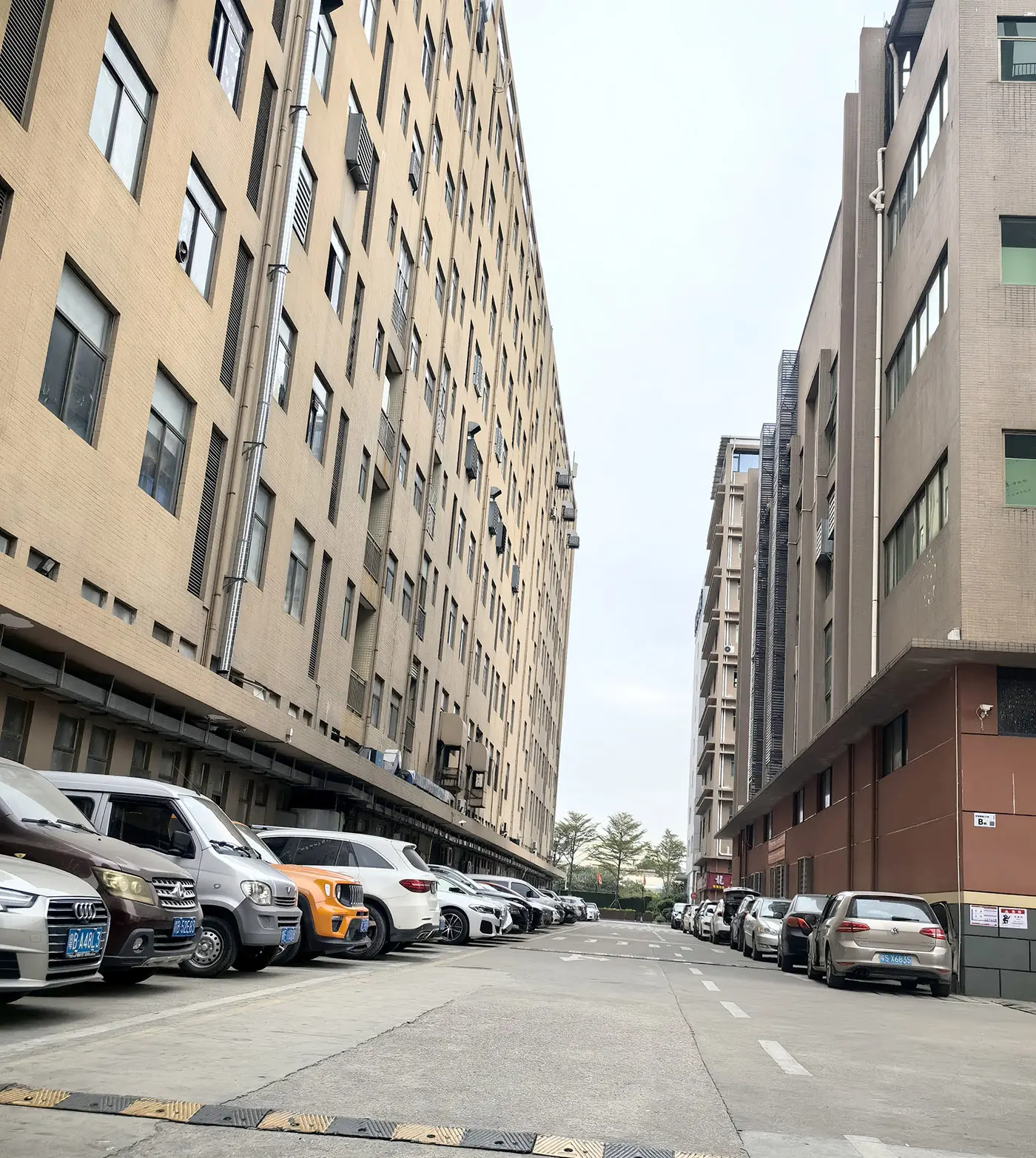
Shenzhen Snow Peak Clean Technology Factory

Our Profile

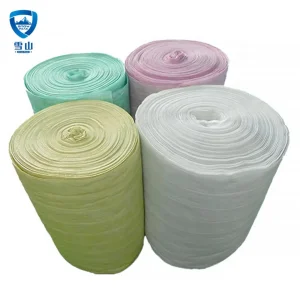
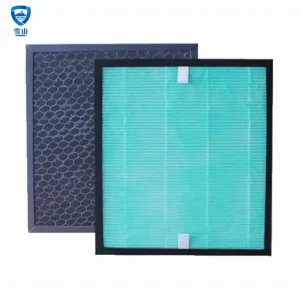
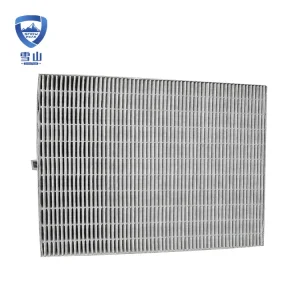
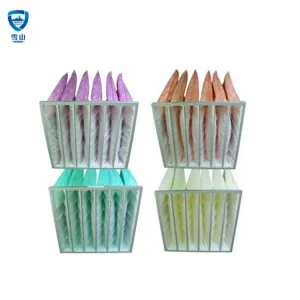
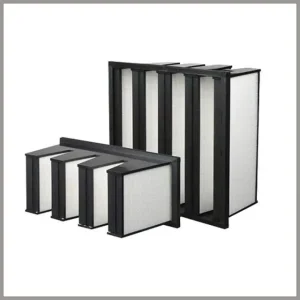
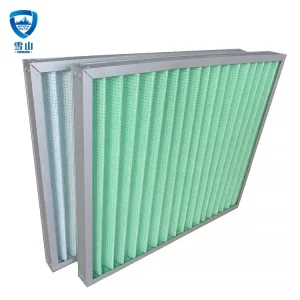
Shenzhen Snow Peak Clean Technology Co., Ltd. is an integrated high-tech enterprise, specialized in air filtration products research and development, production, sales, import and export trade. We produce and supply: Pre-filter, pocket filter, HEPA filter, chemical filter; replacement HEPA filter, car cabin air filter, humidifier filter; pocket filter media, melt-blown composite filter media, and other high-performance filter materials; provide high quality air purification solutions and products for indoor air pollution control and air conditioning systems of civil and industrial buildings, microelectronics, pharmaceutical, laboratory, school, hospital clean room etc. Combined with self-developed patented technology, our sterilizing antiviral HEPA filter can effectively filtrate fine particles, so that PM2.5 concentration down to 10 micrograms/m3, 5 times better than national standard; effectively inhibit the breeding of microorganisms, sterilization rate up to 99.9%, and no secondary pollution, removal of H1N1 virus efficiency as high as 99.99%.

Our Strength & Production Precision

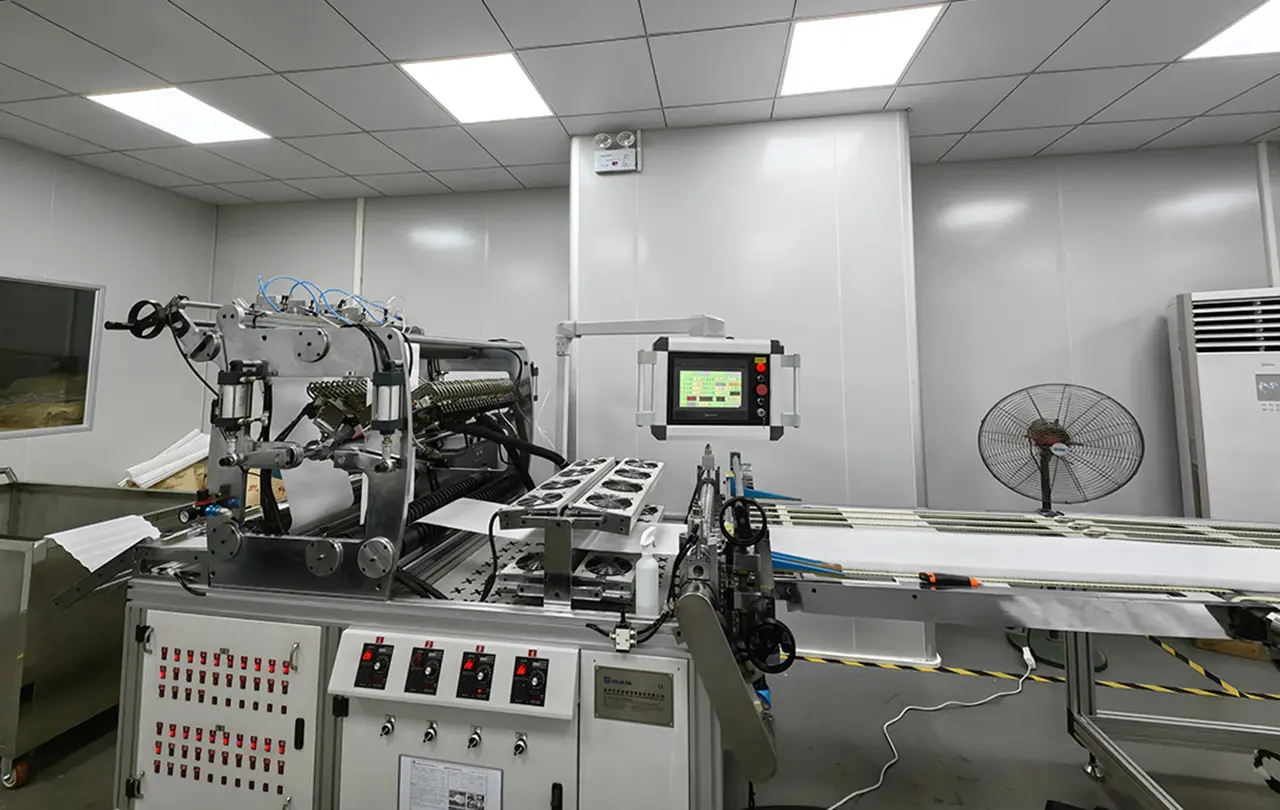
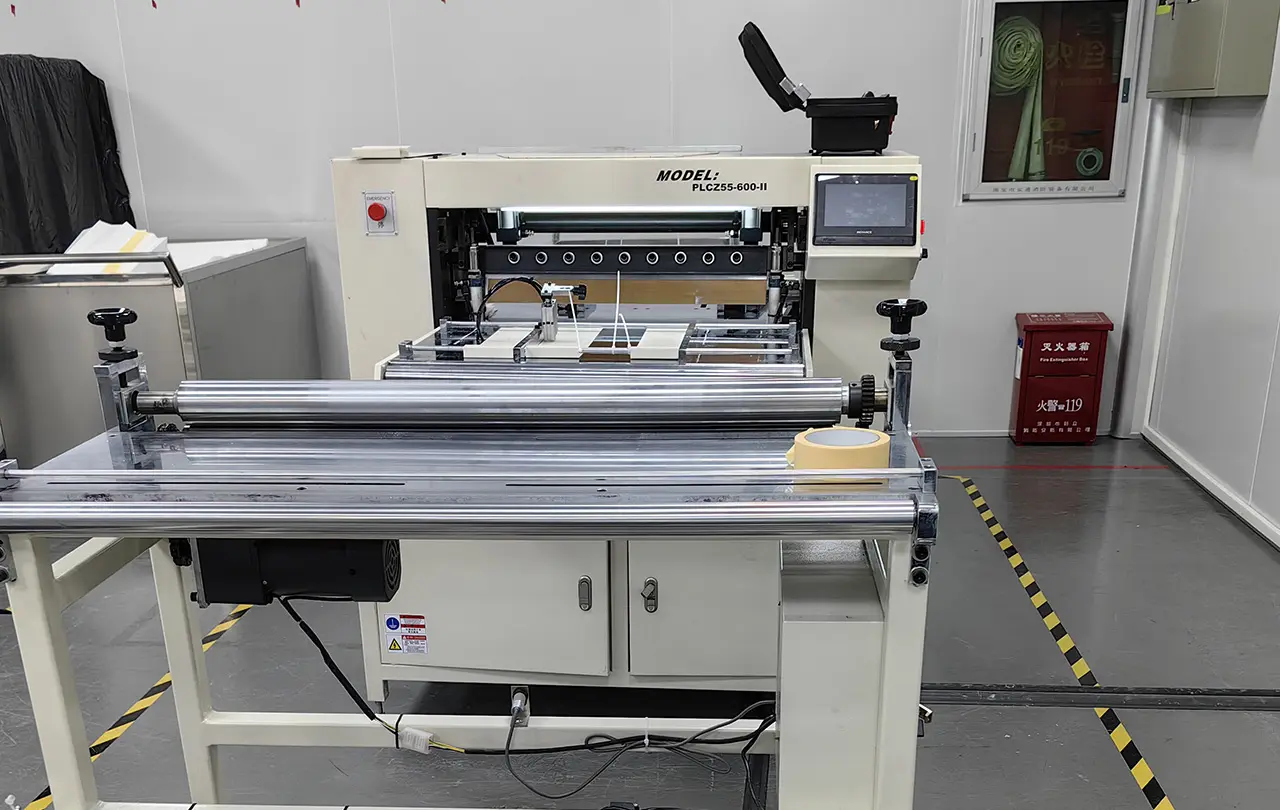
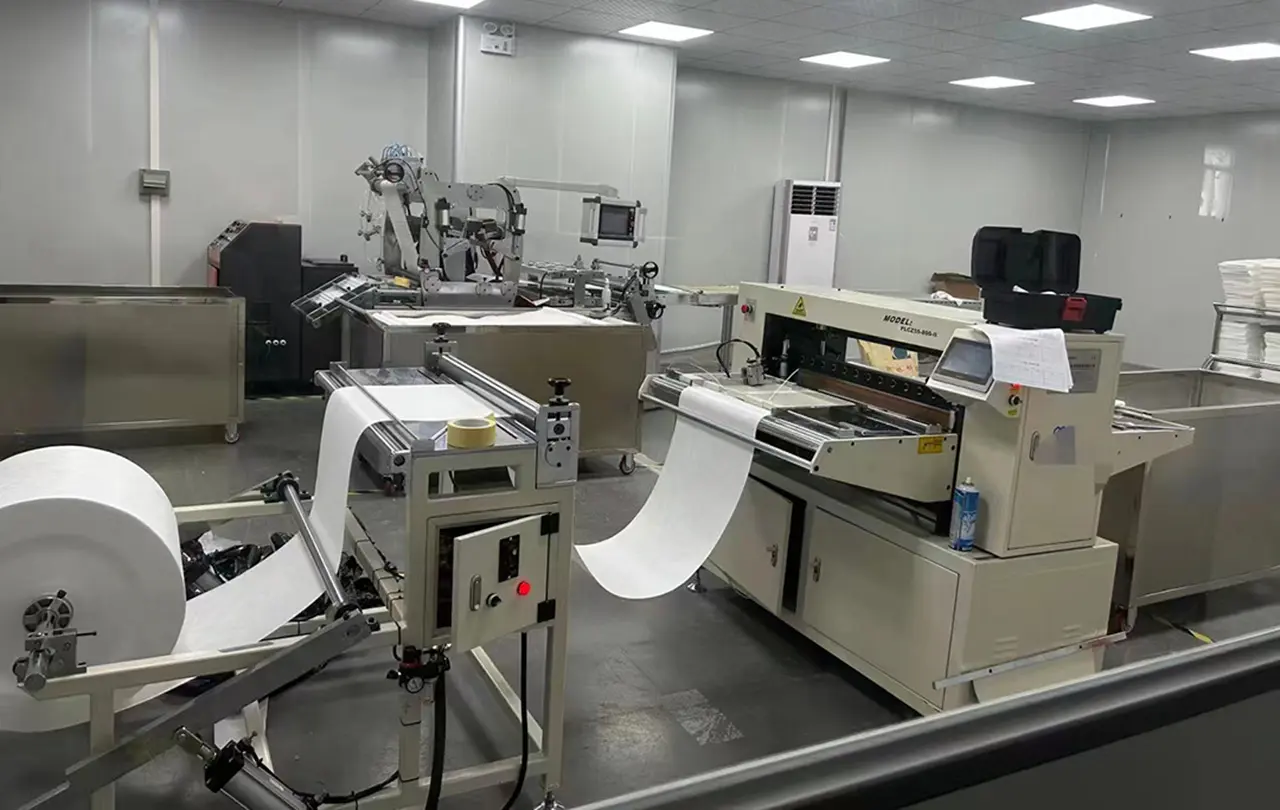
Backed by 15 years of international air purification experience, our standardized clean workshops operate with state-of-the-art fully automated pleating, cutting, and gluing production lines.
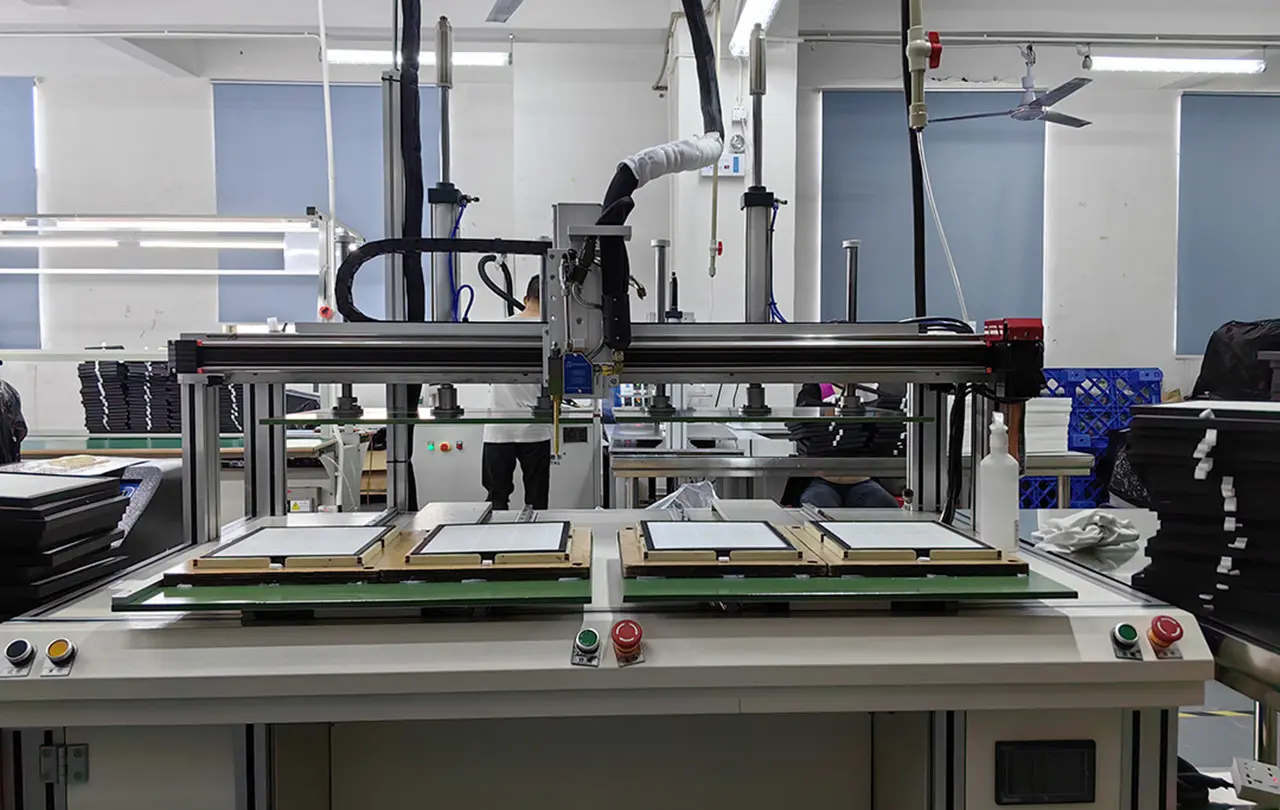
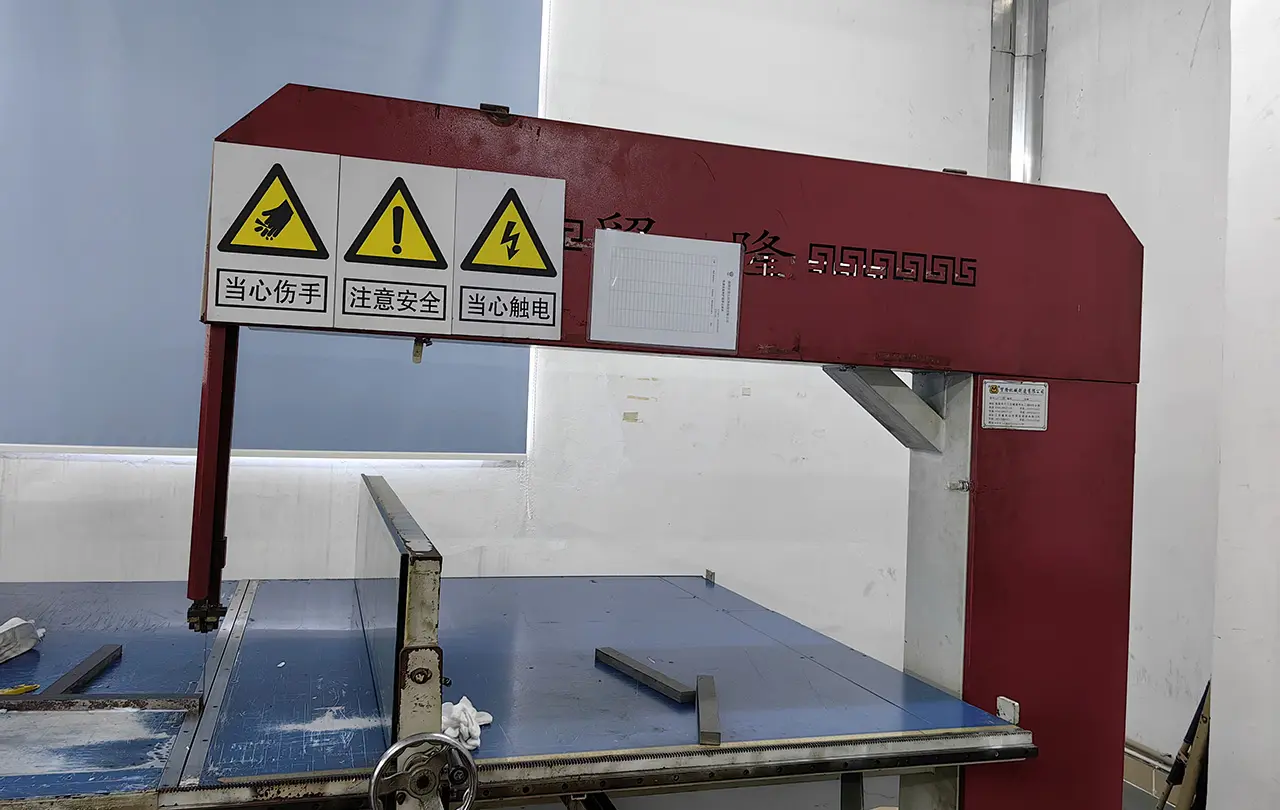
Gluing machine
Gluing Machine
Cutting machine
Cutting Machine
Gluing Process
Gluing
Compound filter media production
Compound Filter Media
Pleating Process
Pleating
Pleating Line Detail
Pleating

Our facilities are equipped with AMADA CNC punches and CNC bending machines, ensuring physical robustness and airtight structures for demanding cleanroom environments.

Technical FAQ & Procurement Insights

Answers to crucial questions asked by cleanroom engineering managers and B2B sourcing agents.

Q1: What is the main difference between H13 and H14 HEPA filters?
The difference lies in their particle containment threshold. H13 HEPA filters have a minimum efficiency rate of 99.97% for 0.3-micron particles, allowing 300 out of 1,000,000 particles to pass. An H14-grade filter operates at ≥99.995% efficiency, meaning only 50 out of 1,000,000 particles can penetrate the medium. This reduces penetration by a factor of 10.
Q2: How does the patented antiviral HEPA technology operate?
Our patented sterilizing antiviral HEPA filters combine physical particulate interception with a specialized, non-toxic antimicrobial coating embedded in the composite fibers. This formulation breaks down the outer membranes of captured pathogens, achieving a 99.9% sterilization rate and an H1N1 virus removal rate of 99.99% without generating secondary outgassing.
Q3: Why is CE certification critical for industrial HEPA filters?
CE Certification indicates that the filter satisfies EN 1822 compliance, covering structural safety, fire resistance, and certified efficiency values. It ensures that the filters can be integrated into commercial HVAC units and cleanroom systems throughout Europe and other markets requiring rigorous safety validation.
Q4: Can we order custom shapes and dimensions for specific OEM applications?
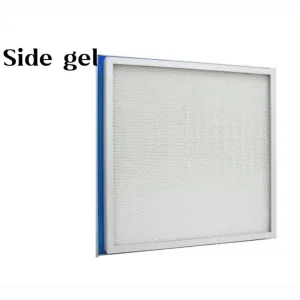
Yes. With our advanced AMADA CNC machining setups and automated pleating lines, we can customize frame profiles (aluminum, galvanized iron, wood, or plastic), mini-pleat heights, gel-seal positions (top, side, or fluid-groove), and faceguard setups to fit any air handler unit or cleanroom FFU layout.
Q5: What is the typical lead time and packing setup for international bulk orders?
Standard OEM batches are completed within 15 to 25 days depending on the customization scope. Filters are individually packed in heavy-duty polybags, surrounded by protective foam inserts, and shipped in durable cardboard cartons or crate pallets to prevent media punctures or frame warping during transit.
Q6: How do you perform quality assurance on H14-grade filters before shipment?
Every high-efficiency H14 and ULPA filter undergoes a scanning test before leaving the factory. Using aerosol generators and particle counters, we scan the entire face of each filter for pinhole leaks, and measure the initial resistance to verify compliance with EN 1822 specifications.
Q7: How does pressure drop impact energy consumption in HVAC systems?
Filters with a higher pressure drop require more fan energy to maintain target air change rates. Our mini-pleated H14 filters use a low-resistance microfiber matrix that minimizes initial pressure drop, resulting in energy cost savings of up to 15% compared to standard, thicker-fiber configurations.