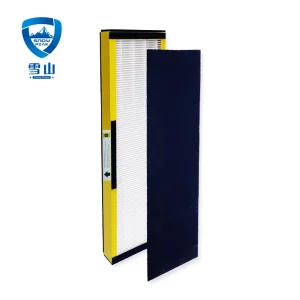
Explore our certified high-performance HEPA filters, activated carbon replacements, and customized cleanroom accessories designed for compliance and micro-contamination control.
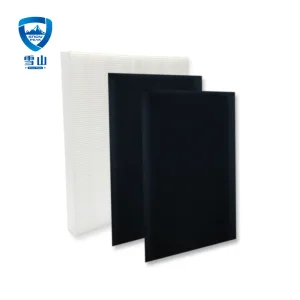
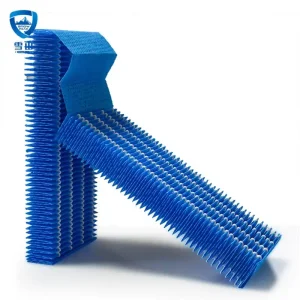
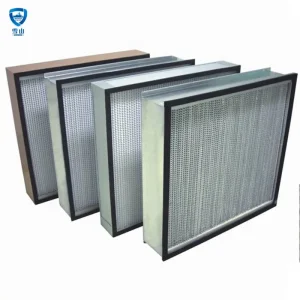
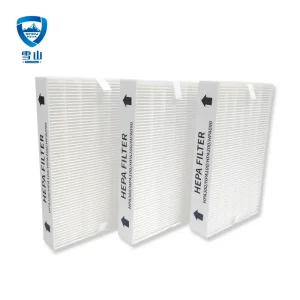
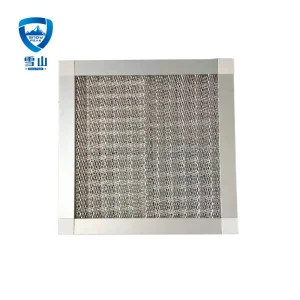
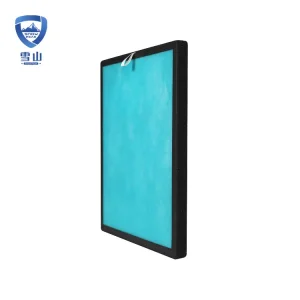
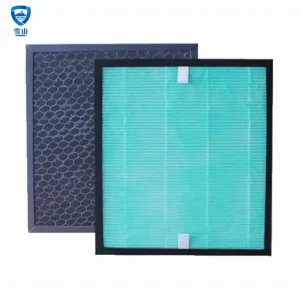
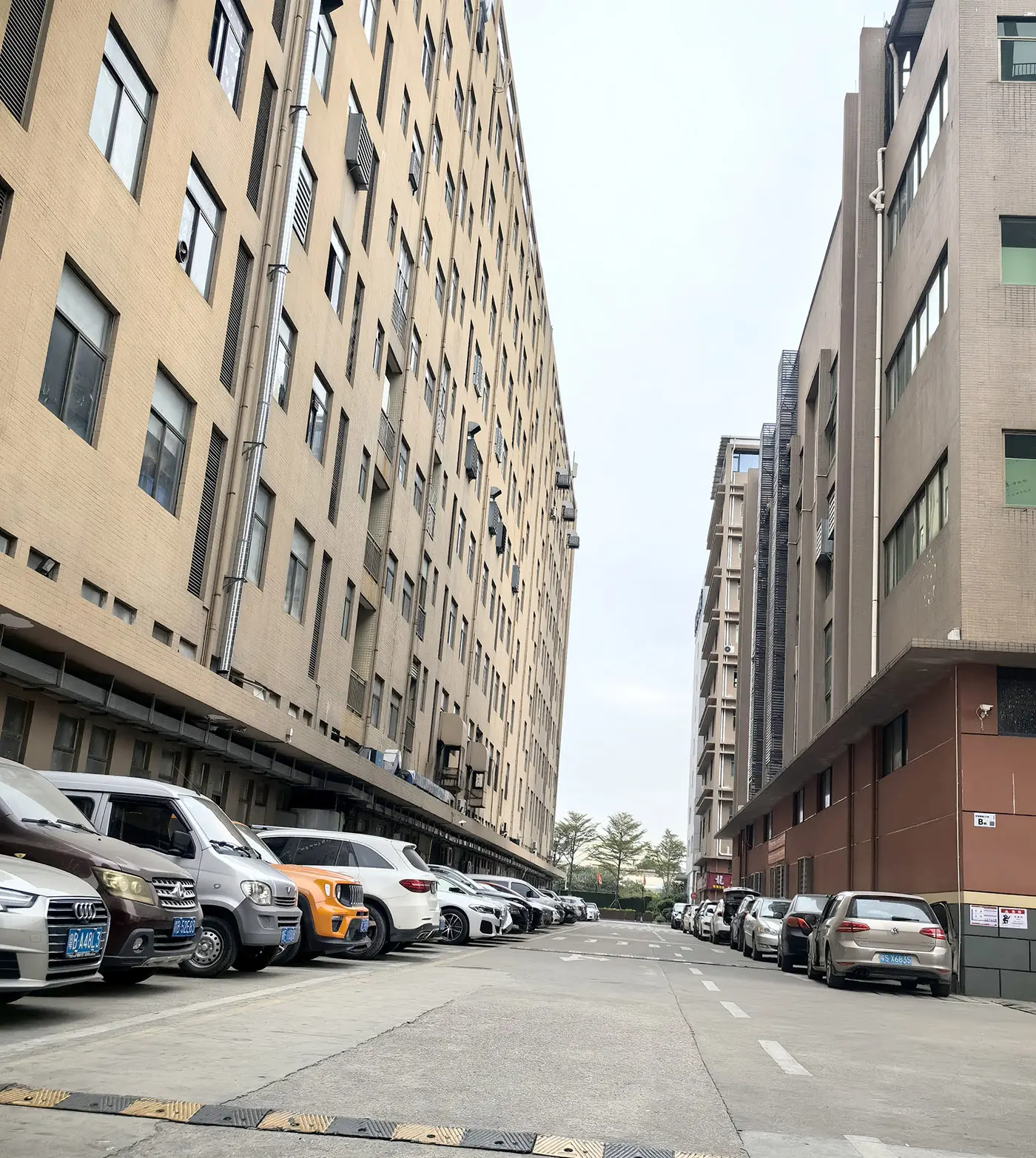
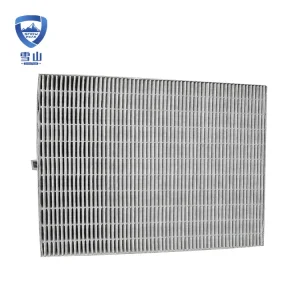
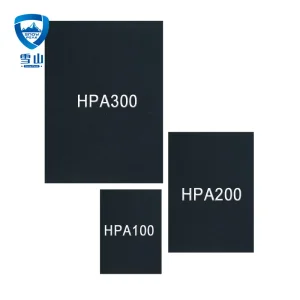
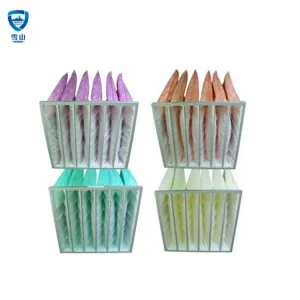
Shenzhen Snow Peak Clean Technology Co., Ltd. stands as a premier integrated high-tech enterprise at the forefront of air purification research, development, production, and international logistics. Over the years, we have positioned ourselves as a cornerstone supplier of complex air filtration structures. Our production capability encompasses Pre-filters, pocket filters, HEPA filters, chemical filters, replacement HEPA media, automotive cabin filters, and specialized humidifier filtration assemblies.
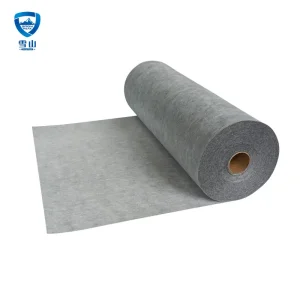
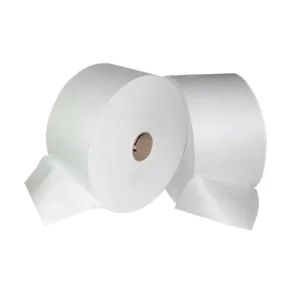
Our commitment to material science is reflected in our robust production of raw materials, such as high-performance pocket filter media, melt-blown composite filter media, and advanced synthetic polymers. These systems are specifically designed to address micro-contamination inside environments like microelectronics hubs, pharmaceutical labs, cleanrooms, and medical installations.
By leveraging our self-developed patented technology, our sterilizing antiviral HEPA filters achieve stellar ratings. They actively restrict fine particulate matter to bring localized PM2.5 concentrations below 10 micrograms per cubic meter—exceeding major international standards by five times. The design inhibits microbial replication with an antibacterial rate of up to 99.9% while presenting an effective H1N1 virus filtration clearance rate of 99.99% without secondary desorption issues.
Supported by more than 15 years of international air purification engineering experience, Shenzhen Snow Peak Clean Technology Co., Ltd. operates a highly standardized production space containing dedicated cleanrooms, assembly lines, and modern HEPA validation platforms. Our hardware assets include AMADA CNC punch presses, and advanced CNC bending machinery alongside custom automation platforms to construct structurally sound filter cases capable of enduring high industrial static pressures.
The global cleanroom technology sector is seeing unprecedented growth, driven by tightening air purity regulations and the rise of advanced semiconductor fabrication facilities (Fabs), pharmaceutical environments, and nanotechnology clean zones. At the center of this movement lies the demand for CE Certified HEPA filtration products. CE certification acts as a critical benchmark, assuring buyers in the European Economic Area (EEA) and global markets that the filters comply with rigorous health, safety, and environmental standards, particularly under the Machinery Directive (2006/42/EC) and Low Voltage Directive (2014/35/EU) for motorized air handlers.
In highly industrialized areas across Western Europe, North America, and East Asia, air purification is no longer viewed as a peripheral utility. Instead, it is integrated into the core processing equipment. The modern industrial landscape demands specialized designs, such as high-temperature HEPA filters for sterilizing tunnels in pharmaceutical packaging, and fluid seal (gel-seal) HEPA systems to completely eliminate bypass leakage in semiconductor photolithography modules.
Within Europe, the evaluation of HEPA and ULPA filters is governed by the EN 1822 standard (split into 5 parts), which has been largely harmonized with the global ISO 29463 standard. This testing protocol measures particulate capture at the Most Penetrating Particle Size (MPPS), typically falling between 0.12 to 0.25 microns. Only filters showing zero leakage and maintaining a fractional efficiency profile higher than 99.95% at the MPPS are awarded the H13 grade, while 99.995% is required for H14.
Modern enterprises prioritize supply chains that offer high vertical integration. An industrial HEPA company must manage the entire value chain—from compounding synthetic melt-blown polymers and weaving glass fiber matrices to automated pleating, fluid gel pouring, and final computerized aerosol testing. This control ensures consistent quality and compliance with EU safety guidelines.
An inside look at our specialized manufacturing processes, showcasing the equipment and methodologies that ensure high-efficiency air filter production.
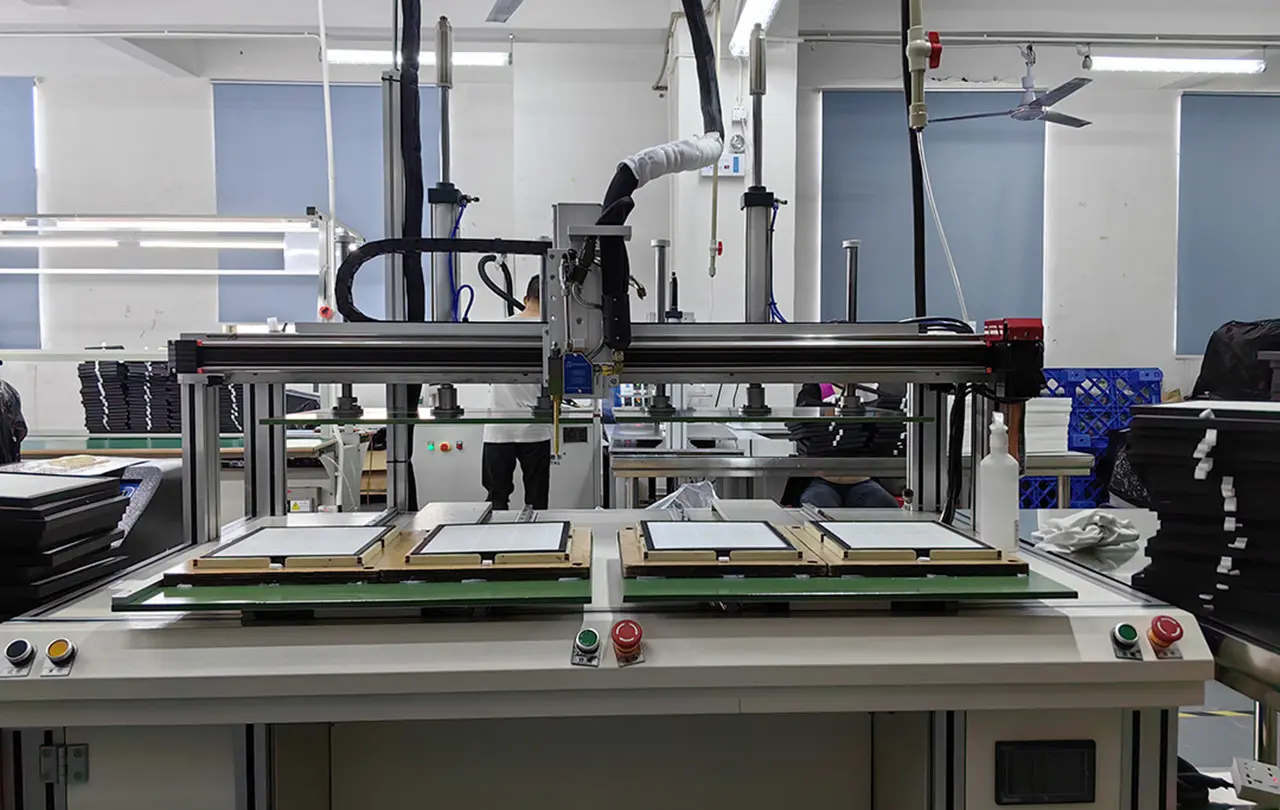
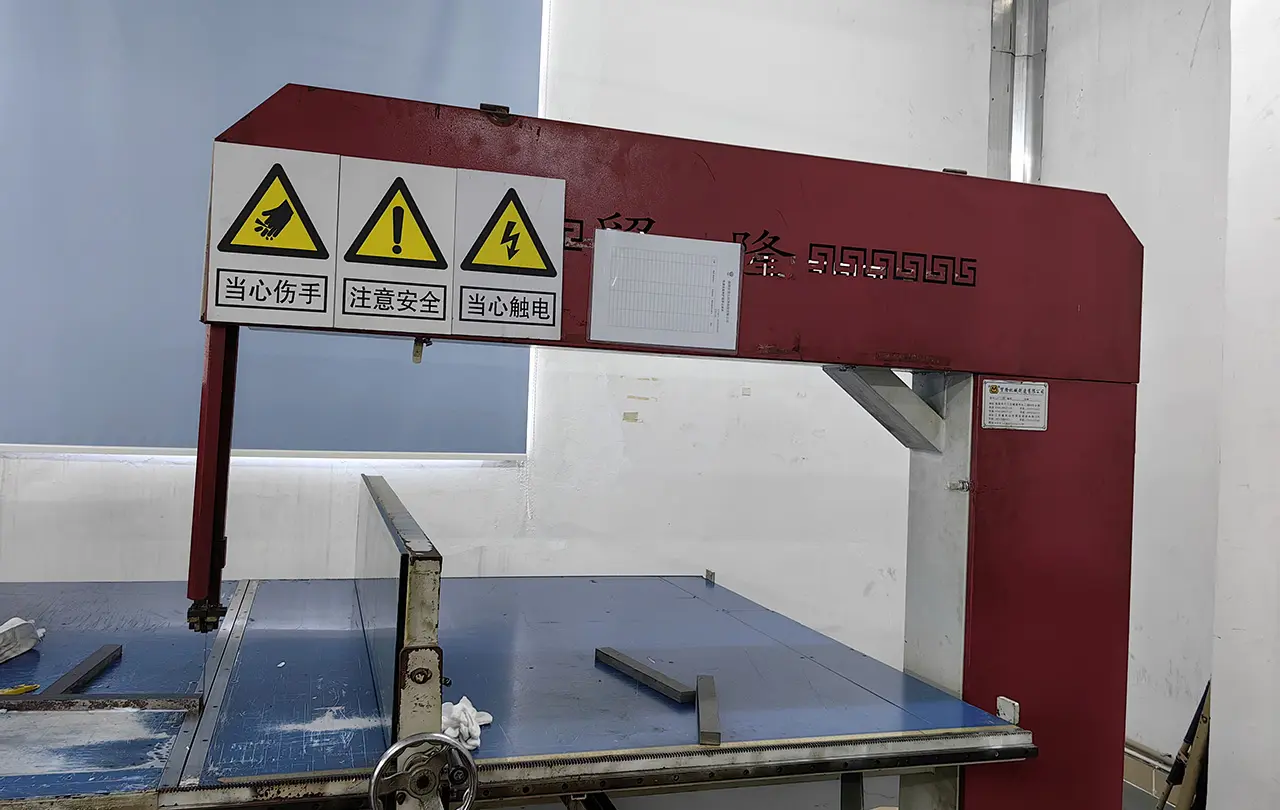
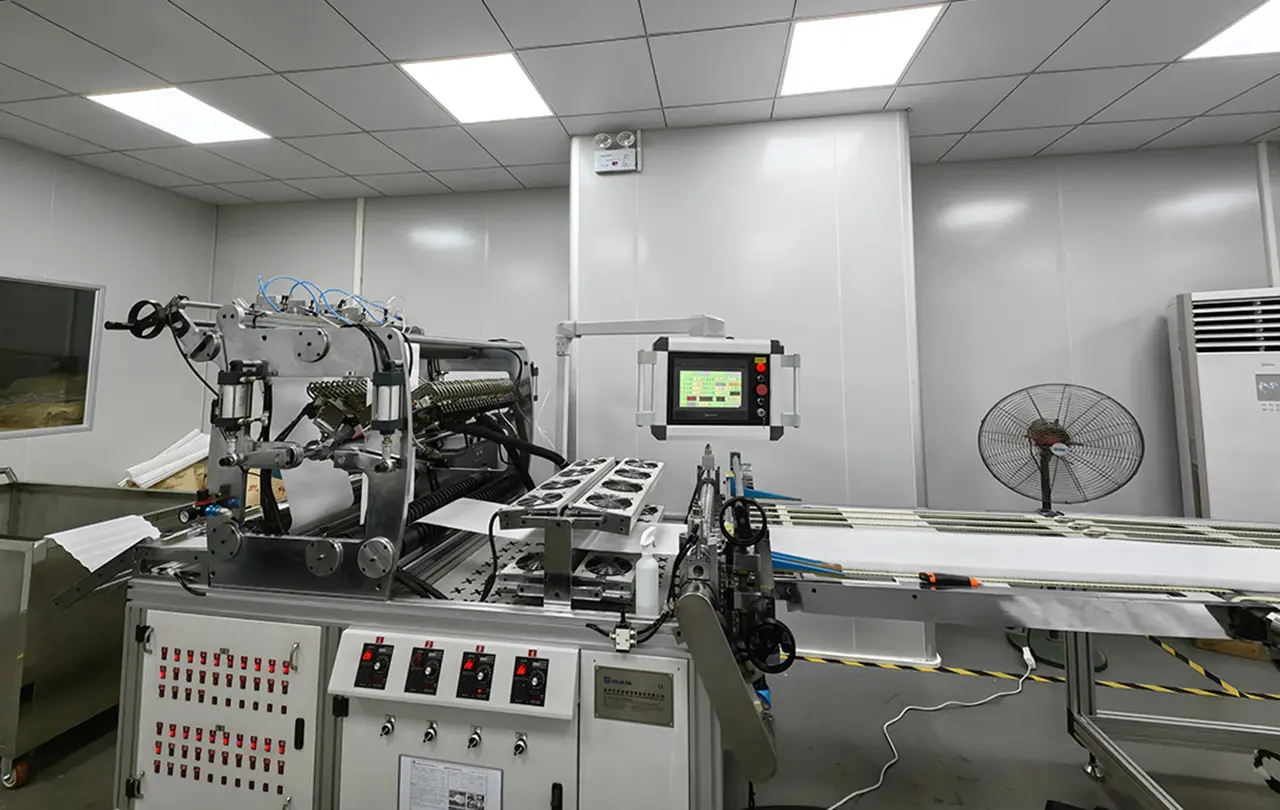
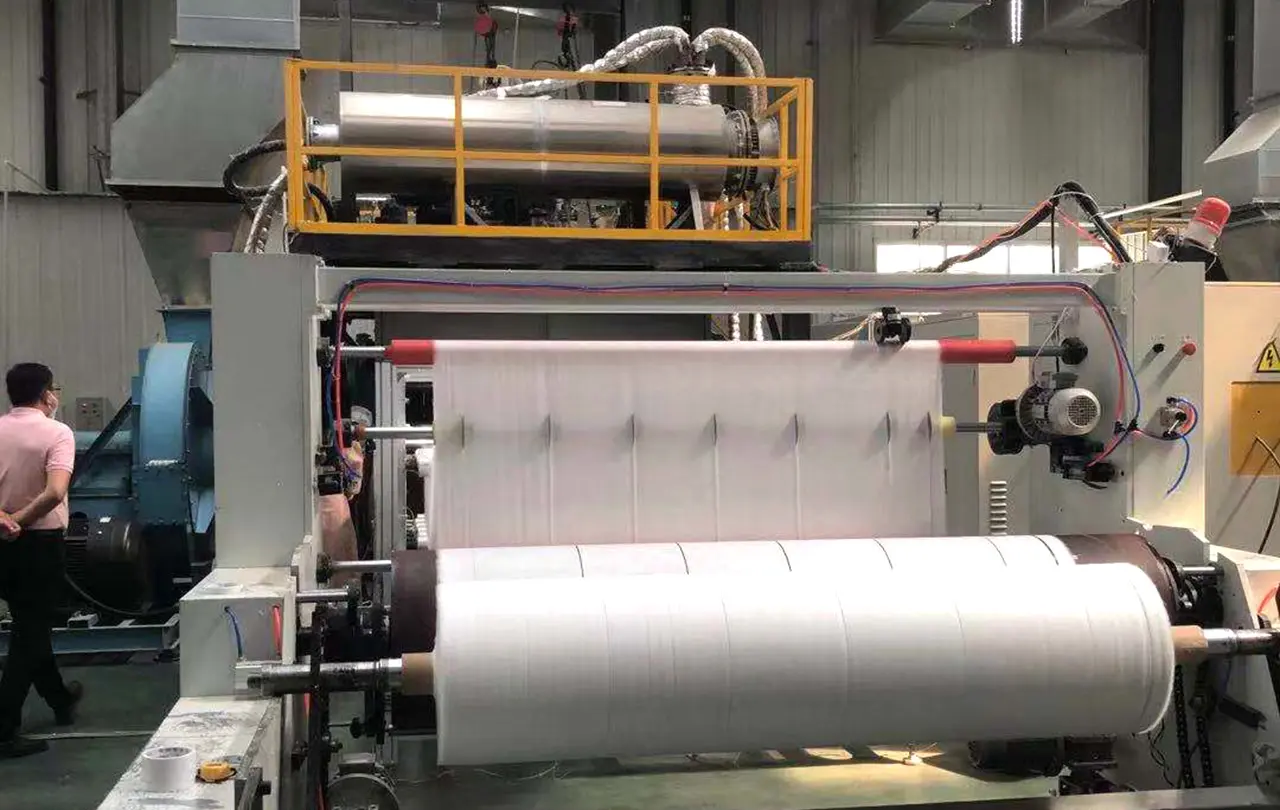
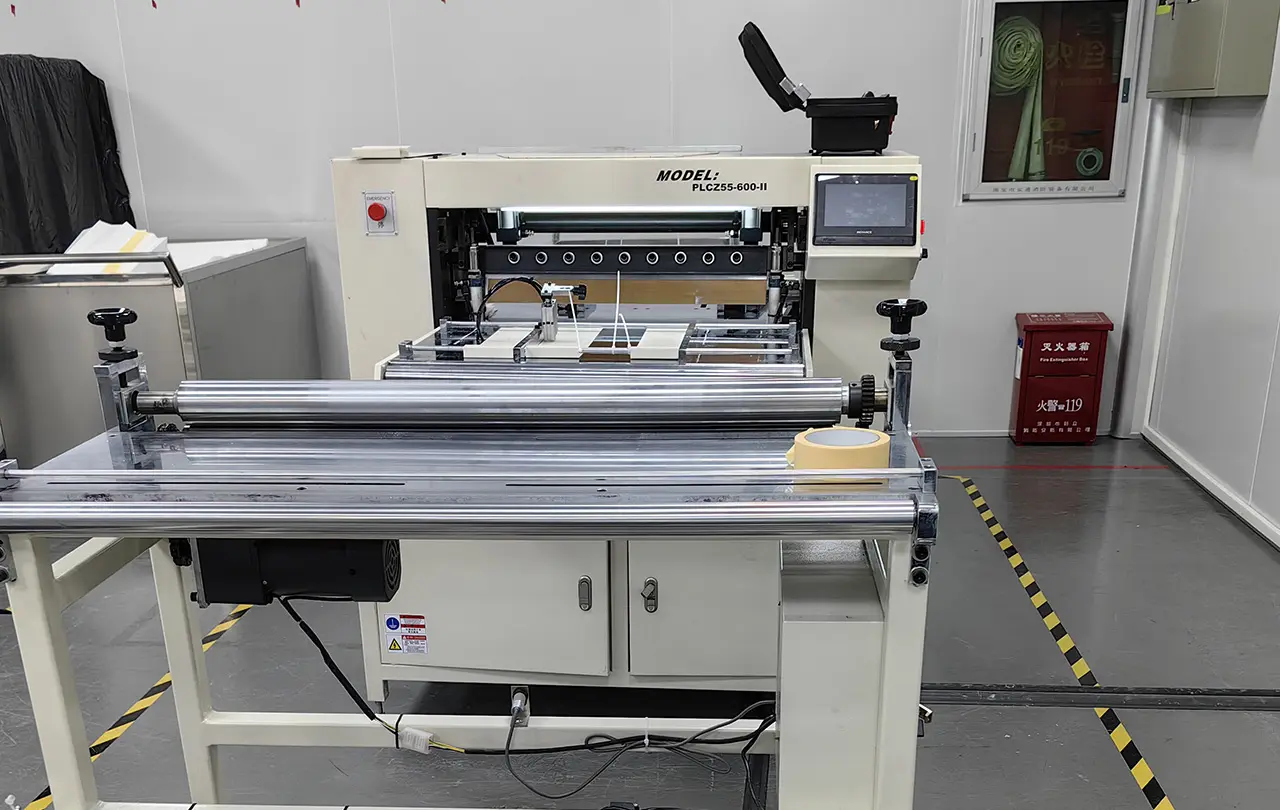
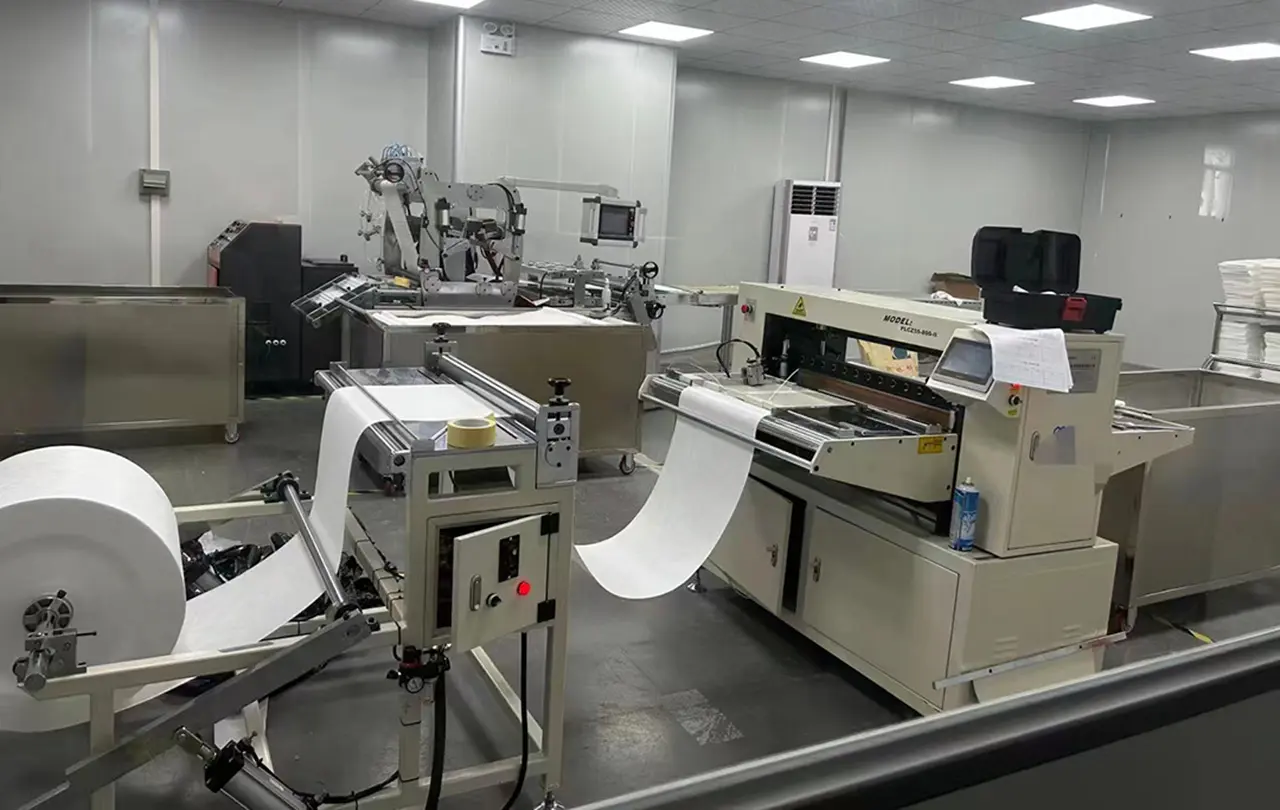
Three main trends are shaping the future of industrial HEPA filtration: sustainability through energy-efficient design, molecular contamination control, and smart monitoring systems.
HEPA filters naturally create high static resistance in HVAC systems, which increases energy consumption. To counter this, manufacturers are designing deeper pleats, minipleat configurations with hot-melt separation, and low-pressure-drop glass fiber or membrane media. Minimizing initial resistance allows industrial facilities to reduce fan energy use while maintaining the necessary air changes per hour (ACH).
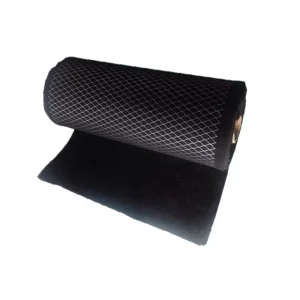
Modern microelectronics manufacturing requires protection against both particulate matter and Airborne Molecular Contamination (AMCs), such as volatile organic compounds (VOCs), dopants, and acids. This has driven the development of multi-stage composite filters that combine H13/H14 HEPA media with activated carbon layers or specialized chemical adsorbents.
In line with Industry 4.0, industrial cleanrooms are increasingly adopting smart HEPA filter housings. These units feature integrated differential pressure sensors and particle counters that transmit real-time performance data to a centralized Building Management System (BMS). This allows operators to perform maintenance based on actual filter loading rather than set calendar schedules, extending service life and reducing waste.
Air quality requirements vary significantly depending on the industry and geographic region. A CE certified HEPA filter must be selected and configured to meet the specific demands of each application environment.
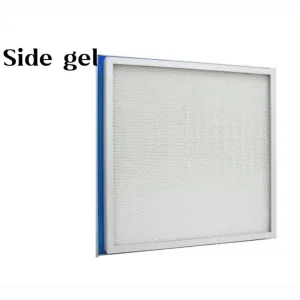
Silicon wafer manufacturing requires cleanrooms that meet ISO Class 1 to ISO Class 5 standards. In these environments, even a 0.1-micron particle can destroy a microcircuit. We utilize top-side liquid gel-seal HEPA and ULPA filters to create airtight connections with ceiling grids, preventing bypassed air from contaminating the clean zone.
Pharmaceutical processing requires compliance with GMP Grade A zone specifications. In these facilities, filtration systems must control both non-viable particles and viable microbiological agents. Our antibacterial HEPA filters are treated with active agents that inhibit bacterial colonization on the media, maintaining sterile conditions.
Refineries, chemical processing plants, and battery manufacturing facilities generate hazardous emissions. These installations require multi-stage filtration systems that pair pre-filters with heavy-duty metal-framed HEPA units and gas-adsorption activated carbon beds to neutralize toxic VOCs and corrosive gases before discharge.
The development of industrial HEPA filtration is moving toward advanced membrane technologies and highly optimized physical designs. By shifting from traditional fiberglass to expanded polytetrafluoroethylene (ePTFE) and nanofiber membranes, we can reduce initial pressure drop by up to 50%. This shift enables substantial energy savings in large-scale cleanrooms while providing excellent mechanical resistance against physical handling and chemical cleanings.
Additionally, manufacturing lines are adopting automated hot-melt pleating and laser-guided scanning tests to ensure that every filter meets EN 1822 certification standards. Automated manufacturing reduces human error in pleat alignment, preventing localized stress concentrations and potential media failure under variable air volumes. Future designs will also incorporate biodegradable and recyclable filter frames, reducing the environmental footprint of waste filters in industrial facilities.
Get answers to common technical, regulatory, and application questions regarding CE Certified Industrial HEPA filtration.
CE certification indicates that the filtration equipment complies with European standards for health, safety, and environmental protection. For industrial HEPA filters used within larger systems, it ensures that the raw materials, manufacturing quality, and pressure tolerances comply with EN 1822 and related European directives, ensuring safe operation within industrial machinery.
EN 1822 classifies filters based on their efficiency at the Most Penetrating Particle Size (MPPS). An H13 filter must achieve an overall efficiency of at least 99.95% at the MPPS, with a local efficiency of at least 99.75%. An H14 filter must achieve an overall efficiency of at least 99.995%, with a local efficiency of at least 99.975%.
Liquid gel-seal filters use a fluid polyurethane or silicone gel channel that receives a knife-edge flange on the mounting frame. This design creates a reliable seal that prevents bypass leakage around the frame, which can occur with traditional neoprene gaskets due to compression set or uneven torque.
Replacement schedules depend on dust loading, airflow volume, and the efficiency of the pre-filtration stages. Generally, terminal HEPA filters in cleanrooms last 2 to 5 years if the pre-filters (M5 to F9) are maintained and changed regularly. Differential pressure gauges should be used to monitor filter condition; replacement is recommended when the pressure drop reaches twice the initial clean resistance.
Standard HEPA filters are designed to capture particulate matter and do not filter gaseous pollutants, VOCs, or odors. To address chemical contaminants, HEPA media must be combined with physical adsorption materials, such as activated carbon, or chemical filtration technologies like photocatalysts.
Explore the second phase of our technical collection, featuring specialized gas adsorption setups, cleanroom terminal units, and high-efficiency raw materials.
 Snow Peak